
2027 Different Types of Political Communication Degrees and Their Salaries

Co-Founder and Chief Data Scientist
As the demand for skilled professionals in political communication rises, choosing the right educational path becomes increasingly vital for career success. Employment in related fields is projected to grow significantly in the coming years, reflecting a broader need for experts who can navigate complex communication landscapes within political contexts.
Understanding the various types of political communication degrees offered and the earning potential associated with each equips prospective students and graduates to make informed decisions that align with their career ambitions.
This article provides a clear overview of these degree options and the salary expectations graduates can anticipate, drawing on the latest data and industry insights to guide career planning in this dynamic field.
Key Points About Different Types of Political Communication Degrees and Their Salaries
- Associate degrees in political communication often lead to entry-level roles such as communication assistants or public relations aides, with median salaries around $40,000 annually, but advancement typically requires further education or experience.
- Bachelor's degrees provide broader career opportunities including campaign management and media relations, with average starting salaries near $55,000 and higher long-term growth due to the more comprehensive skill set acquired.
- Master's degrees in political communication significantly boost earning potential and leadership prospects, with median salaries exceeding $75,000 and increased access to strategic roles in government, lobbying, and consultancy sectors.
What Are the Different Types of Political Communication Degrees Available?
Understanding the different types and levels of political communication degrees is crucial for students to select a program that aligns with their career aspirations and academic background.
To clarify these options, here is an overview of the main types of political communication degrees and what distinguishes each of them:
- Bachelor of Arts (BA) in Political Communication: This undergraduate degree offers a broad introduction to political messaging, media effects, and campaign communication. Typical courses include social science research, political advertising, public speaking, and analyzing political discourse.
- Bachelor of Science (BS) in Political Communication: With a focus on quantitative methods and technological tools, the BS degree covers data analysis, digital media production, and the impact of technology on political campaigns and public opinion.
- Master of Arts (MA) in Political Communication: This graduate program emphasizes advanced theories and practical skills, including campaign management, crisis communication, persuasive rhetoric, and public policy writing, preparing students for leadership or research roles.
- Master of Science (MS) in Political Communication: Similar to the MA but with a stronger empirical research orientation, this degree involves studying media effects on political systems, advanced data analysis, and experimental approaches to persuasion and public opinion.
- Doctorate (PhD) in Political Communication: Designed for those pursuing academic or original research careers, the PhD focuses on complex political discourse theories, independent research, and investigating the societal impact of political communication.
Those interested in accelerating their education may consider a fast online bachelor's degree for working adults, which can offer flexible pathways into the field of political communication.
What Specializations Are Available in Political Communication Degrees?
Specialization is a key consideration when choosing a political communication degree because it allows students to tailor their education to fit specific career ambitions and industry demands.
By focusing on particular areas, students gain targeted skills that improve job prospects and prepare them for roles that align with their professional goals.
Below are some common Political Communication specializations that illustrate the range of options available and the career paths each supports:
- Political Communication: Campaign Management: Concentrates on organizing, executing, and evaluating political campaigns. Students develop expertise in media strategy, polling, fundraising, and persuasive messaging.
- Political Communication: Advocacy and Public Affairs: Focuses on influencing public opinion and policy-making through strategic communication. Coursework includes public policy writing, lobbying techniques, and grassroots organizing.
- Political Communication: Media Relations and Digital Strategy: Emphasizes the use of both traditional and digital media platforms to convey political messages. Key skills include social media management, press relations, and digital content creation.
- Political Communication: Political Journalism: Develops skills in reporting, analyzing, and interpreting political news and events. Students sharpen writing, critical thinking, and multimedia capabilities. Common career outcomes include political journalist, reporter, and editor.
- Political Communication: Political Research and Data Analytics: Focuses on using data to analyze voter behavior, assess policies, and measure communication impact. Training includes survey design, statistical analysis, and data visualization.
Students interested in choosing the right path might explore what is the best open enrollment college to attend to find programs offering these valuable specializations and equip themselves for competitive careers in political communication.
How Long Does It Take to Complete Each Type of Political Communication Degree?
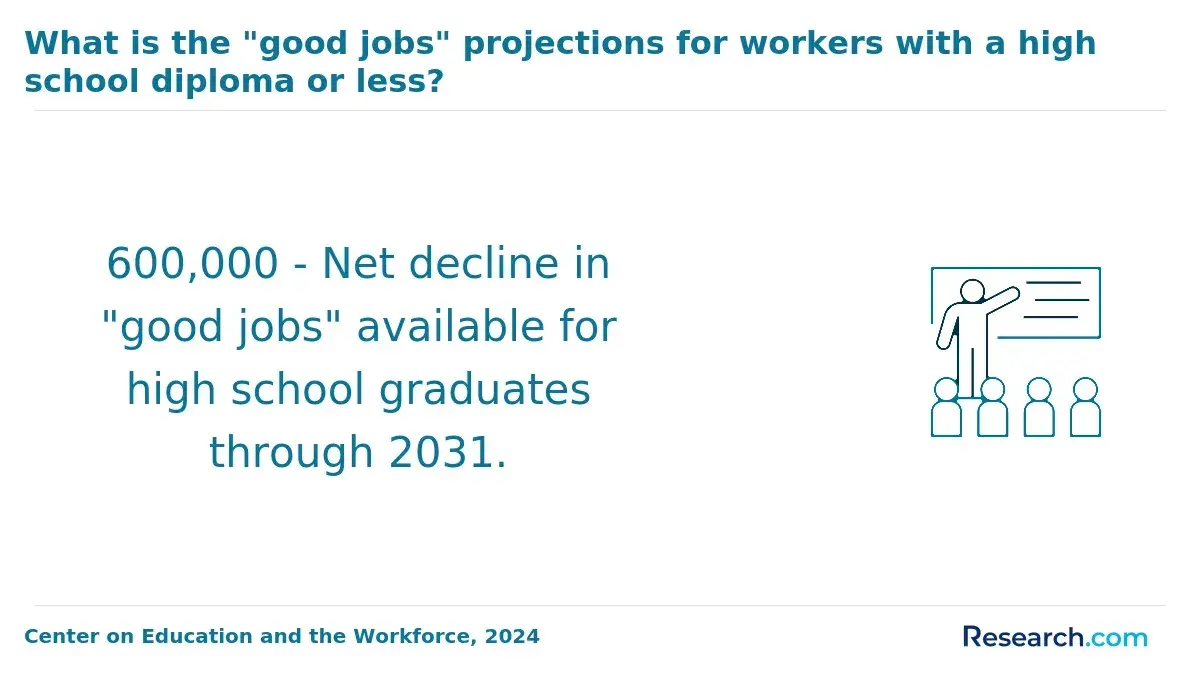
Understanding the typical duration of political communication programs helps students effectively plan their education and anticipate when they can enter the workforce. This knowledge also assists in managing financial commitments and aligning academic goals with career timelines.
Below is an overview of common political communication degree types and their usual completion times.
- Associate Degree in Political Communication: Usually completed in about two years of full-time study, this degree offers foundational knowledge. Students attending part-time or transferring credits from previous coursework might adjust this timeline. Some community colleges offer accelerated or online formats to provide flexibility.
- Bachelor's Degree in Political Communication: Typically requires four years of full-time study, though part-time enrollment can extend completion to five or more years. Transfer credits from an associate degree can shorten the process. Many universities provide online or hybrid options to accommodate diverse schedules.
- Master's Degree in Political Communication: Generally designed to be completed within one to two years of full-time study. Factors such as part-time study, thesis requirements, and fieldwork can affect duration. Accelerated programs and online degrees are increasingly popular for working professionals seeking flexibility.
- Doctorate (PhD) in Political Communication: The most advanced degree, often taking 4 to 6 years depending on research focus, dissertation progress, and full- or part-time status. Some programs offer cohort-based or online components, but the research phase primarily dictates the length.
Are There Accelerated Political Communication Degree Programs?
Accelerated political communication degree programs do exist and are designed to shorten the time required to earn both undergraduate and graduate degrees compared to traditional pathways. A common model is the "4+1" program, which allows students to start graduate-level coursework during their senior year of undergraduate study.
These graduate courses count toward both degrees, enabling students to complete a bachelor's and master's degree in about five years instead of the usual six or more. Some programs, particularly those offered online or with intensive summer terms, provide even faster routes.
By taking heavier course loads, enrolling in year-round classes, or utilizing transfer credits and prior learning assessments, students can potentially finish in two to three years. These flexible formats also often include condensed courses and options to apply undergraduate financial aid to graduate courses taken while still an undergraduate.
However, accelerated programs come with a significantly increased workload. Students must manage the demands of graduate-level assignments while completing undergraduate requirements, which calls for strong time-management skills and academic readiness.
Eligibility is usually competitive, with applicants needing a solid GPA—often 3.0 or higher—a statement of purpose, faculty recommendations, and sometimes writing samples to demonstrate their preparedness.
While specific salary information for graduates of accelerated political communication programs is limited, political scientists generally earn median salaries near $140,000, and roles in nearby fields like public relations or research typically start around $60,000 annually.
Prospective students should carefully consider their capacity to handle the intensity and confirm that their chosen program is recognized by employers and graduate schools.
He recalled the initial shock of balancing advanced graduate courses alongside his final undergraduate classes, stating, "At times, it felt overwhelming, trying to meet the expectations of two levels of study simultaneously."
Yet, he found the structured yet flexible schedule beneficial, particularly appreciating the chance to engage deeply with material without the usual drawn-out timeline. The intensive course load required not just hard work but also learning how to prioritize and remain organized.
Reflecting, he noted that "the challenge ultimately strengthened my discipline and prepared me well for a fast-paced career." For him, the accelerated pathway was a way to swiftly advance his education while gaining valuable skills faster than traditional programs.
Are Online Political Communication Degrees as Credible as Traditional Ones?
Online and traditional political communication degree programs both maintain strict academic standards, with accredited institutions ensuring that curriculum, faculty qualifications, and assessment methods are equivalent regardless of delivery format.
Leading universities report that the primary distinction lies in how coursework is completed, while the degree itself and the associated alumni rights remain identical.
Increasingly, online programs replicate the interactive and feedback-rich environments found in traditional classrooms through live chats, discussion boards, and group projects, effectively narrowing the quality gap between the two formats.
Whether studied online or on campus, the core political communication curriculum generally covers campaign strategy, media relations, journalism, and public affairs, with specialized courses offered in both settings to meet diverse student interests.
Recent trends suggest growing employer acceptance of online political communication degrees, especially as remote work and digital communication grow more central to political campaigns and public relations.
Employers have shifted focus from the degree format to the reputation and accreditation of the awarding institution, evaluating the content and program quality over how the degree was earned.
Communications graduates with political communication specializations typically earn median starting salaries between $48,000 and $55,000 per year, comparable to political science and journalism majors.
Ultimately, the credibility of a political communication degree relies far more on the strength and recognition of the institution than on whether the program is completed online or in a traditional classroom setting.
How Much Does Each Type of Political Communication Degree Typically Cost?
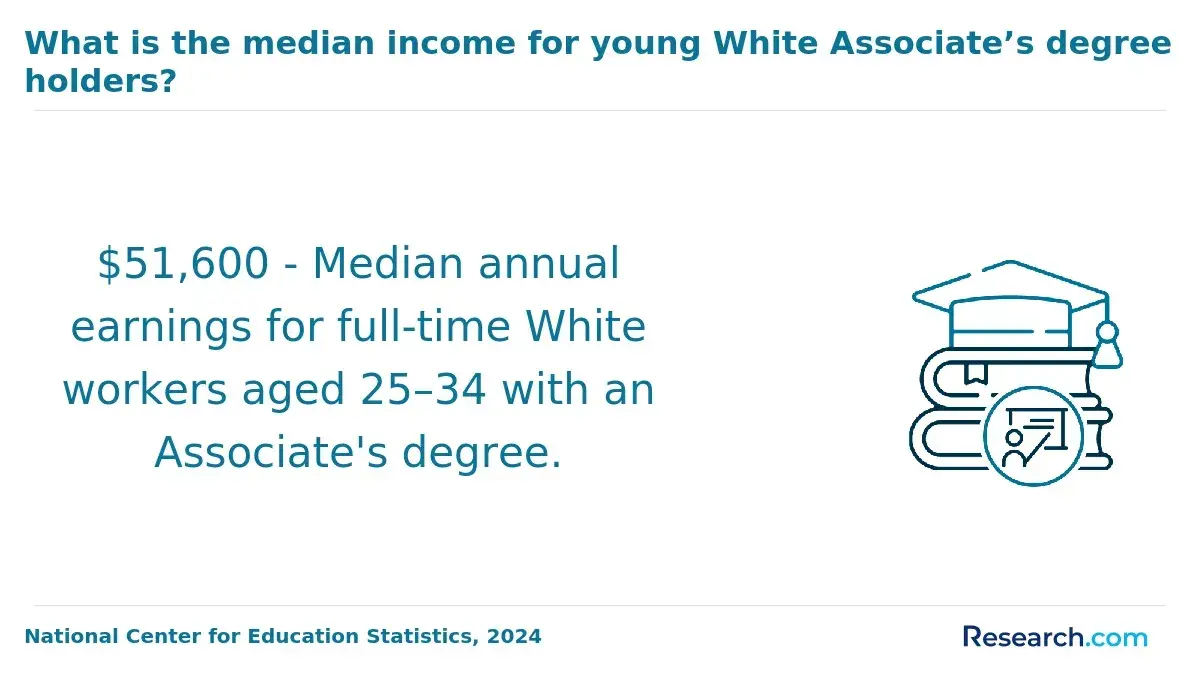
Understanding the differences in tuition costs across political communication degree levels is crucial for effective budgeting and long-term financial planning. Knowing what to expect financially can help students and families make informed decisions about their educational paths.
Below is an outline of the typical tuition ranges associated with each type of political communication degree.
- Associate Degree in Political Communication: Tuition for associate degrees at community colleges typically ranges from $3,500 to $8,000 per year for in-state students. Prices can be higher at out-of-state or private institutions, but many community colleges provide federal grants and scholarships.
- Bachelor's Degree in Political Communication: The average in-state tuition for a bachelor's degree in political communication is approximately $14,417 annually; however, this can vary widely depending on whether the university is public or private.
- Master's in Political Communication: Tuition costs for master's degrees vary greatly by institution. At prestigious private schools, annual tuition may range from $31,824 to $39,472, while the national average for related fields usually spans $44,640 to $71,140.
- PhD in Political Communication: Most doctoral programs at major research universities provide full funding to admitted students, covering tuition, living stipends (such as $41,715 annually at some institutions), and health insurance for up to five years.
When speaking with a graduate from a political communication degree program, she reflected on her experience managing the cost of her bachelor's education.
She mentioned that while the sticker price initially felt daunting, she was proactive in applying for scholarships and work-study programs that significantly lowered her out-of-pocket expenses.
"It wasn't easy, but I learned early on to combine financial aid with part-time work and budgeting strategies," she said. This approach allowed her to graduate with manageable debt and boosted her confidence in navigating career expenses afterward.
According to her, the investment paid off by opening doors to roles in political consulting and media, illustrating how smart financial planning during school can yield tangible benefits in both education and career success.
What Jobs Can You Get with Each Type of Political Communication Degree?
The level of a political communication degree significantly shapes the range of career opportunities available, influencing job responsibilities and advancement potential. Graduates with higher degree levels generally qualify for roles with greater leadership, specialization, and earning power.
For those exploring the fastest way to get an associate's degree, this pathway can serve as a solid foundation for entry-level roles. Here are common jobs by degree level:
- Associate Degree in Political Communication: Graduates can pursue entry-level positions such as public relations assistant, campaign staffer, or communications coordinator. These roles often involve supporting senior staff, managing basic social media, and assisting with public messaging in settings like local government.
- Bachelor's Degree in Political Communication: This degree opens doors to jobs like political consultant, social media manager, public relations specialist, political journalist, and campaign manager. Graduates typically work for political campaigns, advocacy groups, or news organizations.
- Master's Degree in Political Communication: Master's degree holders qualify for advanced roles such as communications director, digital strategist, press secretary, or chief of staff. These professionals usually manage communication teams, develop messaging strategies, and handle crisis communications.
- Doctoral Degree (Ph.D.) in Political Communication: A Ph.D. prepares graduates for careers in academia, research, or policy analysis. Common roles include university professor, think tank researcher, or senior political consultant, focusing on advancing the field through teaching, research, and strategic advice.
How Do Salaries Differ by Political Communication Degree Type?
Degree level often has a significant influence on earning potential in political communication, with higher degrees generally providing access to more specialized and better-paying roles. Understanding these salary differences can help students make informed educational and career decisions that align with their financial goals.
Below is an overview of typical salary ranges associated with each degree type in political communication.
- Associate Degree in Political Communication: Entry-level roles commonly held by associate degree graduates usually offer salaries between $30,000 and $40,000 annually. These positions tend to be in support or administrative capacities, and advancement often requires further education or experience.
- Bachelor's Degree in Political Communication: Graduates with a bachelor's degree typically start with salaries around $41,400, with early career earnings near $40,847. With about five years of experience, salaries may increase to approximately $53,185, while the median salary across all graduates is roughly $56,421.
- Master's Degree in Political Communication: Average salaries range from $75,000 to $132,870, with communications managers earning around $108,855 and public relations managers a median of $132,870. Experience level, sector, and geography influence exact compensation.
- Doctoral Degree (PhD) in Political Communication: Doctorate holders often pursue academic or high-level research positions. Postsecondary teachers in communications earn a median wage of $83,980, but this varies based on institution and tenure.
Students interested in pursuing these degrees should also consider options among online colleges that take financial aid to support their educational journey and improve their long-term salary prospects.
Is There High Demand for Political Communication Degree Holders in the Job Market?
There is moderate to high demand for political communication degree holders in the U.S. job market, driven by the rise of digital communication platforms, social media, and data analytics.
These technological advances have created diverse opportunities in roles such as digital director, social media strategist, campaign manager, and communications director.
According to Emerson College, political communication is among the fastest-growing fields, with a projected 7% job growth over the next decade.
Salaries vary greatly depending on position and region; for instance, communications directors earn an average of $102,000 annually, while specialized positions like speechwriters in Boston can earn as much as $152,227 per year.
The evolving workforce needs and rapid technological change emphasize the value of expertise in emerging digital strategies. Students looking to maximize career potential may also explore options among those that offer relevant programs.
Regional differences strongly shape the demand for political communication professionals. Urban centers with active political landscapes such as Washington, D.C., Boston, and New York provide higher salaries and more job opportunities in government, media, and advocacy organizations.
The growing investment in political advertising—with projections reaching $12.32 billion by 2024—also fuels demand for candidates skilled in digital strategy, data analytics, and online campaign management.
While roles in advertising, promotions, and public relations are expected to grow at rates of 7% to 8%, more traditional media jobs may face slower growth or decline.
Overall, the outlook for political communication degree holders is promising, particularly for those proficient in new technologies and willing to relocate to high-activity regions, where adaptable communication skills remain essential.
What Factors Should You Consider When Picking a Type of Political Communication Degree?
Choosing the right degree level in political communication is a critical decision that shapes how your education aligns with your career goals and personal circumstances. Making an informed choice helps ensure you invest the right amount of time and resources for your long-term ambition.
Below are key factors to consider when selecting the appropriate political communication degree:
- Career Goals: Select a degree level that matches where you want to be professionally. Entry-level jobs may require an associate or bachelor's degree, while leadership, academic, or specialized consulting roles often demand a master's or Ph.D.
- Time Commitment: Consider how much time you can dedicate to your studies. Associate degrees usually take two years, bachelor's four years, master's one to two years post-bachelor's, and doctoral degrees can require four or more additional years.
- Salary Outcomes: Higher degree levels generally provide access to better-paying roles. For instance, bachelor's degree holders start around $38,303 annually on average, but advanced degrees can lead to significantly higher earnings in government, consulting, or academia.
- Program Content and Skills: Lower degree levels focus on foundational skills like media and campaign strategy, while graduate programs emphasize research, analytics, and leadership. Choose based on how deeply you want to engage with the subject.
- Cost and Financial Aid: Evaluate tuition and living expenses relative to expected salary benefits. Bachelor's programs at top schools may cost $25,000 to $33,000 annually, though scholarships and aid can reduce expenses.
- Flexibility and Format: Online programs offer scheduling flexibility, which can be vital if you are balancing work or family commitments without sacrificing educational quality.
What Political Communication Graduates Say About Their Degree and Salary
- Jamila: "Completing my degree in political communication gave me the tools to effectively craft messages that resonate across diverse audiences. The program's blend of theory and practical experience opened doors to a rewarding career in public relations, where I now lead outreach campaigns promoting civic engagement. Beyond professional growth, I've grown personally by understanding how communication shapes public opinion and policy. It's fulfilling to know that my work contributes to a more informed and connected community."
- Arden: "Studying political communication was an eye-opening journey that challenged me to think critically about media influence and political narratives. The reflective nature of the coursework helped me develop strong analytical skills, which have been indispensable in my role as a research analyst. I appreciate how the degree encouraged me to evaluate exactly how communication affects democracy and social justice. This program not only prepared me academically but also instilled a lifelong passion for advocating change through informed dialogue."
- Monty: "As a graduate of an applied political communication program, I found unique opportunities to intern with prominent political campaigns, which accelerated my professional development enormously. The hands-on experiences combined with rigorous training in digital media strategies equipped me to navigate the fast-paced environment of political consulting confidently. This degree taught me the value of adaptability and quick thinking, which are essential in today's political landscape. It's rewarding to contribute to shaping effective communication strategies that engage citizens meaningfully."
Other Things You Should Know About Political Communication Degree Programs & Salaries
In 2027, political communication degrees vary from bachelor's to PhD levels. A Bachelor’s in Political Communication can lead to roles with salaries averaging $50,000. A Master’s degree may boost this to $70,000, while PhD graduates can earn $90,000 or more, depending on experience and location.
Entry requirements for a 2026 Political Communication degree typically include a high school diploma or equivalent, satisfactory SAT/ACT scores, and letters of recommendation. Some programs may also require prerequisite courses in social sciences or communications. Admissions criteria can vary greatly between institutions.
References
- Political Communication | LSU Majors https://www.lsu.edu/majors/mass-communication/political-comm.php
- What is Political Communication, Exactly? | School of Public Affairs | American University https://www.american.edu/spa/dispatches/what-is-political-communication-exactly.cfm
- Reasons to believe: Influence of credibility on motivations for using social networks - ScienceDirect https://www.sciencedirect.com/science/article/abs/pii/S074756321500285X
- Career - Master Political Communication (Communication Science) https://www.uva.nl/shared-content/programmas/en/masters/communication-science-political-communication/careers/careers.html
- All Master’s in Political Communication Programs (2025 Update) https://www.mastersincommunications.com/specializations/political-public-communication


