2027 Is Taxation a Hard Major? What Students Should Know

Co-Founder and Chief Data Scientist
Taxation is often perceived as a challenging major due to its intricate laws and detailed financial regulations. However, the difficulty can vary significantly depending on a student's background and interest in numbers. In the U.S., over 35% of accounting undergraduates choose taxation courses, highlighting its popularity despite the complexity involved.
This article will explore the academic rigor of taxation programs, including typical coursework, expected workload, essential skills like analytical thinking, and factors that influence how students experience challenges. Understanding these elements can help prospective students gauge if taxation matches their strengths and career goals.
Key Benefits of Taxation as a Major
- Taxation develops analytical and problem-solving skills valuable for career changers seeking a practical, high-demand field with steady job growth of 6% through 2031.
- It offers flexible learning paths suitable for full-time workers returning to school, with many programs accommodating part-time and online studies.
- Traditional undergraduates gain specialized expertise and confidence managing complex tax codes, preparing them for diverse roles in accounting and finance sectors.
Where Does Taxation Rank Among the Hardest College Majors?
Taxation is generally viewed as a moderately challenging major within business-related fields according to national difficulty rankings. It typically ranks below highly demanding STEM majors like engineering, physics, and chemistry, which require extensive lab hours and advanced technical expertise. Instead, taxation demands significant analytical skills and a solid understanding of complex tax codes and regulations.
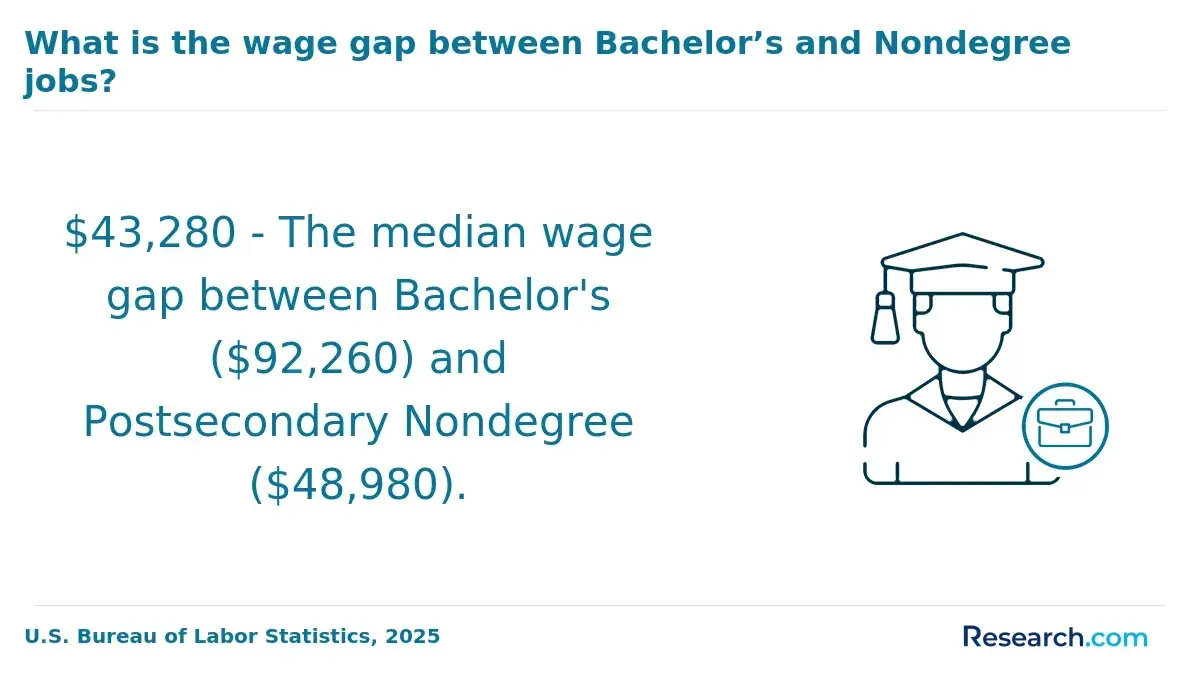
Students are required to engage in technical coursework and case studies, but they spend far less time in labs or practicum compared to STEM disciplines. For instance, the average starting salary for taxation graduates is around $48,000, reflecting both the program's rigor and career value without the extreme workload associated with top-tier technical majors.
Perceptions of taxation's difficulty can vary widely based on the college and the student's background. Those with strong quantitative skills or prior accounting experience often find it more manageable, while others may struggle with its detail-oriented nature and regulatory complexity.
Compared to majors like chemical engineering, which involve heavy lab work and complex problem-solving, taxation requires less hands-on technical time but demands sharp analytical thinking. It is generally considered more rigorous than marketing or general business studies, yet less challenging than pure mathematics or hardcore engineering. Ultimately, whether taxation feels difficult depends largely on individual aptitude and academic preparation.
What Factors Make Taxation a Hard Major?
The difficulty of taxation as a major stems largely from its demanding academic standards and complex skill requirements. Students face a challenging curriculum that integrates rigorous coursework with practical analytical tasks, making the discipline a truly demanding field of study.
- Academic Rigor: Taxation degree programs maintain high standards, often requiring a minimum 3.0 GPA to stay in good standing. Students must master extensive federal, state, and international tax laws, necessitating deep understanding and critical interpretation of the Internal Revenue Code and related regulations.
- Workload Demands in Taxation Major: The workload is intense, including mandatory bootcamps lasting 16-40 hours before classes commence and completion of at least 30 semester units of graduate-level coursework. This considerable time commitment tests students' endurance and dedication throughout their studies.
- Technical and Analytical Complexity: Taxation demands advanced analytical and research skills for handling legal research and writing assignments akin to professional tax practice. It also requires strong quantitative abilities in mathematics, finance, and accounting, combined with the need to stay current with continually evolving tax laws.
- Field-Specific Requirements: Students often face comprehensive exams, academic honesty standards, and the requirement to undertake directed studies or capstone projects addressing real-world tax issues. These factors collectively increase the intellectual engagement and discipline necessary to succeed.
For those considering a degree fast track, acknowledging these hurdles can help set realistic expectations about the demands of taxation majors.
Who Is a Good Fit for a Taxation Major?
Identifying who is best suited to study taxation is essential to thrive in its demanding curriculum. Students with specific personality traits for tax professionals tend to excel as they navigate complex financial regulations and tax codes.
Key traits and backgrounds for success in taxation include:
- Analytical Thinkers: These students enjoy solving puzzles and logical challenges, which helps them interpret intricate tax laws and financial data effectively. Their problem-solving skills give them an advantage in handling the technical complexities of coursework.
- Detail-Oriented Individuals: Attention to detail is crucial for accuracy in tax calculations and compliance with regulations. Such students minimize errors and manage lengthy, detailed materials efficiently.
- Numerically Fluent: Comfort with numbers and quantitative analysis allows students to interpret financial statements and apply tax codes correctly, which is fundamental to taxation studies.
- Ethically Grounded: Integrity and clear communication are vital since tax professionals deal with sensitive information and must explain complex rules to clients or colleagues transparently.
- Adaptable Lifelong Learners: Given frequent changes in tax law, students committed to continuous education stay current and succeed over time in this evolving field.
These skills needed to succeed in taxation are essential for managing the major's rigorous workload. Students interested in this area often have experience or curiosity about accounting, finance, or law. For those wondering which bachelor degree is easy, taxation's requirement for precise analytical and ethical standards highlights the importance of matching personal strengths to academic demands.
How Can You Make a Taxation Major Easier?
Students frequently struggle with taxation due to its complexity and the large volume of material involved. However, employing effective techniques, such as targeted study methods and careful time management, can significantly reduce these challenges.
- Engage actively in classes: Participating in discussions and immediately applying concepts during lectures deepen understanding and help solidify knowledge early on.
- Keep study materials organized: Maintaining systematic notes and focusing on lecture content streamline revision, with textbooks used primarily for clarifying tough topics.
- Practice past exam questions: Regular exposure to exam-style problems builds familiarity with common themes and sharpens problem-solving skills.
- Manage time efficiently: Breaking study into focused intervals and prioritizing tasks by urgency prevent burnout and improve productivity.
- Utilize academic support: Asking professors or tutors for help early prevents confusion and reinforces correct approaches through feedback.
A graduate who majored in taxation reflected on her journey, recalling how overwhelming the subject initially felt, especially when juggling multiple deadlines. She shared, "I used to spend hours rereading chapters without much progress until I started grouping topics and discussing them with classmates." This shift allowed her to grasp complex concepts more naturally. She also emphasized how setting mini-goals each week turned a daunting syllabus into manageable steps. "The support from tutors was invaluable," she noted, describing how expert guidance helped her avoid common mistakes and boosted her confidence. Her experience highlighted that adapting study habits and seeking collaboration transformed stress into steady achievement.
Are Admissions to Taxation Programs Competitive?
Admissions to taxation programs in the US are moderately competitive, driven by limited program spots and a growing number of applicants. Many institutions balance this demand by valuing professional experience alongside academic achievements, allowing working professionals to apply. While top-tier programs often have more stringent criteria due to high interest, other schools may offer more flexibility to accommodate varied backgrounds. Prerequisite coursework and relevant work experience can strongly influence acceptance chances.
Selectivity varies based on factors like GPA expectations-typically around a 3.0 minimum but higher at elite schools-along with required courses in accounting or business law. Programs frequently prioritize applicants with tax or accounting experience, which may compensate for borderline academic records. Increasing student demand reflects strong career and salary prospects; graduates from some institutions report earnings well above the national median. Regional differences and school-industry connections also affect competitiveness.
When I spoke with a professional taxation major, he described the application process as both challenging and rewarding. "It wasn't just about meeting GPA requirements-demonstrating my work experience and passion made a real difference," he recalled. The wait between submitting materials and hearing back was tense, but ultimately affirming. His journey highlighted how perseverance and a clear career goal can help navigate the competitive landscape.
Is an Online Taxation Major Harder Than an On-Campus Program?
Online taxation programs are generally equally challenging compared to on-campus formats, with no clear evidence that one is more difficult than the other. Various factors contribute to this balance, ensuring academic rigor and learning outcomes are maintained regardless of delivery mode.
When examining the differences between online and on-campus Taxation degrees, several key aspects highlight the similarities and distinctions in student experience and expectations.
- Academic expectations: Both formats demand a deep understanding of complex tax regulations and set high grading standards, with identical course content and assessment criteria.
- Workload and pacing: Online study offers flexible pacing but requires strong self-discipline to manage time effectively, while on-campus students follow a set schedule with a comparable overall workload.
- Interaction and support: While on-campus students benefit from direct, face-to-face engagement with faculty, online learners connect through video, discussion boards, and email, which can be more accessible but less personal.
- Learning environment: Online Taxation students must be comfortable with independent study and technology use; on-campus students thrive in structured, collaborative settings.
- Unique challenges: Technical issues and self-motivation can be hurdles for online students, whereas commuting and adhering to fixed schedules challenge those on campus.
Asking whether is an online Taxation degree more difficult depends largely on a student's learning style and circumstances. Despite this, surveys show that 85% of students who have experienced both formats believe online learning is as good or better than in-person classes.
Prospective students interested in pursuing an advanced degree might explore cheapest online master degrees to find affordable options that fit their needs.
Are Accelerated Taxation Programs Harder Than Traditional Formats?
Accelerated taxation programs are generally harder than traditional formats due to condensed timelines that intensify the workload and demand quicker adaptation to material. The pace and density of coursework increase stress levels and require exceptional time management skills to succeed. Below is a comparison highlighting key differences between traditional vs accelerated taxation degree difficulty and workload:
- Course pacing and content density: Accelerated programs condense a 30-credit curriculum into about nine months, leading to more frequent classes and rapid assignment deadlines, while traditional programs spread coursework over several semesters.
- Workload management: Students in accelerated taxation program workload experience a dense schedule with little downtime, posing challenges even for high achievers; traditional formats allow more balanced time for review and assignments.
- Academic expectations and skills: Both formats require mastery of technical tax law and analytical thinking, but accelerated paths demand sustained focus and rapid absorption of complex material with less margin for delay.
- Learning retention and stress levels: The fast pace of accelerated programs may hinder some students' ability to fully internalize concepts, contributing to higher stress compared to the more paced learning in traditional degrees.
- Flexibility and scheduling: Traditional programs offer greater flexibility to balance school with other commitments, whereas accelerated formats follow a full-time, lockstep structure with daily classes and little scheduling freedom.
For those exploring options beyond traditional pacing, some may consider an online university cheapest alternative, which can offer flexibility without necessarily increasing the acceleration of the program.
Can You Manage a Part-Time Job While Majoring in Taxation?
Balancing a part-time job while majoring in taxation is achievable for many students but hinges on key factors like course difficulty, weekly study hours, and schedule adaptability. Taxation programs often demand significant time for detailed assignments and exam preparation, with study times typically surpassing 15 hours weekly. Flexibility in class schedules and strong personal study habits play crucial roles in managing both commitments effectively.
Students frequently maintain this balance by carefully selecting credit loads and opting for roles that accommodate their academic responsibilities, such as on-campus or remote jobs with flexible hours. The nature of taxation coursework-characterized by heavy reading, technical problem sets, and periodic project deadlines-requires disciplined time management.
Access to support resources, including tutoring and online materials, further aids students in meeting their academic goals while employed part-time. Despite these strategies, those with intensive course loads or weaker study discipline may find juggling work and coursework more challenging.
What Jobs Do Taxation Majors Get, and Are They as Hard as the Degree Itself?
Career paths for taxation majors vary widely in difficulty, responsibility, and skill requirements. While some jobs closely match the academic rigor of the degree, others may feel less demanding or challenging in different ways depending on their focus and pace.
- Tax Accountant: Tax accountants prepare and review tax returns, ensure compliance with federal and state laws, and provide tax-saving advice. This role leverages much of the technical knowledge gained during the major and can be as demanding as the degree itself, especially during peak tax season when deadlines intensify.
- Tax Manager: Tax managers lead teams, oversee complex tax filings, and develop organizational tax strategies. They evaluate legislative impacts on businesses and may participate in audits or mergers. The position is generally as challenging as the major, requiring leadership skills, technical expertise, and strategic thinking.
- Tax Analyst: Tax analysts focus on preparing and reviewing tax documents and analyzing financial data to ensure compliance. While demanding in accuracy and problem-solving, this role is often less intense than upper management but still rigorous for early-career professionals.
- Tax Preparer: Tax preparers assist individuals and small businesses with tax returns, emphasizing process and compliance over deep analysis or strategy. This job is typically less demanding than a taxation major due to its narrower scope and focus.
- Tax Examiner (IRS): Tax examiners review returns for accuracy, investigate discrepancies, and ensure legal compliance. The job demands great attention to detail and legal knowledge but may require less high-level analysis compared to some private-sector roles.
Taxation as a major is known for its heavy workload and technical rigor, often reflected in lower average GPAs than other business disciplines due to its analytical demands. Whether a graduate's career feels as hard as their degree largely depends on the complexity of their chosen role and level of responsibility involved.
Those interested in pursuing a taxation degree salary potential and exploring career options may consider the top online universities with national accreditation offering flexible programs designed to meet varied professional goals.
Do Taxation Graduates Earn Higher Salaries Because the Major Is Harder?
There is no conclusive evidence that taxation graduates earn higher salaries simply because the major is more difficult. While taxation involves complex legal, technical, and quantitative material, salary differences are primarily driven by how effectively graduates apply these skills in their careers.
Employers prioritize relevant expertise and analytical capabilities, but higher pay typically stems from the demand for those skills in the marketplace and accumulated professional experience rather than academic challenge alone. Positions such as Tax Director or senior management roles command high salaries due to responsibility and expertise, not the difficulty level of the degree.
Several elements influence taxation graduate salaries, including industry demand, job role, location, and credentials. Financial sectors like banking and real estate tend to offer higher compensation, especially in cities such as New York or San Francisco where senior tax roles can exceed $120,000.
Entry-level tax accountants may start around $58,000 to $64,000, while experienced managers often earn between $150,000 and $250,000 or more. Advanced certifications and degrees also boost earning potential, illustrating that factors beyond major difficulty shape outcomes in this field.
What Graduates Say About Taxation as Their Major
- Ami: "Pursuing taxation was definitely challenging, but the depth of knowledge I gained made every late-night study session worth it. Understanding complex tax codes and regulations gave me a clear edge in my career, helping me land a job at a top accounting firm. Considering the average cost of attendance is around $30,000 per year, the investment felt justified given the career opportunities it opened for me."
- Hannie: "Studying taxation was tough but incredibly rewarding-more of a marathon than a sprint. It required discipline and consistent focus, which has paid off in my ability to navigate personal and professional financial decisions better. Although tuition costs were high, roughly $28,000 annually, the practical skills I've gained have been invaluable in managing my own finances post-graduation."
- Lynos: "Taxation as a major was no walk in the park; it demanded rigorous logical thinking and attention to detail. Professionally, it gave me credibility and confidence when advising clients on tax matters. Even with an average cost of about $32,000 per year, I view this education as a strategic investment for my long-term career growth in finance."
Other Things You Should Know About Taxation Degrees
In 2027, taxation majors face challenges such as grasping complex tax codes and keeping up with evolving tax regulations. Additionally, students must refine analytical skills to interpret financial data and develop proficiency in tax software and technology that streamline tax processes.
In 2027, knowledge of law remains crucial for taxation students due to constant legislative changes. Understanding tax laws aids in analyzing and applying tax regulations effectively. Law courses are often integrated into taxation programs to ensure that students develop necessary skills for interpreting complex legal contexts.
Prerequisite courses for a taxation major in 2027 often include introductory accounting, microeconomics, and business law. These courses lay the foundation needed to understand complex tax codes and regulations essential for succeeding in the taxation field.
References
- 9 Reasons Why You Should Study Tax Law https://www.nesl.edu/blog/detail/want-to-be-a-happy-lawyer-study-tax-law-(9-reasons-why-you-should)
- 10 Reasons To Choose Taxation As A Career | CSIT https://www.csit.edu.in/blog/why-choose-taxation-as-a-career/
- Top tips for tackling professional exams https://www.grantthornton.ie/careers/early-careers/gradcareers/top-tips-for-tackling-professional-exams/
- What Can You Expect From a Career in Tax? | Bright Network https://www.brightnetwork.co.uk/career-path-guides/accounting-audit-tax/career-in-tax/
- Getting a Master's in Taxation: Everything You Need to Know https://www.westerncpe.com/blog-post/getting-a-masters-in-taxation-everything-you-need-to-know/
- Accounting and Taxation Double Major (BCom) https://www.curtin.edu.au/study/offering/course-ug-accounting-and-taxation-double-major-bcom--mjdu-acctx/
- 5 Great Reasons to Work in Tax Industry | H&R Block Tax Agent Course https://www.hrblock.com.au/tax-academy/tax-industry-job-benefits
- The impact of undergraduate degrees on lifetime earnings | Institute for Fiscal Studies https://ifs.org.uk/publications/impact-undergraduate-degrees-lifetime-earnings
- Tax LLM Chances? | LLM GUIDE https://llm-guide.com/board/usa/tax-llm-chances-191310
- Is accounting a hard major? https://envoice.eu/en/blog/is-accounting-a-hard-major/