
2027 Supply Chain Management Degree Coursework Explained: What Classes Can You Expect to Take?

Co-Founder and Chief Data Scientist
Many students entering supply chain management programs struggle to understand which courses will develop the practical skills needed in today's competitive job market. Recent surveys show that over 70% of supply chain professionals consider expertise in data analysis and logistics essential for career advancement. However, academic paths vary widely, causing confusion among prospective students. This article clarifies typical coursework in supply chain management degrees, detailing core classes and specialized subjects. It will help readers gain a clear picture of how the curriculum equips them with critical knowledge and skills to meet industry demands effectively.
Key Benefits of Supply Chain Management Degree Coursework
- The coursework in areas like logistics, operations, and procurement directly prepares you for this high-growth sector, as the U.S. Bureau of Labor Statistics projects that employment for logisticians will grow by an incredible 28% between 2022 and 2032.
- A supply chain management curriculum is focused on efficiency and cost-saving, which are highly valued competencies that lead to strong financial outcomes, with the median annual salary for logisticians being over $82,000.
- The strategic planning and analytical skills developed in your coursework are essential for advancement, opening up opportunities within a massive field that employs over 188,000 logisticians in the U.S. alone.
What Types of Class Do You Take in a Supply Chain Management Degree?
Supply chain management degree courses are designed to provide students with a well-rounded education covering the entire flow of goods, information, and finances within supply chains. Industry data shows that over 70% of employers prioritize candidates who possess both analytical abilities and practical experience, a balance these programs aim to achieve. The curriculum includes a mix of foundational knowledge, specialized topics, research skills, and hands-on experiences. Below is an outline of typical coursework categories found in supply chain management classes overview:
- Core Foundational Classes: These classes introduce essential principles such as logistics, operations management, procurement, and inventory control, ensuring students understand the basics of supply chain operations and management.
- Specialization or Elective Courses: Students have opportunities to focus on areas like global sourcing, sustainability, or technology integration, allowing them to tailor their education toward their career goals or emerging market trends.
- Research or Methods Coursework: Emphasizing quantitative techniques, these courses develop skills in data analysis, forecasting, and decision modeling to support evidence-based supply chain strategies.
- Practicum, Internship, or Capstone Experiences: Real-world application through internships or project work is critical, helping students build professional skills, solve complex problems, and develop industry connections important for career success.
For prospective students considering program affordability while pursuing specialized fields, exploring resources like the cheapest online SLP programs can provide guidance on balancing cost and curriculum quality.
What Are the Core Courses in a Supply Chain Management Degree Program?
Core classes in a supply chain management degree program provide essential knowledge and practical skills that form the foundation for managing complex supply networks. These courses are carefully designed to develop competencies in areas such as logistics, procurement, and data analysis, which are critical for both academic success and future career opportunities. For those exploring essential courses in supply chain degree programs, understanding the core curriculum can clarify what skills you will gain.
The supply chain management core classes often cover the following areas:
- Introduction to Supply Chain Management: Focuses on the basics of supply chain concepts, roles, and operations. Students learn how different functions integrate to optimize product flow and reduce costs.
- Operations Management: Emphasizes process improvement, capacity planning, and quality control. This course builds problem-solving skills to enhance operational efficiency.
- Logistics and Transportation: Covers transportation modes, distribution strategies, and warehouse management. Students gain insight into managing the movement of goods effectively.
- Procurement and Sourcing: Addresses supplier selection, negotiation, and contract management. Practical skills in strategic sourcing help develop supplier relationship management expertise.
- Supply Chain Analytics and Data Management: Develops abilities in data analysis, forecasting, and decision-making using technology tools. Analytical skills are vital for handling complex supply networks.
- Inventory Control and Demand Forecasting: Teaches inventory optimization techniques and prediction of customer demand trends. Students learn how to balance stock levels and reduce waste.
- Strategic Sourcing and Supplier Relationship Management: Focuses on aligning sourcing strategies with organizational goals and ethical practices. Communication and negotiation skills are strengthened.
- Global Supply Chain Strategy and Ethics: Examines international trade regulations, sustainability, and ethical considerations. Graduates are prepared to navigate the global challenges affecting supply chains.
Students interested in cost-effective education options might also explore cheapest CACREP-accredited programs online which can offer insights on affordable accredited pathways alongside their main studies.
What Elective Classes Can You Take in a Supply Chain Management Degree?
Elective courses in supply chain management programs enable students to tailor their education toward specific interests or targeted career paths. Recent research shows that more than 60% of professionals in this field believe specialized electives have enhanced their job effectiveness and opened doors for promotions. Below are popular elective options that provide focused expertise and practical skills.
- Logistics and Transportation Management: Concentrates on optimizing the movement of goods through route optimization, freight coordination, and distribution planning. This course is ideal for those pursuing roles in shipping operations or distribution logistics.
- Data Analytics for Supply Chains: Focuses on interpreting data trends and applying statistical tools to improve supply chain decisions and efficiency. Graduates can pursue careers in analytics, operations research, or demand forecasting.
- Global Sourcing and Procurement: Covers methods for international purchasing, supplier negotiation, and risk mitigation to manage global supply networks effectively.
- Inventory and Warehouse Management: Deals with inventory control techniques, warehouse layout design, and the use of technologies to streamline storage and order fulfillment processes.
- Sustainability in Supply Chains: Examines environmental considerations and ethical practices to develop greener logistics solutions and support corporate social responsibility goals.
When discussing electives with a supply chain management professional, he recalled feeling overwhelmed choosing courses but found that selecting those aligned with emerging tech and sustainability trends paid off. He noted, "The elective on data analytics challenged me with complex software, but once mastered, it gave me confidence to tackle real-world scenarios." Reflecting on sustainability classes, he shared, "Those sessions reshaped how I view supply chains-not just as cost centers but as opportunities to drive positive environmental change." Overall, electives allowed him to customize his skill set while navigating the uncertainties common to early career development.
Are Internships or Practicums Required in Supply Chain Management Programs?
Hands-on experiences in supply chain management programs connect theoretical learning with practical challenges faced in real-world operations. These opportunities allow students to gain valuable insight into logistics, procurement, and supply chain processes.
Recent data shows that around 70% of students in these programs complete internships or practicums, underlining their significance in education. The following points outline key elements of these experiential components.
- Program Requirements: Many supply chain management programs include internships or practicums as mandatory or highly encouraged elements, ensuring students gain direct industry exposure before graduation.
- Duration and Commitment: Typically, students dedicate several hundred hours to these experiences, often completed over a semester or during summer breaks, balancing work assignments with academic schedules.
- Experience Types: Common tasks involve inventory oversight, supplier communication, process improvement, and data analysis, providing a broad view of supply chain operations.
- Skills Developed: Through these roles, students enhance problem-solving abilities, communication skills, and adaptability, all critical for managing the complexities of supply chains in evolving markets.
Is a Capstone or Thesis Required in a Supply Chain Management Degree?
Capstone projects and theses are designed to showcase students' mastery of supply chain concepts through practical or research-based work. Approximately 65% of supply chain management programs require one of these culminating projects to bridge academic learning with career readiness. Here's a concise breakdown of how these options differ and what they typically involve:
- Capstone vs. Thesis: A capstone focuses on solving real-world supply chain problems, often through case studies and teamwork. In contrast, a thesis centers on original academic research, demanding hypothesis formulation and detailed data analysis.
- Typical Requirements: Capstones typically require collaborative efforts culminating in actionable strategies, while theses involve extensive independent research and formal academic writing.
- Skills Developed: Participating in a capstone hones project management, critical thinking, and communication skills. Thesis work sharpens research methodology, analytical reasoning, and scholarly writing.
- Time Commitment: Theses generally demand more time due to the depth of investigation and length of the final document. Capstones are often shorter projects but can be intensive due to group dynamics and presentation requirements.
- Career and Academic Impact: Capstones prepare students with practical experience sought by employers, enhancing job readiness. Theses offer a foundation for advanced study or research careers by developing a strong academic portfolio.
When I asked a professional who recently finished a supply chain management program about her experience with the culminating project requirement, she shared that choosing the capstone pushed her to apply classroom lessons directly to industry challenges. "It felt demanding at times, especially coordinating with teammates while managing conflicting schedules," she explained. However, the process deepened her understanding of supply chain complexities and improved her confidence in presenting solutions to real clients. Reflecting on the experience, she said it was rewarding to see theory translate into actionable plans that could make a tangible difference. Her journey illustrates how these projects not only test knowledge but also build essential practical skills needed in supply chain roles.
Is Supply Chain Management Coursework Different Online vs On Campus?
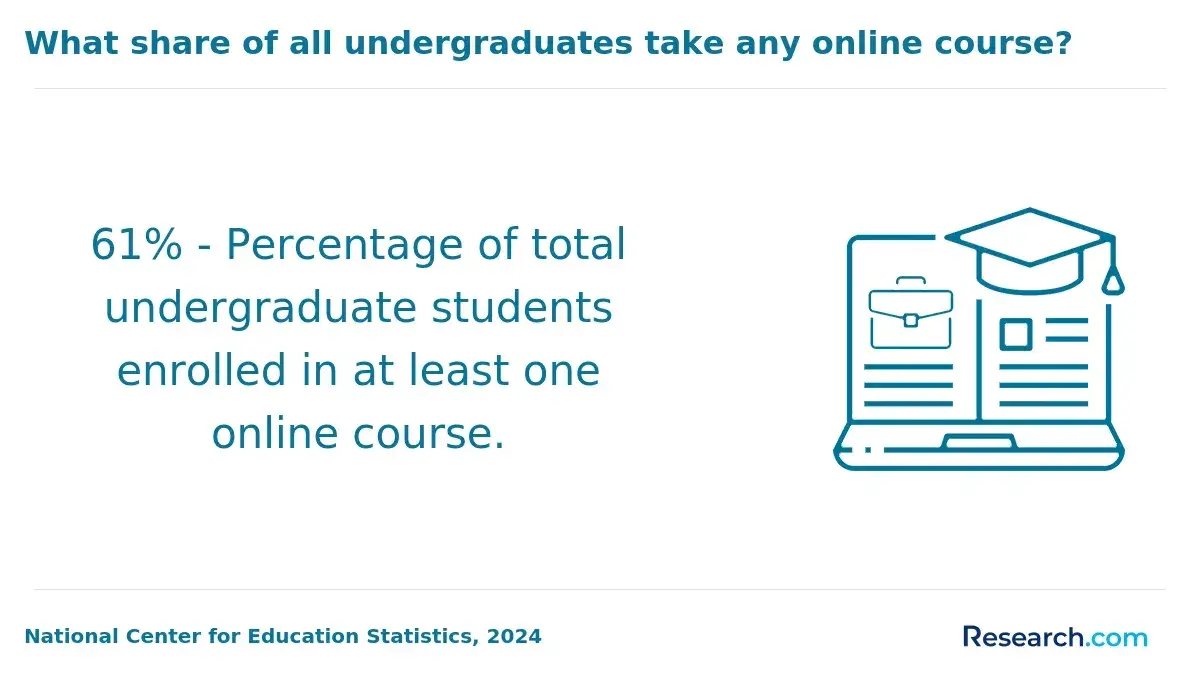
Supply chain management coursework remains consistent in curriculum, learning outcomes, and academic standards whether studied online or on campus. Both formats cover essential topics like logistics, procurement, operations, and supply chain strategy to equip students with comparable knowledge and skills. The core content is designed to ensure that graduates meet similar competency levels regardless of the delivery method.
Differences emerge mainly in how the courses are delivered and experienced. On-campus programs emphasize face-to-face interaction with instructors and classmates, promoting immediate discussion and networking. Online options provide flexibility for students to learn at their own pace and juggle other responsibilities. Access to physical facilities may be limited for online learners, but many programs offer digital alternatives.
Assessments also vary, with online courses frequently using timed quizzes, discussion forums, and virtual presentations, whereas in-person classes might rely more on exams and group projects. Practical parts like simulations or case studies are adapted through interactive tools online, though some internships or hands-on experiences may still require in-person attendance.
How Many Hours Per Week Do Supply Chain Management Classes Require?
Most students enrolled in supply chain management courses typically dedicate between 10 to 20 hours per week to their studies. This weekly time commitment usually includes about 3 to 5 hours of lectures, 4 to 6 hours of reading and reviewing textbooks and industry materials, 2 to 4 hours on assignments, 1 to 3 hours of group collaboration, and 2 to 4 hours for applied learning activities such as simulations or case studies when applicable. The average weekly time commitment for supply chain courses depends on various factors that influence how these hours are distributed.
Key factors that affect weekly study hours for supply chain management degree students include:
- Enrollment status: Full-time students often allocate more hours due to multiple courses and heavier credit loads, while part-time students tend to distribute their workload over longer periods with fewer weekly demands.
- Course level: Upper-level classes and capstone projects generally require a more intensive time investment to handle complex topics and comprehensive projects.
- Delivery format: Online classes offer flexible scheduling but require a high degree of self-discipline to manage readings and assignments effectively.
- Credit load: The number of credits taken each term directly influences weekly study hours; higher credits typically mean more coursework and time requirements.
- Applied components: Practicum or project requirements can increase weekly hours during specific terms as hands-on activities demand additional focus.
Prospective students interested in related fields might also explore options like a library science degree to compare time commitments. Understanding the supply chain management degree weekly study hours helps future professionals plan their schedules and balance academic and personal responsibilities.
How Many Credit Hours Are Required to Complete a Supply Chain Management Degree?
Total credit hour requirements directly impact how long students spend in a program, their semester workload, and the timeline for graduation. These requirements vary depending on the degree level and the specific structure of the supply chain management program. Prospective students should consider these differences carefully to plan their academic path and manage their time effectively.
Below is a summary of common credit-hour components for a supply chain management degree and how these typically align with different program levels and learning goals.
- Core Coursework: Bachelor's degrees generally require between 120 and 130 credit hours in total, with a significant portion dedicated to core classes covering logistics, procurement, operations, and supply chain strategy. Graduate programs usually demand about 30 to 45 credit hours focused on advanced theory and applications.
- Electives: Elective credits allow students to tailor their study, often exploring areas like data analytics, international business, or emerging supply chain technologies. These credits provide flexibility within the total credit requirements for both undergraduate and graduate levels.
- Experiential Learning: Practical experience through internships, practicums, capstone projects, or theses is a key component. Undergraduate programs typically include internships or capstones within their credit hour totals, while graduate studies emphasize research projects or comprehensive theses.
The typical credit hours for supply chain degree completion reflect this balance between foundational knowledge and hands-on learning, adapting to the depth expected at each academic stage. This design helps students build the skills necessary for a successful supply chain career while meeting program graduation requirements.
For those pursuing a 4 year degree, understanding these credit hours is essential since they impact how much time and effort is needed compared to other study plans.
How Does Supply Chain Management Coursework Prepare Students for Careers?
Supply chain management coursework directly enhances career readiness by equipping students with essential skills, applied knowledge, and hands-on experiences that employers value. These programs build professional competencies through a mix of theory and real-world application, preparing graduates to meet growing industry demands. Employment opportunities with supply chain degree holders are strong; for example, the U.S. Bureau of Labor Statistics projects an 11% growth in logisticians' employment from 2022 to 2032, outpacing many other professions.
- Skill Development: Coursework cultivates critical abilities such as strategic sourcing, logistics optimization, and data analysis, which are key to improving operational efficiency and reducing costs in business supply chains.
- Applied Projects and Simulations: Hands-on tasks, including case studies and simulations with industry-standard software, enable students to solve real supply chain challenges, reinforcing problem-solving skills crucial for career success.
- Critical Thinking and Problem-Solving: Through complex scenarios, students learn to evaluate supply chain systems critically and devise innovative solutions, attributes that enhance their value in professional roles.
- Industry Tools and Technologies: Familiarity with advanced supply chain management software and analytics tools prepares graduates to immediately contribute to modern logistics and inventory control processes.
- Professional Networking Opportunities: Programs often provide connections to industry professionals and potential employers, facilitating smoother transitions into supply chain careers and access to growing employment opportunities with supply chain degree credentials.
When seeking employer support for tuition, it is important to present a clear proposal outlining how advancing your education will benefit both your role and the organization. This may include emphasizing the practical skills you will gain and your commitment to applying these insights to enhance operational workflows. Requesting a meeting with HR or your manager to discuss such sponsorship can demonstrate your dedication to your career growth.
For those exploring educational options, it is worth considering online colleges that accept FAFSA, which can provide flexible and affordable pathways to earning a supply chain management degree. More information on this can be found through resources like online colleges.
How Does Supply Chain Management Coursework Affect Salary Potential After Graduation?
Taking supply chain management courses can lead to improved salary prospects by equipping graduates with essential knowledge and skills highly prized by employers. The U.S. Bureau of Labor Statistics forecasts a 17% job growth in supply chain roles from 2022 to 2032, with median wages near $77,000, reflecting strong industry demand. Below are key ways coursework influences earning potential.
- Development of In-Demand Skills: Coursework covers critical areas like logistics, procurement, inventory control, and data analytics. Mastering these skills makes graduates valuable by helping businesses streamline operations and control costs, often resulting in higher starting salaries.
- Specialized or Advanced Courses: Classes focused on supply chain analytics, global sourcing, or risk management provide expertise that distinguishes candidates in the job market. This specialization may also support success in professional certification exams, which can enhance salary outcomes.
- Leadership and Management Training: Programs that integrate management principles prepare students for supervisory or strategic positions. This training builds competencies that employers reward with increased compensation and faster career progression.
- Applied Experiences: Practicums, internships, or capstone projects offer hands-on problem-solving opportunities. These real-world experiences demonstrate ability and readiness to employers, often accelerating advancement and salary growth.
- Certification Preparation: Coursework aligned with credentials like the Certified Supply Chain Professional (CSCP) exam boosts employability. Certifications supported by academic training signal expertise and commitment, which typically lead to better pay.
What Graduates Say About Their Supply Chain Management Degree Coursework
- Cade: "I was pleasantly surprised by how affordable the supply chain management degree program was, especially compared to other disciplines. Taking the coursework online gave me incredible flexibility while still providing a comprehensive learning experience. This degree has truly opened doors for me in logistics and operations, accelerating my career growth."
- Mohamed: "The cost of attendance for the supply chain management courses was a significant investment, but the knowledge I gained on campus made every dollar worthwhile. Being able to engage directly with professors and peers enhanced my learning and practical skills. Professionally, this degree has been a cornerstone in my transition to a leadership role in procurement."
- Axel: "Though the supply chain management degree coursework required a considerable financial commitment, I appreciate its lasting impact on my career. The online modality was efficient and well-structured, fitting seamlessly into my busy schedule. These studies provided me with the strategic thinking necessary to thrive in today's competitive supply chain environment."
Other Things You Should Know About Supply Chain Management Degrees
In 2027, core classes in a supply chain management degree typically include logistics management, operations strategy, procurement, demand forecasting, and supply chain analytics. These foundational courses equip students with essential skills needed for efficient supply chain operations.
Prerequisites typically include a high school diploma or equivalent, with a focus on mathematics and business courses. Some programs may require prior coursework in economics or statistics. Additionally, English proficiency tests may be needed for international students.
Increasingly, curriculums integrate topics related to sustainable supply chains and ethical sourcing. Courses often explore strategies to reduce environmental impact and promote corporate social responsibility, reflecting the growing importance of sustainability in global supply chain management.
References
- Supply Chain Management https://www.coursera.org/specializations/supply-chain-management
- Online Bachelor's Degree in Supply Chain Management - Wayne State College Nebraska https://www.wsc.edu/online-supply-chain-management-degree
- Benefits of Supply Chain Management - Guide for Students https://www.smart-academy.in/blog/benefits-of-supply-chain-management/
- Supply Chain Management - Pitt Business https://www.cba.pitt.edu/academics/business-majors/supply-chain-management/
- Curriculum | BS in Supply Chain Management https://www.qu.edu/schools/business/programs/bachelors-degree/supply-chain-management/curriculum/
- Supply Chain Management https://www.sharjah.ac.ae/academics/degree/undergraduate/supply-chain-management
- Logistics and Supply Chain Management https://akademiata.pl/en/offer/bachelor/logistics-and-supply-chain-management/
- 6 Benefits of Pursuing a Supply Chain Management Course https://imarticus.org/blog/6-benefits-of-pursuing-a-supply-chain-management-course/
- The Complete Guide to Advancing in Your Career in Logistics https://regent.ac.za/blog/the-complete-guide-to-advancing-in-your-career-in-logistics


