
2027 How to Become a Geologist: Education, Salary, and Job Outlook

Co-Founder and Chief Data Scientist
Becoming a geologist is a strong fit for people who want a science career that connects field observation, laboratory analysis, mapping, data interpretation, and real-world decisions about land, water, energy, construction, hazards, and environmental protection. The path is more structured than many students expect: most roles require a geology-related bachelor’s degree, many higher-level jobs favor graduate training, and licensure may be necessary when your work affects public safety, environmental quality, or regulated projects.
This guide explains what credentials geologists need, which skills matter most, how careers typically progress, where geologists work, what salaries can look like, and how to decide whether the profession matches your interests and lifestyle. It is designed for students choosing a major, career changers comparing science careers, and early-career professionals planning their next step.
What are the benefits of becoming a geologist?
- Geologists enjoy a positive job outlook with an expected 5% growth from 2023 to 2033, driven by demand in environmental consulting and natural resource management.
- The median annual salary for geologists is approximately $93,580, reflecting competitive compensation for roles in engineering, mining, and research sectors.
- Pursuing geology offers diverse career paths and opportunities to contribute to sustainability and disaster mitigation, making it a practical choice for science-driven professionals.
What credentials do you need to become a geologist?
The baseline credential for most entry-level geology jobs is a bachelor’s degree in geology or a closely related field, such as environmental science, geophysics, or geochemistry. The education needed to become a geologist typically includes at least 30 semester hours of geology courses, often with upper-division coursework, plus supporting classes in mathematics, chemistry, physics, statistics, and field methods. Students who take advanced science and math classes in high school are usually better prepared for the technical demands of college geology.
For regulated work, education alone may not be enough. The geologist license requirements in the United States vary by jurisdiction. As of 2025, 31 states and Puerto Rico mandate licensure for certain geology work. Licensure commonly requires an approved degree, supervised professional experience, and passing the ASBOG exams: the Fundamentals of Geology and the Practice of Geology. Required experience often ranges from three to seven years, depending on the state and the applicant’s education level.
- Bachelor's degree: The standard minimum credential for entry-level roles such as staff geologist, field geologist, environmental technician, or junior geoscientist. Choose a program with strong field training, mineralogy, petrology, structural geology, sedimentology, hydrogeology, and GIS or mapping coursework.
- Graduate degrees: A master’s or doctoral degree is often important for research, university teaching, advanced consulting, petroleum geology, hydrogeology, geophysics, and specialized technical leadership roles. A master’s degree can also help candidates compete for project-level positions sooner.
- Licensure: Required in many states for geologists who sign reports, oversee public-facing projects, or perform work tied to public health, safety, or environmental compliance. Some states offer a Geologist-in-Training (GIT) designation before full Professional Geologist licensure.
- Certifications: Optional specialty credentials can strengthen a resume, especially in environmental geology, hydrogeology, geotechnical work, or compliance-heavy consulting. They are most useful when they match your target sector.
- Continuing education: Many licensed geologists must complete ongoing education to maintain credentials and stay current with evolving regulations, methods, and professional standards.
If you want a faster route to the bachelor’s-level requirement, review accelerated bachelors degrees carefully. Confirm that any program you consider includes the lab, field, and upper-level geology coursework required by employers or licensing boards. Before choosing a program, check the specific rules in the state where you plan to work because licensure standards differ significantly across jurisdictions.
What skills do you need to have as a geologist?
Geologists need more than an interest in rocks and landscapes. The job requires disciplined observation, quantitative reasoning, technical writing, safety awareness, and the ability to translate incomplete field and lab evidence into defensible conclusions. The strongest candidates combine classic geology training with modern data tools and clear communication.
- Geological data analysis: You must be able to interpret rock, soil, mineral, groundwater, seismic, and geochemical data; identify patterns; and explain the uncertainty behind your conclusions.
- Fieldwork techniques: Field competence includes sampling, measuring stratigraphic sections, using GPS and mapping tools, recording observations accurately, following safety procedures, and working in remote or physically demanding conditions.
- Technical reporting: Many geology jobs depend on clear written reports, maps, logs, figures, and recommendations. Your work may be reviewed by clients, regulators, engineers, attorneys, or the public, so precision matters.
- Critical thinking: Geological evidence is often incomplete. You need to compare multiple explanations, recognize weak data, avoid overclaiming, and revise interpretations when new evidence appears.
- Geotechnical and geophysical skills: Engineering geology, geophysics, subsurface investigation, and site characterization skills are valuable in construction, infrastructure, hazards assessment, and resource development.
- Project management: As you advance, you may coordinate field crews, budgets, permits, subcontractors, client communication, laboratory schedules, and regulatory deadlines.
- Teamwork and communication: Geologists often work with engineers, hydrologists, environmental scientists, GIS analysts, drillers, construction teams, government agencies, and community stakeholders.
- Adaptability: Weather, access issues, equipment problems, unexpected site conditions, and changing client needs can alter a work plan quickly. Good geologists adjust without compromising data quality or safety.
Students should treat software and data skills as career multipliers. GIS, remote sensing, database management, Python, statistics, and modeling tools can make you more competitive, especially in environmental consulting, energy, mining, groundwater, and hazard analysis.
What is the typical career progression for a geologist?
Geology careers usually progress from supervised field and data-collection roles to project design, technical interpretation, client or regulatory communication, and eventually leadership. Advancement depends on experience, technical specialization, licensure, graduate education, and the quality of projects you can document.
- Entry-Level Roles: Positions such as Staff Geologist, Field Technician, or Junior Geoscientist usually require a bachelor's degree in geology or a related field. These roles often last 2-5 years and focus on field logging, sample collection, monitoring, mapping, laboratory coordination, data entry, and supporting senior staff. This stage is where you build judgment, safety habits, and reliable documentation practices.
- Mid-Level Positions: With 3-7 years of experience, geologists may move into Project Geologist or Mid-Level Geoscientist roles. Responsibilities can include planning investigations, interpreting data, preparing client-ready reports, managing parts of a budget, training junior staff, and coordinating with regulators or contractors. A master’s degree, GIT designation, or progress toward licensure becomes more valuable at this stage.
- Senior and Leadership Roles: Senior Geologist, Lead Geoscientist, and Exploration Manager positions typically require 8-15 years of experience and often advanced degrees. These roles emphasize technical review, risk assessment, business development, project strategy, mentoring, and stakeholder communication. Chief Geologist or Director of Geoscience roles often require over 15 years in the industry and additional business or management training.
- Specializations and Lateral Moves: Many geologists specialize in hydrogeology, environmental consulting, geophysics, mining geology, petroleum geology, engineering geology, geochemistry, paleontology, or hazards work. Others shift into data science, regulatory affairs, permitting, environmental policy, technical sales, project controls, or operations management.
To move faster, document your project experience, seek varied field assignments, build report-writing skills, pursue licensure when relevant, and choose a specialization tied to real employer demand. A technically strong geologist who can communicate clearly and manage risk is more likely to advance than one who only performs narrow field tasks.
How much can you earn as a geologist?
The average geologist salary in the United States 2025 depends heavily on sector, location, education, experience, travel demands, and specialization. Salaries can differ widely between environmental consulting, petroleum, mining, government, academia, geotechnical work, and research roles.
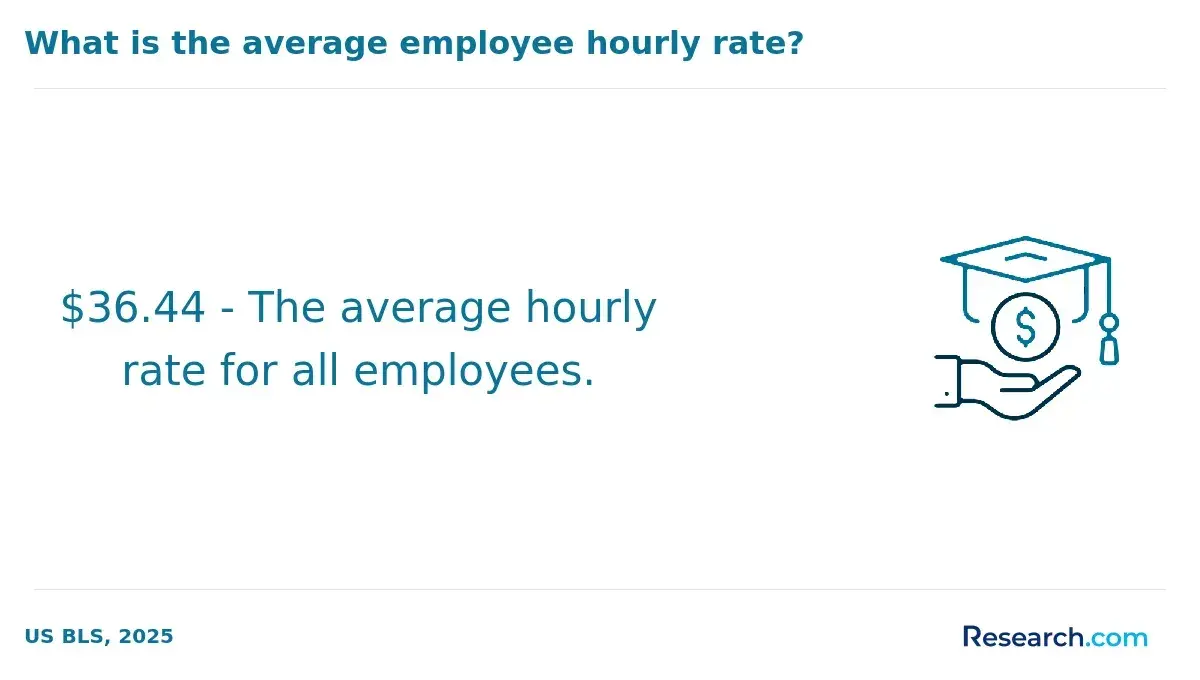
How much do geologists make per year? Entry-level geologists can expect to earn between $55,721 and $65,995, while the national average salary is estimated at $83,750 per year. Experienced geologists and specialists in project management, supervision, or technical leadership roles often earn upwards of $100,000. Geologists with master’s or doctoral degrees may have access to higher-paying roles, particularly in research, academia, petroleum, environmental consulting, and highly specialized technical fields.
Geography also matters. Geologists working in states with strong mining, energy, or environmental industries-such as Washington, Oregon, and Nevada-typically report salaries exceeding $100,000. Specializations in hydrogeology, petroleum geology, or engineering geology can also improve earning potential when market demand is strong.
When comparing salaries, look beyond the headline number. Consider overtime policies, field per diem, travel expectations, remote-site schedules, licensure support, graduate tuition assistance, retirement benefits, and whether the role builds transferable technical skills. For students and graduates, internships, field camp, certifications, and strong software skills can improve early-career competitiveness.
If you are returning to school later in life or balancing education with other responsibilities, reviewing the best programs for seniors online may help you compare flexible options while planning a geology-related career move.
What internships can you apply for to gain experience as a geologist?
Geology internships are one of the best ways to test whether the profession fits you. They also help you turn classroom knowledge into practical skills: logging samples, collecting field data, using mapping tools, following safety plans, working with clients or agencies, and writing technical documentation. Strong internship experience can make a major difference when applying for entry-level geology jobs in the United States.
Paid geology summer internships 2025 are especially valuable because they often align with field season and give students concentrated project exposure. Consider these internship categories:
- Environmental consulting firms: Firms such as WSP USA offer 12-week internships where participants may support project research, fieldwork, design analysis, documentation, and client-facing tasks. Hourly pay ranges from $19.13 to $27.50, and interns may work with senior geologists on real consulting deliverables.
- Mining companies: Mining internships may involve exploration support, geological mapping, core logging, sampling, resource evaluation, and field data management. These roles are useful for students interested in mineral resources and remote-site work.
- Government agencies: The National Park Service offers roles such as Hydrologic Technicians and Paleontology Technicians through its Scientists in Parks Program. The USGS Earthquake Science Center also provides specialized internships with variable application schedules.
- Research institutions: Programs such as RESESS in Boulder, Colorado, are designed to enhance diversity and prepare students for graduate study and professional careers in geosciences.
- Geotechnical engineering firms: These internships often focus on construction materials testing, site investigations, soil and rock sampling, laboratory coordination, and technical reporting. They are especially relevant for students considering engineering geology or consulting careers.
To strengthen your internship applications, build a concise resume that highlights field camp, GIS, lab methods, safety training, research projects, and any outdoor or physically demanding work experience. Apply early, ask professors about local employers, and consider both summer and part-time academic-year opportunities.
If graduate study is part of your plan, comparing the shortest masters programs online can help you understand flexible options that may complement professional experience.
How can you advance your career as a geologist?
Career advancement in geology usually comes from four sources: deeper technical specialization, professional credentials, project leadership experience, and a strong professional network. The best strategy depends on your sector. Environmental consultants may prioritize licensure and regulatory knowledge, while research-focused geologists may need graduate degrees, publications, or advanced analytical methods.
- Specialized certificate programs: Graduate-level or industry-focused certificates in areas such as environmental geology can help you build targeted expertise without immediately committing to a full degree. Choose certificates that align with your intended specialty and, when possible, can later apply toward a master’s degree or licensure-related coursework.
- Professional certification: Preparing for the ASBOG Fundamentals of Geology (FG) and Practice of Geology (PG) exams is important for geologists pursuing Professional Geologist licensure in many states. A Geologist-in-Training (GIT) certificate can show that you have met foundational standards while you complete supervised experience requirements.
- Engagement with professional organizations: Joining groups such as the American Institute of Professional Geologists (AIPG) or the Geological Society of America can connect you with conferences, workshops, webinars, technical publications, mentors, and job leads.
- Mentorship: A mentor can help you choose between specialties, prepare for licensure, improve technical writing, evaluate job offers, and avoid common early-career mistakes. Look for mentors through employers, alumni networks, professors, and professional associations.
You can also advance by volunteering for challenging assignments, learning how proposals and budgets work, improving your data visualization skills, and asking for feedback on reports before they reach clients or regulators. Technical excellence matters, but promotion often depends on whether others trust your judgment and your ability to deliver work on time.
Where can you work as a geologist?
Geologist jobs in the United States exist across public agencies, private industry, universities, research organizations, and nonprofits. Your work setting can range from remote field sites to laboratories, offices, drilling locations, mines, construction sites, classrooms, or public meetings. Choosing the right sector depends on whether you prefer fieldwork, research, consulting, policy, teaching, resource development, or environmental protection.
Common employers and work environments include:
- Federal agencies: Organizations such as the U.S. Geological Survey (USGS), Department of the Interior (DOI), and state geological surveys employ geologists to conduct field studies, manage natural resources, map hazards, and support volcanic or seismic risk work. Entry-level roles may also be found at the Environmental Protection Agency (EPA) and Bureau of Land Management (BLM).
- Private sector: Energy, mining, engineering, and environmental consulting companies hire geologists for exploration, site investigation, remediation, groundwater studies, construction support, permitting, and resource assessment. Large corporations such as ExxonMobil, Chevron, and BP focus on locating and assessing natural resources, while consulting firms such as Synergy Environmental, Inc., Universal Engineering Sciences, and Atlantic Coast Consulting handle site investigations and remediation projects.
- Academic and research institutions: Universities and colleges employ geologists for teaching and research in earth processes, mineralogy, geochemistry, paleontology, environmental hazards, and related fields. These roles often require advanced degrees and a strong research record.
- Nonprofit organizations: Conservation, sustainability, watershed, disaster preparedness, and public policy organizations may hire geologists to support advocacy, education, technical analysis, and community planning.
- Work environments: Geologists may rotate between field sites, offices, laboratories, and educational settings. Some roles require frequent travel and outdoor work, while others are primarily analytical, regulatory, or research-based.
Government and environmental organizations often contract private-sector geologists for public projects, permitting, remediation, and policy support. If you are building additional qualifications, comparing accredited online schools offering no-cost applications can help you lower application costs while evaluating programs that fit your career goals.
What challenges will you encounter as a geologist?
Geology can be rewarding, but it is not an easy desk-only science career. The work can be physically demanding, deadline-driven, regulated, and affected by economic cycles. Understanding the challenges before entering the field helps you choose the right specialty and prepare realistically.
- High workload and emotional pressure: Geologists may work under tight deadlines on projects with environmental, public safety, legal, or financial consequences. The current labor shortage can increase pressure by giving less experienced professionals more responsibility sooner.
- Competitive job market: Demand for geologists is influenced by minerals, infrastructure, energy, water, and environmental management needs, but competition can still be strong in desirable locations and specialized areas such as hydrogeology.
- Rapid industry evolution: New technology, changing regulations, improved modeling tools, and shifting environmental expectations require ongoing learning. Methods that were sufficient early in your career may not remain enough.
- Maintaining relevance through skills development: You need a strong grounding in geoscience fundamentals while also developing modern skills in GIS, data analysis, remote sensing, compliance, and technical communication.
- Networking and practical experience: Many opportunities come through internships, professors, professional associations, field contacts, and former colleagues. Students who rely only on coursework may struggle to stand out.
Other practical challenges include irregular travel, field safety risks, weather disruptions, long report-writing periods, client pressure, and the need to make decisions with imperfect data. The best preparation is a combination of strong field habits, ethical judgment, documentation discipline, and willingness to keep learning.
What tips do you need to know to excel as a geologist?
Success as a geologist in 2026 requires a blend of classic geoscience knowledge, hands-on experience, digital fluency, and professional credibility. Employers value candidates who can collect reliable data, interpret it responsibly, communicate findings clearly, and understand the business or regulatory context of a project.
Use these strategies to prepare and stand out:
- Complete core geology courses and strengthen them with computer science, geographic information systems (GIS), hydrology, soil science, statistics, chemistry, and physics.
- Prioritize hands-on learning through undergraduate research, internships, field camp, mapping projects, and field assignments that expose you to real geologic conditions.
- Work with professors, graduate students, or industry partners on research projects to build problem-solving, collaboration, and technical writing skills.
- Develop proficiency in Python programming, GIS mapping, remote sensing tools, databases, and data visualization so you can analyze and explain complex information efficiently.
- Pursue credentials such as the Geologist-in-Training (GIT) or Professional Geologist (PG) license where applicable, especially if you plan to work in consulting, environmental review, groundwater, hazards, or public-facing projects.
- Build a professional network by attending conferences, joining geological associations, contacting alumni, and seeking mentors who can explain hiring expectations in your target specialty.
- Keep learning throughout your career. Technology, regulations, modeling methods, environmental standards, and industry priorities change, and geologists who adapt stay more competitive.
Avoid common mistakes such as underestimating technical writing, ignoring licensure requirements until too late, choosing a program without enough field training, or assuming all geology jobs involve the same type of work. The more clearly you understand your target sector, the easier it is to choose the right courses, internships, and credentials.
How do you know if becoming a geologist is the right career choice for you?
Geology may be a good career choice if you enjoy scientific investigation, outdoor work, spatial reasoning, environmental questions, and solving problems with incomplete evidence. It may be less appealing if you strongly prefer a predictable office routine, dislike travel, or want a career with minimal physical fieldwork.
- Interests and personality traits: Strong candidates often have investigative and realistic traits. They enjoy scientific problem-solving, field observation, maps, natural systems, and hands-on work rather than purely routine desk tasks.
- Skills needed to become a geologist: Analytical thinking, attention to detail, integrity, science and math ability, computer skills, and communication are essential. You must be able to explain technical findings in writing and in conversation.
- Personal values: Many geologists value independence, achievement, and good working conditions. If you like autonomy, technical mastery, and meaningful work tied to land, water, resources, or hazards, geology may align well with your goals.
- Lifestyle and work environment: Many geologists split time among field sites, offices, laboratories, and meetings. Some roles involve travel to remote or challenging locations. If you need a stable, fully office-based schedule, choose your specialty carefully.
- Job outlook and market stability: The geology job market varies by specialty. Environmental consulting, petroleum, mining, groundwater, and government work can follow different economic and regulatory cycles. When asking, is geology a good career choice in the US, compare the stability of the specialty you want rather than judging the entire field as one market.
Before committing, take an introductory geology course with a lab, speak with working geologists, try a field experience, and review job postings in your desired location. If affordability is a major concern, exploring a cheap bachelor's degree online can help you compare lower-cost ways to begin your education while still checking whether the program meets geology coursework and licensure expectations.
What Professionals Who Work as a Geologist Say About Their Careers
- : "Working as a geologist has provided me with remarkable job stability, especially given the growing demand for natural resource management and environmental consultation. The salary potential is competitive, and continuous learning through industry certifications keeps the career exciting and rewarding. I appreciate how my work directly contributes to sustainable development. — Mitchell"
- : "The diversity of projects and locations in geology has been a thrilling aspect of my career. From fieldwork in remote wilderness areas to cutting-edge lab research, no two days are the same. Navigating these unique challenges has sharpened my problem-solving skills and fostered a deep appreciation for Earth's complexities. — Kayden"
- : "Geology offers significant professional growth opportunities, particularly through specialized training programs focused on advanced data analysis and geotechnical engineering. The evolving technology in the field demands adaptability, which has expanded my expertise and opened doors to leadership roles. Reflecting on my journey, I value both the technical and managerial skills I've developed. — Ricky"
Other Things You Should Know About Becoming a Geologist
To become a geologist in 2027, one typically needs at least a bachelor's degree in geology or a related field. Advanced positions often require a master's degree or Ph.D. Specialized coursework in areas like mineralogy, paleontology, and structural geology is also beneficial.
In 2027, the job outlook for geologists is stable, with demand expected to grow due to ongoing environmental concerns and resource management needs. Growth in alternative energy sectors also contributes to job opportunities as geologists focus on sustainable practices.
References
- How To Make A Successful Career In Geology : Dheya https://www.dheya.com/how-to-make-a-successful-career-in-geology/
- Internship Opportunities for Geology & Environmental Sciences Majors | Fredonia.edu https://www.fredonia.edu/academics/colleges-schools/college-liberal-arts-sciences/geology-environmental-sciences/internships-geology-environmental-sciences
- Geoscience and Petrotechnical Internships | SLB Careers https://careers.slb.com/early-careers/internships/geo-pet-intern
- The Ultimate Geologist Career Guide https://www.4cornerresources.com/career-guides/geologist/
- Student Internship Opportunities « Geology | Allegheny College - Meadville, PA https://sites.allegheny.edu/geology/student-internship-opportunities/
- Geology Internships | Geology Department | Western Washington University https://geology.wwu.edu/geology-internships-jobs
- Professional Geologist Licensure https://www.grow-geocareers.com/licensure
- Big Questions and Challenges in Geoscience - GeoExpro https://geoexpro.com/big-questions-and-challenges-in-geoscience/
- Why Study Geology | Department of Earth Science & Environmental Change | Illinois https://esec.illinois.edu/admissions/why-study-geology
- Top 10 Highest Paying Geology Jobs 2025 (Inc Salaries) | Nexford University https://www.nexford.edu/insights/highest-paying-geology-jobs


