2027 Is an Animal Science Online Degree Worth It?

Co-Founder and Chief Data Scientist
Online education has grown rapidly, with over 40% of U.S. college students taking at least one course online. This trend has drawn many to consider an online animal science degree, which combines biological, environmental, and agricultural studies tailored to animal care and management. As agriculture evolves, demand for skilled professionals in animal science remains steady, making it a relevant field for remote learning.
This article explores whether pursuing an online animal science degree is truly worth it by examining key factors like cost, program flexibility, accreditation status, job-market trends, and how employers view online credentials. Understanding these elements will help students make an informed decision about their educational and career paths in animal science.
Key Benefits of Online Animal Science Degree
- Online animal science programs offer flexible scheduling, allowing students to balance coursework with work or family commitments while accessing diverse resources and expert faculty remotely.
- Graduates often pursue careers in agriculture, veterinary support, or research, with a 10% projected job growth in related fields through 2030, indicating strong industry demand.
- Programs frequently include practical components and internships, ensuring applicable skills and improved employability in animal care, nutrition, and management sectors.
Who Should Choose an Online Animal Science Degree Program?
Online learning has become an increasingly practical choice for many students, offering the flexibility to juggle academic goals alongside personal and professional responsibilities. This adaptability makes it an attractive option for a diverse range of learners with different life circumstances.
The following groups are particularly well-suited to pursue an online animal science degree program.
- Working Professionals: Those employed in fields related to animals-such as agriculture, veterinary services, or wildlife conservation-can enhance their skills and qualifications without pausing their careers, thanks to the convenience of remote study.
- Nontraditional Students: Adults returning to education after a break or those changing careers find online formats ideal for managing studies alongside family and work commitments.
- Rural and Remote Learners: Students located far from traditional campuses benefit because online programs remove barriers like relocation or lengthy commutes, making education more accessible.
- Aspiring Veterinarians and Animal Scientists: Many use online degrees as foundational stepping stones toward veterinary school or specialized graduate studies, gaining essential knowledge and research exposure.
- Career Advancers in Animal Health and Policy: Professionals seeking to deepen their expertise in areas like animal welfare benefit from programs tailored to meet the increasing demand for evidence-based knowledge in this sector.
What Are the Pros and Cons of an Online Animal Science Degree?
Online animal science programs have become popular options for students and working professionals seeking flexible study schedules and opportunities for career advancement. These programs allow learners to pursue specialized education without relocating or interrupting their employment.
Pros of an Online Animal Science Degree
- Flexible Scheduling: Online formats enable students to balance coursework with work or family obligations, which is a key advantage of earning an online animal science degree. This flexibility is especially beneficial for those already employed in agriculture or animal care who want to upskill without leaving their jobs.
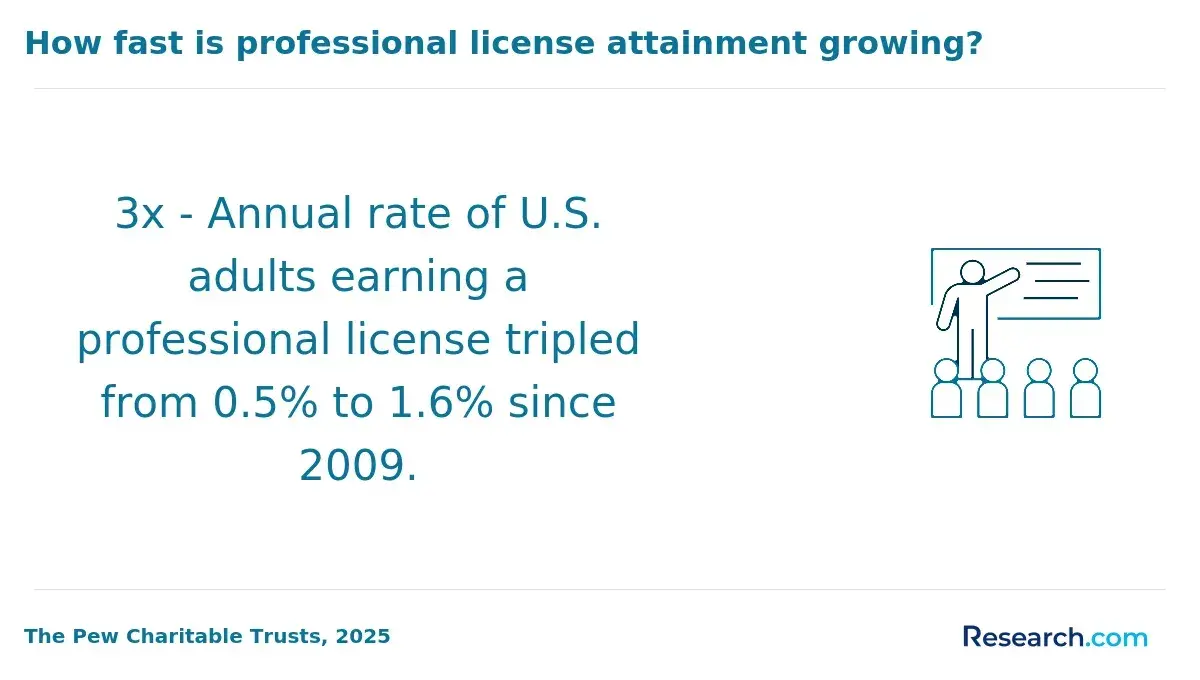
- Career Advancement Opportunities: Graduates can access diverse roles such as feedlot management or pharmaceutical sales, thanks to a broad curriculum covering genetics, nutrition, and welfare. Online degrees are widely recognized and can serve as stepping stones to further education, including veterinary school.
- Virtual Hands-On Experiences: Some institutions like Oregon State offer immersive virtual tours of farms and animal facilities, providing practical insights despite the remote learning environment.
- Cost and Accessibility: Online programs reduce expenses related to commuting and housing while granting access to top animal science programs nationwide, regardless of location.
Cons of an Online Animal Science Degree
- Limited In-Person Experience: Because animal science is hands-on by nature, online programs may lack direct animal handling or lab sessions, sometimes requiring students to arrange local internships independently. This limitation is a notable drawback of online animal science programs for hands-on careers.
- Perceived Value by Some Employers: Certain employers or graduate programs prefer traditional degrees for their practical training, which can affect job competitiveness for online graduates.
- Self-Motivation Required: Success in online study demands strong discipline and time management. Students less comfortable with independent learning might struggle to keep pace with coursework.
- Technology Barriers: Reliable internet access and familiarity with specific software or simulation platforms are essential, potentially posing challenges for some learners.
For those weighing online education options, understanding the advantages of earning an online animal science degree versus these challenges is crucial. Exploring the types of college majors related to this field can also help clarify the best academic path.
How Do AI-Enhanced Virtual Classrooms Work in Online Animal Science Programs?
AI technologies have become central to modern online education by creating more engaging, interactive, and personalized learning environments. For animal science students, these advances significantly improve understanding and practical skills through innovative digital platforms.
Below are key features that demonstrate how AI-powered virtual classrooms in animal science education function and benefit learners.
- AI-Driven Simulations: These allow students to practice animal handling, welfare assessment, and production management virtually, which helps compensate for limited hands-on access in traditional settings. For example, interactive games like "CowSim" let students make real-time management decisions and see their consequences immediately.
- Adaptive Learning Technology for Animal Science Students: AI analyzes individual progress to tailor content, quizzes, and feedback, ensuring complex concepts are reinforced at the right pace for each learner.
- Collaborative Tools: Real-time group projects and AI-moderated discussion boards foster teamwork and critical thinking, essential for today's animal science professionals.
- Automated Assessment and Support: Grading systems provide fast, targeted feedback, while AI-powered chatbots offer 24/7 assistance to improve accessibility and student engagement.
Students seeking flexible and innovative education options can explore online easiest PhD degree programs that often incorporate these AI-driven learning tools.
What Technology Do You Need for an Online Animal Science Degree?
Having the right technology setup is essential for success in modern online animal science programs because all learning activities-from lectures to practical simulations-are delivered remotely. Ensuring access to reliable tools helps students stay engaged and complete assignments efficiently.
Below is a list of the specific equipment and software students should prepare before enrolling in an online animal science program.
- Reliable Computer (Laptop or Desktop): A computer capable of handling video streaming, multitasking, and specialized software is vital. This supports anatomy visualization tools and data analysis programs, ensuring smooth participation in virtual labs and online discussions without lag or interruptions, meeting common computer requirements for online animal science degree programs.
- High-Speed Internet Connection: A fast, stable internet connection is necessary for streaming lectures, submitting assignments, and joining live video discussions. Unstable connections can disrupt class participation and delay submissions, making this technology critical for virtual animal science courses.
- Webcam and Microphone: These devices are used for virtual meetings, oral presentations, and group projects. Clear audio and video enable real-time interaction with instructors and peers, which is essential for effective communication and assessments.
- Headphones or Earbuds: Useful for minimizing background noise during live sessions and for focusing on recorded lectures or detailed animal behavior analysis videos without distractions.
- Office Suite Software (e.g., Microsoft Office, Google Workspace): Necessary for writing reports, creating presentations, and managing collaborative projects. Many assignments require research papers and lab reports that benefit from these tools' editing and sharing features.
- Learning Management System Access (Canvas, Blackboard, or similar): Comfort navigating these platforms is key for submitting coursework, taking quizzes, and tracking academic progress throughout the program.
- PDF Reader and Scanner App: Used to read digital course materials and submit handwritten notes or clinical documents. Smartphone scanner apps convert paper documents into digital files, simplifying uploads.
Investing in these technologies eases the demands of online study and aligns with the technology needed for virtual animal science courses offered by many institutions. For a clearer understanding of costs related to pursuing online degrees, including animal science, students can explore how much does an associate's degree cost.
How Long Does It Take to Finish an Online Animal Science in 2027?
Program length is a crucial consideration for prospective students balancing education with other life commitments. Online formats offer varying timelines and flexible structures, making completion times adaptable to individual needs.
Below is an overview of typical durations for online animal science degrees.
- Full-Time Online Track: Most students finish within three to five years when enrolled full-time without transfer credits. Programs generally require 120 to 180 credits, with asynchronous coursework allowing self-paced progression and multiple start dates for convenience.
- Accelerated Pathways: Some institutions provide fast-track options enabling completion in as little as 12 months, mainly for students transferring significant credits and dedicating full-time effort. These routes are ideal for highly motivated learners seeking to expedite their degree.
- Part-Time Enrollment: Working professionals often choose part-time study, spreading coursework over a longer period to balance work and personal commitments. Flexible pacing and asynchronous content support this approach, though it can extend the degree length beyond five years.
- Credit Transfer Impact: Transfer credits can substantially reduce time to degree completion by lowering required coursework, allowing students to tailor their study load and accelerate their progress.
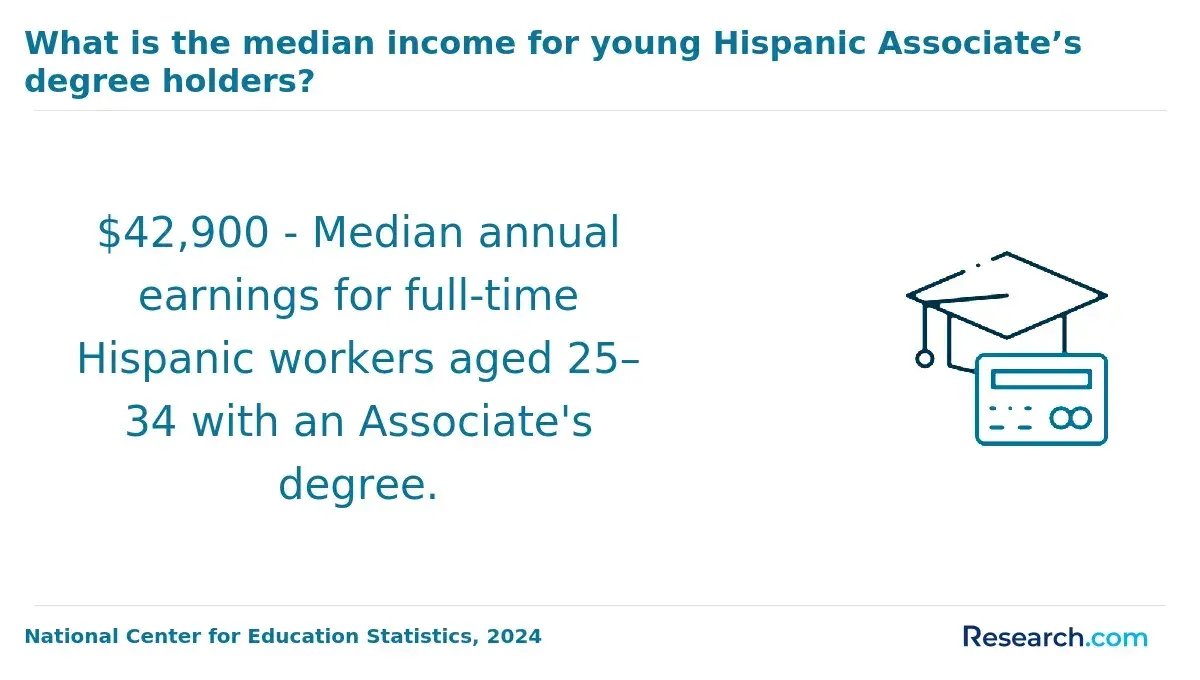
Can You Work Full-Time While Completing an Online Animal Science Degree?
Balancing a full-time job and online study is a common concern for many considering an animal science degree. Managing work responsibilities alongside coursework can be challenging, especially with other life commitments. Several factors influence a student's ability to work full-time while enrolled in an online animal science program.
Key considerations include:
- Flexible Scheduling: Programs with multiple terms per year or self-paced courses let students tailor their study load each term. Schools offering asynchronous classes let learners access materials anytime, which suits those with busy or irregular hours.
- Course Format: While many courses are asynchronous, some may include scheduled live sessions or virtual labs that require availability at specific times, which can affect work scheduling.
- Workload Demands: Animal science degrees often require significant study time-around 10-15 hours weekly per course-to master topics like nutrition and genetics.
- Employer Support: Flexible work hours or tuition reimbursement from employers can alleviate pressure and make balancing responsibilities easier.
- Time Management Skills: Effective organization and prioritizing tasks are essential to juggling work, study, and personal life successfully.
How Do Online Animal Science Degree Programs Help with Internships?
Internships are vital for gaining practical experience and preparing for careers in animal science. They provide essential exposure to real-world tasks that enhance learning beyond the classroom. Online animal science programs use various methods to ensure students successfully secure and complete these hands-on opportunities.
- Career Services Support: Many programs offer dedicated career centers that assist students in identifying internships aligned with their academic and professional goals. Staff provide personalized counseling and resources to navigate the competitive application process.
- Internship Boards and Partnerships: Universities often maintain updated online platforms listing numerous local and national internship openings. Collaborative partnerships with research institutions, zoos, and farms expand students' access to diverse placements.
- Mentorship Programs: Faculty advisors or alumni networks connect students with experienced mentors who guide them through internship selections, application strategies, and professional development.
- Virtual Internship Options: Some programs facilitate remote internships involving research projects or animal care management, enabling flexible learning while fulfilling degree requirements.
- Technology Tools: Platforms like Handshake integrate internship listings, application tracking, and employer communication, streamlining the process for online learners and enhancing engagement.
What Is the Average Tuition Cost of an Online Animal Science Program?
Understanding the cost of tuition is essential for anyone considering an online animal science degree, as it heavily influences budgeting and long-term financial planning. Knowing how tuition varies across institutions and residency statuses helps students choose options that best fit their financial and career goals.
Below are some important cost factors to consider:
- Average Tuition Per Credit: Online animal science courses typically charge between $400 and $800 per credit. For example, Oregon State University's undergraduate online tuition is about $384 per credit, while Colorado State University charges around $490 for similar programs.
- Annual Tuition Estimates: Full-time students (usually 12 credits per term) at public institutions can expect to pay roughly $11,000 to $15,000 annually as in-state residents, but out-of-state or private university programs may exceed $27,000 per year.
- Public vs. Private Institutions: Public universities generally offer more affordable tuition rates for residents, whereas private schools often have higher charges regardless of where the student lives.
- In-State vs. Out-of-State Rates: In-state tuition at public schools averages around $11,134, while out-of-state students can face nearly two-and-a-half times that amount, about $27,534.
- Additional Fees: Beyond tuition, online students should budget for technology fees and books, typically costing approximately $600 yearly, alongside possible administrative costs.
What Is the Average Salary for Someone with an Online Animal Science Degree in 2027?
Understanding earning potential is crucial when considering whether to pursue an online animal science degree. Knowing the salary range can help you assess if this educational investment aligns with your financial and career goals.
Below are key salary insights that highlight important trends for graduates in this field.
- Average Entry-Level Salary: Graduates with an animal science degree typically start with an average salary of about $34,758. This figure reflects entry-level positions and should be seen as a starting point before gaining experience and specialization.
- Mid-Career Salary Range: Mid-career professionals with an animal science degree often see salaries ranging from $62,360 to $105,620. This wide range is influenced by factors like career advancement, specialization, and additional education.
- Salary by Industry: Earnings vary significantly by career path. Agricultural sciences professors earn the highest salaries at approximately $90,890, while farmers, ranchers, and agricultural managers earn around $79,940. Animal scientists make on average $67,690, with farm and home management advisors earning about $52,700 annually.
- Regional and Role Variations: Geographic location and industry specialization cause salaries to fluctuate considerably. Some animal science professionals earn as low as $14,123, while top earners surpass $82,092. Entry-level roles in farming, fishing, and forestry pay around $28,600, but supervisory positions in these sectors can reach $50,790.
- Job Market and Growth: The field shows healthy demand, particularly for roles such as agricultural sciences professors and animal scientists. This steady job growth enhances the value of the animal science degree for long-term career prospects.
An online animal science degree salary range demonstrates that this degree offers genuine financial value, especially for those aiming for specialized or managerial roles. For students researching educational options, exploring the top online colleges can provide guidance on the best programs to maximize both learning and earning potential.
Which Industries Hire Graduates From Online Animal Science Programs?
An online animal science degree offers versatility that equips graduates for a wide range of professional fields. This education prepares individuals for careers across both hands-on and business-oriented roles, adapting well to evolving remote and hybrid job markets.
Below is an overview of key industries that actively hire graduates with an online animal science degree.
- Agriculture and Livestock Management: Graduates often find careers as farm, ranch, or livestock managers, overseeing genetics, nutrition, and care of animals like cows, sheep, and goats. About 63% of livestock and dairy managers work independently, highlighting strong entrepreneurial opportunities for online animal science careers.
- Animal Health and Pharmaceuticals: This sector hires graduates for laboratory technician roles and positions within companies focused on animal treatment development. With the American pet industry reaching $152 billion in spending for 2024, demand for skilled professionals is increasing rapidly.
- Government and Regulatory Bodies: Agencies such as the U.S. Department of Agriculture recruit graduates for roles concerning food safety, disease prevention, and livestock management, leveraging their expertise in animal welfare and production systems.
- Animal Welfare and Shelter Management: Positions in shelters and rescue organizations require knowledge of animal behavior and nutrition, areas where graduates apply their training to improve well-being.
- Education and Outreach: Roles such as online tutors, extension agents, and trainers help educate communities about animal science principles, demonstrating the degree's value beyond traditional settings.
- Business and Sales: Careers in sales and marketing for veterinary supplies, animal health products, and feed companies make use of graduates' scientific background paired with communication skills.
Choosing an online animal science program opens diverse employment avenues that suit various interests and skill sets. For those who seek to explore a career path for introverts, this degree offers opportunities to work in fields requiring both independent and collaborative work environments.
What Graduates of Online Animal Science Programs Say About Their Degree
- Truce: "Pursuing my online animal science degree was a game-changer-being able to learn at my own pace allowed me to balance work and studies seamlessly. The cost was surprisingly affordable compared to traditional programs, which made it accessible without the burden of heavy debt. Now, I'm confidently advancing my career in animal nutrition, and I couldn't be happier with the decision."
- Jorge: "The structured yet flexible nature of the online animal science program gave me the opportunity to deepen my knowledge while managing family commitments. Reflecting on the experience, the practical applications of what I learned have been invaluable in my role as a livestock manager. Considering the average cost for similar degrees, pursuing this option was both cost-effective and rewarding."
- Luca: "From a professional standpoint, choosing an online animal science degree offered me the chance to specialize without relocating or interrupting my career path. The comprehensive coursework paired with a reasonable tuition fee struck the perfect balance between quality and investment. This degree truly enhanced my expertise in wildlife conservation, broadening my professional opportunities."
Other Things You Should Know About Animal Science Degrees
Yes, many employers recognize online Animal Science degrees when they come from accredited institutions. Accreditation ensures the program meets academic standards comparable to on-campus courses, giving graduates credibility. However, it is essential to verify that the specific online program is properly accredited by relevant regional or specialized bodies.
In 2027, an online Animal Science degree offers flexibility and accessibility while providing foundational knowledge in biology and animal care. Despite fewer hands-on experiences, virtual labs and simulations provide practical skills. Graduates can pursue careers in animal welfare, research, and farm management, meeting the industry's growing demand.
In 2027, online Animal Science degrees can open up career advancement opportunities in various fields such as veterinary science support roles, animal nutrition consulting, or wildlife conservation. Graduates may also pursue roles in agricultural management or embark on a path towards academia, especially when combined with further specialized education.
References
- Animal Science https://online-distance.ncsu.edu/program/master-of-animal-science/
- Artificial Intelligence in Animal Science—A Tool for Learning, Farming, and the Future https://www.asas.org/taking-stock/blog-post/taking-stock/2025/05/29/artificial-intelligence-in-animal-science-a-tool-for-learning-farming-and-the-future
- Is it worth doing an Animal science degree and does anybody know what careers can follow doing one? | Mumsnet https://www.mumsnet.com/talk/higher_education/5242229-is-it-worth-doing-an-animal-science-degree-and-does-anybody-know-what-careers-can-follow-doing-one
- Animal Science Internships For Students & Graduates https://www.internhq.com/industries/animal-sciences/
- what are the pros and cons of having a career in animal sciences? https://www.careervillage.org/questions/81457/what-are-the-pros-and-cons-of-having-a-career-in-animal-sciences
- Internships | Department of Animal Science https://animalscience.uconn.edu/internships/
- Online Learning https://cals.ncsu.edu/animal-science/students/online/
- Online Master’s Degree in Lab Animal Science https://www.online.drexel.edu/online-degrees/biomedical-degrees/mlas-lab-animal-science/index.aspx
- Making the Most of Your Animal Science Degree https://unity.edu/distance-education-blogs/animal-science-internships/