2027 Highest-Paying Jobs with a Higher Education & Adult Education Master's Degree

Co-Founder and Chief Data Scientist
Many mid-career professionals with a master's in Higher Education & Adult Education face uncertainty about which career paths yield the highest financial returns. Navigating the complex landscape of academia, administration, and adult learning organizations can be overwhelming without clear insights.
According to the U.S. Bureau of Labor Statistics, postsecondary education administrators, a common role for graduates, have a median annual wage exceeding $97,000. This article explores the most lucrative jobs available to those with a Higher Education & Adult Education master's degree, offering detailed guidance to help readers maximize their earning potential and career satisfaction.
Key Benefits of the Highest-Paying Jobs with a Higher Education & Adult Education Master's Degree
- Graduates in higher education & adult education command starting salaries 15% above the national median, directly maximizing immediate earning potential post-degree.
- Advanced degrees accelerate transition into executive roles such as dean or director, with median salaries exceeding $120,000 annually.
- Consistent demand for skilled educators in this sector ensures sustained job security and long-term financial stability amid evolving educational landscapes.
What are the highest-paying jobs with a higher education & adult education master's degree?
Earning a master's degree in higher education & adult education can open doors to senior-level positions that blend leadership, strategy, and specialized expertise. According to the U.S. Bureau of Labor Statistics, education administrators often earn a median salary exceeding $97,000, highlighting the value of these advanced qualifications. Graduates gain skills in curriculum design, policy enforcement, and adult learning theories, positioning them for impactful roles. Below are some of the highest-paying jobs with a higher education and adult education master's degree in the United States.
- Director of Academic Affairs: Oversees academic programs and faculty management, ensuring curriculum quality and regulatory compliance. This role demands strategic decision-making and leadership to maintain educational excellence.
- Dean of Students: Leads student services and support, balancing administrative duties with advocacy. It requires strong interpersonal skills and a deep understanding of campus policies in a dynamic environment.
- Adult Education Program Manager: Designs and evaluates educational programs tailored to adult learners, integrating workforce trends and educational principles. This position combines program management with community engagement responsibilities.
- Director of Institutional Research: Manages complex data collection and analysis to inform institutional policies and strategies. Advanced technical proficiency and educational insight make this role pivotal to organizational decision-making.
- Higher Education Consultant: Advises institutions on program development, accreditation, and compliance, leveraging comprehensive industry knowledge. This role influences large-scale educational initiatives, making it highly sought after.
The top career opportunities for graduates with a higher education and adult education master's degree often require both leadership acumen and technical expertise. For mid-career professionals seeking to advance quickly, exploring a 1 year online masters can be a strategic step toward accessing these lucrative roles.
Which industries offer the highest salaries for higher education & adult education master's graduates?
Salary potential for higher education & adult education master's graduates often varies significantly by industry due to factors such as market demand, revenue scale, and operational complexity. Recent data shows that professionals working in certain sectors can earn up to 25% more than the median salary for comparable academic roles. This variation highlights the importance of targeting industries with strong compensation structures, leading us to examine the top salary sectors for higher education and adult education master's degree holders.
- Healthcare: This industry offers competitive salaries because of its substantial investment in ongoing workforce education and training programs. Rapid advancements in medical technology and compliance requirements drive demand for experts who develop and implement adult learning initiatives tailored to healthcare professionals.
- Technology: Known for fast-paced innovation, the technology sector allocates significant budgets to employee development and specialized training. Higher education & adult education graduates in this field design training that keeps pace with evolving software and hardware, creating a premium for specialized educational leadership.
- Government: Government agencies emphasize compliance-driven and professional development programs with substantial funding, resulting in salary premiums. Educational professionals in this sector are responsible for crafting programs that meet regulatory standards and support public workforce effectiveness.
- Corporate Training: Corporations invest heavily in learning and development to maintain competitive advantages. Skilled educators in this environment are rewarded for creating scalable training programs that enhance employee skills and drive organizational growth.
Targeting these highest paying industries for higher education and adult education master's degree graduates can significantly improve one's career trajectory and earning potential. Mid-career professionals exploring an easy online masters degree may find that aligning their educational specialization with these lucrative sectors offers the best return on investment.
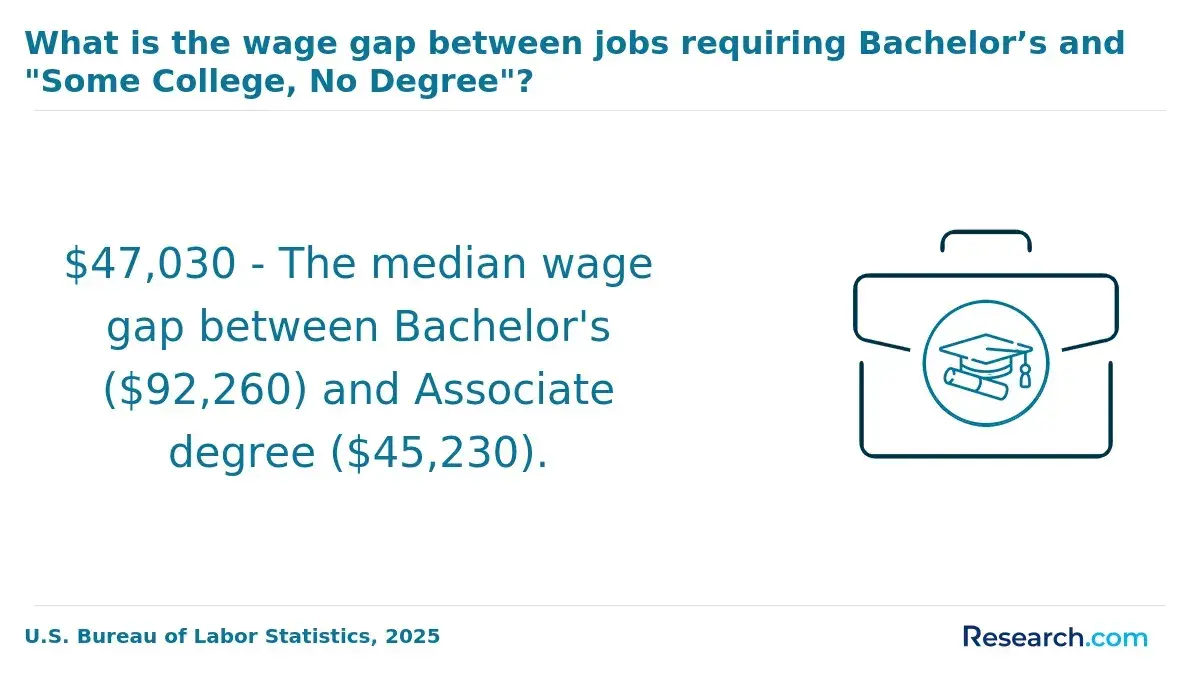
What is the starting salary with a higher education & adult education master's degree?
Starting salaries for graduates with a higher education and adult education master's degree vary widely depending on their role, work experience, and market demand. According to the National Association of Colleges and Employers, the average entry-level salary in higher education and adult education careers typically falls between $47,000 and $58,000. Several important factors influence these initial figures:
- Role and Responsibility: Entry-level positions such as academic advisors or student affairs professionals differ in pay depending on their duties and the impact they have within their institutions. Graduates who pursue higher-responsibility roles tend to start with better salary offers.
- Experience and Internships: Candidates who have completed relevant internships or practicum placements often find themselves eligible for higher starting salaries. Practical experience demonstrates readiness and adds value beyond academic credentials.
- Market Demand: Fields experiencing shortages of qualified education administrators or adult education specialists usually offer more competitive pay to attract new talent. Early-career professionals should research demand to better position themselves.
- Institution Type: Public versus private colleges and community programs vary in their starting salary scales. Understanding these differences helps graduates negotiate more favorable compensation packages.
- Certifications and Negotiation: Holding additional certifications in educational leadership or student development, combined with effective negotiation skills, can enhance initial salary offers significantly.
Graduates aiming to maximize their financial return might explore online accelerated programs to quickly build credentials and experience that strengthen their market position.
Which states pay the highest salaries for higher education & adult education master's degree holders?
Compensation for graduates holding a master's degree in higher education & adult education varies widely across states, influenced by factors such as local living costs, specialized skill demands, and the density of educational institutions and industries. Recent labor statistics indicate that top-paying states can offer salaries approximately 20% above the national median for these professionals. Below are five states that stand out for their strong salary prospects in this field.
- California: With its extensive network of universities and tech-driven economy, California supports some of the highest wages due to ongoing demand for experienced education professionals.
- Massachusetts: This state's concentration of prestigious colleges and research hubs fuels a competitive labor market, driving salary growth for master's degree holders.
- New York: High costs of living combined with a significant presence of higher education institutions translate into lucrative compensation packages.
- Texas: Rapidly growing universities and expanding metropolitan areas contribute to increasing salary opportunities for those with advanced degrees in education.
- Washington: Public university systems and progressive education programs in Washington create favorable conditions for higher average wages.
When discussing which states offer the best pay, a higher education & adult education master's graduate shared his perspective on navigating this landscape. He described the challenge of weighing salary potential against living costs and job availability, remarking, "It wasn't just about finding a well-paying position; it was also about ensuring a balanced lifestyle."
He explained that his job search involved researching regional education policies and market trends extensively. Ultimately, he emphasized that understanding local educational environments and being adaptable to different institutional cultures made a significant difference in his career trajectory and compensation outcomes.
Which higher education & adult education master's specializations lead to the highest salaries?
Master's degree specializations within higher education & adult education can significantly affect earning potential, with graduates in targeted fields often earning up to 20% more than those in broader roles. This premium reflects the premium placed on expertise that enhances institutional performance and drives innovation.
Below are some of the top-paying specializations in this arena.
- Educational Leadership and Administration: These professionals frequently secure senior-level positions like deans or program directors, roles that demand advanced management and strategic planning abilities, leading to higher salaries.
- Higher Education Policy and Governance: Specialists in this area influence critical educational policies at both state and federal levels, providing valuable insight that justifies competitive compensation.
- Instructional Design and Technology: Experts here develop online and blended learning solutions, a growing sector fueled by increasing investments and technological advancements in education.
- Adult Learning and Workforce Development: This specialization meets the changing demands of adult learners and corporate training, enhancing employability and income potential.
- Data Analytics in Education: Professionals skilled in data analytics help institutions optimize student outcomes through informed decisions, making their expertise highly sought after and well-compensated.
What skills can increase the salary of a higher education & adult education master's degree graduate?
Masters in higher education & adult education can boost earning potential, but actual salary gains are often tied to specific technical and leadership capabilities. Studies show that professionals who master skills like data analysis and strategic management earn salaries as much as 20% above their counterparts. Below are five essential skills that can significantly elevate compensation for these graduates.
- Strategic Leadership: This skill equips professionals to effectively oversee academic units or complex projects, paving the way for higher-level administrative roles. Employers seek leaders who can align teams and resources with institutional objectives, justifying better pay.
- Data Analytics and Assessment: Using quantitative and qualitative data to enhance student success and program quality is increasingly vital. Candidates who can interpret and apply institutional data are rewarded for driving measurable improvements.
- Curriculum Development: Designing engaging, relevant coursework aligned with educational innovations helps institutions stay competitive. This expertise is essential for securing roles that offer advanced remuneration.
- Grant Writing and Fundraising: Bringing financial resources through grants and donations is a highly valued skill. It directly impacts institutional budgets, making these professionals attractive for higher-paying leadership positions.
- Instructional Technology Integration: Adapting teaching methods to emerging digital platforms supports effective learning experiences. Mastery of technology tools is critical as education increasingly depends on digital delivery, enhancing salary prospects.
When discussing salary-related skills with a working professional pursuing a higher education & adult education master's, she highlighted the challenge of balancing coursework with full-time responsibilities. She shared that mastering data-driven assessment techniques required extra effort but was rewarding, explaining, "Understanding how to interpret complex datasets transformed how I approach program evaluation." She also noted that developing grant writing abilities felt daunting at first but opened doors to meaningful leadership opportunities. Her reflections illustrated how honing these competencies not only increased her confidence but positioned her for salary growth in a competitive job market.
Is there a salary difference between online and on-campus higher education & adult education master's graduates?
Prospective master's students often wonder if the format of their higher education & adult education master's program-online versus on-campus-impacts their salary after graduation. A survey by the National Association of Colleges and Employers (NACE) reveals that 68% of employers prioritize the reputation of the institution over the degree's delivery format. This data point highlights the nuanced factors influencing compensation beyond simply how the degree was earned.
Studies find little to no significant salary difference between graduates of online and on-campus higher education & adult education master's programs when the institution's reputation is comparable. Instead, factors such as employer perception, access to professional networks and internships, and individual work experience play more crucial roles in determining earnings. On-campus programs may provide greater networking opportunities, but the growing acceptance of online credentials is leveling the playing field.
Hiring trends increasingly emphasize demonstrated skills and accomplishments over the mode of education delivery, reflecting changes in the global job market. Institutional reputation remains a key consideration, with employers viewing degrees from accredited, well-known schools as more valuable regardless of format. Mid-career professionals should therefore weigh program quality and career services alongside delivery method when choosing a higher education & adult education master's degree.
Are higher education & adult education master's graduates more competitive for executive positions?
Many professionals pursue a higher education and adult education master's degree to strengthen their qualifications for senior leadership roles within academic institutions and educational organizations. This advanced degree enhances executive competitiveness in several critical ways. Key factors shaping this advantage include:
- Leadership Preparation: These programs emphasize developing leadership skills essential for guiding teams and driving institutional change, preparing graduates to take on complex managerial responsibilities.
- Decision-Making Authority: Graduates gain the ability to navigate policy, budgeting, and stakeholder interests, which increases their influence over strategic organizational decisions and resource allocation.
- Organizational Impact: Master's holders learn to design and implement innovative educational initiatives aligned with institutional goals, thereby driving meaningful improvements and operational effectiveness.
- Professional Credibility: Rigorous academic training paired with field experience establishes graduates as knowledgeable leaders capable of addressing multifaceted challenges in education, enhancing their reputation and trustworthiness among peers and superiors.
- Networking Opportunities: Embedded connections with influential professionals during the program foster collaborations and improve access to higher-level positions, expanding career advancement potential.
Higher education and adult education master's graduates in executive roles often stand out for these competencies, which translate into greater leadership readiness and strategic capacity. Their enhanced competitiveness is further supported by ongoing professional development paths, including pursuing a specialized PhD organizational leadership, which complements their foundational training. This integration of skills and credentials makes holders of a higher education and adult education master's degree prime candidates for senior leadership, able to lead institutions through evolving challenges and opportunities.
What is the ROI of a higher education & adult education master's degree?
Return on investment (ROI) is a key consideration for prospective higher education & adult education master's students evaluating tuition costs against long-term career benefits. According to the U.S. Bureau of Labor Statistics, individuals with a master's degree typically earn about 20% more annually than those holding only a bachelor's degree, underscoring the financial benefits of a higher education & adult education master's degree in the United States. Several factors influence this return, including both direct and indirect impacts on career and earnings potential.
- Tuition Costs: High tuition fees can extend the time needed to recoup educational expenses, affecting short-term financial stability. Selecting affordable programs or securing scholarships can significantly improve overall ROI by reducing upfront burdens.
- Salary Growth: Graduates often benefit from accelerated salary increases and better-paying roles, leading to enhanced lifetime earnings. This growth is a major driver of the long-term financial advantages linked to advanced degrees.
- Opportunity Cost: The time dedicated to studying could equate to lost wages if students leave the workforce. Part-time or online options allow ongoing employment, helping to minimize this cost and improve net investment gains.
- Career Mobility: A master's degree expands opportunities for promotions and leadership positions, which increase job options and income potential. These advancements contribute to sustained professional growth.
- Networking Value: Connections formed during graduate studies can lead to collaborations and job opportunities beyond initial salary gains. This professional network often plays a crucial role in long-term career development.
Prospective students seeking to maximize ROI should also consider enrolling in highly accredited online universities, which offer flexible pathways without compromising educational quality. Evaluating these factors carefully helps balance upfront investment against the enduring financial and career rewards that a higher education & adult education master's degree can offer.
What is the job outlook for higher education & adult education master's degree holders?
Prospective students pursuing a master's in higher education & adult education must consider the long-term prospects for career stability and growth. Employment for postsecondary education administrators, a common career path, is projected to increase by approximately 11% from 2022 to 2032, indicating stronger growth than many other fields. Several key factors contribute to this positive job outlook.
- Long-Term Demand: Postsecondary institutions and continuing education programs are expanding, driving ongoing need for skilled leaders with advanced educational expertise.
- Evolving Skill Needs: Institutions increasingly require professionals skilled in policy formulation, program assessment, and initiatives that promote diversity, creating more opportunities for advancement.
- Technological Change: The rise of digital learning platforms and use of data analytics necessitate graduates who are proficient with educational technologies and innovative management tools.
- Leadership Pipelines: Retirement of senior administrators opens leadership roles, providing new graduates with increased chances for upward mobility and job security.
- Economic Resilience: The education sector generally withstands economic downturns well, supporting steady employment opportunities even during broader market instability.
What Graduates Say About the Highest-Paying Jobs with a Higher Education & Adult Education Master's Degree
- Kelly: "Choosing a higher education & adult education master's degree was one of the best decisions I've made, especially given the clear pathway it provided toward leadership roles in academic administration. While the cost felt significant at first, the investment quickly paid off through increased earning potential. I'm now enjoying a financially secure career that allows me to focus on making a real educational impact."
- Jennifer: "Reflecting back on my time pursuing a higher education & adult education master's degree, the financial commitment was certainly challenging, but the specialized skills I gained opened doors to higher-paying jobs in student affairs and university development. The degree gave me both credibility and confidence to excel. Knowing the long-term financial and professional benefits makes the initial expense worthwhile."
- Karyn: "My experience with the higher education & adult education master's program was highly practical and professionally rewarding. I appreciated how the curriculum aligned directly with the competencies required for senior roles in academic advising and institutional research, which are some of the highest-paying positions in the field. While cost was a factor, the positive impact on my salary and career trajectory has exceeded my expectations."
Other Things You Should Know About Higher Education & Adult Education Degrees
In 2027, top-paying jobs for individuals with a higher education & adult education master's degree include roles such as Postsecondary Education Administrators, earning around $97,500 annually, and Instructional Coordinators, with salaries averaging $68,970. Those focusing on corporate training as Talent Directors can also command competitive salaries exceeding $100,000.
Yes, several certifications can improve career prospects and salary for higher education & adult education graduates. Examples include certifications in educational leadership, student affairs, or instructional design. These credentials demonstrate specialized skills that employers value, often resulting in access to higher-level positions.
With a master's degree in higher education & adult education, you can pursue positions such as Director of Academic Affairs, Dean of Student Services, and Chief Learning Officer. These roles require leadership skills and often command higher salaries due to their responsibilities in program development and educational strategy.
References
- The Best Online Degrees for Working Adults [Complete Guide] https://beal.edu/best-online-degrees-for-working-adults/
- Average graduate salaries in the UK 2025 - Save the Student https://www.savethestudent.org/student-jobs/whats-the-expected-salary-for-your-degree.html
- Adult and Higher Education https://www.usd.edu/Academics/Graduate-Programs/Adult-and-Higher-Education
- 5 Key Benefits of Completing a Master's in Education with a Concentration in Higher Education https://gsep.pepperdine.edu/blog/posts/5-key-benefits-of-completing-a-masters-in-higher-education.htm
- The value of advanced education in a competitive job market - Keele University - Study online https://online.keele.ac.uk/the-value-of-advanced-education-in-a-competitive-job-market/
- The 10 Highest Paying Jobs With a Teaching Degree [Quiz] https://www.umassglobal.edu/blog-news/highest-paying-jobs-with-a-teaching-degree
- Master degree (adult/continuing higher education) https://ufsn.dk/english/education/the-higher-education-system/adult-and-continuing-higher-education/master-level/
- ROI in Higher Education - FREOPP https://freopp.org/roi-in-higher-education/
- How does a college degree improve graduates’ employment and earnings potential? - APLU https://www.aplu.org/our-work/4-policy-and-advocacy/publicuvalues/employment-earnings/