2027 Highest-Paying Jobs with a Machine Learning Master's Degree

Co-Founder and Chief Data Scientist
Mid-career professionals pursuing a master's degree in machine learning often face uncertainty about which career paths offer the highest financial returns. With the field rapidly evolving, understanding industry demand is essential. Recent data reveals that 45% of machine learning master's graduates secure positions paying above $120,000 annually within two years of graduation.
This article explores the highest-paying roles available to machine learning graduates, analyzing trends and salary benchmarks. It aims to guide readers in selecting specialized career tracks that maximize earning potential and align with current global market demands.
Key Benefits of the Highest-Paying Jobs with a Machine Learning Master's Degree
- Pursuing the highest-paying machine learning master's degree programs can increase immediate earning potential by 20% compared to other tech master's alternatives.
- These degrees accelerate paths to executive roles, with graduates often securing leadership positions within five years due to advanced technical and strategic skills.
- Long-term financial stability is bolstered as demand for machine learning experts grows 40% annually, ensuring ongoing high salary potential in critical industries.
What are the highest-paying jobs with a machine learning master's degree?
Earning a master's degree in machine learning opens doors to senior-level roles that offer significant earning potential. According to the U.S. Bureau of Labor Statistics, advanced data science and AI fields often provide salaries exceeding $130,000 annually in top positions.
These roles reflect the high demand for specialized expertise and strategic impact in technology-driven organizations. Below are some of the highest-paying machine learning careers in the US typically accessible to graduates holding this advanced degree:
- Machine Learning Engineer: Designs and implements machine learning models and algorithms, requiring a blend of software engineering and data science skills. This role demands technical excellence and collaboration across teams to create innovative predictive solutions, directly influencing product development.
- Data Scientist: Applies machine learning methods to analyze complex datasets and generate actionable business insights. Senior data scientists combine statistical expertise with domain knowledge, often leading analytics strategies and guiding decision-making processes.
- AI Research Scientist: Conducts pioneering research on novel algorithms and architectures, typically working in research labs or corporate R&D. This position requires deep theoretical knowledge and advances the state of the art in machine learning technology.
- Machine Learning Architect: Leads the design of scalable machine learning systems, integrating models into enterprise infrastructures. This strategic role demands technical leadership and cross-functional coordination to support large-scale deployments.
- Director of Machine Learning: Manages teams and oversees projects, budgets, and the alignment of machine learning efforts with organizational goals. Combining leadership and advanced technical expertise explains its position as a top-paying job.
Choosing to specialize in these top job roles for machine learning master's graduates can optimize your career trajectory and earning power. For those exploring which advanced degrees align with high growth and compensation, consider reviewing the best college majors for the future.
Which industries offer the highest salaries for machine learning master's graduates?
Salary potential for machine learning master's graduates varies significantly across industries due to differing market demands, revenue scales, and operational complexities. A recent analysis highlights that professionals with advanced machine learning skills often earn salaries well above the national average, especially in sectors where innovation and data-driven decision-making are critical.
These factors contribute to some industries standing out as top salary sectors for machine learning master's degree holders. Below are some key industries known for their higher-than-average compensation.
- Technology: Major technology companies invest heavily in AI-driven products and services, creating high demand for machine learning graduates. The constant need for innovation and scalable solutions fuels premium salaries in this sector.
- Finance: Firms in finance apply machine learning to risk modeling, trading algorithms, and fraud detection to improve accuracy and efficiency. The significant financial stakes and competitive advantages gained justify strong compensation.
- Healthcare: This sector leverages machine learning for diagnostics, drug discovery, and personalized medicine, requiring advanced expertise to navigate regulatory environments and complex biological data.
- Automotive and Aerospace: With a focus on autonomous systems and predictive maintenance, these industries offer high salaries due to the critical nature of safety and innovation challenges.
- Telecommunications: Utilizing AI to optimize networks and enhance customer experience drives demand for skilled machine learning professionals, with salaries reflecting the sector's operational importance.
These highest paying industries for machine learning master's graduates emphasize advanced problem-solving skills and research investment, supporting their top-paying roles. Professionals seeking to maximize their career return on investment should consider these sectors carefully.
For those exploring educational pathways to enter these lucrative fields, various online degree programs offer flexible options tailored to advancing machine learning expertise.
What is the starting salary with a machine learning master's degree?
Starting salaries for machine learning master's graduates in the United States vary widely, influenced by role specifics, experience, and employer needs. Entry-level earnings typically fall between $85,000 and $115,000, reflecting both skill application and job complexity. Several key factors shape these initial compensation offers.
- Role Specialization: Graduates focusing on niche areas like deep learning or advanced algorithms are often rewarded with higher starting pay than those in broader data science roles. Demonstrated expertise in specialized fields can signal greater value to employers.
- Prior Experience: Internships, research participation, or relevant work experience can significantly improve entry-level earnings by showing hands-on capabilities. Early career professionals should aim to accumulate practical exposure to strengthen their salary prospects.
- Technical Skills: Proficiency in languages such as Python, and familiarity with frameworks like TensorFlow or cloud technologies, often result in better job offers. Continuous skill development aligned with industry trends is essential for maximizing starting packages.
- Company Profile: Larger technology firms or AI-focused enterprises usually offer more competitive starting salaries compared to smaller startups. Understanding the market position of potential employers can guide salary expectations.
- Academic Reputation and Network: Graduates from well-known programs with strong industry connections tend to negotiate superior entry-level compensation. Leveraging alumni networks and professional contacts can enhance overall starting salary outcomes.
Besides these factors, new graduates should prioritize building a solid portfolio and gaining practical experience to boost their prospects. For those seeking to understand how a machine learning master's degree compares with other educational paths, this most valuable degree in the world offers insight into maximizing early financial returns.
Which states pay the highest salaries for machine learning master's degree holders?
Compensation for machine learning master's degree holders differs widely across the United States, shaped by factors such as regional cost of living, demand for highly specialized abilities, and local industry presence. In states with robust technology ecosystems, average salaries can surpass the national mean by more than 15%, reflecting both competitive labor markets and economic conditions.
Below are five states where salaries for those with a machine learning master's tend to be highest:
- California: As the hub of Silicon Valley, California houses a concentration of tech giants and startups continually seeking advanced machine learning expertise, driving premium salaries despite the higher cost of living.
- Washington: With headquarters of major firms like Microsoft and Amazon, Washington offers strong salary prospects fueled by intense competition for top-tier machine learning talent.
- Massachusetts: Boston's thriving biotech and AI research sectors create sustained demand for machine learning professionals, resulting in attractive compensation packages.
- New York: The intersection of Wall Street financial firms and innovative tech startups in New York fosters high-paying roles that require sophisticated data modeling and machine learning skills.
- Texas: Rapidly growing tech hubs in Austin and Dallas, combined with a relatively moderate cost of living, contribute to appealing salary opportunities for machine learning graduates.
When discussing which states offer the most rewarding salaries, a graduate of a machine learning master's program shared personal insights. He described the challenge of navigating varying state markets and emphasized the importance of aligning salary expectations with lifestyle costs. "It wasn't just about the paycheck," he explained, "but assessing whether I'd thrive in an environment with the right balance of professional growth and living expenses."
The process involved researching local industry health, networking extensively, and weighing offers beyond numerical salary figures. Ultimately, he found that carefully considering factors like corporate culture and long-term advancement opportunities was as crucial as the initial compensation.
Which machine learning master's specializations lead to the highest salaries?
Specializing within a machine learning master's program can significantly boost earning potential, with experts in niche fields earning up to 25% more than those with a general focus. This wage premium reflects industry demand for targeted expertise and advanced practical skills. Below are some of the highest-paying specializations in machine learning:
- Deep Learning and Neural Networks: Professionals skilled in deep learning drive innovations in automation and predictive analytics. Their expertise in building complex models supports advancements in autonomous systems and healthcare technologies, leading to elevated compensation.
- Natural Language Processing (NLP): NLP specialists enhance human-computer communication by developing sophisticated chatbots and virtual assistants. Their work is crucial in expanding interactive AI applications, making these roles financially rewarding.
- Computer Vision: Experts in computer vision analyze and interpret visual data for robotics, manufacturing, and surveillance. The need for precise image and video processing in these sectors contributes to higher salaries for this specialization.
- Reinforcement Learning: These specialists focus on creating adaptive AI systems, particularly in robotics and gaming industries. The complexity and innovation involved in this area result in significant remuneration advantages.
- AI Security and Privacy: With growing concerns about data protection and model vulnerabilities, professionals in AI security command premium pay. They ensure confidentiality and defend against attacks, a critical and increasing priority for organizations.

What skills can increase the salary of a machine learning master's degree graduate?
Obtaining a machine learning master's degree can notably increase earning potential, but compensation often hinges on mastering particular technical and leadership skills. Industry data show that professionals skilled in advanced machine learning techniques may earn up to 25% more than their less specialized counterparts. The following key skills frequently lead to higher salaries for machine learning graduates.
- Deep Learning and Neural Networks: Expertise in deep learning enables graduates to build cutting-edge AI models that fuel innovation. Employers value this skill for its direct impact on creating sophisticated products, often entrusting these professionals with complex, high-responsibility projects.
- Data Engineering and Big Data Management: Proficiency in handling and optimizing large-scale datasets allows graduates to maintain scalable machine learning systems. This capability is critical to operational efficiency, earning premium pay for professionals who can manage vast data environments.
- Model Interpretability and Explainability: Skills in explaining AI model decisions meet rising demand for transparency and regulatory compliance. Those who can translate technical outcomes into clear insights often assume strategic roles with greater compensation.
- Software Development and Programming Proficiency: Strong coding abilities ensure graduates can effectively implement, debug, and optimize machine learning algorithms, making them indispensable contributors to technical teams and higher-paying positions.
- Leadership and Project Management: The capacity to lead cross-disciplinary teams and align machine learning initiatives with business objectives distinguishes graduates. Leadership skills facilitate career advancement into managerial roles that command top-tier salaries.
When discussing skills that enhance salary potential with a working professional currently enrolled in a machine learning master's program, she reflected on balancing intense coursework alongside job responsibilities. "I found that learning to communicate complex technical concepts to non-technical stakeholders was as important as coding skills," she said.
She described tackling a team project where she coordinated members from diverse backgrounds, noting this experience improved her confidence in leadership and project management. These moments, she mentioned, made the intangible benefits of her degree clear-skills beyond algorithms that elevate both her value to employers and her compensation outlook.
Is there a salary difference between online and on-campus machine learning master's graduates?
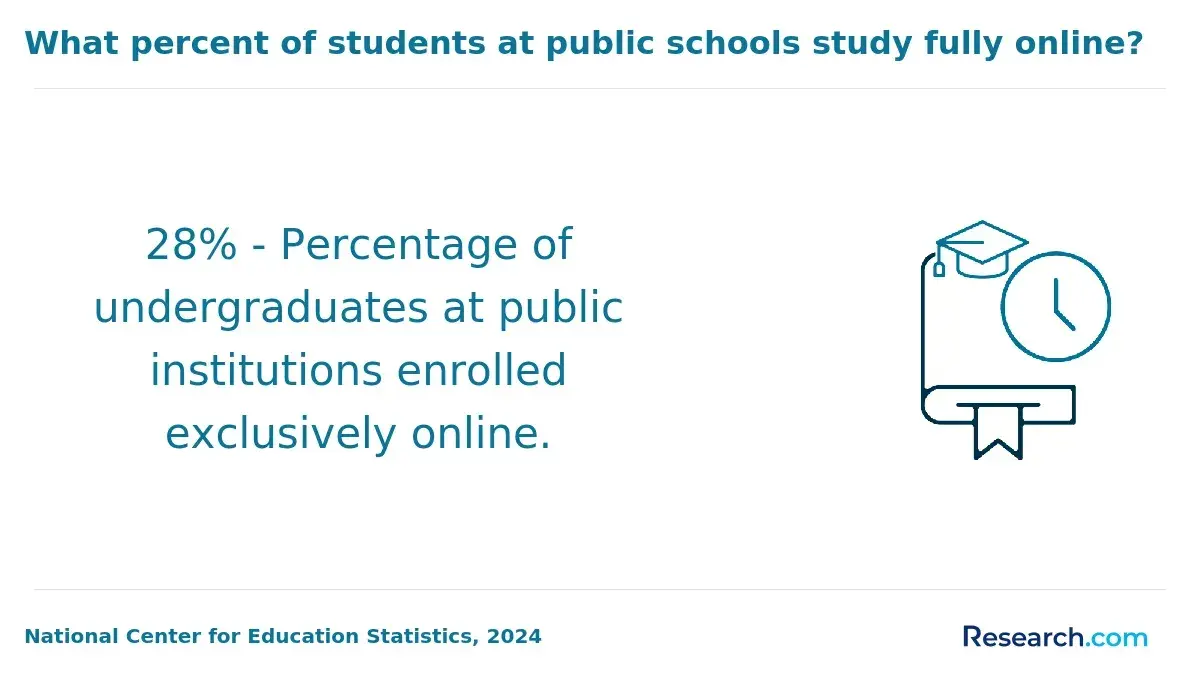
Many prospective master's students question whether completing their machine learning degree online versus on-campus impacts their salary after graduation. Data shows that individuals with master's degrees typically earn about 20% more than those with only a bachelor's degree, highlighting a clear wage premium. Yet, when focusing specifically on the mode of study for machine learning graduates, the salary differences are less straightforward. This invites a closer look at the factors influencing compensation beyond program format.
Measurable salary gaps between online and on-campus machine learning graduates are increasingly minimal, especially as employer perceptions of online degrees improve. Historically, online programs faced skepticism regarding rigor, but that bias is fading as many reputable universities offer accredited, high-quality online options.
Networking opportunities tend to be stronger on-campus, which can help with job placement and negotiating salaries, while relevant work experience continues to heavily influence compensation. Institutional prestige remains a significant factor, with graduates from well-known schools often enjoying a financial advantage regardless of delivery mode.
Hiring trends reflect growing acceptance of online credentials, particularly with the rise of remote work environments. Recent data suggest salary parity between online and traditional graduates when the online program maintains strong accreditation and industry recognition. Ultimately, factors like program quality, alumni networks, and prior experience shape earnings more than whether the machine learning degree was earned online or on-campus.
Are machine learning master's graduates more competitive for executive positions?
Many professionals pursue a master's degree in machine learning to strengthen their qualifications for senior leadership roles, recognizing its value in advancing executive career prospects. This specialized education equips graduates with a blend of technical expertise and strategic insight, making them highly competitive candidates for executive positions. Several factors influence this enhanced competitiveness:
- Leadership Preparation: Rigorous training in machine learning cultivates analytical thinking that directly supports effective team and project management, essential qualities for senior leaders.
- Strategic Decision-Making Authority: Executives with this background leverage data-driven insights to confidently guide innovation and strategic initiatives, enhancing organizational responsiveness.
- Organizational Impact: Knowledge of machine learning enables leaders to align technological capabilities with business objectives, driving scalable transformation and long-term value creation.
- Professional Credibility: Holding a master's degree in machine learning elevates stature among peers and stakeholders, signaling a high level of commitment and expertise that fosters trust and influence in executive roles.
- Cross-Functional Communication: Mastering both technical and business languages improves collaboration across departments, accelerating agility and fostering integrated solutions critical for complex organizations.
These factors collectively enhance the executive job competitiveness for machine learning graduates, enabling them to blend technical proficiency with strategic vision. Those aiming to secure senior leadership roles with a machine learning master's degree will find that this advanced credential not only boosts their analytical capabilities but also amplifies their professional credibility and influence in data-driven business environments.
Professionals interested in further broadening their expertise may also explore paths such as masters in library science, which can complement technical skills with strong organizational and research abilities.
What is the ROI of a machine learning master's degree?
Return on investment (ROI) is a crucial consideration for prospective machine learning master's students who must balance tuition expenses with long-term career advantages. Research shows that individuals with a master's degree in machine learning earn median salaries approximately 20% higher than those holding only bachelor's degrees in related fields. Several key factors contribute to the financial return of machine learning graduate programs.
- Tuition Costs: The initial cost of education varies significantly between institutions and directly impacts how quickly graduates can recoup their investment. Comparing costs to alternatives like the cost of accounting degree programs may offer insights on affordability.
- Salary Growth: Graduates benefit from accelerated salary increases as specialized machine learning skills remain in high demand. This growth potential enhances lifetime earning power beyond initial compensation differences.
- Opportunity Cost: Time spent studying can delay entry into the workforce, but the expertise gained typically results in higher starting salaries and faster career advancement, offsetting this temporary loss.
- Career Mobility: Holding a master's degree often opens doors to specialized roles and leadership positions that are otherwise less accessible, broadening career paths and industries.
- Networking Value and Job Stability: Graduate programs provide vital professional connections, industry reputation, and resilience against economic downturns, contributing to sustainable employment and options.
What is the job outlook for machine learning master's degree holders?
Evaluating long-term career stability and growth potential is crucial for prospective machine learning master's students. Employment for computer and information research scientists-which closely relates to machine learning careers-is expected to increase by 22% from 2020 to 2030, significantly outpacing the average job growth rate. Several important factors shape this promising job outlook:
- Long-Term Demand Trends: The expanding use of AI and automation across sectors ensures steady growth in machine learning roles, reflecting persistent industry reliance on these technologies.
- Evolving Skill Needs: Rapid advancements necessitate ongoing learning to master new algorithms, data techniques, and emerging computing platforms to remain competitive.
- Technological Change: Continuous innovation creates demand for professionals adept at addressing challenges in big data management and ethical AI implementation.
- Leadership Pipelines: Graduates with master's degrees frequently transition into hybrid technical-managerial positions, enhancing career progression prospects.
- Economic Resilience: Digital transformation efforts tend to endure even during economic downturns, supporting sustained employment opportunities in the field.
What Graduates Say About the Highest-Paying Jobs with a Machine Learning Master's Degree
- Lindsey: "Choosing a master's degree focused on machine learning was a game-changer in my career. The hands-on experience and cutting-edge curriculum directly led to me securing a role in a top tech company with one of the highest salaries in the field. The investment paid off quickly, making the cost completely worthwhile."
- Angeline: "Reflecting on my decision to pursue a machine learning master's, I realize that the financial burden was significant but manageable with careful planning. The degree opened doors not only to competitive salaries but also to continuous learning opportunities, which are crucial in this fast-evolving industry. It was an essential step for professional growth and long-term financial stability."
- Elizabeth: "From a professional perspective, the most valuable aspect of my machine learning master's was how it positioned me for highly specialized roles with premium compensation. Despite initial concerns about tuition fees, the degree's impact on my earning potential has been undeniable. It's an investment that genuinely enhances your career trajectory."
Other Things You Should Know About Machine Learning Degrees
Internships play a significant role in gaining practical experience and industry exposure in machine learning careers. They provide hands-on opportunities to apply theoretical knowledge, build professional networks, and increase employability in high-paying roles. Many employers prefer candidates who have completed internships related to machine learning projects or data science.
In 2027, roles that heavily rely on routine data entry or basic-level coding tasks are considered less suitable for someone with a machine learning master's degree. These positions often underutilize the advanced skills and expertise acquired through specialized education, leading to lower job satisfaction and growth potential.
Continuing education, including certifications, workshops, and specialized courses, helps machine learning graduates stay current with rapidly evolving technologies. Areas such as deep learning, natural language processing, and cloud computing are common focuses. Engaging in lifelong learning supports career growth and maintains competitiveness in high-paying job markets.
References
- What career opportunities can arise from earning an executive diploma in machine learning and AI? https://m.umu.com/ask/q11122301573854550137
- AI & Machine Learning Salaries in the U.S.: 2025 Outlook https://www.masonalexander.com/ai-machine-learning-salaries-in-the-u-s-2025-outlook
- 10 High-Income Skills To Start Learning in 2025 https://www.imd.org/blog/learning-and-development/high-income-skills/
- Stop Overfitting Your Career: The ML Specializations That Companies Are Desperately Hiring For https://ambacia.eu/careers-post/ml-specializations-that-companies-are-desperately-hiring-for/
- Top 25 Highest-Paying AI and Data Jobs in the World (2025 Edition) https://www.euroamerican.eu/top-25-highest-paying-ai-and-data-jobs-in-the-world
- What’s the ROI of an online master’s in Data Science? https://onlinesoe.tufts.edu/news-events/news/whats-roi-online-masters-data-science
- Is a Master's Degree in Machine Learning a Good Degree? | CSU Global https://csuglobal.edu/blog/is-a-masters-in-machine-learning-a-good-degree
- Where Can a Master's in Data Science Take You? Top Career Paths Explained https://www.ebu.ac/blog/241-Where-Can-a-Masters-in-Data-Science-Take-You-Top-Career-Paths-Explained-blog.php
- The Top 13 Skills Every Machine Learning Engineer Should Have in 2024 https://www.skillsoft.com/blog/the-top-13-skills-every-machine-learning-engineer-should-have-in-2024
- What benefits can I expect from a Master's in Machine Learning and AI? https://www.umu.com/ask/q11122301573854528495