
2027 Homeland Security Degree Careers That Do Not Require Graduate School

Co-Founder and Chief Data Scientist
A recent homeland security graduate weighs job offers, realizing some entry-level positions require only a bachelor's degree, while others push for advanced qualifications. About 32% of homeland security jobs demand a graduate degree or specialized credentials, creating a clear divide in hiring standards.
Many agencies and private firms prioritize practical skills, internships, and certifications over graduate education for certain roles. This article examines career paths within homeland security that do not require graduate school yet still offer strong employability and growth opportunities for graduates.
Key Things to Know About the Homeland Security Careers That Do Not Require Graduate School
- Many homeland security careers allow direct workforce entry with a bachelor's degree, supporting employment without the need for graduate education.
- Employer expectations often emphasize relevant skills, certifications, and practical experience over advanced degrees for entry-level roles.
- Internships and hands-on experience significantly enhance hiring prospects, making these career paths accessible and offering strong long-term professional growth.
What Career Paths Can You Pursue with a Homeland Security Degree Without Graduate School?
Over 60% of homeland security undergraduates enter the workforce immediately after graduation, reflecting a strong demand for entry-level homeland security jobs without a graduate degree. Opportunities vary based on role type and industry demand, but many positions value the practical skills and foundational knowledge gained through a bachelor's program. This trend highlights the growing appeal of high-demand homeland security careers for bachelor's degree holders.
Some accessible career options include the following:
- Emergency Management Specialist: This role focuses on coordinating disaster response and preparedness, leveraging undergrad training in crisis management and communication. It is well-suited for those seeking direct entry-level homeland security jobs without a graduate degree.
- Security Analyst: Security analysts assess threats and vulnerabilities, a function that emphasizes data evaluation and policy review. Many employers hire bachelor's-level graduates for these roles due to their broad applicability and foundational knowledge.
- Transportation Security Officer: These officers apply homeland security principles in transportation infrastructure protection. Positions primarily require a bachelor's degree combined with federal training, making it accessible without advanced education.
- Law Enforcement Officer: Graduates often fulfill educational prerequisites for local or federal law enforcement agencies through their bachelor's degree, enabling entry into enforcement and investigation roles at the start of their careers.
- Customs and Border Protection Agent: This position entails monitoring borders and enforcing immigration regulations and is typically open to individuals holding a bachelor's degree, supported by specialized government training.
These career paths demonstrate how bachelor's degree holders in homeland security can quickly engage with versatile roles across sectors critical to national safety and resilience. For those interested in advancing further, exploring the fastest EdD program online offers a continuation of their educational journey while maintaining career momentum.
What Are the Highest-Paying Jobs for Homeland Security Degree Graduates Without a Graduate Degree?
Many high-paying careers are accessible to homeland security graduates without the need for graduate education, especially in positions where employers prioritize bachelor's degrees alongside relevant skills. These roles benefit from strong workforce demand and critical responsibilities that promote competitive salaries. According to the U.S. Bureau of Labor Statistics, the median annual wage for related security roles is approximately $76,000, reflecting solid earning potential for those holding a bachelor's degree.
Below are several prominent careers offering strong salaries at the bachelor's level:
- Intelligence Analyst: These analysts provide essential assessments of threats for government or private sectors. Their role in interpreting data and identifying risks makes them crucial to national security, often earning between $65,000 and $90,000 annually depending on experience.
- Cybersecurity Specialist: Charged with protecting information systems against cyber attacks, they are in high demand due to the increasing prevalence of cyber threats. Entry salaries typically start near $70,000 and rise as expertise deepens.
- Emergency Management Director: Responsible for disaster preparedness and response coordination, these directors draw on leadership and decision-making skills. Salaries usually range from $70,000 to $110,000, reflecting the critical nature of their duties.
- Customs and Border Protection Officer: Managing border security and flow of goods, officers command competitive pay due to the physically demanding and high-responsibility nature of the job, generally earning $60,000 to $85,000 plus federal benefits.
- Security Manager: Overseeing security operations in corporate or governmental settings, these managers apply strategic expertise acquired with a homeland security degree. Their roles often come with salaries exceeding $75,000 annually.
What Skills Do You Gain from a Homeland Security Degree That Employers Value?
homeland security degree programs provide students with transferable skills highly sought after by employers, particularly for positions that do not require graduate education. A recent survey indicates that over 80% of employers emphasize transferable abilities like critical thinking and communication when hiring those with bachelor's degrees. These skills enhance both immediate workplace performance and future career progress.
The following key skills developed through homeland security studies are valued across many industries:
- Risk Assessment: Students gain expertise in identifying threats and assessing vulnerabilities, a vital skill for minimizing potential dangers in various settings. This capability helps entry-level employees foresee and manage risks effectively.
- Analytical Thinking: Programs focus on gathering and interpreting data, enabling graduates to make prompt, well-informed decisions. Employers appreciate candidates who independently analyze complex information and develop strategic responses.
- Effective Communication: Graduates learn to clearly articulate critical information to diverse groups, improving teamwork and ensuring that protocols are properly understood and implemented.
- Technological Proficiency: Training includes the use of specialized tools and software relevant to surveillance and emergency response. This familiarity enhances adaptability and operational success in fast-paced environments.
- Team Collaboration: Homeland security education stresses cooperative problem-solving within group settings, preparing students to work efficiently with others in demanding situations.
A homeland security degree graduate shared that putting analytical thinking into practice was challenging at first, especially when quick decisions were required under pressure. However, they found that their training "helped break down complex situations step-by-step," allowing them to gain confidence and contribute meaningfully from early on in their role.
What Entry-Level Jobs Can Homeland Security Graduates Get with No Experience?
Graduates holding a homeland security bachelor's degree often secure entry-level positions quickly, with around 62% finding work within six months post-graduation. Employers frequently develop roles tailored to recent graduates, allowing candidates to join the workforce without prior professional experience or the need for graduate school. These structured hiring pathways help new graduates start careers promptly.
Common entry-level opportunities that suit those with no experience include the following:
- Security Analyst: These roles focus on monitoring threats and security systems, offering on-the-job training in risk detection and cybersecurity tools. This makes them accessible for new graduates entering the homeland security field.
- Emergency Management Assistant: Typically support positions within agencies or private firms, these jobs introduce recent graduates to emergency preparedness and response, enabling skill development without prior job history.
- Border Patrol Agent: Many agencies provide comprehensive training academies, so graduates can qualify without previous experience, relying on structured programs to prepare them.
- Cybersecurity Technician: Entry-level tech roles maintain IT infrastructure security, often favoring candidates with foundational degree knowledge over prior hands-on work, making these beginner positions in homeland security field appealing.
For those interested in accelerating their qualifications, exploring accelerated bachelor degree programs can be a strategic option to gain faster entry into the workforce.
What Certifications and Short Courses Can Boost Homeland Security Careers Without Graduate School?
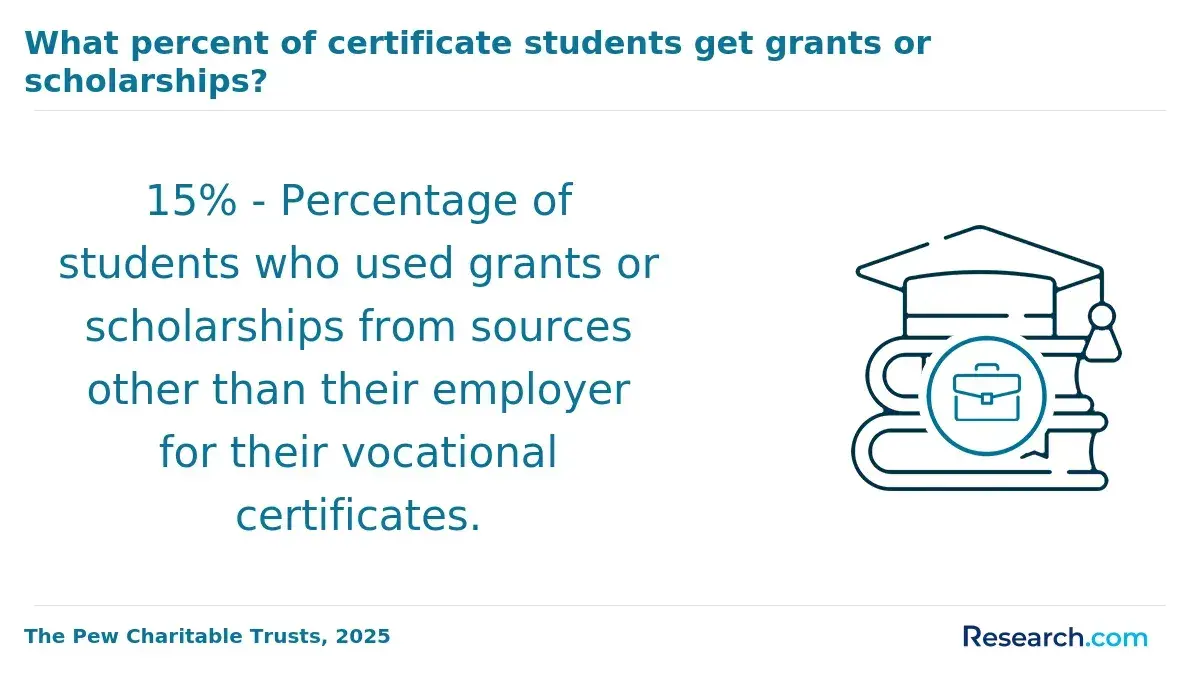
Certifications and short courses can significantly boost employability for homeland security graduates by offering targeted, practical skills without the need for graduate education. These credentials enhance job readiness and create clear avenues for career advancement. Recent data shows that over 60% of employers in homeland security fields prioritize candidates who hold professional certifications or have completed relevant short-term training programs.
Below are several key certifications and courses that help homeland security graduates strengthen their qualifications and stand out in the job market.
- Certified Protection Professional (CPP): This certification, recognized globally, validates expertise in security management and risk evaluation. Holding a CPP credential signals strong leadership skills and an advanced understanding of security operations, which is valuable for supervisory roles.
- Certified Emergency Manager (CEM): Focused on emergency preparedness and disaster response, the CEM credential prepares professionals to effectively coordinate crisis management activities and disaster recovery efforts.
- FEMA HSEEP Training: This short course teaches planning, executing, and assessing disaster exercises, essential for emergency preparedness. Completing HSEEP training demonstrates practical skills in emergency operations.
- CompTIA Security+: As cyber threats increasingly intersect with homeland security, this certification confirms foundational cybersecurity knowledge, opening doors to roles in information security and cyber defense without further academic requirements.
A professional with a homeland security degree shared that pursuing the FEMA HSEEP training was initially challenging due to the technical details of exercise design and evaluation. However, the hands-on nature of the course made the content easier to grasp. They found the credential improved their confidence in managing real-world emergency drills and positively influenced their career prospects by expanding their practical skill set beyond traditional coursework.
Which Industries Hire Homeland Security Graduates Without Graduate Degrees?
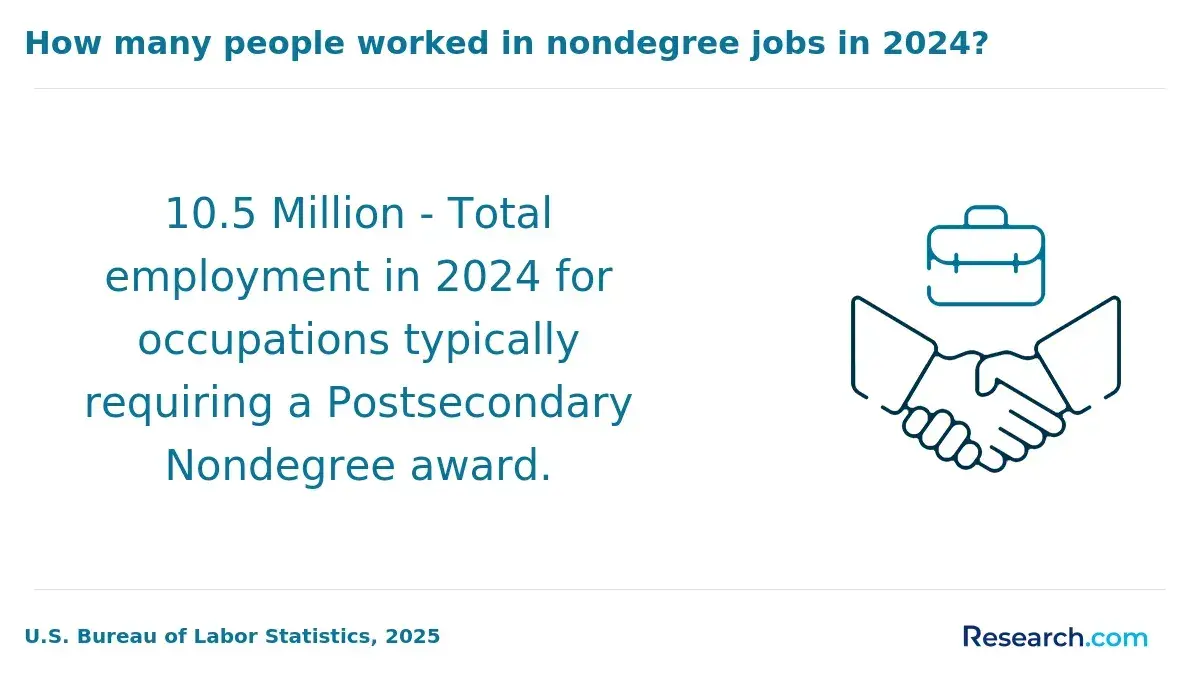
Industries vary widely in how they accommodate homeland security graduates without advanced degrees, with some sectors exhibiting strong demand for bachelor's-level professionals due to broad workforce needs. Roughly 60% of homeland security graduates find employment in fields that emphasize bachelor's qualifications over graduate education, reflecting the accessibility of certain industries to early-career entrants. These sectors frequently offer diverse roles that align with bachelor's degree training.
Several key industries illustrate this demand:
- Government Agencies: These employers encompass federal, state, and local levels and consistently hire bachelor's degree holders for operational, emergency management, and public safety roles. Their wide-ranging hiring needs create many entry points for graduates.
- Private Security Firms: With ongoing requirements for professionals in risk assessment and security operations, private firms often seek graduates with foundational homeland security knowledge capable of addressing various generalist functions.
- Critical Infrastructure Providers: Organizations responsible for utilities and transportation systems recruit bachelor's degree holders to protect vital physical and cyber assets, filling essential security positions.
- Healthcare and Emergency Services: Hospitals and public health entities rely on homeland security graduates to support crisis response and safety compliance, emphasizing operational readiness and coordination.
What Freelance, Remote, and Non-Traditional Careers Are Available for Homeland Security Graduates?
Non-traditional career paths allow homeland security graduates to bypass conventional employment routes by reducing dependence on formalized workplace hierarchies. Digital platforms and independent work models enable graduates to enter the field with greater flexibility and autonomy, broadening career access beyond traditional agency-based roles.
According to a survey by Upwork, the freelance workforce has grown by over 15% annually, with nearly 30% of bachelor's degree holders in security-related fields engaging in remote or freelance work.
Below are several remote, freelance, and non-traditional work opportunities that leverage digital accessibility and flexible entry points for homeland security graduates without requiring graduate education:
- Distributed Work Systems: Teams collaborate virtually across locations on tasks like threat assessments and cybersecurity monitoring, eliminating geographic constraints and accommodating remote contributors.
- Digital-First Labor Markets: Freelance platforms enable consulting, policy research, and risk evaluation services on demand, allowing graduates to build client portfolios flexibly without agency affiliation.
- Project-Based Independent Contracts: Short-term contracts for deliverables such as grant writing, data analysis, or compliance audits offer practical experience and remote engagement opportunities.
- Remote Training and Simulation Development: Creating and facilitating virtual training modules provides a specialized niche for combining instructional design with security expertise outside traditional work environments.
- Online Content Creation and Research Support: Graduates contribute to digital publications and knowledge bases by researching and summarizing intelligence trends, offering location-independent freelance roles.
These formats emphasize flexibility and scalability, offering accessible entry routes for homeland security graduates without requiring advanced degrees or physical presence in government hubs.
How Can You Build a Career Without Graduate School Using a Homeland Security Degree?
Graduates with a homeland security degree often start building their careers by entering the workforce directly after earning their bachelor's degree, without the need for graduate school. Early career momentum is typically driven by access to entry-level jobs that provide practical experience and exposure to real-world security environments. About 70% of homeland security degree holders find employment within the first year after graduation, demonstrating strong workforce entry timelines. This transition allows graduates to leverage internships and cooperative education programs to gain relevant skills while positioning themselves for advancement. Entry-level jobs for homeland security degree graduates are frequently available across government, private sector, and nonprofit organizations that value their diverse training.
Long-term career development in homeland security without graduate school usually depends on progressing through roles with increasing responsibility and specialization within an organization. Growth occurs by accumulating hands-on experience, expanding knowledge in areas like risk assessment or intelligence analysis, and adapting to evolving security challenges. Many professionals advance by building strong professional networks and contributing to complex projects rather than pursuing formal academic degrees. For those interested in further education, online options such as online PhD programs in organizational leadership offer flexible pathways, but practical career growth often aligns with continuous professional engagement and skill development.
What Are the Pros and Cons of Skipping Graduate School for Homeland Security Careers?
Skipping graduate school is a common pathway for many pursuing homeland security careers, allowing earlier entry into the workforce. While this approach can speed up gaining practical experience and reduce education costs, it may also shape long-term professional opportunities depending on the chosen career direction. Studies show that nearly 60% of homeland security professionals hold only a bachelor's degree, highlighting the availability of entry-level homeland security jobs without a master's degree.
Consider these key factors when deciding whether to bypass graduate education:
- Early Workforce Entry: Graduates who skip graduate school can begin working sooner, gaining valuable on-the-job experience. This practical exposure may accelerate career progress in less specialized roles.
- Opportunity Cost Savings: Avoiding graduate programs reduces tuition expenses and lost income during additional years of study, which can be significant in homeland security roles with competitive starting salaries.
- Long-Term Progression Limits: Some advanced positions within large federal agencies, intelligence, or private security consultancies may require a master's degree, potentially narrowing upward mobility without graduate education.
- Career Flexibility: A bachelor's degree provides flexibility to explore diverse entry-level homeland security jobs without a master's degree, allowing individuals to identify their preferred specialty before committing to graduate studies.
The decision to skip graduate school should balance immediate job access with future goals. For those considering further education, exploring the best organizational development master's programs online offers opportunities to enhance leadership and strategic skills aligned with homeland security careers.
What Are the Real-World Career Outcomes and Job Market Trends for Homeland Security Graduates?
Homeland Security bachelor's degree employment trends reveal that graduates often find varied opportunities without pursuing graduate school. Many enter roles with starting salaries typically between $40,000 and $60,000, influenced by factors like location and employer type. Labor market participation for these graduates is generally strong, reflecting steady demand across federal, state, and local governments as well as private sectors. This broad placement showcases the ability of bachelor's-level holders to secure meaningful employment in the homeland security job market outlook for homeland security graduates.
Job market outcomes differ widely depending on specific career paths and sector needs rather than following a single predictable pattern. Federal positions may offer higher pay and require stricter qualifications, while roles in local agencies or private firms tend to be more accessible but with varied compensation. Overall, success depends on broader labor market dynamics, and graduates can explore diverse opportunities, sometimes advancing their careers by gaining experience or certifications rather than formal graduate education. Those interested in accelerating further education might consider a fast track masters in psychology to complement their skill set.
What Graduates Say About Homeland Security Careers Even Without Pursuing Graduate School
- Emiliano: "Graduating with a homeland security degree gave me immediate access to a range of meaningful job opportunities without the need for further schooling. Employers valued the practical skills and critical thinking we developed, which helped me confidently step into roles focused on emergency management. Reflecting on it, that hands-on preparation truly bridged the gap between education and workforce expectations."
- Jared: "For me, entering the workforce straight after my homeland security degree was both challenging and rewarding. I appreciated how the program emphasized real-world scenarios, which made transitioning to roles in risk assessment and public safety feel natural. I often tell others how that grounding in policy and response tactics saved me from feeling overwhelmed early in my career."
- Amir: "Not pursuing graduate school was a conscious decision, and my homeland security education was instrumental in making that choice viable. It equipped me with a broad understanding of security frameworks and crisis management that employers found impressive. I've since advanced steadily in my field, confident that my undergraduate foundation was robust and relevant."
Other Things You Should Know About Homeland Security Degrees
Positions in 2027 for homeland security graduates without needing graduate school include roles like Border Patrol Agent, Emergency Management Specialist, Cybersecurity Analyst, and Transportation Security Officer. These positions typically require a bachelor's degree and relevant experience, emphasizing skills specific to security protocols and crisis management.
Federal security clearance is often essential for many homeland security positions, even those not requiring graduate degrees. Obtaining clearance involves thorough background checks and can take several months. Clearance eligibility depends on factors like citizenship, criminal history, and financial responsibility, and it significantly expands job prospects within federal agencies.
Practical experience gained through internships, military service, or work in related fields can be highly valuable and sometimes preferred over graduate education. Hands-on experience helps demonstrate skills in crisis management, investigation, and risk assessment. Employers often view this real-world knowledge as critical, especially for entry- to mid-level positions.
Yes, ongoing training is essential to keep pace with evolving threats and technologies in homeland security. Many jobs require certifications to be renewed and mandate participation in workshops or drills. Staying current through continuous education ensures effectiveness and eligibility for promotions, regardless of whether the candidate holds an advanced degree.
References
- What Can You Do With a Homeland Security Degree? https://www.snhu.edu/about-us/newsroom/social-sciences/do-with-homeland-security
- Homeland Security Requirements (Degrees, Jobs & Salary) https://www.allcriminaljusticeschools.com/federal-law-enforcement/homeland-security/
- Homeland Security Degree: Career Outcomes, ROI & Job Market Reality | JobPolaris https://jobpolaris.com/majors/homeland-security
- What Can You Do with a Homeland Security Degree? Salary & Career Info https://www.degreesforgood.org/what-can-you-do/homeland-security-degree/
- What Can You Do With a Homeland Security Studies Degree? https://sopa.tulane.edu/blog/what-can-you-do-homeland-security-studies-degree
- Remote Entry Level Homeland Security Jobs | Remotely.jobs https://www.remotely.jobs/entry-level-homeland-security-jobs
- Careers in Homeland Security: Jobs and Specializations to Consider https://www.columbiasouthern.edu/blog/blog-articles/2025/february/homeland-security-degree-jobs/
- Your Guide to Homeland Security Certification - ARES Security https://aressecuritycorp.com/2025/01/30/homeland-security-certification/
- 8 Opportunities You Didn’t Know a Homeland Security Degree Could Unlock https://northpennnow.com/news/2025/jan/14/8-opportunities-you-didnt-know-a-homeland-security-degree-could-unlock/


