2027 Homeland Security Degree Programs You Can Start Without Meeting All Requirements

Co-Founder and Chief Data Scientist
Many prospective students aiming for homeland security degree programs face barriers-whether a GPA just below the threshold, incomplete prerequisite coursework, or professional experiences that lack formal academic records. These gaps often delay entry, despite strong motivation. Yet, universities increasingly offer conditional admission policies, bridge courses, and alternative credential assessments to begin studies early. Notably, homeland security graduates earn a median salary of $76,000 annually, reflecting significant ROI in various federal and private sector roles across geographic regions.
This article explores practical admission pathways, institutional support, and academic expectations designed to help students enroll before fully meeting traditional requirements and succeed in their careers.
Key Things to Know About Homeland Security Degree Programs You Can Start Without Meeting All Requirements
- Conditional admission policies allow students to enroll while completing prerequisite coursework or improving GPA-often requiring maintaining a minimum grade to transition to full admission.
- Bridge and foundational courses provide structured academic support-helping transfer and adult learners meet core competency standards before advancing in homeland security curricula.
- Alternative credential reviews assess professional experience and certifications-enabling career changers with relevant backgrounds to bypass some traditional academic requirements early on.
What Is the Minimum GPA Requirement for a Homeland Security Degree Program?
Minimum GPA requirements for homeland security degree programs vary considerably across institutions reflecting differences in selectivity and admissions policies. Highly selective programs often require GPAs around 3.0 to 3.5, tied to competitive applicant pools and strict academic standards. Moderately competitive schools generally accept students with GPAs between 2.5 and 3.0, balancing accessibility with quality. Open-admission colleges or community colleges may set minimum GPA thresholds as low as 2.0, placing more emphasis on prerequisite completion and professional experience. These variations illustrate the broad spectrum of required academic standards for conditional admission to homeland security programs.
Admissions committees typically evaluate more than just a GPA number-they consider grade trends, the rigor of coursework, and whether grade replacement policies apply, affecting how GPAs are interpreted. Students whose GPA falls below stated minimums should contact admissions counselors to explore alternative pathways such as holistic review, which weighs work experience and extracurriculars, or inquire directly about conditional admission options that allow early enrollment while completing coursework.
Many institutions support flexible admission routes, enabling adult learners, community college transfers, and career changers to start homeland security programs before fully meeting all entry requirements. Prospective students seeking accessible options can also consider the cheapest online colleges that accept FAFSA as a pathway to begin foundational studies affordably.
Which Homeland Security Programs Accept Applicants on Academic Probation or With Academic Deficiencies?
Applicants with academic probation histories or transcript deficiencies often find that several reputable institutions maintain conditional or provisional admission options-opening doors to homeland security degree programs accepting students on academic probation. These alternatives provide structured pathways for those not immediately meeting standard entry requirements but who show potential with proper support.
- University of Central Florida (Regionally Accredited): UCF permits students with low GPAs to enroll conditionally by completing at least 9 credit hours during their first term while sustaining a minimum 2.5 GPA. These students engage in mandatory monthly advisor meetings, personalized study plans, and regular progress reports to admissions.
- Arizona State University (Regionally Accredited): ASU offers provisional admission to transfer students with academic deficiencies provided they complete foundational courses in their initial semester and maintain at least a 2.75 GPA. Advisor oversight includes regular check-ins and help with time management and study skills.
- American Public University System (Regionally Accredited): APU limits conditionally admitted students to 6-7 credit hours in their first term and requires a 3.0 GPA to continue without probation. Academic coaches guide students through orientation modules focused on success strategies.
- Regent University (Regionally Accredited): Provisional acceptance is offered pending successful completion of prerequisite courses in writing and critical thinking, requiring a 2.7 term GPA to exit probation status. Advisors perform bi-weekly progress reviews and monitor engagement.
- Thomas Edison State University (Regionally Accredited): TESU supports adult learners with conditional enrollment capped at 12 credits during probation, with a 2.5 GPA requirement in the first term. Faculty mentoring and periodic academic assessments provide ongoing support.
These colleges offering homeland security admission with academic deficiencies usually emphasize strict benchmarks-such as specified GPA thresholds and reduced course loads-alongside consistent academic advising or coaching. Policies are subject to change, and significant distinctions may arise between undergraduate and graduate homeland security programs, so confirming details with admissions offices is crucial.
For those exploring alternatives, reviewing options among engineering degrees online can reveal additional flexible pathways and institutional support systems that benefit career changers and adult learners alike.
How Do Conditional Admission and Provisional Enrollment Work for Homeland Security Degree Seekers?
A conditional admission status is awarded when acceptance depends on meeting specific academic or prerequisite requirements after enrollment. Conditions often include maintaining a minimum GPA-usually between 2.5 and 3.0-in early courses or completing foundational homeland security classes within one or two semesters. Students may also need to submit missing test scores or official transcripts by set deadlines.
Provisional Enrollment: Generally a temporary status for students who start classes while finalizing administrative paperwork, such as verifying prior coursework or residency. Provisional students are often unclassified, so their credits might not count toward program requirements until all necessary documents are received.
Progress Benchmarks: Students under conditions face formal reviews after a specified period. Meeting GPA and coursework benchmarks leads to full admission, while failure may result in academic probation, dismissal, or repeating courses.
Examples of Success: A conditionally admitted student with incomplete prerequisites completed bridge courses and earned a 3.0 GPA in the first semester, advancing to full admission. These pathways prioritize growth and support over attrition.
Guidance for Applicants: Ask what triggers the condition, the review timeline, and who decides final admission status. Clarifying these helps plan and use institutional resources effectively.
A professional who earned a homeland security degree shared his experience navigating conditional admission-he faced uncertainty balancing incomplete prerequisites and part-time work but found that bridge courses and targeted advising were crucial. "It was stressful not knowing if I'd meet the requirements on time," he recalled, "but consistent check-ins with advisors kept me focused. Achieving the GPA threshold felt like a major relief, confirming I belonged in the program." His story highlights how structured conditional admission can foster determination and eventual success rather than act as a barrier.
What Alternative Admission Pathways Are Available for Homeland Security Programs When Prerequisites Are Not Met?
Students exploring alternative admission options for homeland security degree programs should proactively reach out to program directors or department chairs-many accommodations are made informally and may not appear prominently online. Direct communication often unlocks conditional admission pathways more effectively than relying on general admissions offices, which might lack detailed knowledge of these flexible policies.
Portfolio Review: Certain homeland security programs-especially those centered on security management, emergency preparedness, or intelligence-accept detailed portfolios as proof of relevant skills and knowledge. Such submissions usually feature work samples, certifications, training histories, and reflective essays that align with program goals.
Demonstrated Professional Experience: Programs focusing on law enforcement liaison, cyber defense, or security operations may recognize extensive professional experience in place of formal entry requirements. Applicants typically need to submit verifiable evidence such as employer letters, performance evaluations, or professional licenses. Successful evaluation depends on institutional frameworks that integrate experiential learning assessments with academic guidance, facilitating conditional admission or credit for practical knowledge.
Prior Learning Assessment Credit: Many homeland security degrees grant credit for prior learning acquired outside traditional classrooms-military service, industry certificates, or prior college courses. Candidates submit transcripts, certificates, or standardized exam results that demonstrate competency. Formal PLA offices staffed by trained evaluators match this prior learning with curricular demands, supporting seamless admission despite incomplete coursework.
Placement Testing as a Substitute for Prerequisite Coursework: Some institutions allow placement exams to confirm proficiency in foundational subjects like writing, math, or introductory homeland security principles. These tests serve students who have yet to complete specific courses but can demonstrate necessary skills. Colleges provide structured testing services and apply results rigorously, enabling conditional or full admission while maintaining academic standards.
Navigating these options successfully involves understanding the academic expectations, timelines, and performance standards required for continued enrollment. For related flexibility in graduate-level study, consider the best data science master's programs.
Which Homeland Security Programs Allow Students to Begin While Completing Remaining Prerequisites Concurrently?
Some Homeland Security degree programs let students start core classes before finishing all prerequisite courses through concurrent or co-requisite enrollment-meaning foundational and major courses are taken simultaneously. This differs from conditional admission, which admits students provisionally based on pending academic or administrative requirements, while concurrent enrollment focuses on overlapping coursework to accelerate degree progression.
Common combinations include pairing introductory statistics or research methods with initial Homeland Security courses such as crisis management or emergency preparedness. This integration helps develop analytical skills while immersing students immediately in discipline-specific content. These programs often accommodate the increased academic load, yet students should consider the challenges of managing two demanding types of courses at once.
To determine if a program permits this enrollment style, prospective students should:
- Review Course Catalogs: Check official program guides for policies on course sequencing and concurrent enrollment options.
- Consult Academic Advisors: Discuss plans and limitations with advisors or admissions staff to clarify eligibility.
- Request Degree Audits: Obtain formal evaluations of academic progress and confirm chances of simultaneous enrollment in prerequisites and core courses.
A professional who built her career following graduation from a homeland security program reflected on her experience: "Starting core courses while still finishing prerequisites was challenging. I had to stay extremely organized and often felt overwhelmed balancing work, school, and family. But being allowed to take classes concurrently meant I could move forward without delay. Academic advisors were invaluable, helping me tailor a manageable course load. The initial stress was real, but it taught me strong time management and resilience-skills essential in my current role."
How Do Community College Partnerships Help Students Enter Homeland Security Programs Without Full Qualifications?
Students without full admission credentials can start homeland security coursework at community colleges through 2+2 articulation agreements and dual-enrollment options that create a smooth transition into bachelor's or graduate programs. These partnerships allow learners to complete two years of study at a community college before transferring to a four-year institution, building essential knowledge and academic standing along the way.
Community college pathway programs offer courses that admissions committees highly value when reviewing transfer applications from students with unconventional backgrounds or conditional acceptance:
- Prerequisite Completion: Addressing foundational subjects like criminal justice, emergency management, or introductory cybersecurity.
- GPA Rebuilding: Providing the chance to improve academic records through transferable courses that reflect student dedication and aptitude.
- Foundational Skill Development: Strengthening critical thinking, writing, and research abilities vital for success in advanced homeland security studies.
Prospective students should check if their desired homeland security program offers formal articulation agreements-usually listed on admissions or transfer webpages. Without such agreements, transfer remains possible by working closely with academic advisors, submitting transcripts for course equivalency assessments, and aligning coursework with the four-year program's prerequisites.
Importantly, community college coursework commonly receives more lenient evaluation than freshman admission criteria. Transfer admissions often emphasize demonstrated progress and relevant experience rather than strict GPA or standardized test thresholds. In 2023, there was an 8% increase in students using community college pathways to enter specialized fields like homeland security, reflecting a growing trend toward flexible admissions through these partnerships.
What Role Do Personal Statements and Letters of Recommendation Play in Gaining Homeland Security Program Access Without Meeting All Requirements?
When traditional metrics like GPA, test scores, or prerequisite completion fall short, personal statements and letters of recommendation become critical tools for gaining conditional admission to Homeland Security degree programs. These components offer applicants an opportunity to present a richer, more nuanced narrative beyond mere numbers.
A compelling personal statement for conditionally admitted students should include several essential elements:
- Candidness: An honest yet forward-focused explanation of academic challenges, acknowledging setbacks without excuses.
- Preparation: Clear articulation of how previous work experience, training, or life circumstances have built skills and resilience suited for the demands of Homeland Security study.
- Fit: Specific reasons demonstrating why the chosen Homeland Security program aligns with the applicant's goals, interests, and strengths.
Letters of recommendation carry the most weight when coming from supervisors or mentors who have directly observed the applicant's intellectual abilities or professional achievements. Such endorsements hold more clout than general character references, as they attest to academic readiness and practical competence.
Which Homeland Security Programs Offer Bridge or Foundational Courses That Replace Unmet Admission Requirements?
Many homeland security degree programs support early admission through various bridge or foundational courses that substitute for prerequisites, allowing students to progress while completing required preparatory work. These options cater to diverse students-such as high school graduates who fell short of GPA requirements, community college transfer students still completing prerequisites, adult learners re-entering education after a professional gap, and career changers with strong work histories but incomplete transcripts. Such flexible admission routes help widen access and reduce delays in starting a homeland security degree.
- Non-Credit Boot Camps: Usually offered by community colleges and some public universities, these short, intensive programs focus on foundational skills like writing, critical thinking, or basic emergency management concepts. They generally do not appear on academic transcripts but serve as formal conditions to secure unconditional admission. Boot camps typically last a few weeks and are low-cost or free, making them good options for students needing quick preparation.
- Post-Baccalaureate Preparatory Sequences: Found mostly at four-year universities, these credit-bearing sequences help students who hold a bachelor's degree but lack essential prerequisites. Recorded on transcripts as graduate-level coursework, their completion often grants direct admission into master's homeland security programs. These sequences require a substantial time commitment-several months to a year-and carry tuition fees higher than undergraduate rates.
- Certificate-Level Prerequisite Bundles: Offered by universities and some private institutions, these credit certificates bundle core homeland security prerequisite courses. They appear on transcripts and sometimes apply toward the final degree. Usually lasting one semester, they balance cost and duration, benefiting students seeking formal recognition of preparatory progress alongside degree work.
- Self-Paced Online Remediation Modules: Increasingly popular with adult learners and career changers, these modules allow students to remediate gaps independently through accredited online platforms affiliated with institutions. They often do not carry credit but are required to advance. Costs vary and tend to be moderate, while timelines remain flexible for those managing other responsibilities.
Students exploring which homeland security programs offer bridge or foundational courses should note that these pathways are sometimes overlooked in main program descriptions. It is advisable to contact admissions offices directly and ask specifically about foundational enrollment options. Doing so ensures access to legitimate early admission routes that facilitate timely degree progression. For those interested in related fields, exploring a reputable social media marketing degree can also be worthwhile.
How Does Work Experience or Professional Background Substitute for Academic Requirements in Homeland Security Programs?
Many homeland security degree programs recognize that relevant work experience can substitute for academic prerequisites-a critical pathway for students who have fallen short of certain GPA thresholds or are community college transfers still completing coursework. Admissions committees often apply holistic admission criteria, balancing academic records with the applicant's professional background as admission criteria in Homeland Security programs.
Industry Certifications: Certifications in emergency management, cybersecurity, law enforcement, or related specialties demonstrate verified knowledge and commitment.
Years of Field-Specific Employment: Sustained experience in border security, intelligence analysis, emergency response, or public safety roles often offsets missing academic credits.
Management or Leadership Roles: Supervising teams or projects related to homeland security signals maturity, responsibility, and organizational skills valued by admissions staff.
Published or Presented Professional Work: Reports, articles, or presentations relevant to homeland security reveal analytical capacity and thought leadership.
Volunteer or Community Service: Engagement with disaster preparedness or community resilience organizations enriches formal experience.
Applicants should present this experience through a structured, academic-style resume detailing dates, roles, and relevance to homeland security. Supporting documents like certifications, performance evaluations, or evidence of completed projects are often requested. Securing references who can attest specifically to professional competence-rather than academic performance-is essential.
Those seeking flexible academic pathways might also explore related options such as bridge courses, conditional admission policies, and foundational coursework or consult resources on a data science learning path-which sometimes parallels homeland security in skill sets and alternative credential recognition.
What Financial Aid and Scholarship Options Are Available to Conditionally Admitted Homeland Security Students?
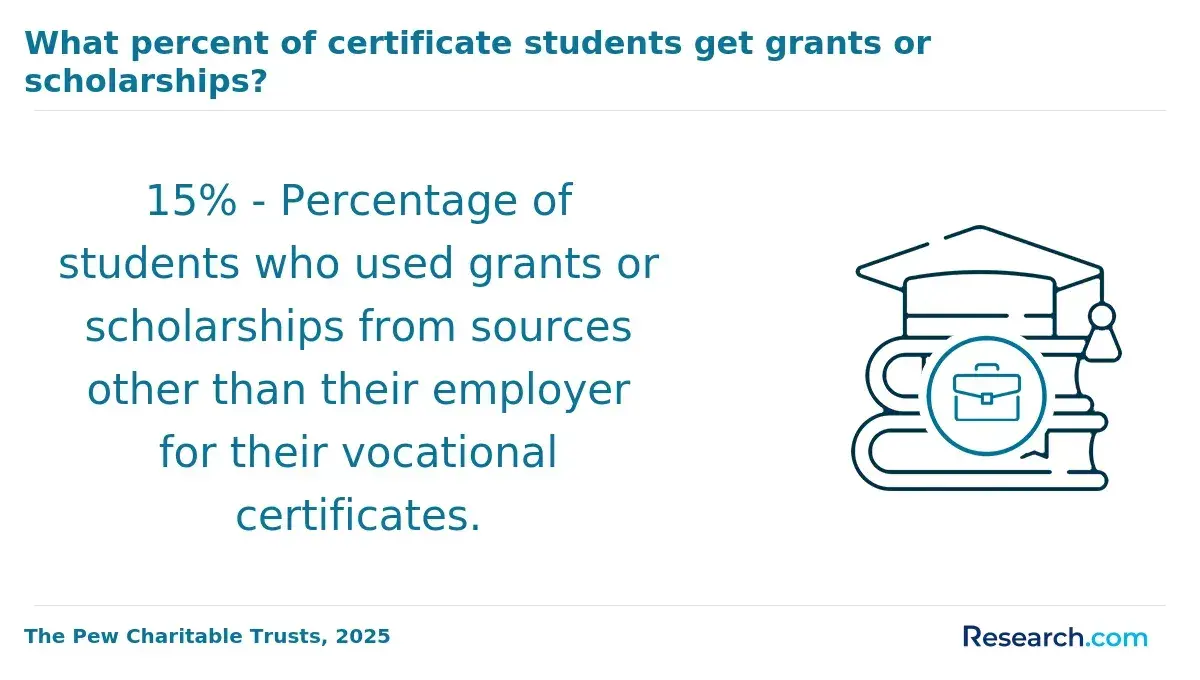
Conditionally admitted homeland security students may qualify for federal financial aid through the FAFSA if they enroll at least half-time and maintain satisfactory academic progress. This progress requires steady improvement in coursework even under provisional status. Falling short of these standards risks losing aid during the conditional period.
Institutional Scholarships: Many institutions offer scholarships for students whose admission is conditional due to incomplete prerequisites or GPA deficiencies. These awards often focus on students' persistence and potential rather than prior grades, helping support their journey toward full admission.
Private Scholarships: Various private foundations target adult learners, career changers, and re-entry students in homeland security. These scholarships value work experience, community engagement, and resilience-qualities seen in conditionally admitted students with non-traditional academic paths.
Adult Learner Programs: Certain scholarship programs waive common GPA criteria and include professional achievements as eligibility factors. These frameworks are vital for returning students balancing prior careers alongside their studies.
Advising: Consultation with both financial aid offices and academic advisors before enrolling conditionally is essential. Enrollment status impacts financial aid packages, and early planning helps avoid unexpected expenses while clarifying academic and financial requirements moving forward.
How Do Online Homeland Security Programs Compare to Campus-Based Programs in Admission Flexibility?
Many online homeland security programs-especially those run by large public universities or for-profit schools-offer more accessible admission conditions than traditional campus options. These programs often allow conditional admission without strict GPA requirements or completed prerequisites, accepting alternative qualifications such as work experience or nonstandard credentials.
Students can frequently start their studies while completing foundational coursework through prerequisite waivers or bridge classes. In contrast, campus-based programs usually mandate completion of all prerequisites upfront or require concurrent enrollment in specific preparatory courses.
Online institutions commonly have established structures to support students admitted conditionally, including: monitoring of academic progress during initial semesters; mandatory tutoring sessions or skill-building workshops; set deadlines for meeting full admission requirements. The level of support for conditionally admitted online students varies widely. Some programs provide strong virtual academic advising, tutoring, disability accommodations, and mental health resources, while others offer limited services compared to on-campus access to in-person assistance.
More flexible admission policies do not signify lower academic standards. Students should confirm regional accreditation and investigate graduation and job placement rates. These factors are crucial for ensuring their investment leads to respected credentials and meaningful career opportunities in Homeland Security fields.
What Graduates Say About Homeland Security Degree Programs You Can Start Without Meeting All Requirements
- Emily: "Starting a homeland security program without meeting all the prerequisites was daunting at first-but it gave me an invaluable chance to prove myself academically. The program laid out clear performance benchmarks that kept me focused, and I appreciated how the faculty supported students conditionally admitted through regular progress reviews. The timeline was challenging but fair, motivating me to manage my time wisely and build a strong foundation early on."
- Jared: "Reflecting on my journey, the option to begin my homeland security degree before fulfilling every requirement was a game changer. It demanded dedication-especially since academic obligations were closely monitored to ensure we stayed on track-but that structure actually helped me develop discipline. The program's timeline expectations were realistic and gave me room to adjust as I grew into the pace. Meeting benchmarks wasn't just about grades but about building resilience and consistency."
- Amanda: "From a professional standpoint, entering the homeland security degree conditionally was a practical decision that emphasized accountability from day one. The academic standards set for conditionally admitted students were rigorous, reinforcing a culture of high performance and persistence. I valued that the program's timeline was transparent-knowing exactly what was expected and when helped me stay in good standing and ultimately succeed."
Other Things You Should Know About Homeland Security Degrees
Regional accrediting agencies-such as the Higher Learning Commission and Middle States Commission on Higher Education-primarily oversee the quality of homeland security degree programs. Additionally, bodies like the National Security Studies Consortium influence curriculum standards, which indirectly affect admission policies. These organizations encourage institutions to adopt flexible admission approaches, including conditional acceptance and bridge courses, to expand access while maintaining academic rigor.
Students can strengthen their case by presenting alternative evidence of preparedness-such as relevant work experience, certifications in emergency management or law enforcement, and successful completion of college-level foundation courses. Writing a personal statement explaining their commitment and career goals also helps admissions committees assess readiness beyond GPA benchmarks. Some programs allow recommendation letters from employers or instructors to support conditional entry.
Programs frequently provide tutoring, academic coaching, and dedicated advisors to help conditionally admitted students meet required standards. Bridge or foundational courses target gaps in knowledge and skills, ensuring students build essential competencies early. Many institutions also offer flexible scheduling and online resources to accommodate adult learners and those balancing work commitments.
References
- Scholarships https://www.coehsem.com/scholarships/
- Gaining Expertise in Homeland Security: A Criminal Justice Perspective https://www.uagrantham.edu/blog/expertise-in-homeland-security/
- Online Homeland Security Degrees: Explore Top Programs https://www.degreesforgood.org/online-degrees/homeland-security-programs/
- What Is a Homeland Security Degree? https://www.trident.edu/articles/what-is-a-homeland-security-degree/
- Homeland Security Requirements (Degrees, Jobs & Salary) https://www.allcriminaljusticeschools.com/federal-law-enforcement/homeland-security/
- Concerns about Conditional Admissions and Visas (USA) https://www.improvingthestudentexperience.com/concrsn-over-visas/
- Choosing a bachelor's in homeland security | edX https://www.edx.org/resources/how-to-choose-a-bachelors-in-homeland-security
- how - Wiktionary, the free dictionary https://en.wiktionary.org/wiki/how
- Establishing a Fixed Time Period of Admission and an Extension of Stay Procedure for Nonimmigrant Academic Students, Exchange Visitors, and Representatives of Foreign Information Media https://www.federalregister.gov/documents/2025/08/28/2025-16554/establishing-a-fixed-time-period-of-admission-and-an-extension-of-stay-procedure-for-nonimmigrant
- Homeland Security Scholarships (2026) - ScholarshipsandGrants.us https://scholarshipsandgrants.us/major/homeland-security/