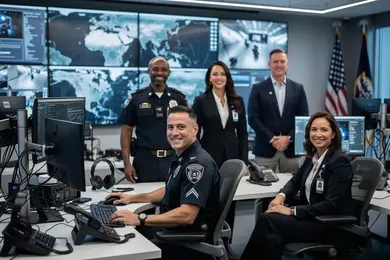
2027 Homeland Security Internship Requirements: Hours, Placements, and Supervision

Co-Founder and Chief Data Scientist
Students entering homeland security internships often face challenges balancing academic credits with practical experience. Nearly 60% of homeland security programs nationwide include mandatory fieldwork aimed at enhancing job readiness.
Typical placements range from federal agencies to emergency management offices, requiring a minimum number of hours to fulfill degree requirements. Supervision usually involves direct oversight by experienced professionals to guide skill development and ensure compliance with agency protocols.
Understanding the specific demands—such as hour commitments, site selection, and supervisory roles—can help students navigate these expectations effectively. This article explores internship hours, placement procedures, and supervision standards in homeland security degree programs to support student success.
Key Things to Know About Homeland Security Internship Requirements
- Interns typically must complete 120 to 160 hours, requiring careful academic scheduling to balance coursework and time commitments across semesters.
- Placement depends on site availability and competitive application processes; about 40% of students secure placements in federal agencies, influencing internship location and experience.
- Supervision includes regular mentor meetings and formal evaluations based on performance criteria, ensuring interns gain practical skills aligned with homeland security standards.
Do All Homeland Security Degrees Require an Internship?
Internships are a vital component in many homeland security degree programs, offering students hands-on experience that connects theory with real-world application. Approximately 65% of homeland security bachelor's programs require an internship or practicum.
However, internship requirements vary widely depending on program structure and focus.
- Accreditation Standards: Programs accredited by recognized bodies often mandate internships to ensure students meet competency and practical skill standards. These requirements reflect an emphasis on quality and accountability within homeland security education.
- Program Format: Traditional, online, and hybrid degree options influence internship policies. Many online programs may offer alternative experiential learning, such as simulations or capstone projects, instead of formal internships.
- Specialization Tracks: Different focus areas—such as cybersecurity, emergency management, or intelligence analysis—affect internship expectations. Some specializations might allow practical experience through related part-time jobs or volunteer work aligned with coursework.
- Alternative Experiential Options: Not all programs require onsite internships; some include case studies, virtual exercises, or practicum alternatives that still provide valuable applied learning opportunities.
What Requirements Must Be Met Before Starting a Homeland Security Internship?
Internship programs establish prerequisites to ensure students possess the necessary academic and professional foundation for success. According to the National Association of Colleges and Employers, academic performance plays a crucial role, with employers often setting minimum GPA standards.
Below are common eligibility criteria students must meet before starting a homeland security internship:
- Minimum GPA: Most programs require a GPA between 2.5 and 3.0 on a 4.0 scale to demonstrate academic competence and discipline, which employers highly regard during selection.
- Completed Coursework: Students must finish key classes such as emergency management, critical infrastructure protection, or cybersecurity to ensure they have foundational knowledge relevant to homeland security.
- Application Approval: A formal application, including academic transcripts, a resume, and sometimes letters of recommendation, is typically required. This process helps coordinators evaluate candidates' qualifications and commitment.
- Background Checks: Due to the sensitive nature of homeland security work, interns must pass criminal history screenings and sometimes provide proof of citizenship or residency to comply with federal regulations.
Students pursuing a criminal justice bachelor degree often complete coursework in public safety, criminal law, and security studies that aligns well with homeland security internship requirements. These degree programs can help candidates build the academic background and professional readiness needed to meet competitive eligibility standards and pass screening processes.
How Many Internship Hours Are Required for Homeland Security Degrees?
Internship hours are a vital component of homeland security degree programs, designed to ensure students gain practical experience alongside academic study. Typically, programs require between 120 and 240 hours, often linked to 3 to 6 academic credits, where one credit generally equates to about 40 hours of internship work.
Below are key considerations that influence these hour mandates:
- Academic Credit Equivalencies: Schools set the conversion rate from internship hours to credit hours, usually between 35 and 45 hours per credit, affecting the total required hours.
- Program Level: Undergraduate degrees tend to demand fewer internship hours than graduate programs, reflecting different expectations in field exposure and depth of study.
- Accreditation Standards: Accrediting bodies such as CAHME or ABET often establish minimum internship hour guidelines to maintain consistent educational quality across programs.
- Scheduling Formats: Full-time students typically complete their internship hours within a single semester, while part-time students might spread hours out over multiple terms to fit their schedules.
A graduate with a homeland security degree described the internship hours as both rewarding and challenging. He explained that balancing a demanding part-time internship with coursework required careful time management. While initially overwhelming, the hands-on experience became invaluable, deepening his understanding beyond classroom theory.
He noted, "The 180-hour requirement pushed me to engage with real-world scenarios, which was crucial for my professional growth." His experience highlighted that while required hours can feel daunting, they offer essential preparation for careers in the field.
Where Do Homeland Security Students Complete Internships?
Internship settings significantly shape the hands-on experience homeland security students acquire, reflecting the field's interdisciplinary nature. A national survey highlights this variety: about 40% of internships happen within government agencies, 30% in private companies, and 20% in nonprofit organizations.
Below are common environments where students complete internships:
- Government Agencies: Many students intern at federal, state, and local entities such as the Department of Homeland Security or emergency management offices, gaining exposure to policy enforcement, intelligence gathering, and crisis response operations.
- Corporate Organizations: Internships in the private sector often involve cybersecurity firms, risk assessment consultants, or firms specializing in critical infrastructure. These placements provide practical understanding of security protocols and compliance with industry regulations.
- Nonprofit Organizations: Students also engage with nonprofits focused on disaster relief, community safety education, or resilience building, experiencing the grassroots effects of homeland security initiatives.
- Research Institutions: Universities and research centers offer internships involving data analytics, threat evaluation, and technological development, expanding analytical and technical skill sets.
Students wanting to explore options beyond traditional paths might consider a counseling degree online, which can complement homeland security studies by enhancing crisis intervention skills.
How Are Internship Placements Assigned in Homeland Security Programs?
Internship placements in homeland security programs are carefully structured to align student goals with agency needs, ensuring each opportunity fosters meaningful professional growth. Nearly 70% of institutions report using multiple coordinated methods to optimize placement matches.
The following key approaches illustrate common ways placements are assigned within these programs:
- Faculty-Guided Matching: Academic advisors and faculty members use their knowledge of students' skills and career objectives to recommend internship sites, often leveraging their professional networks to identify fitting opportunities.
- Student-Driven Applications: Some programs allow students to proactively select and apply for internships based on their interests, encouraging autonomy while still providing academic oversight to ensure relevance.
- Centralized Placement Systems: Institutions frequently utilize centralized platforms that collect student preferences and agency openings, enabling streamlined matching through algorithmic or coordinator-assisted processes.
- Partnership-Based Assignments: Established collaborations with government agencies and private firms often result in prearranged internship positions reserved for program students, facilitating smoother placement and consistent opportunities.
A homeland security degree student shared that navigating the placement process initially felt overwhelming due to the number of agencies and roles available. She found it helpful when her advisor recommended options suited to her background and interests, which narrowed her choices effectively.
"It was reassuring to have experienced faculty guide me but also empowering to have input on where I wanted to apply," she reflected. The experience highlighted how coordinated support paired with personal initiative makes placement both manageable and rewarding.
Are Virtual or Remote Internships Available?
Remote work has become increasingly integrated into internship programs, with around 60% of internships nationwide incorporating fully virtual or hybrid formats. This shift reflects advancements in technology and changing expectations among students seeking flexible learning environments.
Such adaptations have broadened opportunities within homeland security degree programs, allowing remote participation while maintaining program rigor. The following discussion outlines how these online and hybrid internships operate in the homeland security field.
Virtual internships in homeland security typically enable students to contribute to authentic projects through digital platforms, using tools like video conferencing and secure document sharing. These arrangements offer flexibility in scheduling and reduce geographic barriers, connecting students with agencies across local, state, and federal levels that might otherwise be unreachable.
However, the availability of remote options varies by program, often influenced by security clearance requirements or the nature of specific tasks. Hybrid internships frequently combine in-person and virtual workdays, balancing hands-on experience with remote convenience while ensuring consistent supervision and program compliance.
Are Part-Time Internships Allowed for Working Students?
Many students enrolled in homeland security programs juggle employment alongside their studies, making part-time internships an essential option. According to the National Association of Colleges and Employers, about 60% of college students work while attending school, highlighting the need for flexible internship arrangements.
Key aspects of such internships include:
- Scheduling Flexibility: Programs often allow students to spread required internship hours over extended periods or complete them during evenings and weekends, facilitating easier balance with work schedules.
- Employer Accommodations: Supervisors frequently collaborate with students and academic advisors to create adaptable internship schedules that respect both job hours and course demands.
- Academic Workload Balance: Reduced weekly hours within part-time internships help students fulfill internship requirements without overwhelming their studies.
- Program-Specific Guidelines: While some homeland security programs enforce minimum hours or semester limits, they typically permit part-time participation as long as total required hours are completed within the designated academic term or year.
What Supervision Is Required During a Homeland Security Internship?
Supervision is a vital element in homeland security internships, ensuring students receive guided, professional oversight during their practical experience. Studies show that internships with regular mentorship are 70% more likely to produce positive skill development and professional confidence.
This typically involves several key components that support student learning and accountability.
- Faculty Oversight: Academic supervisors from the student's institution set clear objectives aligned with learning outcomes, bridging classroom theory with real-world practice. They monitor progress and ensure the internship meets educational standards.
- Workplace Mentors: Experienced homeland security professionals provide day-to-day supervision, offering direct instruction, assigning relevant tasks, and delivering timely feedback to enhance technical and analytical skills.
- Progress Monitoring: Regular check-ins allow faculty and mentors to assess accomplishments and address challenges, fostering continuous improvement and adaptation throughout the internship.
- Performance Feedback: Constructive evaluations encourage interns to reflect on their experiences, refine their approaches, and set goals. This feedback is essential for building professional competence and confidence in homeland security roles.
Students interested in advancing their careers often seek affordable online master's programs, which emphasize these mentorship principles in their curriculum.
How Are Homeland Security Internships Evaluated?
Internship evaluation is essential in homeland security programs to ensure students develop key competencies and meet professional standards. Research shows that about 85% of experiential learning initiatives, including internships, see enhanced student engagement and applied skills when a variety of assessment methods are employed.
Common evaluation techniques include the following:
- Supervisor Performance Reviews: Supervisors provide detailed feedback on interns' work ethic, problem-solving abilities, and adherence to protocols. These reviews offer direct insight into how students apply classroom knowledge in practical settings.
- Reflective Assignments: Interns often submit reflective reports or essays analyzing their experiences and challenges. These assignments help faculty assess the student's critical thinking and connection of practical tasks to homeland security internship evaluation criteria and methods.
- Faculty Assessments: Instructors evaluate final deliverables such as projects or presentations, gauging the depth of learning and overall performance. Faculty reviews complement supervisor input by focusing on academic integration of hands-on experience.
- Performance Benchmarks: Programs set clear goals and milestones at internship outset, like specific competencies or tasks. Progress is monitored through reports or evaluations, fostering continuous guidance and improvement.
- Skill Application Tracking: Practical demonstrations of homeland security skills during the internship are documented and assessed to ensure readiness for professional roles.
Students interested in how homeland security internship performance is assessed might also explore resources on the best degrees for single moms to find flexible programs supporting hands-on training.
What Challenges Do Homeland Security Students Face During Internships?
Internships provide critical hands-on experience but can also introduce significant pressures for homeland security students. Over 60% of students report high stress levels related to balancing internship workload and performance expectations. Below are some common challenges encountered during these practical training periods:
- Balancing Schedules: Juggling academic commitments alongside internship hours often leads to tight time management demands. Students must carefully coordinate coursework deadlines with sometimes unpredictable work shifts, which can cause fatigue and stress.
- Adapting to Workplace Culture: Adjusting to professional environments is challenging, especially for those new to such settings. Understanding unwritten norms, communication styles, and expectations requires patience and flexibility.
- Financial and Transportation Struggles: Many internships are unpaid or located far from campus, creating monetary strain and logistical hurdles. These obstacles can limit students' ability to attend or fully engage in internship activities.
- Managing Professional Responsibilities: Interns often face the challenge of independently handling duties for the first time, which increases pressure to perform well while still acquiring applicable skills. This difficulty is frequently noted when managing supervision and placement issues in homeland security internships.
- Limited Practical Exposure: Some students find the transition from theory to practice demanding, as applying classroom knowledge in real settings may not always align perfectly, necessitating ongoing adjustment and learning.
Students pursuing homeland security degrees should carefully evaluate these factors, much like those exploring options such as graphic design graduate programs, where practical experience is equally critical to academic success.
What Graduates Say About Homeland Security Internship Requirements
- Emiliano: "Completing my homeland security degree internship was an eye-opening experience. The program required 300 supervised hours, which gave me a structured learning path and allowed me to apply theoretical knowledge in real-world settings. Getting placed at a federal agency really deepened my understanding of emergency response coordination and boosted my confidence for the professional world."
- Jared: "Reflecting on my homeland security internship, I appreciate how the mandatory supervision provided frequent feedback, helping me refine my analytical skills. The diverse placement options-from local law enforcement to cybersecurity units-exposed me to various facets of the field. This hands-on experience was instrumental in securing a job, as employers value candidates who have practical exposure beyond the classroom."
- Amir: "My homeland security internship was a rigorous but rewarding journey, involving over 250 hours of placement at a state emergency management office. The close mentorship during the internship made the learning curve manageable while allowing me to develop critical incident management skills. These experiences have directly influenced my career trajectory, positioning me well for leadership roles in the field."
Other Things You Should Know About Homeland Security Degrees
Internship experiences can significantly influence career opportunities in homeland security. They provide hands-on experience, professional networking, and a better understanding of the field, which can enhance job prospects. Internships help students build resumes with practical examples of skills acquired, increasing their competitiveness in the job market.
Due to the sensitive nature of homeland security work, students usually must undergo background checks before starting internships. These checks assess criminal history, citizenship status, and sometimes security clearance eligibility. They help ensure that interns can access restricted information or facilities safely.
Internships in homeland security often focus on developing analytical skills, emergency response knowledge, and communication abilities. Students are trained to apply critical thinking to real-world security issues and to work effectively with law enforcement and government agencies. Practical experience with technology and data analysis is also common.
References
- U.S. Department of Homeland Security https://app.joinhandshake.com/employers/u-s-department-of-homeland-security-27368/reviews
- Homeland Security Requirements (Degrees, Jobs & Salary) https://www.allcriminaljusticeschools.com/federal-law-enforcement/homeland-security/
- HLS 275 - Homeland Security Internship https://catalog.aacc.edu/preview_course_nopop.php
- HSI Pathways Internship: Special Agent Student Trainee | ICE https://www.ice.gov/careers/students/pathways
- DHS I&A students and internships https://www.intelligencecareers.gov/dhsia/students-and-internships
- How I Got an Internship with the Department of Homeland Security https://resources.twc.edu/law-criminal-justice/how-i-got-an-internship-with-the-department-of-homeland-security
- Unlock Your Future: Ultimate Guide to Navigating Homeland Security Internship Requirements - Skill Nation https://skillnation.in/posts/homeland-security-internship/
- NJOHSP Accepting College Internship Applications https://www.njlm.org/m/NewsFlash/Home/Detail/3717
- CISA spikes CyberCorps internships amid shutdown | Federal News Network https://federalnewsnetwork.com/cybersecurity/2026/04/cisa-spikes-cybercorps-internships-amid-shutdown/
- Internships https://understandingwar.org/education/internships/