
2027 How Fast Can You Earn an Online Healthcare Administration Master's Degree? Timelines & Completion Options

Co-Founder and Chief Data Scientist
Choosing an online healthcare administration master’s degree is partly an academic decision and partly a timeline decision. Applicants need to know whether they can finish in one year, whether part-time study is realistic, how transfer credits work, and what admissions issues could slow them down before they enroll. Roughly 35% of applicants face challenges due to GPA deficiencies or incomplete prerequisite coursework, so planning ahead matters.
The stakes are also practical. Demand for healthcare administration professionals is projected to grow 28% by 2030, which makes program quality, accreditation, pacing, and application readiness important for students who want to move into management roles or advance within healthcare organizations. This guide explains typical completion timelines, credit requirements, accelerated formats, transfer credit policies, competency-based options, capstones, summer terms, and other factors that affect how quickly students can complete an online healthcare administration master’s degree.
Key Things to Know About How Fast You Can Earn an Online Healthcare Administration Master's Degree
- Most online healthcare administration master's programs require 30-45 credits, typically completed within two to three years, though accelerated options and transfer credits can reduce this to as little as 12-18 months.
- Competency-based formats enable self-paced progression through clinical and management skills, allowing students to finish faster by demonstrating mastery rather than spending fixed semesters in class.
- Enrollment intensity, multiple annual start dates, and flexible admission criteria help students customize schedules; however, financial aid timelines and prerequisite courses can affect overall completion speed.
What Is the Typical Time to Complete an Online Healthcare Administration Master's Degree?
Most students complete an online healthcare administration master’s degree in about two years, but the actual timeline depends on credit load, course format, transfer policies, and whether the student enrolls full time or part time. A fast program is not automatically the best program; the right timeline is the one that fits your work schedule, academic readiness, and career goals without sacrificing accreditation or learning quality.
- Credit requirements set the baseline: Most accredited online healthcare administration master’s programs require between 30 and 36 credit hours for graduation. Programs at the lower end of that range may be easier to complete quickly, while longer curricula may include more electives, leadership courses, practicum work, or specialization options.
- Full-time study usually takes 18 to 24 months: Students who take about 9 to 12 credits per semester or quarter can often finish within this range. This pace works best for students who can commit substantial weekly time to reading, projects, discussion boards, exams, and group work.
- Part-time study often takes two or three years: Students balancing full-time employment, family responsibilities, or unpredictable work schedules may prefer a lighter course load. The trade-off is a longer calendar timeline, but the reduced pressure can improve persistence and performance.
- Accelerated and competency-based options can shorten the path: Some schools offer compressed terms, year-round enrollment, or competency-based formats that let prepared students move faster. These options favor disciplined learners with strong writing, analytical, and time-management skills.
- Transfer credits may reduce time in school: Graduate-level transfer credits can shorten the program if the courses are recent, relevant, completed with acceptable grades, and approved by the institution.
- Median completion time is about two years: Data from the National Center for Education Statistics show a median master’s completion time of approximately two years, which aligns with many healthcare administration programs.
Students comparing the average duration to earn a healthcare administration master’s degree online should also separate administrative leadership programs from clinical professional degrees. For example, students seeking expanded pharmacy practice preparation may compare healthcare administration with PharmD online pathways, but the degree goals, admissions expectations, and career outcomes are different.
How Many Credits Are Required for an Online Healthcare Administration Master's Degree?
Online healthcare administration master’s programs typically require 30 to 48 total credits. The exact number matters because credits directly affect tuition cost, weekly workload, financial aid planning, and time to graduation. Demand for healthcare management professionals is projected to grow 32% from 2021 to 2031, so students should compare programs not only by speed but also by whether the curriculum develops the leadership, finance, policy, quality improvement, and operations skills employers expect.
- Core courses usually make up most of the degree: About two-thirds of credits often cover healthcare systems, organizational leadership, healthcare finance, ethics, law, quality improvement, data-informed decision-making, and strategic management.
- Electives shape specialization: Elective credits may allow students to focus on areas such as health informatics, long-term care administration, population health, human resources, or healthcare policy.
- Capstones, internships, or final projects complete the curriculum: Many programs require a culminating experience that asks students to apply management concepts to a real or simulated healthcare problem.
- Lower-credit programs may be faster: A 30-credit program may be completed in one year full time if the calendar supports accelerated enrollment. A 48-credit program often takes two or more years at a traditional pace.
- Transfer credits can reduce the remaining requirement: Previously earned graduate credits may shorten the program if they match the school’s curriculum and transfer policies.
- Enrollment intensity changes the timeline: Full-time students finish faster but carry a heavier workload. Part-time students gain flexibility but usually spend more total calendar time enrolled.
Students who are still planning their undergraduate preparation may also compare management-focused bachelor’s options, including bachelors in healthcare administration, before committing to a graduate pathway.
Applicants who are considering healthcare programs with more accessible entry points may also review nursing schools with high acceptance rates, especially if they are deciding between clinical and administrative routes into the healthcare field.
Can You Finish an Online Healthcare Administration Master's Degree in One Year?
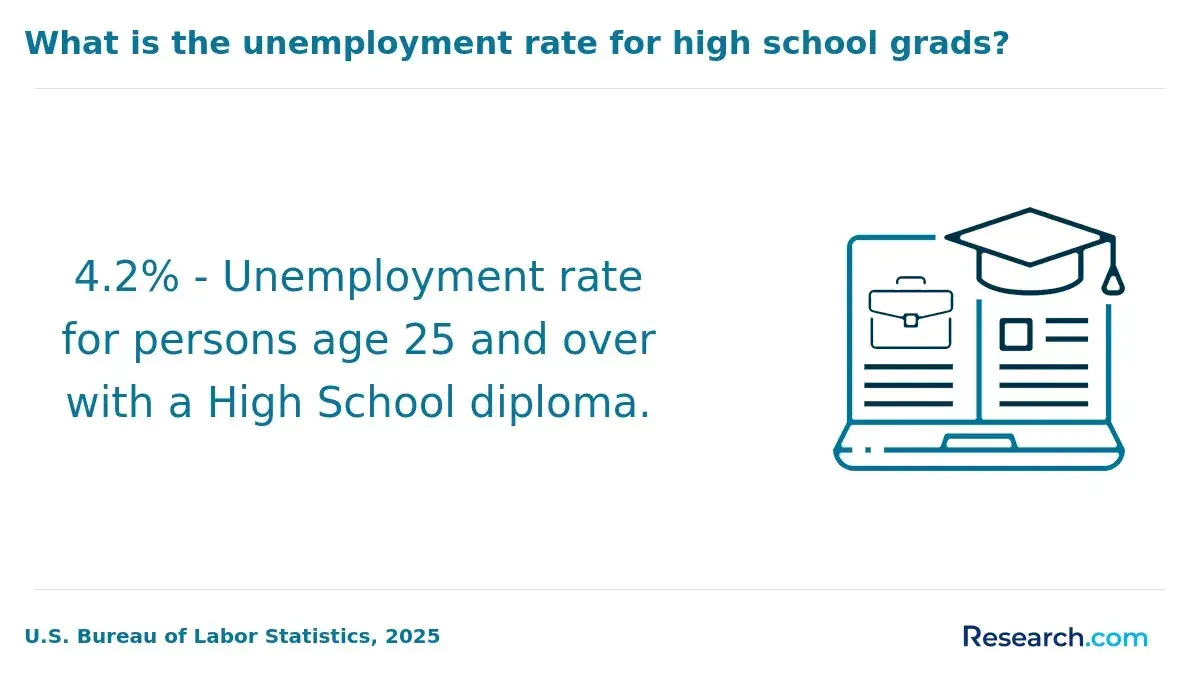
Yes, some students can finish an online healthcare administration master’s degree in one year, but this timeline is realistic only under specific conditions. A 12-month path usually requires full-time or near full-time enrollment, short course terms, limited breaks, strong academic preparation, and a clear plan for completing capstone or practicum requirements on schedule. Approximately 40% of applicants are admitted into such programs, reflecting both their competitiveness and evolving admissions criteria.
- Accelerated programs must be verified carefully: Schools like Rush University and the University of Scranton advertise 12-month tracks that typically require year-round enrollment and closely sequenced coursework.
- Short terms create a faster but heavier workload: Courses lasting 8 to 10 weeks can help students move quickly, but the weekly reading, writing, discussion, and project expectations are compressed.
- Eligibility requirements may be stricter: Applicants may need prerequisite coursework, a related bachelor’s degree, or healthcare experience that shows they are ready for graduate-level management coursework.
- Course sequencing can make or break the timeline: A one-year plan only works if required courses are offered in the right order and if the student avoids withdrawals, failed courses, or delayed capstone approval.
- Competency-based assessment may help some students move faster: Students who already understand healthcare operations, finance, compliance, or leadership concepts may progress more quickly in programs that permit mastery-based advancement.
- Holistic admissions can matter: Some programs evaluate professional experience, leadership potential, recommendations, and written statements in addition to GPA.
A one-year program is best suited to students who can protect study time every week and tolerate a demanding pace. One graduate described the experience as intense but rewarding, noting that weekly deadlines and rapid terms left little downtime. The structure helped maintain momentum, but success depended on time management, employer flexibility, and a reliable support system.
What Is the Fastest Accredited Online Healthcare Administration Master's Degree Available in 2026?
The fastest accredited online healthcare administration master’s degree available in 2026 is generally a program that combines recognized accreditation, a low-to-moderate credit requirement, accelerated terms, year-round enrollment, and flexible start dates. For qualified students, some accelerated or competency-based formats may support completion in as little as 12 months. However, students should confirm the timeline in the official academic catalog, not only on marketing pages.
- Total credit requirement: Most programs require between 36 and 42 credits. A lower credit requirement can shorten completion time, but only if courses are offered frequently enough and prerequisites do not delay progression.
- Accelerated and competency-based formats: Programs may use compressed terms, year-round calendars, or competency-based models where students advance by demonstrating mastery rather than waiting for a traditional semester to end.
- Transfer credits and prior learning: Many institutions accept up to 12 or more graduate credit transfers from accredited coursework. This can significantly reduce time to degree, but transfer approval is never automatic.
- Flexible start dates: Quarterly or monthly start dates can reduce waiting time between admission and the first course, especially for students who miss a fall or spring deadline.
- Accreditation status: The fastest option is not worthwhile if the institution lacks recognized accreditation. Students should verify accreditation through sources recognized by the U.S. Department of Education and review information from the Council for Higher Education Accreditation.
Students moving from clinical or nursing roles into administration may also compare healthcare leadership timelines with RN to BSN online programs to understand how accelerated online formats differ by degree level, career objective, and admissions requirements.
Do Online Healthcare Administration Master's Programs Offer Accelerated or 8-Week Course Formats?
Yes. Many online healthcare administration master’s programs offer accelerated formats, including 7- to 8-week sessions instead of traditional 15- to 16-week semesters. These formats can help students complete more courses during the year, but they require consistent weekly effort and leave less room for falling behind.
- Compressed terms: A 7- or 8-week course moves quickly. Students may cover the same graduate-level outcomes as a semester course, but assignments, readings, discussions, and exams arrive at a faster pace.
- Fewer courses at one time: Some students prefer accelerated sessions because they can focus on one or two courses at a time instead of juggling several full-semester classes.
- More annual enrollment opportunities: Shorter terms may allow students to take courses across multiple sessions during the year, which can increase total credits completed annually.
- Higher weekly study demand: The workload is not necessarily lighter; it is condensed. Students who travel often, work rotating shifts, or have unpredictable caregiving responsibilities should evaluate whether weekly deadlines are manageable.
- Multiple start dates: Programs with several start dates can help students begin sooner and avoid waiting for a traditional academic term.
An accelerated format can be especially useful for students who want steady momentum. One graduate who entered healthcare administration from another field said the shorter terms were challenging at first, but the structure helped them stay engaged. The key lesson was simple: organization matters more in an 8-week course because missed assignments can affect the grade quickly.
How Does Full-Time vs. Part-Time Enrollment Affect Healthcare Administration Master's Degree Completion Time?
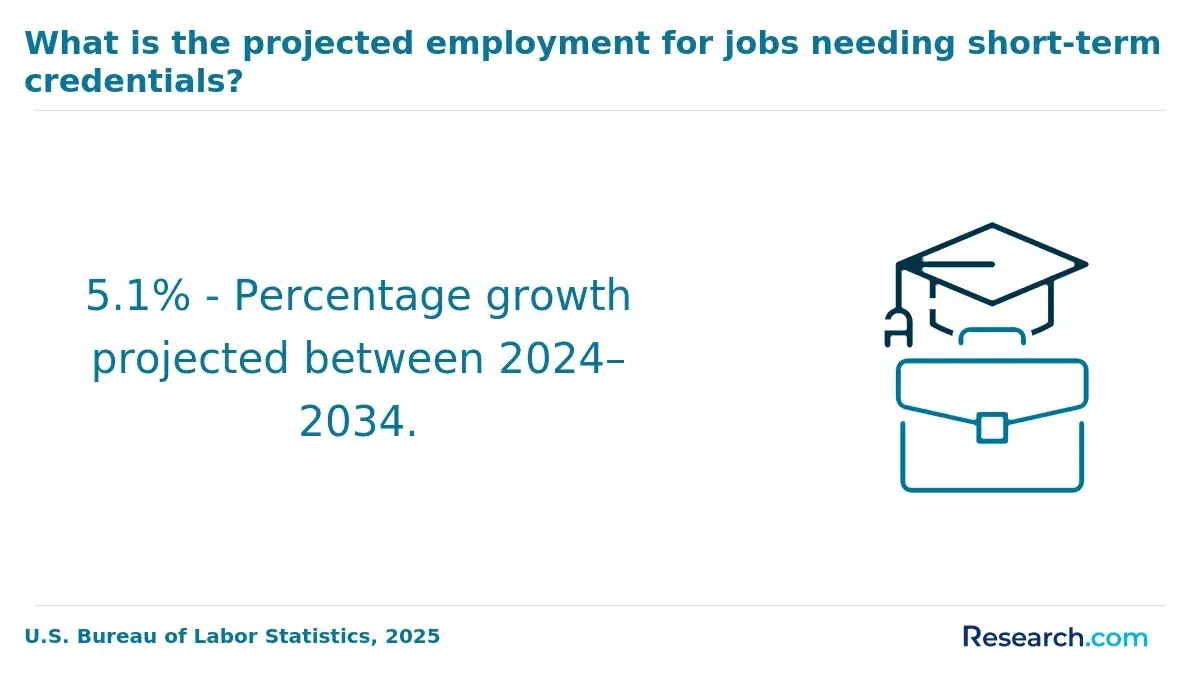
Full-time enrollment shortens the calendar timeline, while part-time enrollment improves flexibility. Nearly 60% of master’s students attend part-time, which reflects the reality that many graduate students are working adults. The best choice depends on workload capacity, finances, employer support, and how quickly the student needs the credential for advancement.
- Full-time enrollment: Universities typically consider 9 or more credits per term as full-time. At this pace, students can complete a 36-credit program in about four semesters or 16 months, aligning with guidelines from the U.S. Department of Education.
- Part-time enrollment: Enrolling in fewer than 9 credits per academic term usually qualifies as part-time. Students taking around 6 credits per term may finish in approximately six semesters, or two years.
- Workload trade-off: Full-time students may finish sooner but must dedicate more weekly hours to coursework. Part-time students may maintain better balance but should expect a longer period of tuition payments, academic deadlines, and program commitments.
- Financial aid implications: Enrollment level can affect aid eligibility, disbursement timing, and employer tuition reimbursement. Students should confirm the school’s policies before choosing a pace.
- Accelerated and competency-based formats: These options often favor students who can sustain a heavier academic pace, although some programs still allow part-time progression.
- Transfer credits: Approved transfer credits can shorten either a full-time or part-time plan, but the impact depends on how remaining courses are sequenced.
Students who are unsure should ask each program for a sample full-time and part-time degree plan. A realistic plan should show course order, term length, capstone timing, summer availability, and any prerequisite or residency requirements.
Can Transfer Credits Shorten the Timeline for an Online Healthcare Administration Master's Degree?
Yes. Transfer credits can shorten the time needed to complete an online healthcare administration master’s degree, but only if the institution accepts the credits toward the specific program requirements. Official graduate transfer credit policies typically limit accepted credits to between 6 and 12 credit hours, often capping at 9 credits, which amounts to about one-third of total program requirements. Approximately 30% of master’s applicants in healthcare administration take advantage of transfer credits to accelerate their program completion.
- Maximum transferable credits: Most graduate programs allow 6 to 12 credit hours from accredited institutions when prior coursework closely matches the program curriculum. A common maximum is 9 credit hours.
- Course relevance: A general management course may not replace a healthcare finance, health law, or healthcare quality course unless the content and learning outcomes align.
- Grade requirements: Transfer credits usually must carry a minimum grade of B or higher.
- Recency rules: Many programs require transferred courses to have been completed within the last five to seven years.
- Core course restrictions: Some schools do not allow transfer credit for core healthcare administration courses because they want all students to meet the same foundational competencies.
- Documentation requirements: Applicants may need official transcripts, course descriptions, syllabi, credit-hour details, and proof of accreditation from the prior institution.
- Timeline impact: Approved transfer credit can reduce tuition and shorten time to graduation, especially when combined with full-time, accelerated, or competency-based enrollment.
Students considering other healthcare credentials before graduate study may also compare options such as a 6 month LPN program online, but they should not assume that undergraduate, vocational, or licensure-focused coursework will transfer into a graduate healthcare administration program.
Does Prior Work Experience Reduce the Time to Complete a Healthcare Administration Master's Degree?
Prior work experience can help a student perform better and move more confidently through an online healthcare administration master’s degree, but it does not automatically reduce the number of credits required. Most traditional master’s programs award credit only for evaluated learning, not for job titles alone.
- Prior learning assessment may be available: Some institutions offer prior learning assessments or portfolio evaluations that allow students to document graduate-level knowledge gained outside formal coursework.
- Experience alone is usually not enough: Schools typically require evidence that the applicant has mastered specific academic outcomes. A resume may support the request, but it rarely substitutes for transcripts, portfolios, exams, or faculty-reviewed documentation.
- Competency-based education is different: In competency-based programs, experienced students may move faster because they can demonstrate mastery sooner. This can reduce completion time even when the official credit requirement remains the same.
- Credit awards are limited by accreditation standards: Programs must show that any awarded credit is academically justified and properly evaluated.
- Usefulness varies by background: Healthcare managers, nurses, operations coordinators, compliance staff, and finance professionals may enter with relevant knowledge, but the school decides whether that knowledge can shorten the degree.
- Reported use is still limited: A 2023 study by the National Center for Education Statistics found that about 15% of online healthcare administration graduate students reported receiving some form of credit for prior learning or experience.
Students interested in legitimate acceleration should ask admissions offices for the written policy on prior learning, portfolio review, competency-based progression, and transfer credit. Guides to fast track bachelor's degree options can also help students understand how accelerated models work, although graduate programs may apply different standards.
Are There Competency-Based Online Healthcare Administration Master's Programs?
Yes. Competency-based online healthcare administration master’s programs exist, and they can be a strong fit for students who already have relevant professional knowledge and can work independently. Instead of progressing mainly by seat time, competency-based education focuses on whether students can demonstrate required skills and knowledge.
- Accredited providers exist: Institutions such as Western Governors University (WGU) and Northern Arizona University feature competency-based healthcare administration master’s degrees. These institutions hold regional accreditation recognized by the U.S. Department of Education.
- Completion time depends on demonstrated mastery: Students who pass assessments quickly may complete the degree between 12 and 18 months. Others may take longer depending on work schedule, study habits, prior knowledge, and assessment performance.
- The format requires self-direction: Competency-based programs often provide flexibility, but students must be able to set goals, maintain momentum, and complete assessments without the same weekly rhythm found in traditional courses.
- Traditional programs follow a fixed calendar: Term-based programs usually move students through courses on a set schedule and often require about two years of full-time study.
- Program details should be verified: Official program websites and academic catalogs explain how pacing, tuition periods, assessment attempts, faculty support, and graduation requirements work. For example, WGU explicitly states the option to accelerate after demonstrating required competencies.
Competency-based education is not automatically easier. It is often fastest for students who already understand healthcare systems, leadership, budgeting, data analysis, compliance, and quality improvement and who can turn that knowledge into strong assessment performance.
What Role Does a Thesis or Capstone Play in Completion Time?
A thesis, capstone, practicum, or internship can affect completion time because it usually requires planning, faculty approval, and a final deliverable. The impact depends on whether the project is built into the regular course sequence or requires additional semesters, site hours, research approvals, or revisions.
- Thesis requirements: A thesis usually requires original research, a formal written document, and faculty supervision. Thesis tracks generally carry 3 to 6 credits and may add one or two semesters if research design, data collection, or committee review takes longer than expected.
- Capstone projects: A capstone usually applies healthcare administration concepts to a practical problem, such as quality improvement, operational planning, policy analysis, financial review, or strategic recommendations. It is often more practice-focused than a thesis.
- Practicum or internship options: Some programs require field-based experience. These requirements usually involve 100 to 200 hours and may depend on site availability, employer approval, background checks, or scheduling.
- Credit expectations: Capstone and practicum options typically range from 2 to 4 credits. They may not add full semesters if they are embedded into the program plan.
- Planning reduces delays: Students should ask when the culminating experience begins, whether they need to find their own site, and what approvals are required before enrolling in the final course.
Students aiming for the fastest timeline should not ignore the culminating requirement. A program can advertise accelerated coursework, but a delayed thesis proposal, practicum placement, or capstone approval can still push graduation later.
How Do Summer Terms Impact Healthcare Administration Master's Degree Completion Speed?
Summer terms can help students finish an online healthcare administration master’s degree faster by reducing long breaks between fall and spring enrollment. For students in accelerated or part-time plans, summer study may be the difference between steady progress and an extended timeline.
- Continuous enrollment: Taking courses during summer allows students to keep earning credits instead of pausing for several months.
- Shorter session lengths: Summer sessions typically range from six to twelve weeks, which can support faster completion but may intensify weekly workload.
- Course availability: Not every required course is offered every summer. Students should confirm whether core courses, electives, prerequisites, and capstone courses are available during the term they need.
- Financial aid planning: Year-round enrollment may affect tuition bills, aid eligibility, and employer reimbursement timing because some funding structures are built around conventional semester schedules.
- Burnout risk: Summer enrollment can accelerate progress, but students who never take breaks should plan carefully to avoid fatigue, especially if they work full time.
The best use of summer terms is strategic. Students can use them to complete electives, catch up after a lighter term, or maintain momentum toward graduation, but they should verify that summer courses count toward the exact degree plan.
What Graduates Say About Graduating From an Online Healthcare Administration Master's Degree
- : "Completing my online healthcare administration master’s degree was challenging but worthwhile. The credit requirements felt manageable once I mapped the program term by term, and the accelerated options helped me finish sooner than I expected. Checking the academic catalog before registering each semester kept me from missing requirements. — Trace"
- : "The most important lesson was to research every requirement before enrolling. I used accrediting agencies, federal education resources, and the school catalog to understand the program structure. That helped me avoid surprises and balance graduate study with work. — Sutton"
- : "The program strengthened my understanding of healthcare leadership and operations. At first, the credit load looked intimidating, but advising materials and catalog requirements made the path clearer. The accelerated format fit my career goals, and verifying accreditation gave me confidence in the degree. — Ezekiel"
Other Things You Should Know About Healthcare Administration Degrees
In 2027, most online healthcare administration master’s degree programs can be completed in 18 to 24 months. Accelerated options may allow completion in as little as one year, though this requires a more intensive course load.
Online programs often offer more flexible scheduling and accelerated formats than traditional on-campus degrees. This flexibility allows some students to complete their master's degree faster online by taking year-round courses or intensive sessions. However, total credit requirements remain similar, so speed varies by individual course loads and program design.
Many online healthcare administration programs provide multiple start dates annually, including fall, spring, and summer terms. This flexibility helps students begin their studies without waiting for a traditional semester start, potentially reducing the time to degree completion. Frequent start options also support continuous enrollment, which can shorten overall timelines.
Admission criteria such as prerequisite courses, standardized test scores, or required professional experience can impact how quickly a student starts. Applicants without completed prerequisites may need additional time to fulfill these before admission. Programs with streamlined or flexible admissions for qualified candidates can facilitate faster entry and quicker progression through the degree.
References
- Online Master’s Degree: Healthcare Administration https://www.umgc.edu/online-degrees/masters/healthcare-administration
- Is it Necessary to Already be Working in a Healthcare Field before Pursuing a Master’s Degree in Healthcare Management? - Healthcare Management Degree Guide https://www.healthcare-management-degree.net/faq/is-it-necessary-to-already-be-working-in-a-healthcare-field-before-pursuing-a-masters-degree-in-healthcare-management/
- Best Online Master’s Program in Healthcare Management: 2025 Edition https://www.onlinemastersdegrees.org/best-programs/healthcare-management/
- Healthcare Administration Master's Degree https://salve.edu/academics/find-your-program/healthcare-administration-masters-degree
- Online Master of Healthcare Administration https://www.highpoint.edu/healthcare-administration/
- Master of Health Administration (MHA) Program https://cnahs.howard.edu/departments/master-health-administration-mha-program
- What’s the Right Path for You: MBA Programs, Full-versus Part-Time https://www.herzing.edu/blog/whats-right-path-you-mba-programs-full-versus-part-time
- Online Master of Healthcare Administration (MHA) | Samford University https://www.samford.edu/publichealth/master-of-healthcare-administration
- Master’s in Healthcare Administration Online https://www.snhu.edu/online-degrees/masters/ms-in-healthcare-administration
- Are There Any 1 Year MHA Programs Online? https://www.edumed.org/online-schools/healthcare-administration-degrees/masters-mha-programs/1-year-accelerated/


