
2027 How to Become a Human Resource Director: Salary & Career Paths

Co-Founder and Chief Data Scientist
In 2025, the average salary for human resource directors in the US is $116,601, with the potential to reach as high as $182,000. While this figure might sound appealing, the path to this role is not always clear. Many aspiring HR professionals are unsure about what steps to take next—what education is necessary, what certifications will set them apart, and how long it will take to reach the top. For those looking to transition into an HR director role, understanding the intricate balance of skills, experience, and education can feel overwhelming. This article will guide you through the essential steps to become a successful HR director, addressing the common challenges and offering practical solutions to help you navigate the road ahead.
Key Things You Should Know About How to Become a Human Resource Director
- Educational requirements vary. Around 74% of HR professionals in managerial positions indicate that a bachelor’s degree is the minimum requirement for new hires in their field. However, higher-level positions in HR often require advanced degrees, such as a master’s or post-baccalaureate certification.
- Experience is crucial for HR professionals in managerial positions. Becoming an HR director typically involves years of experience, with most HR managers earning around $154,740 annually in 2023 after progressing through roles such as HR specialists or managers.
- The job outlook for HR managers is promising. With a projected growth of 6% from 2023 to 2033, the demand for HR managers is expected to increase, particularly in industries such as management consulting and technology, where HR professionals play a strategic role.
- Salaries for HR managers vary by region. For instance, HR managers in New York can earn as much as $198,830 annually, while those in Texas earn around $145,460, showing that location plays a significant role in salary expectations.
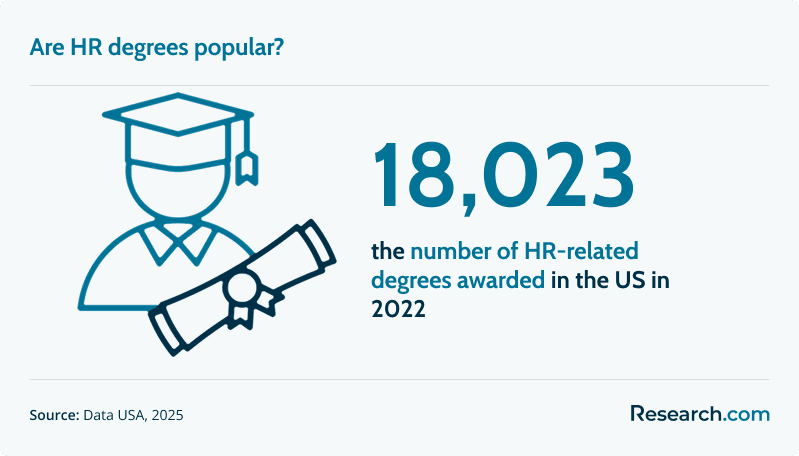
- Online HR degree programs are growing in popularity. In 2022, 18,023 HR-related degrees were awarded in the US, reflecting a growing trend in higher education. Many professionals opt for online master’s programs to advance their careers while maintaining flexibility in their work schedules.
- What is a human resource director?
- How to Become a Human Resource Director for 2027?
- What are the educational requirements to become a human resource director?
- Are there online human resource management programs?
- What are useful certifications for HR directors?
- Where can I work as a human resources director?
- What is a typical day like for a human resources director?
- How much can I make as a human resources director?
- What soft skills are critical for succeeding as a human resource director?
- How Can HR Directors Leverage Technology and Data Analytics?
- What role does networking and mentorship play in advancing to an HR director role?
- Are associate degrees a viable starting point for aspiring HR directors?
- What are common pitfalls to avoid on the path to becoming an HR director?
- Should I pursue an MBA to accelerate my HR director career?
- Does a Business Administration Background Benefit HR Directors?
- What is the job outlook for human resources directors?
- What career paths are available for human resources directors?
- What trends should human resources directors know about?
What is a human resource director?
A human resource director (HRD) is a senior-level executive responsible for overseeing an organization's human resource strategies and operations. Unlike HR managers, who focus on day-to-day personnel management, HR directors play a more strategic role, shaping the direction of the company’s workforce, from recruitment and retention to talent development and employee relations. This position often requires a deep understanding of the organization’s overall business goals, as the HR director ensures that human capital is aligned with these objectives. While the roles of HR manager and HR director are distinct in larger organizations, the line can blur in smaller companies, where both positions may share similar responsibilities. In these cases, understanding how to become a human resources manager can also provide insight into the path toward a director role.
In essence, the HR director not only shapes the company’s people strategy but also ensures that its workforce is equipped to drive long-term business success, all while maintaining compliance with employment laws.
Responsibilities of HR Directors
Human resource directors hold several key responsibilities that require both strategic foresight and day-to-day operational management. These responsibilities ensure that the HR department not only supports the company's current needs but also contributes to its long-term success.
- Developing HR strategies: HR directors collaborate with senior leadership to align human resource strategies with overall business goals, ensuring that the workforce supports organizational growth and innovation.
- Talent management and recruitment: They oversee talent acquisition strategies, ensuring the company attracts top talent. This includes developing recruitment plans and ensuring that the company retains skilled employees for the long term.
- Employee development and training: HR directors play a key role in fostering a culture of continuous learning by implementing employee development programs. These programs help employees grow within the company and prepare them for future roles.
- Ensuring legal compliance: They are responsible for ensuring the company adheres to labor laws and industry regulations, protecting the organization from potential legal issues.
- Managing HR team and operations: HR directors oversee the HR team, guiding managers and specialists to meet organizational objectives and improve the efficiency of HR operations.
- Improving organizational culture: They work to maintain and enhance the company's culture, focusing on building an inclusive and positive environment where employees feel valued and motivated.
In summary, HR directors hold a strategic position that demands a combination of leadership, organizational, and interpersonal skills. With over 200,600 HR managers and nearly 900,000 HR specialists in the US, the demand for skilled HR professionals continues to grow. HR directors must manage people effectively while aligning HR practices with the broader goals of the company. Aspiring HR professionals and those looking to advance to an HR director role should focus on building these key competencies to navigate the competitive landscape and meet organizational needs.
How to Become a Human Resource Director for 2027?
Becoming a human resource director requires a blend of education, professional experience, and leadership development. Below is a high-level overview of the conventional path:
Education
The typical path starts with obtaining a bachelor’s degree in human resources, business, or a related field. As you progress, pursuing advanced credentials, such as an MBA, can significantly enhance your qualifications. The question, "Is MBA hard?" comes up often, especially for those considering the time and effort needed. While it’s certainly a challenging undertaking, an MBA provides valuable strategic leadership skills that are crucial for senior HR roles.
Experience
In addition to formal education, hands-on experience in HR roles is essential. Most HR directors begin as HR specialists or managers, gradually taking on more complex responsibilities as they move up. This experience equips them with the operational knowledge needed to lead HR departments effectively.
Certifications
Professional certifications such as SHRM-CP or PHR offer credibility and demonstrate expertise in key HR areas. These credentials are highly regarded in the field and can help HR professionals stand out, especially when seeking leadership positions.
Leadership Development
Developing strong leadership abilities is a key part of advancing to the HR director role. This includes mastering the skills required to align HR strategies with overall business goals and leading teams effectively.
How long does it take to become an HR director?
The time it takes to become an HR director varies, but it typically requires at least 10 to 15 years of combined education and work experience. Starting with a bachelor’s degree, progressing through various HR roles, and eventually attaining leadership positions, most professionals will spend several years building experience before moving into a director role. Advanced credentials such as an MBA or a master’s degree in HR can shorten the timeline, as they provide the skills and knowledge required for senior positions.
In the following sections, we will dive deeper into the specific educational requirements, certifications, and the leadership qualities that set HR directors apart from other HR professionals.
What are the educational requirements to become a human resource director?
The path to becoming a human resource director typically starts with obtaining a bachelor's degree in human resources (HR), business administration, or a related field. This foundational education is essential, as it provides critical skills in personnel management, labor laws, and organizational development. An HR degree is often the minimum requirement for entry-level HR roles and sets the foundation for further career advancement.
In fact, a recent survey of HR managers revealed that 74% of respondents stated that a bachelor’s degree is the minimum requirement for new hires in their HR department. This underscores the importance of this qualification for those aiming for roles such as HR manager or director.
The Value of an Advanced Degree
While a bachelor's degree is critical, pursuing an advanced degree—such as a master’s in HR or an MBA—provides significant value for those aiming for senior roles, such as HR director. Advanced degrees develop strategic thinking, leadership skills, and a broader understanding of business operations, all essential for leading high-level HR functions. In larger organizations, HR directors are often expected to align HR strategies with overall business goals, making advanced qualifications particularly advantageous.
For instance, in 2022, 18,023 HR-related degrees were awarded by degree-granting institutions in the US. Of these, 6,834 were bachelor's degrees, while approximately 5,746 were master's degrees. This shows the continued demand for both degree types, with an emphasis on advanced education in HR.
Are there online human resource management programs?
Yes, online human resource management programs are widely available and cater to professionals at different stages of their careers. Whether you’re just starting out or looking to advance into a senior HR role, there are online programs designed to fit your educational needs. These programs can range from undergraduate certificates to full graduate degrees, including 1 year online masters in human resources, offering flexibility for those balancing work and study.
What to expect in online HR management programs
- Curriculum coverage: Online HR programs cover a wide range of topics crucial for HR professionals, including organizational behavior, recruitment strategies, labor laws, compensation, and talent management.
- Program flexibility: Many programs offer a combination of self-paced modules and live virtual classes, giving students the ability to work around their professional schedules.
- Practical elements: Expect practical experiences, such as internships or capstone projects, that allow you to apply your HR knowledge in real-world settings.
- Advanced learning: As you progress, you’ll deepen your expertise in leadership, business strategy, and change management, essential for those aiming to take on senior HR roles.
Online HR programs are a great option for those who need flexible learning. It’s important to assess each program’s accreditation and the career value it offers. Accredited programs are recognized by employers and provide the credibility necessary to advance in your career. Many employers value online master's programs in human resources, especially when they are offered by reputable institutions. These programs not only equip you with the essential knowledge and skills for HR roles but also ensure that your qualifications are recognized across the industry, enhancing your opportunities for advancement.
What are useful certifications for HR directors?
For HR directors, obtaining the right certifications can significantly enhance career advancement opportunities. Some of the most recognized and respected certifications include:
- Senior Certified Professional in Human Resources (SHRM-SCP): Awarded by the Society for Human Resource Management (SHRM), this certification is designed for senior HR professionals and demonstrates leadership in HR strategy, policy, and operations.
- Senior Professional in Human Resources (SPHR): Offered by the HR Certification Institute (HRCI), the Senior Professional in Human Resources certification focuses on HR leadership and strategic management, preparing professionals for high-level roles in HR departments.
- Global Professional in Human Resources (GPHR): The Global Professional in Human Resources certification, also from HRCI, is ideal for HR professionals managing global HR operations, ensuring an understanding of international HR issues and best practices.
- Chief Human Resources Officer (CHRO): Tailored for those aiming for the highest HR leadership roles, the Chief Human Resource Officer certification focuses on enterprise-level HR strategy, business transformation, and organizational leadership.
These certifications validate a high level of expertise in human resources management, making them valuable assets for HR professionals aiming for director-level positions. They demonstrate a commitment to HR excellence and often lead to greater job stability and higher earning potential.
Where can I work as a human resources director?
Human resources directors are employed across a wide range of industries, each offering unique challenges and opportunities. Their expertise is crucial in ensuring that a company’s workforce is well-managed, compliant with laws, and aligned with business objectives. Here are some of the key industries and organizational settings where human resources directors are typically employed:
- Management Consulting: HR directors in consulting firms often manage the recruitment and development of top talent for clients, as well as overseeing internal talent strategies to support organizational growth. They work closely with executives to advise on HR best practices and strategies that improve client outcomes.
- Government: Whether at the federal, state, or local level, HR directors in government positions focus on managing large, diverse workforces. They ensure that all human resources practices comply with government regulations while promoting fairness and efficiency across various departments.
- Technology: In the tech sector, HR directors play a key role in attracting and retaining highly specialized talent, managing fast-paced hiring processes, and developing robust employee engagement programs. The tech industry’s focus on innovation and rapid growth places particular emphasis on effective talent management and organizational development.
- Entertainment: The entertainment industry presents unique challenges for HR directors, particularly around creative talent management and temporary or contract-based employment models. HR directors in this space need to be adept at handling a highly dynamic workforce, ensuring smooth operations while fostering creativity and innovation.
- Healthcare: In healthcare organizations, HR directors manage the recruitment of healthcare professionals, oversee compliance with healthcare regulations, and work to ensure that staffing levels are appropriate to meet patient care needs. HR directors in healthcare settings also focus on employee wellness programs and retention efforts.
- Retail: HR directors in retail organizations handle large numbers of employees, focusing on recruitment, training, compliance, and the development of programs to improve employee engagement and reduce turnover. Retail HR directors often work in high-volume environments with both seasonal and permanent staff.
- Education: HR directors in educational institutions manage the recruitment and professional development of faculty and administrative staff. They also handle compliance with education-specific regulations and manage the organization’s approach to diversity, equity, and inclusion.
In addition to industry, HR directors' roles can vary by the size of the organization and regional location. For example, certain regions may offer more opportunities in specific industries, such as tech jobs in Silicon Valley or entertainment roles in Los Angeles.
Looking at industries with the highest employment levels for HR managers provides valuable insight into where these positions are most common. However, it’s important to note that these figures pertain to HR managers specifically, not directors. Recent data highlights that management firms employ the largest number of HR managers (29,260), followed by employment services (11,180).
What is a typical day like for a human resources director?
A typical day for a human resources director involves a mix of strategic planning, team management, and organizational development. The role is dynamic, with daily tasks focused on shaping and overseeing HR policies and practices that align with the company’s overall goals. Here are some of the key daily tasks:
- Employee relations: HR directors address employee concerns and work with managers to resolve workplace conflicts, ensuring a healthy work environment.
- Talent management: Reviewing and approving recruitment strategies, meeting with hiring managers, and sometimes conducting interviews for key positions.
- Policy development: Reviewing, revising, and ensuring compliance with HR policies, making sure they align with legal regulations and the company’s business goals.
- Leadership meetings: Participating in executive meetings to provide HR-related insights that influence strategic decisions regarding workforce planning, organizational structure, and company culture.
These are just a few of the core activities that make up an HR director’s daily tasks.
In addition to these daily responsibilities, there are also various weekly, monthly, quarterly, and yearly tasks that contribute to the broader HR strategy. These include reviewing performance evaluations, strategizing for upcoming talent development programs, assessing compensation structures, and preparing reports for senior management. These recurring tasks provide a strategic balance that ensures the HR function remains integral to the company’s long-term success.
How much can I make as a human resources director?
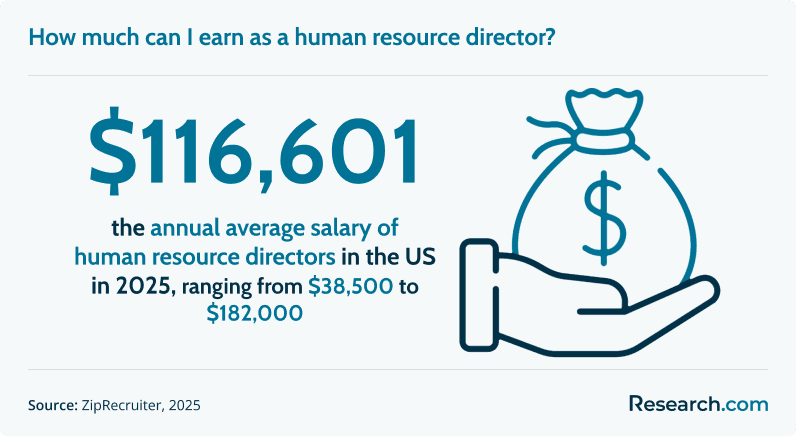
HR directors earn an average salary of $116,601 in 2025, with a range spanning from $38,500 to $182,000. This salary reflects the strategic leadership and broad responsibilities these professionals hold in guiding organizational HR strategies. On the other hand, HR specialists, who focus on more specific tasks such as recruitment or employee relations, earn an average of $76,060 in 2023, with salaries ranging from $42,900 to $121,800. While both roles are critical to the success of HR functions, the salary disparity highlights the added value placed on the high-level decision-making and business acumen required of HR directors.
What soft skills are critical for succeeding as a human resource director?
HR directors must excel in a diverse range of interpersonal and leadership skills to complement their strategic expertise. Effective communication enables them to clearly convey business objectives and align the workforce with organizational goals. Advanced negotiation and conflict resolution skills are essential for managing sensitive personnel issues and fostering a collaborative environment. Additionally, emotional intelligence and empathy assist in building trust and ensuring employee satisfaction. These soft skills not only enhance day-to-day team management but also support strategic decision-making. Aspiring professionals can explore opportunities to strengthen these competencies alongside formal education programs, such as the easiest human resources degree online.
How Can HR Directors Leverage Technology and Data Analytics?
As organizations increasingly adopt technology-driven solutions, HR directors must integrate digital tools and analytics into their strategic frameworks. Leveraging sophisticated HR information systems, AI-driven recruitment platforms, and predictive analytics supports data-informed decision-making on talent acquisition and workforce planning. This approach not only refines the measurement of performance metrics but also aids in forecasting staffing needs and streamlining HR processes. Enhancing these technological proficiencies with advanced business education, such as the insights gained from an MBA HR online, enables HR directors to drive strategic innovation, optimize employee engagement, and maintain a competitive edge in a rapidly evolving business environment.
What role does networking and mentorship play in advancing to an HR director role?
A well-developed professional network and targeted mentorship initiatives are essential for navigating the complex path to HR leadership. These relationships provide firsthand insights into industry best practices, facilitate strategic decision-making, and open avenues for advanced career opportunities. Connecting with experienced HR leaders can also offer critical feedback on skill development and leadership strategies that are key to transitioning into a director role. For additional career insights, consider exploring what can you do with an HR degree to identify further opportunities within the field.
Are associate degrees a viable starting point for aspiring HR directors?
While bachelor’s and master’s degrees are often highlighted for senior HR roles, an associate degree can serve as a strategic entry point by providing foundational human resource principles, practical skills, and immediate workforce readiness. This alternative pathway allows aspiring professionals to begin their careers sooner while planning for further education and advancement. For professionals seeking an efficient start, consider pursuing an online associates degree in human resources to gain a competitive edge and build essential industry expertise.
What are common pitfalls to avoid on the path to becoming an HR director?
Avoiding critical missteps is essential for advancing from mid-level roles to effective HR leadership. One key pitfall is not continuously updating strategic competencies; relying solely on past experience without actively embracing emerging practices and advanced education—such as insights found in masters HR jobs—can hinder growth. Additionally, underestimating the importance of cross-functional collaboration and failing to integrate comprehensive data analytics to drive decision-making can limit the ability to implement holistic human capital strategies. Finally, neglecting to cultivate a resilient professional network and targeted mentorship may result in missed opportunities for innovative leadership and long-term career progression.
Should I pursue an MBA to accelerate my HR director career?
An MBA can distinguish aspiring HR directors by equipping them with a comprehensive business perspective and refined leadership skills that extend beyond traditional HR functions. This advanced degree emphasizes strategic decision-making, financial acumen, and operational excellence, which are critical when aligning HR initiatives with overall business objectives. The rigorous curriculum fosters analytical thinking and problem-solving capabilities that not only support human capital management but also enhance organizational agility in a competitive market. For a detailed discussion on the benefits of MBA in HR, interested professionals should explore how advanced education can serve as a catalyst for career acceleration and long-term success in HR leadership.
Does a Business Administration Background Benefit HR Directors?
A solid grounding in business administration equips HR directors with strategic decision-making tools, financial acumen, and market insight. These skills enable leaders to integrate HR initiatives seamlessly with overall organizational objectives, improve cost management, and drive data-informed talent strategies. Furthermore, the analytical approach nurtured through business studies aids in navigating complex change management scenarios and fostering operational excellence. For more detailed insights on how this educational background can be a career accelerator, see is business admin a good major.
What is the job outlook for human resources directors?
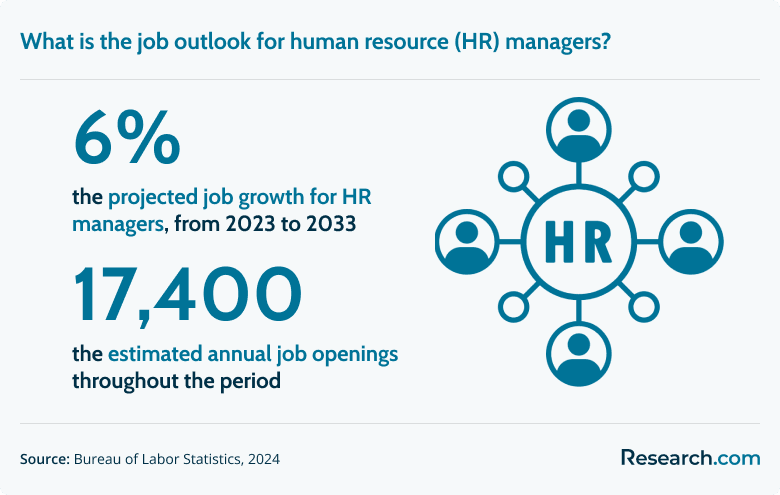
The job outlook for human resources directors remains strong, with the demand for skilled HR professionals growing steadily in response to evolving organizational needs. While specific projections for HR directors may be limited, HR managers—whose roles are similar in nature—are expected to see a 6% growth in job opportunities from 2023 to 2033. This growth translates to around 17,400 new job openings each year, reflecting an increasing need for professionals who can manage complex HR functions in a variety of industries.
Industry demand plays a significant role in the availability of HR director positions, with sectors such as technology, healthcare, and consulting experiencing higher-than-average growth in HR management. Moreover, larger companies and global organizations are often more likely to require a dedicated HR director, driving demand for these roles. Regional variations also influence the job outlook, with major metropolitan areas and business hubs typically offering more opportunities for HR directors due to the concentration of businesses.
For those seeking to stand out in this competitive field, pursuing advanced qualifications, such as an online master degree programs, can provide a significant advantage. These programs offer flexibility and specialized knowledge that can help aspiring HR directors differentiate themselves in the marketplace and position themselves for senior leadership roles.
What career paths are available for human resources directors?
Human resources directors have numerous career options available to them, ranging from ascending to senior executive roles to branching into consulting or related fields. Their progression depends on individual goals, professional development, and strategic positioning within the company. Below are some potential career paths for HR directors:
- Chief Human Resources Officer (CHRO): For those aiming for the highest level in HR, the CHRO position oversees all HR functions across the organization. It requires a deep understanding of both human resources and business strategy.
- HR Consultant: Some HR directors pivot into consulting, providing strategic advice on organizational development, talent management, and HR best practices to various businesses.
- Transition into Related Fields: HR directors may choose lateral moves into operations, organizational development, or other leadership positions. These roles allow them to apply their expertise in people management while influencing broader business strategies.
- Entrepreneurship: With their experience in managing people and business strategies, HR directors may start their own consulting firms or HR-related businesses, offering services to companies looking to improve their workforce management.
Pursuing additional education, such as enrolling in one of the top online degree programs, can help HR directors gain specialized knowledge and credentials, enhancing their ability to move into these advanced roles or explore different career tracks. Programs such as an online master's in HR from well-known universities or an MBA with a focus on human resources can provide valuable insights into both HR strategy and business management. For those looking to expand their leadership capabilities, executive programs in organizational development or strategic management can also be highly beneficial. Additionally, certifications from recognized bodies like SHRM or HRCI, alongside programs in areas like leadership or change management, offer crucial expertise for career advancement in HR and beyond.
What trends should human resources directors know about?
As the human resources landscape continues to evolve, HR directors must stay informed about key trends that are shaping the future of work. Here are some crucial developments to keep an eye on:
- Skills-based hiring: As industries continue to adapt to technological changes, companies are increasingly prioritizing skills over formal education. HR directors should focus on assessing candidates based on the abilities they bring to the table, rather than solely relying on traditional qualifications.
- Upskilling and reskilling: Rapid technological advancements, particularly in AI, are transforming industries. HR leaders must facilitate ongoing learning opportunities for employees to keep their skills relevant, ensuring a competitive workforce and preparing teams for the future of work.
- People analytics for workforce planning: The use of data in HR decision-making is becoming more important than ever. People analytics allows HR directors to make informed decisions about recruitment, talent retention, and employee development, improving both organizational efficiency and employee satisfaction.
- Financial wellness initiatives: Employees’ financial health increasingly impacts their overall well-being and productivity. HR directors should consider offering financial wellness programs, as they can lead to higher employee satisfaction, retention, and engagement.
- Remote and hybrid work: As the shift to remote and hybrid work continues, HR directors must adapt policies and practices to manage distributed teams effectively. This includes maintaining strong communication channels, ensuring equitable access to resources, and fostering an inclusive remote work culture.
- Workplace civility: With more focus on mental health and organizational culture, HR directors need to address workplace civility by creating environments where employees feel respected and supported. This includes promoting respectful communication, conflict resolution strategies, and inclusive workplace practices.
- AI in talent acquisition: The growing use of AI in recruiting is streamlining talent acquisition. HR directors should explore AI tools that can help identify the best candidates more efficiently while mitigating bias in the hiring process.
- Regulatory shifts: Employment laws and workplace regulations are continually evolving. HR leaders must stay ahead of changes in labor laws, benefits regulations, and other legislative shifts to ensure their organization remains compliant and prepared for any changes that may impact the workforce.
These trends highlight the dynamic nature of HR and underscore the importance of continuous learning and adaptability in human resource management. Keeping abreast of these developments will empower HR directors to lead their organizations effectively and foster a thriving workforce.
Here's What Human Resource Directors Have to Say About Becoming Human Resource Directors
- Becoming an HR director has allowed me to truly make an impact on the direction of my organization. I’ve had the privilege of shaping workplace culture, improving employee engagement, and driving strategic growth. The journey wasn’t always easy, but it has been incredibly rewarding to see the tangible changes we’ve implemented. The combination of strategic leadership and hands-on people management keeps me engaged every day. Clara
- After years in HR, becoming an HR director has been the culmination of everything I’ve worked for. I now have the opportunity to guide key decisions that affect not only the workforce but the company’s bottom line. The challenge is balancing both the big picture and the day-to-day details. But when you see the team thriving, it’s all worth it. Giselle
- The most rewarding part of being an HR director is knowing that I help foster an environment where employees can succeed and feel valued. I get to manage not only the people but also the strategy that propels our organization forward. It's a unique blend of human connection and business acumen that keeps me energized. Every day offers something new to solve, which is incredibly satisfying. Manuel
Key Findings
- The average salary for HR directors in the US in 2025 is $116,601, with a wide range from $38,500 to $182,000, reflecting the variability in organizational size and responsibility levels.
- The projected job growth for HR managers from 2023 to 2033 is 6%, with 17,400 annual job openings, signaling strong demand for leadership roles in HR, although HR directors may experience slower growth in comparison due to their more senior status.
- 74% of HR managers believe a bachelor’s degree is the minimum educational requirement for new hires, which highlights the foundational qualifications for HR roles; however, HR directors typically need advanced degrees or significant leadership experience.
- In 2022, 18,023 HR-related degrees were awarded in the US, with a majority being bachelor’s degrees, but aspiring HR directors often pursue master’s degrees or MBAs for career advancement.
- In states like New York, California, and Washington, HR managers are in high demand, earning upwards of $198,000, but HR directors in these regions can expect higher salaries, particularly in larger organizations.
References:
- Bureau of Labor Statistics. (2024, April 10). Human resources managers. U.S. Department of Labor. Retrieved April 10, 2025, from BLS.
- Bureau of Labor Statistics. (2024, April 10). Human resources specialists. U.S. Department of Labor. Retrieved April 10, 2025, from BLS.
- Bureau of Labor Statistics. (2024, April 10). Occupational employment and wages, May 2023 - 11-3121 human resources managers. U.S. Department of Labor. Retrieved April 10, 2025, from BLS.
- Bureau of Labor Statistics. (2024, April 10). Occupational employment and wages, May 2023 - 13-1071 human resources specialists. U.S. Department of Labor. Retrieved April 10, 2025, from BLS.
- Data USA. (2025, April 10). General human resources management & personnel administration. Retrieved April 10, 2025, from Data USA.
- O*NET OnLine. (2025, April 10). Human resources managers - 11-3121.00. Retrieved April 10, 2025, from O*NET OnLine.
- ZipRecruiter. (2025, April 10). HR director salary. Retrieved April 10, 2025, from ZipRecruiter.
Other Things You Should Know About How to Become a Human Resources Director
To become a Human Resource Director in 2027, a bachelor's degree in human resource management or a related field is typically required. A master's in HR or a related discipline is often preferred. Continuous professional development, including HR certifications like SHRM-CP or PHR, can also enhance career prospects.
Key skills include strategic planning, leadership, conflict resolution, and knowledge of HR software. Proficiency in data analysis and a deep understanding of labor laws are also essential for a Human Resource Director in 2027, as these skills drive effective HR management.
In 2027, HR directors face challenges such as managing remote and hybrid workforces, ensuring data security, fostering workplace diversity and inclusion, adapting to rapidly changing technology, and addressing employee well-being. Additionally, they need to align HR strategies with organizational goals amidst economic and political uncertainties.


