
2027 How to Compare Clinical Psychology Degree Programs Effectively

Co-Founder and Chief Data Scientist
Choosing a clinical psychology degree program can be overwhelming when programs vary widely in curriculum, internship opportunities, and faculty expertise. Many applicants overlook differences in licensure preparation, which affects career paths post-graduation. According to recent data, only 65% of graduates secure employment in clinical settings within a year, highlighting the importance of program selection. This article examines key factors like accreditation, specialization options, and practical experience to help prospective students compare clinical psychology programs effectively. It aims to guide readers in identifying degrees aligned with their professional goals, financial needs, and time commitments for a successful career launch.
Key Benefits of Comparing Clinical Psychology Degree Programs Effectively
- Verify accreditation from recognized bodies like the APA to ensure program credibility and smoother licensure pathways for clinical psychology graduates.
- Compare curricula focusing on specialization options in areas such as neuropsychology or child psychology that align with your career goals.
- Evaluate total program costs against average graduate salaries, noting clinical psychology's median wage was $81,040 in 2023 per BLS data.
What Types of Accreditation Should a Clinical Psychology Degree Program Have?
Accreditation helps prospective students assess the quality, credibility, and long-term value of different clinical psychology degree programs. Studies show that students graduating from accredited programs have significantly higher employment rates and professional recognition. Below are key accreditation types to consider when comparing programs.
- Regional Accreditation: This accreditation evaluates the overall quality and integrity of the institution offering the degree. It ensures the school meets rigorous educational standards, which affects credit transferability and eligibility for federal financial aid.
- Programmatic Accreditation: Specifically focused on the clinical psychology program, the American Psychological Association (APA) is the most recognized accrediting body. APA accreditation confirms the program follows research-informed training aligned with licensure requirements, often required by state licensing boards.
- Professional Recognition: Accreditation impacts employer trust and career flexibility. Graduates from accredited clinical psychology degree programs tend to have smoother transitions into professional roles and benefit from broader acceptance of their credentials.
For those seeking flexible study options, comparing accredited programs is essential, including exploring related fields such as MSW programs online. Accreditation ensures credits transfer reliably and financial aid remains available, making it a critical benchmark in evaluating clinical psychology accreditation agencies and programs.
What Specializations Are Offered in Clinical Psychology Degree Programs?
Specializations within clinical psychology degree programs help prospective students compare clinical psychology concentration options available by aligning academic focus with specific career objectives. The American Psychological Association notes that fields like neuropsychology and child psychology have seen a 15% growth in workforce demand over recent years, reflecting broader mental health needs. Below are some of the common specializations students can pursue.
- Neuropsychology: Focuses on brain-behavior relationships, developing skills in cognitive assessment and rehabilitation, often leading to careers in hospitals or research settings.
- Child and Adolescent Psychology: Involves understanding developmental stages and mental health issues in younger populations, preparing students for work in schools or pediatric clinics.
- Health Psychology: Emphasizes the psychological aspects of physical health, helping students pursue roles in hospitals or wellness programs.
- Forensic Psychology: Combines psychology with legal studies, suitable for careers in criminal justice or correctional facilities.
- Clinical Neuropsychology: Centers on diagnosing and treating brain injuries and neurological disorders.
When evaluating clinical psychology concentration options available, it is also important to consider program accreditation and affordability. For students seeking cost-effective degrees with credentialing benefits, exploring CACREP-accredited online counseling programs can be a valuable step in the selection process.
How Can You Compare Courses Across Clinical Psychology Degree Programs?
Comparing courses across clinical psychology degree programs is essential for prospective students to evaluate program rigor, skill development, and how well the curriculum aligns with career goals. Programs with course completion rates averaging around 80% nationally suggest strong curriculum depth and student support. To effectively compare courses, consider several key factors that highlight course quality and relevance.
- Syllabus Review: Examine course descriptions, learning objectives, and required materials to gauge academic rigor and relevance to your specialization interests.
- Theory-Practice Balance: Assess how well courses integrate theoretical knowledge with practical experiences such as practica or research projects that enhance skill application.
- Credit Hours & Workload: Check credit requirements and estimated workloads to understand time commitments and intensity, helping plan your schedule effectively.
- Faculty Expertise: Investigate instructor qualifications linked to courses to ensure you receive high-quality instruction grounded in current evidence-based practices.
- Course Sequence & Progression: Analyze how foundational topics are structured to develop advanced clinical psychology skills over the program's duration.
- Student Outcomes: Look into outcomes like licensing exam pass rates and employment statistics associated with program courses for real-world success indicators.
- Flexibility Options: Consider electives or online classes that fit your personal schedule, financial constraints, and learning preferences, such as those found in psychology degree online programs.
What Scheduling Options Are Available in Clinical Psychology Degree Programs?
Flexible scheduling greatly influences how students balance their education with personal and professional responsibilities, making it a key consideration when comparing clinical psychology degree programs. Various options exist to accommodate diverse needs and lifestyles. Common formats include these:
- Full-Time Enrollment: Traditional full-time schedules allow students to complete coursework more rapidly, ideal for those who can dedicate significant hours to their studies without major outside commitments.
- Part-Time Study: Designed for working professionals or caregivers, part-time options extend the program duration but offer the flexibility needed to manage work-life balance while progressing steadily toward degree completion.
- Evening and Weekend Classes: These sessions cater specifically to students who work typical daytime hours or have daytime obligations, enabling access to live instruction without disrupting work schedules.
- Hybrid Formats: Combining in-person and online learning, hybrid models provide flexibility by reducing campus visits while maintaining some face-to-face interaction, benefiting those who need a blend of structure and convenience.
- Fully Online Programs: Entirely remote options remove geographic restrictions and allow asynchronous study, making them an excellent choice for students requiring maximum scheduling freedom or residing far from campus.
Choosing a program with scheduling that matches personal circumstances supports sustained progress, minimizes stress, and helps align academic timelines with career objectives.
What Are the Pros and Cons of Online vs Campus-Based Clinical Psychology Degrees?
Choosing between online and campus-based clinical psychology degrees significantly impacts a student's academic experience and career preparation. Recent data shows nearly one-third of higher education students take at least one online course, highlighting growing acceptance of remote learning. Below is a detailed comparison of each format's strengths and challenges.
Online Clinical Psychology Degrees
- Scheduling Flexibility: Online programs allow students to customize study times around jobs and personal commitments, which is ideal for those balancing multiple responsibilities.
- Accessibility: Distance learners can enroll without relocating, eliminating commuting and allowing access from remote areas with limited campus options.
- Limited Interaction: Reduced face-to-face engagement may hinder relationship-building with faculty and peers, which can be vital for mentoring and professional networking.
- Hands-On Practice Constraints: Opportunities for experiential learning and immediate feedback can be less frequent in fully online settings, possibly affecting skill development.
Campus-Based Clinical Psychology Degrees
- Immersive Learning: In-person classes provide direct access to labs, clinical placements, and real-time supervision, strengthening practical competencies crucial for clinical practice.
- Networking Opportunities: Being on campus promotes stronger connections with faculty and classmates, often leading to valuable professional relationships and mentorships.
- Less Flexibility: Fixed schedules and location requirements can be challenging for students with work or family obligations.
- Higher Ancillary Costs: Expenses related to commuting, housing, or relocating can increase the overall financial burden beyond tuition.
A graduate who completed an online clinical psychology degree shared with me how he approached weighing these options. He described feeling overwhelmed initially by the abundance of program choices. "I was juggling full-time work and family, so flexibility was crucial," he explained. Yet, he was wary about missing out on hands-on experience and connections. To decide, he contacted alumni, reviewed clinical placement supports, and considered how online platforms facilitated interaction. Ultimately, he found that the program's balance of virtual mentorship and local practicum placements helped him feel prepared and connected despite distance learning's challenges. "It wasn't perfect, but understanding the trade-offs helped me choose a path that really fit my life and goals."
How Do GPA Requirements Vary Among Clinical Psychology Degree Programs?
GPA requirements play a crucial role when comparing clinical psychology degree programs, as they help gauge academic expectations and admissions competitiveness. Below are key points highlighting how these requirements can differ across programs.
- Minimum Thresholds: Most programs expect a baseline GPA near 3.0 on a 4.0 scale, though this can vary depending on the program's selectivity and resources available.
- Holistic Admissions: Many programs evaluate GPA alongside other components like research involvement, recommendation letters, and personal statements to form a well-rounded view of an applicant's potential.
- Program Focus: Clinical psychology programs emphasizing research typically require stronger academic records, whereas those oriented toward practical skills may give more weight to professional experience rather than GPA alone.
- Conditional Entry Options: Some programs offer provisional admission or probationary pathways for candidates with lower GPAs, allowing them to demonstrate their capabilities during initial coursework or supervised practice.
How Can You Compare Tuition Across Clinical Psychology Degree Programs?
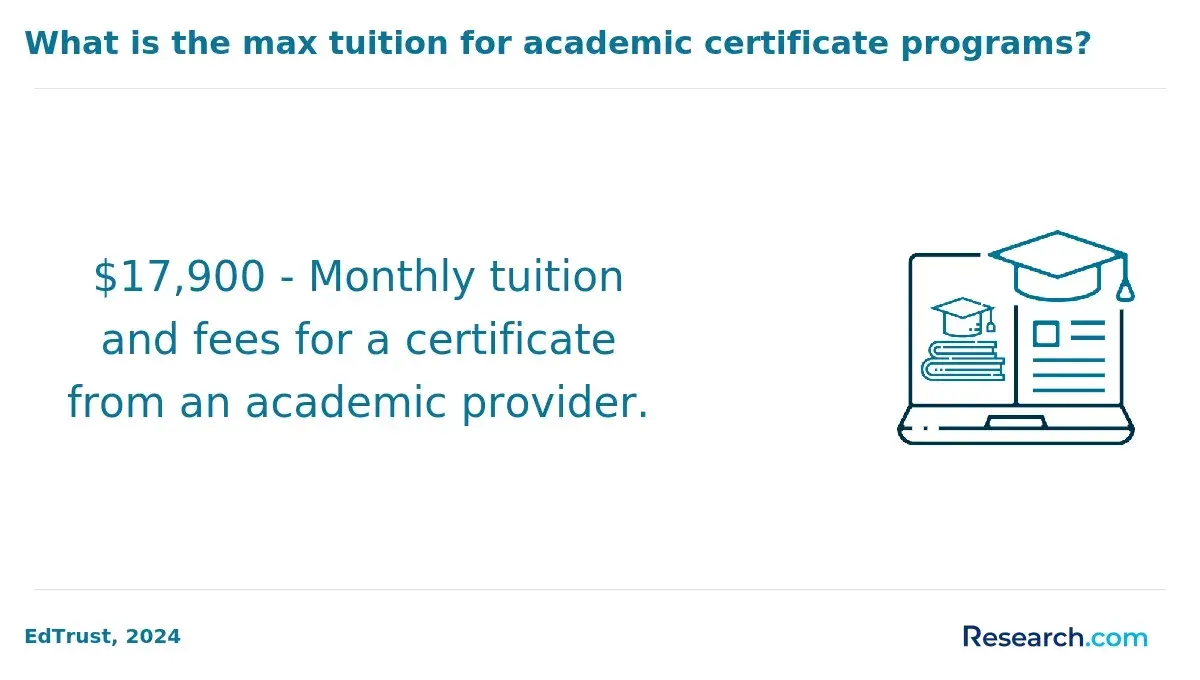
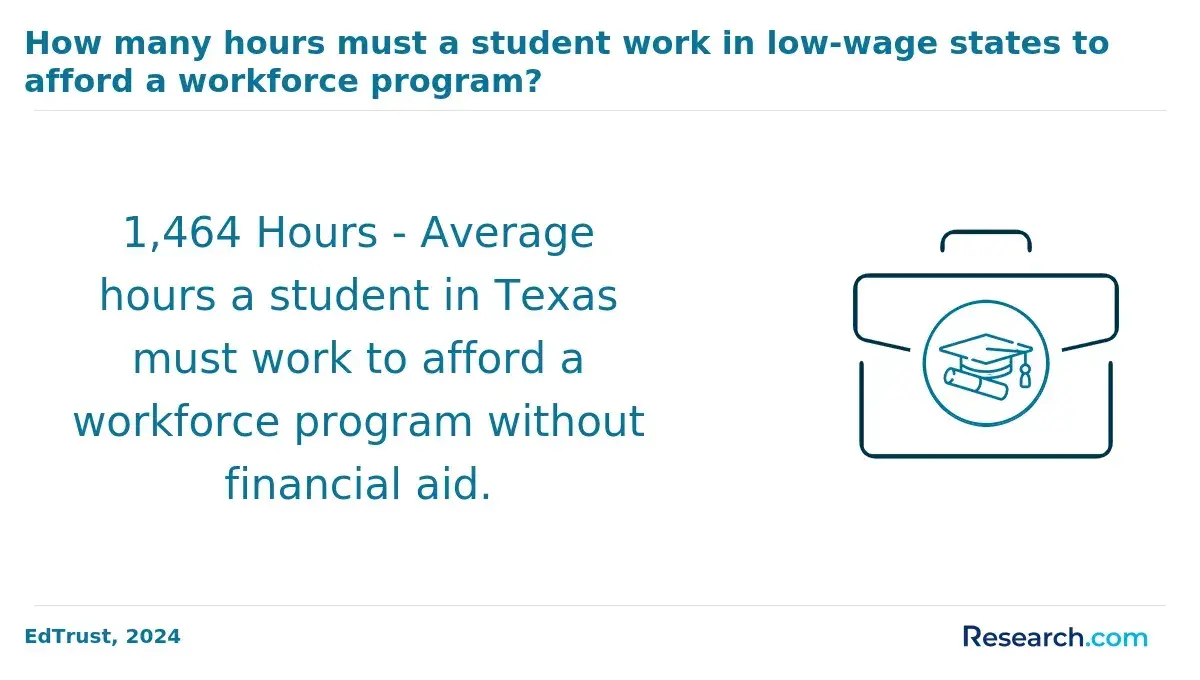
Evaluating tuition is vital when choosing clinical psychology programs because costs vary greatly and impact long-term financial health. With average graduate debt in psychology fields surpassing $70,000, understanding these expenses can aid your decision-making. Consider these key factors when comparing tuition:
- Total Program Cost: Look beyond price per credit hour to estimate full program expenses, including all semesters until completion, as length and credit requirements differ across programs.
- Cost Per Credit: Compare tuition rates charged per credit to identify affordability, but keep in mind that some institutions may have hidden fees that affect overall spending.
- Additional Fees: Account for costs like lab fees, supervision charges, and technology expenses, which can significantly increase total tuition beyond advertised rates.
- Financial Aid Availability: Investigate scholarships, federal loans, and assistantships offered by programs that can substantially reduce your financial burden.
- Employer Tuition Benefits: Some students can access tuition reimbursement or educational assistance through their workplace, which may influence program affordability.
- Long-Term Value: Evaluate program outcomes such as licensure success rates and career earning potential to determine if higher tuition aligns with future benefits.
When I asked a graduate who completed a clinical psychology degree about her tuition comparison process, she shared how complex it was to gather all related costs. "At first, I focused just on the per-credit price, but then I realized fees for supervision and technology added up quickly, so I adapted my budget," she said. She also emphasized the importance of reaching out to financial aid offices and understanding employer incentives, noting, "It felt overwhelming, but breaking down total expenses and asking detailed questions helped me make an informed choice." Her experience highlights that tuition evaluation is not just number crunching but requires digging deeper into all costs and support options to find the best fit.
Does a Clinical Psychology Degree Meet Licensure Requirements?
Aligning a clinical psychology degree with licensure requirements is vital for students targeting regulated professions or career shifts, since about 78% of jobs in the U.S. mandate formal certification or licensure. Considering these factors helps clarify which programs support career and licensing goals. Key aspects to evaluate include:
- Curriculum Alignment: Ensure the program covers essential knowledge areas such as assessment, diagnosis, ethics, and treatment planning required by licensing boards to prepare for professional practice.
- Accreditation Standards: Programs accredited by reputable organizations like the American Psychological Association tend to meet rigorous quality benchmarks that facilitate licensure eligibility.
- State-Specific Requirements: Licensure rules differ by state, so it's important to verify that coursework and practicum offerings satisfy specific state mandates, including hours and supervisory conditions.
- Supervised Clinical Experience: Clinical hours overseen by licensed professionals are typically required before sitting for licensing exams and starting independent work, making such opportunities essential in program selection.
- Exam Eligibility: The degree should prepare students for national and state licensing exams like the Examination for Professional Practice in Psychology (EPPP), ensuring readiness for licensure hurdles.
Which Clinical Psychology Programs Have the Best Career Placement Rates?
Career placement rates offer vital insights into how effectively clinical psychology degree programs prepare students for employment in their field. Over 85% of graduates from some top clinical psychology programs secure relevant jobs within a year of finishing their degrees. Several important factors help prospective students assess these outcomes, including the following:
- Employer Partnerships: Programs with strong ties to local and national employers often provide pathways to internships and practicum experiences. These connections can lead directly to job offers and help students build professional networks essential for career advancement.
- Internship Pipelines: Integration of clinical internships into the curriculum is a critical indicator of support for hands-on learning. Sustainable pipelines ensure students gain practical skills valued by employers, which enhances their job placement prospects after graduation.
- Alumni Outcomes: Analyzing where graduates work, their job titles, and how quickly they find employment can reveal a program's success in preparing students for clinical psychology careers. Graduates' career paths reflect the program's reputation within the industry.
- Career Support Services: Additional resources like resume workshops, interview coaching, and job placement assistance significantly improve employability. Programs offering robust support services often stand out among the top clinical psychology graduate schools for job placement.
Prospective students interested in leadership development alongside psychology might consider options like the online doctorate in organizational leadership, which offers complementary skills for career advancement.
How Do Salaries Compare Across Clinical Psychology Degree Program Graduates?
Comparing post-graduation salary outcomes is vital for prospective students evaluating clinical psychology degree programs since earning potential varies widely. The median annual wage for clinical, counseling, and school psychologists was approximately $81,040 in 2022, with entry-level salaries starting near $60,000 and experienced professionals in metropolitan areas exceeding $110,000. Several key factors contribute to these differences:
- Role: Graduates working in direct patient care or consultancy roles typically earn more than those in research or administrative positions, reflecting the demand and responsibility levels associated with each role.
- Industry: Those employed in healthcare, private practice, or corporate sectors generally receive higher compensation compared to positions in educational institutions or government agencies.
- Location: Geographic factors greatly impact earnings; urban centers often offer salaries that correspond with higher living costs, while rural areas tend to have lower pay scales.
- Experience: Advanced licensure, years of experience, and specialty certifications enhance salary prospects over time, rewarding professional development and expertise.
Understanding how average earnings of clinical psychology degree graduates by region and role align with your goals can guide decisions on program selection. For flexible learners, exploring options like online college courses may also influence both educational and financial outcomes accordingly.
What Graduates Say About Comparing Clinical Psychology Degree Programs Effectively
- Clint: "Before pursuing a clinical psychology degree, I was overwhelmed by the extensive costs attached to graduate programs. Finding a program that balanced quality education with an average cost around $30,000 was crucial for me. Completing the degree not only deepened my understanding but also significantly boosted my confidence and credibility as a mental health professional."
- Marv: "Choosing to study clinical psychology was a reflective process; I weighed the expenses against potential career benefits carefully. The affordability of certain programs made it possible to invest in my future without accumulating excessive debt. Ultimately, earning my degree opened doors to advanced therapeutic roles and enriched my ability to make a meaningful impact on clients' lives."
- Ikuna: "As a professional seeking career advancement, cost was a decisive factor when selecting a clinical psychology degree program. Many programs had a high price tag, but I found one that provided excellent education within a reasonable budget. Graduating has been pivotal, equipping me with essential skills to thrive in clinical settings and take on more specialized responsibilities."
Other Things You Should Know About Clinical Psychology Degrees
Faculty expertise plays a crucial role in the quality of clinical psychology training. Programs with faculty members who have diverse clinical and research backgrounds provide students with broader learning opportunities and mentorship. Checking faculty publications, research interests, and clinical specialties can indicate the depth and relevance of instruction you will receive.
Practicum and internship placements are essential for hands-on experience in clinical psychology training. Programs affiliated with reputable clinical sites and hospitals often offer higher-quality practical training. Evaluating the variety, supervision quality, and setting of these placements can help determine how well a program prepares students for real-world practice.
In 2027, faculty expertise is crucial when comparing clinical psychology programs. Experienced faculty members with active research can enhance learning and networking opportunities. Prospective students should examine faculty qualifications, research interests, and clinical experience to ensure alignment with their educational and career goals.
References
- General Requirements https://abpp.org/application-information/general-requirements/
- Clinical Psychology degrees & courses https://universitycompare.com/courses/degrees/clinical-psychology
- Frequently Asked Questions – Admission to Graduate Psychology Programs (MA-PhD) | Faculty of Social Sciences https://www.uottawa.ca/faculty-social-sciences/psychology/graduate/clinical-psychology/faq
- Professional Licensure https://www.fielding.edu/school-of-psychology/phd-in-clinical-psychology/professional-licensure/
- How to Choose a Clinical Psychology Program https://psychology.as.uky.edu/how-choose-clinical-psychology-program
- Clinical psychology - University of Economics and Human Sciences https://vizja.pl/en/specjalizacja/psychologia-kliniczna-i-psychoterapia-ii-stopnia/
- Best Online Clinical Psychology Master’s Programs Of 2025 https://www.psychology.org/rankings/best-masters-programs-in-clinical-psychology/
- Results for Postgraduate Clinical psychology Courses https://www.thecompleteuniversityguide.co.uk/courses/search/postgraduate/clinical-psychology
- How to Become a Licensed Clinical Psychologist? https://www.scuhs.edu/psyd-article/how-to-become-a-licensed-clinical-psychologist/
- How to Get into Psychology Grad School | All Psychology Schools https://www.allpsychologyschools.com/psychology-grad-school-admissions/


