
2027 How to Compare Game Development Degree Programs Effectively

Co-Founder and Chief Data Scientist
Choosing a game development degree program can overwhelm students when each offers different specializations, technology access, and industry connections. Many prospective students struggle to determine which program best supports their desired career path, especially as entry-level roles demand a diverse skill set.
Recent data shows that over 65% of game development graduates find employment within six months, yet programs vary significantly in graduate outcomes. This article examines critical factors such as curriculum quality, internship opportunities, and graduate success rates to help readers make informed comparisons and select programs aligned with their goals, budget, and schedules.
Key Benefits of Comparing Game Development Degree Programs Effectively
- Accreditation ensures program credibility and quality; consider recognized agencies to avoid nontransferable credits or unemployable degrees.
- Curriculum alignment matters: choose programs emphasizing current industry tools, platforms, and specializations like VR or AI integration.
- Evaluate cost versus career outcomes by examining average graduate salaries and employment rates to ensure a strong return on investment.
What Types of Accreditation Should a Game Development Degree Program Have?
Accreditation helps prospective students compare the quality, credibility, and long-term value of different game development degree programs by ensuring they meet established standards. According to the National Center for Education Statistics, students graduating from regionally accredited institutions are 30% more likely to find employment within a year of graduation compared to those from non-accredited programs.
Here are the key types of accreditation to consider when evaluating programs:
- Regional Accreditation: This applies to the entire institution and is the most widely recognized form in the United States. It impacts credit transferability and eligibility for federal financial aid, which is crucial for career changers or those pursuing advanced studies later.
- Programmatic Accreditation: Less common but important for game development degrees, this accreditation targets specific departments, such as computer science or digital media. It indicates the curriculum aligns with industry standards and increases trust among employers.
Both accreditation standards for game development degree programs affect educational quality, licensure readiness, financial aid access, and employer recognition. Working professionals and new students alike should prioritize accredited programs to support career advancement and flexibility in a competitive job market.
For additional guidance related to interdisciplinary studies and professional advancement, exploring online MBA programs may also be beneficial.
What Specializations Are Offered in Game Development Degree Programs?
Specializations within game development degree programs allow prospective students to compare options by how well each program's academic focus aligns with their specific career goals. Industry trends show that technical game design roles are projected to grow by more than 15% over the next decade, reflecting strong workforce demand. Considering these dynamics, students can evaluate program content based on their desired job outcomes.
Below are common specializations offered in top game development program focuses.
- Game Programming: Focuses on coding and software development skills essential for creating gameplay mechanics and game engines. This specialization prepares students for careers as software developers, gameplay programmers, or technical artists with strong employer demand.
- Game Design: Emphasizes narrative development, level design, and user experience principles. Graduates typically pursue creative roles such as level designers, narrative designers, or user experience specialists within interactive entertainment industries.
- Animation and Visual Arts: Develops expertise in 3D modeling, character animation, and visual effects. This track supports career paths in artistic development, character creation, and digital asset design.
- Sound Design: Concentrates on audio production, sound effects, and immersive audio environments. Students are often prepared for roles in audio engineering, sound editing, and production tailored for gaming experiences.
Prospective students balancing diverse commitments can also explore options that fit their scheduling needs, such as those offering an accelerated social work degree online format, which reflects the growing availability of flexible learning formats across disciplines.

How Can You Compare Courses Across Game Development Degree Programs?
Comparing courses across game development degree programs is crucial for prospective students to evaluate program rigor, skill development, and how well the curriculum aligns with their career objectives. Studies show that programs with comprehensive curriculums have a 25% higher course completion rate, demonstrating increased student engagement and effective course design.
To choose the best path, learners must assess specific factors that reveal course quality and suitability.
- Course Descriptions: Review these closely to understand the skills taught and topics covered. This clarifies how a program fits your personal career goals and helps identify relevant content.
- Theory vs. Practice: Evaluate the balance between conceptual learning and hands-on projects. Programs with strong practical components often better prepare students for real-world game development challenges.
- Prerequisites and Workload: Check course demands to ensure they align with your current skill level and schedule. This is important to avoid overcommitment and burnout.
- Faculty Expertise: Consider instructors' industry experience and connections to game studios. These links often translate to enhanced learning and career opportunities.
- Specialization Options: Look for electives or focused tracks that offer deeper knowledge in areas like game design, programming, or art. Specialization can help meet specific professional objectives.
For prospective students balancing career advancement with education, exploring options like an online executive MBA program demonstrates how flexible, affordable online degrees can fit diverse needs and schedules while maintaining strong criteria to evaluate game development courses.
What Scheduling Options Are Available in Game Development Degree Programs?
Flexible scheduling plays a key role in helping students balance their education with personal and professional commitments while pursuing game development degrees. Different formats address diverse lifestyles and learning preferences, making it easier to find a program that fits individual circumstances.
Common scheduling options include:
- Full-Time, Fixed Schedule: Traditional on-campus programs offer structured semester or quarter formats with set class times, ideal for students who can dedicate consistent hours to their studies.
- Part-Time, Extended Duration: Designed for those juggling work or family responsibilities, part-time tracks allow students to spread coursework over a longer period without overwhelming their schedules.
- Online, Asynchronous and Synchronous: These formats provide flexibility by combining self-paced learning with some real-time interaction, accommodating students who need to study at various times or locations.
- Hybrid Models: Blending in-person and online classes, hybrid programs offer both face-to-face engagement and the convenience of remote access, meeting the needs of students seeking a balanced approach.
- Evening and Weekend Classes: Tailored for working individuals, these options ensure that students can attend courses outside typical business hours, reducing conflicts with job or family duties.
What Are the Pros and Cons of Online vs Campus-Based Game Development Degrees?
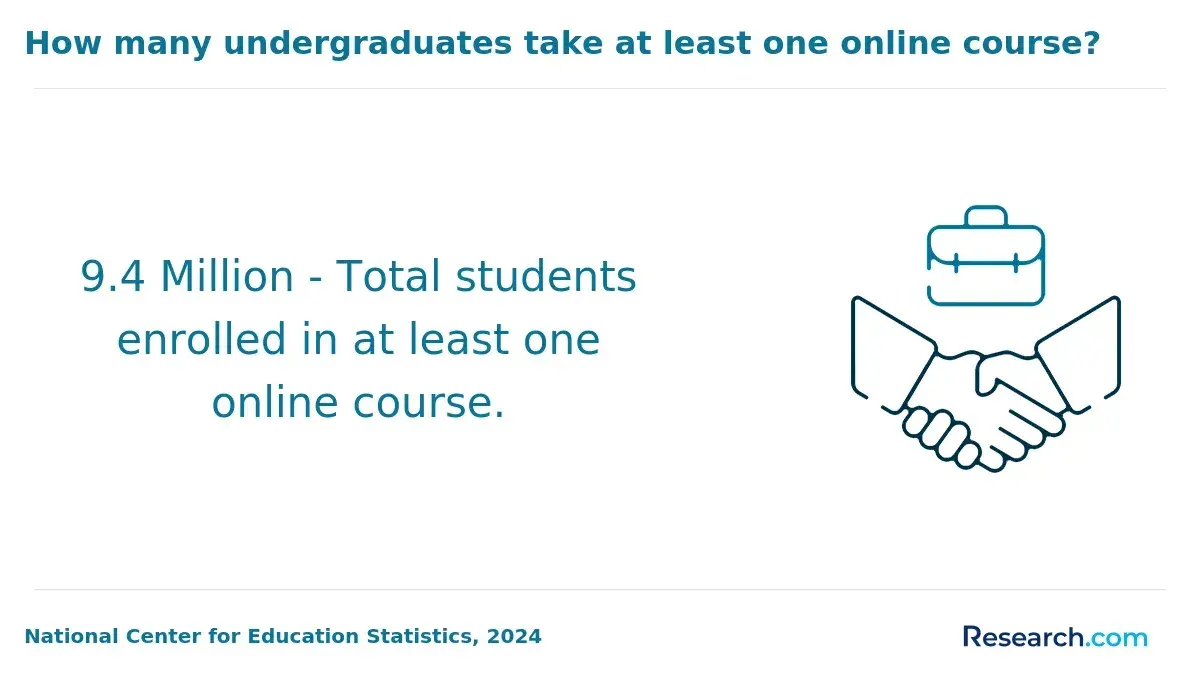
Choosing between online and campus-based delivery formats plays a significant role in how students manage their education in game development programs. Data from the National Center for Education Statistics shows that in 2022, close to 40% of college students enrolled in at least one online course, highlighting the growing demand for flexible learning options.
Below is a comparison of both formats to help guide decisions.
Online
- Flexibility: Students can study anytime and anywhere, making it easier to balance education with work or family commitments.
- Access to Resources: Coursework and lectures are often available on-demand, but limited hands-on experiences with specialized equipment may affect practical skills development.
- Networking Challenges: Fewer real-time interactions can reduce opportunities for peer collaboration and mentoring.
- Learning Environment: Online settings might present distractions that can impact focus and progress.
Campus-Based
- Immersive Experience: In-person access to labs and studios supports hands-on learning and better prepares students for industry realities.
- Community and Networking: Face-to-face interactions often foster stronger professional relationships and teamwork skills.
- Scheduling Constraints: Fixed class times and commuting requirements can limit flexibility and increase costs.
- Atmosphere: The structured environment can enhance motivation but might reduce convenience.
When deciding between formats, one graduate of an online game development program shared his thought process. He explained, "I weighed the freedom of studying on my own schedule against feeling isolated without a physical campus."
He meticulously compared curriculum details and technology access, worried about missing hands-on workshops but also relieved by avoiding long commutes. "It wasn't easy balancing work and study, and at times I questioned if the online format would give me the same edge as on-campus peers," he said.
Ultimately, he valued the flexibility but stressed the importance of self-discipline and seeking out virtual community connections to succeed.
How Do GPA Requirements Vary Among Game Development Degree Programs?
GPA requirements serve as a key factor when evaluating game development degree programs, reflecting varying standards of academic readiness and selection criteria. Below are some points that illustrate how these requirements differ and what they imply for applicants.
- Range of Standards: Some programs enforce firm minimum GPA cutoffs, typically around 3.0 on a 4.0 scale, to ensure a base level of academic proficiency, while others adopt more lenient thresholds or none at all.
- Flexible Admission Policies: Several institutions may accept applicants with GPAs below their usual standards if they demonstrate strong portfolios, relevant industry experience, or exceptional creative skills, emphasizing individual potential.
- Holistic Evaluation: A growing number of programs assess candidates through a combination of factors-including creativity, technical ability, and personal statements-lessening the central role that GPA alone traditionally played.
- Institutional Selectivity: Highly competitive or research-focused programs often maintain higher GPA expectations, reflecting their emphasis on academic rigor, whereas practice-oriented programs may prioritize hands-on skills and portfolio quality.
- Application Strategy: Understanding how each program weighs GPA against other admission components helps applicants identify degrees that align better with their profiles and career objectives.
How Can You Compare Tuition Across Game Development Degree Programs?
Evaluating tuition costs is a vital step for prospective students choosing game development degree programs, as it directly impacts financial planning and future debt. In the 2021-2022 academic year, the average annual expense for tuition, fees, and room and board at public universities exceeded $22,000.
Consider these key factors when comparing costs:
- Total Program Cost: Look beyond tuition and factor in additional fees, required materials, and any technology expenses. These can substantially increase the overall cost and vary widely between programs.
- Cost Per Credit: For those requiring flexible pacing or part-time enrollment, understanding the price per credit hour helps estimate expenses more accurately throughout their education.
- Financial Aid: Availability of scholarships, grants, and federal aid alters affordability. Some programs offer specific support for game development students that can lower out-of-pocket costs.
- Employer Tuition Benefits: Check if your current or prospective employer provides tuition reimbursement or assistance programs, which can significantly offset the expense.
- Long-Term Value: Assess job placement rates, industry connections, and expected salary outcomes. Balancing up-front costs with potential career earnings is essential to determining return on investment.
When I spoke with a graduate who completed a game development degree recently, she shared how daunting the financial comparison process was. "At first, I was overwhelmed trying to tally all the hidden fees-software licenses, hardware upgrades, and lab access costs," she recalled.
"I had to create detailed spreadsheets to compare programs side by side, but that effort helped me feel confident in my choice." She also emphasized that relying on employer tuition benefits reduced her financial stress and allowed her to focus more on learning.
Reflecting on her experience, she advised others, "Don't just look at sticker prices-dig into every expense and available aid. It makes a huge difference in managing the path ahead."
Does a Game Development Degree Meet Licensure Requirements?
Licensure requirements are a crucial consideration for students entering regulated fields or changing careers, as they often dictate eligibility to work legally. Nearly 20% of U.S. occupations need a professional license or certification, which underscores the importance of understanding how game development degrees relate to these standards.
Here are key factors to evaluate when comparing programs:
- Curriculum Alignment: Look for programs that reflect current industry software, coding languages, and technologies to ensure practical skill development relevant to job markets.
- Accreditation Status: Ensure the institution holds recognized accreditation to validate academic quality and improve transferability or employer recognition.
- State Requirements: While game development typically avoids state licensure, some regions may have specific educational mandates linked to broader technology or media disciplines worth checking.
- Supervised Experience: Programs offering internships, capstone projects, or mentorship opportunities provide essential hands-on learning that mimics real workplace settings.
- Exam Eligibility: Evaluate if the curriculum supports preparation for certifications from software vendors or professional bodies that can enhance employability, even if formal licensure is not required.
Which Game Development Programs Have the Best Career Placement Rates?
Career placement rates provide essential insight into how well game development degree programs prepare students for employment in the industry. Some top game development programs for job placement boast graduate employment rates exceeding 85% within six months of graduation, reflecting strong alignment with employer needs.
Several measurable factors help prospective students evaluate these career placement rates effectively.
- Employer Partnerships: Programs with established connections to industry employers often offer direct recruitment opportunities and collaborative projects that boost job prospects.
- Internship Pipelines: Structured internships give students real-world experience and valuable networking advantages, often serving as a bridge to full-time roles.
- Alumni Outcomes: Examining alumni employment timelines and the types of positions secured reveals how successfully graduates transition into the workforce.
- Support Services: Career counseling, job fairs, resume workshops, and mentorship programs improve students' readiness and access to opportunities, enhancing overall career development.
Students seeking a comprehensive understanding of game development degree career outcomes should also explore the availability of flexible learning options, including online paths like an online doctorate in organizational leadership, which can complement technical skills with leadership training essential for career advancement.
How Do Salaries Compare Across Game Development Degree Program Graduates?
Post-graduation salary outcomes are a vital metric for prospective students comparing game development degree programs, as they provide insight into potential financial returns and career prospects. Recent data shows that average annual salaries for game development graduates in the U.S. range from $55,000 to $90,000.
Factors influencing these salaries include role, industry, location, and experience level, as outlined below.
- Role: Entry-level programmers commonly earn between $50,000 and $70,000 annually, while specialized positions like game designers or technical artists may experience salary variation depending on specific skills and market demand.
- Industry: Graduates employed at larger studios or within tech hubs usually report higher salaries compared to those working for smaller indie companies or in educational gaming sectors.
- Location: Geographic location significantly impacts earnings; developers in major metropolitan areas such as San Francisco or Seattle often receive salaries 20-30% above the national average.
- Experience Level: Salaries generally increase with professional experience, with mid-level game developers earning over $80,000 and senior roles commanding six-figure incomes, reflecting their advanced expertise.
For students interested in starting with an associate degree, understanding the average starting salaries for game development graduates by program is particularly important for aligning expectations with realistic financial goals.
What Graduates Say About Comparing Game Development Degree Programs Effectively
- Jenna: "Before deciding on a game development degree, I weighed self-taught routes against traditional four-year schools. The more affordable tuition and focused curriculum convinced me this was the smartest route financially, especially considering the average cost of attendance was much lower than other programs I researched. Completing the degree gave me the hands-on skills and portfolio necessary to land my first role in the industry quickly."
- Mark: "Reflecting on my options, I initially hesitated between coding bootcamps and a formal game development degree due to costs and outcomes. The degree's moderate average attendance fees made it a sustainable investment compared to bootcamps with hidden or recurring expenses. Graduating helped solidify my professional network and gave me a well-rounded foundation that boosted my confidence and career progression. "
- Stephanie: "I approached choosing a game development degree with a professional mindset, analyzing cost-effectiveness and career impact. The degree's affordability was a decisive factor given the typical expenses of similar programs, making it a valuable long-term investment. Finishing the program expanded both my technical expertise and industry connections, significantly accelerating my advancement in the competitive field. "
Other Things You Should Know About Game Development Degrees
When choosing a game development degree program in 2027, evaluate faculty based on their industry experience, research contributions, and teaching expertise. Faculty with strong connections in the gaming industry can provide valuable insights and networking opportunities for students, enhancing education quality and career prospects.
Industry partnerships play a crucial role in comparing game development programs, as they often provide students with real-world experience, internship opportunities, and access to industry-standard tools and technologies. Evaluating these partnerships can indicate the level of industry involvement and potential career readiness.
Yes, strong career services and alumni networks are crucial for job placement and career advancement. Effective career support includes resume reviews, interview preparation, and job fairs specifically targeted to the game development industry. Alumni networks can offer mentorship and inside information on career paths and open positions.
References
- Game Development Degrees and Alternatives in 2025 https://www.coursera.org/articles/game-development-degree
- Should I consider a graduate degree in game development? https://gamedev.stackexchange.com/questions/18658/should-i-consider-a-graduate-degree-in-game-development
- Careers - Vault https://vault.com/professions/computer-and-video-game-designers/requirements
- Game Programming Degree | Bachelor of Game Development https://www.cgspectrum.com/courses/game-programming-program
- Comprehensive Guide Online Game Development Bachelor’s Degree https://www.computerdegreesonline.org/game-development-bachelors-degree/
- Top Game Development Courses in 2024 https://olibr.com/blog/top-game-development-courses-in-2024/
- Game Development Degree Online https://www.snhu.edu/online-degrees/bachelors/bs-in-game-programming-and-development
- 10 Affordable Colleges for Game Design https://www.egdcollective.org/post/10-affordable-colleges-for-game-design
- Game Schools Ranking | by GAMEducation https://www.gameschools.com/
- Engineering studies - Computer Science, specialization: Game Developer https://www.wsb-nlu.edu.pl/en/engineering-studies-computer-science-specialization-game-developer


