
2027 Are There Any One-Year Online Game Development Degree Programs Worth Considering?

Co-Founder and Chief Data Scientist
A one-year online game development program can sound like the fastest route into game design, programming, or interactive media. The important question is whether the option is a true degree, an accelerated pathway, or a shorter certificate marketed to career changers and portfolio builders. In game development, the credential matters, but so do your portfolio, technical fluency, project experience, and ability to work with engines, artists, designers, and production teams.
This guide explains what students can realistically expect from one-year online game development study in 2026. It covers whether an accredited degree can be completed in one year, what alternatives exist, how to evaluate curriculum quality, what admission requirements to prepare for, how costs and financial aid work, and what trade-offs come with choosing speed over a longer academic path.
Key Points About One-Year Online Game Development Degree Programs
- One-year online Game Development degrees offer accelerated, immersive curricula focused on programming, design, and project-based learning, unlike traditional multi-year programs with broader theory and general education.
- Students should expect intensive schedules and portfolio-driven assessments tailored to industry tools like Unity and Unreal Engine, essential for entering the competitive gaming job market quickly.
- These programs appeal to career changers or professionals seeking rapid upskilling, with recent data showing a 15% enrollment rise in accelerated game development studies amid growing industry demand.
Is It Feasible to Finish a Game Development Degree in One Year?
Finishing a full online game development degree in one year is possible only in limited circumstances. For most students, it is not realistic to complete an accredited bachelor’s degree from start to finish in twelve months because these programs usually require substantial general education, programming, design, art, production, and portfolio coursework. Many also include a capstone, practicum, or major project sequence that cannot be easily compressed.
The most feasible path is for students who already have a large number of transfer credits. For example, some schools like Southern New Hampshire University accept up to 90 credits, which can significantly shorten degree completion time for eligible students. Even then, the remaining coursework may be demanding, especially if it includes advanced programming, game engine work, collaborative production, and portfolio development.
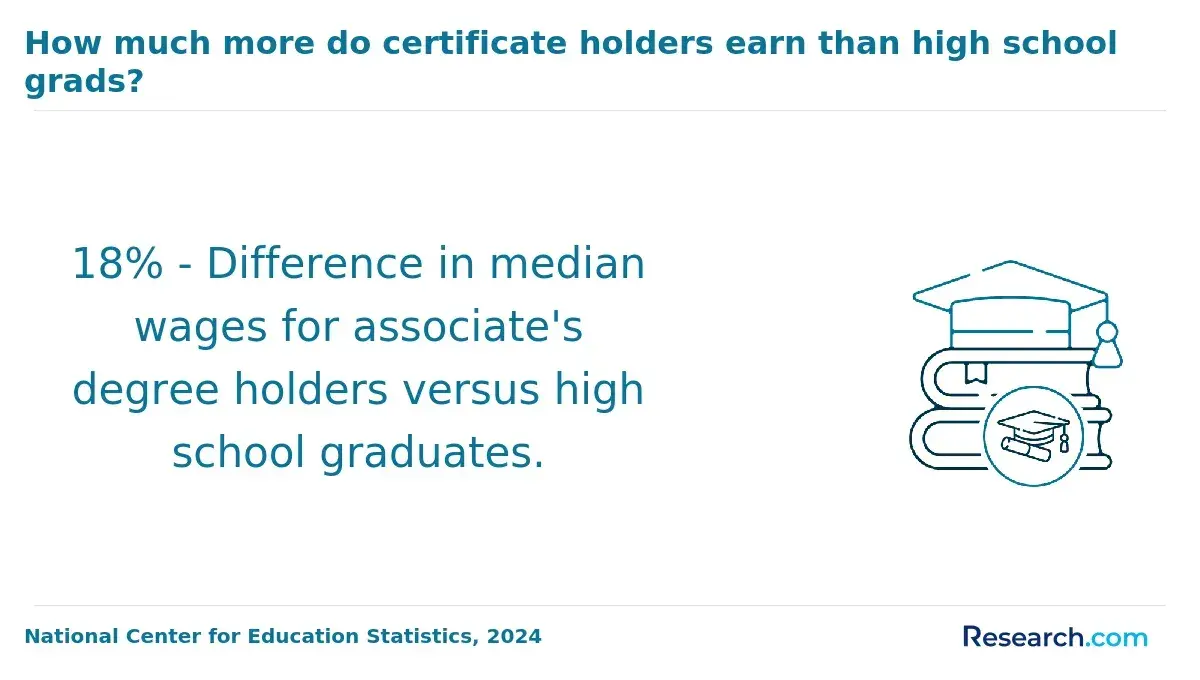
Students should also distinguish between a degree and a certificate. One-year certificate programs in game design are available at institutions such as the New York Film Academy. These programs can help students build foundational skills and project work, but they do not carry the same academic weight as an associate’s or bachelor’s degree. In some cases, certificate coursework may later apply toward a longer degree, but that depends on the receiving institution’s transfer policy.
A one-year route is most realistic if you already know the basics of coding, digital art, or interactive media and need a structured way to build projects quickly. It is less realistic if you are starting from zero and expect to graduate with the same depth, credential value, and portfolio maturity that a longer degree program is designed to provide.
Are There Available One-year Online Game Development Degree Programs?
There are currently no accredited one-year online bachelor’s degree programs in Game Development offered by U.S. institutions. Traditional bachelor’s degrees in this field generally require 120-145 credit hours and take four years to complete. Students searching for one year game development programs online will usually find certificates, bootcamp-style training, diplomas, or accelerated degree pathways rather than a full bachelor’s degree that begins and ends within one year.
That does not mean students have no faster options. Some universities offer flexible formats, transfer-friendly policies, or accelerated schedules that may reduce total completion time. These options are especially useful for students who already have college credits, professional experience, or a strong technical foundation. Others may prefer online game development certificate programs USA as a shorter way to build specific skills in engines, programming, design, or production workflows.
- Purdue University offers an accelerated track through its Degree in 3 initiative, enabling students to complete a BS in Game Development in three years by managing a heavier course load. The program covers game design, 3D modeling, programming, and data visualization, with hands-on labs and projects.
- University of Arizona provides a fully online BS in Game Design and Development that typically takes four years but offers flexibility for students wishing to expedite completion. This STEM-designated degree emphasizes game conceptualization, market analysis, technical design, and usability testing.
- Southern New Hampshire University delivers an online BS in Game Programming and Development featuring a competency-based model that allows motivated students to progress faster. The curriculum includes programming languages like C++, C#, and Java, combined with Unreal Engine training and 3D modeling techniques.
When comparing programs, read the credential name carefully. A “program,” “track,” or “certificate” is not always a degree. Before enrolling, confirm whether the school is accredited, whether the credits are transferable, how many credits you must complete, and whether the program leads to the academic credential you need for your goals.
For students who want a faster credential before committing to a degree, reviewing the best paying 6 month online certifications can help identify shorter training options that may complement game development study.
Why Consider Taking Up One-year Online Game Development Programs?
One-year online game development programs can be useful for students who want concentrated training without committing immediately to a multi-year degree. They are especially attractive to career changers, self-taught developers who need structure, artists who want technical skills, and working adults who need an online format. The main benefit is speed: a shorter program can help you build a portfolio, learn production tools, and test whether the field is a good fit.
Benefits of short game development courses include:
- Time efficiency: A condensed format helps students develop targeted skills and start building projects sooner than they would in a traditional multi-year pathway.
- Cost-effectiveness: Shorter programs are typically less expensive than full degree programs, although students should still compare tuition, fees, software costs, and the credential’s market value.
- Flexibility: Online delivery can make study more manageable for students balancing work, family, military service, or other responsibilities.
- Portfolio focus: Many shorter programs emphasize playable prototypes, level design samples, scripting work, or interactive projects that can be shown to employers or clients.
- Skill specialization: Students who already have experience can use a one-year program to focus on a specific area such as game programming, technical art, design systems, or engine-based production.
These programs typically cover game design principles, programming languages, game engines, and production workflows. Students with prior coding, art, animation, or digital media experience often benefit the most because they can move quickly into applied work. Beginners can still succeed, but they should expect a steep learning curve and may need extra practice outside scheduled coursework.
The key is to match the program to your goal. If you need a recognized academic credential, a certificate may not be enough. If you need practical skills and portfolio pieces, a shorter program may be a reasonable first step. For students comparing credentials and career-focused training, resources on certification jobs that pay well can provide additional context.
What Are the Drawbacks of Pursuing One-year Online Game Development Programs?
The main drawback of a one-year online game development program is compression. Game development combines programming, design, art, storytelling, systems thinking, collaboration, testing, and production discipline. Learning those areas quickly can be valuable, but it can also leave gaps if the program is too narrow or if students do not have enough time to practice.
- Intense workload: A compressed schedule may require students to learn programming, 3D graphics, game engines, design documentation, and project production at the same time. This pace can lead to stress or burnout.
- Limited networking: Online students may have fewer chances for in-person collaboration, studio visits, mentorship, and campus-based industry events. They must be more intentional about joining online communities, game jams, and alumni networks.
- High self-motivation requirement: Without regular in-person accountability, students must manage deadlines, troubleshoot technical issues, and keep projects moving independently.
- Restricted hands-on experience: A heavy course load can make it harder to pursue internships, freelance projects, or part-time industry experience while studying.
- Potential credential limitations: Some short programs are certificates rather than degrees. That may be acceptable for portfolio-driven roles, but it may not satisfy employers or graduate programs that require a formal degree.
- Less time for portfolio polish: A playable prototype is not the same as a refined portfolio piece. Students may need additional months after the program to improve work samples, document projects, and prepare applications.
Students can reduce these risks by setting a weekly production schedule, backing up files regularly, joining virtual game jams, seeking feedback from instructors and peers, and building a portfolio from the first term rather than waiting until the end. It is also wise to ask admissions teams for sample schedules before enrolling so you can judge whether the workload is manageable.
What Are the Eligibility Requirements for One-year Online Game Development Programs?
Eligibility requirements vary by institution, credential level, and whether the program is a certificate, bachelor’s completion pathway, or accelerated degree track. In general, one-year options are easier to complete when applicants already have college credits, relevant work experience, or foundational technical skills. Students should review admission requirements carefully because accelerated formats leave little room for catching up on prerequisites after enrollment.
Common online game development admission requirements include:
- High school diploma or GED: Most programs require applicants to have completed secondary education.
- Age requirement: Accelerated bachelor’s programs often require candidates to be 21 years or older.
- Minimum GPA: A GPA of 2.0 or higher from prior academic work is frequently expected.
- Transfer credits acceptance: Some schools accept up to 90 transfer credits with a minimum grade like C- or above, speeding up degree completion.
- Official transcripts and resume: Applicants must submit official transcripts from high school and college plus a resume highlighting relevant experience.
- Prerequisite coursework: Foundational knowledge in programming, math, or related fields may be required, especially for advanced tracks.
- Professional or military experience: Certain institutions may grant credit for prior work or military experience, reducing program duration.
- Interviews or placement exams: Rare but possibly required for applicants with non-traditional backgrounds or to waive prerequisites.
- Certificate programs: One-year certificates, such as those offered by NYFA, often focus more on portfolio or creative potential than prior academic achievements.
Before applying, ask whether the program requires prior experience with programming languages, game engines, digital art tools, or college-level math. Also confirm how transfer credits are evaluated, whether portfolio review is required, and whether credits from a certificate can later apply to a degree.
Students trying to shorten their total time in school should prioritize institutions with clear transfer policies. To compare other accelerated pathways, learn more about the fastest associates degree options available.
What Should I Look for in One-year Online Game Development Degree Programs?
Because one-year online game development degrees are uncommon, students should be careful when comparing programs. The strongest options are transparent about accreditation, credential type, curriculum, required software, faculty background, transfer credit rules, and career support. A fast program is only worthwhile if it gives you usable skills, credible academic value, and portfolio evidence.
- Accreditation: Choose programs from accredited institutions whenever you are pursuing a degree or planning to transfer credits later. Accreditation helps confirm that the school meets recognized academic standards and that the credential is more likely to be accepted by employers, graduate schools, and other colleges. For students seeking lower-cost application options, consider exploring accredited colleges online that waive application fees.
- Credential clarity: Confirm whether the program awards a bachelor’s degree, associate’s degree, certificate, diploma, or noncredit credential. Do not rely on marketing language alone.
- Faculty expertise: Look for instructors with real-world experience in game development, interactive media, software engineering, art production, or related fields. Faculty who understand current production workflows can provide more useful critique and mentorship.
- Curriculum and faculty quality in online game development degrees: A strong curriculum should include hands-on work with industry-standard tools like Unreal Engine or Unity, as well as programming, 2D/3D art, gameplay mechanics, production workflows, testing, and iteration.
- Portfolio outcomes: Ask what students graduate with. Strong programs should help you complete playable prototypes, code samples, design documentation, art assets, or a capstone project that can be shared with employers or clients.
- Course delivery format: Online programs should offer more than uploaded readings. Look for recorded lectures, live sessions, feedback cycles, interactive assignments, collaborative tools, and accessible technical support.
- Credit transfer policies: If you have previous coursework or professional experience, check whether the school offers transfer credit or credit for prior learning. This can reduce both time and tuition.
- Tuition cost and financial aid: Compare total program cost, not just per-credit tuition. Include software, hardware, technology fees, books, and any required subscriptions.
- Student support services: Academic advising, career development, tutoring, portfolio review, mental health resources, disability services, and technical assistance are especially important in accelerated online study.
- Career alignment: Match the curriculum to the role you want. Game programming, game design, technical art, level design, production, and animation require different skill sets.
A useful test is to request a course list and compare it with job postings for the roles you want. If the program does not teach the tools, languages, workflows, or portfolio outcomes commonly requested, it may not be the right fit even if it is fast.
How Much Do One-year Online Game Development Degree Programs Typically Cost?
One-year online degree programs in Game Development are uncommon, as most accredited options are four-year bachelor’s degrees. Some accelerated certificates or diplomas may be available, mainly through for-profit or non-traditional institutions. Because the credential type varies, students should compare costs only after confirming whether the program is credit-bearing, accredited, transferable, and eligible for financial aid.
Tuition costs for these programs vary widely, generally ranging from about $10,000 to $20,000 per year. Price depends on the institution type, program length, number of credits, delivery format, and whether the student qualifies for in-state tuition. Public colleges usually charge less than private or for-profit schools. Additional expenses may include technology fees, software licenses, books, hardware upgrades, game engine-related tools, cloud storage, and portfolio hosting.
Compared to traditional four-year Game Development degrees, which often total $40,000 to over $150,000, one-year online options can be more affordable. The trade-off is that shorter programs may not provide the same academic depth, elective range, studio experience, or credential recognition. A lower price is not automatically a better value if the program does not help you build employable skills or transferable credits.
Before enrolling, calculate the full cost of attendance and ask these questions: Is financial aid available? Are credits transferable? What software and hardware are required? Does tuition include career services or portfolio review? What happens if you need more than one year to finish? These details can affect the real cost more than the advertised tuition alone.
What Can I Expect From One-year Online Game Development Degree Programs?
Students in a one-year online game development program should expect an intensive, project-centered experience. The curriculum is usually designed to move quickly from fundamentals to applied work, so learners need to keep up with weekly assignments, technical exercises, critiques, and production deadlines. Comprehensive one-year online game development degrees are less common than longer programs, but focused certificate options can still provide useful training.
The one-year online game development degree curriculum usually covers foundational topics such as game design theory, programming, and game art, combining lectures with hands-on assignments. Students gain experience with tools like Unity or Unreal Engine and develop skills in scripting, 3D modeling, and animation. The skills learned in one-year online game development programs often include prototyping and playtesting games, which emphasize iterative design and feedback integration.
Students may also work on team-based projects that reflect real development environments. This can include dividing responsibilities, managing version control, documenting design decisions, responding to feedback, and revising mechanics after testing. Strong programs also introduce systems literacy and narrative design concepts so students understand how mechanics, story, art, interface, and player experience work together.
The biggest challenge is pace. Technical subjects take practice, and game projects often require debugging, redesign, and polish. Students should expect frequent deadlines and should plan additional time outside class for troubleshooting, documentation, and portfolio refinement. By completion, students have usually built a portfolio showcasing their practical work to potential employers or educational institutions.
Students exploring career paths after shorter applied programs may find value in visiting what can you do with a trade school diploma to understand employment opportunities.
Are There Financial Aid Options for One-year Online Game Development Degree Programs?
Financial aid may be available for one-year online game development programs, but eligibility depends heavily on the school, accreditation status, credential type, enrollment level, and whether the program qualifies for aid. Students should never assume that a short online program is covered by federal aid. Always verify directly with the institution’s financial aid office before enrolling.
- Federal and State Aid: Qualified programs often accept federal financial aid, which includes grants and loans. Applicants must complete the FAFSA, regardless of online or in-person status. State aid may also be offered depending on residency and school accreditation, with eligibility tied to enrollment status and financial need.
- Scholarships: Targeted scholarships for game development students exist, such as those from the ESA Foundation and AIAS Foundation. These typically require minimum GPAs, involve essays or community engagement, and have specific annual deadlines. Other general scholarships unrelated to the major can supplement aid as well.
- Employer Tuition Assistance: Some employers provide tuition reimbursement for job-related education. Although less common for short-term programs, currently employed students should verify if their workplace offers this benefit.
Many institutions also offer payment plans and special grants or discounts for veterans, military members, or adult learners. Students using military education benefits should confirm benefit eligibility with both the school and the relevant benefits office. Because accelerated programs may start multiple times yearly, applying for aid early is crucial.
Before committing, request a written breakdown of tuition, fees, refund policies, payment deadlines, and aid eligibility. If a program is not eligible for federal aid, compare private financing carefully and avoid borrowing more than the credential is likely to justify.
What Game Development Graduates Say About Their Online Degree
- Daniela: "Completing the one-year online Game Development degree completely transformed my career path. The accelerated format allowed me to dive deep into programming and design without feeling overwhelmed, and I landed a game studio internship shortly after graduating. The streamlined curriculum made great use of my time and money, considering the average cost was quite reasonable."
- Jayson: "The competency-based approach of the Game Development program suited my learning style perfectly. I could focus on mastering each skill before moving forward, which boosted my confidence and practical knowledge. Reflecting back, finishing in one year gave me a huge sense of accomplishment and saved me from the higher tuition costs many traditional programs have."
- Sophia: "I appreciated how the online degree balanced flexibility with rigorous learning outcomes. Even with my full-time job, I completed the program in just twelve months and developed a portfolio that opened doors to freelance opportunities. The experience was professional and efficient, offering excellent value given the program's cost and comprehensive content."
Other Things You Should Know About Pursuing One-Yeas Game Development Degrees
In 2027, online game development programs often use virtual labs, project collaboration tools, and peer review systems to facilitate hands-on learning. Students engage in simulation exercises and collaborative projects, which are critical for developing practical skills in game design and development.
In 2027, a one-year online Game Development degree can offer essential skills for entry-level roles, provided the program is comprehensive. Look for courses emphasizing practical skills, real-world projects, and cutting-edge technology to ensure you're well-prepared for the industry.
Recognition depends on the institution offering the program and its accreditation status. Degrees from accredited and reputable schools are generally accepted by employers, but it is advisable to research the program's reputation within the game development community before enrolling.
Graduates of one-year online Game Development programs in 2027 can expect entry-level positions such as junior game developer or game designer. While these programs offer essential skills, candidates may need further experience and networking to access more advanced roles within the industry.
References
- The Benefits Of Studying Game Development | SIIT https://siit.co/blog/index.php/the-benefits-of-studying-game-development/5738
- Can You Really Learn Game Development Online? Pros & Cons - Eduonix Blog https://blog.eduonix.com/2025/03/can-you-really-learn-game-development-online-pros-cons/
- Game Design Degree | Bachelor of Game Development https://www.cgspectrum.com/courses/game-design-program
- Online B.S. in Game Development https://www.walsh.edu/game-development-accelerated.html
- Bachelor of Science inGame Design and Development Online or On Campus https://www.albany.edu/cehc/programs/bs-game-design-and-development
- Game Development Degree Online https://www.snhu.edu/online-degrees/bachelors/bs-in-game-programming-and-development
- Bachelor of Science Computer Games Development https://www.ul.ie/courses/bachelor-science-computer-games-development
- 5 Pros and Cons for Studying a Distance Learning Degree in 2025 | Distancelearningportal https://www.distancelearningportal.com/articles/174/why-study-distance-learning-degree.html
- Comprehensive Guide Online Game Development Bachelor’s Degree https://www.computerdegreesonline.org/game-development-bachelors-degree/
- How to Select the Best Game Development Courses and Programs https://www.baker.edu/about/get-to-know-us/blog/how-to-select-the-best-game-development-courses-and-programs/


