2027 How to Pay for a Nurse Midwifery Master's Degree with Financial Aid

Co-Founder and Chief Data Scientist
Facing the high cost of a nurse midwifery master's degree can overwhelm many prospective students, especially those balancing family or work commitments. With tuition often exceeding $30,000 annually, nearly 60% of nurse midwifery students take on significant student loan debt, impacting their financial future. This burden may discourage qualified candidates from advancing their careers in midwifery.
This article outlines comprehensive strategies for obtaining financial aid, from federal and institutional resources to employer-sponsored programs, enabling prospective students to create an effective, personalized plan to fund their nurse midwifery education while minimizing long-term debt.
Key Benefits of Knowing How to Pay for a Nurse Midwifery Master's Degree with Financial Aid
- Knowing how to pay for a nurse midwifery master's degree enables students to invest wisely in their professional future by utilizing all major financial aid opportunities, including federal, institutional, and employer funding.
- Accessing diverse financial aid sources lessens the financial burden, allowing students to focus on studies without excessive debt, as graduate students often borrow an average of $70,000 in student loans.
- Developing a strategic financial plan combining scholarships, assistantships, and loan repayment options makes earning a nurse midwifery degree more financially achievable and sustainable long-term.
What Is a Nurse Midwifery Master's Degree, and Why Does Funding It Matter?
Paying for a nurse midwifery master's degree requires careful financial planning to manage the substantial costs often associated with graduate-level healthcare education. This overview outlines essential aspects of what the degree involves and highlights key considerations for funding it effectively. Below are the important points prospective students should know about nurse midwifery master's degree programs benefits and funding strategies.
- Program Scope and Academic Requirements: These master's degree programs prepare registered nurses to specialize in midwifery care, covering prenatal, childbirth, and postpartum services. Typically, they involve 2 to 3 years of intensive study that includes clinical practice to meet certification standards.
- Financial Burden and Tuition Costs: Tuition for nurse midwifery master's degree programs can range from $30,000 to over $70,000, representing a significant investment alongside living expenses and possible lost income.
- Wide Range of Funding Options: Funding sources include federal student loans accessed by completing the FAFSA, institutional scholarships, graduate assistantships, employer tuition reimbursement programs, and professional association scholarships. Combining these is often necessary to cover total costs.
- Importance of Funding Strategies: To minimize debt, students must proactively explore all available financial aid opportunities and understand how to structure loan repayment options, including income-driven repayment plans and loan forgiveness programs.
- Recent Trends in Educational Financing: Graduate enrollment has increased by nearly 12% in the past decade, driving demand for more diverse financial aid solutions for advanced healthcare education.
Approaching your financial aid search with an informed, clear plan will empower you to fund a nurse midwifery master's degree successfully. Additionally, exploring related programs such as rn to bsn online programs can offer alternative pathways or supplemental education as part of your academic journey.
What Types of Financial Aid Are Available for Nurse Midwifery Master's Students?
Securing financial aid is a critical step for those pursuing a nurse midwifery master's degree, as it directly impacts the affordability and accessibility of advanced training. The options below outline key types of financial support often available to graduate students, helping you plan how to best fund your education.
Here are the main categories of financial aid to consider:
- Grants: Grants are funds that do not require repayment and are often awarded based on financial need or eligibility. Federal and state programs commonly offer grants to graduate students, with some specifically targeting healthcare disciplines like nurse midwifery.
- Scholarships: These awards recognize merit or need and also do not need to be repaid. Professional associations and universities frequently provide scholarships aimed at nurse midwifery students, supporting academic excellence and promoting diversity within the field.
- Fellowships: Fellowships offer financial backing and usually include opportunities for research or clinical experience. These competitive awards can cover tuition and living expenses, often expecting recipients to contribute to the nurse midwifery profession through service or study.
- Assistantships: Graduate assistantships give students a chance to work part-time in teaching or research roles in exchange for stipends and tuition remission. These positions help reduce education costs while providing valuable professional experience but require balancing work with coursework.
- Loans: Loans must be repaid with interest but remain a common funding source. Federal loans offer favorable conditions such as income-driven repayment plans and loan forgiveness programs geared toward healthcare professionals working in underserved communities.
- Work-Study Programs: Eligible students can earn income through part-time jobs, often on campus or related to their field. While these earnings don't cover all expenses, they help reduce reliance on loans and offset daily costs.
Financial aid tailored to nurse midwifery programs often differs from general graduate financial assistance, typically emphasizing clinical experience and maternal health service. Prospective students benefit from pursuing multiple funding sources simultaneously, including scholarships, grants, assistantships, and loans, to strategically minimize debt and maximize support.
Graduate financial assistance programs for nurse midwifery students often require navigating the FAFSA and leveraging institutional and external resources. Some students also explore related fields to broaden their options, such as pursuing a bachelors in health administration to complement their degree path, which can open additional financial aid opportunities.
How Does the FAFSA Process Work for Nurse Midwifery Graduate Students?
For prospective nurse midwifery master's degree students, mastering the FAFSA process is a vital step toward securing financial aid. Graduate applicants benefit from distinct rules that make understanding FAFSA's nuances especially important. Here are some central points to consider:
- Graduate Student Status: As a graduate student, you're classified as independent, meaning only your income and assets are evaluated on the FAFSA. This can simplify the application, but aid decisions are based strictly on your financial profile.
- Submission Deadlines and Timing: The FAFSA becomes available annually on October 1. Applying early is essential because many schools and states allocate funds on a first-come, first-served basis. Missing critical deadlines could limit your aid options.
- Available Federal Aid Types: While graduate students generally aren't eligible for federal grants, you can apply for federal loans such as Direct Unsubsidized Loans and Grad PLUS Loans. Federal work-study opportunities may also be accessible to help offset expenses.
- Verification Process: After submitting your application, you might be asked to confirm or provide additional documentation. Prompt compliance reduces the risk of delays in your financial aid award.
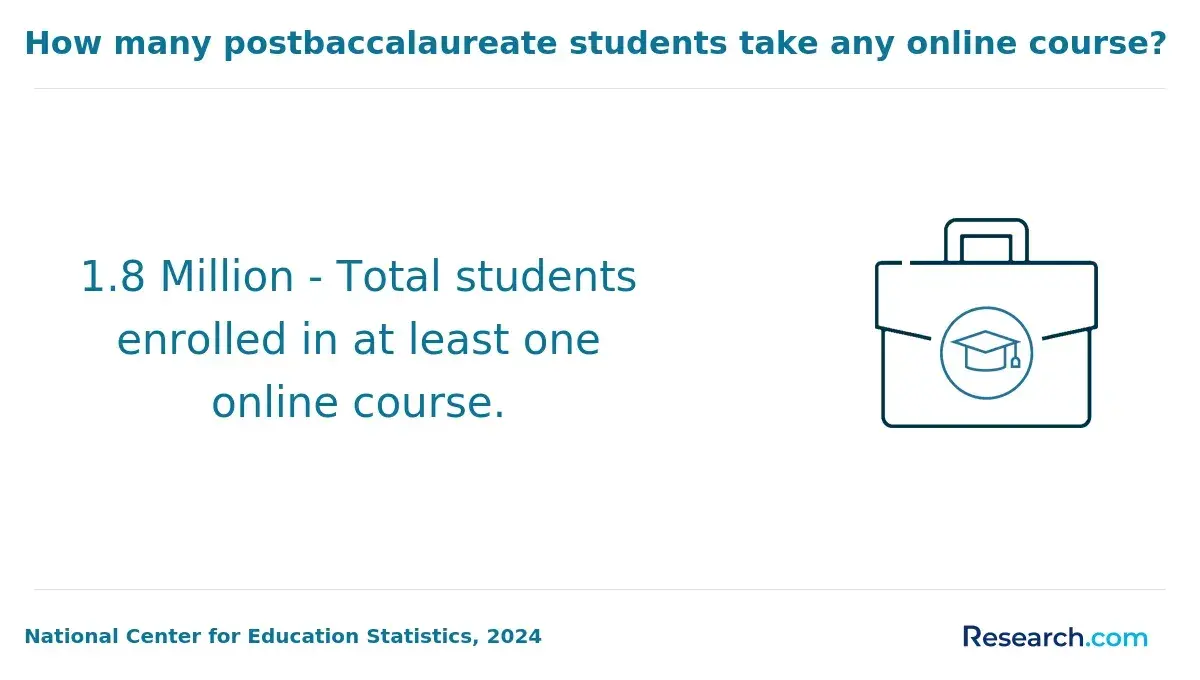
- Funding Trends: Recent statistics show nearly 60% of graduate students in health-focused programs rely on federal student loans, highlighting the widespread use of borrowing in this sector.
A professional who pursued a nurse midwifery master's degree described the FAFSA journey as both empowering and occasionally stressful. They recalled, "Navigating the FAFSA initially felt overwhelming, especially keeping track of deadlines and documentation requests." However, this individual emphasized that staying organized and seeking guidance early was crucial. "Submitting my application promptly allowed me to secure loans and work-study opportunities that eventually made a real difference," they shared, reinforcing how proactive management of financial aid forms plays a key role in funding advanced health education.
What Federal Loans Are Available for Financing a Nurse Midwifery Master's Degree?
Securing funding through federal student loans is a key step for those pursuing a nurse midwifery master's degree. Graduate federal loan options provide important resources to cover education costs beyond scholarships or grants. Consider the following points when evaluating your borrowing choices.
- Direct Unsubsidized Loans: Available regardless of financial need, these loans offer fixed interest rates higher than those for undergraduates. Graduate students may borrow up to $20,500 annually, with interest accumulating throughout enrollment and deferment.
- Graduate PLUS Loans: These loans require a credit review and can cover the remaining balance after other financial aid. Borrowing limits match your education expenses minus aid already received, often exceeding Direct Unsubsidized Loan limits.
- Interest Rates and Fees: Both loan types have fixed federal interest rates, typically above undergraduate rates. Graduate PLUS loans also charge origination fees that slightly reduce the disbursed amount. Repayment usually begins six months after graduating or dropping below half-time enrollment.
- Loan Disbursement and Budgeting: Schools disburse federal loans each semester, so calculate your tuition, fees, and living costs accurately to avoid excess borrowing. Use your program's cost of attendance as a guideline to determine realistic loan needs for a full nurse midwifery master's program.
- Preventing Excess Debt: Federal loans should be a last resort after fully exploring grants, scholarships, and work-study options. Over-borrowing can lead to unnecessary debt; plan carefully and consider alternative funding sources such as employer programs or professional fellowships. For additional resources on affordable degree options, explore rn to bsn online programs.
What Scholarships and Fellowships Exist Specifically for Nurse Midwifery Master's Students?
For those pursuing a nurse midwifery master's degree, identifying scholarships and fellowships tailored to this field can significantly ease financial burdens. Below are essential considerations to navigate these funding opportunities efficiently:
- Differences Between Scholarships and Fellowships: Scholarships generally reward academic merit or demonstrate financial need and do not require repayment. Fellowships often link to specific research projects or professional development, providing financial aid alongside career-building experience. Understanding each award's criteria is crucial for a successful application.
- Funding Sources: Prominent associations such as the American College of Nurse-Midwives Foundation, along with healthcare organizations and specialized foundations, offer substantial scholarships and fellowships designed for nurse midwifery students at the graduate level.
- Timing and Preparation: Award deadlines often come before institutional financial aid cutoffs. Early application preparation, including gathering necessary documentation, enhances chances of securing funding.
- Targeted Search Strategies: Utilizing discipline-specific databases and exploring professional groups' resources can unearth niche scholarships and fellowships that are not widely advertised. Membership in these groups can grant access to exclusive opportunities and application guidance.
- Combining Multiple Aid Sources: Strategically blending scholarships, fellowships, federal aid, and employer support helps minimize loan dependency and balance financial needs throughout the program.
A professional who built her career following nurse midwifery graduate studies shared how navigating funding was both daunting and encouraging. She recalled the uncertainty of meeting early deadlines and the challenge of tailoring applications to diverse awards. "It felt overwhelming at times," she said, "but discovering smaller, less-known fellowships through professional networks made a real difference." Her experience highlighted the value of persistence and connecting with specialized organizations, which ultimately helped her focus more on her studies and less on financial stress.
How Can Graduate Assistantships Help Pay for a Nurse Midwifery Master's Degree?
Graduate assistantships offer nurse midwifery master's students valuable financial support through a combination of stipends and tuition assistance. These positions not only help offset costs but also provide practical experience related to their field. Below are the main components to consider when exploring assistantship opportunities:
- Types of Assistantships: Teaching assistantships involve tasks like leading seminars or grading, research assistantships support faculty-led investigations, and administrative assistantships handle department-related duties. Each type allows students to earn compensation while developing skills applicable to their nursing career.
- Financial Advantages: Assistantships typically include a stipend alongside a partial or full tuition waiver, considerably lowering educational expenses. This makes them some of the most beneficial funding options for graduate students pursuing nurse midwifery.
- Application Route: These positions are awarded directly by academic departments rather than through financial aid offices. Prospective nurse midwifery students should contact their program directors or department staff early to understand availability and application protocols.
- Time Investment and Trade-Offs: Most assistantships require a commitment of approximately 10 to 20 hours weekly. While they help reduce financial burdens, these responsibilities may limit study time and could potentially prolong program completion if not balanced carefully.
- Current Funding Trends: Nearly 40% of master's students nationwide received an assistantship or fellowship during the 2022-2023 academic year, underscoring the ongoing significance of these roles in financing advanced degrees.
Are There Employer Tuition Reimbursement Options for Nurse Midwifery Master's Programs?
Working professionals pursuing a nurse midwifery master's degree can significantly benefit from employer tuition assistance or reimbursement programs. Leveraging these programs can reduce out-of-pocket costs and align educational goals with career advancement. Here are important points to consider:
- IRS Section 127 Benefits: Employers may offer up to $5,250 annually in tax-free tuition assistance as defined by IRS Section 127. This provision encourages companies to support employee education without added tax burdens.
- Eligibility and Employment Commitments: Tuition reimbursement often requires recipients to remain employed for a certain period post-degree completion, helping employers retain skilled staff while supporting professional growth.
- Alignment With Job Role: When requesting assistance, employees should present a formal proposal that clearly explains how the nurse midwifery master's degree enhances their current role and delivers value to the organization.
- Review Employee Benefit Packages: It is essential to carefully examine employer benefits documentation for details on coverage limits, eligible courses, and application steps to maximize program advantages.
- Rising Employer Support Trends: Nearly 45% of employed graduate students report receiving some form of tuition assistance from employers, reflecting increasing corporate investment in education.
What State-Based Financial Aid Opportunities Exist for Nurse Midwifery Graduate Students?
State governments play a pivotal role in funding graduate education, offering targeted financial aid opportunities that can help nurse midwifery master's degree students manage the cost of their studies. These programs often come with specific eligibility criteria, including residency and enrollment in accredited in-state institutions, and sometimes require commitments to work in high-need regions. Below are key state-based financial aid options that prospective students should consider.
Key state-based financial aid programs include:
- State Grants and Scholarships: Many states award need- or merit-based grants and scholarships prioritizing healthcare disciplines such as nurse midwifery. Recipients typically must maintain residency status and demonstrate satisfactory academic progress.
- Loan Forgiveness Programs: To address workforce shortages, some states offer substantial loan repayment assistance for nurse midwifery graduates who agree to work in underserved or high-demand areas, reducing educational debt in exchange for service.
- Tuition Equity Initiatives: These efforts enable eligible non-resident or DACA students to access in-state tuition rates and related financial aid, broadening opportunities for nurse midwifery graduate programs.
- Employment-Linked Incentives: Partnerships between state agencies and healthcare employers provide scholarships or stipends tied to job contracts in critical care fields, supporting students financially while ensuring workforce contributions.
- Residency and Enrollment Requirements: Most aid programs require applicants to be residents enrolled in accredited in-state schools. Verifying specific state criteria and application deadlines early is crucial due to limited funding pools.
According to a recent survey, states offering targeted healthcare loan forgiveness programs have seen a 15% increase in nurse midwifery program enrollments, reflecting strong incentives to enter the field. Prospective students should explore these options alongside federal and institutional aid sources and may also find value in exploring regional scholarships and grants for nurse midwifery masters degrees.
For those seeking accelerated practical nursing pathways, programs like a 6 month lpn program can provide foundational healthcare experience valuable when applying for nurse midwifery graduate funding.
How Do Institutional Grants and University Fellowships Factor Into Nurse Midwifery Funding?
Institutional grants and university fellowships are essential resources for nurse midwifery master's students seeking to lower the cost of their education. Many universities and graduate schools provide merit-based or need-based funding, including tuition remission, partial grants, and departmental fellowships, to attract high-quality candidates. Below are important factors to consider when exploring these opportunities.
- Types of Institutional Funding: Universities often offer a range of awards such as merit-based grants, need-based scholarships, tuition remission, and departmental fellowships. These options can cover anywhere from partial to full tuition and may include stipends, which relieve financial burdens significantly.
- Difference Between University and Departmental Aid: Financial aid offices manage grants and scholarships offered at the university level, while some fellowships and assistantships are administered directly by nurse midwifery departments or graduate schools. Knowing which office handles each award clarifies application procedures and eligibility.
- Importance of Inquiring Early: Contacting admissions or financial aid staff at the schools you're applying to is crucial. Many institutional funding opportunities are not widely advertised, so early and specific questions about university fellowships supporting nurse midwifery students can uncover valuable options.
- Applying to Multiple Programs: Since institutional grants for nurse midwifery master's programs vary greatly, applying to several universities and comparing their aid packages helps minimize out-of-pocket costs and maximizes overall funding.
- Combining Institutional Aid with Other Sources: Institutional awards often stack with federal loans, employer sponsorships, and scholarships from professional organizations. This layered approach reduces debt load significantly.
Graduate students should also navigate the fast degree programs available to expedite completion while managing financial aid effectively.
What Role Do Professional Associations Play in Funding a Nurse Midwifery Master's Degree?
Graduate students pursuing a nurse midwifery master's degree often find valuable financial aid opportunities through professional associations. These groups offer various types of support that not only ease educational expenses but also promote career-building connections. Below are essential aid options commonly available:
- Scholarships and Grants: Numerous nurse midwifery organizations award scholarships targeting graduate students with strong academic backgrounds and dedication to the profession. Membership in these associations is frequently a prerequisite.
- Travel and Conference Funding: Many associations provide grants to help cover costs associated with attending industry conferences, including travel, lodging, and registration fees, offering critical exposure to current practices and research.
- Research Support: Certain organizations sponsor funds for student-led research efforts or thesis projects, which can cover expenses related to data gathering and materials, fostering academic contributions in nurse midwifery.
- Mentorship Stipends: Some professional bodies offer financial stipends tied to mentorship programs, encouraging networking and professional growth with seasoned experts.
- Application Tips and Membership Benefits: Applying early with a well-prepared, field-specific personal statement enhances chances of success. Establishing membership in relevant national or regional nurse midwifery groups is often necessary or helpful for eligibility.
How Can Income-Driven Repayment and Loan Forgiveness Programs Apply to Nurse Midwifery Graduates?
Federal income-driven repayment (IDR) plans offer a vital way for nurse midwifery graduates to keep student loan payments affordable as they begin their careers. These programs adjust monthly payments based on income and family size, easing financial pressure while building a reliable repayment strategy. Below are essential insights on managing federal loans through IDR and loan forgiveness options:
- Income-Driven Repayment Plans: Options such as SAVE, IBR, PAYE, and ICR tailor monthly loan payments to your earnings, ensuring they remain sustainable, particularly during the early stages of a nurse midwifery career when salaries might be lower.
- Public Service Loan Forgiveness (PSLF): Working full-time in eligible public service positions, like government health agencies, nonprofit health providers, or academic settings, can lead to loan forgiveness after 10 years of qualifying payments, significantly reducing long-term debt.
- Exclusion of Private Loans: Private student loans do not qualify for federal IDR or PSLF. It's crucial to prioritize borrowing from federal sources to maximize assistance and minimize private loan burdens.
- Career Paths That Qualify: Positions in government-run clinics, nonprofit healthcare organizations, and university-affiliated practices typically meet PSLF criteria, making them attractive for nurse midwifery graduates aiming for debt relief.
- Use Available Resources: Consult the Federal Student Aid website and consider financial counseling to create detailed repayment projections based on your expected nurse midwifery income and loan types.
What Graduates Say About Paying for a Nurse Midwifery Master's Degree with Financial Aid
- Spencer: "Choosing the nurse midwifery master's degree was a pivotal decision for me because I wanted to provide holistic care to women during such a transformative time in their lives. Despite concerns about the program's cost, the financial investment was worthwhile given the comprehensive training and support I received. This degree has opened doors to advanced clinical roles and allowed me to make a meaningful impact in maternal health care."
- Luke: "Reflecting on my journey, pursuing a nurse midwifery master's degree was driven by my passion for empowering women and improving birth outcomes. The program was demanding, and the tuition was a substantial commitment, but the flexible scheduling helped balance work and study. Professionally, it has elevated my credibility and expanded my opportunities in both hospital and community settings."
- Nolan: "As a professional eager to specialize, I chose the nurse midwifery master's degree because it aligned perfectly with my career goals in women's health. The cost initially felt daunting, but scholarships and employer support eased the burden. Since graduating, I've seen significant career growth and greater job satisfaction, knowing I'm providing expert care during one of life's most critical moments."
Other Things You Should Know About Nurse Midwifery Degrees
In 2027, securing scholarships and grants is vital to fund your nurse midwifery master's degree. Start by researching programs offering specific scholarships, like the American College of Nurse-Midwives Foundation. Apply early, and explore options based on academic merit and financial need to maximize your chances.
Crowdfunding platforms like GoFundMe and peer-to-peer lending services can provide alternative funding routes for a nurse midwifery master's degree. They allow students to reach out for support from personal networks and interested individuals worldwide, often supplemented by sharing personal stories or academic goals to inspire contributions.
Effective financial planning includes creating a budget that accounts for tuition, living expenses, and additional costs like books and clinical fees. Combining multiple sources of aid-such as scholarships, grants, federal loans, and employer tuition reimbursement-can reduce reliance on high-interest debt. Prospective students should also explore setting aside savings before enrollment and seek guidance from financial aid offices to develop a sustainable funding plan.
Part-time enrollment in nurse midwifery programs may limit access to certain types of financial aid, such as some federal grants and scholarships that require full-time status. However, many online nurse midwifery programs still qualify for federal financial aid, including loans and work-study opportunities. It is important to verify each program's accreditation and consult the financial aid office to understand how enrollment status impacts available funding.
References
- Navigating the Cost of a Graduate Degree https://www.myamericannurse.com/navigating-the-cost-of-a-graduate-degree/
- How to Pay for Nursing School | Edvisors https://www.edvisors.com/student-loans/graduate-student-loans/nursing-school/
- Would My Employer Cover Tuition for My Nursing Degree? https://www.herzing.edu/blog/herzing/would-my-employer-cover-tuition-my-bsn-or-msn
- MSN in Nursing: What’s the Value of a Master’s Degree? https://www.salemu.edu/blog/msn-nursing-value/
- Midwifery School Scholarships & Financial Aid Guide 2025 https://www.midwifeschooling.com/blog/midwifery-school-funding-guide/
- Apply to the Nurse Corps Loan Repayment Program https://bhw.hrsa.gov/funding/apply-loan-repayment/nurse-corps
- Nurse Midwife - Explore Healthcare Careers - Mayo Clinic College of Medicine & Science https://college.mayo.edu/academics/explore-health-care-careers/careers-a-z/nurse-midwife/
- Nurse Midwifery https://www.uthsc.edu/nursing/dnp/midwifery.php
- Nursing Masters Loans https://srfs.upenn.edu/billing-payment/financing-and-payment-plans/student-and-parent-loans/types-loans/Nursing-Masters-Loans
- Top 9 Student Loan Forgiveness Programs for Nurses https://nurse.org/education/student-loan-forgiveness-for-nurses/