2027 Nurse Midwifery Degree Master's Programs with GRE Waivers: Who Qualifies & How to Apply

Co-Founder and Chief Data Scientist
Many prospective students face challenges applying to nurse midwifery master's programs due to the Graduate Record Examination (GRE) requirement. This obstacle often delays admission or deters qualified candidates. Approximately 40% of nurse midwifery programs currently waive the GRE, reflecting a shift responding to workforce shortages and changing admissions policies. With the demand for certified nurse midwives expected to grow by over 20% in the next decade, understanding waiver criteria is crucial for timely enrollment. This article details eligibility requirements, application nuances, and program policies related to GRE waivers, guiding applicants through optimizing their submissions without GRE scores for better admission prospects.
Key Things to Know About Qualifying for Nurse Midwifery Degree Master's Programs with GRE Waivers
- Applicants typically qualify for GRE waivers based on strong undergraduate GPAs, relevant healthcare experience, or holding advanced degrees, highlighting academic and professional accomplishments.
- Application procedures require submitting official transcripts, detailed resumes, and sometimes waiver request letters, reflecting institutional documentation standards for exemptions.
- Institutions often base waiver eligibility on demographic factors like underrepresented backgrounds or career changers, aligning with diversity goals and workforce development policies.
What Are GRE Waivers, and Why Do Nurse Midwifery Master's Programs Offer Them?
GRE waivers matter to applicants because they can simplify and broaden access to nurse midwifery master's programs. Knowing who qualifies and why waivers exist helps prospective students decide where to apply and plan their admissions strategy. Over 40% of these programs no longer require the GRE. Key factors influencing this shift include:
- Historical Role of GRE: The GRE traditionally served as a standardized benchmark to evaluate verbal, quantitative, and analytical skills across diverse candidates, helping programs maintain a common admissions metric.
- COVID-19 Policy Shifts: The pandemic introduced significant barriers to test-taking, which prompted many nurse midwifery programs to waive GRE requirements temporarily. Some of these waivers have become permanent as schools reconsidered admissions criteria.
- Equity Concerns: Research reveals GRE scores often reflect test preparation and socioeconomic status more than academic or clinical potential. This disproportionately impacts underrepresented minorities and international applicants, which challenges efforts to diversify nurse midwifery fields.
- Validity Research: Studies question the GRE's ability to predict success in nurse midwifery programs or future clinical competence. Programs increasingly emphasize academic records, relevant professional experience, and personal statements instead.
Applicants exploring GRE waiver eligibility for nurse midwifery master's programs will find it important to evaluate programs' policies and understand how these academic, professional, and demographic factors influence admissions decisions. For those considering alternative routes in nursing, researching options such as the best online RN to BSN programs can also be helpful in mapping a progressive career path.
What Is the Minimum GPA Requirement for Nurse Midwifery Master's Programs with GRE Waivers?
When applying for nurse midwifery master's programs with GRE waivers, knowing the minimum GPA requirements helps applicants assess their competitiveness early. Demand for qualified nurse midwives increased by over 15% between 2015 and 2020, intensifying admissions challenges. Here are key points to consider regarding GPA requirements to qualify for nurse midwifery GRE waiver:
- Standard GPA Thresholds: Most programs set undergraduate GPA requirements between 3.0 and 3.5 on a 4.0 scale, using these to substitute for GRE scores.
- Institutional Variability: GPA cutoffs differ by school tier and selectivity, with top-tier programs often requiring higher GPAs for waivers.
- Related Degree Considerations: Applicants with healthcare-related degrees or robust clinical experience may encounter more flexible GPA standards.
- International Transcript Evaluation: Programs frequently require official evaluations or GPA conversions for non-4.0 scale transcripts to fairly determine eligibility.
- Comprehensive Review Policies: Many nurse midwifery programs weigh clinical experience and personal statements alongside GPA, so profile strength can supplement GPA performance.
Prospective students should always verify exact minimum GPA for nurse midwifery master's programs with GRE waiver on each program's official admissions page rather than relying on generalized benchmarks. For additional guidance on related healthcare fields, consider exploring a healthcare administration degree online accredited to enhance your application portfolio.
Which Types of Nurse Midwifery Master's Programs Most Commonly Grant GRE Waivers?
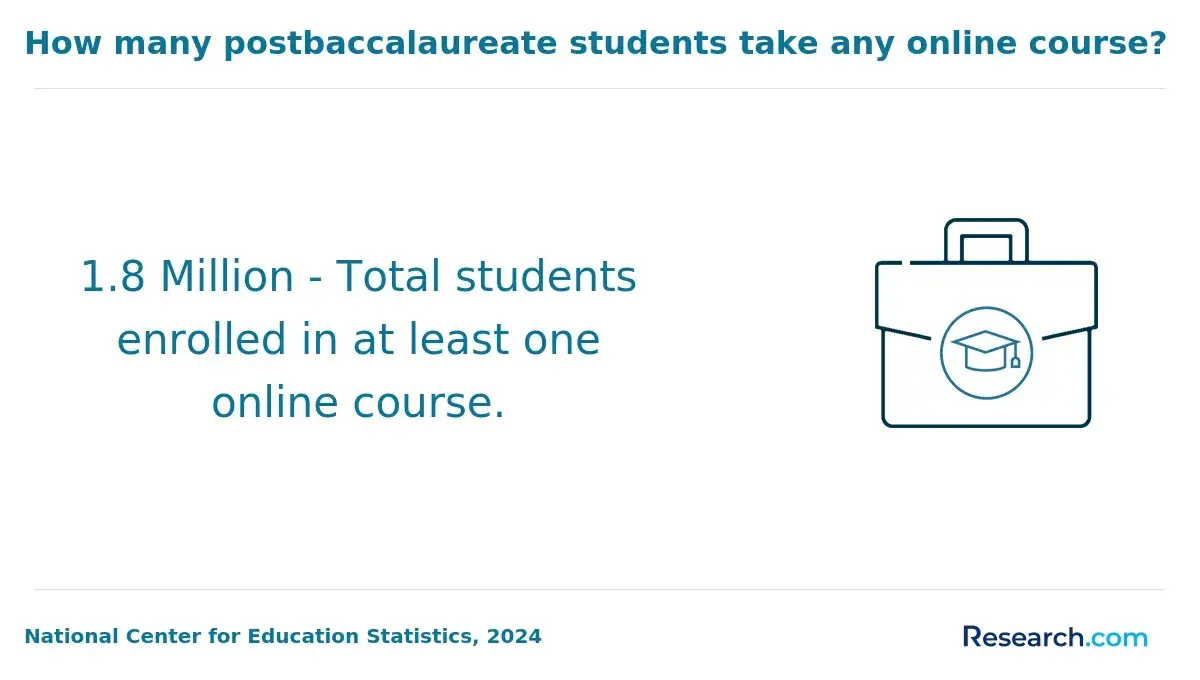
Prospective students seeking GRE waivers for nurse midwifery master's programs benefit from understanding program formats and admission trends. Over 40% of online nurse midwifery programs now offer some form of GRE exemption, reflecting broader shifts in admissions. Below are key considerations for navigating these options effectively.
- Program Format Influences Waivers: Professional and online nurse midwifery programs tend to waive GRE requirements more often due to their emphasis on clinical skills and flexible learning, contrasting with thesis-based programs that maintain traditional academic standards.
- Permanently Removed vs. Temporary Waivers: Some programs have eliminated GRE requirements entirely, while others introduced waivers only during the COVID-19 pandemic, reverting to prior policies or applying conditional criteria like GPA or experience afterwards.
- Policy Variability and Verification: GRE waiver rules can differ widely, even within similar program types. Confirming current policies directly with admissions offices or official websites is essential, as schools adjust criteria frequently.
- Admissions Trends Favor Holistic Evaluation: A growing number of programs report higher acceptance rates linked to GRE waivers, emphasizing diverse backgrounds and practical expertise more than standardized test scores.
A graduate of a nurse midwifery master's program shared that securing a GRE waiver significantly reduced application stress and financial burden. They recalled uncertainty when policies shifted mid-application but found that strong clinical references and relevant work experience effectively supported their candidacy. "The waiver allowed me to focus on demonstrating my professional readiness," they reflected, underscoring how programs prioritizing practical skills can open doors beyond traditional testing hurdles.
How Does Professional Work Experience Factor Into Nurse Midwifery GRE Waiver Eligibility?
Prospective nurse midwifery master's candidates should carefully evaluate the importance of professional work experience when seeking GRE waivers, as many programs require substantial documented experience in lieu of standardized test scores. Considering these factors early helps applicants develop a targeted approach to meet eligibility criteria. Below are key considerations for demonstrating relevant experience in nurse midwifery GRE waiver applications:
- Professional Work Experience Requirements for Nurse Midwifery GRE Waivers: Most programs mandate two to five years of full-time, directly related work in nurse midwifery or closely aligned healthcare roles. This experience demonstrates maturity, clinical judgment, and readiness for graduate studies, often substituting for GRE scores.
- Relevant Clinical and Research Roles: Positions such as certified nurse midwife roles, women's health nurse practitioner duties, clinical nursing in obstetrics, and research focused on maternal health qualify as relevant. Internships providing extensive patient care beyond entry-level tasks and leadership responsibilities within health teams further strengthen applications.
- Verification and Documentation: Programs typically require detailed résumés, employer or supervisor letters of recommendation, and professional profiles (such as LinkedIn) that clearly align with midwifery standards. Applications must specify job titles, dates, and descriptions with precise clinical relevance.
- Building a Case for Career Changers or Recent Graduates: Applicants with limited direct experience should emphasize related healthcare roles, volunteer work, certifications, or research demonstrating relevant competencies. Personal statements articulating motivation, relevant skills, and preparedness also enhance the waiver petition.
Applicants exploring pathways to nurse midwifery graduate programs may also consider alternatives like MSN to DNP programs online which sometimes offer different GRE waiver policies and suit varied professional backgrounds.
What Academic Credentials Beyond GPA Qualify Applicants for Nurse Midwifery GRE Waivers?
Exploring academic qualifications beyond GPA is vital for applicants seeking GRE waivers in nurse midwifery master's programs. Various credentials demonstrate readiness for advanced study, helping candidates bypass standardized testing. This section highlights key academic and professional factors that often fulfill waiver criteria.
- Prior Graduate Degrees: Holding a master's or doctoral degree in nursing, public health, or related health fields signals an ability to succeed in graduate-level coursework, making the GRE unnecessary.
- Academic Honors and Awards: Achievements like summa cum laude honors or departmental recognitions reflect exceptional academic performance that programs trust as an indicator of capability.
- Professional Certifications: Licenses such as registered nurse (RN) or advanced practice registered nurse (APRN) demonstrate clinical expertise and dedication, reinforcing an applicant's competence.
- Published Research: Authorship of articles in peer-reviewed journals shows engagement with scholarly work and original contributions, underscoring academic maturity suited to rigorous study.
- Undergraduate Major Alignment: A bachelor's degree in nurse midwifery or closely related areas like nursing or maternal-child health strengthens waiver eligibility by evidencing familiarity with foundational concepts.
These credentials collectively form a comprehensive profile that many programs rely on instead of GRE scores when assessing readiness for nurse midwifery graduate studies.
A graduate I spoke with shared how her previous public health master's degree eased concerns during her application process. She recalled the relief of not having to prepare for the GRE after demonstrating solid academic and professional experience, which "felt like a vote of confidence in my ability to handle the program's challenges." Having this prior credential, she said, allowed her to focus fully on building clinical skills rather than preparing for standardized exams, making her transition to graduate school smoother and less stressful.
How Do Online Nurse Midwifery Master's Programs Handle GRE Waiver Policies Differently From On-Campus Programs?
Regional and programmatic accreditations, such as those from the Commission on Collegiate Nursing Education (CCNE), set firm standards that shape GRE waiver policies in nurse midwifery master's programs. These requirements ensure that even online programs with flexible testing criteria maintain academic rigor and uphold admissions integrity. A more lenient GRE waiver does not necessarily mean lower quality; applicants should evaluate programs based on faculty expertise, graduation success, certification exam pass rates, and reputation among healthcare employers. Notably, nearly 60% of nurse midwifery master's programs offered GRE waivers as of 2023, reflecting a shift toward accessibility. Consider these factors when comparing such programs:
- Applicant Pool Diversity: Online nurse midwifery programs attract a wider range of candidates, including working professionals, international students, and those balancing personal commitments. This broader demographic often requires more flexible testing policies to accommodate time constraints and resources.
- GRE Waiver Criteria: Many online programs waive the GRE for applicants with solid clinical experience, strong undergraduate GPAs, or advanced relevant coursework. On-campus programs tend to uphold stricter GRE requirements, reflecting traditional admissions frameworks.
- Accreditation Compliance: Both online and on-campus programs must adhere to accreditation standards that forbid overly lenient admissions lacking substantial academic evaluation. This prevents waivers from undermining educational quality and ensures candidates are adequately vetted.
- Quality Indicators Beyond GRE: Prospective students should assess faculty qualifications, program completion rates, and nurse-midwifery certification exam pass percentages, which often exceed 85% in reputable programs. Positive employer feedback also signals a program's clinical and professional value.
- Strategic Application Preparation: Without GRE scores, applicants can strengthen their submissions by highlighting clinical achievements, endorsements, and relevant coursework. Understanding each institution's waiver policies and expectations helps tailor applications for success.
What Does the GRE Waiver Application Process Look Like for Nurse Midwifery Programs?
For candidates pursuing nurse midwifery master's programs, navigating the GRE waiver application requirements is crucial due to the increasing number of programs offering these waivers. In fact, over 40% of accredited nurse midwifery programs grant GRE waivers, signaling a strong move toward holistic admissions. Below is an outline of the three primary waiver models applicants may encounter.
- Automatic Waivers: Some nurse midwifery programs provide a blanket GRE waiver to all applicants, eliminating the need to submit additional requests or documentation. This approach simplifies the application and allows candidates to focus on other admissions components.
- Criteria-Based Waivers: Many schools grant waivers when applicants meet specific prerequisites such as holding prior graduate degrees, having substantial healthcare experience, or maintaining high undergraduate GPAs. If criteria are met, no separate petition is required for the GRE waiver.
- Formal Petition Waivers: Certain institutions mandate a formal written waiver request submitted alongside or ahead of the main application. This petition typically includes a statement of purpose addendum explaining the rationale for the waiver, a résumé showcasing clinical and academic achievements, letters of support from employers or faculty, and proof of qualifying credentials in nursing or healthcare.
Applicants should initiate the waiver inquiry process at least six to eight weeks prior to the application deadline to allow sufficient time for review and any additional requests from admissions offices. Proactive communication helps clarify specific institutional requirements, ensuring all supporting materials align with expectations and arrive in a timely manner.
Strategically building a competitive application package despite the absence of GRE scores involves understanding these waiver mechanisms in depth. For international applicants, recent graduates, and career changers especially, this insight into the step-by-step GRE waiver process for nurse midwifery applicants is invaluable and helps mitigate unnecessary delays.
Prospective students who are also interested in exploring options at nursing colleges that don t require SAT can refer to additional resources here: nursing colleges that don t require SAT.
How Should Applicants Write a GRE Waiver Request Letter for Nurse Midwifery Master's Programs?
Writing a well-crafted GRE waiver request letter is essential for applicants aiming to qualify for nurse midwifery master's programs that offer GRE exemptions. Since about 40% of these programs now provide GRE waivers to eligible candidates (American Association of Colleges of Nursing, 2023), knowing how to compose a focused, evidence-based waiver appeal can make a significant difference. Below are key points to consider when crafting an effective GRE waiver appeal in nurse midwifery graduate applications.
- Clear and Specific Opening: Start by explicitly naming the nurse midwifery program and stating your request for a GRE waiver. This direct approach demonstrates your understanding of the program's policies and sets a professional tone right away.
- Systematic Connection to Waiver Criteria: In the middle section, align your academic achievements, such as your GPA, prior graduate coursework, clinical hours, or certifications, precisely with the published waiver requirements. Use concrete evidence instead of broad claims, such as mentioning a cumulative GPA above the program threshold or relevant professional experience, to show you meet the criteria.
- Confident and Concise Closing: End by affirming your readiness for graduate-level study in nurse midwifery. Reference specific skills or competencies that support your preparedness without over-relying on standardized tests, and keep the letter brief-ideally one page or less.
- Maintain a Professional and Respectful Tone: Throughout the letter, keep language formal but approachable. Avoid emotional appeals or vague expressions of passion without backing them up with facts and accomplishments.
Common mistakes to avoid include:
- Submitting a letter that resembles a general personal statement instead of a focused waiver request tailored to program criteria.
- Failing to specifically address the waiver qualifications published by the nurse midwifery program, which weakens your argument.
- Making unsupported claims about your potential or desire to succeed without evidencing relevant credentials or experience.
Applicants pursuing accelerated pathways or exploring how quickly they can complete an online nurse midwifery master's degree should consider that well-prepared GRE waiver requests enhance admission success rates. For those interested in broader educational acceleration strategies, including credit transfer and competency-based formats, resources like the fast track college degree guide offer valuable insights into reducing time to graduation while maintaining academic rigor.
Which Specific Nurse Midwifery Master's Programs Are Known for GRE-Optional or GRE-Free Policies?
Prospective students often seek graduate nurse midwifery programs that waive GRE requirements to ease application hurdles. Identifying which institutions grant these waivers helps applicants focus their efforts and apply more strategically. Below is a categorized overview of common types of nurse midwifery programs and schools adopting GRE-optional or GRE-free admissions policies.
- Public Research Universities with Equity-Driven Policies: Numerous state-funded universities have eliminated mandatory GRE scores to improve access for diverse applicants. These institutions usually evaluate candidates holistically, weighing professional experience and undergraduate performance alongside other academic indicators.
- HBCUs Offering Nurse Midwifery Graduate Programs: Some Historically Black Colleges and Universities waive GRE requirements to foster inclusiveness and reduce barriers for underrepresented students. Their admissions focus often includes community involvement and leadership skills as vital criteria.
- Specialized Nurse Midwifery Tracks within Nursing Schools: Certain nurse midwifery programs embedded in broader nursing education pathways may forgo GRE scores for applicants with relevant clinical experience or previous advanced degrees. These programs emphasize practical healthcare knowledge and proven competencies.
- Institutions with Graduate School-Wide Test-Optional Policies: Some universities have adopted GRE-optional or GRE-free policies across all graduate programs, including nurse midwifery. These comprehensive reforms are often inspired by research advocating for more equitable graduate admissions processes.
- Tools and Strategies to Confirm GRE Waivers: Applicants should always verify current GRE requirements directly via program websites or admissions offices. Resources like the Council of Graduate Schools' GRE policy database and specialized graduate program directories allow filtering by GRE waiver status within nurse midwifery disciplines.
How Do Letters of Recommendation Compensate for the Absence of GRE Scores in Nurse Midwifery Applications?
For applicants seeking admission to nurse midwifery master's programs that waive the GRE, strong letters of recommendation become a vital element to validate academic and professional readiness. These letters provide critical third-party insight into an applicant's qualifications, helping compensate for the lack of standardized test scores.
- Recommender's Expertise: Effective letters come from individuals familiar with nurse midwifery's specific demands, such as faculty or clinical supervisors aware of the applicant's relevant experience and competencies.
- Academic and Professional Balance: Typically, two to three letters are required. Recent graduates should include at least one academic reference highlighting intellectual rigor, while mid-career applicants benefit from professional endorsements emphasizing clinical skills and leadership.
- Context for Recommenders: Applicants must clearly communicate the GRE waiver situation so recommenders understand the importance of emphasizing critical thinking, practical skills, and dedication to midwifery practice.
- Strategic Selection: Choosing recommenders holding respected roles in or connected to nurse midwifery ensures credible validation. Providing them with detailed program and personal goal information helps tailor strong, relevant letters.
What Is the Step-by-Step Application Checklist for Nurse Midwifery Master's Programs with GRE Waivers?
Begin by investigating nurse midwifery master's programs that explicitly offer GRE waivers, paying close attention to their individual eligibility requirements. These often hinge on factors like previous graduate education, relevant clinical experience, or cumulative academic performance, which can help you avoid unnecessary applications.
Collect all essential academic transcripts, as these will carry greater weight in the absence of GRE scores. Admissions committees rely heavily on your academic record to gauge readiness.
Secure recommendation letters from individuals acquainted with your clinical abilities or scholastic achievements. Strong endorsements can effectively support your application despite the lack of a standardized test score.
Craft a persuasive statement of purpose that illustrates your motivation for pursuing the program and explains how the waiver fits your background, demonstrating a clear understanding of the program's expectations.
If required, submit a formal request or petition for the GRE waiver accompanied by any supporting documents that validate your eligibility.
Complete and submit your application well ahead of deadlines, ensuring all waiver conditions are clearly addressed and met.
Maintain ongoing, documented communication with admissions offices after submission to confirm receipt and promptly resolve any questions. Because waiver policies may change, this proactive engagement helps keep your application on track.
Clarity on these steps is essential for a successful application to nurse midwifery programs with GRE waivers. Understanding each phase ensures you meet all specific requirements while strategically positioning your candidacy.
- Program Research and Waiver Eligibility: Identify programs offering GRE waivers, examining criteria such as prior degrees or clinical experience to confirm your eligibility and avoid unnecessary applications.
- Collect Academic Transcripts: Since GRE scores are waived, transcripts become a critical factor for admissions committees; gather them early to ensure readiness.
- Obtain Strong Recommendations: Choose referees familiar with your clinical or academic skills, as compelling endorsements can offset the absence of test scores.
- Prepare a Focused Statement of Purpose: Demonstrate your motivation and alignment with the waiver policy, showing awareness of program expectations and your suitability.
- Submit a Formal Waiver Request if Required: Provide any necessary documentation to substantiate your eligibility, adhering closely to each program's protocol.
- Timely Application Submission: Apply before deadlines with all materials complete and waiver requests clearly indicated to avoid delays or disqualification.
- Maintain Documented Communication: Confirm receipt and address issues quickly through direct, recorded contact with admissions offices, as policies may evolve during your application process.
What Graduates Say About Getting Accepted in Nurse Midwifery Degree Master's Programs with GRE Waivers
- Kayden: "Writing the GRE waiver letter was initially intimidating, but it became an empowering process where I got to express my unique qualifications for the nurse midwifery program. Navigating the application steps with the waiver in hand felt like clearing a major hurdle, opening doors I thought were closed to me. Making sure to reference official academic catalogs and federal education resources really helped me understand the program's true requirements and prepared me thoroughly for what was ahead."
- Cannon: "Reflecting on my journey through the nurse midwifery master's program application, I appreciate how taking the initiative to request a GRE waiver streamlined my path and lessened my stress. I carefully followed the protocol for qualifying with a waiver, ensuring every document was in line with program standards. Relying on accrediting agencies and detailed program catalogs was key for me to handle the degree's expectations responsibly and confidently."
- Nolan: "The process of seeking a GRE waiver for nurse midwifery graduate studies taught me a lot about advocating for myself and understanding academic policies. I methodically approached the qualification steps, from gathering recommendations to reviewing eligibility criteria, which made the application process smoother. Consulting federal education resources alongside accrediting bodies gave me a professional perspective on how to meet and exceed the program's degree requirements."
Other Things You Should Know About Nurse Midwifery Degrees
Many nurse midwifery master's programs with GRE waivers still require students to compete for funding opportunities such as scholarships and assistantships. GRE waiver status typically does not guarantee financial aid; applicants must separately demonstrate academic merit, leadership, or clinical experience relevant to nurse midwifery. Some programs may consider GRE scores during scholarship decisions if submitted, but most focus instead on undergraduate GPA and relevant professional credentials.
The statement of purpose is especially critical in GRE-waived applications for nurse midwifery master's programs. Without GRE scores, admissions committees rely more on this document to assess applicants' motivations, clinical experience, and commitment to midwifery care. A well-crafted statement that clearly connects prior nursing experience to future goals in midwifery can compensate for the absence of standardized test results and strengthen the overall application package.
References
- Post-Master’s NP Certificate Programs https://www.nursingcolleges.com/programs/graduate-certificate
- Direct-Entry Master’s in Nursing (MSN) Programs https://nursinglicensemap.com/nursing-degrees/masters-in-nursing/direct-entry-programs/
- Nurse Midwifery Admission Process https://nursing.ecu.edu/msn/midwifery/nurse-midwifery-admission-process/
- Admissions Requirements https://www.downstate.edu/education-training/school-of-health-professions/admissions/midwifery/requirements.html
- Application Process, Criteria, and Aid for the Nurse-Midwifery Education Program https://uihc.org/application-process-criteria-and-aid-nurse-midwifery-education-program
- Best Nurse Midwifery Schools https://nurse.org/education/best-midwifery-schools/
- CNM Prerequisites: Complete Checklist & Timeline (2026) https://www.midwifeschooling.com/blog/cnm-program-prerequisites-complete-checklist/
- Masters in Nursing in USA: Top Universities, Eligibility, Fees & More https://www.successcribe.com/masters-in-nursing-in-usa-top-universities-eligibility-fees/
- Master of Science, Nurse-Midwifery - Connell School of Nursing - Boston College https://www.bc.edu/bc-web/schools/cson/academics/master-of-science-nurse-midwifery.html
- Education You Need to Become a Nurse Midwife https://www.allnursingschools.com/nurse-midwife/degrees/