2027 Social Work Careers in Housing and Homelessness Services

Co-Founder and Chief Data Scientist
Choosing social work for housing and homelessness services means preparing for work at the point where poverty, trauma, health care, public benefits, housing policy, and crisis response overlap. A veteran leaving service without stable housing, a family facing eviction, or a young adult aging out of care may need more than a referral. They may need coordinated case management, emergency shelter access, behavioral health support, legal advocacy, and help navigating agencies that rarely operate as one system.
This guide explains how social workers enter housing and homelessness careers, what credentials employers commonly expect, which degree pathways fit different goals, and what students should check before enrolling. It is designed for prospective BSW, MSW, and doctoral students, as well as career changers who want practical insight into education, licensure, salary expectations, online options, accreditation, and job demand in this specialized area of social work.
Key Things You Should Know
- Employment in social work careers within housing and homelessness services is forecasted to grow 12% from 2024 to 2034, reflecting heightened demand for support amid ongoing affordable housing shortages.
- Social workers in this sector primarily assist vulnerable populations, including over 580,000 homeless individuals in the U.S., offering case management, housing placement, and resource coordination.
- Master's degrees in social work paired with field experience are increasingly required for effective advocacy and intervention roles, emphasizing trauma-informed care and culturally competent practices.
What careers are available for social work graduates specializing in housing and homelessness services?
Social work graduates who focus on housing and homelessness services can work in direct practice, outreach, program coordination, clinical care, policy, and administration. The specialty is important but relatively small: according to the Agents of Change 2026 State of Social Work Report, only 1% of social workers were involved in homelessness services in 2026, down from 2% in 2023. That means candidates with relevant field placements, housing knowledge, and crisis-response skills can stand out.
Common roles include case managers, housing specialists, outreach workers, clinical social workers, and program administrators. These positions differ in how much direct client contact, clinical responsibility, and systems-level work they require.
- Case manager: Coordinates service plans, helps clients apply for benefits, connects households to shelters or permanent housing options, and follows up on employment, health care, and documentation needs.
- Housing specialist: Works with public housing authorities, landlords, nonprofit housing providers, and rental assistance programs to help clients obtain and maintain housing.
- Community outreach worker: Engages people living outdoors, in shelters, or in unstable housing; conducts needs assessments; and connects clients to health care, legal aid, food assistance, and safety planning.
- Clinical social worker: Provides assessments, counseling, crisis intervention, and trauma-informed care for clients experiencing mental health concerns, substance use, domestic violence, or chronic instability.
- Policy or advocacy professional: Works on affordable housing policy, funding priorities, eviction prevention, tenant protections, and service-system reform.
- Program administrator: Manages staff, grants, budgets, reporting requirements, partnerships, and program quality for shelters, housing programs, or outreach teams.
- Research and evaluation specialist: Measures outcomes, tracks service utilization, analyzes program effectiveness, and helps agencies improve housing stability results.
The best fit depends on the type of work you want to do. Direct-service roles suit people who can manage urgent needs, complex paperwork, and emotional intensity. Clinical roles require stronger assessment and counseling preparation. Policy and administration roles are better for professionals who want to improve systems, funding, and service design rather than carry a traditional caseload.
Across roles, employers value crisis intervention, trauma-informed care, de-escalation, documentation, ethical judgment, and the ability to collaborate with shelters, hospitals, courts, schools, veterans’ programs, and housing agencies. Professionals who want senior leadership, teaching, research, or advanced practice preparation may compare accredited social work doctorate programs online as part of a long-term career plan.
What education and licensing requirements are needed to work in housing and homelessness services?
Education and licensing requirements depend on the role. Entry-level housing and homelessness positions may accept a Bachelor of Social Work (BSW) or a related human services degree. Advanced case management, supervisory, and clinical positions usually require a Master of Social Work (MSW), especially when the role includes assessments, counseling, diagnosis-related responsibilities, or independent clinical practice.
For licensure purposes, students should prioritize social work programs accredited by the Council on Social Work Education (CSWE). A CSWE-accredited MSW is a common requirement for advanced licensure and prepares students through coursework and supervised field education in real service settings.
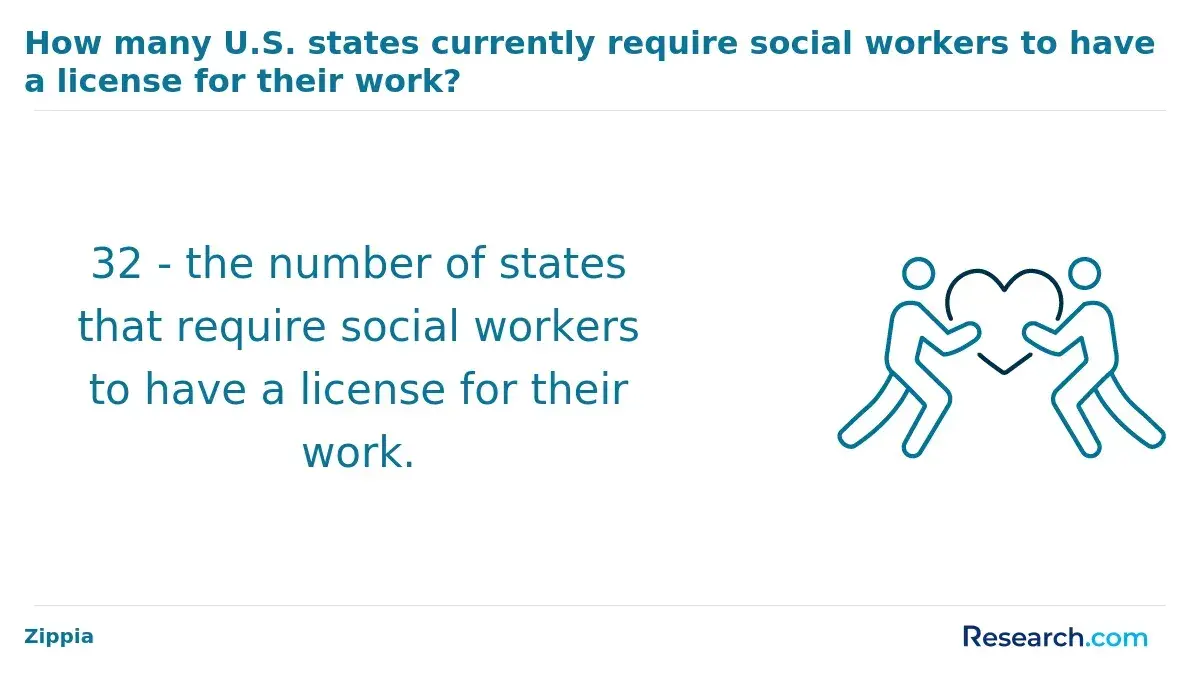
Licensing is state-regulated, so requirements vary. Most states require graduates to pass an Association of Social Work Boards (ASWB) exam. Common licenses include Licensed Bachelor Social Worker (LBSW), Licensed Master Social Worker (LMSW), and Licensed Clinical Social Worker (LCSW). In housing and homelessness services, the LMSW or LCSW is often preferred for roles involving clinical assessment, counseling, crisis intervention, behavioral health coordination, or supervision.
- BSW-level preparation: Suitable for entry-level casework, intake, resource navigation, outreach support, and some shelter-based roles.
- MSW-level preparation: Often expected for advanced case management, program leadership, policy work, and roles requiring deeper assessment skills.
- Clinical licensure: Typically needed for independent therapy, diagnosis-related work, and many behavioral health roles serving people experiencing homelessness.
Field experience is not optional in this specialty. Students should look for internships with shelters, rapid rehousing programs, eviction prevention teams, behavioral health clinics, veterans’ programs, public housing authorities, or nonprofit housing providers. Supervised clinical hours after graduation may also be required for clinical licensure.
Specialized training in trauma-informed care, mental health, substance use, motivational interviewing, harm reduction, benefits systems, and landlord-tenant issues can improve readiness. The Bureau of Labor Statistics (BLS) projects 74,000 annual social worker job openings through 2034, but candidates should still verify local hiring patterns and state licensure rules before choosing a program. Students comparing cost and flexibility may review the cheapest MSW programs online while confirming accreditation and field placement support.
What degree programs prepare students for housing and homelessness social work careers?
The main degree pathways for housing and homelessness social work careers are the Bachelor of Social Work (BSW), Master of Social Work (MSW), and graduate certificates or continuing education in housing, community practice, trauma, behavioral health, or public policy. The right option depends on whether you want entry-level service work, advanced practice, clinical licensure, leadership, or policy roles.
- BSW: Builds a foundation in social welfare policy, human behavior, ethics, advocacy, research basics, and generalist practice. It can lead to entry-level roles in outreach, intake, shelter support, and case management assistance.
- MSW: Provides advanced training in clinical practice, community practice, administration, program development, and policy implementation. It is the typical route for advanced case management, clinical work, supervisory roles, and licensure-focused practice.
- Graduate certificates: Help students or working professionals add focused expertise in areas such as trauma-informed care, housing advocacy, substance use, public policy, or nonprofit leadership.
- Doctoral study: Best suited for those pursuing research, higher education, senior leadership, advanced policy work, or specialized program evaluation.
The growth of community-based social work roles—from 3% in 2024 to 15% of the workforce in 2026—has increased interest in programs that teach housing insecurity, poverty, community organizing, and resource coordination. Students should not rely on the program title alone. Review the curriculum, electives, field placement options, faculty expertise, and partnerships with local agencies.
Strong programs for this specialty typically include coursework or applied learning in homelessness policy, affordable housing systems, crisis intervention, behavioral health, poverty, case management, human rights, and program evaluation. Field education is especially important because housing work requires familiarity with eligibility rules, documentation standards, referral networks, and the realities of local housing markets.
Students who already hold a BSW may qualify for advanced standing MSW options. Those with degrees in related areas such as psychology or sociology may enter traditional MSW pathways, although they should confirm prerequisites and field education requirements. Community colleges and universities may also partner with shelters, affordable housing organizations, legal aid groups, and outreach teams to provide practical experience.
Anyone considering social work degree programs for housing services should confirm CSWE accreditation, licensure alignment, and field placement quality before enrolling. Students seeking a faster route may compare accelerated MSW online programs, but speed should not outweigh accreditation, practicum support, and fit with career goals.
What is the job outlook and employment demand for housing and homelessness social workers?
The job outlook for housing and homelessness social workers is supported by continuing need for crisis response, eviction prevention, behavioral health coordination, veterans’ services, affordable housing navigation, and community-based care. Demand exists in urban, suburban, and rural communities, although job titles, funding sources, and service models vary widely by region.
Graduate education is especially important for advancement. Over 93% of the 463,000+ licensed social workers in 2024 held master's degrees, showing how strongly the profession relies on MSW-level preparation for licensed, clinical, supervisory, and specialized roles. A BSW can open the door to entry-level work, but an MSW often improves access to higher-responsibility positions.
Roles with continuing demand include:
- Homelessness outreach coordinators who connect clients with emergency shelters, benefits, health services, and long-term housing options
- Case managers who build service plans addressing substance abuse, employment barriers, family safety, documentation, and mental health needs
- Housing navigators who work with landlords, rental assistance programs, public housing authorities, and supportive housing providers
- Clinical social workers who provide assessments, counseling, crisis intervention, and care coordination
- Policy advocates who influence affordable housing legislation, public funding, prevention programs, and resource distribution
Employment demand is tied to public funding, nonprofit grants, health system partnerships, local housing costs, and policy priorities. That means job availability can be strong in one region and more limited in another. Before choosing a program or relocation plan, students should review local job postings, agency networks, licensure rules, and whether employers prefer bilingual skills, clinical licensure, veterans’ services experience, or substance use training.
Licensure requirements vary by state and may include an MSW, supervised experience, and a licensing exam. Clinical licensure can expand access to behavioral health roles, integrated care teams, and specialized positions that may offer stronger compensation than general shelter or outreach work.
Students comparing long-term value should consider whether is social work a good degree for their goals, especially if they want to serve vulnerable populations while balancing salary, emotional workload, licensure requirements, and career mobility.
How much do social workers in housing and homelessness services typically earn?
Social workers in housing and homelessness services earn a mean annual wage of about $44,670, based on Bureau of Labor Statistics Occupational Employment and Wage Statistics (BLS OEWS) 2022 data. This figure reflects work in community food, housing, and emergency relief services and is the lowest average salary among major social work sectors.
Salary should be evaluated carefully because this specialty is often mission-driven but not always high-paying. Pay varies by employer, region, funding source, licensure level, union status, and job responsibilities. A shelter-based case management role in a small program may pay less than a clinically licensed position in an integrated health or supportive housing setting.
- Entry-level roles: Often include outreach support, intake, shelter coordination, and basic case management. These positions may have lower pay but can provide valuable field experience.
- Advanced case management and coordination roles: May pay more when they involve complex caseloads, grant reporting, housing navigation, or interagency coordination.
- Clinical roles: Can offer stronger earning potential when they require an MSW, licensure, behavioral health expertise, and crisis intervention responsibilities.
- Program management roles: May earn above $50,000 because of expanded responsibilities such as staff supervision, budgets, compliance, and partnerships.
Benefits can matter as much as salary. Some positions offer health insurance, retirement plans, paid supervision, professional development, flexible scheduling, and eligibility for student loan forgiveness programs. Public agencies, health systems, and larger nonprofits may provide more stable benefit packages than small grant-funded organizations, though this varies by employer.
Prospective students should compare expected debt with likely wages before enrolling. If salary is a major concern, consider combining housing expertise with clinical licensure, healthcare social work, substance use treatment, veterans’ services, program evaluation, or policy work. These paths can preserve a focus on homelessness while improving career flexibility.
What coursework and skills are taught in housing and homelessness social work programs?
Housing and homelessness social work programs teach students to assess housing instability, respond to crisis, coordinate services, advocate within public systems, and understand the policies that shape homelessness. The strongest programs combine classroom learning with field placements where students practice documentation, engagement, safety planning, and resource navigation.
Core coursework often includes social welfare policy, human behavior, practice methods, ethics, research, diversity and oppression, community practice, and case management. Housing-focused programs or electives may add homelessness policy, poverty, affordable housing systems, tenant rights, benefits access, nonprofit administration, and program evaluation.
Students also build practical skills that are difficult to learn from textbooks alone:
- Assessment: Identifying immediate safety needs, housing barriers, income gaps, documentation problems, mental health concerns, substance use risks, and family or community supports.
- Trauma-informed care: Working with clients without blaming, shaming, or retraumatizing them, especially when housing loss is tied to violence, poverty, discrimination, illness, or institutional involvement.
- Crisis intervention: Responding to urgent shelter needs, eviction risk, suicidal ideation, domestic violence, medical concerns, or unsafe living conditions.
- Resource coordination: Connecting clients to health care, public benefits, legal aid, employment support, transportation, childcare, and permanent housing options.
- Advocacy: Communicating with landlords, housing authorities, courts, schools, hospitals, and agencies to reduce barriers and protect client rights.
- Cultural competence: Serving veterans, youth, families, older adults, people with disabilities, immigrants, LGBTQ+ clients, and other groups affected by housing instability.
Field education is a central part of preparation. Internships in shelters, housing nonprofits, outreach teams, public agencies, behavioral health clinics, and legal-service partnerships help students learn how systems actually function. This is where students practice ethical decision-making, documentation, interdisciplinary teamwork, and boundary-setting in high-pressure environments.
Advanced programs may include more mental health training because many housing-focused roles involve trauma, depression, anxiety, psychosis, substance use, and chronic stress. Clinical social workers, representing 59% of the licensed workforce, report a median full-time salary of $95,790, highlighting the value of advanced clinical skills in housing-focused mental health roles. Students interested in this path should verify that their program supports licensure preparation and supervised clinical practice requirements.
Are online social work degree programs available for housing and homelessness specializations?
Yes. Online social work degree programs are available for students pursuing BSW and MSW pathways, and some programs include electives, field placements, certificates, or concentration options relevant to housing instability and homelessness prevention. However, students should understand that “online” usually applies to coursework, not the entire professional preparation process. Field education must still be completed in approved practice settings.
Common formats include:
- Fully online MSW coursework with local field placements at housing agencies, shelters, outreach programs, or related service organizations
- Hybrid programs that combine online classes with campus visits, in-person skills labs, or local internships
- Part-time online options designed for working adults who need a slower pace
- Post-graduate certificates for licensed social workers seeking additional expertise in housing-related challenges
Online programs can be a good fit for working professionals, caregivers, rural students, and career changers who cannot relocate. They require strong time management, comfort with remote learning, and the ability to arrange or complete field hours on a fixed schedule. Students should ask how the school secures field placements, what happens if a local placement falls through, and whether the program has partnerships with homelessness service providers.
Coursework may cover case management, policy analysis, advocacy, trauma-informed care, cultural competence, affordable housing strategies, and interagency collaboration. The ASWB 2024 Social Work Workforce Study reports that 38-45% of licensed social workers supported clients with limited incomes, making poverty-informed practice especially relevant for online and campus-based students alike.
Before enrolling, confirm that the program is accredited by the Council on Social Work Education (CSWE), aligns with your state’s licensure requirements, and offers field placement support in settings connected to housing, homelessness, behavioral health, or community services. Flexibility is useful, but accreditation and supervised practice quality are what make the degree professionally usable.
What accreditation standards should prospective students verify when choosing a social work program?
Prospective students should first verify that the social work program is accredited by the Council on Social Work Education (CSWE). CSWE accreditation is the national standard for social work education and is required for licensure eligibility in most U.S. states. Without it, graduates may face serious barriers when applying for licenses, advanced standing, clinical supervision, or social work jobs that require an accredited degree.
Accreditation is especially important for students planning to work in housing and homelessness services because the field often involves high-risk decisions, vulnerable clients, mandated reporting, confidentiality, crisis intervention, and coordination with public systems. A CSWE-accredited program should provide training in ethics, human behavior, policy, diversity, research, practice methods, and supervised field education.
Students should also evaluate whether the program prepares them for the specific type of housing work they want to do. Look for coursework or field placements related to mental health, substance use, trauma, poverty, community practice, housing instability, eviction prevention, and public benefits. According to the ASWB 2024 Social Work Workforce Study, over 74% of clinical social workers provide mental and behavioral health services, which is highly relevant for stabilizing housing among clients with complex needs.
- Confirm CSWE accreditation: Check the accreditor directly rather than relying only on marketing language.
- Review state licensure rules: Requirements can vary by state and may include specific coursework, field hours, exams, or supervised experience.
- Ask about field placements: A program is stronger for this specialty if it can place students in shelters, housing nonprofits, outreach teams, health systems, or public agencies.
- Evaluate clinical preparation: Students aiming for LCSW-level work need coursework and supervision pathways that support clinical licensure.
- Check online program authorization: Online students should confirm that the program is approved to enroll students from their state and supports licensure where they plan to practice.
The safest approach is to verify CSWE accreditation, compare the curriculum against your state’s licensing requirements, and ask specific questions about housing-related field education. This prevents costly surprises after graduation and improves readiness for work with individuals and families facing housing instability.
What are the admission requirements for accredited social work degree programs?
Admission requirements vary by degree level, but most accredited social work programs evaluate academic readiness, communication skills, ethical maturity, and evidence of commitment to human services. Applicants interested in housing and homelessness work should use their application materials to show that they understand the complexity of poverty, housing instability, trauma, and community-based support.
For a Bachelor of Social Work (BSW), applicants usually need a high school diploma or equivalent and may be expected to meet a minimum GPA around 2.5 on a 4.0 scale. Programs may require prerequisite courses in psychology, sociology, human development, statistics, or writing. Many also request letters of recommendation, a personal statement, and documentation of volunteer or service experience.
Master of Social Work (MSW) programs generally require a completed bachelor's degree and a GPA between 2.75 and 3.0. Applicants may need transcripts, a resume, personal statement, letters of recommendation, and evidence of volunteer, employment, internship, or community service experience. Some programs request GRE scores, though some schools have waived this requirement.
Students applying to MSW programs with a BSW from a CSWE-accredited program may qualify for advanced standing, which can shorten the path to the degree. Applicants without a BSW can still apply to traditional MSW programs, but they should expect more foundational coursework and field education.
Doctoral social work programs often seek candidates with an MSW, strong academic records, research experience, writing samples, and a clear scholarly or leadership agenda. GRE scores may be requested. For applicants focused on homelessness intervention, prior work in social services, housing programs, community organizations, behavioral health, or policy can strengthen the application.
Strong applications connect personal motivation with realistic professional goals. Instead of writing only about wanting to help, applicants should explain what populations they want to serve, what systems they hope to improve, and how the program’s field placements or curriculum support those goals. This is especially useful in a field affected by healthcare needs, aging populations, and homelessness challenges, including the projected 10% employment growth in healthcare social work by 2030.
How long does it take to complete a social work degree and enter the field?
Completing a social work degree and entering housing and homelessness services generally takes between two and six years, depending on the credential, enrollment pace, transfer credits, field placement schedule, and licensure goal. Entry-level support roles may be available sooner, while clinical practice takes longer because it requires graduate education and supervised post-degree experience.
An associate degree in social work (ASW) takes about two years and may support entry-level human services roles, case management assistance, or transfer into a bachelor’s program. A Bachelor of Social Work (BSW) is typically a four-year degree and is the more common undergraduate route for students who want direct practice preparation, field education, and eligibility for some entry-level social work roles.
A Master of Social Work (MSW) is required for clinical licensure and advanced practice. Full-time MSW programs usually require two years after a bachelor’s degree. Students who already hold a BSW may qualify for accelerated or advanced standing tracks that can shorten this to one year. Part-time or online MSW programs may take three or more years, which can be more manageable for students working in human services while completing the degree.
Clinical social workers in housing and homelessness settings typically need an MSW plus 2-3 years of supervised post-degree experience before licensure. This supervised period is important for developing clinical judgment, documentation skills, risk assessment, and competence with clients facing trauma, mental health needs, substance use, and chronic housing instability.
Field internships are built into most social work programs and often require hundreds of hours. These placements can affect completion timelines, especially for students balancing employment, caregiving, transportation, or limited local placement options. Before enrolling, ask how field schedules work, whether evening or weekend placements are available, and whether the school has relationships with shelters, housing agencies, health systems, or outreach programs.
Advanced education can shape both job options and earning potential. According to Pacific University social work trends, mental health and substance use social workers earned a mean salary of $85,369 in 2026, with the top 10% earning up to $140,026, especially in telehealth-enabled private practices. For students focused on homelessness services, this underscores the value of strong clinical training, licensure planning, and careful selection of field experiences.
Other Things You Should Know About Social Work
Social workers focus on building long-term stability for clients by connecting them to ongoing support networks, including counseling, job training, and financial planning services. They often work collaboratively with community organizations to ensure clients have access to affordable housing and necessary resources to maintain tenancy and improve self-sufficiency.
Respecting client dignity, confidentiality, and autonomy are essential ethical principles when working with homeless populations. Social workers must balance advocacy with nonjudgmental support while ensuring that clients' rights are protected in service delivery and housing placements.
To become a social worker in housing and homelessness services in 2027, a bachelor's degree in social work (BSW) is required. Some positions may require a master's degree (MSW) and state licensure, which often involves passing an exam and completing supervised experience.
References
- Social Worker for Homeless in California https://www.californiasocialworkedu.org/california-master-of-social-work-degree-specializations/homelessness/
- Types of Social Workers: Exploring the Many Fields in Which They Serve https://www.umassglobal.edu/blog-news/types-of-social-workers
- Social Work Masters Prerequisites: Discover 7 Critical Pieces - Prereqcourses https://www.prereqcourses.com/social-work-masters-prerequisites/
- CIH launches new Level 3 and Level 4 qualifications for the homeless sector | Chartered Institute of Housing (CIH) https://www.cih.org/news/cih-launches-new-level-3-and-level-4-qualifications-for-the-homeless-sector/
- How to Become a Housing and Homelessness Specialist in IL: Essential Steps for 2026 - Illinois Social Work https://illinoissocialwork.org/careers/housing-and-homelessness/
- CIH Level 3 Certificate in Providing Homelessness Services https://homeless.org.uk/what-we-do/developing-the-workforce/qualifications/cih-level-3-certificate-in-providing-homelessness-services/
- Accreditation | CASWE-ACFTS https://caswe-acfts.ca/our-activities/accreditation/