2027 MSW Degree vs MEd: Which Degree Makes More Sense for Helping Professions?

Co-Founder and Chief Data Scientist
Choosing between a Master of Social Work and a Master of Education is not just a question of which graduate degree sounds more aligned with “helping people.” It is a career-path decision. An MSW is usually the stronger fit for people who want to work in social services, mental health, healthcare, child welfare, community advocacy, or clinical practice. An MEd is usually better for people whose goals are centered on schools, instructional leadership, student support, curriculum, or education administration.
The right choice depends on the work you want to be legally qualified to do. Licensure rules, field placement requirements, state certification standards, and employer expectations can make one degree clearly more practical than the other. This guide compares MSW and MEd programs by career outcomes, admissions, cost, completion time, salary expectations, job outlook, licensing, and online versus campus study so you can choose a degree that supports your long-term goals rather than adding unnecessary coursework or delaying your entry into the field.
Key Things You Should Know
- MSW degrees typically prepare graduates for clinical roles with licensure options, whereas MEd degrees focus on educational settings and counseling without clinical licensure eligibility.
- In 2025, the median annual salary for MSW holders was about $58,000, compared to $52,000 for MEd graduates working in counseling and educational roles.
- MSW programs emphasize direct practice skills and mental health interventions, while MEd programs prioritize pedagogy and educational theory for school-based support roles.
What is the difference between an MSW and MEd degree?
The main difference is professional focus. A Master of Social Work prepares students for social work practice, including case management, advocacy, community services, mental health support, healthcare social work, and, with the right licensure, clinical social work. A Master of Education prepares students for education-related roles, such as teaching leadership, school services, curriculum work, educational administration, or student support programs.
An MSW is built around social work values and practice methods. Students learn how to assess client needs, coordinate services, support families and communities, work with vulnerable populations, and understand policy and systems that affect access to care. MSW programs also include supervised fieldwork, which is especially important for students pursuing clinical or direct-practice roles.
An MEd is built around learning systems. Depending on the concentration, students may study pedagogy, school leadership, curriculum design, student development, counseling in educational settings, or program evaluation. MEd graduates can work closely with children, families, and communities, but the degree usually does not provide the same direct pathway to clinical social work licensure.
How the degrees compare
- MSW: Best aligned with social work, behavioral health, healthcare, child welfare, community agencies, advocacy, and clinical practice pathways.
- MEd: Best aligned with school systems, educational leadership, student services, curriculum, and education-based counseling or support roles.
- Licensure impact: Many clinical social work roles require an MSW and post-graduate licensure. Many education roles require state educator, administrator, or school counseling certification instead.
- Work setting: MSW graduates often work in hospitals, clinics, nonprofits, government agencies, and community organizations. MEd graduates often work in schools, colleges, education agencies, or training and development environments.
Financial outcomes also differ by role and credential. According to the National Association of Social Workers (NASW), MSW holders earn a median salary approximately $13,000 higher annually than those with only a Bachelor of Social Work (BSW). That difference reflects the value employers place on graduate-level preparation, especially for specialized and clinical social work roles.
Students who want advanced social work specialization beyond the master’s level may also compare doctoral options, including DSW social work programs.
Which degree is better for helping professions careers?
For most helping professions outside traditional classroom or school leadership roles, the MSW is usually the more direct degree. It is designed for work with individuals, families, groups, organizations, and communities, and it can support pathways into mental health, healthcare, child welfare, substance abuse services, crisis intervention, policy, administration, and clinical social work.
The MEd can also lead to meaningful helping careers, especially in schools and education-focused organizations. It may be appropriate for people who want to support student success, work in school counseling, lead education programs, design curriculum, or move into education administration. However, it is not typically the best substitute for an MSW if the goal is clinical social work, independent therapy, or social service roles that require social work licensure.
Best fit by career goal
- Choose an MSW if you want to: pursue clinical social work licensure, provide therapeutic services where legally permitted, work in mental health or healthcare settings, manage social service cases, advocate for clients, or build a career in community-based support.
- Choose an MEd if you want to: work in schools, support student development, pursue education administration, design learning programs, or focus on educational systems rather than social work practice.
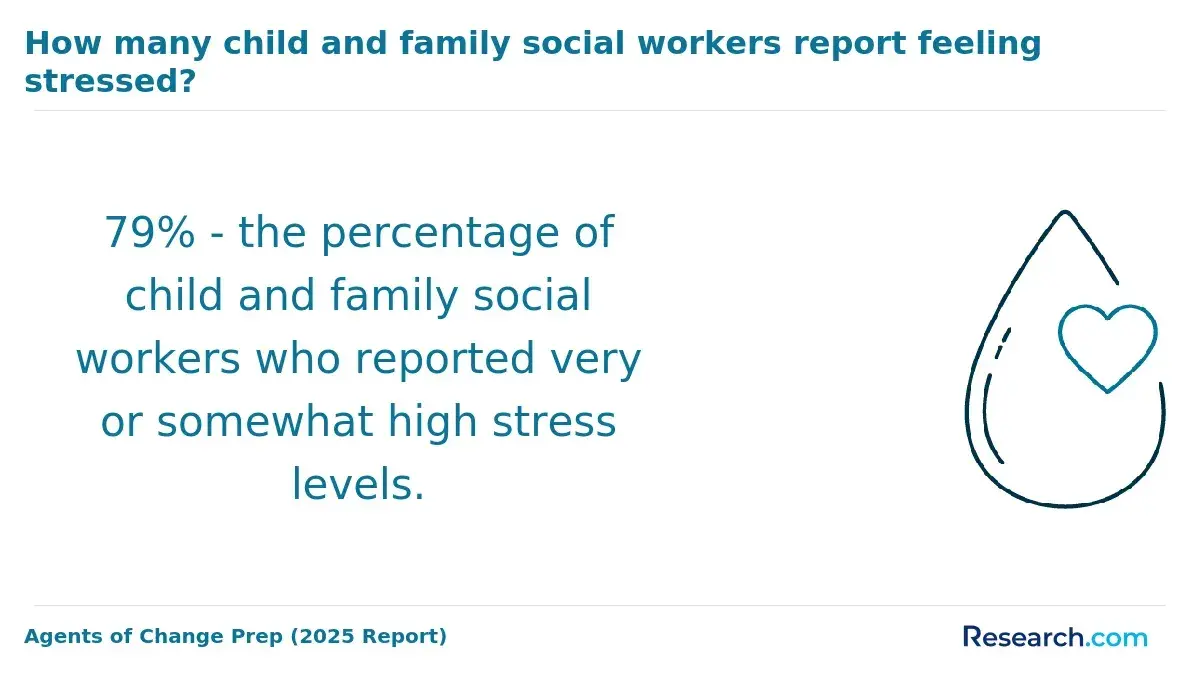
Salary data also points to stronger earnings in some MSW-aligned roles. Healthcare social workers with an MSW earn an average of $97,090 annually, compared with $73,150 earned by child, family, and school social workers (Social Work License Map, 2026). These figures do not mean every MSW graduate will out-earn every MEd graduate, but they show why the MSW can be financially attractive for students targeting healthcare and clinical settings.
Students comparing affordability should look beyond tuition alone. Field placement quality, accreditation, licensure eligibility, and local employer recognition matter. To compare lower-cost options, review affordable online MSW programs.
What careers can you pursue with an MSW versus MEd?
An MSW opens the door to social work and human services roles that involve client assessment, service coordination, advocacy, crisis support, community programming, and, with proper licensure, clinical practice. Common MSW career paths include mental health social worker, substance abuse counselor, healthcare social worker, clinical therapist, case manager, child welfare specialist, policy advocate, program director, and nonprofit administrator.
An MEd generally leads to education-centered roles. Depending on the specialization and state rules, graduates may work as school counselors, instructional coordinators, education administrators, student support specialists, curriculum developers, training managers, or program coordinators. These roles can be highly people-focused, but they are usually organized around educational outcomes rather than social work intervention.
Career outlook comparison
Demand is stronger in several MSW-aligned areas. The U.S. Bureau of Labor Statistics (BLS) projects a 9% job growth for mental health and substance abuse social workers through 2032. That growth reflects continued need for behavioral health, addiction, crisis response, and community-based services.
By contrast, BLS data shows only a 1% job growth for school counselors through 2032. This does not mean school counseling is a poor career choice, but it does suggest a more limited growth outlook compared with some social work and behavioral health fields.
Where graduates commonly work
- MSW work settings: hospitals, outpatient clinics, behavioral health centers, government agencies, child welfare organizations, substance abuse programs, schools, courts, community nonprofits, and private practice settings where licensure allows.
- MEd work settings: K-12 schools, colleges, district offices, education nonprofits, curriculum companies, student services offices, and professional training departments.
If your goal is direct clinical intervention, social service leadership, or broad mobility across healthcare and community agencies, the MSW is usually the more flexible credential. If your goal is to work inside education systems, shape student services, or move into school leadership, the MEd may be the better match.
For state-level compensation context in social work careers, see this social worker salary guide by state.
What are MSW program admission requirements?
MSW programs typically require a bachelor’s degree from an accredited institution. Applicants do not always need an undergraduate degree in social work, but related fields such as psychology, sociology, human services, education, public health, or criminal justice can strengthen an application. Programs usually review academic readiness, professional maturity, writing ability, and commitment to social work values.
Common MSW application materials
- Official transcripts: Many programs expect a minimum GPA around 3.0, though some review applicants with lower GPAs if they show strong experience, relevant coursework, or an upward academic trend.
- Letters of recommendation: These usually come from professors, supervisors, volunteer coordinators, or professionals who can evaluate the applicant’s readiness for graduate social work education.
- Personal statement: Applicants are typically asked to explain their motivation for social work, career goals, relevant experience, and understanding of ethics, diversity, advocacy, and service.
- Résumé or CV: Programs often value volunteer work, internships, employment in social services, community engagement, crisis work, or experience with underserved populations.
- GRE scores: While many graduate prerequisites for MSW degrees still include the Graduate Record Examination (GRE), an increasing number of programs have waived this requirement.
- Interview: Some programs conduct interviews to assess communication skills, self-awareness, professionalism, and fit for field placement.
- English proficiency: TOEFL or IELTS scores could be required for non-native English speakers.
Students applying to clinical MSW tracks should pay close attention to field placement expectations and post-graduate licensure requirements. Admission to an MSW program is not the same as becoming a Licensed Clinical Social Worker (LCSW). Clinical licensure generally requires additional supervised experience and an exam after graduation, depending on state rules.
Advanced standing may shorten the degree path for eligible applicants, most commonly those with qualifying prior social work preparation. Requirements vary by school, so applicants should verify accreditation status, field placement support, and state licensure alignment before enrolling.
Financial outcomes can improve after clinical specialization and licensure. LCSWs in California earn an average annual salary of $85,795, which is $16,840 more than general MSWs at $68,955 (Social Work Degree Center, 2026). Students deciding whether the degree is worth the investment can also review career options with a social work degree.
What are MEd program admission requirements?
MEd admission requirements vary by specialization, but most programs require a bachelor’s degree from an accredited institution and evidence that the applicant can succeed in graduate-level education coursework. Some programs are designed for licensed teachers, while others admit students from psychology, human services, education, business, or related fields.
Common MEd application materials
- Official transcripts: Many programs expect a minimum GPA around 3.0, though some may admit applicants with lower GPAs when other qualifications are strong.
- Letters of recommendation: Programs commonly request two or three letters from academic or professional references.
- Statement of purpose: Applicants usually explain their education goals, intended concentration, professional background, and reason for pursuing the MEd.
- Résumé: Relevant teaching, tutoring, youth work, school support, training, leadership, or nonprofit experience can be important.
- GRE scores: Standardized tests like the GRE are increasingly optional, but certain universities still require them.
- English proficiency: International students generally must submit proof of English proficiency, such as TOEFL or IELTS scores.
Specializations can add requirements. School counseling tracks may expect foundational coursework in psychology or education and prior work with youth. Educational administration tracks may prefer or require teaching experience. Curriculum, instructional design, or student affairs tracks may be more flexible, but applicants from non-education backgrounds should explain how their experience connects to the concentration.
Students comparing an MEd with an MSW should also consider where they plan to work geographically. Social workers in the Pacific region command the highest salaries, with metropolitan areas offering 15-20% premiums over rural settings (Social Work Degree Center, 2026). That figure is social-work specific, but it illustrates a broader planning point: location can strongly affect the return on any helping-professions degree.
How long do MSW and MEd programs take to complete?
MSW programs generally require two years of full-time study. Part-time MSW options usually take three to four years. The schedule depends on enrollment status, field placement availability, and whether the student qualifies for a shortened pathway.
The time commitment is not limited to classroom work. MSW programs typically include 900 to 1,200 hours of supervised practice, and those hours must be completed in approved field settings. This field education requirement is one reason students should evaluate placement support carefully, especially if they plan to study online or continue working while enrolled.
MEd programs often take two to three years, depending on specialization and enrollment status. Some education programs are more flexible than MSW programs because they may not require the same volume of social work field hours. However, counseling, administration, or school-based tracks can include practicum, internship, or certification requirements that affect the timeline.
What affects completion time?
- Full-time versus part-time enrollment: Full-time study shortens the calendar timeline but can make employment more difficult.
- Fieldwork or practicum requirements: MSW programs and some MEd tracks require supervised placements that must fit employer, school, or agency schedules.
- Specialization: Clinical, counseling, and certification-focused pathways often take longer than generalist tracks.
- Online format: Online coursework can add flexibility, but fieldwork still usually happens in person.
Time in school also affects earnings and opportunity cost. MSW graduates with one to two years of experience earn an average yearly salary of $63,231. Bachelor of Social Work (BSW) holders often require five to six years of experience to earn around $67,163 per year. For students who want faster access to graduate-level social work roles, the MSW can shorten the path to higher-responsibility positions.
What is the average cost of MSW vs MEd programs?
MSW programs at public universities generally cost between $20,000 and $50,000 in total tuition. The final amount depends on residency status, school type, program length, fees, and whether the student qualifies for scholarships, grants, employer support, or assistantships. In-state public programs are often closer to the lower end, while private universities and out-of-state tuition can raise the total cost.
MEd costs vary widely. Some programs are comparable to MSW tuition, while private or specialized education programs may cost more. Students should compare total program cost rather than advertised per-credit tuition because fees, practicum requirements, travel, books, technology, and certification expenses can change the real price.
Cost factors to compare before enrolling
- Tuition structure: Check whether the program charges per credit, per term, or a flat program rate.
- Program length: MSW degrees usually require two years full time, while some MEd options range from one to two years; requirements vary by specialization.
- Field placement expenses: Transportation, reduced work hours, background checks, and placement-related requirements can add indirect costs.
- Licensure or certification expenses: Exams, supervision, continuing education, and state applications may be required after graduation.
- Financial aid: Scholarships, assistantships, tuition reimbursement, public service programs, and grants can reduce out-of-pocket cost.
Return on investment depends heavily on the role you pursue. Medical social workers with an MSW report an average annual salary of $72,740, as noted by Counseling Psychology.org and Salary.com. That can make the MSW a practical investment for students targeting healthcare or clinical-adjacent social work roles. MEd graduates may see strong outcomes in administration or specialized education roles, but the salary range is often more dependent on school district, certification, and leadership level.
What are MSW and MEd salary expectations and job outlook?
MSW graduates typically enter clinical, community, healthcare, or direct-practice roles, earning between $50,000 and $65,000 annually, depending on location, experience, employer type, and licensure status. MEd holders working in educational, counseling, or administrative positions usually earn between $45,000 and $60,000. These ranges are broad because both degrees can lead to many different job titles.
Licensure can significantly affect MSW earning potential. Clinical social workers with MSW degrees who pursue licensure as LCSWs often gain access to higher-responsibility roles, private practice options where allowed, and specialized healthcare or behavioral health positions. MEd graduates may increase earnings by moving into administration, leadership, specialized counseling roles, or district-level positions, but certification requirements vary by state and role.
Job outlook
The job outlook for MSW graduates is solid, with a projected 12% growth for social workers through 2030, fueled by rising demand in healthcare, mental health, and child welfare. MEd graduates face a more varied forecast. School counselors and educational administrators might experience around 8% growth but often encounter tougher competition, especially in desirable school districts or regions with limited openings.
Salary equity considerations
- MSW males earn about $1,200 more annually than females, reflecting ongoing structural inequalities.
- At the PhD/DSW level, females earn roughly $7,000 more than males, possibly due to increased female leadership in advanced clinical and research roles.
When comparing salary expectations, students should avoid relying on degree averages alone. The more useful question is: What licensed or certified role will this program qualify you for in your state, and what do employers in your target region actually require?
Do MSW and MEd require licensing or certification?
Both degrees can lead to careers that require licensing or certification, but the requirements are different. An MSW is the standard graduate degree for many social work licensure pathways, including clinical social work. An MEd is commonly tied to education credentials, such as school counseling certification, administrator licensure, or other state-approved school roles.
For MSW graduates, licensure is especially important if the goal is counseling, therapy, diagnosis, independent clinical practice, or advanced case management where state law requires a credential. Clinical social work licensure generally requires completing 2,000 to 4,000 supervised clinical hours and passing a standardized exam. Requirements vary by state, so students should confirm rules before choosing a program.
MEd graduates may also need state certification, particularly if they want to work in public schools. School counselors with MEd degrees usually need state certification, which can require a practicum, exams, and ongoing education. Educational administration roles may require separate administrator credentials. Some MEd graduates in training, curriculum, higher education, or nonprofit program roles may not need licensure, depending on the employer and job duties.
Why licensure affects the degree decision
- Choose an MSW with licensure planning if you want clinical social work, therapy-related roles, healthcare social work, or direct social service practice where state credentials matter.
- Choose an MEd with certification planning if you want school counseling, education administration, or other roles regulated by state education agencies.
Licensing can also affect salary. According to NASW, MSWs employed in research, government, and hospital settings earn up to $20,000 more than in other fields due to licensure's value. Before enrolling, ask each program which state licenses or certifications its curriculum supports, whether it is accredited for your intended pathway, and how fieldwork or practicum placements are arranged.
Should you choose online or campus MSW/MEd programs?
Online and campus programs can both be valid choices if they are properly accredited and aligned with your licensure or certification goals. The better format depends on your schedule, learning style, location, field placement needs, and ability to meet in-person requirements.
When an online program makes sense
Online MSW and MEd programs are useful for working adults, caregivers, rural students, and people who need more control over their weekly schedule. Asynchronous courses allow students to complete coursework at different times, while synchronous courses provide live interaction with faculty and classmates. The trade-off is that online learning requires strong time management, self-direction, and comfort communicating digitally.
When a campus program makes sense
Campus programs offer more structured schedules, face-to-face faculty access, peer networking, and easier use of university resources. They may be a better fit for students who want an immersive graduate school experience or who learn best through in-person discussion. Campus programs can also simplify some practicum or field placement logistics if the university has established local partnerships.
What matters more than format
- Accreditation: Accreditation is essential for many licensure and certification pathways.
- Field placement quality: MSW students and some MEd students must complete supervised practice, and placement support can make or break the experience.
- State alignment: A program should prepare you for licensure or certification in the state where you plan to work.
- Scheduling reality: Even online programs may require in-person fieldwork, live classes, residencies, or daytime placement hours.
Hybrid programs can offer a middle ground by combining online coursework with in-person intensives, local fieldwork, or campus-based networking. For students pursuing social work, the financial stakes can be meaningful: Medical Social Worker average salaries are around $72,740, with top earners reaching $85,232, reflecting growing healthcare demands. The best program is not simply the most convenient one; it is the one that prepares you for the credential, role, and work setting you actually want.
Other Things You Should Know About Social Work
An MEd degree primarily emphasizes educational theories and teaching methodologies, which may not cover the core clinical and community-focused skills critical for social work. An MSW specifically targets these areas, preparing students for both therapy and broader community intervention roles.
Fieldwork provides hands-on experience in real-world settings, allowing students to apply theoretical knowledge to practical situations. It helps build professional skills, fosters ethical decision-making, and increases understanding of client diversity. Practicum experience is often required for licensure and strengthens employability after graduation.
Yes, MSW graduates are qualified to work in a variety of settings including clinical environments such as hospitals and mental health clinics, as well as community organizations like schools and social service agencies. Their training prepares them to address individual, family, and systemic issues effectively across these contexts.
Social work professionals can pursue advanced certifications, attend workshops, and enroll in specialized training to enhance their expertise. Many states require continuing education units to maintain licensure, encouraging ongoing professional development in areas like trauma-informed care, substance abuse, and child welfare.
References
- Ask a Social Worker: What’s the difference between an MSW Degree and a LCSW? https://hemaware.org/fighting-you/ask-social-worker-whats-difference-between-msw-degree-and-lcsw
- License and Certification Requirements - Online MSW/MED https://socialworkonline.widener.edu/msw-med/online-msw-med/license-requirements
- 12 Jobs That Help People and Support Communities | USAHS https://www.usa.edu/blog/12-jobs-that-help-people-and-support-communities/
- Certified Master Social Worker - Florida Board of Clinical Social Work, Marriage & Family Therapy and Mental Health Counseling https://floridasmentalhealthprofessions.gov/certified-master-social-worker/
- Social Work (MSW) & Human Sexuality Studies (MEd or PhD) https://www.widener.edu/academics/graduate-studies/human-sexuality-social-work-dual-degree
- Admissions Criteria https://ed.wum.edu.pl/pl/admissions-criteria
- Average Cost of Medical School [2025]: Yearly + Total Costs https://educationdata.org/average-cost-of-medical-school
- Types of Social Work Degrees https://www.socialworkers.org/Careers/Career-Center/Explore-Social-Work/Types-of-Social-Work-Degrees
- LCSW vs. MSW: Comparing Social Work Credentials https://www.umassglobal.edu/blog-news/lcsw-vs-msw-comparing-social-work-credentials
- MSW Salary Trends in India: Growth, Factors, and Job Prospects https://www.odljain.com/blog/msw-salary-trends-india-growth-job-prospects.html