2027 MSW Careers in Integrated Healthcare Teams

Co-Founder and Chief Data Scientist
Choosing an MSW path for integrated healthcare means preparing for work at the point where medical care, mental health, family systems, insurance, housing, and community resources intersect. For career changers, this can be a strong route into healthcare without becoming a nurse, physician, or therapist in a medical-only role.
Integrated healthcare teams need social workers because many patient outcomes depend on more than diagnosis and treatment. A patient may understand a care plan but lack transportation, stable housing, insurance literacy, family support, behavioral health care, or access to food and medication. MSW-trained professionals help identify those barriers, coordinate services, and advocate for realistic care plans.
This guide explains what MSW careers in integrated healthcare look like, what education and licensure usually require, how programs are structured, what students study, and how to compare costs, admissions requirements, job roles, salary expectations, and demand. It is written for prospective MSW students, career changers, and working professionals evaluating whether healthcare social work fits their goals.
Key Things You Should Know
- Integrated healthcare teams increasingly rely on MSW professionals, with 68% growth projected by 2028, driven by demand for mental health and care coordination expertise in holistic patient care.
- MSWs in 2026 must exhibit skills in interdisciplinary collaboration, trauma-informed care, and health equity to effectively address complex biopsychosocial needs within integrated health systems.
- Salaries for MSWs in integrated settings average $60,000-$75,000 annually, with higher earnings linked to specialized certifications and experience in behavioral health integration.
What are MSW careers in integrated healthcare teams?
MSW careers in integrated healthcare teams involve social workers collaborating with physicians, nurses, therapists, care managers, pharmacists, and community providers to support patients' medical, behavioral, and social needs. These roles are not limited to counseling. They often combine clinical assessment, care coordination, resource navigation, crisis response, discharge planning, and patient advocacy.
The central purpose of healthcare social work is to connect treatment plans with the realities of a patient's life. A medical team may prescribe medication, therapy, follow-up appointments, or lifestyle changes, but patients may struggle to follow those plans because of transportation barriers, unstable housing, insurance problems, caregiving responsibilities, family conflict, substance use, trauma, or mental health concerns.
Common responsibilities in integrated care
- Completing biopsychosocial assessments to understand clinical, family, financial, and environmental factors affecting care.
- Coordinating discharge plans for patients leaving hospitals, rehabilitation centers, or emergency departments.
- Connecting patients with housing support, food assistance, insurance resources, transportation, behavioral health services, or community programs.
- Providing brief counseling, crisis intervention, safety planning, and referrals for ongoing treatment.
- Helping care teams address social determinants of health that may affect adherence, recovery, and long-term outcomes.
- Documenting patient needs and interventions in electronic health records.
Common job titles include medical social worker, behavioral health care coordinator, integrated behavioral health clinician, patient advocate, case manager, discharge planner, community liaison, and clinical social worker in healthcare settings. Duties vary by employer and state licensure rules, especially for roles involving diagnosis, psychotherapy, or independent clinical practice.
The Bureau of Labor Statistics projects 6% growth in social worker employment from 2024 to 2034, with 74,000 annual openings. This outlook reflects continued demand for professionals who can support patients in complex care environments where medical, behavioral, and social needs overlap.
Students interested in this field should look for programs and field placements that build clinical interviewing, interdisciplinary communication, healthcare documentation, ethics, insurance knowledge, and familiarity with community resources. Those pursuing advanced academic or leadership preparation may also compare doctorate social work online options after completing graduate-level social work training.
What education is required for MSW in integrated healthcare?
The standard educational requirement for MSW roles in integrated healthcare is a Master of Social Work from a Council on Social Work Education (CSWE) accredited program. CSWE accreditation matters because it is commonly tied to social work licensure eligibility, field education standards, and employer confidence in the degree.
Applicants do not always need a bachelor's degree in social work. Many MSW programs admit students from psychology, sociology, public health, health sciences, criminal justice, education, humanities, and other backgrounds. Students without a BSW usually enter a traditional MSW track, while qualified BSW graduates may be eligible for advanced standing options that shorten the path.
What to look for in a healthcare-focused MSW
- CSWE accreditation: This should be nonnegotiable for students who plan to pursue licensure.
- Healthcare or integrated care coursework: Look for content in behavioral health, chronic illness, healthcare systems, health policy, trauma, substance use, and care coordination.
- Relevant field placements: Hospitals, federally qualified health centers, primary care clinics, behavioral health programs, hospice, rehabilitation settings, and community health organizations can provide direct exposure to healthcare teams.
- Licensure preparation: Strong programs explain state licensure pathways, supervised practice expectations, and preparation for the ASWB clinical exam when relevant.
- Interprofessional learning: Integrated healthcare requires social workers to communicate clearly with nurse practitioners, physician assistants, pharmacists, physicians, and other clinical professionals.
Practical training is especially important. Education and training for MSW careers in healthcare teams often include specialized coursework and field placements in integrated care settings. Practical experience is vital; 62% of students and instructors report being co-located with healthcare professionals, enhancing collaboration.
After graduation, clinical social work licensure generally requires additional supervised experience and an examination process set by the state. For many healthcare roles, especially those involving independent clinical practice, the Licensed Clinical Social Worker credential or a state equivalent is important. Students comparing tuition and flexibility can start with affordable MSW online programs that emphasize accredited training, healthcare placements, and licensure preparation.

How do I become a licensed MSW for healthcare teams?
To become a licensed MSW for integrated healthcare teams in 2026, begin by earning a Master of Social Work from a CSWE-accredited program. Whenever possible, choose healthcare-related electives and field placements in hospitals, clinics, behavioral health programs, community health centers, or other settings where social workers collaborate with medical providers.
Graduation alone does not automatically authorize independent clinical practice. Licensure is regulated by states, and titles such as Licensed Clinical Social Worker, Licensed Master Social Worker, or other equivalent credentials vary by jurisdiction. Many clinical healthcare roles require a graduate license, supervised post-master's experience, and successful completion of the Association of Social Work Boards (ASWB) clinical exam or another required exam.
Typical steps toward healthcare social work licensure
- Earn a CSWE-accredited MSW.
- Complete healthcare-focused field education when available.
- Apply for the appropriate state social work license after graduation.
- Complete between 2,000 and 4,000 supervised clinical hours post-degree, depending on state regulations.
- Pass the required ASWB clinical exam or other exam specified by the state.
- Maintain licensure through continuing education in areas such as ethics, healthcare policy, trauma-informed care, behavioral health, chronic illness, and documentation.
Key competencies include psychosocial assessment, motivational interviewing, risk assessment, crisis intervention, collaborative care planning, and coordination of patient services. According to the Health Workforce Technical Assistance Center, 100% of MSW students in Behavioral Health Workforce Education and Training (BHWET) programs reported gaining skills in linking patients to services, with 99% mastering these critical clinical skills.
Before enrolling, verify that the program's field placement model can support your licensing goals in your state. Some states have strict rules about supervision credentials, practice settings, telehealth supervision, and what counts as clinical experience. If you plan to relocate after graduation, compare requirements in both your current state and your target state.
For compensation and career context after licensure, review state-specific information for a clinical social worker.
What does an MSW curriculum cover in integrated healthcare?
An MSW curriculum for integrated healthcare prepares students to understand patients as whole people, not just as diagnoses. Coursework usually blends social work theory, clinical practice, ethics, policy, research, and supervised field education. In healthcare-focused programs, students learn how to work inside medical systems while maintaining the social work focus on dignity, equity, family context, and access to resources.
Core curriculum areas
- Biopsychosocial assessment: Students learn to evaluate physical, psychological, family, cultural, financial, and environmental factors affecting health.
- Clinical interventions: Programs may cover Cognitive Behavioral Therapy (CBT), motivational interviewing, brief intervention models, crisis response, safety planning, and trauma-informed care.
- Healthcare systems and policy: Students study insurance, patient rights, healthcare regulations, care access, discharge processes, and institutional decision-making.
- Integrated care teamwork: Training emphasizes communication with physicians, nurses, behavioral health providers, and community partners.
- Documentation and ethics: Students learn to document clearly in healthcare settings while protecting confidentiality and following professional standards.
- Population-specific practice: Coursework may address chronic illness, aging, pediatrics, disability, substance use disorders, serious mental illness, trauma, and end-of-life care.
Field education is where these skills become practical. A student may learn how to participate in team huddles, screen for behavioral health needs, coordinate services after discharge, help families understand treatment options, or advocate when a patient cannot safely follow a care plan without additional support.
The need for this preparation is especially visible in shortage areas. With 97% of Texas counties identified as mental health professional shortage areas and a projected 36% unmet demand for social workers by 2036, programs often emphasize crisis intervention, behavioral health access, and care coordination skills.
Students comparing programs should not judge accessibility alone. Some applicants search for easy MSW programs, but the better question is whether a program is accredited, supportive, clinically rigorous, and connected to healthcare field placements that match the student's career goals.
What are admission requirements for MSW healthcare programs?
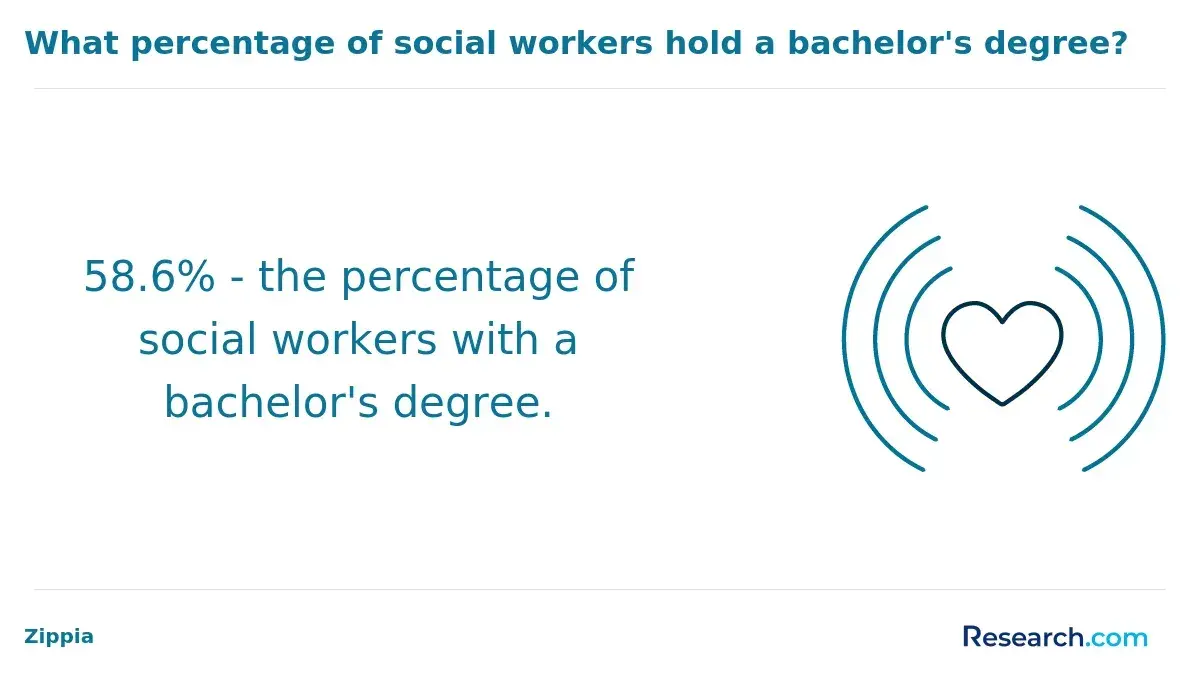
Admission requirements for MSW healthcare programs usually include a bachelor's degree from an accredited institution, official transcripts, a resume, letters of recommendation, and a personal statement. A bachelor's degree in social work can be helpful, but it is not always required. Many programs admit applicants from related and unrelated fields if they can show academic readiness and a clear commitment to social work values.
Many programs ask for a minimum GPA around 3.0, though standards vary. GRE scores are often requested but increasingly optional or waived, especially for applicants with strong academic records, relevant work experience, or professional achievements.
Common application materials
- Transcripts: Programs review academic preparation, writing-heavy coursework, social science exposure, and overall performance.
- Resume or curriculum vitae: Healthcare, human services, crisis work, case management, advocacy, research, volunteer service, or community-based experience can strengthen an application.
- Three letters of recommendation: Strong letters usually come from faculty, supervisors, employers, or professionals who can discuss judgment, ethics, communication skills, and readiness for graduate social work.
- Personal statement: Applicants should explain why they want an MSW, why integrated healthcare interests them, what populations they hope to serve, and how their background has prepared them.
- Interview: Some programs use interviews to assess professionalism, communication, fit, and understanding of social work practice.
- Placement requirements: Background checks, immunization records, drug screening, or health documentation may be required before clinical field placements.
- English proficiency: International applicants typically need TOEFL or IELTS scores when required by the institution.
The strongest applications do more than express a desire to help people. They show that the applicant understands the role of social workers in complex systems, can work with diverse populations, and is prepared for emotionally demanding field placements. Experience with hospitals, shelters, behavioral health programs, schools, elder care, disability services, domestic violence agencies, or community health work can be valuable.
Healthcare social workers earn an average yearly wage of $60,648, mainly in individual and family services. While salary should not be the only reason to enter the field, understanding the professional expectations and admission standards helps applicants decide whether the investment fits their goals.
What program formats exist for MSW in healthcare?
MSW programs in healthcare are offered in several formats, and the best choice depends on your schedule, learning style, field placement access, budget, and licensure plans. The format can affect how quickly you finish, how much structure you receive, and how easily you can complete supervised field hours.
| Program format | Best for | Key trade-off |
| Full-time on-campus MSW | Students who can prioritize graduate study and want face-to-face access to faculty, peers, and campus resources. | Less flexibility for full-time workers or students with major family obligations. |
| Part-time or evening MSW | Working professionals who need a slower pace while completing coursework and field education. | Longer time to graduation and careful planning around field placement schedules. |
| Hybrid MSW | Students who want online coursework with some in-person learning, intensives, or campus-based activities. | May require travel or scheduled attendance at specific times. |
| Fully online MSW | Students who need geographic flexibility and can complete approved local field placements. | Requires strong self-management and careful confirmation that local placements meet program and licensure expectations. |
| Advanced standing MSW | Eligible BSW graduates seeking a shorter graduate pathway. | Usually not available to applicants without qualifying undergraduate social work preparation. |
| Dual-degree or certificate option | Students interested in public health, administration, policy, or specialized integrated care preparation. | Can add complexity, cost, or additional requirements depending on the school. |
Dual-degree options, such as MSW/MPH or MSW/PA, may appeal to students who want broader preparation for public health, interprofessional care, leadership, or systems-level work. Certificate tracks in integrated healthcare or integrated behavioral health can also help students focus electives and field experiences.
Field education remains central in every format. According to a Health Workforce Technical Assistance Center policy brief, many field instructors learned integrated care skills on the job, whereas students acquire these skills through structured MSW curricula and supervised placements. This shift makes program quality and placement design especially important.
Before choosing a format, ask how the school secures placements, whether it has healthcare partners in your area, how it supports online students, and whether field hours can be completed while working. A flexible program is only useful if it can still meet accreditation, placement, and licensure requirements.
How long do MSW healthcare programs take and cost?
MSW healthcare programs typically require 2 to 3 years of full-time study. Part-time and accelerated options range from 1 to 4 years depending on program structure, advanced standing eligibility, course load, and clinical field requirements. Some schools offer accelerated tracks of 12 to 18 months for students with advanced standing, usually based on prior social work coursework.
Time to completion depends heavily on field education. Students preparing for integrated healthcare roles usually need practicum or internship experience in settings such as hospitals, clinics, behavioral health programs, community health centers, hospice, rehabilitation, or rural health organizations. Completing these hours part-time can make the program more manageable but may extend the timeline.
Typical cost considerations
Costs vary widely by institution type, residency status, format, and length. Public universities generally charge between $20,000 and $40,000 for the entire MSW program, while private institutions often range from $40,000 to over $70,000. Students should also budget for textbooks, technology fees, transportation to field placements, background checks, immunization documentation, certification exams, and licensure fees.
Financial aid options may include scholarships, grants, employer tuition assistance, federal aid, and school-based awards. Applicants should compare net cost rather than tuition alone because aid packages, placement-related expenses, and the ability to keep working can change the real cost of attendance.
Practical experience in hospital systems is vital for students aiming to join integrated healthcare teams. About 58% of MSW professionals in integrated care work in hospital settings, including academic and private hospitals. Rural healthcare settings represent roughly 17% of placements and may offer varying practicum opportunities and potentially lower tuition fees at regional schools.
- Full-time MSW program length: 2 to 3 years
- Part-time/accelerated options: 1 to 4 years
- Advanced standing accelerated tracks: 12 to 18 months
- Cost range at public universities: $20,000 and $40,000 for the entire MSW program
- Cost range at private institutions: $40,000 to over $70,000
- Practicum opportunities are especially important in hospitals, clinics, and rural settings
- CSWE accreditation is essential for students planning to pursue licensure
Before enrolling, confirm the program's accreditation, field placement support, total cost, expected weekly time commitment, and whether the schedule is realistic for your work and family responsibilities.
What job roles can MSWs pursue in integrated healthcare?
MSWs in integrated healthcare can pursue roles that combine direct patient support, behavioral health intervention, care coordination, advocacy, and program development. The exact title and scope of practice depend on state licensure, employer policy, clinical supervision, and the setting.
Common roles for MSWs in healthcare teams
- Medical social worker: Supports patients and families in hospitals, outpatient departments, rehabilitation centers, hospice, and specialty clinics.
- Clinical social worker: Provides assessment, counseling, behavioral health intervention, crisis support, and treatment planning when licensed for clinical practice.
- Discharge planner: Coordinates safe transitions from hospital to home, rehabilitation, long-term care, or community-based services.
- Care coordination specialist: Helps patients with complex needs navigate appointments, referrals, medication access, insurance barriers, and community resources.
- Behavioral health consultant: Works in primary care or integrated clinics to address depression, anxiety, substance use, trauma, and health behavior change.
- Patient advocate: Helps patients understand options, communicate with providers, resolve barriers, and access appropriate services.
- Community liaison specialist: Connects healthcare systems with housing programs, food assistance, behavioral health providers, schools, and social service agencies.
- Program coordinator or manager: Supports integrated care initiatives, quality improvement projects, population health programs, and interdisciplinary service models.
Pediatric, geriatric, oncology, emergency department, maternal health, behavioral health, substance use, and chronic disease programs may all employ MSW-trained professionals. Some roles are more clinical, while others focus on systems navigation, family meetings, resource coordination, or policy implementation.
Licensure can affect eligibility and advancement. Many graduates pursue Licensed Master Social Worker or Licensed Clinical Social Worker pathways depending on their state and career goals. According to the University of Texas at Austin School of Social Work, 79% of U.S. MSW graduates plan to obtain LMSW licensure within five years, highlighting the value many graduates place on professional credentialing.
To be competitive, students should seek field placements that involve interdisciplinary communication, electronic health record documentation, care transitions, crisis response, and work with patients facing co-occurring medical, behavioral, and social needs.
What is the salary outlook for MSWs in healthcare teams?
Masters of social work (MSW) professionals working within integrated healthcare teams typically earn between $55,000 and $85,000 annually. Entry-level salaries often start near $55,000, especially in rural or underserved areas, while experienced clinicians with specialized skills in behavioral health or chronic disease management may earn toward or above $85,000.
Salary varies by setting, geography, licensure, experience, and job responsibilities. Hospitals and large healthcare systems may offer different compensation structures than community clinics, nonprofit agencies, public health departments, or rural providers. Roles requiring independent clinical licensure, advanced assessment skills, crisis response, or specialized behavioral health expertise may offer stronger earning potential.
Factors that can influence pay
- Geographic location and local labor market conditions
- Type of employer, such as hospital, clinic, public agency, nonprofit, or private healthcare system
- Level of licensure and whether the role requires independent clinical practice
- Years of experience in healthcare or behavioral health settings
- Specialized training in substance use, gerontology, trauma, chronic disease, or integrated behavioral health
- Ability to work with electronic health records, quality metrics, and interdisciplinary care teams
Federal investments also show attention to the behavioral health workforce. A survey of 395 respondents from HRSA-funded Behavioral Health Workforce Education and Training (BHWET) schools across all HHS regions, cited in a Health Workforce Technical Assistance Center and BHWRC Policy Brief, reflects the emphasis on preparing professionals for interprofessional collaboration.
Students should treat salary ranges as planning tools, not guarantees. When comparing offers, look at benefits, supervision quality, caseload expectations, schedule flexibility, advancement opportunities, loan repayment possibilities, and whether the position helps build the supervised experience needed for licensure.
What is the job demand for MSWs in integrated healthcare?
The demand for MSWs trained in integrated healthcare is rising swiftly, with a projected 22% growth over five years due to the healthcare system's shift toward interprofessional collaboration. Social workers who understand both behavioral and physical health are increasingly important in teams that manage complex patient needs.
Healthcare employers value MSWs because they can help address problems that medical treatment alone cannot solve. These may include missed appointments, medication access, caregiver burnout, unsafe discharge situations, behavioral health symptoms, substance use, grief, family conflict, housing instability, or lack of community support.
Settings where demand is strongest
- Primary care clinics addressing mental health alongside social determinants of health
- Hospitals developing coordinated discharge plans incorporating behavioral health follow-ups
- Community health centers serving complex populations needing integrated support
- Behavioral health programs managing co-occurring physical and mental health needs
- Rural and underserved healthcare settings with limited access to specialized providers
- Programs focused on chronic illness, aging, substance use, maternal health, pediatrics, or care transitions
Students pursuing an MSW should build skills in interdisciplinary communication, evidence-based behavioral health interventions, documentation, care coordination, and ethical decision-making. Employers also value familiarity with electronic health records, reimbursement structures related to integrated services, quality improvement efforts, and data-informed care.
For working professionals, continuing education and certifications in integrated behavioral health or advanced clinical practice can help align skills with evolving care models. For new students, the most important step is choosing an accredited MSW program with strong field placement support in healthcare or behavioral health settings.
Other Things You Should Know About Social Work
MSWs in integrated healthcare commonly work in medical clinics, hospitals, behavioral health centers, and community health organizations. They collaborate closely with physicians, nurses, and other healthcare professionals to address patients' psychosocial needs alongside their physical health. These settings often require MSWs to be skilled in crisis intervention, care coordination, and patient advocacy.
MSWs assist patients with chronic illnesses by providing counseling, coordinating care plans, and connecting them with community resources. They help patients manage emotional challenges related to their illnesses and facilitate communication between patients and healthcare providers. Their role includes addressing barriers to treatment adherence and promoting holistic wellness.
In 2027, MSWs in integrated healthcare teams promote patient-centered care by addressing psychosocial needs, coordinating with medical professionals, advocating for patient preferences, and ensuring holistic treatment strategies. They facilitate communication, foster mutual respect in team settings, and help craft care plans that align with patients' individual values and circumstances.
Key skills include strong communication, assessment, and crisis intervention abilities. MSWs should be adept at working collaboratively in multidisciplinary teams and applying evidence-based practices. Cultural sensitivity and knowledge of healthcare systems enhance their effectiveness in addressing diverse patient needs.
References
- Integrated Care Models That Work https://www.socialworktoday.com/archive/JA18p18.shtml
- Admission requirements https://socialwork.wayne.edu/msw/requirements
- High-demand social work roles in 2026: trends and opportunities https://socialwork.pacific.edu/blog/high-demand-social-work-roles-2026-trends-and-opportunities
- Recognizing Social Work in Healthcare https://sdaho.org/2023/03/14/recognizing-social-work-in-healthcare/
- Types of Social Work https://www.socialworkers.org/News/Facts/Types-of-Social-Work
- What does a Certified Social Worker in Health Care (C-SWHC) do? Career Overview, Roles, Jobs | NASW https://joblink.socialworkers.org/career/certified-social-worker-in-health-care-c-swhc
- MSW Career Outlook https://www.kysu.edu/academics/college-as/school-of-social-work/careers/msw-career-outlook.php
- Social Work Masters Prerequisites: Discover 7 Critical Pieces - Prereqcourses https://www.prereqcourses.com/social-work-masters-prerequisites/
- Medical Social Worker https://socialworklicensemap.com/social-work-careers/medical-social-worker/