2027 What Employers Want From New MSW Graduates

Co-Founder and Chief Data Scientist
New MSW graduates enter a labor market that expects more than classroom knowledge. Employers want people who can assess risk, document clearly, work with multidisciplinary teams, use digital systems, respond to trauma, and build trust with clients quickly. For students and recent graduates, the real question is not simply whether an MSW is valuable, but how to turn the degree into job-ready evidence of competence.
This guide explains what employers look for in new MSW graduates, which skills matter most, what roles the degree can lead to, and how salary, accreditation, admissions, curriculum, program length, cost, and financial aid should shape your decision. It is designed for prospective MSW students, current students preparing for field placement, and recent graduates trying to compete for entry-level and early-career social work positions.
Key Things You Should Know
- Employers prioritize MSW graduates with skills in trauma-informed care and culturally competent practice, reflecting a 25% increase in demand for diversity-sensitive services since 2024.
- Data analysis proficiency is increasingly essential, with 68% of agencies requiring familiarity with outcome measurement tools to improve client impact.
- Graduates who demonstrate adaptability in telehealth service delivery have a competitive edge, as 42% of social service programs expanded digital offerings after 2024.
What do employers want from new MSW graduates?
Employers want new MSW graduates who can move from theory to practice with confidence. A strong candidate understands social work values and human behavior, but also knows how to assess client needs, document services, follow agency procedures, collaborate with other professionals, and respond appropriately when situations change.
The most competitive graduates usually show evidence of readiness in several areas:
- Client assessment and engagement: Employers look for graduates who can build rapport, identify risks and strengths, ask clinically useful questions, and create practical service plans.
- Evidence-based practice: Agencies want social workers who can apply interventions appropriately rather than relying only on general helping skills.
- Case management: New hires often coordinate referrals, benefits, housing resources, healthcare appointments, school supports, and family services.
- Documentation and compliance: Clear records, timely notes, confidentiality, and familiarity with agency reporting requirements matter from the first week on the job.
- Interdisciplinary teamwork: Social workers regularly coordinate with physicians, teachers, attorneys, probation officers, therapists, nurses, and nonprofit staff.
- Cultural humility and responsiveness: Employers value graduates who can work respectfully with children, older adults, families, immigrants, people with disabilities, LGBTQ+ clients, and marginalized communities.
- Technology readiness: Electronic health records, telehealth platforms, data dashboards, and online referral systems are now common in many settings.
Nonprofit and government employers may also value grant writing, program evaluation, policy awareness, and the ability to navigate bureaucratic systems. In mental health, child welfare, crisis response, and healthcare settings, trauma-informed care, safety planning, and crisis intervention can help a new graduate stand out.
Ethical judgment remains central. Employers expect MSW graduates to understand confidentiality, mandated reporting, professional boundaries, informed consent, and the NASW Code of Ethics. They also want graduates who know when to ask for supervision instead of acting beyond their competence.
The U.S. Bureau of Labor Statistics projects about 74,000 annual job openings for social workers from 2024 to 2034, which makes readiness especially important across healthcare, schools, behavioral health, and community organizations. To compete effectively, students should use internships and field placements to build concrete examples of skills, not just complete required hours.
For graduates considering advanced practice, leadership, or academic pathways later in their careers, exploring doctorate of social work online programs can help clarify long-term options after MSW-level experience.
What key skills do MSW graduates need for success?
MSW graduates need a mix of clinical, administrative, communication, and systems-level skills. The strongest graduates can serve individual clients while also understanding how policy, funding, family systems, culture, and community resources affect outcomes.
Core practice skills
- Assessment: Identifying client strengths, risks, needs, safety concerns, and appropriate levels of care.
- Intervention planning: Matching services and treatment approaches to the client’s goals, context, and readiness for change.
- Trauma-informed care: Recognizing how trauma affects behavior, trust, memory, coping, and engagement.
- Crisis management: Responding to suicidal ideation, family violence, housing instability, abuse, neglect, relapse, grief, or sudden medical and psychiatric needs.
- Motivational interviewing: Helping clients explore ambivalence and build motivation without coercion or judgment.
Professional skills employers notice quickly
Strong communication skills are essential for advocacy, documentation, team meetings, court reports, discharge planning, family conferences, and client education. Employers also look for graduates who can receive feedback, ask focused questions, and communicate with professionalism under pressure.
Cultural competence and cultural humility are equally important. MSW graduates must be able to work across differences in race, ethnicity, language, religion, age, disability, gender identity, sexual orientation, immigration status, income, and family structure. In practice, this means avoiding assumptions, using interpreters appropriately, and adapting services to the client’s lived reality.
Technology and data skills are increasingly valuable. Familiarity with electronic health records, telehealth workflows, outcome measurement tools, and basic data reporting can improve service quality and accountability. Policy analysis and program evaluation skills also help social workers advocate for better systems, not just better individual case plans.
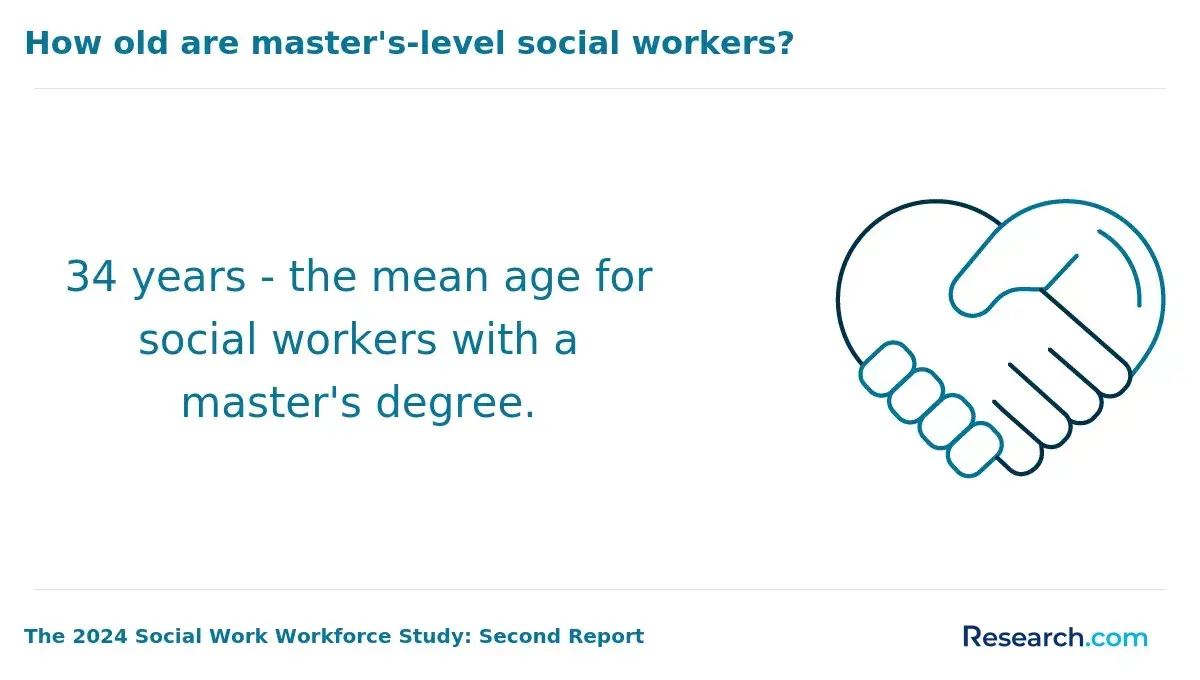
Leadership, ethical decision-making, critical thinking, and problem-solving help graduates adapt in settings where caseloads are high and resources are limited. The EAB Demand for Social Workers Report notes 369 master's-level social work programs reported degree completions in 2020, reflecting a competitive field where practical differentiation matters.
Students who want to strengthen their career options should choose field placements, electives, and continuing education that align with target roles such as child welfare, gerontology, healthcare social work, behavioral health, school social work, or community practice. Those comparing education pathways can review affordable MSW programs to understand cost-conscious options for advancement.
What jobs can you get with an MSW degree?
An MSW can lead to clinical, case management, school-based, healthcare, child welfare, nonprofit, policy, and community leadership roles. The best fit depends on your concentration, field placements, licensure goals, and the population you want to serve.
Common MSW career paths include:
- Clinical social worker: Provides assessment, counseling, treatment planning, and mental health support, often with a pathway toward independent clinical licensure.
- School social worker: Supports students facing emotional, behavioral, family, attendance, housing, or crisis-related challenges.
- Healthcare social worker: Helps patients and families navigate illness, discharge planning, care coordination, insurance barriers, grief, and chronic disease management.
- Mental health therapist: Works in community mental health, outpatient clinics, hospitals, integrated care settings, or private practice depending on licensure rules.
- Child welfare specialist: Assesses child safety, develops service plans, coordinates foster care or reunification supports, and responds to abuse or neglect concerns.
- Substance use counselor or coordinator: Supports recovery planning, relapse prevention, treatment referrals, and family education.
- Policy analyst: Studies social programs, legislation, funding systems, and service outcomes to recommend improvements.
- Community organizer or program coordinator: Builds partnerships, manages outreach, supports advocacy campaigns, and helps design community-based services.
Entry-level MSW roles may involve direct service, case management, intake, crisis response, discharge planning, or group facilitation. Clinical roles that include diagnosis and psychotherapy often require supervised post-graduate experience and state licensure before a social worker can practice independently.
Work setting matters. Hospitals may emphasize medical coordination and fast documentation. Schools require collaboration with educators and families. Government roles may involve compliance, investigations, eligibility rules, or public systems. Nonprofit roles may offer broad community impact but may also require grant reporting, outreach, and resource development.
Workforce diversity is increasing, with nearly 90% of MSW graduates surveyed from 2017 to 2019 being women and over 22% identifying as racially or ethnically diverse, reflecting the importance of preparing professionals who can serve varied communities.
Prospective students who need flexibility while preparing for these roles can explore a masters degree in social work online, including accelerated formats designed for working professionals.
What is the average MSW salary and job outlook?
The average MSW graduate salary in the United States typically ranges from $50,000 to $65,000 annually, but actual pay depends heavily on location, licensure, employer type, specialization, and years of experience. Clinical, healthcare, and behavioral health roles often pay closer to the higher end, while some school, nonprofit, and community-based roles may start lower.
Geography can make a major difference. Metropolitan areas such as New York and California tend to offer salaries 10% to 20% higher than rural regions, although higher living costs can reduce the practical value of that pay difference. When comparing offers, graduates should look at benefits, supervision quality, caseload expectations, union status, loan repayment options, and opportunities for advancement.
The job outlook and demand for MSW professionals are strong, with an expected growth rate of about 12% over the next decade. Demand is supported by increased attention to mental health, aging populations, healthcare access, school-based services, and community support needs.
Licensure is one of the biggest career and salary factors. Most new graduates aim for clinical licensure, with nearly 80% intending to become licensed clinical social workers (LCSWs) within five years and 2.4% already licensed at graduation. Licensed clinical social workers can often qualify for independent psychotherapy roles, clinical leadership, private practice opportunities, and specialized positions that are not available to unlicensed graduates.
Graduates should plan early for supervised hours, licensing exams, state-specific rules, and documentation requirements. A first job that provides quality supervision may be more valuable long term than a slightly higher-paying position without a clear licensure pathway.
Non-clinical careers in program management, policy advocacy, community development, and administration can also be stable and meaningful, though salary growth may follow a different timeline than clinical practice. Students weighing tuition costs, debt, and long-term earning potential can review broader considerations at is a degree in social work worth it.
What MSW accreditation should you look for?
The most important accreditation to look for in an MSW program is accreditation by the Council on Social Work Education (CSWE). CSWE accreditation indicates that the program meets national standards for curriculum, faculty qualifications, field education, professional ethics, and social work competencies.
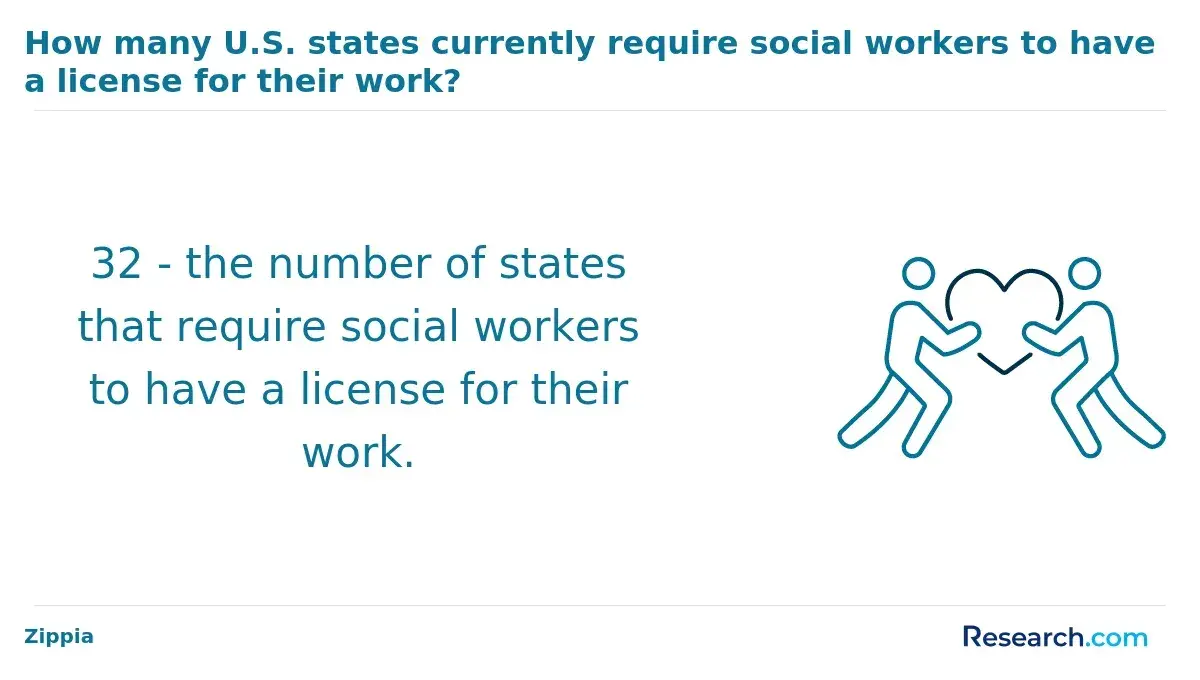
This matters because most U.S. states require graduation from a CSWE-accredited program for eligibility to pursue clinical social work licensure. Employers also tend to prefer graduates from CSWE-accredited programs because accreditation signals that the degree aligns with widely accepted professional standards.
Attending a non-CSWE-accredited program can create serious problems. It may limit licensure eligibility, reduce employer confidence, and make it harder to transfer credentials across states. This is especially important for students who plan to become LCSWs, move after graduation, or work in regulated settings such as healthcare, mental health, schools, or child welfare.
Regional employment data also show why program quality and career preparation matter. Employment rates 4-6 months after graduation vary by region-98% in the South, 97% in the Midwest, but only 91% in the West-indicating that accreditation and career readiness can be especially important in competitive markets.
When evaluating MSW accreditation and program quality, consider:
- CSWE accreditation status: Confirm the status directly before applying and again before enrolling.
- Licensure alignment: Check whether the curriculum and field hours meet the requirements of the state where you plan to practice.
- Specialization options: Look for tracks such as clinical practice, policy, administration, school social work, healthcare, or community practice.
- Field practicum quality: Ask where students are placed, how placements are assigned, and whether supervision is reliable.
- Graduate outcomes: Review graduation rates, alumni employment, licensure exam preparation, and career support.
- Portability: If you may relocate, choose a program with broad recognition and a curriculum that supports future licensing flexibility.
Choosing a CSWE-accredited MSW program is one of the safest ways to protect your licensure options, employment prospects, and professional credibility.
What are MSW admission requirements?
MSW admission requirements usually include a bachelor's degree from an accredited institution, transcripts, recommendation letters, a personal statement, and a resume. Some applicants enter with a Bachelor of Social Work (BSW), while others come from fields such as psychology, sociology, public health, education, criminal justice, or human services.
A minimum undergraduate GPA around 3.0 is common, but admissions policies vary. Some programs may consider applicants with a lower GPA if they show strong professional experience, strong recommendations, improved later academic performance, or a clear explanation of readiness for graduate work.
Common MSW application materials include:
- Official transcripts: Schools review prior coursework, GPA, and academic preparation.
- Letters of recommendation: Most programs request two or three letters from professors, supervisors, or professionals who can speak to your judgment, reliability, writing ability, and readiness for graduate study.
- Personal statement: This should explain why you want to study social work, what populations or issues you care about, and how the program fits your goals.
- Resume: Include employment, internships, volunteer work, research, advocacy, languages, certifications, and community experience.
- Prerequisite coursework: Applicants without a social work background may need courses in areas such as human behavior, social policy, research, or statistics.
- Interview: Some programs use interviews to assess communication skills, maturity, ethics, and fit for the profession.
- GRE scores: GRE scores are often optional or waived, but some schools may request them if the undergraduate record is weak.
Work or volunteer experience in social services, behavioral health, schools, hospitals, shelters, advocacy organizations, or community programs can strengthen an application. Admissions committees often look for evidence that applicants understand the realities of social work, including emotional demands, ethical responsibilities, and service to vulnerable populations.
Employment for social workers in California is projected to grow 14% through 2033-well above the national average-driven by increased demand in mental health and aging populations. Specializing in these areas can enhance admission prospects and career opportunities, as noted by the University of the Pacific High-Demand Social Work Roles 2026 report.
What does an MSW curriculum typically include?
An MSW curriculum combines social work theory, ethics, research, policy, practice methods, and supervised field education. The goal is to prepare graduates to work with individuals, families, groups, organizations, and communities while understanding the systems that shape client outcomes.
Most programs include foundation courses such as:
- Human behavior in the social environment: How development, family systems, culture, trauma, oppression, and social conditions affect people across the lifespan.
- Social welfare policy: How laws, public programs, funding systems, and institutions shape service access and social inequality.
- Research methods: How to evaluate evidence, understand outcomes, and use data to improve practice.
- Ethical practice: Professional boundaries, confidentiality, informed consent, mandated reporting, and ethical decision-making.
- Practice methods: Engagement, assessment, intervention, documentation, advocacy, and evaluation at multiple practice levels.
Students pursuing clinical careers typically take advanced coursework in counseling, psychotherapy, diagnosis, treatment planning, crisis intervention, trauma-informed care, substance use, and mental health practice. Students interested in macro or administrative roles may focus on policy analysis, program evaluation, leadership, grant writing, community organizing, and organizational change.
Specialized electives may cover child welfare, gerontology, substance abuse, school social work, healthcare, family practice, community development, or social justice advocacy. The right electives should match your intended job setting and licensure goals.
Field internships are a central part of the MSW experience and typically require 900 to 1,200 supervised hours in agencies, hospitals, schools, nonprofit organizations, clinics, or government institutions. These placements help students apply classroom learning to real cases, supervision, documentation, team meetings, client engagement, and ethical dilemmas.
MSW graduates often access higher-paying sectors like medical social work and policy analysis, enjoying greater job security and leadership opportunities compared to BSW holders. Data from the University of the Pacific High-Demand Social Work Roles 2026 highlights the strong return on investment for those with an MSW.
Students should prioritize programs accredited by the Council on Social Work Education (CSWE), especially if they plan to pursue state licensure or work in clinical, healthcare, school, or public agency settings.
How long does it take to complete an MSW program?
An MSW program typically takes two to three years, depending on enrollment status, prior education, field placement scheduling, and program format. Full-time students commonly finish in about two years, while part-time students may need more than three years because they take fewer courses per term and must still complete fieldwork requirements.
Some schools offer accelerated MSW tracks that can be completed in 12 to 18 months. These programs can help students enter the workforce faster, but they usually require a heavier course load and less schedule flexibility. They are best suited for students who can manage intensive academic and field placement demands.
Students who already hold a Bachelor of Social Work (BSW) may qualify for advanced standing programs. Advanced standing can reduce completion time to around one year because students receive credit for foundational social work coursework. Students without a BSW generally complete the full curriculum, which usually follows the standard two to three years.
Field education is often the biggest scheduling factor. MSW students generally complete 900 to 1,200 hours of supervised fieldwork while taking courses. For working adults, this can be challenging because many field placements operate during standard business hours. Before enrolling, ask whether the program offers evening, weekend, remote, or employment-based placement options.
Employers value timely entry into the workforce, with 56% globally emphasizing employment within 12 months as a key measure of an education program's effectiveness, according to the QS Global Employer Survey. Finishing on time can support career momentum, but students should not choose a pace that undermines learning, supervision quality, or licensing preparation.
When planning your MSW timeline, consider:
- Full-time versus part-time enrollment
- Eligibility for advanced standing credits
- Fieldwork hour requirements
- Whether you can complete field placements during available hours
- Course load intensity and academic support
- Work, caregiving, and financial responsibilities
- How quickly you need to qualify for your target roles
What are MSW program costs and financial aid options?
MSW program costs vary by school type, residency status, program format, and length. Public universities typically charge between $20,000 and $40,000 for in-state students, while out-of-state tuition may exceed $50,000. Private schools often have higher costs, ranging from $60,000 to $90,000 in total tuition fees.
Tuition is only one part of the total cost. Books, fees, transportation, technology, background checks, licensing preparation, and living expenses can add $10,000 or more annually. Field placements may also reduce the number of hours students can work for pay, which can affect the true affordability of a program.
Online and part-time programs can make an MSW easier to schedule, but they usually do not significantly lower overall tuition. Their main financial advantage may be allowing students to keep working while enrolled, reduce relocation costs, or spread payments over a longer period.
Common financial aid options include:
- FAFSA-based aid: Completing the Free Application for Federal Student Aid (FAFSA) is essential for access to federal loans and the Federal Work-Study program.
- Federal loans: Many graduate students use unsubsidized loans or other federal loan options to finance tuition and living expenses.
- Scholarships: Schools, professional associations, foundations, and community organizations may offer awards that vary from $1,000 to over $10,000 per year.
- Institutional aid: Some universities provide need-based or merit-based grants, tuition discounts, or program-specific awards.
- Assistantships and fellowships: Some programs offer stipends or tuition waivers in exchange for research, teaching, or administrative work.
- Employer support: Some social service agencies, hospitals, and public employers may offer tuition assistance or schedule flexibility.
- Loan forgiveness: Public Service Loan Forgiveness (PSLF) may benefit graduates working in qualifying nonprofit or government roles. After ten years of qualifying payments, debt cancellation may be available.
Career prospects should be part of the cost calculation. At Columbia, 71.8% of MS graduates secured identifiable career placements within six months. When comparing programs, consider not only tuition but also field placement quality, licensure support, graduation outcomes, debt load, and expected salary in your target setting.
How to choose the best MSW program?
The best MSW program is the one that is accredited, affordable for your situation, aligned with your career goals, and strong enough in field education to help you become employable. A well-known school is not automatically the best choice if it does not support your target licensure path, specialization, schedule, or budget.
Start with CSWE accreditation. Without it, you may face barriers to licensure and employment. Then confirm that the program aligns with the state where you plan to practice, especially if your goal is clinical licensure.
Next, compare specialization options. Clinical social work, policy advocacy, healthcare, school social work, child welfare, gerontology, substance use, administration, and community organization require different coursework and field placements. Choose a program that has depth in the area you actually want to enter.
Field practicum quality is one of the most important factors. Ask specific questions: Where are students placed? Who supervises them? How are placements matched? Are there hospital, school, government, behavioral health, or nonprofit partnerships? Can working students complete field hours realistically? Strong placements can lead to references, licensure supervision, and job offers.
Program format also matters. On-campus programs may offer more direct peer connection, faculty access, and local placement networks. Accredited online programs can offer flexibility for working students or those who cannot relocate. The best format is the one that allows you to complete coursework, fieldwork, and supervision successfully.
Look for evidence of student outcomes. Programs with licensure exam pass rates of 90% or higher, strong graduation rates, and solid alumni employment numbers may provide better preparation. Career services such as resume review, interview coaching, licensure guidance, and employer connections can also improve post-graduation results.
Finally, compare cost and return on investment. Review tuition, fees, scholarships, assistantships, living costs, loan needs, and the salary range for your intended role. The right MSW program should help you graduate with credible skills, manageable debt, and a clear path into the kind of social work you want to do.
Other Things You Should Know About Social Work
In 2027, employers look for new MSW graduates with strong clinical skills, cultural competence, and crisis intervention capabilities. They also value adaptability, communication proficiency, and teamwork, as these skills are vital for effective social work practice and navigating diverse community needs.
Generally, social workers do not have the authority to prescribe medication. However, in some states, clinical social workers with advanced training and certification can obtain limited prescribing rights for certain psychiatric medications. This is a specialized exception rather than standard practice and requires specific licensure.
Yes, social workers must obtain proper licensure to practice professionally, especially in clinical roles. Licensing requirements vary by state but typically include earning an MSW from an accredited program, completing supervised clinical hours, and passing a licensing exam. Maintaining licensure also involves continuing education to keep skills current.
Ethics are fundamental to social work, guiding practitioners to respect client dignity, confidentiality, and self-determination. Social workers adhere to professional codes that address responsibilities, boundaries, and cultural competence. Ethical decision-making helps ensure practitioners act in clients' best interests while navigating complex social issues.
References
- Why trust GlobalHealth Education? https://globalhealtheducation.com/au/resources/social-work-skills
- Social Worker Salary and Job Outlook - TrueCare24 https://www.truecare24.com/behavioral-health/social-worker-salary-and-job-outlook/
- What CSWE Accreditation Tells You About an MSW Program https://www.chamberlain.edu/blog/what-is-cswe-accreditation-and-what-are-its-benefits
- Social Worker (LCSW, MSW) Salary Guide By State https://socialworklicensemap.com/social-work-careers/social-work-salary/
- How To Begin Your Social Work Career During the Great Resignation https://www.socialworker.com/feature-articles/career-jobs/begin-social-work-career-great-resignation/
- 2027 https://www.awareim.com/dokuwiki/a_f/f/af/current_year
- MSW Curriculum Breakdown - MSW Degrees in Austin https://www.mswdegreeaustin.com/msw-curriculum-breakdown/
- 5 High-Paying Jobs You Can Get with an MSW https://onlinedegrees.keuka.edu/blog/highest-paying-msw-jobs
- Accepted to Multiple MSW Programs? Here’s How to Choose the Right One https://www.mswhelper.com/blog/how-to-decide-on-an-msw-program