2027 Career Paths for MSW Graduates in Telehealth and Virtual Care

Co-Founder and Chief Data Scientist
MSW graduates entering telehealth face a different career market than previous cohorts. Clinical skills still matter, but employers now also expect comfort with video-based care, remote documentation, privacy rules, virtual crisis response, and state-by-state licensing limits. The question is not only whether social work can be done online, but which virtual roles fit your license level, training, preferred population, and long-term career goals.
This guide explains the main telehealth and virtual care paths available to MSW graduates, including therapy, case management, crisis response, care coordination, program administration, and consulting. It also covers salaries, job outlook, curriculum, accreditation, licensing, admissions, and how online MSW programs compare with campus-based options for students who want to prepare for remote social work practice.
Key Things You Should Know
- Telehealth roles for MSW graduates increased by 45% from 2024 to 2025, driven by expansions in behavioral health digital services.
- MSW professionals in virtual care often manage crisis interventions, care coordination, and remote counseling, adapting traditional skills for digital platforms.
- Strong competencies in technology, privacy compliance, and cultural competence are essential for MSW graduates pursuing telehealth careers in 2026.
What are career paths for MSW graduates in telehealth?
MSW graduates can build telehealth careers in clinical practice, care coordination, program management, school-based support, child welfare, and healthcare navigation. The best path depends on licensure status, clinical experience, preferred client population, and comfort using digital platforms for assessment, documentation, and follow-up.
Telehealth is now a common part of social work practice. Over 90% of social workers have engaged in telehealth since the COVID-19 pandemic, and many organizations continue to use remote services to reach clients who face transportation, disability, rural access, scheduling, or childcare barriers.
Common telehealth paths for MSW graduates
- Virtual therapy and counseling: Licensed MSW professionals may provide individual, family, or group therapy by video or phone, often focusing on mental health, substance use, trauma-informed care, grief, or relationship concerns.
- Telehealth case management: Social workers conduct remote assessments, coordinate benefits, connect clients with community resources, and monitor progress between appointments.
- Care coordination in health systems: MSW graduates support patients with chronic illness, behavioral health needs, hospital discharge plans, medication access, or post-hospitalization follow-up through virtual check-ins.
- Online school social work: Practitioners support students’ mental health, attendance, family engagement, and crisis needs when schools use virtual or hybrid service models.
- Child welfare and family services: Some agencies use remote family assessments, virtual team meetings, and online case management to supplement in-person work.
- Telehealth administration: MSW graduates may manage remote intake, train staff, support compliance, develop policies, or improve digital access for underserved clients.
To compete for these roles, graduates should become fluent in telehealth platforms, secure documentation practices, virtual rapport-building, and privacy rules such as HIPAA. Telepractice certificates can help, but they do not replace state licensure requirements. Students who want advanced leadership, teaching, or systems-level roles may also consider a doctor of social work online after gaining professional experience.
What roles do MSW graduates hold in virtual care?
MSW graduates in virtual care usually work in one of three broad categories: direct clinical services, client support and coordination, or program operations. Each role uses core social work training, but the daily work can differ significantly.
Direct client care roles
Many MSW graduates become virtual therapists after meeting their state’s clinical licensure requirements. They provide individual, group, or family counseling through secure video platforms and must adapt assessment, engagement, safety planning, and documentation to remote settings. Strong digital communication matters because practitioners must notice tone, environment, risk cues, and client distress without relying on the full range of in-person observation.
MSW professionals may also work in crisis intervention through virtual hotlines, text-based support, or chat services. These roles require rapid risk assessment, clear escalation procedures, and the ability to coordinate emergency or community-based help when the provider and client are not in the same location.
Coordination and navigation roles
Care coordinators and case managers help clients access benefits, housing support, treatment referrals, transportation alternatives, medication resources, and follow-up care. In healthcare settings, they may work with physicians, nurses, therapists, and behavioral health teams to support clients managing chronic conditions, mental health needs, or substance abuse recovery.
Program and systems roles
Some MSW graduates move into virtual intake, quality improvement, telehealth program management, policy development, staff training, or compliance support. These roles are a good fit for professionals who understand client care but prefer systems-level work over a full therapy caseload.
The demand for social workers is projected to increase 13% from 2022 to 2032, and virtual care roles are one factor shaping that demand. Students comparing education options can review the cheapest online masters in social work, but should evaluate affordability alongside accreditation, field placement quality, licensure alignment, and telehealth training.
What is the job outlook for MSW telehealth professionals?
The job outlook for MSW telehealth professionals is favorable because remote behavioral health, care coordination, and hybrid healthcare delivery remain part of many service models. Opportunities can be found in private virtual practices, hospitals, community mental health agencies, employee assistance programs, online therapy platforms, integrated care teams, and digital health organizations.
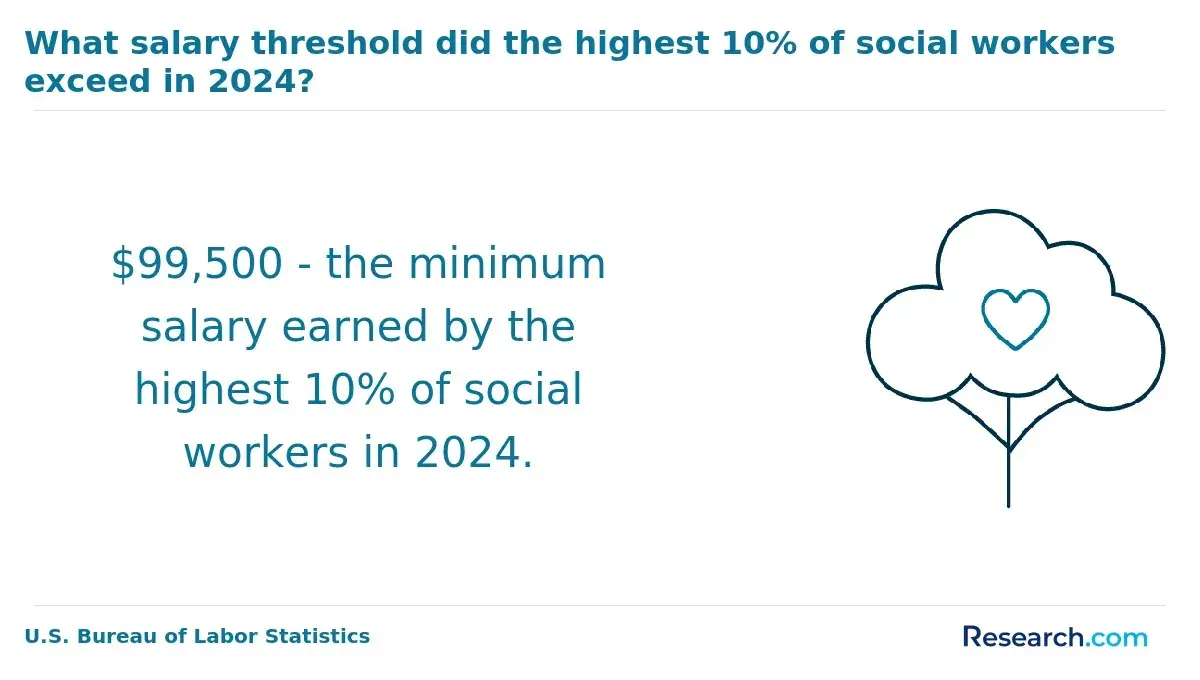
Salaries typically range from $61,000 to $105,000 annually, with the potential for higher earnings as practitioners expand their client base on platforms like BetterHelp. Actual earnings depend on licensure, employer type, caseload, reimbursement rates, location, specialization, and whether the role is salaried, contract-based, or private practice.
Why demand continues
- Client convenience: Virtual sessions can reduce travel time, missed appointments, and access barriers.
- Provider reach: Telehealth allows organizations to serve rural, underserved, or mobility-limited clients more effectively.
- Behavioral health shortages: Remote care can help agencies extend services when local provider supply is limited.
- Integrated care models: Health systems increasingly use social workers for behavioral health support, discharge planning, chronic disease management, and care navigation.
Specialized telehealth roles may focus on veterans, adolescents, people managing chronic illness, clients with substance use disorders, or families needing ongoing behavioral health support. Licensed clinical social workers offering remote therapy can also build independent practices, but private practice requires more than clinical competence. Practitioners must understand billing, documentation, scheduling, client acquisition, platform selection, informed consent, and state-specific practice rules.
Job stability is supported by insurance reimbursement policies increasingly recognizing telehealth sessions. However, reimbursement and cross-state practice rules can change, so professionals should monitor licensing boards, payers, and employer policies. Students hoping to enter the field sooner may compare a social work degree fast track with traditional programs, while confirming that speed does not compromise accreditation or field training quality.
What salaries can MSW telehealth graduates expect?
MSW telehealth salaries vary widely because “telehealth social work” includes therapy, care management, clinical leadership, program administration, and consulting. The highest-paying roles usually require advanced clinical experience, strong regulatory knowledge, technical fluency, and the ability to lead or scale virtual care programs.
According to recent data, healthcare consultants with an MSW focusing on social impact can earn between $126,000 and $216,000 annually, mostly through remote roles with occasional travel obligations. This type of role is different from entry-level direct practice: it usually involves strategy, implementation, program evaluation, operations, or advisory work for healthcare or social impact organizations.
Typical salary ranges by role
- Clinical social workers delivering virtual therapy: $55,000 to $85,000 per year.
- Telehealth care coordinators and case managers: around $60,000 to $90,000 annually.
- Specialists in tele-mental health programs with advanced certifications: $85,000 to $130,000.
- MSW telehealth consultants leading large virtual program implementations: $150,000 or more.
Public sector and nonprofit roles may offer lower starting salaries but can include stronger benefits, supervision, union protections, retirement plans, or loan forgiveness pathways. Private telehealth companies, consulting firms, and independent practices may offer higher upside, but they can also involve productivity expectations, variable caseloads, contract work, evening schedules, or business development responsibilities.
To improve earning potential, MSW graduates should focus on licensure, telehealth ethics, documentation, crisis protocols, platform fluency, evidence-based interventions, and population-specific expertise. Applicants researching where to begin their graduate training can compare the easiest MSW programs to get into, but admissions accessibility should be weighed against CSWE accreditation, placement support, and licensure preparation.
What MSW programs prepare for telehealth and virtual care?
MSW programs that prepare students for telehealth combine traditional social work foundations with training in remote engagement, digital ethics, telebehavioral health, secure communication, and virtual assessment. A strong program does not treat telehealth as a single technology lesson; it integrates virtual care into clinical practice, field education, ethics, and policy.
What to look for in a telehealth-ready MSW program
- CSWE-accredited curriculum: Accreditation is central for licensure eligibility and should be confirmed before considering telehealth electives or certificates.
- Telebehavioral health coursework: Look for training in remote counseling, informed consent, documentation, confidentiality, digital boundaries, and crisis response.
- Field placements using virtual or hybrid care: Supervised experience matters because telehealth skills are learned through practice, feedback, and real client interaction.
- HIPAA and technology training: Students should learn how secure platforms, electronic health records, privacy safeguards, and client identity verification work in practice.
- Interprofessional collaboration: Many telehealth roles involve working with nurses, physicians, psychiatrists, school teams, or community agencies.
- Equity and access focus: Programs should address broadband limitations, disability access, language access, digital literacy, privacy at home, and rural service barriers.
Some universities embed telehealth training within clinical social work tracks, while others offer electives or certificates in telebehavioral health. Supervised virtual practicums can be especially valuable because students learn how to manage rapport, safety planning, mandated reporting, and assessment when they cannot physically share a room with the client.
With over half of medical group practices transitioning to permanent remote or hybrid models, employers increasingly value graduates who can move comfortably between in-person and virtual service delivery. Students should ask specific questions before enrolling: Are virtual placements available? Who supervises telehealth practice? Which platforms are used? Does the curriculum address state regulations? How does the program support students seeking licensure in their intended state?
What accreditation is required for MSW telehealth programs?
For MSW telehealth preparation, Council on Social Work Education (CSWE) accreditation is the key academic accreditation to verify. CSWE accreditation indicates that the program meets recognized social work education standards, and graduates of CSWE-accredited programs qualify for clinical licensure in most U.S. states. Without the right accreditation, a graduate may face serious barriers to licensure, employment, supervision approval, and telehealth practice.
Accreditation is not the same as licensure. A CSWE-accredited degree supports eligibility, but MSW graduates must still meet state licensing rules. Clinical practice commonly requires a credential such as Licensed Clinical Social Worker (LCSW) and passing the Association of Social Work Boards (ASWB) clinical exam. States may also require supervised clinical hours, jurisprudence exams, background checks, continuing education, or telehealth-specific training.
Telehealth-specific preparation to confirm
- Training in digital ethics, informed consent, confidentiality, and professional boundaries.
- HIPAA privacy and security instruction for virtual environments.
- Remote crisis intervention procedures and safety planning.
- Use of secure video, phone, messaging, and electronic documentation systems.
- Guidance on state telehealth regulations and cross-jurisdiction practice limits.
Telehealth training is often embedded in clinical courses or offered through specialized certificates in telebehavioral health. The importance of this training is practical: telehealth reduces average crisis intervention response time from four hours to fifteen minutes, which creates demand for professionals who can respond quickly while still meeting legal, ethical, and clinical standards.
Prospective students should verify both accreditation and licensing alignment before enrolling. The strongest choice is a CSWE-accredited MSW program that also offers meaningful telehealth coursework, supervised virtual practice opportunities, and clear advising for the state where the student plans to practice.
What licensing do MSW telehealth professionals need?
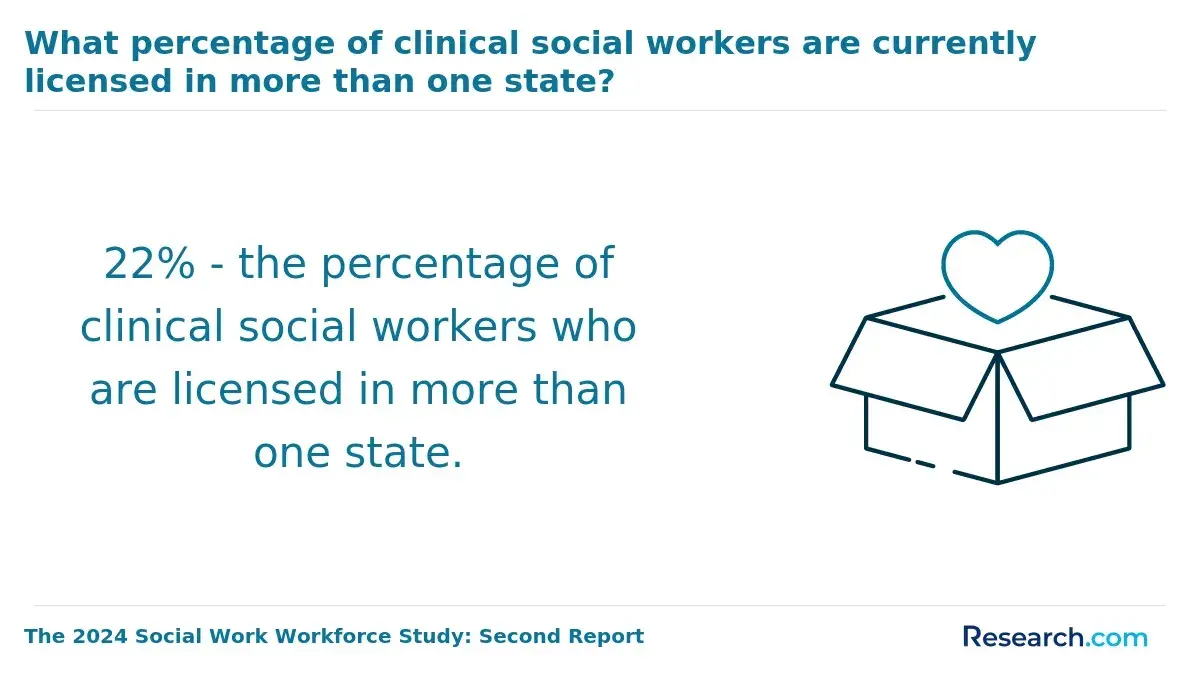
MSW telehealth professionals generally need an active social work license in the state where they are practicing and, in many cases, in the state where the client is physically located during the session. Common credentials include Licensed Clinical Social Worker (LCSW), Licensed Independent Clinical Social Worker (LICSW), or Licensed Master Social Worker (LMSW) with the appropriate scope of practice and telehealth privileges.
Each state sets its own licensing rules. Requirements commonly include 2,000 to 4,000 supervised clinical hours and passing the Association of Social Work Boards (ASWB) clinical exam. Some states also require continuing education in ethics, law, suicide prevention, cultural competence, or telehealth practice.
Why client location matters
Telehealth is regulated by state law. A practitioner licensed in one state may not automatically be allowed to serve a client located in another state. For instance, a professional licensed in California cannot serve New York clients without New York licensure or an interstate compact agreement. Because rules vary and can change, MSW professionals should check the relevant licensing board before accepting out-of-state clients.
Licensing and compliance checklist
- Confirm the license level required for the services being provided, especially psychotherapy and clinical diagnosis.
- Verify whether the provider must be licensed where the client is located during the session.
- Obtain telehealth-informed consent that explains technology risks, privacy limits, emergency procedures, and backup communication plans.
- Use secure platforms and documentation systems that support confidentiality and HIPAA compliance.
- Confirm malpractice insurance coverage explicitly includes telehealth services.
- Stay current with legal and ethical guidance from state boards, the American Telemedicine Association, and the National Association of Social Workers (NASW).
Licensing is not a formality in telehealth; it determines what services a social worker may legally provide, to whom, and from where. Careful compliance protects clients, supports professional credibility, and reduces risk for providers working in remote mental health and virtual care settings.
What does the MSW telehealth curriculum cover?
An MSW telehealth curriculum teaches students how to adapt social work practice to video, phone, secure messaging, and hybrid care settings. The goal is not simply to learn software; students must learn how to assess risk, build rapport, document care, maintain confidentiality, and intervene ethically when the client is remote.
Core curriculum areas
- Virtual assessment and engagement: Students learn how to observe client presentation, ask effective questions, manage silence, and build therapeutic rapport through digital channels.
- Teletherapy and clinical intervention: Coursework may cover how evidence-based interventions can be adapted for video-based individual, family, or group sessions.
- Ethics and informed consent: Students examine confidentiality, digital boundaries, emergency planning, recording policies, identity verification, and client privacy in shared living spaces.
- HIPAA and regulatory compliance: Training covers privacy rules, secure platforms, electronic documentation, and the legal responsibilities of virtual care.
- Crisis response: Students practice safety planning, suicide risk assessment, child welfare concerns, mandated reporting, and escalation procedures when the client is not physically present.
- Technology and records systems: Programs may introduce telecommunication tools, electronic health records, remote intake systems, and secure messaging workflows.
- Access and equity: Coursework should address disparities related to socioeconomic status, geography, disability, language, broadband access, and digital literacy.
- Program evaluation and administration: Students interested in leadership may learn data collection, outcomes measurement, workflow design, and quality improvement for virtual services.
Case studies are especially useful because remote practice often involves real-world complications: a client without private space, a crisis in another jurisdiction, a technology failure during a session, or a family meeting involving multiple locations. Strong programs prepare students to make sound clinical decisions under those conditions.
Emerging remote MSW roles align with trends toward high-demand virtual social services. Telehealth platforms and online nonprofits are expanding opportunities within this evolving field (Binghamton Career Tools, 2024). Graduates with both clinical judgment and telehealth competence are better positioned for roles in therapy, care coordination, administration, and digital social service delivery.
How do online MSW programs compare to campus for telehealth?
Online MSW programs can be as relevant as campus-based programs for telehealth preparation when they are accredited, clinically rigorous, and connected to strong field placements. In some ways, online students gain useful experience simply by learning, collaborating, presenting, and receiving supervision through digital tools. However, format alone does not guarantee telehealth readiness.
Advantages of online MSW programs for telehealth
- Flexible scheduling: Asynchronous coursework can help working adults, caregivers, and students who do not live near a campus.
- Digital communication practice: Students become familiar with virtual discussion, remote supervision, online collaboration, and video-based professional interaction.
- Potentially lower relocation costs: Online programs may reduce commuting and housing expenses, though tuition and fees still vary by school.
- Access to broader program options: Students may be able to enroll in programs outside their immediate region, subject to state authorization and placement availability.
Advantages of campus-based MSW programs
- In-person networking: Campus programs may provide easier access to local faculty, peer relationships, community events, and nearby agencies.
- Traditional placement pipelines: Some schools have long-standing relationships with local hospitals, schools, clinics, and nonprofit organizations.
- Face-to-face skill practice: Students who want more in-person clinical role-play or campus-based support may prefer this model.
Many online programs now partner with virtual agencies and health systems, enabling remote internships and supervised teletherapy sessions through secure video platforms. This matters because practical experience under licensed social worker oversight is essential as telehealth remains a core healthcare delivery model beyond 2025 (Binghamton Career Tools, 2024).
Before choosing either format, students should verify CSWE accreditation, state licensure compatibility, field placement support, technology requirements, and whether the program teaches evidence-based virtual interventions. A strong online MSW for telehealth should include interactive seminars, supervised practice, cohort engagement, and advising that helps students understand where they can legally practice after graduation.
What admission requirements apply to MSW telehealth programs?
Admission requirements for MSW telehealth programs are usually similar to standard MSW admissions, with added attention to digital readiness and interest in virtual care. Most programs require a bachelor’s degree from an accredited institution and often expect a minimum GPA of 3.0. Foundational coursework in human behavior, sociology, psychology, or related social science areas may strengthen an application.
Common admissions materials
- Completed application and official transcripts.
- Letters of recommendation that speak to academic ability, professional judgment, ethics, and readiness for graduate study.
- A statement of purpose explaining interest in social work, target populations, career goals, and, when relevant, telehealth or virtual care.
- Resume or CV showing work, internship, volunteer, healthcare, human services, or community experience.
- Relevant experience in social work or healthcare, especially in remote, digital, administrative, or client-support settings.
- Completion of a criminal background check and immunization records for clinical placements.
Programs may also expect applicants to show basic digital literacy. This can include comfort with video conferencing, learning management systems, secure communication, electronic documentation, and HIPAA-compliant technologies. For telehealth-focused programs, prior exposure to technology in clinical, administrative, nonprofit, education, or healthcare settings can make an applicant more competitive, but it is not always required.
Advanced standing options typically require a qualifying BSW from an accredited program and may have separate GPA, recency, and field education requirements. Part-time pathways may be available for working professionals, but students should confirm how field placements are scheduled and whether virtual or hybrid placements are permitted.
Applicants should also assess their own technical readiness before enrolling. Reliable internet, a private space for synchronous classes or supervision, compatible hardware, and comfort using secure platforms are essential for success in an online or telehealth-oriented MSW program.
Other Things You Should Know About Social Work
Strong communication and digital literacy skills are essential for social workers in telehealth. They must be adept at building rapport through virtual platforms and managing client confidentiality in an online environment. Additionally, cultural competence and adaptability play important roles in effectively delivering services remotely.
Social workers must be licensed in the state where the client is located to provide telehealth services legally. Some states participate in interstate compacts that simplify licensing across multiple states, but this is not universal. It is crucial for social workers to verify regulations and licensure requirements before offering services to out-of-state clients.
In 2027, MSW graduates can pursue roles such as virtual counselor, remote case manager, digital mental health specialist, or telehealth program coordinator, providing vital mental health services through digital platforms, often offering greater access and flexibility for clients.
Ethical practice in telehealth requires adherence to confidentiality, informed consent, and professional boundaries, just as in face-to-face encounters. Social workers must also comply with specific telehealth guidelines issued by licensing boards and professional associations. Regular ethics training and staying current with policy updates are necessary to maintain standards.
References
- The Importance of a CSWE Accredited Program in Social Work - Tulane School of Social Work https://socialwork.tulane.edu/blog/importance-of-cswe-accredited-program/
- Find MSW programs that teach about healthcare social work | edX https://www.edx.org/masters/online-msw-programs/health-social-work
- Social Worker (LCSW, MSW) Salary Guide By State https://socialworklicensemap.com/social-work-careers/social-work-salary/
- Telehealth Social Work Certification Guide 2026 https://www.socialworkdegrees.org/telehealth-social-work-certification
- Social Work in Healthcare Settings: How LCSWs Help Improve Patient Outcomes https://www.saintmarys.edu/graduate-studies/social-work/clinical-social-work-in-healthcare
- The Pros and Cons of Online MSW Programs – Should I Pursue an MSW Online? https://www.masterofsocialwork.com/resources/pros-and-cons-online-msw-programs
- What can you do with a Master’s in Social Work? https://www.messiah.edu/what-can-you-do-with-a-masters-in-social-work/
- Are There Remote Social Work Jobs? | Psychology.org https://www.psychology.org/social-work/remote-jobs/
- Telemental Health: Legal Considerations for Social Workers https://www.socialworkers.org/About/Legal/HIPAA-Help-For-Social-Workers/Telemental-Health