2027 Online MSW Programs With Built-In Licensing Exam Preparation

Co-Founder and Chief Data Scientist
Choosing an online MSW program is not only about earning the degree. For many students, the bigger decision is whether the program will help them move efficiently from graduate coursework to licensure. That matters because social work licensing is state-regulated, exam-based, and often tied to the kinds of roles graduates can pursue after earning the MSW.
Programs with built-in licensing exam preparation can reduce the gap between learning social work theory and applying it on the ASWB exam. They may include practice questions, faculty-led review sessions, clinical case analysis, ethics refreshers, and state-specific licensure guidance. For career changers, working adults, and students studying at a distance, that structure can make the path to professional practice more manageable.
This guide explains how online MSW programs with licensing exam support work, which features to compare, what admission and cost factors to consider, and how accreditation affects licensure eligibility. It also reviews career outcomes, salary expectations, and practical steps for choosing a program that fits your state, schedule, and professional goals.
Key Things You Should Know
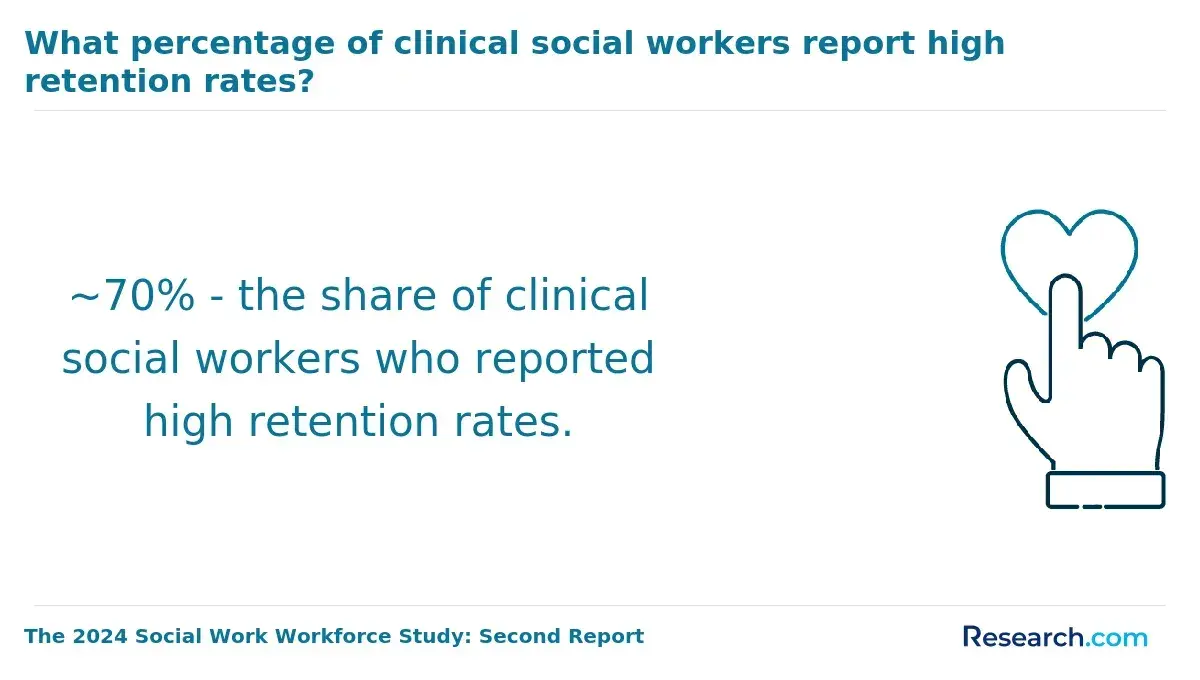
- Most 2026 online MSW programs integrate licensing exam prep, boosting pass rates above the national average of 70%, aligning coursework with ASWB exam standards for practical readiness.
- Programs emphasize field practicums and virtual simulations, ensuring compliance with evolving state licensure requirements, crucial for expedited clinical social worker licensure.
- Accessible tuition and flexible schedules in online MSW programs enable working professionals to advance careers while preparing efficiently for the licensing exam within typical two- to three-year durations.
What are online MSW programs with built-in licensing exam prep?
Online MSW programs with built-in licensing exam prep are graduate social work programs that combine CSWE-aligned academic training with structured support for social work licensing exams, especially exams administered by the Association of Social Work Boards. Instead of leaving students to find a separate prep course after graduation, these programs integrate exam readiness into classes, field seminars, advising, and review activities.
The goal is not to replace state licensing requirements. Rather, built-in prep helps students connect MSW coursework to the knowledge areas commonly tested for licensure, such as professional ethics, human behavior, clinical assessment, diagnosis-informed practice, intervention planning, documentation, and case management.
What built-in exam support may include
- Practice questions and mock exams modeled on ASWB-style scenarios
- Course modules that reinforce ethics, assessment, treatment planning, and diversity-informed practice
- Faculty or advisor guidance on licensing timelines and state requirements
- Review workshops during the final year or after completion of core clinical courses
- Digital study tools, question banks, flashcards, and recorded review sessions
This structure is especially useful for online students who may not have access to local test-prep groups or campus-based review events. It can also help career changers who need to build both foundational social work knowledge and exam confidence at the same time.
Demand for online MSW study has continued to rise. With an 18% year-over-year growth in online MSW enrollment reported by the Council on Social Work Education (CSWE), more students are looking for programs that provide not only flexibility but also direct support for licensure preparation.
When comparing programs, students should distinguish between general academic advising and true licensing exam preparation. A stronger program will clearly explain how ASWB-related content is embedded, whether practice exams are included, and how students receive guidance for their intended state of practice. Students considering advanced professional growth beyond the MSW may also explore online DSW programs after they understand their licensure and career path.
Which accredited online MSW programs include ASWB exam preparation?
Accredited online MSW programs that include ASWB exam preparation typically combine a CSWE-accredited curriculum with review tools designed around the exam’s format and content areas. Examples often cited for online MSW study and licensing support include the University of Southern California, University of Denver, and Boston University. Prospective students should still verify the current structure of each program because exam-prep features can vary by cohort, concentration, and state licensure pathway.
The strongest programs do more than mention licensure in advising materials. They show how exam readiness is built into the student experience, especially during advanced practice courses and field education.
ASWB prep features to look for
- Mock ASWB exams embedded in the final year of study
- Study guides emphasizing clinical knowledge and ethical practices
- One-on-one or group review sessions led by faculty with licensing exam expertise
- Case-based practice questions that mirror real-world social work decision-making
- Advising that explains the difference between LMSW, LCSW, and other state-specific credentials
Many CSWE-accredited MSW programs align their curriculum with competencies that overlap with ASWB licensing standards. This matters because licensure exams generally test applied judgment, not memorization alone. Students need to know how to identify ethical risks, choose appropriate interventions, interpret client information, and apply professional standards under exam conditions.
The workforce need also supports careful program selection. The U.S. Bureau of Labor Statistics projects a 13% growth in social work jobs from 2022 to 2032, adding about 93,000 positions particularly in mental health and substance abuse counseling. Graduates who are prepared for licensing requirements may be better positioned for roles that require clinical eligibility or a clear path to licensure.
Before enrolling, ask each school whether ASWB prep is included in tuition, offered as an optional add-on, or provided through a third-party vendor. Students also should compare tuition, field placement support, accreditation status, and state authorization. Those prioritizing cost may want to review affordable MSW programs while confirming that lower tuition does not mean weaker licensure support.
What are the top online MSW programs for LCSW licensing prep?
The top online MSW programs for LCSW licensing prep are usually those that combine CSWE accreditation, strong clinical coursework, supervised field education, transparent licensure guidance, and structured ASWB review. Programs associated with institutions such as the University of Southern California (USC), University of Denver, and Smith College are examples of online or flexible MSW options often discussed for clinical preparation and licensing-focused support.
For students aiming for LCSW licensure, the most important issue is alignment. A program may prepare students well academically but still leave them responsible for understanding post-degree supervised-hour rules, exam timing, and state-specific application steps. Strong programs help students see how coursework, field placement, exam preparation, and post-graduate supervision fit together.
Candidates enrolled in structured programs demonstrate a 92% pass rate on the ASWB exam, significantly higher than the 78% pass rate for self-studiers, as reported by the Association of Social Work Boards. This does not guarantee an individual outcome, but it shows why integrated preparation can matter: students receive repeated exposure to exam-style reasoning instead of waiting until after graduation to begin studying.
What separates stronger LCSW-prep programs
- Embedded exam prep that helps reduce anxiety and supports first-time exam readiness
- Clinical courses that connect assessment, intervention, ethics, and documentation to exam scenarios
- Faculty-led or advisor-supported review sessions before graduation
- Alumni networks and career services that provide mentorship and test-taking strategies
- Clear guidance on whether the program supports your state’s post-degree supervised hours and exam standards
Students should also consider pacing. Some programs offer part-time paths for working adults, while others offer accelerated or advanced standing formats for eligible students. A faster timeline can be attractive, but it may leave less time for exam review, field placement adjustment, and state licensure planning unless the program is highly structured.
For students who already have a BSW or who can manage a concentrated graduate schedule, a 1 year online master's in social work may provide a faster route. The key is to confirm that speed does not come at the expense of clinical depth, field placement quality, or licensing exam support.
How does built-in licensing prep work in online MSW curricula?
Built-in licensing prep works by mapping exam-relevant skills onto the MSW curriculum instead of treating test preparation as a separate final step. Students encounter licensure-related content in required courses, advanced clinical classes, field seminars, review workshops, and practice assessments. This approach helps students study gradually while they are already learning the professional knowledge tested on the exam.
In well-designed online programs, licensing preparation is tied to applied learning. For example, a course on clinical practice may use case vignettes similar to exam questions, while an ethics course may require students to analyze confidentiality, mandated reporting, boundaries, or dual-role concerns. Field seminars may also connect practicum experiences to exam domains such as assessment, intervention planning, and professional judgment.
Common components of integrated licensing prep
- Practice exams modeled on the Association of Social Work Boards (ASWB) format and question types
- Curricular modules aligned with key knowledge areas such as ethics, clinical interventions, and case management
- Workshops and webinars led by experienced instructors offering test-taking strategies
- Access to digital resources like flashcards and question banks tailored to licensing exam content
- Advising that helps students understand state-specific licensing steps and timelines
This model can reduce the amount of separate preparation students need after graduation. It also gives students time to identify weak areas early, whether that means clinical terminology, ethical reasoning, test pacing, or understanding how ASWB questions are structured.
A 2025 CSWE survey found that MSW graduates from programs with such built-in preparation achieved licensure 25% faster, averaging 4.2 months post-graduation. Students should treat that as a signal to ask detailed questions: Which exam level is supported? Are review materials included in tuition? Does the program provide preparation for the state where the student plans to practice?
Prospective students comparing online MSW programs should not focus only on admission accessibility. They should also confirm that the program’s curriculum, field placement process, and licensing guidance support their long-term goal of becoming eligible for professional social work licensure.
What are typical admission requirements for online MSW programs?
Typical admission requirements for online MSW programs include a bachelor’s degree from an accredited institution, official transcripts, recommendation letters, a statement of purpose, and evidence of readiness for graduate-level social work study. Applicants with a BSW may qualify for advanced standing at some schools, while students from other undergraduate fields usually apply to a traditional MSW track.
A minimum undergraduate GPA of around 3.0 is common, although some programs review applications holistically and may admit students with slightly lower GPAs when professional experience, recommendations, or written materials are strong. Students without prior coursework in social work or the behavioral sciences may be asked to complete prerequisites or demonstrate relevant experience.
Common application materials
- Official transcripts from all postsecondary schools
- Two to three letters of recommendation from academic or professional sources
- A personal statement outlining career goals and relevant experiences
- A resume or CV highlighting work, volunteer, or human services experience
- GRE scores if required, although many online MSW programs waive this, especially those with built-in licensing preparation
Some programs also require interviews, writing samples, background checks, or documentation needed for field placement. Because MSW students work with vulnerable populations during practicum experiences, schools may also require professional liability insurance, immunization records, or agency-specific screening.
Applicants should read admission requirements alongside field placement and licensure information. A program can admit students nationally but still have limitations on field placements or licensure alignment in certain states. This is especially important for online students who plan to complete practicum hours in their local community.
Online MSW programs with integrated ASWB licensing exam prep average about $42,000 in tuition, about 22% less than hybrid programs without this feature according to EducationData.org, providing cost savings and a more direct connection between coursework and exam readiness. Even so, students should confirm total program cost, fees, field placement support, and whether exam-prep materials are included or billed separately.
How long do online MSW programs take and what do they cost?
Online MSW programs generally take 2 to 3 years for full-time students. Part-time formats can extend to 4 or more years, which may be more realistic for students balancing employment, caregiving, and field placement obligations. Accelerated tracks may allow completion in 12 to 18 months, but they require a demanding schedule and are usually best for students who can manage intensive coursework and practicum requirements.
Cost varies by school type, residency status, credit requirements, and fees. Public universities often charge between $15,000 and $25,000 for the entire program, whereas private institutions may exceed $40,000. Students should also budget for technology fees, books, application fees, background checks, practicum-related transportation, and eventual licensing exam costs.
How timeline and cost affect the decision
| Program format | Typical fit | Key trade-off |
| Full-time online MSW | Students who can prioritize graduate study and fieldwork | Faster completion, but less schedule flexibility |
| Part-time online MSW | Working adults or students with family responsibilities | More manageable workload, but longer time to graduation |
| Accelerated online MSW | Students prepared for an intensive pace | Shortest timeline, but heavier academic and practicum demands |
Built-in licensing exam preparation can affect value. If exam review, practice tests, and licensing advising are included in the curriculum, students may avoid paying for separate review courses later. More importantly, structured preparation can help students plan for licensure earlier instead of discovering state-specific requirements after graduation.
Licensed MSW holders earn a median salary of $98,500, with a reported 10-year return on investment of 285% according to the National Association of Social Workers Compensation Report. Those figures make cost an important but incomplete measure. Students should weigh tuition against accreditation, field placement quality, licensing support, graduation timeline, and whether the program fits the state where they intend to practice.
What careers can you pursue with an MSW and licensing prep?
An MSW with licensing preparation can lead to clinical, healthcare, school, community, policy, and administrative social work roles. The exact career path depends on state licensure, supervised experience, concentration, field placements, and whether the graduate pursues independent clinical practice.
Many graduates aim to become licensed clinical social workers, providing therapy, assessment, and counseling services in mental health agencies, hospitals, integrated care settings, substance use treatment programs, or private practice. Others work as medical social workers, school social workers, child welfare specialists, case managers, program coordinators, policy advocates, or community organization leaders.
Common MSW career paths
- Licensed clinical social worker in behavioral health, community mental health, or private practice settings
- Medical or healthcare social worker supporting patients, families, discharge planning, and care coordination
- School social worker helping students navigate behavioral, family, attendance, and social-emotional challenges
- Child welfare or family services specialist working in protective services, foster care, or family preservation
- Substance abuse, geriatric, veterans’ affairs, or juvenile justice social worker
- Program director, supervisor, policy advocate, or community organizer
Licensure is especially important for clinical autonomy, insurance reimbursement eligibility, and roles that involve diagnosis-informed treatment or independent practice. Built-in exam preparation can help students move more confidently from graduation into the licensing process, although each state sets its own rules for exam level, supervised hours, and scope of practice.
For example, Adelphi University's online MSW program boasts a 96% pass rate for the Licensed Master Social Worker (LMSW) exam for its 2025 cohort, surpassing the national average by 15 percentage points according to CSWE data. Results like this illustrate why students should ask programs for licensure outcomes when available, including pass rates, employment outcomes, and the type of licensing exam supported.
Choosing a program with built-in licensing exam preparation can support faster workforce entry, but students should also evaluate practicum placement quality and career services. Employers often look for graduates who can apply social work ethics, communicate with interdisciplinary teams, document professionally, and work effectively with diverse populations.
What is the average MSW social worker salary and job outlook?
The average salary for a licensed MSW social worker ranges from $60,000 to $70,000 annually, with pay influenced by location, employer type, experience, specialization, and licensure level. Entry-level professionals generally earn about $55,000, while those with advanced licensure and extensive experience can exceed $80,000. Specialized positions in healthcare, clinical practice, or school social work often pay more than some community-based or generalist roles.
The job outlook remains favorable. The U.S. Bureau of Labor Statistics reports a 12% projected growth rate through 2031, which is faster than the average for all occupations. Demand is connected to expanding healthcare services, an aging population, mental health needs, substance use treatment, school-based support, and social service programs.
Graduates of online MSW programs with integrated licensing exam preparation may have an advantage when seeking licensed roles. A NASW member career tracking study reveals that 92% of 2025 online graduates with built-in exam prep secured full-time licensed roles within six months, compared to 74% of those without such preparation.
Factors that can raise earning potential
- Advanced or clinical licensure that allows independent practice
- Experience in healthcare, behavioral health, schools, or specialized populations
- Strong field placements that lead to employment or supervised clinical opportunities
- Geographic areas with higher demand or higher cost of living
- Leadership responsibilities, program management, or private practice experience
Salary should be evaluated alongside job stability, licensure requirements, supervision availability, and career fit. A higher-paying role may require evening hours, crisis work, documentation-heavy caseloads, or additional supervised experience. Students should use MSW salary data as a planning tool, not as a guaranteed outcome.
Programs with embedded exam preparation can improve licensure readiness through simulated tests, review materials, and faculty mentorship. That support may reduce delays between graduation, exam completion, and eligibility for roles that require licensure.
How do you choose the best online MSW program for licensing?
To choose the best online MSW program for licensing, start with accreditation, then evaluate state alignment, field placement support, exam preparation, cost, and schedule fit. A program that is convenient or affordable may still be a poor choice if it does not meet the requirements of the state where you plan to become licensed.
By 2026, nearly half of MSW programs will require integrated ASWB exam preparation within their curricula to address the high costs and challenges of retaking licensing exams, which average $1,200 per attempt according to a 2025 CSWE accreditation trends survey. Programs that embed exam content through coursework, dedicated prep classes, practice exams, or faculty-led reviews can help students retain knowledge and reduce the risk of licensure delays.
Program selection checklist
- Confirm CSWE accreditation before reviewing other features
- Check whether the program meets or supports requirements in your intended state of practice
- Ask whether ASWB preparation is built into required courses or offered separately
- Request licensure pass rates when available
- Review how field placements are arranged for online students in your area
- Compare total tuition, fees, exam-prep costs, and financial aid options
- Choose a pace that leaves enough time for coursework, practicum, and exam preparation
Accreditation by the Council on Social Work Education (CSWE) remains essential for licensure eligibility across states. Students should not rely only on marketing language such as “licensure-focused” or “clinical track.” Instead, they should ask direct questions about the licensing exam level supported, whether the school provides state-specific advising, and how the curriculum addresses ASWB content areas.
Flexibility is also important, especially for working professionals. Part-time and advanced standing options can make an MSW more accessible, but students should ensure that a flexible schedule still includes adequate field placement support and licensing preparation. If a program leaves students to arrange practicum placements with little help, that can create delays even when the coursework is strong.
The best choice is the program that matches your state, career goal, budget, and learning needs. For a future clinical social worker, the right online MSW should make the full path visible: admission, coursework, field education, graduation, exam preparation, supervised experience, and licensure.
What accreditation and licensing standards apply to MSW programs?
MSW programs should hold accreditation from the Council on Social Work Education (CSWE), the accrediting body recognized by the U.S. Department of Education for social work education. CSWE accreditation signals that the program meets professional standards for curriculum, field education, faculty qualifications, and social work competencies. For students seeking licensure, this is not optional in most cases; graduating from a non-CSWE-accredited program can create serious barriers to becoming licensed.
Licensing requirements vary by state but usually include graduation from a CSWE-accredited program and passing the Association of Social Work Boards (ASWB) licensing exam. Additional requirements often involve supervised post-graduate experience, commonly 2,000 to 4,000 hours over two years, alongside specific coursework in ethics, human behavior, and diverse populations.
What students should verify before enrolling
- Whether the MSW program is currently CSWE-accredited
- Whether the online format is covered under the same accreditation status
- Whether the program is authorized to enroll students in your state
- Whether the curriculum supports the licensure level you intend to pursue
- Whether field placement requirements can be completed where you live
- Whether the school provides guidance on ASWB exam registration and state board applications
Many MSW programs now incorporate exam preparation aligned with ASWB standards, including practice exams, applied case questions, and review sessions. This can reduce reliance on external study programs, but students should still use their state licensing board as the final authority. State boards determine eligibility, required supervision, approved exams, application steps, and renewal requirements.
According to LinkedIn's 2025 Workforce Report, online MSW graduates have an 89% job placement rate, with programs offering built-in licensing prep outperforming others by 14 percentage points. While employment outcomes vary by region and specialization, this reinforces the value of choosing a program that links academic training with licensure readiness.
The safest approach is to verify both accreditation and licensing alignment early. Contact the program, review the CSWE directory, and check your state licensing board before submitting an application. Doing this upfront can prevent costly delays and help ensure that your online MSW supports the career you intend to enter.
Other Things You Should Know About Social Work
Critical skills for success in social work include strong communication, empathy, and cultural competence. Social workers must be adept at active listening and conflict resolution to effectively support clients from diverse backgrounds. Additionally, organizational and problem-solving skills are crucial for managing caseloads and navigating complex systems.
Yes, many online MSW programs offer specialization tracks such as clinical social work, child and family social work, or school social work. These specializations provide targeted coursework and practicum opportunities designed to build expertise in specific populations or settings. Choosing a program with relevant field placement options is important for gaining practical experience in your chosen specialty.
Online MSW programs in 2027 offer a range of specializations such as clinical social work, child welfare, and healthcare social work. They incorporate specialized courses and practical training tailored to the field, along with resources like licensing exam preparation that helps students meet the requirements of specific social work roles.
Social workers follow a strict code of ethics provided by the National Association of Social Workers (NASW) or other governing bodies. When facing ethical dilemmas, they engage in reflective practice, consult supervisors or ethics committees, and prioritize client well-being and confidentiality. Training in ethical decision-making is emphasized throughout MSW programs to prepare students for these challenges.
References
- LEAP - Licensing Exam Preparation Services, LLC https://licensingprep.com/
- How Does an MSW Program Prepare Me for the LSW or LCSW Exam? — Widener University https://socialworkonline.widener.edu/msw/resource/how-does-an-msw-program-prepare-me-for-the-lsw-or-lcsw-exam
- Social Worker (LCSW, MSW) Salary Guide By State https://socialworklicensemap.com/social-work-careers/social-work-salary/
- ASWB MSW https://www.pocketprep.com/exams/aswb-msw/
- Agents of Change Social Work Test Prep https://agentsofchangeprep.com/
- Accreditation | CASWE-ACFTS https://caswe-acfts.ca/our-activities/accreditation/
- What CSWE Accreditation Tells You About an MSW Program https://www.chamberlain.edu/blog/what-is-cswe-accreditation-and-what-are-its-benefits
- Guide to Social Work Careers and Licensure https://onlinecounselingprograms.com/mental-health-careers/how-to-become-licensed-social-worker/social-work-careers-licensure/
- Online Master’s in Social Work (MSW): Find the Right Program https://www.onlinemastersdegrees.org/best-programs/social-work-msw/
- CSWE Accreditation Requirements and Standards https://lumivero.com/resources/blog/cswe-accreditation/