2027 Most Flexible Online MSW Programs for Shift Workers

Co-Founder and Chief Data Scientist
Choosing an online MSW as a shift worker is not just about finding a program labeled “flexible.” The real question is whether the schedule, field placement model, advising, accreditation, and cost structure will work when your hours change from week to week.
For nurses, behavioral health staff, first responders, residential care employees, case aides, correctional workers, and other professionals with evening, overnight, weekend, or rotating shifts, a traditional campus-based MSW can be difficult to complete. Online programs can reduce commuting and fixed class-time barriers, but they still require careful planning, especially around field education and licensure requirements.
This guide explains what to look for in flexible online MSW programs for shift workers, including asynchronous coursework, part-time pathways, accreditation, admissions requirements, curriculum, completion time, costs, career outcomes, and job outlook. It also highlights where flexibility has limits, so you can choose a program that supports your work schedule without weakening your preparation for professional social work practice.
Key Things You Should Know
- Flexible online MSW programs in 2026 prioritize asynchronous coursework, enabling shift workers to balance study with irregular or nontraditional work hours effectively.
- Over 60% of accredited MSW programs now offer part-time or hybrid options specifically designed to accommodate employed students' schedules and clinical placements.
- Technological advances have improved virtual field education opportunities, allowing shift workers to complete necessary practicum hours remotely without sacrificing quality or compliance.
What Are the Most Flexible Online MSW Programs for Shift Workers?
The most flexible online MSW programs for shift workers usually combine asynchronous coursework, part-time enrollment, multiple start dates, and field placement support near where students live or work. These features matter because shift workers often cannot attend weekly live classes at a fixed time, commute to campus regularly, or take a full course load during demanding work periods.
In 2025, shift workers made up 28% of the healthcare and social assistance workforce, according to the U.S. Bureau of Labor Statistics. For many of these workers, flexibility is not a convenience; it is the condition that makes graduate study possible.
Programs at institutions such as the University of Southern California and Boston University offer fully online MSW degrees with asynchronous classes, allowing students to complete lectures, readings, discussions, and assignments without scheduled live sessions. Many flexible programs also offer fall, spring, and summer entry points, which helps applicants avoid waiting a full academic year to begin.
Features that make an online MSW workable for shift workers
- Asynchronous coursework: Students can study before or after shifts instead of attending live classes at set times.
- Part-time plans: A lighter course load can reduce burnout during rotating, overnight, or weekend work schedules.
- Extended completion windows: Some programs allow five or six years to finish the degree, compared with the traditional two-year pace.
- Multiple start dates: Fall, spring, and summer starts help students begin when their work and personal schedules allow.
- Local field placement options: Strong programs help students identify approved practicum sites in their area.
- Accessible support services: Advising, library access, writing support, and technical help should be available beyond standard business hours whenever possible.
Accredited online MSW degrees for working professionals may still include required deadlines, synchronous components, or fixed field hours. Before enrolling, students should ask whether live sessions are mandatory, how often courses are offered, how field placements are approved, and whether part-time students receive the same advising support as full-time students.
Students planning long-term advancement may also compare MSW pathways with doctoral options, including affordable online DSW programs, once they understand their clinical, leadership, or academic career goals.
Why Choose an Online MSW for Shift Work Schedules?
An online MSW can be a strong fit for shift workers because it separates most academic work from a fixed classroom schedule. Instead of commuting to campus after a night shift or trying to attend class during rotating hours, students can complete readings, recorded lectures, discussion posts, and assignments during available blocks of time.
This flexibility is especially important for workers in hospitals, crisis programs, residential facilities, public safety settings, and community agencies where evening, weekend, and overnight coverage is common. LinkedIn's Economic Graph data show a 37% surge in job postings requiring evening or weekend availability from 2024 to 2025, signaling growing demand for professionals who can serve clients outside standard office hours.
Why online delivery can fit shift work better than campus study
| Need for shift workers | How a flexible online MSW can help | What to verify before enrolling |
| Unpredictable weekly schedule | Asynchronous coursework allows students to study at different times each week. | Ask whether any live class sessions are required and whether recordings are available. |
| Need to keep working | Part-time plans let students reduce academic load while maintaining income. | Confirm how part-time pacing affects financial aid, field placement timing, and graduation date. |
| Limited commute time | Online delivery removes regular travel to campus. | Check whether orientation, intensives, exams, or residencies require travel. |
| Licensure preparation | Accredited programs can align coursework and field education with professional requirements. | Confirm CSWE accreditation and review your state licensing board’s rules. |
Online programs are not automatically easier. The workload can be substantial, and field education still requires scheduled hours in an approved setting. The advantage is control: students can often plan academic work around shifts rather than building employment around class times.
For students balancing schedule flexibility with cost, comparing the most affordable online MSW options can help identify programs that support career advancement without unnecessary debt.
How Do Online MSW Programs Accommodate Non-Traditional Schedules?
Online MSW programs accommodate non-traditional schedules by reducing fixed attendance requirements and offering more control over when students complete academic work. The best programs for shift workers use asynchronous courses, recorded lectures, flexible discussion windows, part-time sequencing, and proactive field placement coordination.
Some programs also include live sessions, but flexible models either schedule them at varied times or make recordings available. Students should not assume “online” means “anytime.” A program may be online but still require synchronous attendance, group meetings, or field seminars that conflict with work shifts.
Common flexibility models
- Fully asynchronous courses: Students complete weekly work within set deadlines but do not attend scheduled class meetings.
- Hybrid asynchronous and live formats: Some learning happens independently, while occasional live meetings support discussion or supervision.
- Part-time course maps: Students take fewer classes per term, extending the degree timeline while reducing weekly workload.
- Flexible practicum planning: Programs may help students identify sites with evening, weekend, or nontraditional hours when available.
- Extended advising access: Working students benefit from advisors who understand employment constraints and can help prevent sequencing mistakes.
Field education is often the hardest part for shift workers. Even when coursework is asynchronous, practicum hours must meet program and accreditation expectations. Strong online MSW programs help students plan early, clarify whether employment-based placements are allowed, and identify agencies whose hours align with student availability.
Employment outcomes can also indicate whether a program effectively supports working students. University of Connecticut Online MSW graduates achieved a 92% employment rate within six months of graduation, exceeding the national average by 15%. While outcomes vary by student, location, licensure status, and specialization, strong placement and advising systems can make a meaningful difference.
Students who need a shorter timeline may also compare online accelerated MSW programs, but speed should be weighed against work demands, field hours, and the risk of burnout.
What Accreditation Ensures Quality in Online MSW Programs?
CSWE accreditation is the key quality marker for online MSW programs in the United States. The Council on Social Work Education (CSWE) evaluates whether a program meets national standards for curriculum, faculty qualifications, field education, assessment, and professional preparation. For students who plan to pursue licensure, CSWE accreditation is usually essential.
Students should also confirm that the institution holds appropriate regional accreditation. CSWE accreditation applies to the social work program, while institutional accreditation speaks to the college or university’s broader academic quality and eligibility for certain forms of financial aid.
Why CSWE accreditation matters
- Licensure eligibility: State licensing boards commonly require a degree from a CSWE-accredited MSW program.
- Employer recognition: Employers often use CSWE accreditation as a baseline indicator of professional preparation.
- Field education standards: Accredited programs must provide structured field learning aligned with social work competencies.
- Transfer and advanced study: Accreditation can affect eligibility for future certificates, doctoral programs, or specialized training.
Many online MSW programs lacking CSWE accreditation do not provide sufficient clinical experiences, which can limit graduates' eligibility for licensure or certification. For shift workers, the safest choice is not simply the most flexible program, but the most flexible accredited program that still satisfies state requirements.
State licensing requirements also influence program choice. Some boards require specific coursework, supervised experience, or practicum structures. Rutgers' CSWE-accredited online MSW alumni reported a median salary increase of $22,000 within one year after graduation, showing why many career-focused students prioritize accredited pathways with clear outcomes.
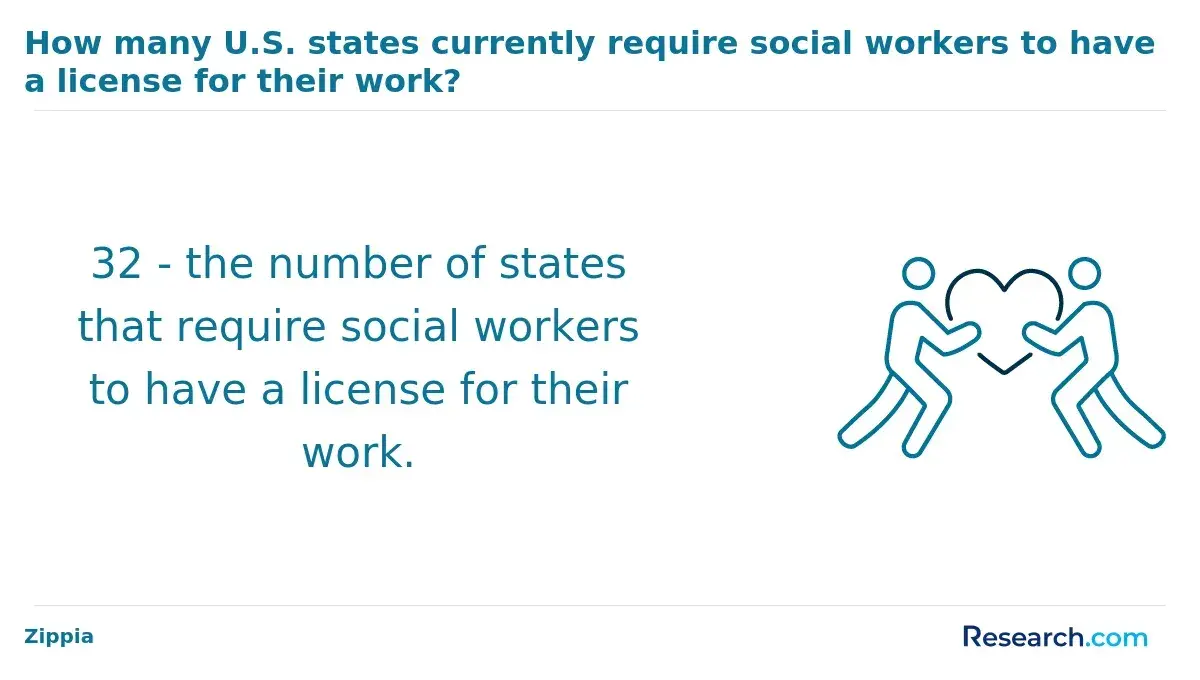
Before applying, students should check the CSWE directory, review their state licensing board’s requirements, and ask each program how it supports field placements in the student’s location. Applicants interested in shorter or alternative pathways should still verify accreditation when exploring 1 year MSW programs online no BSW.
What Are Typical Admission Requirements for Online MSW Degrees?
Online MSW admission requirements usually include a bachelor’s degree from an accredited institution, official transcripts, a statement of purpose, letters of recommendation, and a resume. Programs may accept applicants from many undergraduate majors, although coursework or experience in social work, psychology, sociology, human services, or related fields can strengthen an application.
Most schools expect a GPA around 3.0, though some accept as low as 2.75 or set higher thresholds for competitive programs. Applicants with lower GPAs may improve their file by highlighting relevant professional experience, strong recommendations, recent academic success, or a clear explanation of readiness for graduate study.
Common application materials
- Accredited bachelor’s degree: Required for regular MSW admission.
- Official transcripts: Used to confirm degree completion, GPA, and prerequisite preparation.
- Statement of purpose: Should explain career goals, fit with social work values, and readiness for graduate-level practice.
- Letters of recommendation: Academic, supervisory, or professional references should speak to judgment, communication, ethics, and service experience.
- Resume: Especially important for shift workers with healthcare, behavioral health, public service, crisis, or community experience.
- GRE scores: Some programs require them, but many waive this requirement for applicants with strong academic records or substantial professional experience.
- Advanced standing documentation: Students with a BSW may need to verify that the degree and coursework meet program requirements.
Additional requirements may include interviews, background checks, immunization records, or other documentation tied to field education. These steps matter because MSW students often work with vulnerable populations during practicum placements.
Shift workers should ask admissions teams practical questions before applying: Can the program be completed part time? Are field placements available in the applicant’s area? Are live classes required? How often are courses offered? A program that admits working students but lacks flexible sequencing can still be difficult to complete.
Hybrid MSW programs, such as the University of Houston's, demonstrate solid return on investment for shift workers, with average pre-degree salaries around $55,000 and a 3.8-year tuition ROI, according to the Georgetown University Center on Education and the Workforce.
What Does an Online MSW Curriculum Cover for Shift Workers?
An online MSW curriculum prepares students for advanced social work practice through coursework in human behavior, social welfare policy, research methods, ethics, assessment, intervention, and clinical or community practice. Flexible delivery changes how students access the curriculum, but it should not reduce the academic or field training standards expected of an MSW program.
Programs designed for shift workers often use modular coursework, recorded lectures, online discussions, case-based assignments, and structured deadlines. This format allows students to complete academic work during nontraditional hours while still building the competencies required for professional practice.
Typical curriculum areas
- Human behavior and the social environment: How individuals, families, groups, organizations, and communities develop and respond to stressors.
- Social welfare policy: How laws, systems, and public programs affect clients and communities.
- Research methods: How to evaluate evidence, interpret data, and apply research to practice.
- Clinical or direct practice: Assessment, intervention, documentation, and ethical decision-making with clients.
- Community and macro practice: Program planning, advocacy, organizational leadership, and policy change.
- Field education: Supervised practice in an approved agency or setting.
Field education remains the most schedule-sensitive part of the degree. Some programs support evening, weekend, remote, or employment-adjacent practicum options when they meet program standards. Students balancing full-time shift work in one online program achieved a 95% field placement retention rate, outperforming traditional campus students by 12%, showing how tailored support can help students remain on track.
Shift workers should ask whether the curriculum has lockstep course sequencing, how group projects are handled, and whether faculty office hours include nontraditional times. A flexible curriculum should support both independent learning and timely access to instructors, peers, and supervisors.
How Long Do Flexible Online MSW Programs Take to Complete?
Flexible online MSW programs typically take 18 months to 4 years, depending on prior education, enrollment status, field placement timing, and course sequencing. Full-time students commonly complete the degree in about two years, while part-time students may extend the timeline to maintain employment and manage personal responsibilities.
Students with a BSW may qualify for advanced standing, which can shorten completion to 12-18 months. Standard MSW pathways often require approximately 60 credits and close to 900 hours of field experience. Transfer credits, approved prior coursework, and program policies can also affect time to completion.
How pacing options usually compare
| Pathway | Typical completion time | Best fit | Key caution |
| Accelerated or advanced standing | 12-18 months | Students with qualifying BSW preparation who can handle a fast pace | May be difficult with demanding shift work or limited field availability |
| Full-time traditional MSW | About two years | Students able to manage heavier coursework and practicum hours | Less flexible if work shifts are unpredictable |
| Part-time flexible MSW | 18 months to 4 years | Working professionals who need a lighter academic load | Longer enrollment can increase total fees and delay graduation |
Program length depends heavily on field education. Even if coursework is asynchronous, practicum placements may require daytime, evening, or weekend hours depending on the site. Students should ask whether field placements can be completed near home, whether employment-based placements are considered, and how missed hours are handled.
Programs offering self-paced learning and flexible clinical placements are especially valuable for shift workers. UNC Online's MSW program shows strong career outcomes: in 2025, 68% of its online MSW graduates entered clinical roles earning over $80,000 annually, compared to 52% from traditional programs, according to state workforce data.
The best timeline is the one a student can complete consistently. A faster program may save time, but a part-time route may be more realistic for students who need to preserve income, avoid burnout, and meet field requirements without jeopardizing employment.
What Are the Costs of Top Online MSW Programs?
Online MSW costs vary widely by institution, residency status, public or private control, enrollment pace, fees, and field placement expenses. For shift workers, cost should be evaluated not only by tuition per credit but also by how the program’s schedule affects income, childcare, transportation, and time to completion.
Part-time tuition typically ranges from $500 to $1,200 per credit hour. Public universities often charge around $600 per credit, while private institutions can exceed $1,100 per credit hour. Additional fees for technology, registration, and course materials may increase expenses by 10-15%.
Costs to review before enrolling
- Tuition per credit: Multiply the per-credit price by the required credits, and check whether tuition differs for online, out-of-state, or part-time students.
- Mandatory fees: Technology, student services, registration, and placement fees can add to the bill.
- Books and course materials: Online programs may still require textbooks, software, or assessment tools.
- Field placement expenses: Students may need background checks, immunizations, transportation, professional clothing, or reduced work hours.
- Longer enrollment costs: Part-time study can make payments more manageable but may extend fee exposure over more terms.
Some programs offer payment by semester or per credit, which can help students with irregular income plan more carefully. Others use flat-rate tuition for certain enrollment levels, which may benefit students taking heavier course loads but may not be ideal for those who need part-time pacing.
Financial aid can include federal loans, grants, scholarships, and employer tuition reimbursement. Shift workers should also ask whether their employer offers education benefits, schedule accommodations for field placement, or paid professional development time.
Part-time MSW enrollment grew 24% year-over-year, driven by shift workers who represented 62% of new online students, according to the Council on Social Work Education. As more working adults enter online MSW programs, transparent tuition calculators, modular scheduling, and clear fee disclosures become especially important.
What Careers and Salaries Follow an Online MSW Degree?
An online MSW can lead to careers in clinical practice, healthcare, schools, child welfare, behavioral health, community programs, administration, policy, and advocacy. Career options depend on specialization, state licensure, supervised experience, field placement quality, and local labor market demand.
Graduates with an online MSW degree pursue roles such as licensed clinical social workers (LCSWs), administrators, case managers, program directors, policy analysts, and advocacy specialists. Salaries typically range from $55,000 to $95,000 depending on the position and experience.
| Career path | Typical salary range stated | Common work settings |
| Licensed clinical social worker (LCSW) | $60,000 to $90,000 | Healthcare, schools, private practice, community mental health, crisis services |
| Administrator, program director, or case manager | $55,000 to $85,000 | Nonprofits, public agencies, residential programs, healthcare organizations |
| Policy analyst or advocacy specialist | $65,000 to $95,000 | Government agencies, advocacy organizations, research groups, policy institutes |
A report from the National Association of Social Workers shows professionals with an MSW from flexible online programs earned a median salary of $78,500, about 41% more than those with a bachelor's degree. This does not guarantee an individual salary, but it shows the degree can support meaningful career and earnings growth when paired with licensure, experience, and marketable specialization.
Online MSW programs can be especially useful for shift workers who already understand 24/7 service environments. Healthcare social work, crisis intervention, residential treatment, emergency care, and correctional settings often need professionals who can work outside standard business hours.
Licensure usually requires supervised post-graduation hours, and requirements vary by state. Students who want clinical roles should choose field placements carefully, document supervised experience, and understand their state’s licensing process before graduation. Specializations in child welfare, gerontology, substance abuse counseling, healthcare, or mental health can also improve employability in targeted roles.
What Is the Job Outlook for MSW Graduates in Social Work?
The job outlook for MSW graduates with flexible scheduling skills is strong, especially in sectors that operate beyond standard business hours. By 2033, social work roles with nontraditional or shift-based hours are expected to grow 19% faster than the average occupation. This growth will create roughly 160,000 new positions, many in hospitals, crisis intervention centers, residential care facilities, and other 24/7 service settings.
Graduates who can work evenings, nights, or weekends may have an advantage in healthcare, child welfare, mental health agencies, correctional facilities, emergency response programs, and residential treatment. These settings often need social workers for discharge planning, safety assessments, crisis response, family support, case coordination, and patient advocacy outside traditional office hours.
Where demand may be strongest
- Hospitals and healthcare systems: Social workers support discharge planning, care coordination, patient advocacy, and crisis response.
- Crisis and behavioral health programs: Agencies often need coverage during evenings, weekends, and overnight hours.
- Child welfare and protective services: Urgent interventions may occur outside standard schedules.
- Residential and correctional facilities: Clients often require continuous support, assessment, and coordination.
- Rural and underserved urban areas: These locations may have more immediate openings and flexible roles due to workforce shortages.
Licensure can significantly affect job readiness. Graduates who understand state requirements, complete appropriate field placements, and begin the licensing process early may be more competitive for clinical and specialized roles.
For shift workers, prior experience in high-pressure, nontraditional work environments can become a professional advantage. When combined with an accredited MSW, supervised field training, and licensure planning, that experience can help graduates move into roles that meet urgent community needs while offering broader career mobility.
Other Things You Should Know About Social Work
Effective communication, empathy, and critical thinking are essential skills for social workers. They must be able to build trust with clients, assess their needs accurately, and develop practical intervention plans. Additionally, organizational skills and cultural competence contribute significantly to success in diverse social work settings.
Social workers commonly work in hospitals, schools, mental health clinics, child welfare agencies, and community organizations. They may also be employed by government agencies or correctional facilities. Each setting requires different approaches, tailored to the needs of the population served.
Social workers follow a strict code of ethics established by professional organizations such as the National Association of Social Workers (NASW). When facing ethical dilemmas, they prioritize client confidentiality, informed consent, and advocate for social justice while consulting with supervisors or ethics committees to resolve complex situations.
Continuing education requirements vary by state, but generally, licensed social workers must complete a set number of hours to maintain their credentials. Most online MSW programs offer courses and resources aligning with these requirements, allowing students to fulfill their continuing education needs flexibly alongside their degree coursework.
References
- The Pros and Cons of Online MSW Programs – Should I Pursue an MSW Online? https://www.masterofsocialwork.com/resources/pros-and-cons-online-msw-programs
- Social Work Careers https://socialworklicensemap.com/social-work-careers/
- High-demand social work roles in 2026: trends and opportunities https://socialwork.pacific.edu/blog/high-demand-social-work-roles-2026-trends-and-opportunities
- CSWE Accreditation Requirements and Standards https://lumivero.com/resources/blog/cswe-accreditation/
- Considering the Switch? The Advantages of 12-hour Shift Work Schedule for Your Operation https://circadian.com/legacy-blog/12-hour-shift-work-schedule
- Best Affordable Master's Degree In Social Work https://www.psychology.org/social-work/best-affordable-masters-programs/
- MSW online program https://socialwork.wayne.edu/msw/online
- Most Affordable Online MSW Programs: Review Low-Cost Options https://www.degreesforgood.org/online-degrees/social-work-programs/masters-msw/most-affordable/
- Different types of shift schedules - which one is right for you? https://www.elementsuite.com/articles/different-types-of-shift-schedules-which-one-is-right-for-you/
- MSW Program Length: 1-4 Year Timeline Guide for 2025 https://www.socialworkdegrees.org/faq/how-long-does-it-take-to-complete-a-msw-program