2027 Private vs Public Universities for Online MSW Programs

Co-Founder and Chief Data Scientist
The choice between a private and public online Master of Social Work program is not just about tuition. It affects how much flexibility you have, how field placements are arranged, what kinds of concentrations are available, how much faculty access you can expect, and how employers may recognize your training.
For prospective MSW students, the most important decision is whether a program fits your licensure goals, budget, schedule, learning style, and career direction. A lower published tuition rate may not be the cheapest option after aid. A prestigious private program may not be the best fit if it lacks field placement support in your area. A public university may offer strong community partnerships but still charge different rates for in-state and out-of-state online students.
This guide compares private and public universities offering online MSW programs so you can evaluate the trade-offs clearly. It explains tuition policies, financial aid, CSWE accreditation, concentrations, faculty support, field education, technology, and employer perceptions.
Key things you should know about private vs. public universities for online MSW programs:
- Public universities typically offer lower tuition, especially for in-state students, while private universities may provide more scholarships or flexible aid options.
- Private universities often feature smaller class sizes and personalized learning, whereas public universities may offer broader course options and larger online cohorts.
- Both types can lead to successful careers, but private universities may carry prestige, while public institutions are often recognized for accessibility and strong alumni networks.
How do private and public universities differ in offering online MSW programs?
Private and public universities can both offer strong online MSW programs, but they often differ in price structure, program design, support model, and institutional networks. The better choice depends on what you need most: affordability, flexibility, specialization, faculty access, or broad agency connections.
| Comparison point | Private universities | Public universities |
| Tuition model | Often use one tuition rate for online students, though total cost can be higher before aid. | May offer lower tuition, especially for in-state residents, but online tuition policies vary. |
| Class size and access | May have smaller cohorts and more individualized advising or faculty interaction. | May have larger cohorts but more formal advising systems and established student services. |
| Program structure | Often emphasize flexibility, specialized tracks, and alternative pacing options. | Often follow more structured pathways with broad course availability and clear progression plans. |
| Professional networks | May offer targeted connections in specialized practice areas or private-sector settings. | Often have larger alumni networks and strong ties to public agencies, nonprofits, and community organizations. |
| Learning support | May invest in high-touch student support, career coaching, and tailored online services. | Often provide broad academic, technical, and accessibility resources at scale. |
Private universities may be especially appealing to working professionals who need asynchronous coursework, flexible pacing, or a specialized program identity. This can also matter for students comparing MSW options with advanced pathways such as an online DSW program.
Public universities may be the stronger fit for students who want a lower-cost pathway, a large public-service network, or field placement connections with government and community-based agencies. The key is not whether the school is private or public, but whether the specific program is accredited, affordable after aid, supportive in your location, and aligned with your intended practice area.
Do in-state and out-of-state tuition policies apply to online students in public universities?
Yes, in many public universities, in-state and out-of-state tuition policies can still apply to online MSW students. However, the rule is not universal. Some public universities charge different rates based on residency, while others use a flat online tuition rate for all students regardless of location.
This distinction can significantly change the real cost of an online MSW. A public program that looks affordable for in-state students may be much more expensive for out-of-state students. Conversely, a flat-rate online program may be competitive with private universities, especially if the student also receives grants, scholarships, or employer support.
What online students should verify before applying
- Residency classification: Ask whether online MSW students are billed as in-state or out-of-state students based on their permanent address, current physical location, or another residency rule.
- Flat-rate online tuition: Confirm whether the program charges one online tuition rate for all students.
- Fees: Review technology fees, online course fees, field education fees, and student service fees, not just per-credit tuition.
- Reciprocity agreements: Some states participate in arrangements that may affect tuition access at neighboring public institutions.
- Residency changes: If you plan to move while enrolled, ask whether a change in location can affect tuition or field placement approval.
Do not assume that “online” automatically means “same price for everyone.” Public universities set their own policies, and those policies may differ by program, campus, and student residency category.
What kinds of scholarships, grants, or financial aid options are available at private vs public schools?
Both private and public universities may offer financial aid for online MSW students, but the sources and packaging can differ. Public universities may have lower sticker prices and access to state-supported aid, while private universities may offset higher tuition through institutional scholarships or grants.
| Aid type | How it may appear at public universities | How it may appear at private universities |
| Federal financial aid | Eligible students may use federal aid if the program and institution meet federal requirements. | Eligible students may use federal aid if the program and institution meet federal requirements. |
| Institutional scholarships | May include need-based, merit-based, or program-specific awards, often within a public funding framework. | May include merit scholarships, need-based grants, alumni-funded awards, or school-specific aid packages. |
| State-funded grants | More commonly available to eligible state residents at public institutions. | May be available in some cases, but often less central than institutional aid. |
| Work-study and assistantships | Availability depends on the university and whether online students qualify. | Availability depends on the university and whether online students qualify. |
| External scholarships | Students can apply through professional associations, foundations, employers, and community organizations. | Students can apply through professional associations, foundations, employers, and community organizations. |
How to compare aid packages accurately
- Compare net cost, not sticker price. A private university with strong grants may cost less than a public university charging out-of-state tuition.
- Separate grants from loans. Grants and scholarships reduce cost; loans must be repaid.
- Ask whether aid renews. Some awards apply only to the first term or first year, while others continue if you meet academic requirements.
- Check enrollment requirements. Some aid requires full-time enrollment, which may not fit working students.
- Look for service-based funding. Social work students may find awards tied to public service, behavioral health, child welfare, or underserved communities.
Students at either type of university can also seek external scholarships from organizations connected to social work education and practice, including groups such as the National Association of Social Workers (NASW) and the Council on Social Work Education (CSWE).
Are both private and public universities equally accredited by the Council on Social Work Education (CSWE)?
Yes. CSWE accreditation is available to both private and public universities, and the accreditation standard is not weaker or stronger based on institutional type. A CSWE-accredited online MSW from a private university and a CSWE-accredited online MSW from a public university both indicate that the program has met recognized professional education standards for social work.
The important question is not whether the school is private or public. The important question is whether the specific MSW program is currently accredited by CSWE. Institutional accreditation and programmatic CSWE accreditation are not the same thing; students should verify the MSW program itself.
Why CSWE accreditation matters
- Licensure readiness: Many state licensing boards require graduation from a CSWE-accredited MSW program.
- Curriculum quality: Accreditation confirms that the program addresses required social work competencies.
- Field education standards: CSWE-accredited programs must include supervised field education aligned with professional expectations.
- Employer confidence: Employers often use CSWE accreditation as a baseline indicator that the degree meets professional norms.
Students comparing a masters in social work online should confirm accreditation directly before considering other factors such as tuition, format, concentrations, or faculty access. A flexible or affordable program is not a good choice if it does not meet the educational requirements needed for the student’s intended license or career path.
Does accreditation status affect a graduate’s ability to obtain licensure?
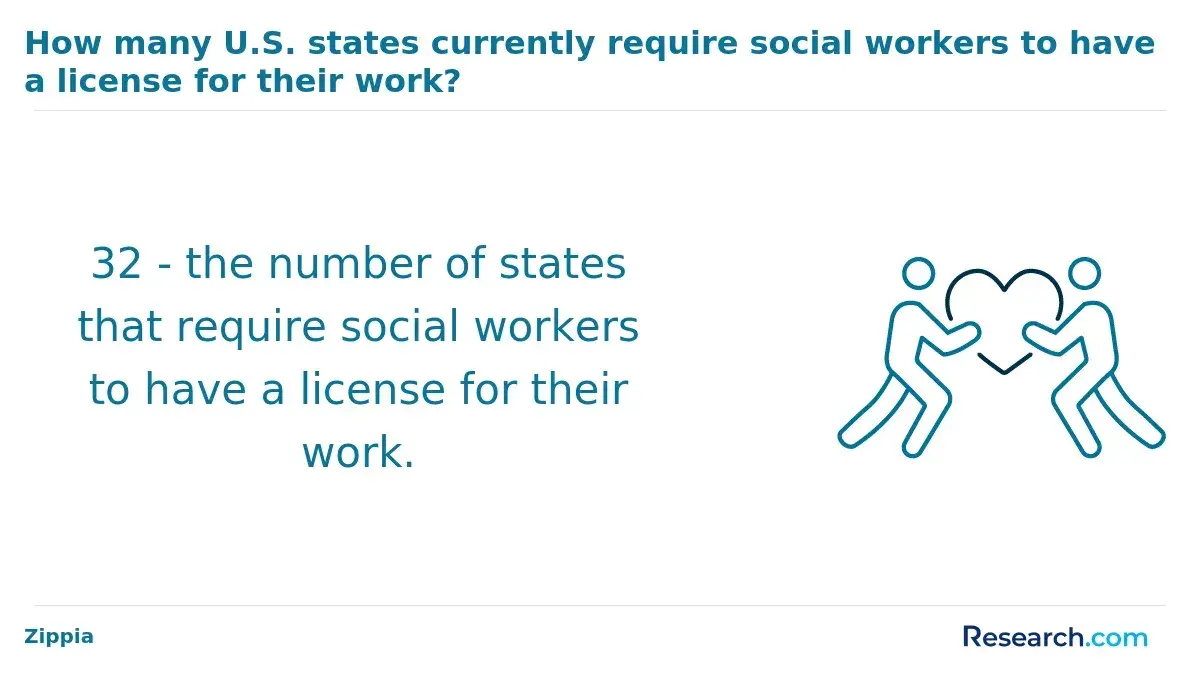
Yes. Accreditation status can directly affect whether an MSW graduate is eligible for social work licensure. Most state licensing boards require applicants to complete a Master of Social Work program accredited by the Council on Social Work Education (CSWE). If the program is not CSWE-accredited, a graduate may be unable to sit for the required licensure exam or may face additional barriers when applying for licensed roles.
This is especially important for students who want to become licensed clinical social workers, school social workers, healthcare social workers, or licensed practitioners in regulated settings. Licensure requirements vary by state, but CSWE accreditation is one of the most common baseline requirements.
Before enrolling, confirm these licensure details
- Current CSWE status: Check whether the program is fully accredited and whether that status applies to the online format.
- State board requirements: Review the licensing rules in the state where you plan to practice, not only the state where the university is located.
- Field placement requirements: Confirm that practicum hours and supervision arrangements meet your state’s expectations.
- Clinical preparation: If you want clinical licensure, verify that the curriculum and field options support that goal.
- Relocation plans: If you may move after graduation, research whether the degree and supervised experience will transfer across states.
A non-accredited MSW may still provide education, but it can severely limit professional options in licensed social work. Students should treat accreditation verification as a required step, not a final detail to check after admission.
Do private universities offer more specialized or unique MSW concentrations?
Private universities often have more room to market distinctive concentrations, interdisciplinary tracks, or flexible elective clusters. That does not mean private programs are always more specialized, but they may be more likely to emphasize niche areas as part of their program identity.
Public universities also offer concentrations, but they may focus more heavily on broad, established pathways such as clinical practice, community practice, policy, administration, or work with public systems. These tracks can be highly valuable for licensure preparation and employment in government, nonprofit, healthcare, and community settings.
| Program feature | Private universities may emphasize | Public universities may emphasize |
| Concentration design | Niche tracks such as trauma-informed care, advocacy, clinical specialization, or interdisciplinary themes. | Established practice areas that prepare students for broad employment and licensure pathways. |
| Electives | More customizable elective options in some programs. | Structured elective choices tied to public service, community practice, or state workforce needs. |
| Interdisciplinary options | Connections with public health, criminal justice, business, or policy programs may be highlighted. | Connections with public agencies, research centers, and community initiatives may be prominent. |
| Field placement focus | May include specialized agencies or focused practice settings. | May include broad community, nonprofit, school, health, and government placements. |
Students should choose concentrations based on career fit, not novelty. A highly specialized track can help if it matches your intended role, but a broad concentration may be better if you want flexibility across multiple careers in social work.
Questions to ask about concentrations
- Is the concentration available to online students, or only to campus-based students?
- Does the track support the type of licensure you plan to pursue?
- Are field placements available in that specialty near your location?
- Will the specialization broaden your employment options or narrow them too early?
- Are electives offered regularly enough for part-time students to complete the track on schedule?
Are there differences in the quality of faculty engagement or mentorship?
There can be differences, but they are not guaranteed by university type alone. Faculty engagement depends on cohort size, advising model, course design, instructor availability, field education staffing, and how intentionally the program supports online students.
Private universities may offer smaller cohorts and more direct faculty access, which can help students who want individualized feedback, career guidance, or mentorship in a specialized area. This can be valuable for students balancing work, family responsibilities, and field placement demands.
Public universities may have larger online cohorts, but many compensate with structured advising systems, faculty office hours, teaching assistants, field coordinators, and peer support networks. Faculty at public universities may also be deeply connected to public agencies, community-based practice, and large-scale social work research.
What strong mentorship looks like in an online MSW
- Clear advising access: Students know whom to contact for academic planning, field questions, and career support.
- Responsive faculty: Instructors provide timely feedback and meaningful interaction, not just recorded lectures.
- Field education guidance: The program helps students align practicum experiences with licensure and career goals.
- Professional networking: Students have opportunities to connect with alumni, supervisors, and local practitioners.
- Support for pacing: Advisors help students understand full-time, part-time, and accelerated options before they fall behind.
Students considering an accelerated social work program should pay special attention to faculty access and advising. A faster format can save time, but it also compresses coursework, field education, and deadlines. Strong mentorship can make the difference between a manageable accelerated path and an overwhelming one.
How do field placement opportunities differ between public and private institutions?
Field placement is one of the most important parts of an online MSW because it connects classroom learning to supervised practice. Differences between public and private institutions often come down to agency partnerships, geographic reach, specialization, and the amount of placement support provided.
Private universities may offer more individualized placement advising, especially when cohorts are smaller. They may also partner with specialized agencies that match niche concentrations, such as trauma care, policy advocacy, private practice settings, or focused clinical services.
Public universities often have large placement networks tied to community organizations, public schools, hospitals, nonprofits, and government agencies. These relationships can be especially useful for students seeking broad experience in public service systems or placements connected to local workforce needs.
Key field placement differences to compare
- Placement responsibility: Ask whether the school finds placements for students or expects students to identify sites themselves.
- Geographic coverage: Confirm that the program can support placements in your state or local area.
- Specialty access: If you want a specific practice area, ask how often students actually receive placements in that area.
- Schedule flexibility: Some placements require weekday daytime hours, which can affect working students.
- Supervisor qualifications: Make sure field supervisors meet program and licensure-related expectations.
- Remote student support: Online students should have access to field coordinators, orientation, conflict resolution, and backup planning if a placement falls through.
When comparing MSW online programs, do not treat field placement as a minor detail. A program may have excellent coursework but still be a poor fit if it cannot help you secure an appropriate practicum near where you live.
What kinds of online learning platforms and technologies are used by universities?
Online MSW programs typically use learning management systems, video platforms, discussion tools, digital libraries, assignment portals, and field education tracking systems. The quality of the online experience depends less on whether the university is private or public and more on how well the technology supports interaction, accessibility, and timely feedback.
Public universities commonly use widely adopted platforms such as Blackboard, Canvas, or Moodle. These systems are familiar, stable, and designed to support large numbers of students. Public institutions may also have extensive IT help desks, accessibility offices, digital library systems, and student support portals.
Private universities may use the same major platforms or invest in customized online learning environments. Some private programs emphasize interactive dashboards, multimedia lessons, virtual simulations, live discussion tools, or more integrated student support features.
Technology features that matter most
- Asynchronous access: Students should be able to complete required work without logging in at inconvenient times, unless the program clearly requires live sessions.
- Reliable video and discussion tools: Social work education depends on interaction, case discussion, role play, and reflection.
- Mobile access: Students balancing work and field hours benefit from being able to review materials on multiple devices.
- Accessibility: Platforms should support captions, screen readers, readable documents, and disability accommodations.
- Field tracking: A strong system helps students document practicum hours, supervision, competencies, and evaluations.
- Technical support: Online students need help outside traditional campus hours, especially during assignment deadlines or live class meetings.
Before enrolling, ask for a sample course tour if available. The best online platform is not necessarily the most advanced; it is the one that makes expectations clear, keeps students connected, and reduces friction while they manage coursework and field education.
Do employers view degrees from private or public universities differently?
Most employers care more about CSWE accreditation, licensure eligibility, field experience, and professional competence than whether the MSW came from a private or public university. A degree from a CSWE-accredited program signals that the graduate completed a recognized social work curriculum and required field education.
That said, reputation can matter in specific hiring markets. A private university may have name recognition in certain specialized or regional networks. A public university may be highly respected among local agencies, government employers, hospitals, schools, and nonprofit organizations because of long-standing placement partnerships and alumni presence.
What employers are likely to evaluate
- CSWE accreditation: This is often a baseline requirement for licensed social work roles.
- Licensure status or eligibility: Employers may ask whether candidates qualify for the relevant state credential.
- Field placement experience: Practicum settings can demonstrate readiness for a specific population or practice area.
- Clinical and communication skills: Interview performance, supervision feedback, and references matter.
- Specialized training: Concentrations, certificates, or electives may help for targeted roles.
- Local network: Programs with strong agency relationships may provide a hiring advantage in their region.
Students asking what can you do with a degree in social work? should focus on outcomes tied to licensure, field experience, and specialization. Graduates may pursue roles in clinical therapy, school social work, community outreach, nonprofit leadership, policy advocacy, program management, research, mental health, child welfare, healthcare, and related areas. The name of the university can help, but it rarely matters more than accreditation, preparation, and fit for the job.
Other things you should know about private vs. public universities for online MSW programs
Private universities often offer tailored career services, including one-on-one coaching, internship matching, and individualized guidance for specialized social work fields. Public universities provide strong career support as well, frequently leveraging large community partnerships and government connections to help students secure field placements and employment. The difference is usually in personalization versus scale.
In 2027, private universities typically offer a wider variety of elective courses in Online MSW programs, allowing students to specialize in niche areas. Public universities, on the other hand, may offer fewer electives, but often have comprehensive core curricula. Both types aim to cater to diverse academic interests.
References
- Arizona State University. (n.d.). Online Master of Social Work (MSW). ASU Online
- Council on Social Work Education. (2025). Directory of Accredited Programs. CSWE
- Rutgers University School of Social Work. (n.d.). 100% Online MSW Program. Rutgers University
- U.S. Bureau of Labor Statistics. (2025). Occupational Outlook Handbook: Social Workers. U.S. BLS
- Walden University. (n.d.). Online Master of Social Work (MSW) Program. Walden