2027 Top Networking and Internship Opportunities for Social Work Students

Co-Founder and Chief Data Scientist
Choosing a social work internship is one of the most important career decisions you will make during a BSW or MSW program. With approximately 810,900 social worker jobs across the U.S., opportunities exist in many settings—but not every placement will build the same skills, supervision history, professional references, or pathway to employment.
The right internship can help you test a specialization, meet licensure-related supervision expectations, strengthen your resume, and build relationships that lead to interviews after graduation. The wrong fit can leave you with limited client exposure, weak supervision, or experience that does not match your long-term goals.
This guide explains how social work internships fit into your education, where to find strong placements, how to network as a student, and how to turn field experience into career momentum. It is especially useful for BSW and MSW students, online learners, and career-switchers who need a practical strategy for choosing opportunities rather than simply completing required hours.
Key Things You Should Know About Top Networking and Internship Opportunities for Social Work Students
- The median annual salary for Licensed Clinical Social Workers is approximately $94,158, showing the strong earning potential with advanced licensure and experience.
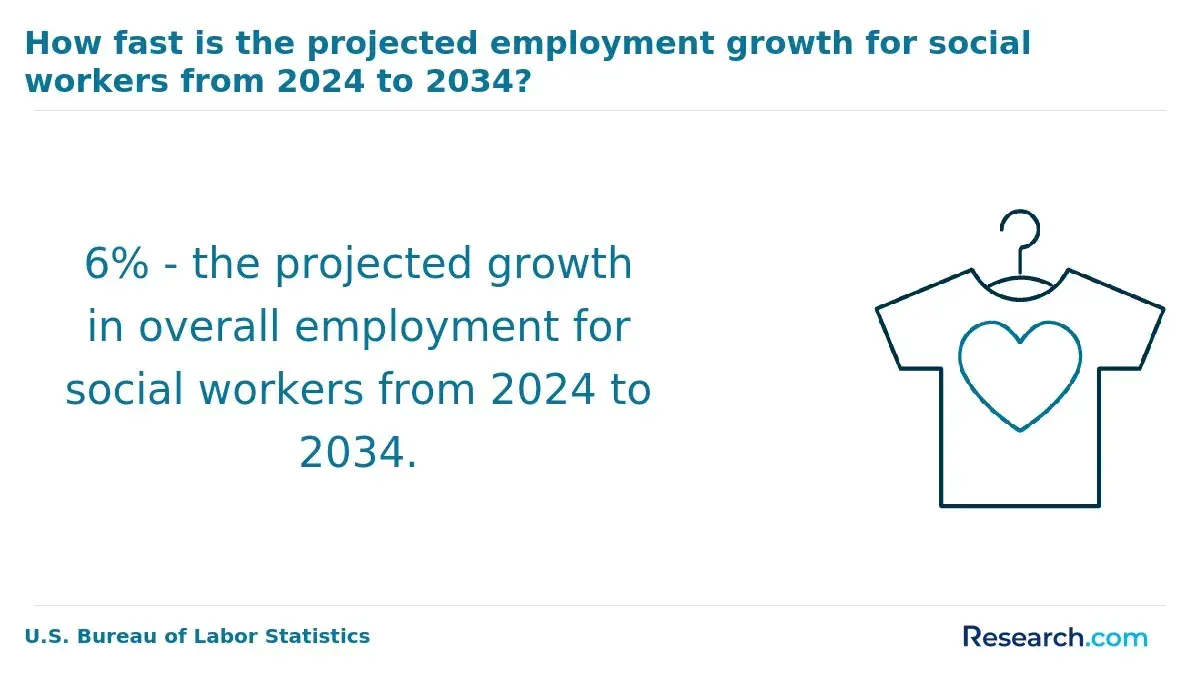
- The U.S. Bureau of Labor Statistics projects 6% growth in employment for social workers from 2024 to 2034, indicating steady job market expansion.
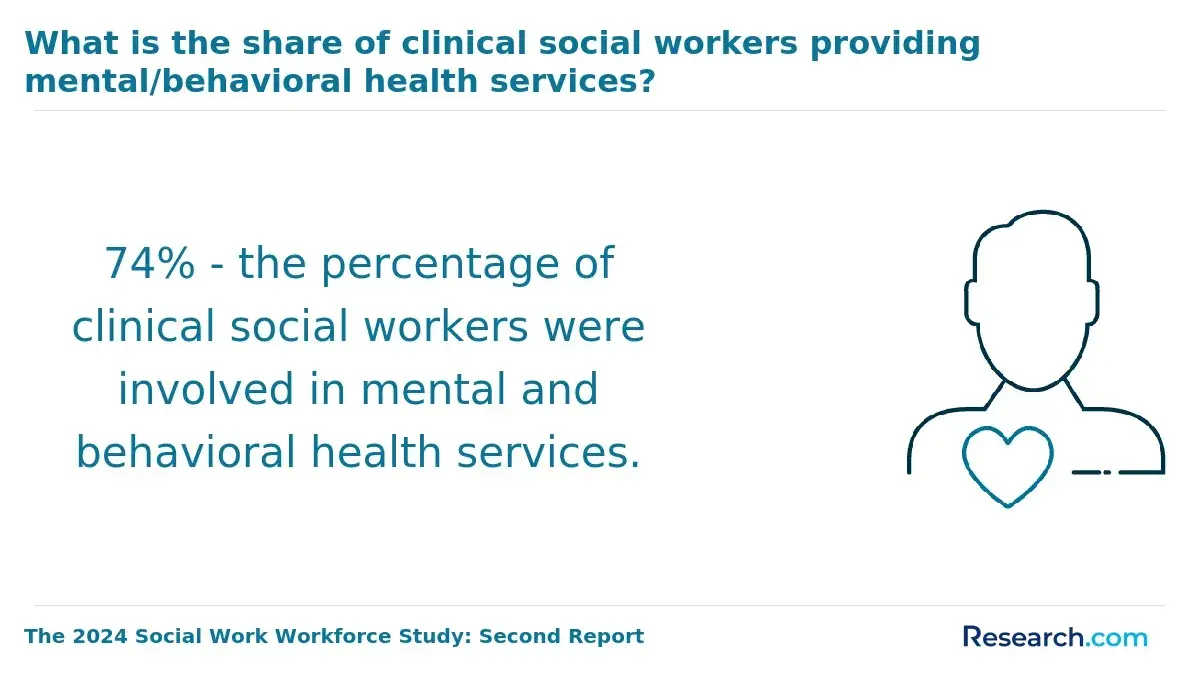
- About 74% of clinical social workers are involved in mental and behavioral health services, making this the largest sector for social work internships.
- There were approximately 810,900 social worker jobs in 2024, reflecting the field's substantial size and diverse opportunities across settings.
- The average age of a social worker with a master's degree is 34, highlighting that life experience and career transitions bring valuable perspectives to the profession.
Why is networking so important for a career in social work?
Networking matters in social work because the profession is built on trust, supervision, referrals, and collaboration. A strong professional network can help you find quality internships, identify qualified supervisors, understand local hiring patterns, and get advice on difficult ethical or practice questions.
Social work includes 810,900 jobs across many roles and settings, from schools and hospitals to behavioral health agencies, community organizations, and government programs. Without relationships in the field, it is harder to know which agencies provide strong supervision, which roles align with your goals, and which openings may never be widely advertised.
Networking also supports long-term career sustainability. Social work can be emotionally demanding, and professional isolation can make burnout more likely. Colleagues, mentors, supervisors, and alumni can provide perspective, referrals, encouragement, and guidance when cases or workplace dynamics become difficult.
Building a career, not just finding a job
The relationships you build as a student often influence your first job and future career options. Field instructors may become references. Professors may recommend you for specialized placements. Alumni may alert you to openings before they appear on public job boards.
The average age of an MSW holder is 34, which means many students and early-career professionals bring prior work experience, caregiving experience, military experience, or community involvement into the field. That diversity makes networking especially valuable because peers can share practical knowledge about different populations, agencies, and career paths.
Networking also helps you answer a bigger career question: whether a degree in social work is worth it for your goals. Conversations with working social workers can show you what the profession looks like beyond coursework, including the rewards, limitations, compensation realities, and advancement paths.
What is the role of an internship in your social work education?
A social work internship, often called field education or field placement, is the supervised practice component of your degree. The Council on Social Work Education (CSWE) requires field education because social work cannot be learned through classroom study alone. Students need guided practice with clients, communities, agencies, documentation, ethics, and professional judgment.
Your internship is where theory becomes practice. You may learn how agencies assess needs, coordinate services, document client interactions, respond to crises, work within legal and ethical boundaries, and collaborate with other professionals. Just as important, you begin to develop your professional identity: how you communicate, handle feedback, manage boundaries, and respond to complexity.
It is useful to think of the internship as more than a degree requirement. In many cases, it functions like an extended job interview. Agencies observe whether you are dependable, teachable, respectful with clients, careful with confidentiality, and able to function as part of a team. A strong placement can lead to references, job leads, and sometimes a full-time offer.
Balancing academic requirements and practical realities
Field placements require a serious time commitment. Many students spend 16 to 20 hours per week or more in placement, especially at the advanced level. Because many internships are unpaid, students must plan carefully around employment, caregiving, transportation, and course deadlines.
Before choosing a program or placement, consider the full cost of attendance and the likely field schedule. For many students, comparing the most affordable online MSW programs can be a practical way to reduce tuition pressure and make an unpaid or low-paid internship more manageable.
When evaluating a placement, ask how supervision works, what tasks interns typically perform, whether evening or weekend hours are available, and how the agency supports students who are balancing school and work. A placement that looks impressive on paper may not be the best fit if the schedule is unsustainable.
What are the different types of social work internships available in 2027?
Social work internships are available across micro, mezzo, and macro practice settings. The best choice depends on your degree level, career goals, licensure plans, population interests, and the type of supervision you need.
- Clinical mental health and substance abuse: These placements may involve intake, treatment planning, group work, crisis response, case management, and supervised exposure to therapy-related services in community mental health centers, hospitals, or treatment facilities.
- Healthcare and medical social work: These internships are often based in hospitals, clinics, hospice programs, or rehabilitation settings. Students may help patients and families with care coordination, discharge planning, resource navigation, and adjustment to illness or disability.
- Child, family, and school social work: These placements may involve schools, child welfare agencies, family service nonprofits, or youth programs. Students often learn about mandated reporting, family systems, advocacy, student support, and collaboration with educators or case teams.
- Administration, policy, and community organization: Macro social work placements focus on program development, community needs assessment, grant support, advocacy, policy research, coalition-building, or systems change.
About 74% of clinical social workers work in mental and behavioral health services. Family services account for 17% of placements. Those figures help explain why behavioral health internships are common, but students should not assume clinical therapy is the only meaningful path in social work.
Matching the internship type to your career goals
If your goal is clinical licensure or private practice, prioritize placements with strong clinical supervision, exposure to assessment and treatment planning, and a client population you may want to serve after graduation. If you are interested in hospital systems or interdisciplinary care, healthcare placements can provide structured training and experience working with physicians, nurses, case managers, and families.
If you are transitioning from business, education, public administration, nonprofit management, or advocacy, macro placements may allow you to use your prior experience while developing a social work lens. Skills such as project management, budgeting, stakeholder communication, training, and data analysis can be highly relevant in program management or policy roles.
The main mistake to avoid is choosing a placement only because it is convenient. Convenience matters, but your internship should also build evidence of competence in the area where you want to work.
Where can you find the best social work internship opportunities?
The strongest social work internship opportunities usually come from a combination of official school placement systems, professional networks, job boards, and direct outreach. Start with your program’s field education office, but do not rely on one source alone.
- Your university’s field education office: This is usually the primary source for approved placements, affiliation agreements, and field instructor requirements. It can also help confirm whether a site meets your program’s academic standards.
- The NASW Career Center: National and state chapter resources may include internships, entry-level roles, events, and employer connections relevant to social work students.
- Online job boards: Sites such as Idealist.org can be useful for nonprofit, advocacy, community development, and direct service opportunities.
- Government portals: USAJOBS and agency-specific websites, including VA-related postings, may list internships or student pathways in federal service environments.
- Direct outreach: Contacting agencies that match your interests can uncover opportunities that are not formally advertised.
Many students make the mistake of waiting passively for a placement list. That approach can work, but it limits you to the options already visible to everyone else in your cohort. If you know the population, setting, or specialization you want, proactive research can help you find a better fit.
Beyond the obvious: finding hidden-gem placements
Some excellent placements are small programs, specialized clinics, community organizations, or advocacy groups that do not have the staff time to advertise broadly. They may still welcome a prepared student who understands their mission and can explain what the school requires.
A practical approach is to identify three agencies doing work you genuinely care about. Review their services, staff structure, and community focus. Then send a concise email asking for a 15-minute informational conversation about student learning opportunities. Even if they cannot host you, they may refer you to another agency or supervisor.
When you contact an agency, be clear that your placement must meet school requirements. Ask whether they have supervised social work interns before, whether a qualified field instructor is available, and what types of student tasks are appropriate. This protects you from committing to a site that cannot support your academic or licensure-related goals.
What are the top national internship programs for social work students?
National programs can be valuable because they often provide structured training, recognizable experience, and exposure to complex systems. They may be especially useful for students interested in healthcare, veterans services, disaster response, public policy, or large-scale human service delivery.
- The U.S. Department of Veterans Affairs (VA): As one of the largest employers of social workers, the VA can offer experience in mental health, rehabilitation, medical social work, family support, housing-related services, and interdisciplinary care.
- Federal government internships: Opportunities connected to the Department of Health & Human Services or the Substance Abuse and Mental Health Services Administration (SAMHSA) may provide exposure to policy, behavioral health, public programs, and direct service systems.
- Major national nonprofits: Organizations such as the American Red Cross may offer structured roles in disaster relief, emergency assistance, community response, and related support services.
Healthcare settings are often competitive because they can offer strong interdisciplinary experience and a clear employment pathway. Median salaries for healthcare social workers reach $68,090, which also helps explain student interest in these placements.
Are competitive national programs right for you?
A prestigious placement can strengthen your resume, but it is not automatically the best option. Large systems may offer formal training and name recognition, while smaller agencies may give you closer mentorship, broader responsibility, and more direct contact with leadership.
Before applying, ask what you want the placement to do for your career. If you want experience in a highly regulated system, national programs may be a strong choice. If you need intensive supervision, flexible scheduling, or deep community-based experience, a local agency may be better.
Apply to competitive programs if they fit your goals, but build a backup plan. A strong local placement with excellent supervision can be more useful than a famous site where interns have limited responsibility.
How can you effectively build your professional network as a student?
You do not need to be unusually outgoing to build a useful professional network. You need consistency, curiosity, and professionalism. Small actions repeated over time can create relationships that help with internships, supervision, references, and job leads.
- Request informational interviews. Contact professionals in roles that interest you and ask about their career path, current work, and advice for students. Keep the conversation brief and focused.
- Attend local NASW chapter events. State chapters often host panels, mixers, webinars, and continuing education events where students can meet practitioners in a low-pressure setting.
- Use LinkedIn intentionally. Connect with alumni, field instructors, guest speakers, and agency staff. Add a short note explaining your shared program, interest area, or reason for connecting.
- Follow up with guest speakers. If someone presents in class, send a brief message thanking them and naming one specific point that was useful. This is a simple way to start a professional relationship.
- Build peer relationships. Classmates may become future supervisors, referral partners, hiring managers, or collaborators. Treat peer networking as part of professional development.
This is especially important because 32 states require licensure for social work practice, and licensure requires supervised hours. The people you meet as a student can help you understand local licensure expectations, identify supervision opportunities, and avoid common early-career mistakes.
Leveraging digital tools and alumni networks
Online students can build strong networks without being limited to one campus location. Students in an online MSW program can use LinkedIn, virtual conferences, alumni groups, and state association events to meet practitioners across regions.
Alumni networks are particularly useful because graduates understand your program’s curriculum, field process, and local reputation. When contacting alumni, do not immediately ask for a job. Ask for advice, insight into their setting, or suggestions for students interested in similar work.
A simple follow-up system helps. After meeting someone, record where you met, what you discussed, and one appropriate next step. Networking is not collecting names; it is maintaining respectful professional contact over time.
What are the key strategies for a successful internship application?
A strong social work internship application shows three things: you understand the agency’s work, you can connect your experience to its needs, and you are ready to learn in a professional setting. Generic applications are easy to spot and rarely stand out.
- Tailor your resume for each placement. Highlight relevant coursework, volunteer work, direct service experience, language skills, research, advocacy, or prior employment that connects to the agency’s population or mission.
- Write a mission-specific cover letter. Explain why the agency’s work matters to you and what you hope to learn there. Avoid broad statements that could apply to any social service organization.
- Prepare for ethics and boundaries questions. Be ready to discuss confidentiality, mandated reporting, professional boundaries, cultural humility, self-awareness, and how you respond to feedback.
- Show reliability. Agencies want interns who will arrive on time, document carefully, communicate clearly, and take supervision seriously.
- Ask informed questions. In interviews, ask about supervision structure, intern responsibilities, client contact, training, safety protocols, and evaluation expectations.
Hiring managers and field instructors want students who are motivated but realistic. You do not need to present yourself as already fully skilled. You do need to show maturity, preparation, and respect for the clients and communities the agency serves.
For many students, the internship search begins even earlier with choosing a program that fits their goals and admission profile. Reviewing MSW programs with accessible admissions options can help reduce stress at the start of the process.
Translating your previous career skills
Career-switchers should not downplay prior experience. Instead, translate it into social work-relevant language. Project management can connect to case coordination and service planning. Customer service can demonstrate client engagement and conflict de-escalation. Teaching can support group facilitation and youth development. Budget oversight can connect to resource allocation, grant support, or program administration.
The key is to connect your background to social work values and competencies. Explain how your previous roles prepared you to listen carefully, solve problems, work with diverse communities, manage documentation, or advocate within systems.
Avoid overclaiming clinical skill if you have not been trained for clinical practice. Present prior experience as a foundation for learning, not a substitute for supervision.
How do you make the most of your social work internship experience?
To get the most value from your internship, treat it as professional formation, not just a school assignment. Your goal is to build competence, judgment, relationships, and evidence that you can be trusted in a social work role.
- Seek learning beyond assigned tasks. Ask to shadow different staff members, observe case conferences, attend trainings, or learn how referrals and documentation move through the agency.
- Use supervision actively. Bring questions, case reflections, ethical concerns, and examples of your work. Do not wait until a formal evaluation to ask how you are doing.
- Be dependable. Arrive on time, meet documentation deadlines, follow communication protocols, and notify your supervisor early if a problem arises.
- Build relationships across the agency. Administrative staff, intake coordinators, case managers, clinicians, and program leaders all understand different parts of the system.
- Reflect on fit. Pay attention to what energizes you, what drains you, which populations you connect with, and what kind of supervision helps you grow.
Completing tasks is only the baseline. The interns who leave the strongest impression are the ones who accept feedback well, take initiative appropriately, respect agency limits, and contribute to the team without acting beyond their role.
From intern to trusted team member
Trust is built through consistency. If you say you will follow up with a client, complete a note, prepare a resource list, or attend a meeting, do it. If you make a mistake, report it promptly and focus on learning from it.
As you gain confidence, look for appropriate ways to add value. You might organize a resource guide, identify a recurring workflow problem, research best practices, or help prepare materials for a group or outreach event. Always confirm with your supervisor before taking on new responsibilities.
An internship becomes career-building experience when you leave with stronger skills, specific accomplishments, thoughtful references, and a clearer understanding of the kind of social work you want to pursue.
What professional organizations should social work students join for networking?
The National Association of Social Workers (NASW) is the most important professional organization for many social work students because it offers ethics resources, career tools, events, advocacy updates, and state-level networking opportunities.
- NASW student membership: Student membership can provide access to the code of ethics, publications, career resources, networking events, and professional development opportunities at a reduced rate.
- State chapter participation: Local chapters may offer regional job boards, mentorship opportunities, policy updates, conferences, and student-friendly events.
- Specialty organizations: Depending on your goals, groups such as the School Social Work Association of America (SSWAA) or the National Association of Black Social Workers (NABSW) may offer more targeted community, training, and advocacy opportunities.
Professional organizations are useful because they connect students to the field beyond their campus. They can help you learn the language of the profession, understand current policy issues, find continuing education, and meet practitioners in your specialization.
Activating your membership for maximum benefit
Joining an organization is only the first step. To make membership worthwhile, attend at least one webinar, chapter event, conference session, or student meeting each semester. Subscribe to chapter emails and look for volunteer roles that put you in contact with practitioners.
Volunteering can be especially effective. Helping at an event, serving on a student committee, or supporting a chapter initiative gives you a reason to interact with professionals in a more meaningful way than simply exchanging contact information.
Choose organizations based on your goals and capacity. It is better to be active in one relevant organization than to pay for several memberships and never participate.
How can you turn your internship into a full-time job offer?
Turning an internship into a job offer requires strong performance, clear communication, and timing. Agencies are more likely to hire interns who have already shown reliability, good judgment, professionalism, and a genuine commitment to the agency’s population.
Do not wait until the final week to express interest. In the final months of your placement, schedule a conversation with your supervisor. Explain that you have valued the experience and would like to be considered for employment after graduation if a suitable position opens. Ask how the agency handles hiring, what qualifications are required, and whether there are upcoming vacancies.
Licensed Clinical Social Workers earn a median salary of approximately $94,158, which is one reason many students pursue post-graduate roles that support clinical growth and licensure. Still, your first offer should be evaluated for more than salary. Supervision quality, caseload expectations, training, workplace culture, and licensure support can shape your long-term career.
How to make the agency want to keep you
- Document your contributions. Keep a record of projects, trainings, populations served, groups assisted, or process improvements you supported.
- Ask what skills would make you more competitive. Your supervisor may identify documentation, crisis work, group facilitation, or specific certifications as priorities.
- Maintain professional relationships. Send a thoughtful thank-you note after the placement and stay in touch periodically without pressuring staff for favors.
- Apply through the formal process. Even if staff know you, follow HR procedures carefully and submit polished materials.
Strategizing your post-internship job search
If your internship site cannot hire you, use the placement as a launch point. Ask your supervisor and colleagues whether they know agencies with similar work, whether they are willing to serve as references, and what roles would match your current level of experience.
Regional pay differences can be significant, so review compensation alongside cost of living, supervision availability, licensure portability, and advancement opportunities. Understanding the highest paying social work jobs by state can help you evaluate options more strategically.
Your first post-graduate role does not have to be perfect, but it should move you toward stronger competence, ethical practice, and a sustainable career path.
What are the emerging trends in social work to watch for in 2027?
In 2025, social work is being shaped by changing service delivery models, workforce needs, technology, and growing attention to systemic barriers. The U.S. Bureau of Labor Statistics projects 6% growth in employment for social workers from 2024 to 2034, reflecting steady demand across settings.
Several trends are especially important for students choosing internships. Telehealth and digital mental health services have expanded access while creating new questions about privacy, engagement, documentation, and clinical boundaries. Integrated healthcare models are placing social workers more often on primary care and interdisciplinary teams. Macro-level advocacy remains important as communities respond to housing insecurity, healthcare access, behavioral health needs, and other systems-level challenges.
Students who understand these trends can choose placements that build future-ready skills. That may mean learning how telehealth is delivered ethically, how social workers collaborate in medical teams, or how policy and community organizing influence client outcomes.
Positioning yourself for the future of social work
When comparing internships, ask whether the agency uses telehealth platforms, participates in integrated care, tracks outcomes, partners with community organizations, or engages in policy advocacy. These experiences can help you speak more clearly in future interviews about where the profession is headed.
If you want to move into leadership, research, policy, teaching, or advanced clinical practice, doctoral education may eventually become part of your plan. Exploring the cheapest DSW programs can help you understand advanced pathways, although most students should first focus on building strong supervised practice experience.
The profession is changing, but the core remains the same: ethical service, careful assessment, advocacy, cultural humility, and commitment to improving individual and community well-being. Choose internships that help you build those foundations while exposing you to the settings where social work is growing.
Other Things You Should Know About Top Networking and Internship Opportunities for Social Work Students
Yes, social work students in 2027 can find remote internships and online networking opportunities. Many organizations and platforms offer virtual internships and networking events, providing flexibility and accessibility for students seeking experience and professional connections.
While many social work internships are unpaid, some agencies and programs do offer stipends, particularly federal programs like the VA, certain Title IV-E child welfare internships, and some major hospital systems. Stipends typically range from $5,000 to $15,000 for the academic year, though amounts vary widely. Some universities also offer field placement scholarships or emergency grants to help students manage financial strain during unpaid internships. Ask your field office about paid opportunities and financial assistance programs available specifically for students in field placements. Don't assume all internships are unpaid without researching your options.
Yes, social work students in 2027 can find remote internships and networking opportunities, which have become more prevalent. Online platforms, virtual workshops, and digital networking events offer students flexible options to gain experience and expand professional connections regardless of their location.
References
- Bruxer, M. (2025). MSW requirements and application process (2025 guide). MSW Helper. Retrieved October 26, 2025, from MSW Helper.
- Council on Social Work Education. (2025). About CSWE. Retrieved October 26, 2025, from CSWE.
- Data USA. (2025). Social work. Retrieved October 26, 2025, from Data USA.
- National Association of Social Workers. (2025). Careers. Retrieved October 26, 2025, from NASW.
- U.S. Bureau of Labor Statistics. (2025). Social workers. Occupational Outlook Handbook. Retrieved October 26, 2025, from BLS.