2027 The Real Weekly Time Commitment of an Online MSW Program

Co-Founder and Chief Data Scientist
An online MSW can fit around work and family, but it is rarely a low-time-commitment degree. The main planning question is not only whether classes are online; it is whether you can consistently make room for coursework, live sessions, group work, field placement, and the administrative tasks that come with supervised practice.
This guide explains the weekly time commitment prospective online MSW students should expect, how that time changes by full-time or part-time enrollment, and how fieldwork affects the schedule. It also covers admissions, program length, cost, curriculum, careers, salary expectations, accreditation, and licensing so you can judge whether an online MSW is realistic for your current life and career goals.
Key Things You Should Know
- Online MSW programs in 2026 require an average of 15-20 hours per week, balancing lectures, assignments, and field practicum hours.
- Field placements often demand 8-12 hours weekly, significantly impacting total time commitment beyond coursework.
- Time management skills are critical as students juggle study with professional and personal responsibilities, with approximately 60% of enrollees working part-time or full-time.
How many hours per week does an online MSW program require?
Most online MSW students should plan for a weekly commitment of 20 to 30 hours. That estimate usually includes online coursework, reading, assignments, discussion participation, group projects, and field placement hours during practicum terms. The exact workload depends on whether you enroll full-time or part-time, whether your program uses live sessions, and where you are in the curriculum.
Coursework alone commonly takes 10 to 15 hours per week. Field practicums can add another 10 to 20 hours weekly in clinical, school, healthcare, community, or agency settings. Across the full program, field education often totals 900 to 1,200 hours, which can average 15 to 20 hours weekly during placement terms.
The biggest mistake prospective students make is treating the online format as if it automatically reduces total workload. Online delivery may reduce commuting and make lectures easier to access, but it does not remove the reading, writing, case analysis, live participation, or supervised practice required for professional preparation.
- Full-time students: typically face 25 to 30 hours weekly when coursework and fieldwork overlap.
- Part-time students: may spend around 15 hours per week in lighter terms, but practicum semesters can still create heavier weeks.
- Students working full-time: often need part-time enrollment, employer flexibility, or a reduced course load to avoid overextending themselves.
- Students in synchronous programs: must also reserve fixed time for live class meetings, supervision, or group discussions.
This level of commitment matters because workload pressure can affect persistence and well-being. A 12% rise in burnout rates among social workers has been linked with weekly workloads surpassing 45 hours, including fieldwork. If you will continue working while enrolled, add your employment hours to your expected school and placement hours before deciding on a full-time schedule.
If you cannot reliably dedicate 20-plus hours per week, look for programs with part-time tracks, reduced course loads, flexible pacing, and transparent field placement support. Students considering advanced education beyond the MSW may later compare options such as a doctor of social work online, but the first priority is choosing an MSW pace you can complete without unnecessary burnout.
What does a typical weekly schedule look like in an online MSW?
A typical online MSW week is built around several types of work: asynchronous coursework, live class participation, reading, writing, group collaboration, and field placement. According to the CSWE 2025 Online Education Survey, online MSW students spend about 18 hours on asynchronous coursework. That estimate does not include synchronous activities such as live lectures or group discussions, which can add 2 to 6 hours weekly depending on the program.
In practical terms, an online MSW schedule often requires protected blocks of time rather than occasional study sessions. Students who succeed usually plan the week before it starts, keep a visible deadline calendar, and treat field placement hours like a professional job commitment.
Common weekly tasks include:
- reading assigned texts, policy materials, research articles, and case examples;
- watching recorded lectures or completing online learning modules;
- writing reflection papers, case assessments, treatment plans, or policy analyses;
- posting in discussion boards and responding to peers;
- meeting with classmates for group projects or presentations;
- attending live lectures, seminars, advising sessions, or supervision meetings;
- completing field placement shifts and related documentation.
A workable weekly study schedule might include 3 hours each weekday for asynchronous coursework, plus 1 to 2 evenings for live sessions, group work, or major assignments. Weekends are often used for longer writing blocks, exam preparation, or catching up before deadlines.
Time demands shift by enrollment status. Full-time students often manage 20-25 total hours weekly before particularly heavy practicum periods, while part-time students may reduce the load to 10-15 hours. Practicum placements usually require 10 to 20 hours per week and must be scheduled around agency availability, not only student preference.
Before enrolling, ask each program how many live meetings are required, whether courses are mostly asynchronous, how discussion participation is graded, and when field placement hours are typically available. These details are just as important as tuition when comparing programs. For financial planning, review the cost of MSW program alongside the time you may need to take away from work.
How does online MSW time commitment compare to campus programs?
Online and campus MSW programs usually require a similar total amount of work. Core coursework commonly takes about 15 to 20 hours per week for lectures, readings, assignments, and academic participation. The main difference is not academic rigor; it is how the hours are scheduled.
Campus programs typically require students to attend classes at fixed times and locations. That structure can help students who prefer routine and in-person accountability, but it may be difficult for those with full-time jobs, caregiving responsibilities, or long commutes. Online programs often provide asynchronous access to course materials, allowing students to complete some work early in the morning, during evenings, or on weekends. The trade-off is that online students must manage their own time more deliberately.
Field placement is the area where online and campus students are most similar. Field education hours are usually set by agency needs, supervisor availability, client schedules, and program requirements. A 2025 survey in the CSWE Field Education Report noted that 68% of MSW field placements require evening or weekend shifts driven by agency needs. These hours can push the weekly commitment beyond normal business hours and add approximately 12 to 20 hours weekly for placements focused on client services rather than academic convenience.
- Online programs: more flexible for lectures and assignments, but still demanding during practicum terms.
- Campus programs: more predictable class meeting times, but less flexible for students who need location independence.
- Both formats: require field placement attendance, professional conduct, supervision, and documentation.
When comparing formats, focus on your real weekly calendar. If your job has unpredictable shifts or you care for family members, asynchronous coursework may help. If you need a fixed routine and face-to-face support, campus study may be easier to sustain. Students looking for a compressed path should examine whether an option such as a 1 year online master's in social work is realistic given the intensive study and fieldwork expectations.
Employer Confidence in Online vs. In-Person Degree Skills, Global 2024

What are the admission requirements for online MSW programs?
Online MSW admission requirements usually start with a completed bachelor's degree from an accredited institution. Many programs expect a minimum GPA around 3.0, though policies vary by school, applicant background, and pathway. Applicants typically submit official transcripts, letters of recommendation, a resume, and a statement of purpose explaining their interest in social work and professional goals.
Programs may also look for evidence that applicants understand the demands of social work education. Relevant experience in human services, advocacy, behavioral health, education, community work, or related settings can strengthen an application, but requirements differ. Some schools accept applicants directly from undergraduate study, while others prefer 1-2 years of social service experience.
Common admission materials and considerations include:
- official transcripts from all colleges attended;
- letters of recommendation from faculty, supervisors, or professional contacts;
- a personal statement or statement of purpose;
- a resume showing employment, volunteer work, internships, or service experience;
- prerequisite coursework in areas such as psychology, sociology, or statistics;
- possible foundational preparation in ethics or diversity;
- GRE scores if required, although many schools are increasingly waiving them based on academic or professional qualifications;
- English proficiency documentation, such as TOEFL or IELTS, for many international students.
Applicants should also review the time requirements before applying. Many online MSW programs include synchronous participation. For example, 74% require at least three live sessions per course each semester, adding 6-8 weekly hours of fixed meeting times. That can affect students who work evenings, travel frequently, or have limited control over their schedules.
Do not choose a program based only on whether admission looks easy. Confirm accreditation, field placement support, state licensure alignment, course delivery format, and live attendance expectations. Prospective students can compare pathways using resources on the easiest MSW online program, but each school’s current requirements should be verified directly before applying.
How long does it take to complete an online MSW degree?
An online MSW generally takes two to three years to complete, depending on enrollment pace, program structure, transfer or advanced standing policies, and field placement sequencing. Most programs require between 60 and 65 credit hours. Full-time students usually graduate within two years, while part-time students may take three years or longer.
The calendar length matters, but the weekly workload matters more for day-to-day planning. Online MSW students average about 12 hours weekly on discussion boards and group collaborations, often outside scheduled class hours. These activities can make the program feel heavier than a simple credit-hour estimate suggests, especially when major papers, group projects, and practicum responsibilities overlap.
Students balancing employment, caregiving, or other obligations should choose the pace that protects both academic performance and health. Accelerated formats can be efficient, but they may require 20 or more hours a week and leave little room for schedule disruptions. Part-time enrollment reduces weekly pressure but extends the overall timeline.
Field placement is usually the most difficult part to compress. During practicum semesters, students may need 15 to 20 hours weekly for supervised practice in addition to coursework and online participation. These hours are mandatory and may occur during daytime, evening, or weekend periods depending on agency needs.
- Full-time online MSW: about 2 years.
- Part-time online MSW: 3 years or more.
- Weekly asynchronous work: approximately 12 hours.
- Field placement hours: 15-20 weekly during practicum.
- Combined weekly commitment: often 25-30 total hours when coursework, fieldwork, and collaboration are counted together.
Before selecting a timeline, ask whether courses are offered every term, whether field placement must be completed in a set sequence, and whether slowing down later would delay graduation. A flexible program is only useful if its pacing rules match your life.
What is the average cost of an online MSW program?
The total cost of an online MSW program commonly ranges from $15,000 to $50,000 for the full degree. Public universities often charge lower tuition, especially for in-state students, while private schools and out-of-state enrollment can cost more. Students should also budget for textbooks, technology fees, background checks, travel to practicum sites, required immunizations or documentation, and other placement-related expenses.
Many schools charge by the credit hour, with fees averaging between $600 and $1,200 per credit. Because programs usually require 30 to 60 credits, small per-credit differences can create a large difference in total tuition. Some universities offer flat-rate pricing for full-time students, which may lower the total cost for students who can finish quickly, but that option may not be practical for those who need to keep working.
Financial planning should include both direct and indirect costs. Tuition is only one part of the decision. A demanding weekly schedule can reduce work hours, limit overtime, or make full-time employment difficult during practicum terms. Data from the NASW Student Outcomes Survey 2025 shows full-time online MSW students spend an average of 42 hours per week on coursework, with over half reporting this was more than they expected. That workload can increase reliance on loans, savings, scholarships, employer tuition assistance, or payment plans.
Before enrolling, compare programs using the net cost after aid, not just advertised tuition. Ask about scholarships for online students, graduate assistantships if available, employer reimbursement compatibility, payment deadlines, field placement fees, and whether tuition differs by residency status. A lower-cost program may be the better choice if it is accredited, supports licensure goals, and offers a schedule you can complete.
What curriculum and courses are in an online MSW?
Online MSW programs combine foundational social work education, advanced practice courses, electives, and supervised field education. The curriculum is designed to prepare students for direct practice, clinical work, administration, advocacy, policy, community practice, or specialized service settings depending on the program track.
Core coursework often covers human behavior, social welfare policy, research methods, social work ethics, diversity and social justice, assessment, intervention planning, and practice with individuals, families, groups, organizations, and communities. Common courses include Social Work Practice with Individuals, Families, and Groups; Diversity and Social Justice; Social Policy Analysis; and Advanced Clinical Interventions.
Specializations may include clinical social work, administration, school social work, healthcare, community practice, or related areas. Students pursuing clinical practice should pay close attention to whether the curriculum supports their state’s licensing requirements, because course titles and field settings can matter for postgraduation eligibility.
Programs typically require 60 to 70 credit hours over two to three years full-time, while part-time students may take four to six years to graduate. Courses may include both synchronous and asynchronous components, with assignments such as case studies, discussion posts, exams, recorded presentations, group projects, policy briefs, and research-based papers.
Field education is the practical backbone of the MSW. Students complete 900 to 1,200 hours of supervised practice in social service agencies, healthcare organizations, schools, behavioral health settings, community programs, or other approved placements. These hours often run alongside academic courses, which is why time management becomes a core survival skill rather than an optional habit.
According to the Council on Social Work Education Part-Time Trends 2025, part-time students average 25 weekly hours of study and fieldwork. Flexible online delivery can help students manage that workload, but it does not eliminate the need for consistent weekly availability, professional communication, and reliable attendance at placement sites.
What careers and job roles follow an MSW degree?
An MSW can lead to roles in clinical practice, healthcare, child welfare, schools, community organizations, public agencies, policy, and social service administration. The right path depends on your interests, state licensing requirements, field placements, and whether you want to provide direct services, manage programs, advocate for policy change, or pursue clinical licensure.
Common MSW career paths include:
- Clinical social worker: provides therapy, assessment, treatment planning, and mental health support in agencies, clinics, hospitals, or private practice settings after meeting licensure requirements.
- Medical social worker: helps patients and families navigate illness, discharge planning, care coordination, insurance barriers, and community resources.
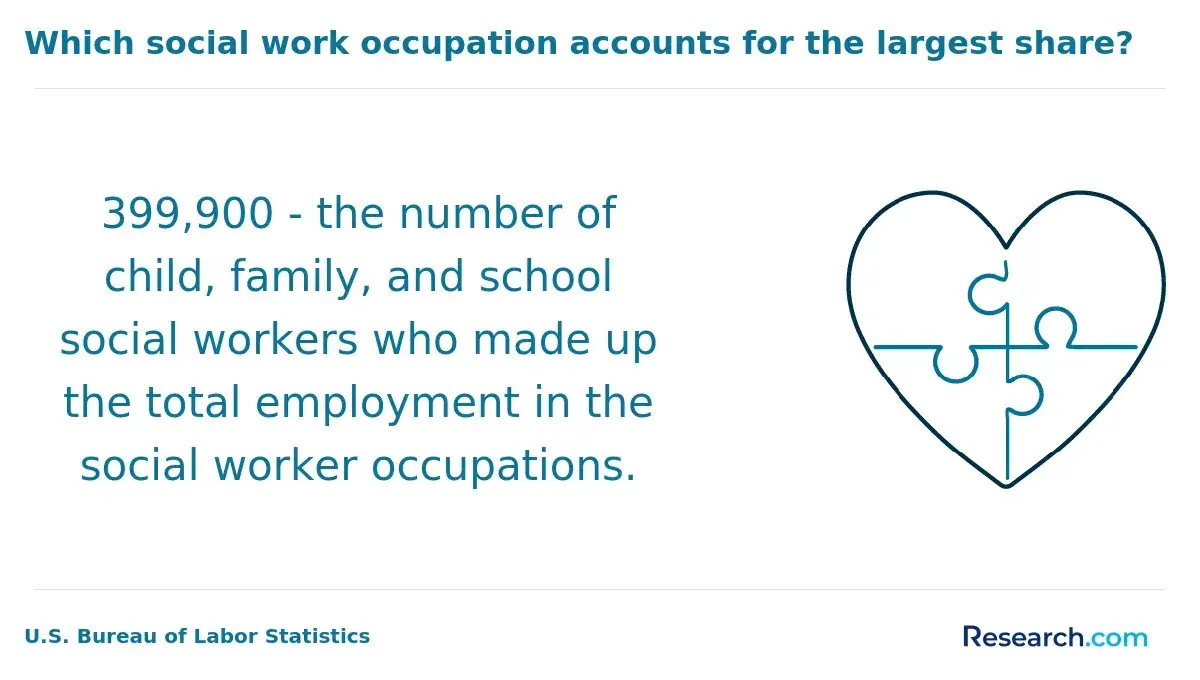
- Child, family, and school social worker: supports children and families through case management, crisis intervention, advocacy, and collaboration with schools or child welfare agencies.
- Community organization social worker: develops programs, coordinates services, builds partnerships, and addresses social inequities at the community level.
- Policy or administrative social worker: works on program management, legislation, grant-funded services, compliance, evaluation, or organizational leadership.
The administrative side of social work begins during the degree. According to the MSW Field Coordinator Network Study 2025, 81% of online MSW students spend an additional 5-7 hours weekly on administrative tasks like placement applications and compliance reporting. Those tasks mirror the documentation, coordination, and regulatory responsibilities common in many social work jobs.
Prospective students should choose field placements strategically. A placement in behavioral health may support a clinical direction, while a placement in schools, hospitals, public agencies, or community organizations can build experience for specialized roles. Strong writing, organization, ethical judgment, and communication skills are useful across all MSW career paths.
What is the average salary after an online MSW?
Salary after an online MSW varies by role, location, licensure, employer type, specialization, and experience. Entry-level social workers typically earn between $50,000 and $60,000 annually. Clinical social workers and specialists often start between $65,000 and $75,000, while advanced positions in healthcare, mental health agencies, or government sectors can exceed $80,000.
Several factors can affect earning potential:
- Licensure: An LCSW, or Licensed Clinical Social Worker credential, can significantly improve income potential for clinical roles.
- Specialization: Mental health, medical, and school social work roles may offer stronger pay depending on region and employer.
- Location: Urban areas and states with higher living costs generally offer better salaries, though expenses may also be higher.
- Experience: Earnings usually rise after five or more years as professionals gain advanced skills, supervision hours, and leadership opportunities.
- Employer type: Hospitals, government agencies, private practices, schools, and nonprofits may use different pay structures and benefit packages.
Prospective students should also account for the time it takes to reach higher-paying licensed roles. A 2025 Journal of Social Work Education Retention Analysis found a 29% attrition rate due to students managing workloads exceeding 50 hours per week. Leaving or delaying a program can postpone licensure progress, employment advancement, and long-term earnings.
The practical takeaway is to evaluate salary alongside program cost, weekly workload, and licensure requirements. A program that is affordable, accredited, and realistically manageable may produce a better career outcome than a faster or more prestigious option that increases the risk of burnout or noncompletion.
What accreditation and licensing are needed for MSW practice?
Accreditation and licensing are essential for MSW students who want broad employment options and legal eligibility for professional practice. In the United States, the Council on Social Work Education (CSWE) is the primary accrediting body for MSW programs. Graduating from a CSWE-accredited program is important because most states require it for social work licensure eligibility.
Licensure rules vary by state, but common credentials include Licensed Master Social Worker (LMSW) and Licensed Clinical Social Worker (LCSW). Most licensure pathways require passing an Association of Social Work Boards (ASWB) exam. The exam is standardized nationally, but state boards set their own rules for eligibility, supervision, scope of practice, continuing education, and renewal.
Clinical licensure usually requires additional supervised postgraduate experience. Licensing typically involves completing 2,000 to 3,000 supervised postgraduate clinical hours over two to three years. Many states also require continuing education to renew a license and maintain professional competence.
The LCSW is generally required for independent clinical practice, including providing therapy without supervision and qualifying for insurance reimbursement. For non-clinical roles in areas such as school social work, policy, administration, community practice, or case management, an LMSW or other state-recognized credential may be sufficient, depending on local rules and employer expectations.
Online MSW students should verify three points before enrolling: the program’s CSWE accreditation status, whether the curriculum supports licensure in the state where they plan to practice, and whether field placement options can meet state-specific requirements. Without proper accreditation or aligned coursework, graduates may face limited licensure and employment opportunities.
Despite the demanding workload, MSW graduates earned a median salary of $78,000 in 2025, representing a 245% return on investment in tuition within five years. Accreditation and licensure help protect that investment by ensuring the degree is recognized by employers, licensing boards, and professional practice settings.
Other Things You Should Know About Social Work
Yes, all accredited online MSW programs require students to complete fieldwork or practicum hours. These supervised practice hours provide essential real-world experience in clinical, community, or policy settings. The number of hours typically aligns with accreditation standards, often ranging from 900 to over 1,200 hours depending on the program's focus.
Many online MSW programs are designed with working professionals in mind and offer flexible scheduling. However, balancing a full-time job with coursework and field placement can be challenging and requires strong time-management skills. Some programs may recommend part-time enrollment to better accommodate working students.
In 2027, the weekly time commitment for fieldwork or practicum in an online MSW program typically ranges from 15 to 20 hours. This component is essential for hands-on experience, allowing students to apply theoretical knowledge in real-world settings. While online, these commitments are usually flexible, accommodating varied schedules.
Online MSW programs often incorporate virtual discussion groups, live webinars, and cohort-based learning to foster connections among students and faculty. Some programs facilitate access to professional organizations and internship opportunities to help students build networks within the social work community. However, networking opportunities may differ from the in-person experience and require proactive engagement.
References
- Social Work Licensing Requirements by State https://agentsofchangeprep.com/blog/social-work-licensing-requirements/
- Social Work (MSW) https://www.wlu.ca/programs/social-work/graduate/social-work-msw/index.html
- Social Worker (LCSW, MSW) Salary Guide By State https://socialworklicensemap.com/social-work-careers/social-work-salary/
- All CSWE Accredited Online MSW Programs (2025 Update) https://www.masterofsocialwork.com/online-msw-programs
- 17 Most Affordable Online MSW Programs: Analyzed for 2025 - Social Work Education Center https://www.socialworkdegree.net/online-msw-programs/most-affordable-online-msw-programs/
- How Long Does it Take to Complete an MSW Program? Online or Campus https://www.onlineeducation.com/social-work/faqs/how-long-is-an-msw-program
- Types of Social Workers: Exploring the Many Fields in Which They Serve https://www.umassglobal.edu/blog-news/types-of-social-workers
- 5 High-Paying Jobs You Can Get with an MSW https://onlinedegrees.keuka.edu/blog/highest-paying-msw-jobs
- Accreditation and/or licensing requirements | SWTP https://socialworktestprep.com/blog/2024/october/25/accreditation-and-or-licensing-requirements/
- Fast Track MSW Programs https://www.onlinemswprograms.com/online-social-work-degrees/accelerated-online-msw-programs/