2027 MSW Programs for Psychology Majors: What to Expect

Co-Founder and Chief Data Scientist
A psychology degree can be a strong starting point for a Master of Social Work, but the transition is not automatic. The key decision is whether you want training that leads toward social work licensure, clinical practice, community-based services, policy work, or broader human services roles. An MSW can open doors that a psychology bachelor’s degree alone may not, especially for students who want a clearer path into supervised clinical practice and social work licensure.
This guide explains how MSW programs work for psychology majors, including admissions expectations, curriculum, fieldwork, online options, costs, licensure requirements, career paths, and salary considerations. It is designed for psychology students and graduates who want to compare graduate school options, avoid application mistakes, and choose a program that fits their professional goals, schedule, and state licensing requirements.
Key Things You Should Know
- MSW programs in 2026 increasingly integrate telehealth training, reflecting a 40% rise in demand for digital mental health services since 2024.
- Approximately 70% of psychology majors report enhanced career flexibility with MSW degrees, particularly in clinical and community-based roles.
- Accredited programs now emphasize diversity and cultural competence, aligning with a 25% increase in client populations from underrepresented groups.
Can psychology majors pursue MSW programs?
Yes. Psychology majors can pursue MSW programs in the United States, and they do not usually need a Bachelor of Social Work to apply. Most MSW programs accept applicants from many undergraduate majors as long as they have a bachelor’s degree from an accredited institution and can show academic readiness, relevant interests, and a clear reason for entering social work.
A psychology background often fits well with social work education. Courses in human development, abnormal psychology, counseling concepts, research methods, and social behavior can help students understand client needs, mental health concerns, trauma, and interpersonal dynamics. However, MSW programs also require students to learn areas that psychology majors may not have studied in depth, including social welfare policy, social work ethics, case management, advocacy, macro practice, and field-based professional competencies.
Most psychology majors enter the traditional two-year MSW pathway. Advanced standing is typically reserved for students who already hold a Bachelor of Social Work from a CSWE-accredited program. Some schools may consider waivers for introductory content when applicants have relevant coursework or professional experience, but psychology majors should not assume they will qualify for a shorter program.
Field education is also required. MSW students complete supervised practicum placements in settings such as healthcare organizations, schools, behavioral health clinics, child welfare agencies, nonprofits, and community programs. For psychology majors, this fieldwork is often where the biggest shift happens: students learn to apply mental health knowledge through a social work lens that includes systems, policy, resources, family context, and social determinants of well-being.
The career case for an MSW is also practical. Employment in social work is projected to grow by 7% over the next decade, slightly surpassing the 6% growth rate for psychology roles. For students interested in clinical counseling, case management, healthcare navigation, school-based support, community advocacy, or policy work, an MSW can provide a more direct professional pathway than a psychology bachelor’s degree alone.
Before applying, psychology majors should compare accreditation, licensure alignment, field placement support, and specialization options. Students considering advanced study beyond the MSW may also want to explore doctorate social work programs after they understand the professional value of the MSW.
What are MSW program admission requirements for psychology majors?
MSW admission requirements for psychology majors are usually similar to the requirements for applicants from other undergraduate fields. In 2026, most programs require a bachelor’s degree from an accredited institution, official transcripts, letters of recommendation, a personal statement, and evidence that the applicant understands the social work profession. A minimum GPA of 3.0 is commonly expected, although policies vary by school.
Psychology majors often meet many academic expectations because their coursework covers human behavior, development, mental health, research, and social science foundations. Still, MSW admissions committees are not only looking for strong grades. They want to see that applicants understand social work values, are prepared for direct service, and can work with diverse individuals, families, and communities.
Common MSW application materials include:
- Official transcripts showing completion of a bachelor’s degree from an accredited institution.
- Letters of recommendation from faculty, supervisors, internship coordinators, or professionals who can speak to the applicant’s judgment, maturity, and service orientation.
- A personal statement explaining career goals, interest in social work, relevant experience, and fit with the program.
- A resume that highlights internships, employment, volunteer work, research, advocacy, crisis support, peer mentoring, or community service.
- Program-specific materials, which may include an interview, writing sample, prerequisite review, or supplemental essay.
Relevant experience can strengthen an application, especially for psychology majors who have not taken formal social work courses. Helpful experiences may include volunteering at a crisis line, working in a behavioral health setting, supporting youth programs, assisting with community outreach, serving in a hospital or shelter, or completing an undergraduate psychology internship. These experiences show that the applicant has tested their interest in helping professions and understands the realities of client-facing work.
The GRE is increasingly optional, but applicants should verify each school’s policy rather than assuming it is waived. Interviews may also be used to assess communication skills, ethical judgment, professional fit, and readiness for field placements.
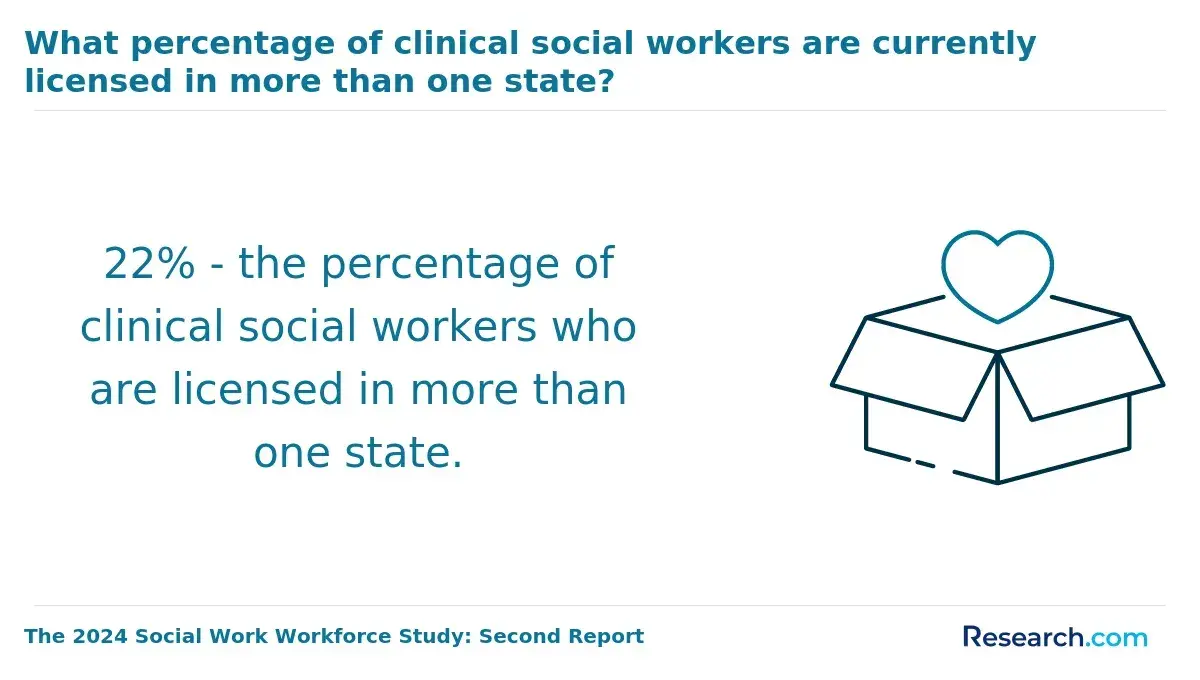
One important distinction is career trajectory. Psychology master’s graduates without a doctorate have limited clinical options, while earning an MSW allows independent practice as an LCSW after 2-3 years of supervised experience. Students comparing cost and access may also want to review affordable online MSW programs as part of their application planning.
How long do MSW programs take and what do they cost?
For most psychology majors, an MSW takes two years of full-time study. Part-time programs commonly take three or more years, depending on course load, field placement scheduling, and whether the student continues working while enrolled. Accelerated programs may allow completion within 12 to 18 months, but these formats are intensive and can be difficult to combine with full-time employment.
Advanced standing applicants with qualifying bachelor’s degrees in social work can sometimes finish in just one year. Because advanced standing is usually tied to a Bachelor of Social Work, psychology majors should confirm eligibility before planning around a shorter timeline. Students who want a faster pathway can compare accelerated MSW online options, but they should also consider workload, field placement demands, and licensure requirements.
Cost varies widely by institution, residency status, format, and program length. Public universities typically charge between $10,000 and $30,000 annually for in-state students, while private schools often demand $30,000 to $60,000 per year. Additional fees, textbooks, transportation, technology costs, and field placement-related expenses can add several thousand dollars.
Psychology majors should compare total program cost, not just annual tuition. A lower yearly tuition may not be the least expensive option if the program takes longer, requires unpaid daytime fieldwork that reduces income, or charges significant fees. Online programs can reduce relocation and commuting costs, but they may still require in-person field placements near the student’s location.
MSW admissions can be more flexible than some psychology graduate pathways. MSW programs accept bachelor’s degrees from any major, not just psychology. The typical minimum GPA requirement is around 3.0, which is often lower than the 3.0 to 3.5 GPA usually required by psychology master’s programs that prefer psychology majors. This broader access can help students who are committed to human services but want a licensure-oriented graduate option.
When choosing between full-time, part-time, online, hybrid, or accelerated study, consider more than speed. Ask whether the program’s schedule allows you to complete field hours, maintain income, meet family obligations, and progress toward your state’s licensing requirements without unnecessary delays.
What does an MSW curriculum cover for psychology backgrounds?
An MSW curriculum builds on a psychology major’s understanding of behavior, development, and mental health, but it expands the focus from the individual to the person-in-environment framework. Students learn how family systems, culture, poverty, discrimination, policy, healthcare access, schools, agencies, and communities shape client needs and service options.
Core MSW coursework often includes human behavior in the social environment, social welfare policy, social work ethics, diversity and oppression, research methods, assessment, intervention, and field education. Psychology majors may find familiar themes in development, psychopathology, trauma, and counseling, but the social work curriculum typically adds stronger emphasis on advocacy, resource coordination, case planning, and systems-level change.
Clinical social work tracks may include training in assessment, diagnosis, treatment planning, crisis intervention, cognitive-behavioral approaches, trauma-informed practice, substance use, family work, and group practice. Students who already studied psychology can use that foundation, but they must also learn the professional boundaries, legal standards, and ethical responsibilities specific to social work.
Field education is central to the MSW. Placements may occur in mental health clinics, hospitals, schools, child welfare agencies, community organizations, substance use programs, or social service agencies. These placements help students translate classroom concepts into supervised practice with clients, teams, and organizations.
Some MSW programs allow students to specialize in areas such as clinical social work, healthcare social work, school social work, child and family services, community practice, or policy analysis. Psychology majors interested in therapy or behavioral health may prefer clinical or mental health concentrations, while those interested in prevention, advocacy, or program leadership may choose community or policy-oriented tracks.
According to the CSWE 2023-2024 Annual Survey of Social Work Programs, 225 MSW programs enrolled 55,935 students, most pursuing full-time study. This reflects continued demand for graduate social work education and for professionals who can combine clinical understanding with systems-based practice.
For students asking is social work a good career, the curriculum is one of the clearest ways to evaluate fit. An MSW is not simply a counseling degree; it is professional preparation for clinical, organizational, community, and policy-informed work.
Are there online MSW options suitable for psychology majors?
Yes. Many accredited universities offer online MSW programs that can work well for psychology majors, especially students who need to balance graduate study with employment, caregiving, or location constraints. Online programs may offer the same degree as campus-based programs, but students should evaluate accreditation, field placement support, state authorization, and licensure alignment before enrolling.
The most important requirement is CSWE accreditation. Graduating from a Council on Social Work Education-accredited MSW program is commonly necessary for social work licensure. A program’s online format does not remove the need for supervised field education, so applicants should ask how placements are arranged in their area and whether the school has experience supporting students in their state.
Useful features to look for in online MSW programs include:
- Accreditation by the Council on Social Work Education (CSWE), which supports eligibility for recognized social work licensure pathways.
- Clinical, mental health, or behavioral health concentrations that build on psychology coursework.
- Asynchronous coursework for students who need schedule flexibility.
- Clear field placement support, including help identifying approved practicum sites near the student’s location.
- Licensure guidance for the state where the student plans to practice after graduation.
- Reliable access to faculty, advising, writing support, library resources, and career services.
Licensure requirements vary by state, especially for supervised clinical hours and approved post-graduate practice. This matters for online students because a program based in one state may not automatically satisfy all requirements in another. Students should check their state licensing board before enrolling, particularly if they plan to pursue clinical licensure.
Online MSW programs can be a strong fit for psychology majors who are self-directed and comfortable with digital learning. However, they are not easier than campus programs. Fieldwork, readings, live sessions, group projects, documentation, and supervision can be demanding. Students who need more structure may prefer hybrid or campus-based options.
Financial outcomes vary by role and location. MSW graduates can expect median salaries between $60,000 and $95,000 for clinical social workers. In comparison, specialized psychology careers, such as industrial-organizational psychologists, earn between $90,000 and $139,000. The better choice depends on the student’s preferred work setting, licensing goals, tolerance for additional education, and interest in direct service versus specialized psychology roles.
Which accredited MSW programs accept psychology majors?
Many accredited MSW programs accept psychology majors because social work draws heavily on knowledge of human behavior, mental health, development, family systems, and research. Applicants do not usually need an undergraduate social work degree unless they are seeking advanced standing, which is commonly limited to Bachelor of Social Work graduates.
Universities with flexible admissions, such as the University of Chicago, University of Michigan, and Boston University, recognize that psychology training can prepare students for graduate social work study. These programs may offer pathways in clinical practice, community-based practice, policy advocacy, or other areas that align with psychology students’ interests.
Accreditation should be the first filter. Students should confirm that the program is accredited by the Council on Social Work Education (CSWE), because CSWE accreditation is widely tied to licensure eligibility. A well-known university name is not enough if the specific MSW program does not meet the requirements needed for the student’s career goals.
Psychology majors should also review whether the program requires bridge coursework in social welfare, ethics, policy, or social work practice. Some schools may not require formal prerequisites, while others may expect applicants to show readiness through coursework, service experience, or professional exposure to helping fields.
States like Minnesota, Kentucky, and Illinois have high enrollment in social work graduate programs due to strong local demand and excellent field placement opportunities. Psychology majors interested in clinical practice may find these regions especially advantageous, but they should still compare individual programs rather than choosing based on location alone.
Key checks before applying include:
- Confirm the program’s accreditation by the Council on Social Work Education (CSWE).
- Ask whether psychology majors are admitted through the traditional pathway or whether any accelerated options are available.
- Review clinical, healthcare, school, community, and policy specializations.
- Evaluate field placement quality and support in your preferred practice area.
- Check state-specific licensing requirements before choosing an online or out-of-state program.
- Compare total cost, schedule, faculty access, and graduate outcomes.
What careers can psychology majors enter with an MSW?
Psychology majors who earn an MSW can pursue careers in clinical practice, healthcare, schools, child and family services, community agencies, advocacy organizations, and policy settings. The MSW adds professional social work training and can lead to licensure pathways that are not typically available with a psychology bachelor’s degree alone.
Clinical social work is a common goal. Clinical social workers provide assessment, counseling, treatment planning, crisis support, and mental health interventions in hospitals, outpatient clinics, community mental health agencies, private practices, and integrated care settings. Psychology majors often bring useful preparation in human behavior, mental health concepts, and research literacy.
Other common MSW career paths include:
- Child welfare specialist: Supports child safety, family services, placement decisions, reunification planning, and coordination with courts or agencies.
- School social worker: Works with students, families, teachers, and administrators to address behavioral, emotional, attendance, and social challenges.
- Healthcare social worker: Helps patients and families with discharge planning, resource navigation, care coordination, hospice support, rehabilitation, and patient advocacy.
- Geriatric social worker: Supports older adults and families with aging-related needs, healthcare decisions, long-term care planning, and community resources.
- Substance abuse counselor or behavioral health social worker: Works with individuals and families affected by substance use and co-occurring mental health concerns.
- Forensic social worker: Applies social work skills in legal, correctional, victim services, reentry, or court-connected settings.
- Military social worker: Supports service members, veterans, and families with mental health, transitions, trauma, and resource access.
- Policy analyst or program administrator: Designs, evaluates, manages, or improves social service programs and policies.
The best role depends on whether the graduate wants direct therapy, case management, program leadership, advocacy, or systems change. Students aiming for therapy should prioritize clinical concentrations, strong supervision, and licensure preparation. Students interested in social change may prefer community practice, policy, administration, or program evaluation.
Top MSW programs report average admitted student GPAs around 3.5, correlating with median salaries above $52,000 at public institutions. This data, cited by thebestschools.org, highlights the potential career value and stability of MSW credentials for psychology graduates, while still leaving room for variation by location, employer, licensure status, and specialization.
What is the salary outlook for MSW graduates from psychology?
Salary outcomes for MSW graduates with a psychology background vary by license level, employer, location, specialization, and years of experience. Entry-level salaries generally fall between $45,000 and $60,000 annually, with higher pay often found in urban areas, healthcare systems, and high-demand behavioral health settings. Licensed clinical social workers (LCSWs) with experience can earn from $65,000 to over $85,000 per year.
Setting makes a major difference. Healthcare organizations, integrated behavioral health programs, and private practice roles may offer stronger compensation than some nonprofit or government positions. However, public and nonprofit roles may provide other advantages, such as loan forgiveness eligibility, stable benefits, mission fit, or access to specialized populations.
Licensure is one of the most important salary factors. Graduates who complete supervised post-degree experience and qualify for clinical licensure are often more competitive for therapy, supervisory, and independent practice roles. Psychology majors who choose an MSW for clinical reasons should plan financially for the period between graduation and independent licensure, when supervision requirements and entry-level pay may affect earnings.
Specialization can also influence income. Behavioral health, medical social work, substance use treatment, trauma services, school social work, forensic social work, and leadership roles may each have different pay patterns depending on the region and employer. Field placements and post-graduate supervision should be chosen strategically because they can shape the first stage of a graduate’s career.
Further credentialing may support long-term growth. According to the Council on Social Work Education (CSWE), 83.8% of practice doctorate (DSW) enrollees are female, reflecting both gender trends and increased interest in advanced clinical qualifications. Those pursuing doctorates or certifications may access leadership or academic roles with salaries exceeding $90,000.
For psychology majors evaluating return on investment, the strongest salary strategy is to choose a CSWE-accredited program, align coursework and fieldwork with the intended license, build experience in high-demand settings, and understand the salary norms in the state or metropolitan area where they plan to work.
What are MSW licensing and certification requirements?
MSW licensing requirements begin with education. Students generally need to earn a master’s degree from a Council on Social Work Education (CSWE)-accredited school to qualify for recognized social work licensure pathways. Requirements differ by state, so students should review the licensing board rules in the state where they intend to practice before selecting a program.
Licensing commonly includes an exam from the Association of Social Work Boards (ASWB), which offers multiple levels: bachelor’s, master’s, advanced generalist, and clinical. Most psychology majors who pursue an MSW for therapy or mental health practice eventually aim for a clinical license, although the exact title and steps vary by state.
After graduation, candidates typically complete supervised post-degree experience before independent clinical practice. This often means 2 to 3 years or 2,000 to 3,000 hours of supervised experience under a licensed social worker. Many states also require a jurisprudence exam or ethics component focused on local laws, professional conduct, reporting obligations, and scope of practice.
Certification is different from licensure. Licensure is usually required by the state for regulated social work practice, while certifications may document additional specialization. Examples include Licensed Clinical Social Worker (LCSW), Certified School Social Work Specialist (C-SSWS), and credentials in areas such as substance abuse or child welfare. These may require additional continuing education, supervised practice, or specialized field experience.
Students should avoid a common mistake: assuming that admission to an MSW program automatically guarantees licensure eligibility in every state. Online and out-of-state programs can be legitimate, but students must confirm that the curriculum, field placement, and accreditation meet the rules of the state where they plan to work.
Financial access to accredited MSW education can vary. For example, a top-ranked MSW program offers in-state tuition as low as $4,802 per year and accepts 99% of applicants, with 6,409 students currently enrolled, according to thebestschools.org. Applicants should weigh affordability alongside accreditation, placement support, and licensure fit.
The safest approach is to contact the state licensing board, review the program’s licensure disclosures, and ask admissions staff how graduates are prepared for ASWB exams, supervised practice, and state-specific requirements.
How to choose the best MSW program as a psychology major?
The best MSW program for a psychology major is the one that matches the student’s career goal, licensing state, budget, schedule, and preferred practice setting. Reputation matters, but accreditation, field placement quality, and licensure alignment matter more for most social work careers.
Start with CSWE accreditation. Accreditation by the Council on Social Work Education is crucial for recognized credentials and is commonly required for licensure. Then check whether the program prepares students for the license you want in the state where you plan to practice. This is especially important for online, hybrid, and out-of-state programs.
Next, compare specialization options. Students who want to become therapists or clinical social workers should look for strong clinical training, mental health coursework, trauma-informed practice, assessment preparation, and supervised placements in behavioral health settings. Students interested in advocacy, policy, or nonprofit leadership should examine macro practice, community organizing, administration, and program evaluation opportunities.
Field placement support should be a deciding factor. A program with strong placements in hospitals, schools, behavioral health organizations, child welfare agencies, or community programs can help psychology majors turn classroom learning into marketable experience. Ask who secures placements, what happens if a placement falls through, whether evening or weekend placements are available, and whether the school has sites near you.
Format also matters. Part-time, online, and hybrid options can support working students, but they may affect access to faculty, peer networks, and practicum scheduling. Accelerated options can save time but may reduce flexibility. Students should choose the format they can realistically complete, not just the one that looks fastest.
Financial fit should include tuition, fees, books, travel, lost work hours, field placement costs, scholarships, assistantships, and loan options. Career services, licensure exam support, alumni networks, and advising can also affect outcomes after graduation.
Enrollment trends show a recent decline below pre-pandemic levels, risking the prior growth in psychology and social work degrees. To improve admission chances, applicants should apply early, contact program advisors, confirm requirements in writing, and submit a personal statement that clearly connects psychology preparation to social work values and career goals.
- Choose a CSWE-accredited program that supports your licensure plans.
- Match the specialization to your goal: clinical, community, healthcare, school, policy, or administration.
- Evaluate field placement quality, not just course listings.
- Confirm whether the format works with your job, family responsibilities, and practicum schedule.
- Compare total cost and available financial aid before committing.
- Ask how the program supports licensing exams, supervised practice planning, and career placement.
Other Things You Should Know About Social Work
Yes, many MSW programs offer students the option to specialize in areas such as clinical social work, community organizing, policy advocacy, or child and family welfare. Specializations allow students to tailor their education to specific career goals within the social work profession.
Admission requirements typically include a bachelor's degree in psychology or a related field, GRE scores, recommendation letters, and a personal statement. Some programs may also require relevant work experience or prerequisite courses in sociology or human behavior.
In 2027, MSW programs for Psychology majors typically require students to complete field placements. These placements consist of at least 900 hours of supervised practical experience in social service agencies, where students apply learned skills in real-world settings, helping clients and developing professional competencies.
References
- What undergrad degree for MSW Masters in Social Work? https://talk.collegeconfidential.com/t/what-undergrad-degree-for-msw-masters-in-social-work/1675365
- What Degree Should You Choose? Comparing Psychology, Counseling, and Social Work | Palo Alto University https://paloaltou.edu/resources/blog/what-degree-should-you-choose-comparing-psychology-counseling-and-social-work
- Homepage https://socialworklicensemap.com/
- Social Work Masters Prerequisites: Discover 7 Critical Pieces - Prereqcourses https://www.prereqcourses.com/social-work-masters-prerequisites/
- BSW vs BA Psychology: Jobs, Salary & More – AU https://online.aurora.edu/program-resources/social-work-vs-psychology-degree/
- What Can You Do With A Psychology Degree? | Psychology.org https://www.psychology.org/resources/alternative-careers-for-psychology-majors/
- Masters in Social Work vs Psychology: Job Outlook & Salary Guide [2025] - California Social Work https://californiasocialwork.org/social-work-vs-psychology/
- Accepted to Multiple MSW Programs? Here’s How to Choose the Right One https://www.mswhelper.com/blog/how-to-decide-on-an-msw-program
- Certified Master Social Worker - Florida Board of Clinical Social Work, Marriage & Family Therapy and Mental Health Counseling https://floridasmentalhealthprofessions.gov/certified-master-social-worker/
- Accreditation and/or licensing requirements | SWTP https://socialworktestprep.com/blog/2024/october/25/accreditation-and-or-licensing-requirements/