2027 Online MSW for Military Spouses and Mobile Professionals

Co-Founder and Chief Data Scientist
Frequent moves can make graduate school feel risky. Military spouses and other mobile professionals need an MSW program that will not fall apart after a PCS, a job transfer, a deployment cycle, or a change in state residence. The right online Master of Social Work program can help students keep progressing toward licensure-focused social work careers while managing family responsibilities, field placement requirements, and state-by-state rules.
This guide explains how online MSW programs can work for students who cannot depend on staying in one location. It covers program flexibility, accreditation, admissions, curriculum, field education, cost, timelines, career paths, salary outlook, and job demand. It also highlights the practical questions mobile students should ask before enrolling: Is the program CSWE-accredited? Can field placements move with you? Will the school support licensure planning across states? Are military benefits, scholarships, or part-time options available?
Key Things You Should Know
- Online MSW programs in 2026 increasingly offer military spouse-friendly flexibility, with many schools providing asynchronous courses to accommodate frequent relocations and deployments.
- Data from 2024 shows that military spouses in MSW programs benefit from specialized support services, boosting retention rates by up to 15% compared to general online cohorts.
- Mobile professionals pursuing MSW online have access to growing telehealth training components, preparing them for evolving social work roles in virtual and remote settings.
What are online MSW programs for military spouses and mobile professionals?
Online MSW programs for military spouses and mobile professionals are graduate social work programs designed to reduce the disruption caused by relocation, deployment schedules, family caregiving, and changing work locations. They usually deliver most or all classroom coursework online while still requiring supervised field education in approved agencies.
The strongest programs combine academic flexibility with licensure-aware advising. For a military spouse moving from Virginia to Texas, for example, the key issue is not only whether courses are online. It is also whether the program can help the student understand field placement rules, state authorization, licensure expectations, and documentation needed for future professional credentials.
Common features of mobile-friendly online MSW programs
- Fully online or mostly online coursework that can continue after relocation.
- Asynchronous classes or flexible weekly deadlines for students managing time zone changes and family responsibilities.
- Advisors who understand military culture, PCS moves, deployment cycles, and employment gaps.
- Field placement support in local community agencies, military-connected organizations, health systems, schools, or veterans services when available.
- Curriculum options that may include trauma-informed care, veteran mental health, military family dynamics, and case management.
- Licensure planning support for students who may live, train, and work in different states.
These programs matter because mobility can interrupt both education and employment. Considering that only 3 in 10 active duty spouses now support their family remaining in military service-a new low in DoD surveys-career continuity has become a major quality-of-life issue for military families. Students who already hold an MSW and want to pursue advanced leadership, teaching, or practice roles may also compare an online DSW after reviewing their long-term goals.
Why choose an online MSW as a military spouse or mobile professional?
An online MSW can be a practical choice when a campus-based degree would be too vulnerable to relocation. Military spouses and mobile professionals often need a program that allows them to keep studying after a move, shift to part-time enrollment during demanding periods, and complete field education near their current residence.
Employment instability is a major reason this flexibility matters. Blue Star Families Military Spouse Employment Initiative research reports military spouse unemployment rates around 21%. A portable graduate degree does not remove every barrier to employment, but it can help students build credentials for social work roles available in many communities, including health care, schools, behavioral health, family services, veteran support, and nonprofit agencies.
Benefits and trade-offs to weigh
| Factor | Why it helps mobile students | What to check before enrolling |
| Online coursework | Lets students continue classes through moves or temporary disruptions. | Whether courses are asynchronous, synchronous, or a mix of both. |
| Part-time options | Can make the degree manageable with caregiving, employment, or deployment-related responsibilities. | Whether part-time enrollment affects financial aid, field placement timing, or graduation pace. |
| Accredited MSW curriculum | Supports preparation for professional social work practice and licensure pathways. | Whether the program has CSWE accreditation and meets the requirements of your intended licensing state. |
| Field placement support | Helps students complete required practicum hours near their current location. | How the school handles a relocation after placement has started. |
The MSW degree can also support career mobility because social workers are needed across many settings. However, licensure is regulated by states, so students should not assume that admission to an online program automatically guarantees eligibility for licensure everywhere. Before enrolling, ask the school which states it is authorized to serve and how it advises students who expect to move.
Cost is another major decision point. Students comparing tuition, military benefits, and scholarships may want to review cheapest online MSW options while also checking accreditation, field placement support, and licensure alignment.
How do online MSW programs accommodate military spouses and mobile lifestyles?
Online MSW programs accommodate military spouses and mobile professionals by separating classroom learning from a fixed campus location and by helping students plan field education around where they currently live. This matters because 28% of active-duty spouses experience a Permanent Change of Station (PCS) move annually, making location-dependent graduate programs difficult to complete without interruption.
Program features that reduce relocation disruption
- Asynchronous coursework: Recorded lectures, online discussions, and weekly deadlines make it easier to study across time zones or during irregular family schedules.
- Remote student services: Online advising, tutoring, library access, financial aid counseling, and career support help students stay connected after a move.
- Transfer-aware policies: Some programs evaluate prior graduate credits or coordinate with accredited institutions so students do not lose progress unnecessarily.
- Field placement coordination: Dedicated field teams may help identify approved agencies near the student’s current residence.
- Military-informed advising: Advisors familiar with PCS timelines, military benefits, and installation communities can help students plan ahead.
Field education is usually the most complex part of an online MSW for mobile students. Coursework may move easily, but practicum placements require approved supervision, agency agreements, and compliance with program and state expectations. Students should ask how much notice the school needs before a move, whether placements can be changed midyear, and whether virtual or telehealth-related experiences are permitted when allowed.
Students should also confirm state authorization before moving. An online program may be able to enroll students in many states but not all of them, and placement rules may differ by location. Early communication with the school is essential before any PCS or job transfer.
For students who need a shorter path and can handle a heavier course load, accelerated MSW program online options may be worth comparing, especially if relocation timing makes a traditional schedule difficult.
What accreditation should online MSW programs have?
The most important accreditation for an online MSW program is CSWE accreditation. The Council on Social Work Education sets the educational standards commonly required for professional social work licensure pathways. For military spouses and mobile professionals, CSWE accreditation is especially important because a move to another state can make licensure planning more complicated.
Students should also confirm the college or university holds regional institutional accreditation. Institutional accreditation affects financial aid eligibility, credit transfer, graduate school recognition, and employer confidence. A flexible schedule is useful only if the degree is recognized by licensing boards and employers.
Accreditation checklist for mobile MSW students
- CSWE national accreditation to meet licensure and professional standards.
- Regional institutional accreditation for credit transfer and financial aid.
- Program flexibility that preserves accreditation status.
- Access to supervised field education necessary for credentialing.
- State authorization in any state where the student expects to live while enrolled.
- Clear licensure disclosures for the state where the student intends to practice.
California State Polytechnic University - Humboldt near March Air Reserve Base provides one example of a CSWE-accredited MSW program with an affordable annual tuition of $10,928. Its regional accreditation and social work accreditation are important considerations for students who need career continuity despite relocation.
A common mistake is choosing a program because it is convenient or inexpensive without checking whether it supports the student’s intended license. Before applying, compare the program’s licensure disclosures with the requirements in the state where you expect to become licensed. For broader career and education planning, it can also help to review whether is a social work degree worth it in light of accreditation, cost, and career outcomes.
What are typical admission requirements for online MSW programs?
Online MSW admission requirements usually include a bachelor’s degree from an accredited institution, official transcripts, a personal statement, letters of recommendation, and a resume. Many programs prefer or require a minimum GPA of 3.0, though policies vary by school and applicant background.
Common application materials
- Official transcripts from all colleges attended.
- A bachelor’s degree from an accredited institution.
- Minimum GPA of 3.0 in many programs.
- Personal statement explaining social work goals, readiness for graduate study, and fit with the program.
- Letters of recommendation from academic, professional, or community-based references.
- Resume or curriculum vitae showing work, volunteer, military-connected, or human services experience.
- Background check or additional screening for field placement eligibility.
- GRE scores only if required; many programs now waive this requirement for qualified applicants.
Relevant work or volunteer experience in social services can strengthen an application, especially for students without a bachelor’s degree in social work. Programs may value experience in advocacy, case management, crisis support, education, health care, military family services, or community organizations.
Military spouses and mobile professionals should look for rolling admissions, multiple start dates, and flexible document deadlines. These policies can help when a move, deployment, or job transfer interrupts the application timeline. If an interview or supplemental essay is required, applicants can use it to explain resilience, adaptability, cultural awareness, and commitment to serving vulnerable populations.
Applicants should also ask early whether their state of residence is eligible for enrollment. Admission to an online MSW is not just about meeting academic requirements; it also depends on the school’s ability to serve students in a given state and to arrange field education that satisfies program standards. According to the MilSpouse Roadmap Military Spouse Employment Survey, nearly half of military spouses with graduate or professional degrees consider leaving military service to pursue career advancement, which underscores why flexible and transparent admission policies matter.
What does the curriculum cover in online MSW programs?
Online MSW programs cover the knowledge and practice skills needed for professional social work. Students typically study human behavior, social welfare policy, ethics, research methods, assessment, intervention, diversity, and field practice. Programs that serve military-connected students may also offer coursework or electives related to trauma, veteran services, military family systems, and behavioral health.
Typical curriculum areas
- Human behavior and the social environment: How individuals, families, groups, and communities develop within social systems.
- Social work policy and ethics: Professional responsibilities, advocacy, confidentiality, mandated reporting, and social justice frameworks.
- Research methods: How to evaluate evidence, assess programs, and use data to improve practice.
- Clinical or direct practice: Assessment, counseling skills, crisis response, case planning, and intervention models.
- Trauma-informed care: Approaches to supporting clients affected by violence, loss, military stressors, or other traumatic experiences.
- Field education: Supervised practice in approved agencies, often considered the signature component of social work education.
Many programs allow students to choose concentrations such as military social work, mental health, substance abuse counseling, child welfare, health care social work, school social work, or community practice. A military social work track may include Department of Defense systems, military culture, deployment stress, reintegration, and veteran mental health. Partnerships such as the Military Spouse Employment Partnership can also be relevant to career planning, though availability varies by school and employer.
Field placements give students supervised experience in settings such as Veterans Affairs hospitals, community clinics, military-connected organizations, schools, child welfare agencies, or family service nonprofits. Mobile students should ask how placements are approved, whether the program has placement contacts in multiple regions, and what happens if a move occurs during practicum.
Online learning tools may include synchronous discussions, virtual simulations, telehealth training, case-based assignments, and digital collaboration. These formats can be valuable for mobile professionals, but they still require reliable internet, weekly time management, and active participation.
According to the 2021 Survey of Active Duty Spouses by Military OneSource, 64% of civilian military spouses are in the labor force. Earning an MSW can lead to specialized roles with a 64% return on investment in military social work careers, highlighting the practical benefits of programs that connect coursework, field training, and career goals.
How long do online MSW programs take and what do they cost?
Online MSW programs generally take two to three years of full-time study. Part-time schedules can extend the timeline to four or more years, which may be more realistic for students balancing employment, caregiving, relocation, or deployment-related responsibilities. Accelerated tracks can shorten completion to around 18 months for eligible students, but they usually require a heavier workload and careful field placement planning.
Cost varies by school, residency policy, enrollment pace, and fees. UMass Global's online MSW program, tailored for military spouses near Joint Forces Training Base Los Alamitos, charges $12,672 per year. This is competitive compared with other online MSW degrees that often exceed $20,000 annually.
Timeline and cost factors to compare
| Factor | What it means for mobile students |
| Full-time enrollment | Usually 2-3 years, but requires enough weekly availability for coursework and field education. |
| Part-time enrollment | Can extend to 4+ years, but may fit better around military family obligations or work. |
| Accelerated enrollment | May take around 18 months, but can be difficult during a PCS or major family transition. |
| Tuition | UMass Global charges $12,672 per year; some online MSW degrees often exceed $20,000 annually. |
| Field placement | Scheduling, agency availability, and relocation can affect both timeline and completion planning. |
Students should budget beyond tuition. Books, technology fees, background checks, transportation to field sites, professional liability insurance, and licensing exam preparation may add to the total cost. Financial aid, military benefits, scholarships, employer assistance, and payment plans can improve affordability, but students should verify eligibility early.
State authorization and accreditation also affect cost and timeline. If a student moves to a state where the school cannot enroll students or arrange field placements, progress may be delayed. Before enrollment, ask the program how it handles relocation and whether moving could affect tuition, aid, placement approval, or graduation timing.
- 2-3 years full-time or 4+ years part-time completion.
- Tuition at UMass Global: $12,672 per year, competitive among programs serving military spouses.
- Accelerated options exist but are less common.
- Additional expenses and practicum scheduling influence timelines and budgets.
What careers can you pursue with an online MSW degree?
An online MSW can prepare graduates for a wide range of social work roles, depending on concentration, field experience, licensure, and state requirements. The degree is especially useful for students who want a career with options in many communities rather than one tied to a single employer or location.
Common MSW career paths
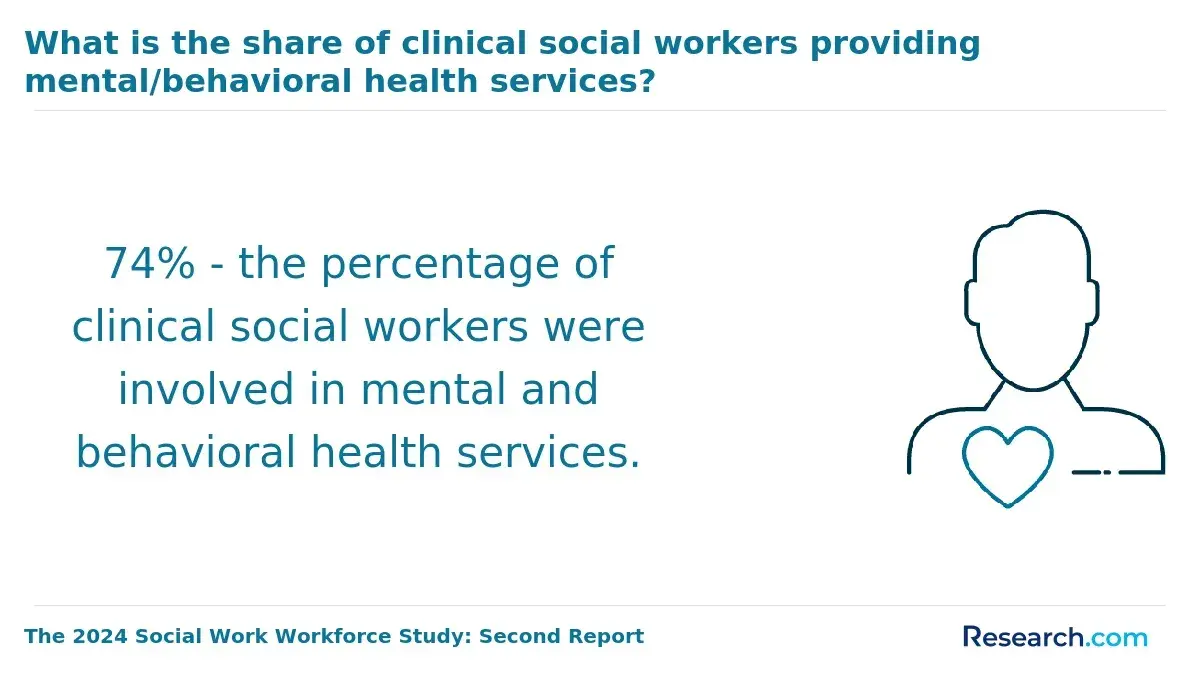
- Clinical social worker: Provides assessment, counseling, and therapy in settings such as hospitals, private practices, community mental health centers, and Veterans Affairs facilities. Licensure such as Licensed Clinical Social Worker (LCSW) or Licensed Certified Advanced Social Worker (LCASW) may be required for independent clinical practice.
- Health care social worker: Helps patients and families navigate treatment plans, discharge planning, insurance issues, grief, disability, and long-term care needs.
- School social worker: Supports students facing behavioral, academic, family, mental health, or attendance challenges while collaborating with educators and caregivers.
- Child welfare social worker: Works with children and families involved in foster care, adoption, protective services, or family preservation programs.
- Military or veteran social worker: Supports service members, veterans, and families through counseling, benefits navigation, crisis support, and reintegration services.
- Community or policy social worker: Designs programs, coordinates services, advocates for policy change, or manages nonprofit and public agency initiatives.
Military spouses and mobile professionals should think strategically about licensure. Some roles are available with an MSW alone, while clinical positions typically require supervised post-graduate hours, exams, and state licensure. Because each state sets its own requirements, students who expect to move should keep detailed records of coursework, field hours, supervision, and employment.
Career continuity can be difficult during repeated relocations. Military OneSource's 2021 Survey of Active Duty Spouses found unemployed military spouses spend an average of 19 weeks job searching, which shows why portable credentials, remote work options, and recognized licenses such as the LCASW can matter. Graduates may also improve mobility by pursuing telehealth-related experience, maintaining professional networks, and targeting employers with multi-state operations.
What is the salary outlook for MSW graduates?
Salary outcomes for MSW graduates vary by state, license, setting, specialization, and experience. Median salaries for licensed clinical social workers range between $60,000 and $72,000 annually. Entry-level roles often start near $50,000, while specialized positions-such as those supporting military or veteran communities-can surpass $80,000 per year.
Work setting can make a significant difference. Social workers employed by the Department of Veterans Affairs typically earn higher wages compared with those in nonprofits or community health. Clinical roles involving direct mental health therapy often offer stronger compensation than general case management or administrative roles, although pay varies by employer and region.
Factors that can improve earning potential
- Licensed Clinical Social Worker (LCSW) status or another advanced state license.
- Experience in trauma-informed care, military family support, behavioral health, or substance abuse services.
- Supervised clinical experience that qualifies graduates for independent practice.
- Ability to work in telehealth or hybrid service delivery models.
- Understanding of military culture and the mobility challenges faced by military spouses.
The military context can also affect demand. According to the 2021 Survey of Active Duty Spouses by Military OneSource, 44% of spouses have utilized counseling services, which points to a continued need for providers who understand military-connected families. Mobile professionals should still plan carefully: moving across state lines can interrupt licensure progress or require additional documentation, so salary stability often depends on both credentials and portability planning.
What is the job outlook for social workers?
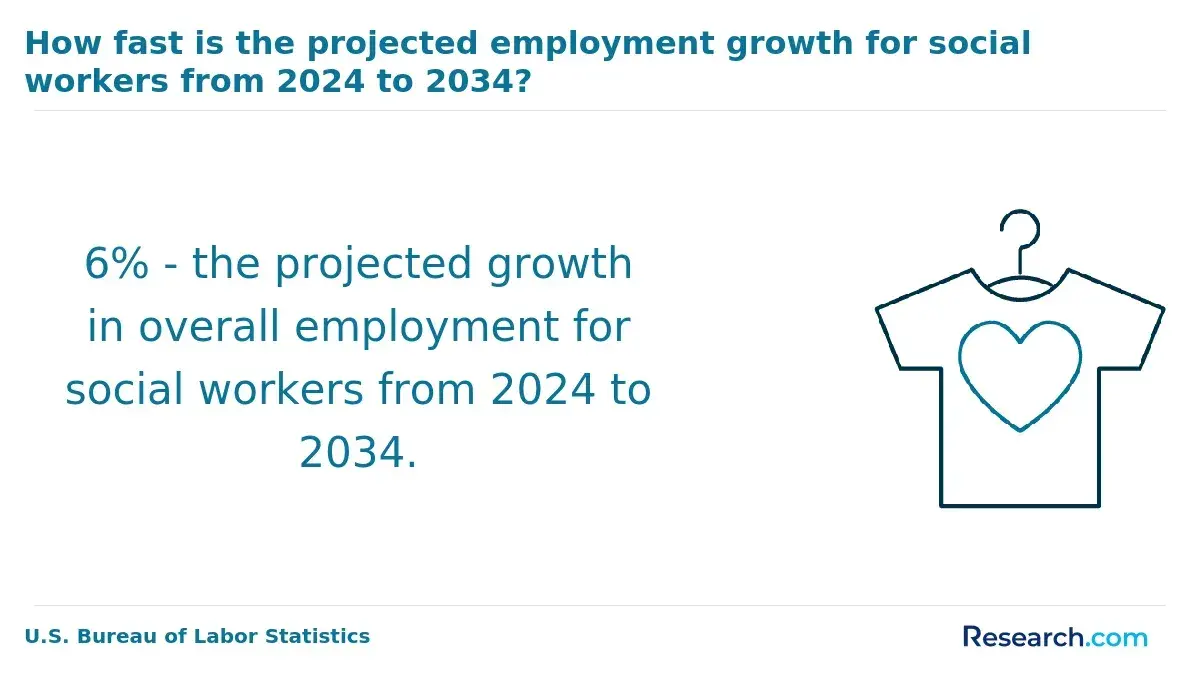
The job outlook for social workers is strong, with employment projected to increase by 12% from 2024 to 2034-significantly faster than average across all occupations. Demand is supported by mental health needs, aging populations, health care coordination, school-based services, child welfare needs, and support for military and veteran communities.
Military-connected families represent one important area of need. Less than half of military spouses report satisfaction with military life, and dissatisfied spouses are six times more likely to consider separation. Social workers can support these families through counseling, resource coordination, crisis intervention, benefits navigation, and advocacy. These needs are reflected in concerns highlighted by the DoD's 2024 Active Duty Spouse Survey and the Military Family Advisory Network.
Opportunities extend well beyond military settings. MSW graduates may work in hospitals, schools, community agencies, behavioral health clinics, substance abuse programs, family services, correctional settings, government agencies, nonprofits, and veteran support programs. Licensed clinical social workers (LCSWs) who provide psychotherapy may find demand tied to ongoing concerns about anxiety, depression, PTSD, and access to mental health care.
For mobile professionals, the best job outlook often comes from combining the MSW with portable skills: telehealth experience, trauma-informed training, substance abuse knowledge, child welfare expertise, and careful licensure planning. Students should choose field placements and electives that match both their career goals and the realities of relocation.
Other Things You Should Know About Social Work
Successful social workers need strong communication and active listening skills to effectively interact with clients from diverse backgrounds. Critical thinking and problem-solving abilities are essential to assess situations and develop appropriate intervention plans. Empathy, cultural competence, and resilience also play a key role in managing the emotional challenges of the profession.
In 2027, online MSW graduates can pursue advanced specializations such as clinical social work, child welfare, gerontology, or healthcare social work. These specializations enhance expertise and career opportunities, catering to the unique demands of social services. Online programs often provide flexible pathways to achieve these focused qualifications.
Most accredited online MSW programs require students to complete supervised field placements or internships in real-world social work settings. These placements provide practical experience and are crucial for meeting licensure requirements. Programs often help coordinate placements that accommodate the student's location and schedule.
Social workers who graduate with an MSW typically pursue licensure such as the Licensed Master Social Worker (LMSW) or Licensed Clinical Social Worker (LCSW), depending on their state. Licensure requirements vary but generally include completing supervised hours and passing a standardized exam. Holding a license enables social workers to provide clinical services and enhances employment opportunities.
References
- Master of Social Work (MSW) https://www.chamberlain.edu/academics/online-health-professions-college/master-of-social-work
- Benefits of Going to Online School for Military Spouses https://www.columbiasouthern.edu/blog/blog-articles/2022/september/online-school-for-military-spouses/
- Social Work Programs for Military Spouses in California https://www.californiasocialworkedu.org/best-social-work-schools-military-spouses-in-california/
- Social Work Careers https://socialworklicensemap.com/social-work-careers/
- Social Work Salaries https://www.socialworkers.org/careers/career-center/kickstart-your-job-hunt/social-work-salaries
- Fully Online MSW Programs – No Campus Visits Required (100% Online) https://www.masterofsocialwork.com/faqs/fully-online-msw-programs
- MSW Career Outlook https://www.kysu.edu/academics/college-as/school-of-social-work/careers/msw-career-outlook.php
- Best Social Work Schools for Military Spouses in Texas https://www.texassocialworkedu.org/best-social-work-schools-military-spouses-in-texas/
- Online MSW Admissions Requirements | Tulane School of Social Work https://socialwork.tulane.edu/msw-programs/admissions/
- High-demand social work roles in 2026: trends and opportunities https://socialwork.pacific.edu/blog/high-demand-social-work-roles-2026-trends-and-opportunities