2027 Industry Demand for Forensic Psychology Master's Graduates: Job Outlook & Hiring Trends

Co-Founder and Chief Data Scientist
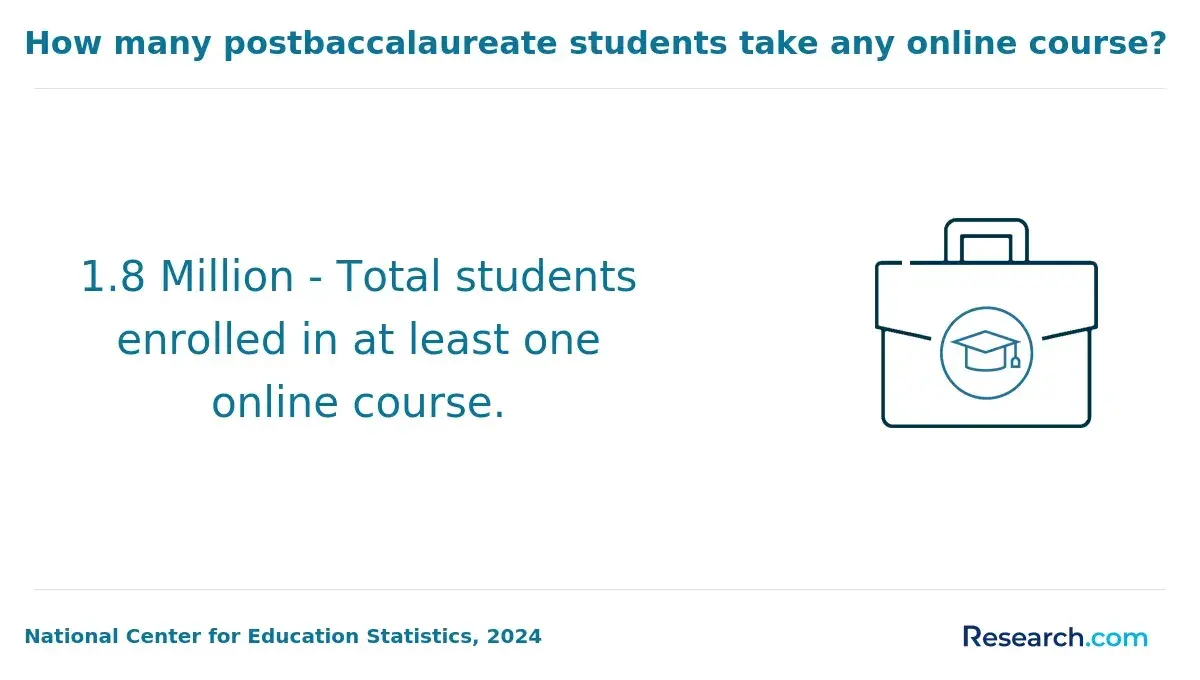
The demand landscape for forensic psychology master's graduates reflects increasing role specialization and credential scrutiny across criminal justice agencies, mental health services, and private consulting. Emerging employer expectations emphasize applied leadership, familiarity with compliance frameworks, and proficiency in data analysis tools critical for case synthesis and courtroom testimony. Working professionals and career changers weighing affordable, accredited online options benefit from programs that integrate licensure pathways and portfolio-ready projects aligned with evolving forensic workflows. The National Center for Education Statistics reports a 12% surge in adult enrollment in online graduate programs since 2023, highlighting the growing preference for flexible study formats that accommodate employment and financial constraints.
This article examines job outlook, hiring trends, and key qualification drivers, guiding readers through factors that influence whether pursuing a forensic psychology master's degree supports their professional trajectory and economic goals.
Key Things to Know About Industry Demand for Forensic Psychology Master's Graduates
- Increasing demand for forensic psychology specialists with clinical and legal expertise shapes roles toward dual-competency, requiring graduates to balance psychological assessment skills with legal system navigation, narrowing generalist opportunities.
- Employers prioritize candidates holding specialized credentials like board certification, reflecting heightened workforce expectations that make basic master's qualifications less competitive without additional licensure or forensic training.
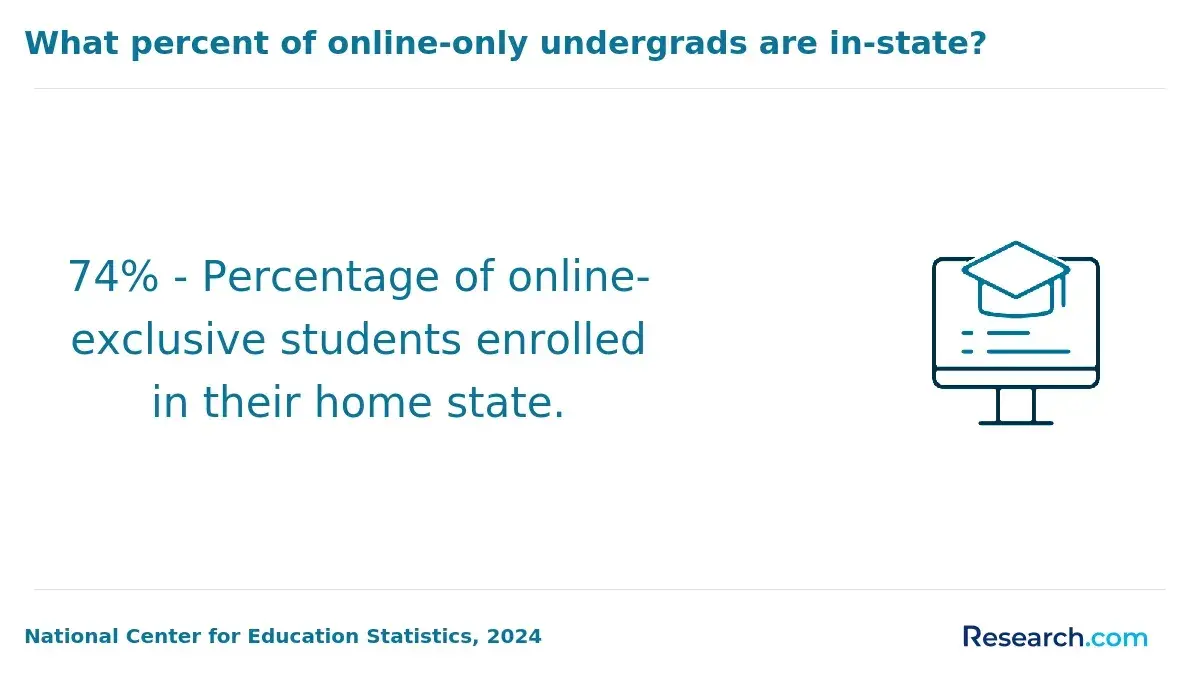
- Growth in accredited online forensic psychology master's programs, as reported by the National Center for Education Statistics in 2024, expands access for adult learners but raises tradeoffs in networking and internship quality critical for career entry.
What is the Current Job Outlook for Forensic Psychology Master's Graduates?
The job outlook for forensic psychology master's graduates reflects nuanced employer demands shaped by credentialing requirements, technological integration, and targeted sector growth. Understanding these specific market dynamics is essential for graduates assessing their prospects within forensic and allied fields.
- Industry Demand: Criminal justice agencies, mental health services, and correctional facilities lead hiring efforts, signaling stable openings for master's holders with applied forensic skills. However, demand is often segmented by role specificity, favoring candidates who combine theoretical knowledge with hands-on forensic assessment capabilities.
- Credentialing Expectations: Many positions mandate licensure or certification such as licensed mental health counselor or certified forensic examiner status, which impacts salary tiers and job eligibility. Graduates without these credentials may face competitive disadvantages in public sector roles, which emphasize official recognition of competence.
- Technological Integration: Rising use of digital evidence analysis, psychological testing software, and data interpretation tools requires candidates to demonstrate technological fluency alongside forensic expertise. This skill combination enhances employability in multidisciplinary teams and consultancies adapting to contemporary casework demands.
- Geographic Variation: Urban centers and regions with robust criminal justice infrastructures typically offer more forensic psychology job opportunities compared to rural areas. This spatial disparity affects entry-level accessibility and may require flexibility in relocation or remote work adaptation.
- Specialization Value: Roles such as forensic case manager or behavioral health specialist often require specialization in clinical assessment or research methods, elevating the importance of graduate programs with focused hands-on training. Specialization correlates with improved job entry rates and prospects for supervisory advancement.
- Career Transition Relevance: For career changers and budget-conscious adult learners, selecting programs that balance flexible online learning with clear paths to certification is critical to align educational investment with realistic employment outcomes. Resources like the best DNP programs online highlight the need for accessible, outcome-focused pathways across healthcare-related forensic disciplines.
Which Industries Hire the Most Forensic Psychology Master's Graduates?
Industries with the highest reliance on forensic psychology master's graduates demonstrate distinct operational and regulatory drivers shaping their hiring demands. Their need for advanced psychological expertise reflects specific workforce challenges such as legal accountability, mental health evaluation under correctional mandates, and the integration of behavioral science with investigative and administrative processes.
- Law Enforcement Agencies: These organizations prioritize forensic psychology graduates for roles including criminal profilers and crisis intervention specialists. The demand stems from a requirement to merge psychological insight with investigative rigor and legal standards, especially as policing increasingly incorporates digital evidence and behavioral analytics in decision-making.
- Corrections and Rehabilitation: Professionals in this sector often serve as clinical evaluators or therapeutic counselors within prisons, juvenile facilities, and forensic hospitals. Employers favor credentials attesting to mental health assessment capabilities under strict regulatory supervision and expect practitioners to balance inmate treatment with security protocols.
- Government and Research Institutions: Beyond traditional law enforcement, agencies like the Department of Justice and social services engage forensic psychology experts for policy development, victim advocacy, and research project management. Roles here tend toward coordination and evaluation, reflecting funding contingencies and the need for applied research skills over direct clinical practice.
- Private Sector Consulting: Legal and insurance firms typically recruit forensic psychology graduates for specialized risk assessments and expert testimony. These positions require additional experience or certifications due to less standardized credentialing and the consultative nature of work, which limits straightforward employment pipelines compared to public agencies.
What are the Most Common Job Titles for Forensic Psychology Master's Degree Holders?
Job titles tied to forensic psychology master's graduates highlight how employers calibrate expectations based on licensure, experience, and role complexity-reflecting a layered career landscape rather than a one-size-fits-all path. Early-career designations often stress technical skills and supervised tasks, while more advanced roles demand clinical judgment and leadership, illustrating a clear progression tied to credentialing and applied competence. Employers use titles strategically to signal scope of practice, guide salary levels, and frame advancement potential in environments ranging from corrections to research institutions.
- Forensic Psychological Technician: Typically entry-level and technical, this title focuses on supporting forensic assessments, administering standardized tools, and data collection. It suits graduates without clinical licensure, emphasizing foundational competencies rather than independent evaluation or testimony.
- Forensic Case Manager: This client-facing role often involves coordinating services and liaising between legal and treatment teams, highlighting organizational skills alongside psychological knowledge without requiring advanced certification.
- Forensic Psychologist: Reserved for licensed clinicians, this position entails conducting in-depth evaluations, providing expert testimony, and interfacing with legal systems-signaling higher responsibility and usually resulting in elevated compensation and more direct courtroom involvement.
- Behavioral Analyst: Focused on research and policy interpretation, this title reflects mastery in data-driven program evaluation and compliance monitoring rather than clinical practice. It frequently serves as a bridge to doctoral research or government roles emphasizing analytic expertise.
- Forensic Program Director: Reflecting experienced leadership, this role involves overseeing program implementation, ensuring regulatory compliance, and managing interdisciplinary teams. It is typically accessible after accumulating administrative experience or complementary credentials, representing a shift from clinical duties to strategic oversight.
One graduate shared that navigating job titles required carefully interpreting how different employers framed forensic psychology roles. Initially considering "forensic psychological technician," they hesitated due to its technical connotation and lower pay, but realized it aligned best with their non-licensed status and offered valuable hands-on experience. Exploring adjacent titles like "behavioral analyst" revealed alternative paths emphasizing research over clinical work, which broadened their job search. This nuanced understanding of title usage helped them set realistic expectations about role responsibilities, salary bands, and potential for remote or hybrid work options within the field.
How Does Salary for Forensic Psychology Master's Graduates Compare to Other Advanced Degrees?
Salary comparisons for forensic psychology master's graduates highlight how niche specialization and employer priorities shape compensation differently than many other advanced degrees. Rather than commanding top-tier salaries seen in broad leadership or clinical roles, these graduates often encounter a more segmented labor market tied to justice system functions and behavioral expertise.
- Industry Premium: Forensic psychology master's holders rarely match the earning potential of MBA or clinical psychology doctorate graduates, whose credentials unlock high-level leadership or private practice income streams. Employers in government and nonprofit sectors typically budget more conservative salaries for forensic roles reflecting constrained public funding.
- Role Specialization: The vocational focus on criminal justice and corrections narrows opportunities to specific job categories, limiting crossover pay boosts available in broader social science or healthcare master's pathways with wider applicability.
- Credential Signaling: Licensure and certification heavily influence compensation, with certified practitioners commanding better wages. Experience accumulation and compliance with credentialing standards serve as critical salary differentiators for forensic psychology professionals.
- Geographic and Sector Variation: Salaries fluctuate significantly between federal, state, and local employers and across regions where demand for forensic expertise varies. Urban centers and federal agencies often provide higher wages tied to complex caseloads and funding availability.
- Advancement Ceiling: The forensic psychology master's degree offers a moderate earning ceiling compared to doctoral-level psychology roles or business fields, often requiring supplemental qualifications or career pivots for substantial pay growth.
- Return-On-Investment Tradeoff: Individuals prioritizing steady employment within the criminal justice system may appreciate stable, niche roles despite lower starting salaries than those in several other social science or counseling degrees. Adult learners, meanwhile, should weigh these realities alongside alternative programs such as the fast track medical LPN that may offer more immediate financial returns.
What Hiring Trends are Shaping Demand for Forensic Psychology Master's Talent?
Hiring for forensic psychology master's graduates increasingly hinges on demonstrating practical impact rather than theoretical familiarity alone. Employers in legal and correctional settings prioritize candidates who can immediately apply psychological principles within complex casework environments, blending clinical skill with legal contextual awareness.
- Credential Significance: Employers often require specific licenses or certifications aligned with regulatory standards, making credential acquisition a vital step for job qualification and upward mobility. Those with advanced or niche certifications tend to access higher-responsibility roles and improved salary prospects.
- Technical Integration: Proficiency with forensic technologies-such as digital case management and data analytics platforms-is increasingly non-negotiable. Candidates lacking these skills face longer ramp-up periods, reducing their competitiveness in hiring.
- Specialization Demand: Forensic psychology's fragmentation into roles like victim advocacy or juvenile justice enforcement narrows entry points but rewards targeted expertise. Graduates prepared for specialty roles typically encounter clearer career pathways and better alignment with operational needs.
- Interdisciplinary Communication: Hiring managers expect forensic psychologists to navigate and mediate between legal, mental health, and law enforcement teams efficiently. Mastery of cross-sector communication enhances workforce integration and employer appeal.
- Leadership Readiness: Organizations increasingly select master's-level professionals who demonstrate supervisory potential, valuing early leadership traits as markers for succession and organizational stability.
What Skills and Specializations are Most in Demand for Forensic Psychology Master's Roles?
Employers seeking forensic psychology master's graduates emphasize depth in applied competencies that directly impact legal and criminal justice outcomes, not just broad academic knowledge. Screening often prioritizes demonstrable skill in courtroom-relevant assessments and collaborative investigative roles. For example, a correctional facility's hiring manager will assess whether candidates' evaluations can withstand rigorous legal cross-examination and improve institutional risk management, rather than relying solely on theoretical training. This reflects broader forensic psychology master's specialization hiring trends favoring practical, evidence-based expertise integrated with interdisciplinary communication.
- Psychological Assessment Expertise: Mastery in risk assessment, competency evaluations, and forensic mental state attributions is crucial. Employers expect graduates to produce legally defensible reports and contribute to case decisions with assessments that influence courtroom outcomes and correctional interventions.
- Behavioral Analysis Skills: Understanding criminal behavior patterns, offender profiling, and victimology supports investigative collaboration. These skills enable forensic psychology graduates to assist law enforcement effectively by applying specialized knowledge to trial preparation and forensic interviews.
- Regulatory and Ethical Fluency: Graduates must navigate confidentiality, mandatory reporting, and forensic practice standards to reduce institutional liabilities. Employers consider ethical literacy a baseline for trustworthiness and professional reliability in high-stakes environments.
- Specialization in Trauma and Substance Abuse: Master's-trained clinicians offering trauma-informed care or substance abuse treatment address prevalent co-occurring disorders, filling key roles in rehabilitation and victim support. This specialization improves service delivery and operational cost efficiency.
- Technological Proficiency: Familiarity with data analysis tools, psychometric software, and case management systems distinguishes candidates. The field's pivot to evidence-based, technology-enhanced practices makes such proficiencies a competitive hiring factor.
For budget-conscious adult learners and career changers aiming to optimize returns, selecting online programs that emphasize these most in-demand forensic psychology master's skills ensures alignment with evolving employer expectations. Those exploring educational pathways might also consider cross-disciplinary credentials or flexible schedules found in various accredited offerings, similar to the convenience available in other fields, such as nutritionist bachelor degree online programs.
How Do Employers Describe the Value of Forensic Psychology Master's Graduates?
Employers hiring forensic psychology master's graduates consistently frame their value around direct, role-specific competencies rather than general academic qualifications. These professionals must demonstrate how advanced psychological expertise applies effectively within legal and correctional environments, influencing hiring decisions and expectations for performance in front-line or mid-level positions.
- Technical Proficiency: Candidates are expected to exhibit mastery of forensic assessment instruments and evidence-based interviewing, allowing them to produce reliable evaluations that withstand legal scrutiny. Precision and adherence to ethical standards are critical for maintaining credibility in forensic contexts.
- Applied Problem-Solving: Employers look for graduates who can translate theoretical knowledge into actionable insights, such as assessing offender risk or supporting investigative processes. This practical orientation often differentiates master's-level candidates from those holding bachelor's degrees.
- Leadership Potential: Beyond technical skills, agencies seek individuals prepared to manage caseloads or lead interdisciplinary teams, reflecting a demand for professionals who balance clinical accuracy with administrative capability.
- Credential Integration: While licensure or forensic specialty certification enhances candidate appeal, these credentials seldom replace the foundational role of the master's degree. Employers tend to view such credentials as additive, supporting compliance with regional regulatory standards.
- Communication & Collaboration: Effective articulation of behavioral findings to judicial and correctional personnel is essential, requiring graduates to bridge clinical assessment data and operational decision-making in cross-functional settings.
One forensic psychology master's graduate recalled a mid-year hiring panel where the interviewers emphasized not just academic achievement but a portfolio of applied casework and internship experience in corrections. The candidate noted how questions probed their familiarity with specific assessment tools and ethical dilemmas encountered in real-world scenarios. Despite strong technical answers, the panel also evaluated readiness to manage multiple complex cases simultaneously and communicate findings clearly to nonclinical stakeholders. The graduate inferred their master's-level training was valued chiefly for its blend of practical application and leadership promise, though they recognized that without targeted credentials, advancing beyond mid-level roles would require ongoing professional development.
What ROI Do Forensic Psychology Master's Graduates Typically See from Their Degree Investment?
Evaluating ROI for forensic psychology master's graduates involves balancing tuition and opportunity costs against tangible career gains in a field where credential relevance and local market demand vary widely. Graduates face a complex cost-recovery timeline influenced not just by salary increases but by how well the degree aligns with employer expectations and licensure demands. For example, a working professional pursuing an online forensic psychology master's program may mitigate income loss through flexible scheduling, while also weighing employer tuition reimbursement against program affordability to minimize debt accumulation and accelerate positive financial returns.
- Program Affordability: Lower tuition costs reduce initial debt burdens, which directly affects how soon graduates can realize net financial gains following degree completion. Cost-sensitive learners benefit most from accredited online options that maintain quality standards while controlling expenses.
- Opportunity Cost: Continuous employment or part-time study reduces lost wages during training, a major factor that impacts true ROI. Flexible course formats allow professionals to preserve earnings streams and advance without significant income gaps.
- Employer Reimbursement: Tuition assistance programs from agencies or private organizations effectively decrease out-of-pocket costs, enhancing the overall value proposition of obtaining the degree.
- Licensure and Certification: Many forensic psychology roles require additional credentials beyond the master's. This layered credentialing can delay full career benefits and raise total educational investment, affecting long-term ROI calculations.
- Field-Specific Demand: Hiring trends vary across sectors such as criminal justice, victim advocacy, and mental health evaluation. Graduates positioned in growth areas encounter better job access and have greater leverage in salary negotiations, improving ROI.
These nuanced factors collectively shape the practical returns forensic psychology master's graduates can expect. Adult learners and career changers must critically assess program design, cost structure, and regional employment markets to ensure their educational investment aligns with realistic industry outcomes.
What Job Search and Hiring Strategies Work Best for Forensic Psychology Master's Candidates?
Forensic psychology master's graduates navigate a tightly specialized job market where employers prioritize practical skills and relevant experience ahead of broad academic qualifications. The difference between targeting general psychology roles versus specialized forensic positions can significantly affect hiring outcomes, as many recruiters use credential filters that screen out applicants lacking specific forensic practicum or legal assessment training. Candidates who tailor their job searches using effective hiring strategies for forensic psychology master's graduates optimize their visibility in these competitive hiring pools.
- Employer Targeting: Focus applications on agencies known to hire forensic psychology professionals, such as legal consultancies, correctional institutions, and mental health services connected to the justice system. Researching organizational missions and aligning your application with their operational needs shows strategic job search planning that beats generic submissions.
- Credential Positioning: Prioritize showcasing certifications, supervised practicum hours, and specialized training in forensic assessment tools or legal procedures. Without these, resumes risk being lumped in with broader psychology candidates, diluting hireability.
- Portfolio Evidence: Develop a portfolio featuring case studies, forensic reports, or research on legal psychological issues. This tangible proof of applied expertise offers employers concrete insights into a candidate's practical capabilities beyond academic credentials.
- Interview Preparation: Demonstrate mastery of forensic terminology, ethical issues unique to legal settings, and scenario-based problem-solving to meet employer expectations that surpass general psychological practice competencies.
- Timing Applications: Align submissions with known hiring cycles tied to grant funding or judicial calendars. Awareness of these patterns helps maximize consideration during peak recruitment periods.
- Networking: Engage in forensic and criminal justice forums, virtual events, and alumni networks to access referrals and unadvertised positions, an often decisive advantage in this niche job market.
- Transferable Skills Framing: Articulate how core skills such as psychological evaluation and report writing translate into forensic contexts. For candidates considering career changes, strategies like the FNP to acute care certification model show the value of targeted upskilling linked to role transitions.
How Will Future Trends Like AI And Automation Affect Hiring for Forensic Psychology Master's Graduates?
AI and automation are reshaping, rather than replacing, the hiring landscape for forensic psychology master's graduates by shifting role expectations and skill demands. Employers now prioritize applicants who can leverage technology to enhance complex judgment and ethical decision-making instead of merely performing routine tasks.
For example, a forensic psychologist working with law enforcement might use AI-driven behavioral analytics to refine threat assessments but still must interpret results in the context of nuanced human factors and legal standards, a blend that machines alone cannot replicate. This evolving dynamic underlines how future skill requirements for forensic psychology graduates emphasize integration of technical fluency with core psychological expertise.
- Technical Fluency: Familiarity with AI-assisted tools and digital data systems is increasingly necessary for crime analysis and psychological evaluation. Graduates who understand these technologies can provide deeper insights and stand out in a competitive job market.
- Ethical Oversight: Automated processes raise privacy and bias concerns, so forensic psychologists must navigate these challenges with heightened ethical competence and awareness of regulatory frameworks.
- Automation Resistance: Routine administrative tasks are often automated, which raises the bar for mastering higher-order judgment, complex case formulation, and personalized client interaction that remain irreplaceable by technology.
- Cross-Functional Collaboration: Employers favor professionals capable of leading interdisciplinary teams that combine technological tools with psychological insights, requiring strong communication and adaptive skills.
- Continuous Learning: Long-term career resilience depends on ongoing skill updating to keep pace with fast-moving innovations and shifting workplace demands in forensic contexts.
Professionals seeking to navigate these trends should carefully evaluate programs that balance forensic psychology foundations with exposure to relevant technologies. For budget-conscious adult learners or career changers seeking flexible schedules and ROI, exploring shortest online medical billing and coding certificate programs can also complement their skills within broader healthcare and legal environments.
What Do Graduates Say About Industry Demand for Forensic Psychology Master's Graduates?
- Esteban: "Balancing a full-time job while pursuing my forensic psychology master's was challenging, especially given the program's intense workload. I chose a hybrid format for the flexibility, which allowed me to complete a critical internship that proved essential during job applications. While I landed a role in a correctional facility, I quickly realized that many employers value hands-on experience and portfolio development more than just academic credentials."
- Alexis: "Due to budget constraints, I had to be selective about programs that offered strong practicum opportunities within the limited time I could dedicate. Opting for a school renowned for its internship placements helped me build a competitive portfolio, which ultimately opened the door to a position with a private forensic consultancy. However, the absence of licensure management meant career growth required additional certifications that added time and expense beyond graduation."
- Eli: "The decision to pivot careers into forensic psychology came with uncertainty about how quickly I could enter the workforce. The program's emphasis on remote project work and case simulations helped me develop practical skills that eased the transition, but I still faced stiff competition for forensic analyst jobs. I've found that without specialized licensing, advancing beyond entry-level roles demands continuous networking and targeted internships to stay relevant."
Other Things You Should Know About Forensic Psychology Degrees
In 2027, graduates from accredited and flexible programs have a competitive edge. Accreditation ensures quality education, meeting industry standards, and flexibility allows for a diverse skill set. Employers seek candidates who are well-prepared for real-world challenges, influencing the hiring trend positively.
Hands-on experience, such as internships or practicums tied to criminal justice settings, is increasingly a differentiator in hiring decisions. Employers seek candidates who are not only academically prepared but also familiar with applied forensic environments. For prospective students, programs emphasizing experiential learning yield stronger portfolios and networking connections, which can substantially ease job entry despite the competitive job market.
Reputation can open doors, especially among agencies and courts that value familiarity with certain schools or faculty. However, a narrow curriculum focused strictly on core forensic psychology principles may limit adaptability to diverse roles, while broader programs provide foundational knowledge useful in varying contexts. Candidates must balance this by selecting programs known for both solid reputations and comprehensive, applied coursework to maximize long-term employability.
Career changers often juggle professional and personal responsibilities, so programs with heavy credit loads or inflexible timelines may reduce completion rates or delay workforce entry. Programs designed with manageable workload pacing and clear milestones better support adult learners who need to balance study with other commitments. Prioritizing programs offering tailored support for such students improves the likelihood of finishing on schedule and entering the job market without excessive debt or burnout.
References
- Forensic Psychologist Salary - Forensic Psychology Careers https://www.forensicscolleges.com/careers/forensic-psychologist
- Emerging Forensic Implications of the Artificial Intelligence Revolution https://paloaltou.edu/resources/translating-research-into-practice-blog/emerging-forensic-implications-of-the-artificial-intelligence-revolution
- Implications for Artificial Intelligence in Forensic Psychological Practice and Board Certification https://abpp.org/newsletter-post/implications-for-artificial-intelligence-in-forensic-psychological-practice-and-board-certification/
- Career Options for Those with an MA in Forensic Psychology - Carlow University https://www.carlow.edu/career-options-with-ma-forensic-psychology/
- We Calculated Return on Investment for 14,000 Graduate Degrees. Find Yours. - FREOPP https://freopp.org/whitepapers/we-calculated-return-on-investment-for-14000-graduate-degrees-find-yours/
- Return on Investment For an Online Psychology Degree https://www.onlinepsychologydegrees.com/articles/return-on-investment-for-an-online-psychology-degree/
- Forensic Psychology Salary for Masters in Psychology Grads https://mastersinpsychologyguide.com/articles/what-is-the-salary-outlook-for-masters-in-forensic-psychology-grads/
- Skills You'll Build in a Master's Degree in Forensic Psychology https://learn.neumann.edu/neuperspectives/skills-built-in-a-masters-degree-in-forensic-psychology
- Careers With a Forensic Psychology Master’s Degree | Chicago School https://www.thechicagoschool.edu/insight/career-development/career-options-masters-degree-forensic-psychology/
- Forensic psychologists: Salary, career path, job outlook, education and more - RaiseMe https://www.raise.me/careers/life-physical-and-social-science/psychologists/forensic-psychologists/