
2027 Online vs On-Campus Forensic Psychology Degree Programs: Pros & Cons

Co-Founder and Chief Data Scientist
The popularity of online forensic psychology degree programs has surged, with the National Center for Education Statistics reporting that over 40% of U.S. higher education students enrolled in at least one online course in 2023. As interest grows, prospective students face the important decision of choosing between online and on-campus learning paths. This article examines the advantages and disadvantages of both formats, focusing on flexibility, cost, learning experience, and career outcomes. Understanding these factors can help students make informed choices aligned with their academic goals and professional aspirations in forensic psychology.
Key Benefits of Online vs On-Campus Forensic Psychology Degrees
- Online forensic psychology degree programs offer flexible scheduling, allowing students to balance work and study, which is particularly beneficial as 85% of online learners report managing coursework alongside personal commitments.
- The cost of online forensic psychology degrees tends to be lower, with students saving on average 20-30% on tuition and commuting expenses compared to on-campus attendance.
- On-campus forensic psychology programs provide direct access to hands-on laboratory experiences and face-to-face mentorship, which enhances practical skills essential for careers in forensic settings.
Are Online vs. On-Campus Forensic Psychology Programs Structured the Same Way?
The structure of online versus on-campus forensic psychology degree programs differs mainly in course delivery, scheduling, and student engagement methods. While both formats cover the same core curriculum and maintain accreditation standards, their unique structures shape distinct learning experiences for students.
Below is a comparison of key structural elements highlighting how online and on-campus forensic psychology programs differ in delivery, scheduling, interaction, and hands-on opportunities.
- Course Delivery: Online programs utilize distance-learning technologies and learning management systems to stream lectures and deliver coursework remotely, often offering both asynchronous and synchronous options. On-campus programs require physical attendance, fostering direct face-to-face interactions through in-person lectures and activities.
- Class Schedules: Online programs provide flexible scheduling, allowing students to balance studies with personal and professional commitments, and often support part-time enrollment or self-paced completion. In contrast, on-campus programs follow traditional academic calendars with fixed class times, requiring students to be present at set hours each week.
- Interaction and Collaboration: Online students engage via discussion boards, video conferencing, and virtual group projects, relying mostly on digital communication. On-campus students benefit from immediate face-to-face networking, spontaneous collaboration, and in-person access to professors and peers.
- Hands-on Experience: Online formats may use virtual case studies, simulations, or local internships arranged in students' communities. On-campus programs frequently integrate in-person practicums and internships at nearby courts or law enforcement agencies, providing direct, supervised opportunities.
- Customization and Flexibility: Online forensic psychology programs often offer multiple tracks or concentrations, supporting greater customization and flexibility. On-campus options may be less flexible in scheduling but provide richer access to campus resources, extracurricular activities, and professional events.
Are Admission Requirements the Same for Online vs On-Campus Forensic Psychology Degree Programs?
Colleges and universities maintain consistent academic standards for both online and on-campus forensic psychology programs, ensuring graduates meet the same core competencies. However, institutions may differ in how they evaluate applicants' preparedness for the unique demands of online learning environments.
To illustrate these distinctions more clearly, here is a comparison of key admission requirements for online forensic psychology degree admission requirements and their on-campus counterparts.
- Academic Qualifications: Both online and campus programs typically require a high school diploma for bachelor's or an accredited bachelor's degree for master's admission, with minimum GPAs around 2.5 to 3.0. Online programs may sometimes demand higher GPAs to assure readiness for independent study.
- Standardized Test Scores: SAT, ACT, GRE, or GMAT scores are increasingly optional across both formats. Online applicants, especially adult learners, are more likely to receive waivers for these tests reflecting a holistic approach to admissions.
- Application Materials: Transcripts, personal statements, and recommendation letters are common requirements regardless of format. Online programs might additionally request proof of time management or technical skills and occasionally include interviews to assess online learning readiness.
- Work Experience: Prior professional or volunteer experience strengthens applications in both formats. Master's level online programs particularly emphasize relevant experience in psychology, criminal justice, or related fields, catering to working professionals.
- Technical Readiness: A key difference lies here, as online programs often evaluate applicants' computer literacy and technology access, which is rarely a factor for on-campus applicants.
Those interested in accelerated credentials can explore options such as the top 6 month associate online degree, which showcases how flexible online learning is becoming. Overall, while core admission criteria for forensic psychology remain aligned, differences in assessing self-directed learning skills set online programs apart.
Do Online Forensic Psychology Students Receive the Same Academic Support as On-Campus Students?
Universities have significantly expanded their academic support systems to ensure that online forensic psychology students receive resources and assistance comparable to their on-campus peers. Advances in technology and institutional commitment have allowed distance learners to access robust support networks that foster academic and professional success.
Below is a comparison of the main academic support services typically offered to both online and on-campus forensic psychology students.
- Tutoring Services: Both online and on-campus students can access tutoring, with online options often available on-demand via virtual platforms. On-campus students benefit from face-to-face sessions and group workshops that provide direct interaction and peer collaboration.
- Career Counseling: Career support is accessible in both formats, including resume building, job search strategies, and interview preparation. Online students usually schedule virtual advising appointments and attend webinars, while on-campus students participate in in-person networking events and career fairs.
- Library Access: Digital libraries provide online students with remote access to academic journals, databases, and e-books, mirroring the physical resources available on campus. Both formats offer training in research skills and opportunities to consult librarians for project assistance.
- Faculty Interaction: Online programs encourage engagement through discussion boards, group projects, virtual office hours, and video conferencing. On-campus students benefit from direct contact with faculty during classes and laboratory sessions, facilitating personal relationships.
- Advising and Mentorship: Academic advising supports both online and on-campus students, with online learners communicating with advisors via email or video calls. On-campus students often meet advisors regularly in person for course selection and career planning guidance.
How Long Does It Take to Complete an Online vs an On-Campus Forensic Psychology Degree?
The time it takes to complete a forensic psychology degree can vary widely depending on whether the program is offered online or on campus, as well as on the student's pace and the flexibility of the program's schedule. These factors influence how soon a student can graduate and begin their career in the field.
Below is a comparison of the average completion times for online and on-campus forensic psychology degree programs.
- Online forensic psychology degree Most online bachelor's programs require about 120 credit hours and are generally designed to be completed in four years of full-time study, but many offer accelerated courses and flexible schedules that can allow motivated students to finish in as little as three years. Online master's programs typically take between 15 and 24 months, with some universities enabling completion in just 15 to 16 months thanks to year-round enrollment and asynchronous classes, making it a practical choice for working adults or those with family commitments.
- On-campus forensic psychology degree Traditional on-campus bachelor's degrees usually take four years to complete with full-time study, as semester schedules and in-person attendance make acceleration difficult. Master's programs often require two years full-time but can vary when institutions operate on different academic calendars or have limited course availability. While on-campus formats offer valuable face-to-face academic support and networking, their fixed schedules tend to restrict faster completion.
Are Online Forensic Psychology Programs Cheaper Than On-Campus Ones?
Tuition, fees, and other expenses generally differ between online and on-campus forensic psychology programs, with online options often presenting a more affordable overall cost. These savings primarily arise from distinct tuition structures and reduced living and commuting costs associated with remote learning.
To better understand the cost comparison online vs on-campus forensic psychology programs, it is helpful to examine the main factors influencing their total price.
- Tuition and Fees: Online programs usually feature lower average tuition rates. For instance, the average tuition for an online psychology bachelor's degree is about $11,998 compared to $17,797 for on-campus programs. Many online forensic psychology master's degrees also avoid out-of-state tuition premiums, with annual tuition ranging from approximately $6,500 to $19,000.
- Living Expenses: Living costs are a significant factor where online students typically save money, as they are not required to relocate or pay for campus housing, meals, and transportation. On-campus students, conversely, often encounter additional room and board fees, which can amount to thousands of dollars yearly.
- Technology Costs: While online learners must invest in reliable technology and internet access, these expenses are generally minor compared to savings on commuting and campus fees. Some programs may include specific technology fees, but overall, these costs are outweighed by the reduced need for physical presence.
- Financial Aid Availability: Both online and on-campus students can access federal aid and scholarships. However, lower tuition and the flexibility of online scheduling may enable online students to maintain employment while studying, potentially lowering loan dependency.
- Academic Support and Flexibility: Online forensic psychology degrees in the US often offer robust virtual support, though some students might prefer direct access to faculty and networking on campus. Importantly, employers value accredited degrees equally, and there is no evidence that online graduates earn less or have fewer job prospects.
Prospective students seeking affordable online forensic psychology degrees in the US should consider that online learning can combine quality education with cost savings, making it an attractive option.
For those exploring advanced paths, exploring the easiest doctoral programs may also provide insight into pursuing further qualifications cost-effectively.
What Are the Financial Aid Options for Online vs On-Campus Forensic Psychology Programs?
Both online and on-campus forensic psychology students may qualify for various financial aid options, but eligibility and ease of access can vary depending on the program format and the institution's policies. Understanding these differences helps prospective students better navigate funding opportunities and reduce out-of-pocket expenses.
The following bullet list outlines and compares the main financial aid options available for both online and on-campus forensic psychology students.
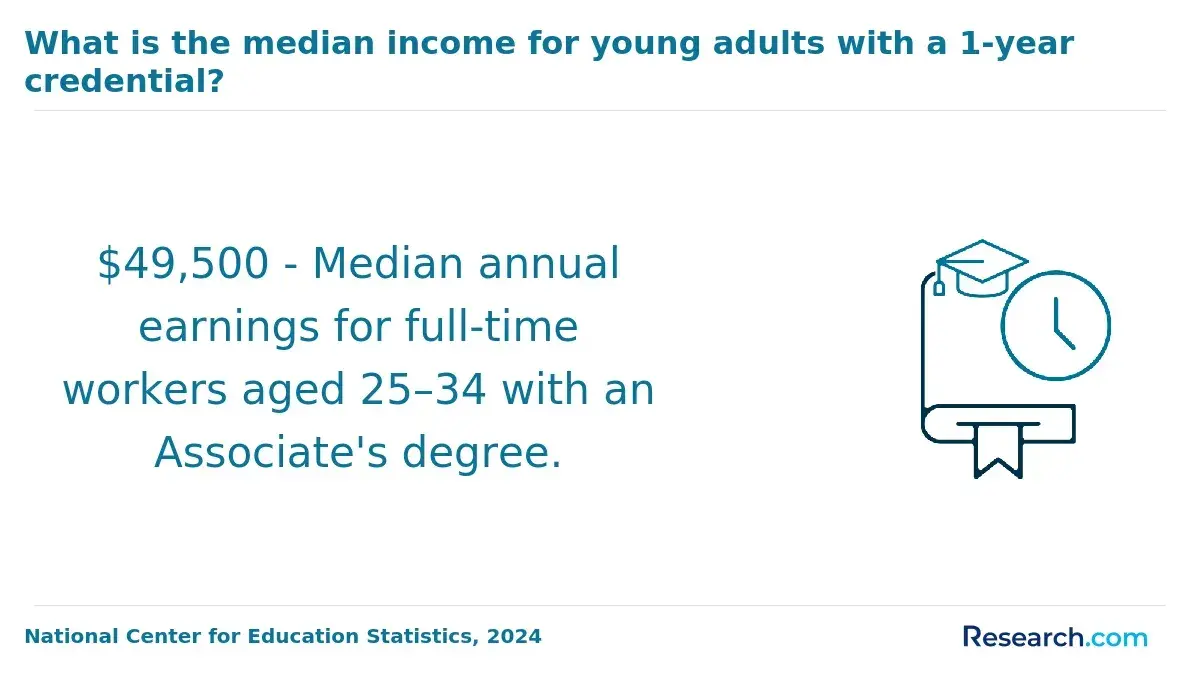
- Federal Aid: Completing the FAFSA is essential for accessing federal grants, loans, and work-study programs across both formats. Most accredited online forensic psychology programs qualify for federal financial aid if their institution participates, though some online-only schools may have restrictions, so it's important to verify eligibility.
- State Aid: State grants and scholarships are often limited to in-state residents attending local institutions, whether online or on-campus. However, some state programs restrict eligibility to campus-based students or exclude out-of-state online enrollees, so online learners need to confirm if their selected program meets state-specific funding requirements.
- Scholarships and Grants: Numerous forensic psychology scholarships and grants for online and campus programs exist, offered by schools, professional bodies, and private foundations. While most scholarships are available to all students, some campus-specific awards require in-person enrollment or participation in on-campus activities.
- Employer Tuition Reimbursement: Employers frequently provide tuition assistance for employees pursuing degrees relevant to their work, including forensic psychology. Online programs offer more flexibility, appealing to working professionals; however, employers may prefer regionally accredited or traditional campus programs, so students should check employer policies.
- Private Student Loans: These loans are accessible to both online and on-campus students but often carry higher interest rates and less flexible terms than federal loans. Lenders require institution accreditation and may scrutinize online-only or for-profit schools more closely, potentially limiting loan availability or affecting terms.
Students interested in advanced degrees may also consider options like PhD no dissertation online programs, which sometimes provide additional financial flexibility and scheduling benefits for working adults pursuing forensic psychology.
Are Online Forensic Psychology Programs as Credible as On-Campus Ones?
The credibility of online forensic psychology programs has significantly increased, primarily because they adhere to the same accreditation standards as on-campus offerings. Many online programs hold accreditation from respected bodies like the American Psychological Association (APA), ensuring that educational quality, faculty qualifications, and curriculum rigor remain consistent across both formats.
Often, the same experienced faculty members teach in-person and online courses, and the curriculum covers essential topics such as psychopathology, forensic assessment, and ethics. Institutions like Fairleigh Dickinson University and Fielding Graduate University demonstrate this parity by blending online and in-person learning while maintaining full APA accreditation. This alignment guarantees that students receive comparable academic training regardless of the delivery method.
Perception among employers, licensing boards, and academic institutions is evolving as online forensic psychology education becomes more mainstream and validated through accreditation and practicum opportunities. Data from OnlineU highlights strong retention rates in top online programs like Arizona State University Online, which boasts an 85% retention rate, signaling program quality and student satisfaction.
Surveys suggest that when online degrees offer robust practicum experiences and industry partnerships, they are increasingly recognized as legitimate by employers and certification bodies. Advancements in virtual learning technology, including interactive simulations and remote externships, further bridge the gap between online and traditional formats. These trends are helping online forensic psychology programs gain respect, providing flexible yet credible pathways for students pursuing careers in this specialized field.
Do Employers Prefer Online vs On-Campus Forensic Psychology Degrees?
Employers increasingly view online and on-campus forensic psychology degrees as equally credible when they come from reputable, accredited institutions. According to the National Association of Colleges and Employers (NACE) 2024 survey, 87.4% of employers hired graduates with online degrees, and all reported identical starting salaries for online and traditional graduates. This data aligns with research from the University of Illinois Chicago, where over 70% of organizations have hired applicants with online degrees recently, and 61% of HR leaders consider online education quality equal or superior to in-person programs.
Hiring decisions focus largely on university reputation, program accreditation, and the candidate's relevant skills rather than the mode of study. The recent normalization of remote and hybrid work has further accelerated acceptance of online learning by highlighting adaptability and practical skills over delivery format.
While employer preferences increasingly blur the lines between online and on-campus degrees, program credentials remain paramount. Degrees from regionally accredited, respected universities carry significant weight across forensic psychology roles. Online programs often emphasize skills in technology use and self-directed learning, qualities attractive in today's evolving workplace.
Graduates demonstrating hands-on experience, strong ethics, critical thinking, and research capabilities tend to be well positioned for entry-level positions in criminal justice and related fields regardless of study format. The permeation of hybrid and remote work models in the mental health and justice sectors has narrowed any remaining perception gaps, empowering students to select the learning environment that suits them without fearing negative career impacts.
Do Online vs On-Campus Forensic Psychology Program Graduates Earn the Same Salaries?
Salary comparisons between online and on-campus forensic psychology graduates are increasingly shaped by various factors beyond the mode of instruction. Employers, specialization, and regional differences now play more significant roles in determining earning potential.
The following bullet list outlines the main salary trends and factors influencing forensic psychology graduate salaries online vs on-campus.
- Accreditation and Program Quality: Employers prioritize the reputation and accreditation of the degree program rather than whether it was completed online or on-campus. Graduates from accredited programs, regardless of format, qualify for the same licensure and job opportunities, which helps align salary outcomes.
- Employer Perception: While some employers still prefer traditional on-campus credentials, many now view reputable online forensic psychology programs as equivalent, especially when curricula and faculty expertise are comparable. This shift reduces salary disparities linked to format.
- Specialization and Career Path: Salary differences are more closely tied to the specialization chosen, such as clinical practice or threat assessment, than to the degree format. Early career salaries in focused roles, like certified threat managers, range around $62,000 whether from online or on-campus programs.
- Location and Work Setting: Geographic region and employment sector strongly affect salary, with states like California offering averages up to $134,360. These regional differences influence the median salary for online forensic psychology degree holders as much as on-campus graduates.
- Experience and Advanced Credentials: Earnings grow substantially with experience and certifications, with median salaries reaching approximately $117,750 after 8-10 years. Whether studied online or on-campus has little effect on long-term salary if career progression is similar.
- Cost and Flexibility Advantages: Online programs often provide greater flexibility and lower tuition costs, which can allow students to work part-time and gain early experience. These benefits may indirectly support earning potential, making it worthwhile to explore which online college is the cheapest.
How Do You Decide Whether an Online vs On-Campus Forensic Psychology Program Is Right for You?
Choosing between an online and on-campus forensic psychology program depends largely on your personal learning preferences, lifestyle, and long-term professional goals. Both options provide unique advantages and challenges to consider before enrolling in a degree program.
Below are key factors to help you decide which format aligns best with your needs and circumstances.
- Learning style: If you excel in a structured, interactive environment, an on-campus program offers direct face-to-face engagement and hands-on experiences that can enhance understanding. Conversely, online programs demand a high level of self-motivation and independence, making them ideal for learners comfortable with virtual materials and asynchronous study.
- Flexibility needs: Online forensic psychology degrees typically offer greater scheduling flexibility, allowing you to balance work, family, and study commitments more easily. This flexibility is particularly beneficial for working adults seeking the best online forensic psychology programs for working adults that accommodate their busy lives.
- Budget considerations: When comparing on-campus vs online forensic psychology degree cost, online options often reduce expenses related to commuting, relocation, and campus fees. In fact, some offerings, like certain graduate certificates, may cost under $1,200. To explore affordable options, you can check resources listing cheap online bachelor degrees.
- Networking opportunities: On-campus studies provide richer environments for building professional relationships through in-person networking, mentorship, and participation in campus events. While online students may have access to virtual groups, the level of personal interaction can be more limited.
- Access to campus resources: Being physically present on campus allows direct access to psychology labs, libraries, and career centers essential for hands-on forensic psychology training. Although many online programs offer virtual resources, certain specialized equipment and experiences may only be available in person.
Here's What Graduates of Online vs On-Campus Forensic Psychology Programs Have to Say About Their Degree
- Caelis: "Completing my forensic psychology degree online gave me the unmatched flexibility to balance work, family, and studies without sacrificing quality. The program's interactive modules and virtual discussions made me feel connected to both peers and professors, even from miles away. After graduation, landing a job as a criminal profiler felt natural due to the practical skills I developed throughout the course. This experience not only shaped my career but also deepened my passion for supporting community justice initiatives. I am grateful for the adaptability and career readiness that the online format offered."
- Amelie: "Attending the forensic psychology program on campus was transformative in ways I could never have anticipated. Immersed in a dynamic academic environment, I built lifelong relationships with faculty and classmates who inspired me daily. The hands-on lab sessions and direct access to cutting-edge research resources propelled my understanding to a whole new level. Transitioning into my role as a forensic psychologist within the legal system, I feel immensely prepared thanks to the real-time feedback and networking opportunities that on-campus learning provided. It was challenging but invaluable for my personal and professional growth."
- Rowan: "The hybrid forensic psychology degree perfectly suited my learning style by blending face-to-face engagement with the convenience of online classes. This structure allowed me to gain practical experience during campus visits while managing a busy schedule from home. Starting my career as a victim advocate, I have utilized both the theoretical knowledge and practical insights gained through this unique program. The hybrid format helped me stay connected to the community and academic resources, fostering a sense of purpose and continuous development. It truly bridged the gap between academic rigor and real-world impact."
Other Things You Should Know About Online & On-Campus Forensic Psychology Degree Programs
In 2027, online forensic psychology programs typically offer lower tuition fees compared to on-campus programs, primarily because they eliminate costs related to housing, commuting, and campus facilities. However, both may require technology fees, and financial aid availability can vary.
Yes, on-campus programs often offer more hands-on training, such as lab work, internships, and face-to-face interactions, which are crucial for applying forensic psychology concepts. These experiences can enhance skill development and networking opportunities within the field.
In 2027, online forensic psychology degrees are increasingly seen as equivalent to on-campus ones, particularly if they come from accredited institutions. Employers focus more on skills and competencies rather than the mode of education. The program's reputation and accreditation are crucial for job market perception.
References
- Online Bachelor’s in Forensic Psychology Programs and Majors https://www.onlineeducation.com/psychology/bachelors-in-forensic-psychology-programs
- Compare Online Forensic Psychology Degree Programs https://www.counselingpsychology.org/psychology/degrees/forensic-psychology/
- Forensic Psychology Certificate Online or On Campus https://und.edu/programs/forensic-psychology-cert/index.html
- The Problem With Exclusively Online Degree Programs https://tcf.org/content/commentary/the-problem-with-exclusively-online-degree-programs/
- Forensic Psychology Degree Online https://www.snhu.edu/online-degrees/bachelors/ba-in-psychology/forensic-psychology
- Can online psychology match the on-campus experience? https://www.studentvoice.ai/blog/studying-psychology-online-a-detailed-examination/
- MS in Forensic Psychology https://www.waldenu.edu/online-masters-programs/ms-in-forensic-psychology
- Online Forensic Psychology Degree | LSU Online https://online.lsu.edu/online-degree-programs/undergraduate/forensic-psychology/
- The Surprising Cost of Online Education: Why 83% of Online Degrees Aren’t More Affordable https://www.nexford.edu/insights/the-surprising-cost-of-online-education-why-83-of-online-degrees-arent-more-affordable
- A Guide to On-Campus Vs. Online Forensic Psychology Programs https://www.thechicagoschool.edu/insight/career-development/online-m-a-forensic-psychology-programs-guide/


