2027 MSW Careers in Marriage and Family Services

Co-Founder and Chief Data Scientist
Choosing an MSW pathway for marriage and family work is a career decision with several moving parts: the degree format, clinical training, state licensure rules, field placement quality, total cost, and the kind of clients you want to serve. The right program can prepare you to support couples, parents, children, and extended families facing conflict, trauma, behavioral health concerns, substance use, domestic violence, grief, and major life transitions.
This guide explains what an MSW with a marriage and family services focus can lead to, how it compares with marriage and family therapy preparation, what salaries and job demand look like, and what to check before enrolling. It is especially useful for career changers, working professionals, and prospective graduate students who want a practical route into clinical social work, family services, or related counseling roles.
Key Things You Should Know
- The demand for MSW professionals in marriage and family services is projected to grow 13% from 2024 to 2034, reflecting increased focus on mental health and family dynamics.
- By 2026, advanced clinical skills and licensure (LCSW) remain essential for effective family therapy roles within various community and healthcare settings.
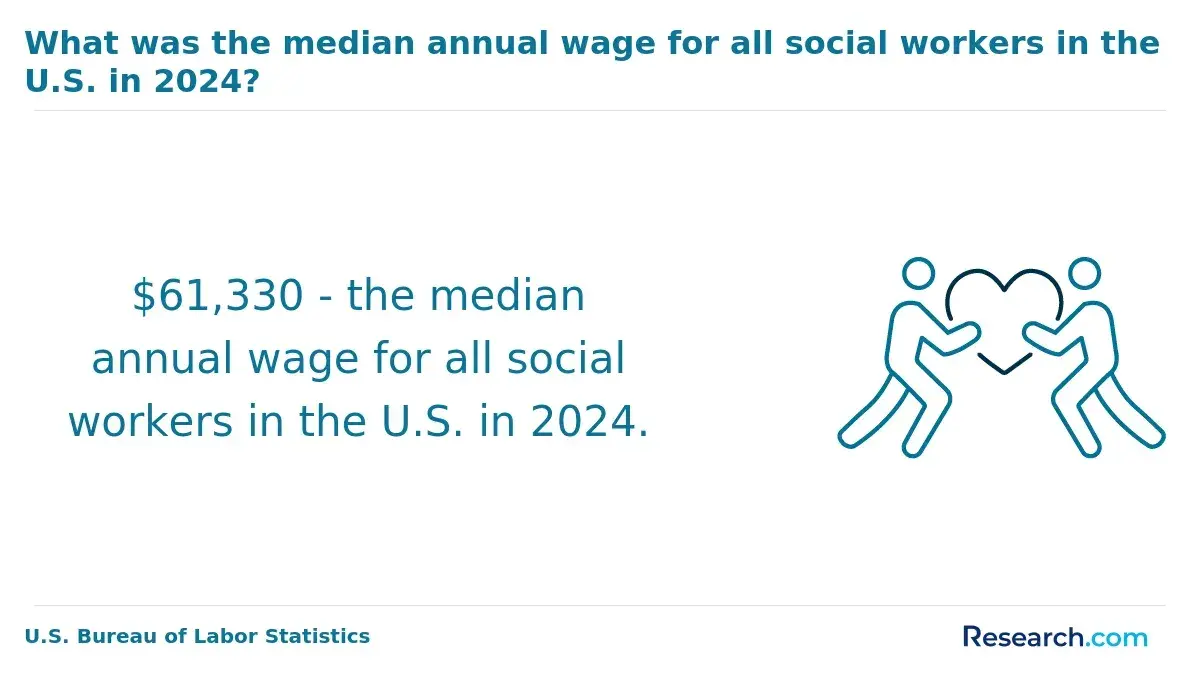
- The median annual wage for marriage and family therapists with MSWs was approximately $58,000 in 2024, with higher earnings linked to private practice and specialized populations.
What is an MSW in Marriage and Family Therapy?
An MSW in marriage and family therapy is typically a Master of Social Work program with coursework, field placements, or a concentration focused on couples, families, and relational systems. It is not always the same as a standalone MFT degree, so students should confirm how the curriculum aligns with the license they plan to pursue. The core strength of this pathway is that it combines clinical social work training with family systems practice, giving graduates tools to assess both individual needs and the broader family, community, cultural, and service-system factors affecting a client’s life.
Students in marriage and family therapy MSW programs commonly study family systems theory, human development, trauma-informed care, assessment, ethics, cultural humility, conflict resolution, and evidence-informed interventions for couples and families. The goal is to prepare practitioners who can help clients improve communication, manage conflict, strengthen parenting and caregiving relationships, and navigate stressors such as separation, grief, addiction, financial strain, abuse, or behavioral health concerns.
Graduates often pursue licensure as Licensed Clinical Social Workers (LCSW). Some may also pursue Licensed Marriage and Family Therapist (LMFT) licensure if their state allows an MSW to meet the educational requirements and if the program includes the required MFT-specific coursework and supervised clinical experience. Because licensure rules vary by state, applicants should verify requirements with the appropriate state board before enrolling.
Common work settings include private practices, community mental health agencies, family service organizations, hospitals, schools, child welfare agencies, substance use treatment programs, and integrated healthcare teams. Professionals with this background may serve families dealing with marital conflict, parenting challenges, child and adolescent concerns, trauma, domestic violence, caregiver stress, and major family transitions.
Career prospects for a master of social work marriage and family therapy career can be appealing for students who want both clinical and systems-oriented training. Average salaries are around $60,806 annually in the individual and family services sector, though actual earnings depend on licensure, location, setting, experience, and whether the clinician works in an agency or private practice. Students considering long-term advancement may also compare doctoral options and costs, such as the Simmons University DSW cost, after first confirming that their MSW plan supports their immediate licensure goals.
What careers can you pursue with an MSW in marriage and family services?
An MSW in marriage and family services can lead to direct clinical roles, case management positions, school-based work, program leadership, advocacy, and specialized family support roles. The best fit depends on your license, field placement experience, state regulations, and whether you want to provide therapy, coordinate services, manage programs, or work on policy and prevention.
Common career paths
- Clinical social worker focused on families: Provides assessment, treatment planning, therapy, crisis support, and referrals for individuals, couples, parents, children, and family systems.
- Licensed marriage and family therapist: Works with couples and families on relationship conflict, communication, parenting, separation, blended family dynamics, and related mental health concerns, when state licensure requirements are met.
- Child and family social worker: Supports children, caregivers, and families through child welfare agencies, family preservation programs, foster care services, adoption services, or community organizations.
- School social worker: Helps students by addressing family-related barriers to attendance, behavior, learning, safety, and emotional well-being in collaboration with educators and caregivers.
- Substance use or behavioral health social worker: Supports clients and families affected by addiction, co-occurring mental health conditions, relapse risk, and recovery planning.
- Domestic violence or family crisis advocate: Provides safety planning, counseling referrals, court or agency coordination, and trauma-informed support for survivors and families.
- Program coordinator or director: Manages family service programs, parenting education, relationship education, community outreach, staff supervision, grants, and service quality.
- Policy, advocacy, or research professional: Works on systemic issues affecting families, such as access to mental health care, child welfare reform, housing stability, family violence prevention, and community-based services.
Some MSW graduates build specialized practices serving military families, LGBTQ+ couples, blended families, immigrant families, older adults and caregivers, or families affected by trauma and grief. Specialization can improve job fit, but it should be supported by supervised experience, continuing education, and appropriate licensure.
The demand for careers with an MSW in marriage and family therapy remains strong. According to the BLS Occupational Outlook Handbook, employment for marriage and family therapists is projected to grow 13% over the next decade, with approximately 9,800 annual openings. This growth reflects the continued need for professionals who can provide relationship-centered mental health services in clinical, community, and healthcare settings.
For prospective students comparing education routes, reviewing the most affordable online MSW programs can help narrow options, but affordability should be weighed alongside accreditation, field placement quality, licensure alignment, and family-focused clinical training.
What is the average salary for marriage and family therapists with an MSW?
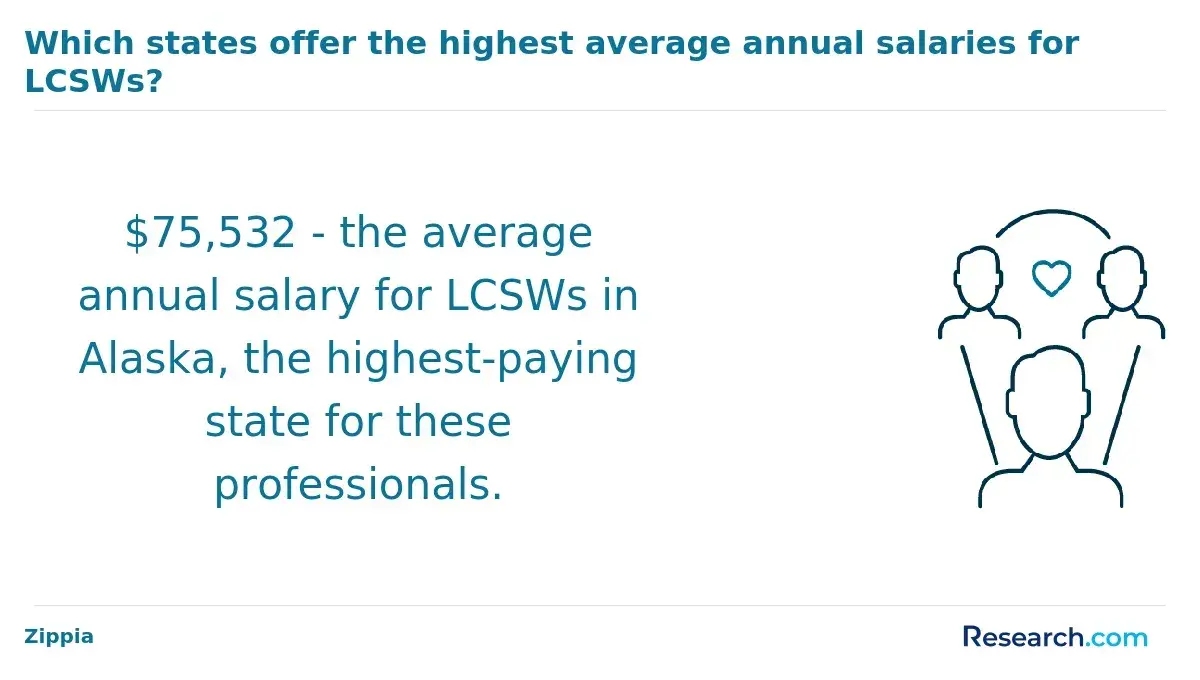
The average salary for marriage and family therapists with an MSW depends on licensure, job setting, state, clinical experience, and whether the professional is employed by an agency or operates a private practice. According to the BLS Occupational Employment and Wage Statistics from May 2023, the mean annual wage for marriage and family therapists was $68,730. This is a useful national benchmark, but it should not be treated as a guaranteed starting salary for every MSW graduate.
Entry-level MSW marriage and family therapists generally earn between $50,000 and $60,000 annually. Earnings may increase with independent clinical licensure, specialized training, supervisory responsibilities, a strong referral base, or work in higher-paying regions and settings. At the higher end, experienced clinicians with additional certifications or private clients may reach the 90th percentile, earning up to $104,710.
What affects earnings most?
- Licensure status: Independently licensed clinicians usually have more job options and may qualify for higher pay than pre-licensed practitioners.
- Work setting: Hospitals, mental health centers, government agencies, private practices, and community organizations may offer different compensation structures and benefits.
- Location: Wages vary widely by state and metro area due to demand, cost of living, reimbursement rates, and employer mix.
- Specialization: Training in trauma, substance use, family violence, child and adolescent services, or integrated behavioral health can improve competitiveness.
- Experience and supervision: Clinicians who provide supervision, manage teams, or lead programs may earn more than those in entry-level direct service roles.
Prospective students researching the average salary for marriage and family therapists with an MSW in the United States should compare salary data with tuition, debt, supervision requirements, and expected time to full licensure. State-specific information on social work salaries by state can help set more realistic expectations before choosing a program or relocation plan.
What is the job outlook for MSW marriage and family professionals?
The job outlook for MSW marriage and family professionals is supported by demand for mental health care, family-centered services, substance use treatment, school-based support, and community behavioral health programs. Growth is strongest for graduates who complete accredited training, obtain appropriate licensure, and gain supervised experience with couples, children, caregivers, and family systems.
The BLS Occupational Employment and Wage Statistics from May 2023 report that the largest number of these therapists work in offices of other health practitioners, employing 20,920 individuals with a mean annual wage of $67,230. This shows that outpatient and health-practitioner settings are significant employment sites, not just traditional mental health clinics.
Job availability is influenced by geography. Urban and suburban areas may have more posted openings because of population density and larger healthcare systems, while rural and nonmetropolitan areas may have fewer employers but stronger need for clinicians who can serve broad family and behavioral health needs. State licensure requirements also shape the job market because employers often require candidates to be license-eligible or already licensed.
Where MSW marriage and family professionals may find demand
- Community mental health centers
- Integrated healthcare and primary care settings
- Substance use treatment programs
- Child welfare and family preservation agencies
- Schools and youth-serving organizations
- Domestic violence and crisis intervention programs
- Private and group practices
- Military, veteran, and caregiver support programs
MSW career growth in marriage and family services increasingly involves collaboration with physicians, psychologists, counselors, educators, case managers, and community agencies. This can broaden career options beyond one-on-one therapy into care coordination, program development, prevention, and systems advocacy.
Students who need flexible admission pathways may explore some of the easiest MSW programs to get into, but selectivity should not be the only factor. The program still needs proper accreditation, strong field placements, licensure alignment, and enough clinical depth to support long-term career goals.
What accreditation is required for MSW marriage and family programs?
For an MSW program, Council on Social Work Education accreditation is the key accreditation to verify. CSWE accreditation signals that the program meets national social work education standards and is commonly required for social work licensure eligibility. For students planning to become Licensed Clinical Social Workers, graduating from a CSWE-accredited MSW program is typically essential.
Students interested in marriage and family therapy should look beyond the word “family” in a program description. A CSWE-accredited MSW may prepare graduates well for clinical social work with families, but LMFT licensure depends on state-specific requirements. Some states may require specific MFT coursework, supervised relational therapy experience, or a degree that meets marriage and family therapy board standards. Applicants should confirm requirements with both the social work board and the marriage and family therapy board in the state where they intend to practice.
Accreditation and licensure checklist
- Confirm that the MSW program is CSWE-accredited.
- Ask whether the marriage and family concentration is formally part of the accredited MSW curriculum.
- Review whether coursework covers couples, families, human development, diagnosis, ethics, trauma, and clinical assessment.
- Verify whether field placements can include couples, family therapy, child and family services, or related clinical settings.
- Compare the curriculum with LCSW and LMFT requirements in your target state.
- Ask whether graduates have successfully pursued the license you want.
CSWE accreditation involves regular program reviews, curriculum evaluation, qualified faculty oversight, and standards for field education. Strong programs also maintain field placement relationships with agencies that serve couples, children, parents, caregivers, and families in crisis.
Regional labor demand can also affect the value of the training. For instance, Northwest Minnesota's nonmetropolitan area shows a high location quotient of 2.27 and mean annual wages of $78,440, per BLS Occupational Employment and Wage Statistics, May 2023. A CSWE-accredited program with relevant clinical training can improve employability in high-need areas, but graduates must still meet state licensure rules.
What are MSW admission requirements for marriage and family therapy?
MSW admission requirements for marriage and family therapy tracks usually combine academic readiness, human service experience, writing ability, and evidence of fit for clinical work. A bachelor’s degree from an accredited institution is typically required. Applicants often come from social work, psychology, sociology, human services, education, public health, or related fields, but many programs also consider career changers from unrelated majors.
Most programs request official transcripts and may expect a minimum GPA around 3.0. Some schools review applicants with lower GPAs if they show strong professional experience, strong recommendations, recent academic improvement, or relevant post-baccalaureate coursework. Two or three letters of recommendation are commonly required, usually from professors, supervisors, or professionals who can comment on the applicant’s judgment, ethics, communication skills, and readiness for graduate-level clinical training.
A personal statement is often one of the most important parts of the application. It should explain why the applicant wants to work with couples and families, what experiences shaped that interest, how the MSW supports career goals, and how the applicant understands social work values such as service, dignity, cultural humility, and social justice.
Typical application materials
- Accredited bachelor’s degree
- Official transcripts
- Minimum GPA around 3.0, depending on the school
- Two or three letters of recommendation
- Personal statement or statement of purpose
- Resume or curriculum vitae
- Relevant volunteer, internship, or work experience in human services
- Interview, when required
- GRE scores, if the school still requests them
- TOEFL or IELTS scores for international students when required
Prior client service experience is often valued and may include internships, employment, crisis line work, case management, youth services, domestic violence advocacy, behavioral health support, or community outreach. Some programs commonly look for between 300 and 500 hours of relevant experience, although requirements vary.
Applicants should also check whether the program’s curriculum supports the licensure path they want. Since licensed social workers make up 59% of the clinical workforce overlapping with marriage and family services, MSW admissions and advising often emphasize readiness for supervised clinical practice. Candidates with limited experience can strengthen an application by volunteering in a family services setting, completing related coursework, or gaining supervised exposure to behavioral health or social service environments before applying.
What does the MSW marriage and family therapy curriculum cover?
The MSW marriage and family therapy curriculum combines generalist social work preparation with specialized clinical training in family systems, relational assessment, and interventions for couples, children, parents, and caregivers. The curriculum should help students understand both the internal dynamics of a family and the external pressures affecting it, including poverty, discrimination, trauma, healthcare access, school systems, housing instability, and community resources.
Core content usually includes human behavior and the social environment, social work ethics, research methods, policy, clinical assessment, diagnosis, treatment planning, case management, and field education. The family-focused portion may cover family dynamics, couple relationships, child and adolescent development, parenting, trauma, family violence, addiction, grief, separation, and multigenerational patterns.
Common curriculum areas
- Family systems theory: How family roles, boundaries, communication, conflict, and patterns affect individual and relational functioning.
- Clinical assessment: How to evaluate risk, strengths, symptoms, relational stressors, safety concerns, and service needs.
- Evidence-based therapeutic models: Training may include cognitive-behavioral therapy, structural family therapy, and emotionally focused therapy.
- Trauma-informed practice: How trauma affects couples, children, parenting, attachment, trust, and family stability.
- Cultural competence: How culture, race, religion, gender identity, sexual orientation, immigration status, disability, and socioeconomic context shape family life and care.
- Ethics and law: Confidentiality, mandated reporting, informed consent, boundaries, documentation, and dual relationships.
- Crisis intervention: Safety planning and response for domestic violence, self-harm risk, child maltreatment, substance use crises, and acute family conflict.
- Field practicum: Supervised practice in agencies, schools, hospitals, behavioral health programs, or family service organizations.
Supervised clinical practicum is central because students need to translate theory into practice. A strong placement should expose students to assessment, documentation, treatment planning, interdisciplinary collaboration, ethical decision-making, and direct work with families or family-related cases.
Because workforce shortages, burnout, and attrition affect psychologists, social workers, and marriage counselors, many curricula also address self-care, professional resilience, supervision, workload management, and ethical practice under pressure. Additional topics may include program evaluation, policy analysis, billing, insurance, documentation, and collaboration with courts, schools, medical providers, and community agencies.
How long does an MSW in marriage and family services take to complete?
An MSW in marriage and family services generally takes two years of full-time study. This usually includes graduate coursework and at least 900 hours of supervised practicum. The field placement component is essential because it helps students build counseling, assessment, documentation, family systems, crisis response, and case management skills while working under supervision.
Part-time programs usually take three or four years. These formats can be better for working adults, caregivers, or students who need a slower pace, but they may extend the total time before graduation and licensure. Advanced standing programs, designed for students who already hold a bachelor’s degree in social work, can reduce the MSW timeline to about one year. Accelerated options may also shorten completion time, but students should make sure the pace is realistic given field placement demands.
Program timeline factors
- Enrollment status: Full-time study is faster, while part-time study offers more flexibility.
- Advanced standing eligibility: A bachelor’s degree in social work can shorten the degree path.
- Field placement scheduling: Practicum hours may require daytime availability, depending on the agency.
- Online or hybrid format: Coursework may be flexible, but field education still occurs in approved practice settings.
- Licensure plan: Graduation is only one step; clinical licensure requires additional supervised experience after the degree.
After graduation, postgraduate licensure in marriage and family therapy may require additional clinical hours, typically between 2,000 and 4,000 client contact hours, depending on the state. LCSW requirements also vary by state. Students should contact academic advisors and state licensing boards early so they understand the full timeline from enrollment to independent practice.
Financial planning matters because a longer timeline can increase total costs and delay full licensure earnings. Medicare reimbursement rates for psychologists, social workers, and marriage counselors declined by 14.0% in 2025 with parity enforcement suspended, which underscores the need to compare program cost, expected debt, local salaries, and reimbursement realities before committing to a program.
What are the costs of MSW programs in marriage and family therapy?
The cost of MSW programs in marriage and family therapy varies by school type, residency status, delivery format, enrollment pace, and fees. Public universities generally charge between $10,000 and $25,000 yearly for in-state tuition, while out-of-state students face fees from $20,000 to $40,000. Tuition at private schools can range from $30,000 up to over $50,000 per year. These figures usually refer to tuition and may not include all required expenses.
Students should calculate the full cost of attendance, not just the advertised tuition. Additional costs may include books, technology fees, clinical placement fees, transportation, background checks, immunizations, malpractice insurance during internships, licensure exam fees, application fees, and lost wages if field placement hours reduce work availability.
Program length also affects total cost. MSW programs customarily last two years full-time, while part-time and online formats may extend the timeline. For example, a part-time student paying $15,000 annually might spend more over three or four years than a full-time student completing the degree in two years, depending on tuition structure and fees.
Ways to evaluate affordability
- Compare total tuition for the full program, not only annual tuition.
- Ask whether online students pay separate technology or distance-learning fees.
- Confirm whether field placement support is included or limited.
- Review scholarships, assistantships, employer tuition benefits, and grants.
- Estimate transportation and schedule-related costs for practicum.
- Compare expected debt with local salary and licensure timelines.
- Make sure lower cost does not come at the expense of accreditation or clinical placement quality.
Many schools offer financial aid, scholarships, or assistantships that can reduce the total cost. Students interested in family-focused social work should ask about scholarships connected to behavioral health, child welfare, rural practice, school social work, or community mental health.
The social worker job market shows strong growth, with over 322,000 businesses in psychology, social work, and marriage counseling expanding at an 8% CAGR through 2026. Even with positive market signals, the best financial decision is a program that is accredited, licensure-aligned, clinically strong, and affordable enough to support a sustainable career.
How to choose the best MSW program for marriage and family careers?
The best MSW program for marriage and family careers is the one that fits your licensure goal, offers strong family-focused clinical training, provides quality field placements, and remains financially manageable. A well-known school is not automatically the best choice if it does not support the license, population, or practice setting you want.
Start with licensure alignment
First, identify the state where you expect to practice and the license you plan to pursue. If your goal is LCSW licensure, confirm that the program is accredited by the Council on Social Work Education and meets your state’s education requirements. If your goal is LMFT licensure, ask the state board whether an MSW with a marriage and family focus can qualify and what specific coursework or supervised experience is required.
Evaluate the clinical training
- Look for specialized coursework in couples, families, trauma, child and adolescent practice, substance use, and family violence.
- Ask whether field placements serve couples, children, caregivers, or family systems.
- Confirm how the school helps online and hybrid students secure approved practicum sites.
- Review supervision quality and whether field instructors have relevant clinical credentials.
- Ask how students are prepared for documentation, ethics, risk assessment, and interdisciplinary work.
Check faculty and outcomes
Faculty expertise matters. Instructors with LCSW credentials, family therapy experience, clinical supervision backgrounds, or active work in family services can provide stronger mentoring and professional networks. Also review graduation outcomes, licensure pass rates when available, field placement satisfaction, employment data, and alumni career paths.
Balance flexibility with accountability
Online and hybrid MSW programs can work well for employed students, parents, and career changers, but flexibility should not mean weak support. Verify advising access, field placement assistance, faculty availability, technology support, and whether required clinical hours can be completed near your location. Remember that online coursework does not remove the need for supervised field education.
The job outlook for mental health and substance abuse social workers, including family services, projects a 10% growth from 2024 to 2034. To benefit from that growth, choose a program that prepares you for real practice demands: licensure, ethical decision-making, supervised clinical work, family-centered assessment, and collaboration across healthcare, schools, courts, and community agencies.
Finally, compare costs and financial aid carefully. Scholarships, assistantships, employer tuition support, and lower-cost public options can make a major difference. The strongest program is not simply the cheapest or the most selective; it is the one that offers accredited training, relevant clinical experience, licensure compatibility, and a realistic path into marriage and family services.
Other Things You Should Know About Social Work
Many states allow social workers with an MSW and appropriate licensure, such as Licensed Clinical Social Worker (LCSW), to provide therapy independently. However, requirements vary by state and may include supervised clinical hours and passing a licensing exam. It is important to research specific state regulations regarding independent practice after earning an MSW.
Graduates typically find employment in a variety of settings including community mental health centers, private practices, hospitals, and social service agencies. School systems and family service organizations also employ MSW holders to support children and families. The diversity of these settings reflects the wide range of needs marriage and family social workers address daily.
Social workers adhere to the National Association of Social Workers (NASW) Code of Ethics, which guides confidentiality, client respect, and professional boundaries. In marriage and family services, this includes handling sensitive family dynamics carefully and avoiding conflicts of interest. Ongoing ethics training is a common requirement to ensure professionals stay current with best practices.
References
- Career Outlook for Marriage and Family Therapists https://therapistdevelopmentcenter.com/blog/career-outlook-for-marriage-and-family-therapists
- How to Become a Marriage and Family Therapist in 2023 https://mastersinsocialworkonline.org/careers/marriage-and-family-therapist/
- Types of Social Workers: Exploring the Many Fields in Which They Serve https://www.umassglobal.edu/blog-news/types-of-social-workers
- Search | National Association of Social Workers Job Board | Explore Social Worker Jobs https://joblink.socialworkers.org/jobs
- How to Become a Marriage and Family Therapist - OnlineEducation.com https://www.onlineeducation.com/counseling/faqs/how-to-become-an-mft
- Master of Social Work vs. Master’s in Counseling: Choosing the Right Path for Your Career in Helping Professions https://paloaltou.edu/resources/blog/master-social-work-vs-masters-counseling-choosing-right-path-your-career-helping-professions
- Commission on Accreditation for Marriage and Family Therapy Education, American Association for Marriage and Family Therapy - (COAMFTE) https://www.chea.org/commission-accreditation-marriage-and-family-therapy-education-american-association-marriage-and
- Marriage and Family Therapy (MS Degree) https://www.iona.edu/academics/explore-majors-programs/marriage-and-family-therapy-ms-degree
- Most Affordable Online MFT Programs for 2025 https://www.onlinemastersdegrees.org/most-affordable/mft-programs/
- How to Become a Marriage and Family Therapist https://onlinecounselingprograms.com/mental-health-careers/how-to-become-marriage-and-family-therapist/