2027 Accelerated Online Doctorate in Social Work Programs

Co-Founder and Chief Data Scientist
Choosing an accelerated online doctorate in social work is mainly a question of fit: do you need a practice-focused DSW to move into senior clinical, administrative, or teaching roles, or a Ph.D. to build a research and academic career? Both are terminal degrees, but they serve different professional goals, require different kinds of preparation, and carry different time and cost trade-offs.
Accelerated online programs appeal to experienced social workers because they can shorten the path to doctoral-level credentials while allowing students to keep working. That flexibility matters, but it also raises practical questions about weekly workload, accreditation, employer perception, technology requirements, financial aid, and whether a faster format limits research or clinical depth.
This guide explains what to look for before applying, including admission experience expectations, realistic time commitments, total cost ranges, funding options, and how the job market tends to view the DSW compared with the Ph.D. for clinical social work leadership.
Key Things You Should Know About Accelerated Online Doctorate in Social Work Programs
- The accelerated format provides a faster completion path than a traditional Ph.D., allowing professionals to quickly transition into doctoral-level roles.
- Graduates achieve quicker entry into high-level administrative and clinical director positions, maximizing the return on educational investment.
- The program is structured for working professionals, enabling students to pursue advanced degrees without interrupting their current employment or salary.
What are the best accelerated online doctorate in social work programs?
The best accelerated online doctorate in social work programs are not simply the fastest options. Strong programs combine a credible university, a clear doctoral purpose, faculty support, manageable online delivery, and a curriculum that matches the student’s career goal. For most working social workers, that means comparing DSW programs built around advanced practice and leadership rather than assuming every doctorate leads to the same outcome.
Examples of accelerated or flexible online doctorate options in social work include the following:
- Spalding University: Offers a 50-credit hour online Doctor of Social Work program that can be completed in two years in a cohort format, with synchronous Saturday sessions that may suit professionals who prefer scheduled interaction.
- Simmons University: Provides an online DSW that can be completed in under two years full-time or three years part-time, with emphasis on leadership, advanced clinical practice, and teaching.
- University of Kansas: Features a 100% online DSW that can be completed in two years full-time and focuses on leadership and implementation science in social work.
- Walden University: Offers a flexible online DSW that can be completed in as little as 2.5 years and is designed for professionals pursuing leadership and policy-oriented roles.
- Capella University: Provides a customizable online DSW program typically completed in about three years, which may appeal to working practitioners who need a more flexible pace.
When comparing these programs, look beyond completion time. Ask whether the curriculum supports your target role, whether synchronous sessions fit your work schedule, how the capstone or dissertation is structured, and what kind of faculty mentoring is available. A two-year program is valuable only if the pace is realistic and the credential is respected by the employers, licensing boards, or academic institutions relevant to your goals.
What social work experience is required for Accelerated Online Doctorate admission?
Accelerated online doctorate programs in social work generally expect applicants to arrive with meaningful post-MSW practice experience. The reason is practical: DSW coursework often asks students to analyze real organizational problems, evaluate interventions, lead change initiatives, and apply research to advanced practice settings. Students without a strong professional base may struggle to connect the doctoral work to high-level practice.
Most programs require at least 2-3 years of post-MSW experience in human service organizations. Some programs may look for 3 or more years, especially when the curriculum is designed for senior practitioners or leaders.
- MSW background: The usual academic foundation is a master’s degree in social work from a CSWE-accredited program. Programs may also require a minimum graduate GPA, often 3.0 or higher.
- Relevant field experience: Admission to an accelerated social work program at the doctoral level typically favors applicants with 2 or more years of paid or voluntary experience in social work, behavioral health, human services, nonprofit leadership, child welfare, healthcare, policy, or related practice settings.
- Licensure or certification: A clinical social work license, such as an LCSW, is not always mandatory. However, it can strengthen an application for practice-focused DSW programs, particularly those emphasizing advanced clinical leadership.
- Professional readiness: Strong applicants can usually explain a clear doctoral purpose: improving a service model, leading an agency, teaching future practitioners, expanding clinical expertise, or translating research into practice.
Applicants should also prepare for materials that show readiness for doctoral work, such as a statement of purpose, professional resume, writing sample, references, and sometimes an interview. The strongest applications connect prior practice experience to a specific problem the applicant wants to address through doctoral study.
What is the expected weekly time commitment required for a fast-track Social Work doctorate?
A fast-track online doctorate in social work is flexible, but it is not light. Students should expect the workload to feel like a serious part-time job layered on top of professional and personal responsibilities. A realistic estimate is approximately 15-25 hours per week for readings, discussions, synchronous sessions, writing, research, group work, and capstone or dissertation development.
A DSW program generally spans 3-4 years for part-time enrollment, which is shorter than the 4-7 years often required for a Ph.D. in Social Work. Some accelerated options compress the schedule further, but the work does not disappear; it is concentrated into fewer terms.
Typical weekly demands may include:
- Live class meetings: Synchronous sessions, seminars, presentations, or weekend meetings, depending on the program format.
- Asynchronous coursework: Recorded lectures, discussion boards, readings, case analyses, and written responses.
- Independent research and writing: Literature reviews, applied research assignments, data interpretation, and capstone or dissertation planning.
- Practice-based application: Projects tied to an agency, client population, policy issue, leadership challenge, or clinical intervention.
The biggest scheduling mistake is assuming that “online” means “self-paced.” Many accelerated programs use strict weekly deadlines, cohort calendars, and required attendance. Before enrolling, students should map out work hours, family obligations, supervision duties, and peak job seasons. If your job regularly expands beyond standard hours, a part-time track may be more sustainable than the fastest possible option.
What is the comprehensive estimate for the total cost of an Accelerated Online Doctorate in Social Work?
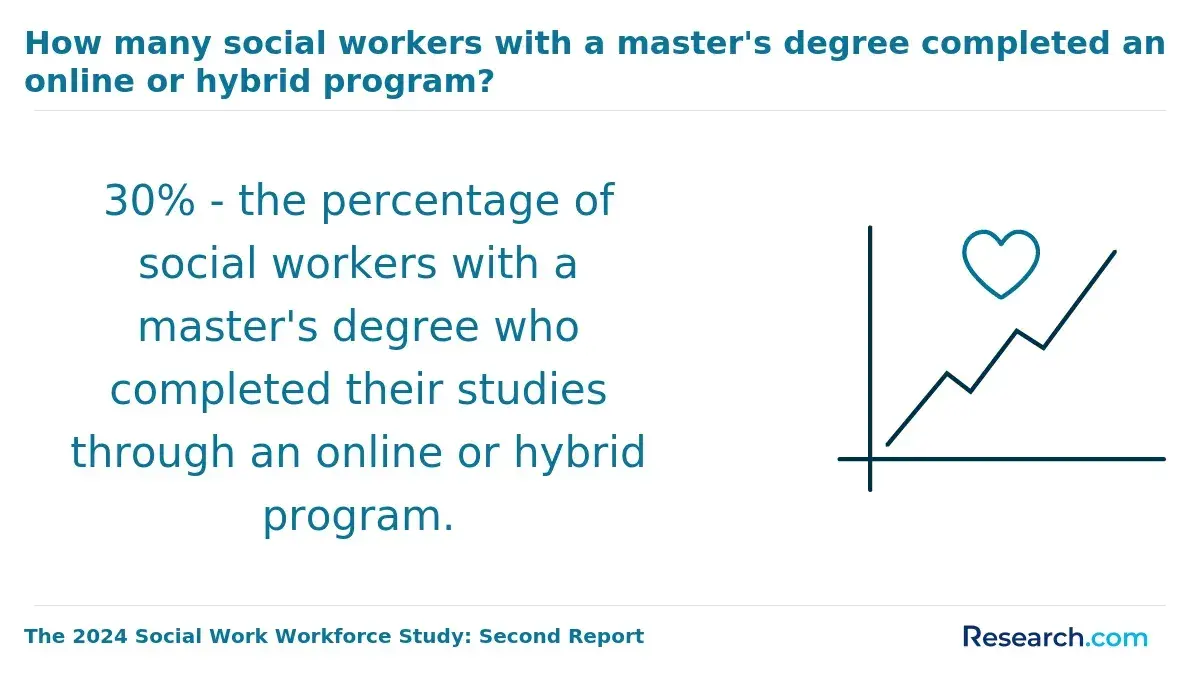
The total cost of an accelerated online doctorate in social work can vary widely by institution, tuition model, residency status, fees, and program length. A comprehensive estimate ranges from $25,000 to over $100,000. Tuition for online DSW programs averages around $50,000, with some affordable programs costing as low as $25,000 for in-state residents and some private university programs exceeding $100,000.
Students should estimate the full cost of attendance, not just tuition. Online doctoral students may also pay technology fees, university fees, books, course materials, software subscriptions, travel for any required residency, and costs tied to research or capstone work. These expenses can add hundreds of dollars per semester.
Before committing, compare programs using the same cost categories:
- Tuition structure: Per-credit tuition, flat-rate tuition, or subscription-style pricing can produce different totals depending on pace.
- Required credits: A lower per-credit price may not be cheaper if the program requires more credits.
- Fees: Technology, graduation, residency, library, and student service fees can affect the final bill.
- Transfer or advanced standing policies: Some programs may limit how much prior doctoral coursework can reduce cost.
- Employer support: Tuition reimbursement can materially change the net cost for working professionals.
Professionals comparing the cost of a DSW with current master degree in social work salary expectations should focus on likely career outcomes, not just the prestige of the credential. A doctorate may be financially sensible if it supports promotion into leadership, specialized practice, teaching, consulting, or administrative roles that the student realistically intends to pursue.
How does the time savings of an Accelerated Online Doctorate justify the cost compared to a traditional Ph.D.?
The financial case for an accelerated online doctorate depends on opportunity cost. A DSW typically takes 3-4 years part-time, while a Ph.D. often requires 5-7 years. That shorter timeline may allow a practitioner to qualify for senior roles sooner while continuing to earn a salary during the program.
The comparison is not only about tuition. It is about the career interruption, research expectations, funding model, and target role. A traditional Ph.D. may offer stronger preparation for research-intensive academic careers, but it can take longer and may be less aligned with practitioners who want to remain in clinical or administrative leadership. A DSW, by contrast, is usually built for working professionals who want to apply doctoral training directly to practice systems.
- DSW advantage: Faster completion, practice-focused curriculum, and the ability to remain employed while studying.
- Ph.D. advantage: Deeper preparation for original research, academic publishing, and tenure-track faculty pathways.
- Cost trade-off: An online DSW may have a tuition cost averaging $50,000, but the shorter path can reduce delayed career progression.
- Career context: Social workers with doctoral degrees may pursue roles above the national median wage of $58,380 as of May 2023, but outcomes depend on role, employer, location, licensure, and leadership experience.
The time savings justify the cost most clearly when the student has a defined career move in mind, such as clinical director, executive leader, program administrator, senior policy role, or practice-focused educator. If the goal is a tenure-track research career, the longer Ph.D. route may still be the better investment despite the additional time.
What financial aid mechanisms are typically available for a part-time doctoral Social Work student?
Part-time doctoral social work students usually rely on a mix of loans, scholarships, employer benefits, payment plans, and targeted aid. Funding is often different from full-time Ph.D. support, where assistantships or stipends may be more common. Because many DSW students keep working, financial planning should focus on reducing borrowing, spreading payments, and using employer or institutional support whenever possible.
- Federal Direct Unsubsidized Loans: Graduate and doctoral students may use Direct Unsubsidized Loans regardless of financial need. Interest accrues while the student is in school, so borrowers should calculate the long-term repayment cost before accepting the full amount. Students researching affordable pathways, including cheapest MSW options, should apply the same debt-aware approach at the doctoral level.
- Federal Work-Study: Eligible graduate students with demonstrated financial need may qualify for part-time employment through Federal Work-Study, though availability can vary by institution and enrollment status.
- School and private scholarships: Universities may offer scholarships based on academic merit, leadership, service, diversity goals, or professional focus. Private foundations and social work organizations may also support students working in specific populations or practice areas.
- Employer tuition assistance: Hospitals, universities, government agencies, and larger nonprofit organizations may provide tuition reimbursement or professional development funds. Students should confirm annual caps, grade requirements, repayment obligations, and whether doctoral coursework qualifies.
- Payment plans: Monthly payment plans can reduce immediate borrowing if the student can pay part of tuition from current income.
- Loan repayment plans: Federal student loan programs offer income-driven repayment options that can make post-graduation repayment more manageable, though they do not reduce the importance of borrowing carefully.
The best funding strategy is usually layered. Apply for institutional aid early, ask employers about reimbursement before enrollment, compare loan terms, and avoid assuming that a higher-priced program will automatically produce a better career outcome.
What administrative and leadership roles in Social Work mandate a doctoral degree for promotion?
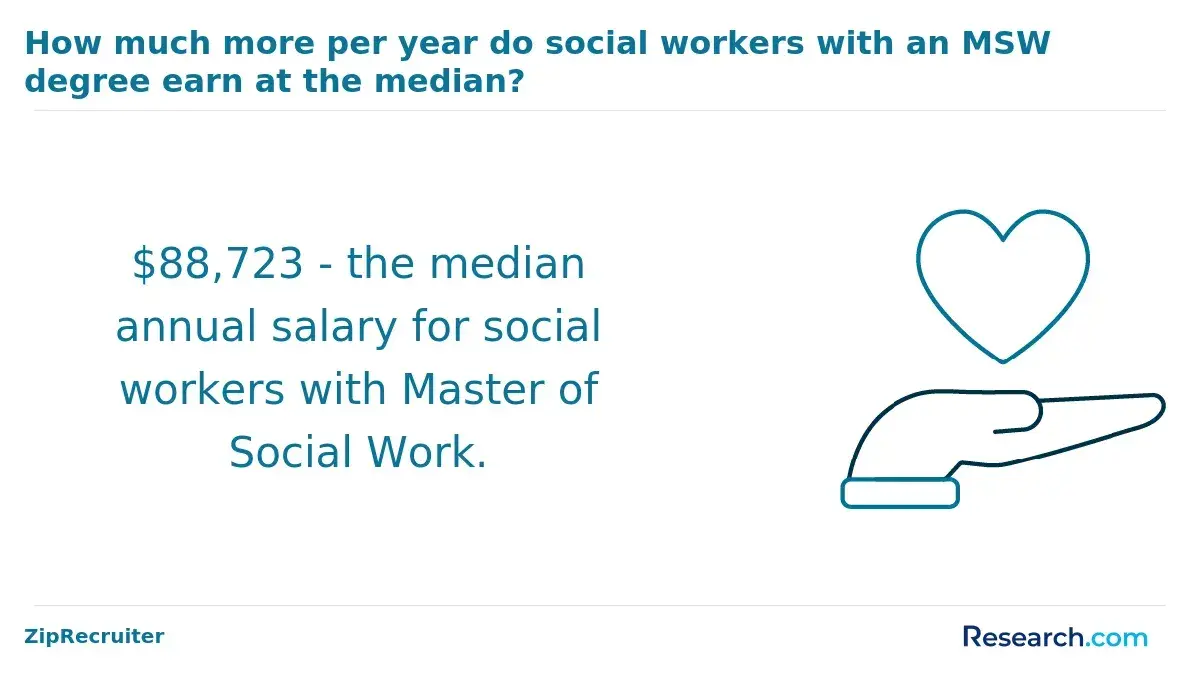
Most social work roles do not legally require a doctorate. For many clinical positions, the MSW plus appropriate licensure remains the standard credential. However, a DSW or Ph.D. can become important when the role involves executive leadership, higher education, research authority, program design, or high-level clinical administration. In these settings, employers may require a doctorate or strongly prefer one for promotion.
- University professor or faculty member: Tenure-track positions commonly require a Ph.D., especially when the role includes original research, publication, and doctoral-level scholarship. Practice-oriented teaching roles may consider a DSW, depending on institutional policy.
- Research scientist: Leadership roles in think tanks, government agencies, universities, and research institutions often require advanced research training. Some positions dedicated to social policy and welfare may offer a salary between $90,000 and $120,000.
- Clinical director or executive leader: DSW graduates may be competitive for roles leading clinical departments, nonprofit organizations, hospital social work programs, behavioral health services, or community-based agencies. Students asking is social work school hard should also ask whether the doctoral workload fits the leadership responsibilities they want to assume.
- Program evaluator or implementation leader: Organizations increasingly need leaders who can evaluate services, improve outcomes, manage evidence-based practice implementation, and translate data into operational decisions.
- Senior policy or advocacy leader: Doctoral training may support advancement into roles that shape systems, influence funding priorities, or lead large-scale community initiatives.
A doctorate is most valuable when it fills a clear credential gap. Before enrolling, review job postings for your target roles and speak with senior leaders in your field. If most positions require licensure, supervision experience, and management skills but not a doctorate, a certificate, leadership training, or specialized clinical credential may be a better short-term investment.
What steps verify the regional and professional accreditation status of an Accelerated Online Doctorate?
Accreditation checks are essential before enrolling in any accelerated online doctorate. A degree from an institution without recognized accreditation can create problems with employer recognition, transfer credit, federal financial aid, academic hiring, and professional credibility. Students should verify institutional accreditation directly rather than relying only on marketing language.
- Confirm institutional accreditation: Look up the university in the U.S. Department of Education’s Database of Accredited Postsecondary Institutions and Programs. This is the key step for online MSW pathways and doctoral programs. Students comparing online MSW programs should use the same verification habit for doctoral study.
- Check the accreditor’s website: Do not stop at the school’s website. Verify the institution’s status with the accrediting agency itself and note whether accreditation is current, probationary, or under review.
- Understand CSWE’s role: In social work, CSWE accreditation is central for BSW and MSW education. Doctoral social work programs should be evaluated carefully for institutional accreditation, faculty qualifications, curriculum quality, and how the program describes any professional recognition. If a school claims program-specific social work accreditation for a doctorate, ask for documentation and verify it directly.
- Ask about licensure relevance: A DSW or Ph.D. does not replace state clinical licensure requirements. If your goal involves clinical practice, confirm that your MSW and supervised experience meet your state’s licensing rules.
- Request written confirmation: Contact admissions and ask for documentation of current accreditation, any pending reviews, and whether the online format is included under the institution’s accredited offerings.
Accreditation is not the only quality marker, but it is the first filter. After verifying it, evaluate outcomes, faculty expertise, student support, research expectations, and whether graduates move into roles similar to the ones you want.
What essential technology and software must a student possess before enrolling in an online Social Work doctorate?
An online social work doctorate requires dependable technology because participation, research, presentations, advising, and collaboration happen through digital systems. Students should prepare before the first term instead of trying to solve hardware or software problems during accelerated coursework.
At minimum, students need a reliable desktop or laptop computer with a modern operating system and a high-speed internet connection that can support streaming video for synchronous classes. A backup plan is also important, such as access to another device or alternate internet connection if home service fails.
- Computer and internet: A laptop or desktop capable of video conferencing, document editing, file storage, and online testing, plus stable broadband internet.
- Video conferencing tools: Programs such as Zoom or WebEx are commonly used for live class meetings, advising, presentations, and group projects.
- Learning Management System access: Programs often use platforms such as Canvas or Blackboard, which require a current browser and regular logins.
- Office and writing software: A word-processing suite such as Microsoft Office is typically needed for papers, presentations, spreadsheets, and collaborative documents.
- Research and citation tools: Students should be comfortable using library databases, citation managers, and academic search tools.
- Statistical or data tools: Research-intensive coursework may require software such as SPSS or R, especially in Ph.D. programs or DSW courses involving evaluation and applied research.
- Security basics: Because social work education may involve sensitive practice examples, students should use secure passwords, updated software, and program-approved storage practices.
Technology readiness is also a study-skills issue. Students should be able to download articles, manage files, record or deliver presentations, join live sessions on time, troubleshoot audio and camera issues, and protect confidential information in accordance with program expectations.
How does the job market view DSW vs. Ph.D. for clinical Social Work roles?
For clinical social work roles, the job market generally views the DSW as the more directly practice-focused doctorate and the Ph.D. as the stronger research and academic credential. Both are terminal degrees, but employers interpret them differently based on the role.
A Ph.D. in Social Work is designed to prepare scholars who conduct original research, publish, teach, and compete for academic or research-intensive positions. It is often the preferred or required credential for tenure-track faculty roles and research leadership positions.
A DSW is designed for experienced practitioners who want advanced preparation in clinical practice, leadership, teaching, implementation, administration, or applied problem-solving. Graduates of doctorate in social work programs with a DSW may be well positioned for roles such as clinical director, senior administrator, executive leader, consultant, program developer, or practice-focused educator.
- Choose a DSW if: You want to remain close to practice, lead programs, supervise systems of care, improve service delivery, or apply research to real-world clinical and organizational problems.
- Choose a Ph.D. if: You want a research career, tenure-track faculty role, policy research position, or extensive methodological training.
- For clinical leadership: The DSW often aligns more directly with employer needs because it emphasizes applied practice and leadership rather than original academic research.
- For licensure: Neither degree automatically grants clinical licensure. State requirements, MSW preparation, supervised hours, and examinations still matter.
The right degree depends on the job description. If postings emphasize clinical operations, supervision, program leadership, and quality improvement, a DSW may be the better fit. If postings emphasize funded research, publications, methods expertise, and faculty research productivity, a Ph.D. is usually stronger.
How can you address employer skepticism regarding an Accelerated Online Doctorate degree?
Employer skepticism about an accelerated online doctorate is best addressed with evidence, not defensiveness. The goal is to show that the degree came from a credible institution, required rigorous doctoral work, and produced skills that improve practice, leadership, or organizational outcomes.
- Lead with accreditation: State the university’s recognized institutional accreditation and be ready to explain how you verified it.
- Emphasize rigor: Describe the curriculum, faculty expectations, research or capstone requirements, synchronous components, and applied projects.
- Connect the degree to job outcomes: Show how the program strengthened your ability to lead teams, evaluate programs, apply evidence, manage change, teach, or improve clinical systems.
- Use your capstone or dissertation as proof: A strong applied project can demonstrate doctoral-level thinking more persuasively than the degree title alone.
- Explain the accelerated format clearly: Frame it as an intensive program designed for experienced working professionals, not as a shortcut.
- Show continued professional credibility: Maintain licensure, supervision credentials, continuing education, publications, presentations, or leadership achievements where relevant.
In interviews, avoid focusing only on convenience. A stronger message is: the online format allowed you to keep working while applying doctoral learning directly to real organizational challenges. Employers are more likely to respect the degree when they can see measurable professional growth and a clear link between the program and the role you are seeking.
Other Things You Should Know About Accelerated Online Doctorate in Social Work Programs
In 2027, accelerated online doctorate programs in social work typically emphasize flexibility, allowing students to complete their studies in a shorter timeframe while balancing personal and professional commitments. These programs feature rigorous coursework and advanced fieldwork and often require a dissertation or capstone project, tailored to address contemporary social issues.
The coursework in an Accelerated Online Doctorate in Social Work Program in 2027 typically focuses on advanced clinical practice, leadership, and policy development. Students engage with modules addressing complex societal issues, preparing them for leadership roles in social work and policy design.
The potential downsides include a demanding schedule, which may require significant time management and self-discipline. Additionally, some programs might offer limited networking opportunities compared to on-campus options, affecting long-term professional connections.
References
- Federal Student Aid. (n.d.). Subsidized and Unsubsidized Loans. https://studentaid.gov/understand-aid/types/loans/subsidized-unsubsidized
- Federal Student Aid. (n.d.). Work-Study Jobs. https://studentaid.gov/understand-aid/types/work-study
- Liberty University. (2025). Online Master's, Bachelor's, & Doctoral Degrees. https://www.liberty.edu/online/
- Masters in Social Work Online. (n.d.). Online PhD and DSW in social work programs. https://mastersinsocialworkonline.org/online/phd-in-social-work/
- SocialWorkDegrees.org. (2025). DSW vs PhD in Social Work: Complete 2025 Guide. https://www.socialworkdegrees.org/dsw-vs-phd-social-work/
- SocialWorkDegrees.org. (2025). Graduate Assistantships in Social Work: Fund Your MSW. https://www.socialworkdegrees.org/graduate-assistantship-social-work/
- SocialWorkDegrees.org. (2025). PhD in Social Work Programs 2025: Online & Campus Guide. https://www.socialworkdegrees.org/program/phd
- U.S. Department of Education. (n.d.). DAPIP | Homepage - Office of Postsecondary Education (OPE). https://ope.ed.gov/dapip/
- University of Illinois School of Social Work. (n.d.). PhD in Social Work. https://socialwork.illinois.edu/admissions-academics/graduate-programs/phd-in-social-work/
- Wilfrid Laurier University. (n.d.). Social Work (MSW). https://www.wlu.ca/programs/social-work/graduate/social-work-msw/index.html
- upGrad. (2025). Do Employers Value Online DBA Degrees in 2025? https://www.upgrad.com/blog/do-employers-value-online-dba-degrees/
- Autumn. (n.d.). Doctor of Social Work (DSW). https://www.autumn.co/glossary/doctor-of-social-work-dsw