2027 Pediatric Medical Social Work Careers for MSW Graduates

Co-Founder and Chief Data Scientist
Choosing pediatric medical social work means preparing for a role where clinical care, family advocacy, hospital systems, and child development overlap. MSW graduates in this specialty help children with serious, chronic, or complex medical needs while supporting parents and caregivers through insurance problems, discharge decisions, grief, financial strain, and communication with care teams.
This guide is for prospective MSW students, career changers, and recent graduates who want a clear path into pediatric healthcare settings. It explains what pediatric medical social workers do, what to look for in an accredited MSW program, how licensing works, how online and campus programs compare, and how to evaluate cost, admissions requirements, job settings, salary potential, and long-term career fit.
Key Things You Should Know
- The demand for pediatric medical social workers is projected to grow by 12% through 2028, driven by increased emphasis on integrated care in hospitals and outpatient settings.
- MSW graduates specializing in pediatric medical social work can expect median starting salaries around $60,000, with higher wages in metropolitan and specialized pediatric hospitals.
- Certification such as the Certified Pediatric Social Worker (CPSW) enhances job prospects, reflecting a growing trend toward formal credentials to address complex family and child health needs.
What is pediatric medical social work and what do MSW graduates do in this specialty?
Pediatric medical social work is a healthcare social work specialty focused on children, adolescents, and families affected by illness, injury, disability, hospitalization, or complex treatment needs. MSW-trained pediatric medical social workers assess psychosocial risks, coordinate services, advocate for families, and help medical teams understand the child’s home, school, cultural, financial, and emotional context.
In practice, the role is both clinical and systems-focused. A pediatric medical social worker may counsel a child adjusting to a new diagnosis, help parents understand treatment and discharge plans, identify safety concerns, connect families with transportation or financial resources, or coordinate care among physicians, nurses, therapists, schools, and community agencies.
Common responsibilities include:
- Conducting psychosocial assessments for children and families
- Providing crisis intervention after a diagnosis, trauma, hospitalization, or medical setback
- Helping families navigate insurance, public benefits, community programs, and hospital resources
- Supporting discharge planning and continuity of care after hospitalization
- Addressing barriers to treatment adherence, such as housing instability, transportation, caregiver stress, or language access
- Facilitating communication between families and multidisciplinary care teams
- Providing grief, loss, and adjustment support when a child has a life-limiting or chronic condition
Work settings shape the day-to-day role. In children’s hospitals, social workers often handle urgent cases, family meetings, mandated reporting concerns, and discharge barriers. In outpatient clinics, they may provide ongoing counseling, resource coordination, and support for chronic illness management. In specialty units such as pediatric oncology, neonatal intensive care, transplant, or rehabilitation, social workers need deeper knowledge of medical protocols, family stress patterns, and long-term care needs.
The demand for pediatric medical social workers is tied to broader healthcare social work needs. Employment projections indicate 7% growth in healthcare social work jobs, reflecting increased needs in pediatric chronic illness care and an aging population. MSW graduates who later want advanced leadership, teaching, policy, or research roles may also compare doctorate of social work programs online as part of long-term career planning.
What are the educational requirements and accreditation standards for MSW programs in pediatric social work?
The standard educational requirement for pediatric medical social work is a Master of Social Work from a program accredited by the Council on Social Work Education (CSWE). CSWE accreditation matters because it is commonly required for social work licensure, clinical supervision eligibility, and many healthcare social work jobs. A non-accredited degree can limit or block a graduate’s ability to become licensed, even if the coursework appears relevant.
MSW programs that prepare students for pediatric medical social work usually combine generalist social work training with advanced clinical, healthcare, child, and family-focused coursework. Students should expect to study human behavior, social welfare policy, ethics, research methods, assessment, clinical practice, trauma, family systems, and social determinants of health.
For pediatric healthcare roles, the strongest programs include coursework or electives in areas such as:
- Child and adolescent development
- Family systems and caregiver support
- Healthcare social work practice
- Chronic illness, disability, and medical trauma
- Grief, bereavement, and palliative care
- Interdisciplinary healthcare teamwork
- Cultural humility and health disparities
- Clinical assessment and intervention with children and families
Field education is just as important as coursework. CSWE guidelines require a minimum of 900 clinical practice hours. For students targeting pediatric medical social work, those hours should ideally include placements in children’s hospitals, pediatric units, outpatient specialty clinics, community health programs, hospice or palliative care services, rehabilitation programs, or agencies serving medically complex children.
Because over 40% of U.S. children have at least one chronic health condition demanding intervention, pediatric social workers need more than broad counseling skills. They must understand how illness affects school, family roles, finances, development, treatment adherence, and caregiver mental health. Programs with strong pediatric healthcare partnerships can make that transition easier.
Before applying, confirm three things: the program is CSWE-accredited, the school can support pediatric or healthcare-related field placements, and the curriculum aligns with state licensure requirements where you plan to practice. Students comparing affordability and flexibility may also review cheapest online MSW programs in California while checking that each option still meets accreditation and field placement standards.
What licensing and certification credentials do pediatric medical social workers need to practice?
Most pediatric medical social work jobs require, prefer, or eventually expect licensure. The exact license title and requirements depend on the state, but the typical clinical path starts with earning an MSW from a CSWE-accredited program, completing supervised post-graduate clinical experience, and passing the required Association of Social Work Boards (ASWB) exam.
For clinical practice, candidates commonly pursue credentials such as Licensed Clinical Social Worker (LCSW) or Licensed Independent Clinical Social Worker (LICSW), depending on the state. Supervised experience requirements usually range from 2,000 and 4,000 hours, depending on state rules. Because requirements vary, students should check the licensing board in the state where they plan to work before choosing a program, supervisor, or post-graduate job.
A practical licensing sequence often looks like this:
- Earn a CSWE-accredited MSW.
- Apply for the appropriate associate, provisional, or master’s-level license if required by the state.
- Complete supervised clinical hours in an approved setting.
- Pass the ASWB clinical exam or other required exam.
- Apply for independent clinical licensure, such as LCSW or LICSW.
- Maintain the license through continuing education and renewal requirements.
Hospitals and pediatric healthcare employers may also require or strongly prefer training in CPR, child safety, mandated reporting, trauma-informed care, suicide risk assessment, de-escalation, infection control, privacy rules, and culturally responsive care. These are not always “certifications” in the same way as a license, but they can affect hiring readiness.
Specialty credentials can support advancement, but students should verify each credential directly with the issuing organization before investing time or money. Some sources refer to the Certified Pediatric Social Worker (CPSW) credential and the American Board of Pediatrics, while other advanced credentials, such as the Advanced Certified Clinical Social Worker (ACSW) from the National Association of Social Workers (NASW), may be relevant for broader clinical recognition. Eligibility rules, credential names, and employer preferences can change.
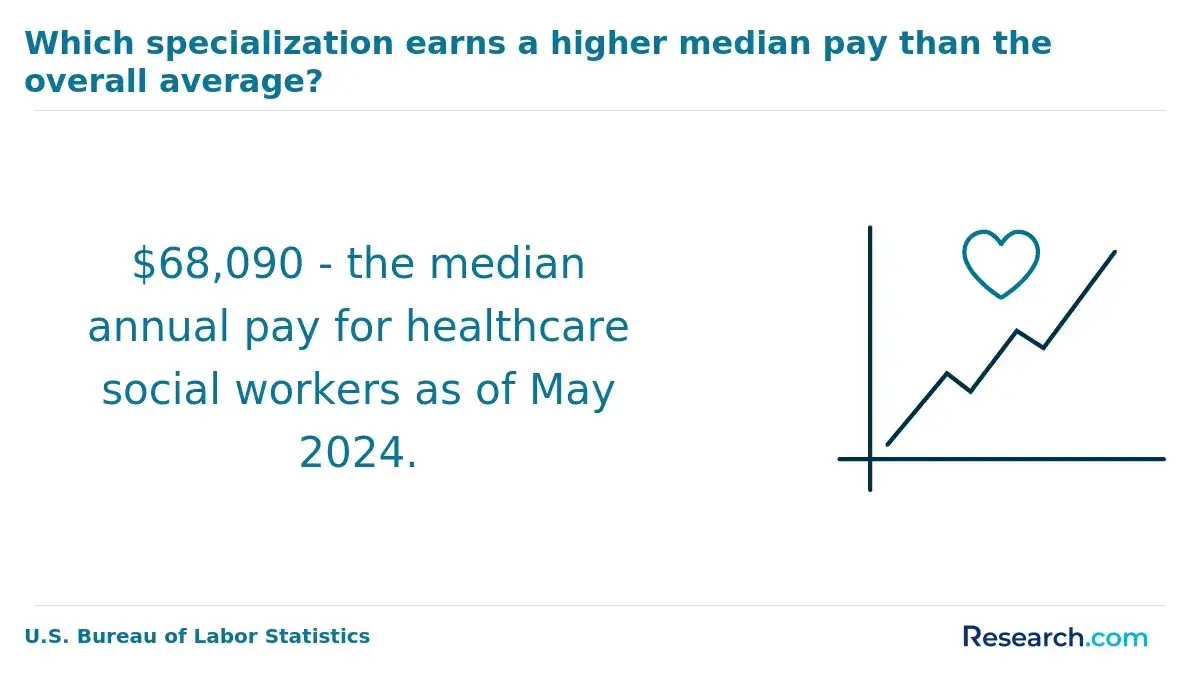
Entry-level pediatric medical social workers reported a median salary of $65,600, and credentials can influence job eligibility, scope of practice, advancement, and pay. Readers comparing clinical licensure outcomes can also review guidance on how much does a lcsw make when planning a state-specific career path.
What coursework and clinical training do MSW programs include for pediatric medical social work specialization?
MSW programs that prepare students for pediatric medical social work usually combine advanced clinical practice, healthcare systems training, child and family content, and supervised field education. The goal is to prepare graduates to work with children whose medical needs affect emotional health, family stability, school participation, safety, and long-term development.
Relevant coursework may include child development, pediatric psychopathology, family therapy concepts, crisis intervention, healthcare ethics, chronic illness management, grief counseling, trauma-informed practice, health disparities, and social policy. Strong programs also teach students how hospitals function, how interdisciplinary teams make decisions, and how social workers document services in medical environments.
Clinical training is where students learn to apply that knowledge. Field placements in pediatric hospitals, outpatient clinics, neonatal units, rehabilitation centers, community health programs, or agencies serving medically fragile children allow students to observe care teams, conduct assessments, support families, and build professional judgment under supervision.
High-value clinical experiences often include practice with:
- Psychosocial assessment for children, caregivers, and family systems
- Crisis intervention during hospitalization or diagnosis
- Discharge planning and care coordination
- Treatment adherence barriers and family stressors
- Grief, loss, and bereavement support
- Sibling and caregiver support
- Mandated reporting and child safety protocols
- Collaboration with physicians, nurses, therapists, schools, and community agencies
Since 59% of licensed social workers hold clinical licensure necessary for pediatric hospital roles, students should choose coursework and field placements that also support licensing goals. That means asking whether clinical supervision is available, whether placements involve direct client contact, and whether the program’s curriculum meets the expectations of the state licensing board.
Students who need flexibility can compare MSW online programs accredited, but online format should not be the only deciding factor. For pediatric medical social work, the quality and relevance of field placement often matter more than whether lectures are online or in person.
How do online MSW programs compare to campus-based options for pediatric medical social work careers?
Online and campus-based MSW programs can both prepare students for pediatric medical social work if they are CSWE-accredited and provide strong healthcare-related field education. The better choice depends on the student’s schedule, location, learning style, placement options, and need for in-person networking.
Online MSW programs are often attractive to working adults, caregivers, and students who do not live near a campus with a pediatric healthcare track. They may offer asynchronous coursework, evening classes, virtual simulations, telehealth training, and field placements arranged near the student’s community. The main risk is placement quality: an online program is only as strong as its ability to help the student secure supervised experience in a relevant pediatric or healthcare setting.
Campus-based MSW programs may offer easier access to faculty, peer networks, university hospitals, children’s hospitals, research centers, and established local placement pipelines. Students who learn best through in-person discussion or want to build relationships in a specific city may benefit from campus-based study. These programs can be especially valuable when they have long-standing partnerships with pediatric hospitals or specialty clinics.
According to the ASWB Social Work Workforce Study Report 2, 2025, master's-level social workers deliver family-centered services in medical settings 25% more frequently than bachelor's-level peers. For students targeting pediatric healthcare roles, that makes the MSW experience, especially field training, central to career readiness.
When comparing online and campus options, ask these questions:
- Is the program CSWE-accredited?
- Can the program support pediatric, hospital, outpatient clinic, or child health field placements?
- Who finds and approves the practicum site: the student, the school, or both?
- Are field supervisors experienced in healthcare or pediatric social work?
- Does the curriculum include clinical practice with children and families?
- Does the program prepare graduates for licensure in the state where they plan to work?
- Are there opportunities for hospital-based networking, interprofessional training, or simulation?
The strongest option is not automatically online or campus-based. It is the program that combines accreditation, licensure alignment, strong supervision, pediatric-relevant fieldwork, and realistic cost.
What are typical admission requirements and prerequisites for accredited MSW programs?
Accredited MSW programs typically require a bachelor’s degree from an accredited institution, official transcripts, a personal statement, letters of recommendation, and evidence that the applicant is prepared for graduate-level social work study. Many programs prefer applicants with a minimum undergraduate GPA around 3.0 on a 4.0 scale, although policies vary by school.
Applicants do not always need a bachelor’s degree in social work. Students from psychology, sociology, public health, education, nursing, criminal justice, human services, and other fields may be competitive if they can show academic readiness, ethical judgment, communication skills, and commitment to social work values. Applicants with a Bachelor of Social Work may qualify for advanced standing options if the degree meets program requirements.
Common application materials include:
- Official undergraduate transcripts
- Two or three letters of recommendation
- A personal statement explaining career goals and fit with social work
- A resume showing work, volunteer, internship, or human services experience
- Prerequisite coursework, when required
- An interview or writing sample, depending on the program
Prerequisite coursework often includes psychology, sociology, human development, statistics, research methods, or other social science foundations. Pediatric medical social work applicants can strengthen their profile with experience in hospitals, behavioral health programs, child welfare agencies, disability services, schools, youth programs, hospice, community health, or crisis services.
Some schools still require standardized tests such as the GRE, but many have eliminated this since 2020. International applicants may need to demonstrate English proficiency through exams such as the TOEFL or IELTS and may need transcript evaluation.
For pediatric medical social work, admissions committees may look for maturity, cultural competence, empathy, boundaries, resilience, and the ability to work with families under stress. About 30% of MSW programs now include telehealth training for pediatric behavioral health, so familiarity with telehealth technology can be advantageous (CSWE Annual Survey 2022-2023).
How long does it take to earn an MSW and what are typical program costs?
A traditional MSW usually takes two years of full-time study. Students who already hold a Bachelor of Social Work may qualify for accelerated or advanced standing programs that can take about one year. Part-time options commonly extend the timeline to three or four years, which may be more realistic for students working full time or managing family responsibilities.
The right timeline depends on more than speed. Pediatric medical social work students should make sure their schedule allows enough time for field education, supervision, commuting to placement sites, documentation, and emotionally demanding clinical learning. A faster program may be efficient, but it can be difficult if practicum hours conflict with work or caregiving responsibilities.
Program costs vary widely. Public universities typically charge between $10,000 and $30,000 per year for in-state students, while private institutions can range from $30,000 to $60,000 annually. Students should also budget for textbooks, technology, transportation, parking, background checks, immunization records, liability insurance, licensing exam preparation, and field placement-related expenses.
Online or hybrid MSW programs may reduce commuting and housing costs, but they are not always cheaper in tuition. Students should compare total cost of attendance, not just price per credit. It is also important to ask whether the program charges separate fees for field placement support, online course delivery, graduation, or student services.
Financial aid options may include federal student aid, scholarships, graduate assistantships, employer tuition assistance, loan repayment programs, and service-based awards. Students interested in hospital or nonprofit work should ask schools whether they provide guidance on public service-related repayment pathways and whether graduates commonly enter qualifying roles.
Retention in pediatric medical social work is notably strong. According to the ASWB Social Work Workforce Study Report 3, only 4% of nonlicensed master's-level social workers plan to leave the profession, highlighting the stability and lasting value of an MSW education in this specialty.
What job titles and work settings employ pediatric medical social workers after graduation?
MSW graduates in pediatric medical social work can work in clinical, care coordination, case management, behavioral health, program, and family support roles. Job titles vary by employer, license level, and setting, so applicants should read job descriptions carefully rather than relying only on the title.
Common job titles include pediatric medical social worker, pediatric clinical social worker, hospital social worker, behavioral health social worker, oncology social worker, transplant social worker, NICU social worker, emergency department social worker, palliative care social worker, rehabilitation social worker, case manager, care coordinator, and child life specialist. Some of these roles may require additional training, certification, or a different credential pathway depending on the employer.
Typical work settings include children's hospitals, general hospitals with pediatric units, outpatient specialty clinics, neonatal intensive care units (NICU), pediatric oncology programs, transplant programs, rehabilitation centers, community health centers, hospice and palliative care programs, early intervention agencies, schools, and nonprofits serving medically complex children.
Clinical roles usually involve assessment, counseling, crisis intervention, treatment planning, and family meetings. These positions often require or prefer LCSW licensure. Non-clinical roles may focus more on case management, program coordination, resource navigation, advocacy, policy, or administration. Both pathways can be meaningful, but clinical licensure often expands eligibility for advanced practice and supervisory roles.
These positions typically require MSW graduates to use clinical skills and often pursue LCSW licensure, which aligns with a 20% higher median salary in pediatric healthcare compared to non-clinical roles, according to the NASW Social Work Salaries Report, 2025 update.
Employers commonly value candidates who can demonstrate:
- Experience with children, caregivers, and family systems
- Comfort working in high-stress medical environments
- Knowledge of trauma-informed care and crisis intervention
- Strong documentation and communication skills
- Ability to collaborate with physicians, nurses, therapists, and community providers
- Understanding of insurance, benefits, discharge planning, and community resources
- Cultural humility and experience with diverse families
- Licensure progress or eligibility for clinical supervision
For new graduates, the best first role is often one that provides strong supervision, exposure to pediatric healthcare, and a clear path toward licensure.
What is the job outlook and salary potential for MSW graduates in pediatric medical social work?
The job outlook for MSW graduates in pediatric medical social work is favorable because children’s hospitals, outpatient clinics, community health programs, and specialty care teams need professionals who can address the social and emotional factors affecting pediatric treatment. Employment is expected to grow about 13% through 2026-faster than the average for all jobs.
Demand is strongest where healthcare systems serve large pediatric populations, medically complex children, and families with significant social needs. Pediatric medical social workers are especially important in settings that treat chronic illness, cancer, premature birth complications, disability, traumatic injury, transplant needs, behavioral health concerns, and life-limiting conditions.
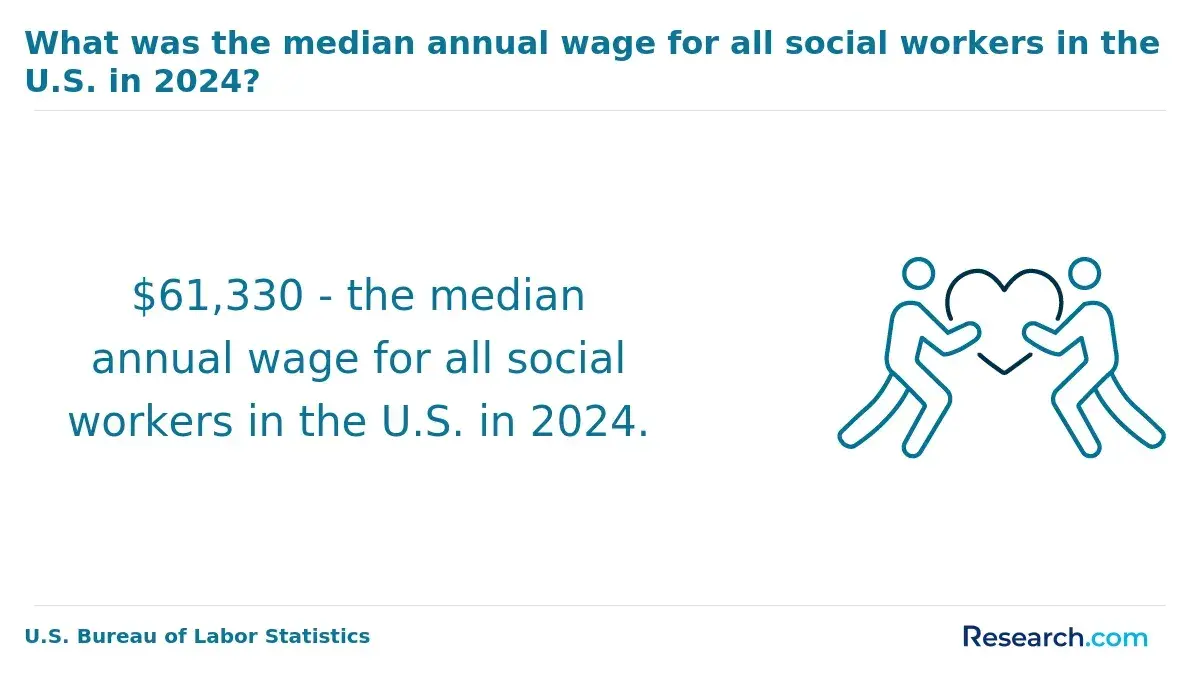
Salary potential depends on location, license level, employer, specialty, union coverage, experience, shift expectations, and whether the role is clinical or non-clinical. Entry-level social workers can anticipate starting salaries near $55,000 annually, while experienced professionals may earn from $65,000 to $85,000. Roles involving management, advanced certifications, or bilingual abilities often offer higher compensation.
Regional demand also matters. Key regional markets like California, New York, and Texas account for 35% of pediatric social work jobs due to large child populations and extensive healthcare systems. Urban pediatric hospitals may offer broader specialty exposure and higher pay, while rural or underserved settings may provide broader responsibilities and strong community impact.
Career planning considerations include:
- Licensure can expand access to clinical, supervisory, and higher-responsibility roles.
- Specialties such as oncology, neonatal care, transplant, palliative care, behavioral health, and chronic illness management may improve long-term marketability.
- Bilingual ability and experience with culturally responsive care can be valuable in many healthcare systems.
- State-specific licensure requirements affect employability and compensation.
- Reliable supervision early in the career can affect both clinical skill development and licensing progress.
Reliable data from the BLS Occupational Employment Statistics (May 2025) confirms a strong employment outlook and competitive wages nationwide for pediatric medical social work professionals.
How should prospective students evaluate and choose a reputable MSW program for this specialty?
The most important first filter is CSWE accreditation. Without CSWE accreditation, an MSW may not meet licensure requirements or employer expectations for healthcare social work. After confirming accreditation, students should evaluate whether the program can realistically prepare them for pediatric medical social work, not just general social work practice.
Look closely at field education. A strong program should be able to explain how students secure placements, what pediatric or healthcare sites are available, how supervision works, and whether placements meet licensure-related clinical experience expectations. If a school cannot support pediatric healthcare fieldwork, students may need to build that experience after graduation.
Prospective students should compare programs using these criteria:
- CSWE accreditation and state licensure alignment
- Availability of pediatric, healthcare, child welfare, behavioral health, or family-focused electives
- Field placement access in hospitals, clinics, early intervention programs, or child health settings
- Faculty experience in healthcare social work, child and family practice, trauma, or pediatric research
- Licensure exam support and clinical supervision guidance
- Graduation outcomes and pediatric or healthcare employment connections
- Program format, including full-time, part-time, online, hybrid, or accelerated options
- Total cost of attendance, scholarships, assistantships, and employer tuition assistance
- Student support services, advising, career counseling, and placement coordination
Applicants should also ask direct questions before enrolling: How many students complete healthcare-related placements? Are pediatric hospital placements competitive? Can online students complete fieldwork in their local communities? Does the school help with placement matching, or is the student responsible for finding a site? Are faculty or field instructors experienced with pediatric medical settings?
Flexible program formats-full-time, part-time, online, or accelerated-can make the degree more accessible, but flexibility should not come at the cost of placement quality. For this specialty, reputable preparation means the program connects classroom learning with supervised practice involving children, families, healthcare systems, and interdisciplinary teams.
Strong job growth prospects add value: pediatric social work demand is projected to grow 8% faster than average through 2034, with 12,500 new annual positions driven by expanded early intervention services, according to BLS employment projections.
Other Things You Should Know About Social Work
Strong communication and empathy are essential skills for pediatric medical social workers to effectively support children and their families in healthcare settings. Critical thinking and problem-solving abilities help navigate complex medical and social situations. Additionally, cultural competency and the ability to work collaboratively with interdisciplinary teams greatly enhance job performance.
Pediatric medical social workers often deal with emotionally charged situations involving seriously ill children and their families, which can lead to high levels of stress and burnout. Navigating healthcare systems and coordinating care across multiple providers can be complex and time-consuming. They must also manage ethical dilemmas around confidentiality and end-of-life decisions while maintaining professional boundaries.
Yes, pediatric medical social workers may advance into leadership roles such as clinical supervisors, program directors, or hospital administrators. With experience and additional credentials, they can also specialize further in areas like child advocacy or policy development. Many pursue doctoral degrees or certifications to enhance their expertise and career prospects.
In 2027, pediatric medical social workers can advance by specializing in areas such as oncology or neurology, pursuing roles such as program coordinators or supervisors, or even transitioning to policy-making positions. Continuing education and certifications can further bolster career advancements.
References
- Medical Social Worker - Explore Healthcare Careers - Mayo Clinic College of Medicine & Science https://college.mayo.edu/academics/explore-health-care-careers/careers-a-z/medical-social-worker/
- NASW Practice Standards for School Social Workers https://www.socialworkers.org/Practice/NASW-Practice-Standards-Guidelines/NASW-Standards-for-School-Social-Work-Services
- MSW Career Outlook https://www.kysu.edu/academics/college-as/school-of-social-work/careers/msw-career-outlook.php
- Medical Social Work Salary Overview | Psychology.org https://www.psychology.org/social-work/medical-social-work/
- Get OSW-C Certified https://oswcert.org/getcertified/
- Explore degrees in medical social work | edX https://www.edx.org/masters/online-msw-programs/medical-social-work
- School Social Work Certification - NYSSSWA https://nyssswa.org/credentialing/school-social-work-certification/
- Clinical Practice with Families and Children | Graduate Studies https://www.monmouth.edu/graduate/msw-social-work/clinical-practice-with-family-children-concentration/
- MSW - Future Students Specializations https://socialwork.ucalgary.ca/future-students/master-social-work/specializations
- How Long Does it Take to Become a Social Worker? https://socialworklicensemap.com/become-a-social-worker/how-long-does-it-take/