2027 Is Social Work a Good Career for Career Changers?

Co-Founder and Chief Data Scientist
Changing careers into social work is a serious decision, especially if your degree and work history are in another field. You may be weighing graduate school, field placement hours, licensing rules, tuition, salary expectations, and whether the emotional demands of the work fit your life. Those are the right questions to ask before committing.
Social work can be a strong path for people who want mission-driven work in healthcare, schools, mental health, child welfare, aging services, community programs, or public systems. It is not, however, a shortcut career. Most professional roles require accredited education, supervised practice, and state licensure. The best route depends on the kind of work you want to do: direct case management, therapy, school-based support, hospital social work, policy, administration, or research.
This guide explains how career changers can enter social work, what roles are available, what education and licensing are required, how online and campus programs compare, and how to choose a program that supports your goals without creating unnecessary cost or credential problems.
Key Things You Should Know
- Social work offers a growing job market with a projected 12% employment growth rate from 2024 to 2034, making it a promising field for career changers seeking stability.
- Career changers often need a Master of Social Work (MSW), which can be completed part-time or online, facilitating a smoother transition while working.
- Social work salaries vary widely; median pay was $51,760 in 2024, but specialized roles like healthcare social workers earn up to 20% more on average.
Is Social Work a Good Career for Career Changers?
Social work can be a good career for career changers who want people-centered, service-oriented work and are prepared for formal education, field training, and state licensing. It is especially relevant for people coming from education, healthcare, psychology, criminal justice, public administration, nonprofit work, human resources, ministry, advocacy, or community service.
The labor market also supports the case for entering the field. The Bureau of Labor Statistics projects a 6% increase in social worker employment from 2024 to 2034, producing about 44,700 annual openings nationwide. That demand does not guarantee a specific job or salary, but it does show continuing need across schools, hospitals, mental health providers, public agencies, and community organizations.
Why career changers often do well in social work
- Prior work experience can transfer. Skills in communication, documentation, crisis response, training, program coordination, leadership, and client service are useful in many social work settings.
- There are multiple entry points. Some people begin in case management or community services, while others pursue an MSW to qualify for clinical, supervisory, or specialized positions.
- The field offers many practice settings. Social workers work in hospitals, schools, mental health clinics, child welfare agencies, correctional systems, nonprofits, government programs, and aging services.
- Specialization is possible. Career changers can often align social work with previous experience, such as healthcare social work for former medical staff or school social work for educators.
What to consider before switching
The main trade-off is that social work requires more than interest in helping people. Clinical and many advanced roles require an accredited degree, supervised hours, licensure exams, and ongoing continuing education. Tuition, unpaid or low-paid field placements, and several years of credentialing can affect your finances and schedule.
The work can also be emotionally demanding. Social workers may support clients facing trauma, poverty, discrimination, illness, housing instability, family conflict, addiction, or abuse. A good fit usually includes patience, professional boundaries, strong documentation habits, cultural humility, and the ability to work within imperfect systems.
For career changers who want long-term advancement, leadership, teaching, or specialized practice, graduate education may be part of the plan. Some professionals eventually explore flexible advanced options such as a doctorate in social work online, but most should first focus on the degree and license required for their intended role.
What Are the Main Roles in Social Work?
Social work is not one job. It includes direct practice with individuals and families, clinical therapy, school support, healthcare navigation, community advocacy, program management, policy work, and research. Choosing the right role matters because education, licensure, daily responsibilities, and salary potential vary by path.
Common social work roles
| Role | Typical focus | Best fit for career changers with experience in |
| Clinical social worker | Provides therapy, assessment, diagnosis support, treatment planning, and crisis intervention, depending on state scope of practice and license level. | Counseling-adjacent roles, psychology, healthcare, behavioral health, crisis services, coaching, or human services. |
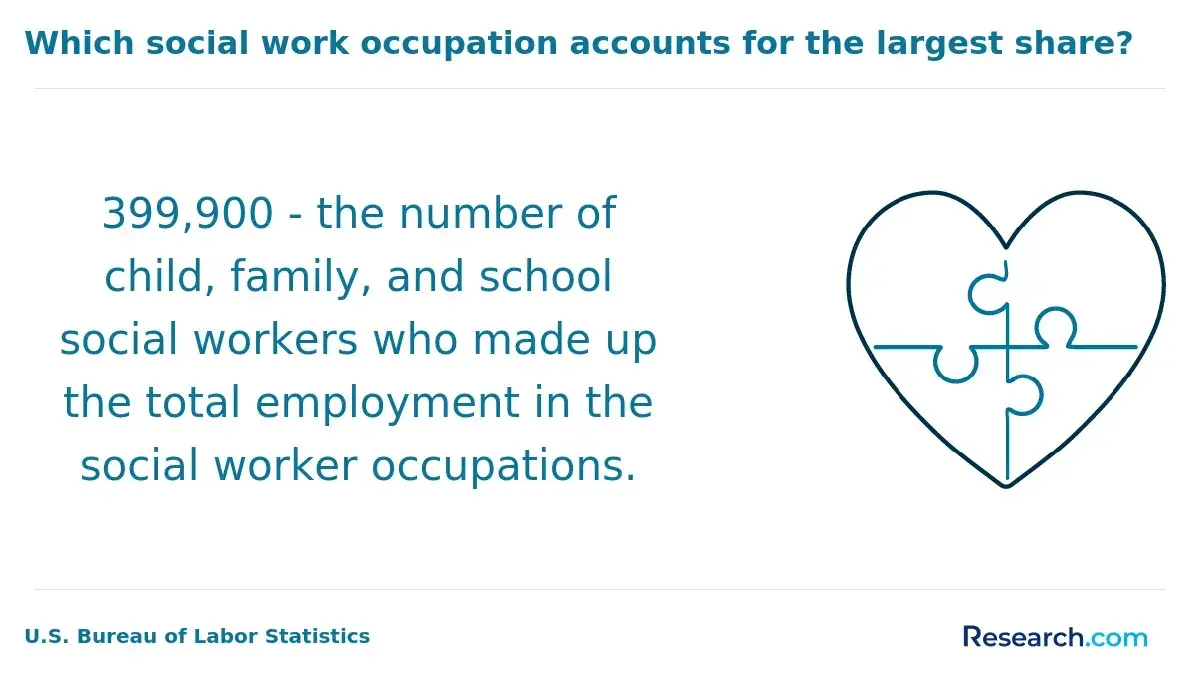
| Child, family, and school social worker | Supports children, families, and students; may address attendance, family stress, safety concerns, special education coordination, or child welfare needs. | Teaching, youth work, childcare, family services, school administration, or juvenile justice. |
| Healthcare social worker | Helps patients and families understand diagnoses, discharge plans, care options, insurance barriers, and community resources. | Nursing support, healthcare administration, patient advocacy, public health, or elder care. |
| Mental health and substance abuse social worker | Supports clients experiencing mental health conditions, substance use disorders, recovery needs, or crisis situations. | Behavioral health, peer support, recovery services, corrections, emergency services, or nonprofit programs. |
| Community or macro social worker | Works on advocacy, policy, community organizing, program design, grant support, and systems-level change. | Public policy, nonprofit leadership, organizing, communications, public administration, or research. |
| Administrative social worker | Manages programs, staff, budgets, compliance, quality improvement, and service delivery operations. | Management, operations, government, nonprofit administration, compliance, or human resources. |
The median annual wage for social workers is $61,330, with mental health and substance abuse specialists earning up to $89,200 in top percentiles, reflecting the value of specialized training, licensure, experience, and setting. These figures should be read as broad labor-market indicators rather than guarantees for a specific graduate or location.
How to choose a role
Career changers should compare three factors: how much direct client contact they want, whether they want to provide therapy, and how much additional education or licensing they are willing to complete. A person who wants psychotherapy will usually need an MSW and clinical licensure. A person drawn to advocacy or program leadership may prefer macro social work, policy, or administration. Someone with healthcare experience may find a strong fit in hospitals, hospice, rehabilitation, or care coordination.
Because the MSW is often the key credential for advanced practice, understanding the cost of an MSW degree can help you compare the return on investment across roles before enrolling.
What Is the Job Outlook and Salary for Social Workers?
The job outlook for social workers in the United States remains strong, with a 13% growth projected from 2024 to 2034, outpacing the average for all occupations. Demand is tied to mental health services, substance abuse counseling, healthcare coordination, child and family services, and support for aging populations.
Salary depends heavily on degree level, license, specialization, employer type, and location. According to socialworkdegrees.org's 2024 analysis of BLS data, entry-level MSW holders earn between $45,000 and $60,000 annually, while BSW graduates typically make $35,000 to $45,000. Career changers over 30 often evaluate whether going directly into an MSW makes more sense than starting with a BSW, especially if they already hold a bachelor's degree.
What affects social work earnings?
- Degree level: MSW graduates generally qualify for more advanced roles than BSW graduates, especially in clinical, supervisory, and specialized practice settings.
- Licensure: Clinical licensure can expand access to therapy, private practice, hospital roles, and higher-responsibility positions, depending on state law.
- Specialization: Mental health, school social work, substance abuse therapy, healthcare, and case management may offer different salary ranges and advancement paths.
- Location: Urban areas with large healthcare systems may offer higher wages but more competition. Rural areas may offer more stable openings or stronger community ties, though wages can be lower.
- Prior experience: Career changers with backgrounds in healthcare administration, counseling, education, public benefits, crisis work, or nonprofit leadership may move more quickly into specialized or supervisory roles.
For many adults changing careers, the practical question is not only “How much can I earn?” but “How long will it take to qualify for the role I want, and can I manage school, field placement, and licensure costs?” If speed matters, an accelerated MSW program may be worth comparing, provided it is accredited and compatible with your schedule, field placement needs, and state licensing requirements.
What Education Is Required to Become a Social Worker?
The education required to become a social worker depends on the role and the state where you plan to practice. Entry-level social service and case management roles may be available with a bachelor's degree, but advanced clinical practice generally requires a Master of Social Work and state licensure.
Typical education paths
- Bachelor of Social Work: A BSW from a Council on Social Work Education (CSWE)-accredited program prepares students for generalist practice in community agencies, case management, advocacy, and some administrative roles.
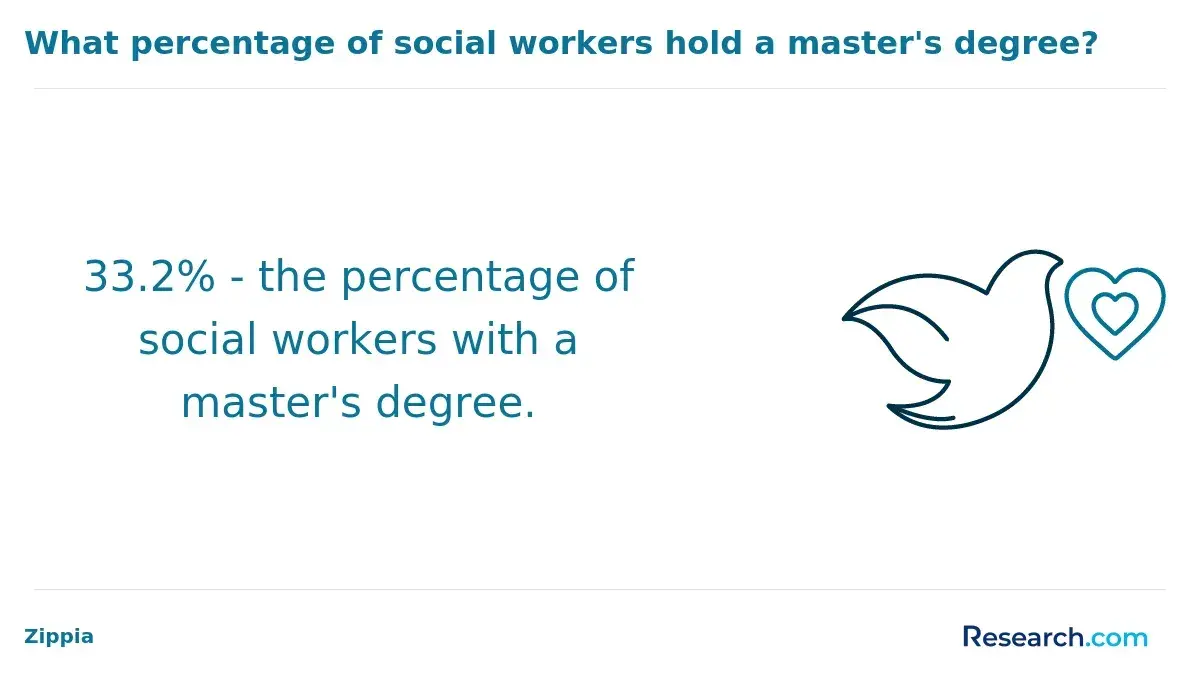
- Master of Social Work: An MSW is usually required for advanced clinical practice, many counseling-related roles, supervision, and specialized social work positions. MSW programs usually take two years and include supervised fieldwork.
- Post-master's training: Certificates or continuing education can support specialization in areas such as school social work, substance abuse counseling, trauma-informed practice, or gerontology.
- Doctoral education: Doctoral study is generally for advanced leadership, research, teaching, policy, or high-level practice development rather than initial entry into the profession.
Licensing requirements vary by state but generally demand:
- Completion of an MSW from a CSWE-accredited program
- Passing a licensure exam
- Completion of 2,000 to 3,000 supervised clinical hours
Career changers who already have a bachelor's degree in another field often apply directly to traditional MSW programs. Advanced standing is usually designed for applicants who already have a BSW from an accredited program, while accelerated or flexible MSW options may help other applicants shorten or manage the path depending on the school.
Given the projected annual departure of about 70,000 social workers due to burnout and transfers, the profession offers long-term opportunity, but preparation matters. Before enrolling, confirm that the program is accredited, that its field placement structure fits your life, and that it supports the license required in the state where you intend to work. It can also help to examine whether a degree in social work is worth it for your specific goals and finances.
What Are the Best Degree Programs for Social Work?
The best social work degree program is the one that is accredited, matches your career goal, offers appropriate field placements, and fits your budget and schedule. Prestige alone should not drive the decision. For licensure and employability, accreditation and field training are more important.
BSW, MSW, DSW, and PhD compared
| Degree | Primary purpose | Typical student |
| BSW | Builds a foundation in generalist social work practice, human behavior, policy, ethics, and field education. | Students beginning undergraduate study or seeking entry-level social service roles. |
| MSW | Provides advanced practice preparation and is commonly required for clinical social work and many specialized roles. | BSW graduates, career changers with a bachelor's degree, and professionals seeking licensure or advancement. |
| DSW | Focuses on advanced practice leadership, applied scholarship, administration, or professional expertise. | Experienced social workers pursuing senior practice, leadership, or teaching-oriented goals. |
| PhD in Social Work | Emphasizes research, theory, policy analysis, and academic preparation. | Professionals aiming for research, university faculty roles, or policy scholarship. |
A Bachelor of Social Work is the foundation for many social work careers, offering four years of accredited study that combines coursework with supervised field experience. Graduates with a BSW may qualify for roles in healthcare, schools, and community agencies.
For those who already hold a bachelor's degree in another field, the MSW is often the most direct professional route. MSW programs may include concentrations in mental health, child welfare, healthcare, school social work, aging, community practice, or leadership. Many programs offer part-time, evening, hybrid, or online formats for working adults.
Employment in social work spans over 800,000 jobs across diverse settings, so programs with strong practicum networks can improve your preparation. Look for placements in hospitals, schools, community agencies, behavioral health clinics, child welfare organizations, government programs, or other settings aligned with your goals. Dual degrees, such as MSW and public health, may be useful for students targeting policy, population health, or systems-level roles.
Additional certifications in areas such as trauma-informed care or substance abuse counseling can strengthen a resume, but they should complement—not replace—an accredited degree when licensure is required. Selecting a program accredited by the Council on Social Work Education (CSWE) remains one of the most important decisions for future license eligibility and professional credibility.
Can You Study Social Work Online or On Campus?
Yes. Many accredited universities offer online, hybrid, and on-campus social work programs. The right format depends on how you learn best, whether you need to keep working, how easily you can travel to campus, and how the program manages field placements.
Online social work programs
Online BSW and MSW programs can work well for career changers who need scheduling flexibility. Coursework may be asynchronous, synchronous, or a mix of both. Asynchronous courses allow students to complete lectures and assignments on a more flexible schedule, while synchronous classes require attendance at set times.
The key issue is field education. Even in online programs, students usually complete internships or practicums in approved agencies. Online students often arrange placements in their local communities with program support. Before enrolling, ask how the school secures placements, what happens if a placement falls through, and whether the program has partnerships in your region.
On-campus and hybrid programs
On-campus programs offer regular in-person contact with faculty and classmates, easier access to campus resources, and local networking. They may be especially useful for students who want a structured learning environment or who live near strong practicum partners.
Hybrid programs combine online coursework with in-person seminars, residencies, labs, or field requirements. This format can offer flexibility while preserving some face-to-face learning and professional connection.
How to decide
- Choose online if you need flexibility, live far from campus, or must continue working while studying.
- Choose on campus if you value in-person learning, local networking, and structured access to faculty and peers.
- Choose hybrid if you want flexibility but still benefit from some in-person engagement.
The National Association of Social Workers projects a demand for 89,000 new social workers by 2030, driven by growth in mental health, elder care, and healthcare sectors. That demand makes program quality important. Whether online or on campus, prioritize CSWE accreditation, field placement support, licensure alignment, and transparent costs.
What Licensing and Certification Do Social Workers Need?
Social work licensing is controlled by states, not by individual schools or national associations. Requirements vary, so you should review the rules for the state where you plan to practice before choosing a program. This is especially important if you are considering an online program based in another state.
In the United States, social workers must obtain a state-issued license to practice legally when their role falls under regulated social work practice. Licensing level depends on education and scope of work. Those holding a bachelor's degree in social work may pursue a Licensed Bachelor Social Worker (LBSW) credential in certain states. MSW graduates often pursue a Licensed Master Social Worker credential or a Licensed Clinical Social Worker (LCSW) license, or an equivalent title used by the state.
Common licensing steps
- Earn the required degree. Clinical licensure generally requires an MSW from a CSWE-accredited program.
- Apply through the state board. Boards may require transcripts, background checks, fees, and documentation of education or field experience.
- Pass the required ASWB exam. Licensing boards use Association of Social Work Boards exams aligned with different licensure levels, including bachelor's, master's, and clinical tests.
- Complete supervised experience. Candidates often complete 2,000 to 4,000 hours across two to three years depending on the state.
- Maintain the license. Licensed social workers usually complete continuing education and renew their license on a state-defined schedule.
Additional certifications can demonstrate focused expertise. Examples include Certified Social Work Case Manager (C-SWCM) or credentials in areas such as school social work, gerontology, trauma, or substance use. These certifications may strengthen a resume, but they do not replace state licensure when a license is required.
Demand for licensed social workers varies by region. For instance, California projects a 14% job growth rate through 2033-significantly higher than the national average of 6%-driven mainly by healthcare and mental health needs. Strong demand can make some states attractive, but licensing rules are not automatically transferable. If you expect to move, check reciprocity or endorsement policies early.
How Long Do Social Work Programs Take and Cost?
The time and cost of becoming a social worker depend on your starting point, target role, enrollment pace, and licensing plan. Career changers should calculate the full timeline, not just the degree length. Field placement hours, licensure exams, and supervised post-graduate practice can extend the path to independent clinical work.
Typical program timelines and tuition ranges
| Path | Typical time | Tuition range stated | Important considerations |
| BSW | Four years full time; accelerated BSW tracks can shorten this to three years. | $40,000 to $80,000 at public or private universities. | Best for students without a bachelor's degree who want undergraduate preparation for generalist practice. |
| MSW | Typically two years full time. | $20,000 to $70,000. | Often required for specialized, advanced, and clinical roles. |
| Advanced standing MSW | Some programs allow students with a BSW to finish the MSW in one year. | Varies by institution. | Usually limited to applicants with an accredited BSW and strong academic preparation. |
| Part-time or online MSW | Often extends the timeline to three or four years. | Generally similar tuition costs, though extra fees for technology or required residencies may apply. | Useful for working adults but may require careful planning around field placement hours. |
Certification and continuing education after the MSW can add expenses but are often necessary for licensure, including becoming a Licensed Clinical Social Worker. Supervised hours also increase the time between graduation and full independent practice.
Specializations like mental health and substance abuse social work are growing fields, with an expected 11% increase in job opportunities from 2024 to 2034 and median salaries around $55,960, according to the Bureau of Labor Statistics. For students drawn to these areas, the investment may align with market demand, but salary outcomes still depend on role, location, employer, license level, and experience.
Cost questions to ask before enrolling
- Is tuition charged per credit, per term, or as a flat program cost?
- Are field placements paid, unpaid, or variable by site?
- Will the program require travel, residencies, technology fees, or campus visits?
- Does the school offer scholarships, assistantships, employer partnerships, or payment plans?
- Will you be able to work while completing practicum requirements?
What Admission Requirements Apply to Social Work Programs?
Admission requirements vary by degree level, school, and program format, but most social work programs look for academic readiness, ethical judgment, communication skills, and a clear understanding of the profession. Career changers do not need to have a perfect resume, but they should explain why social work is the right next step and how their previous experience prepares them for the field.
BSW admission requirements
For a Bachelor of Social Work, applicants often need a high school diploma or equivalent. Many programs set a minimum GPA around 2.5 to 3.0 on a 4.0 scale. Applicants may also submit letters of recommendation, a personal statement, and sometimes complete an interview. Some schools admit students first to the university and then require a separate application to the social work major after prerequisite coursework.
MSW admission requirements
Master of Social Work programs generally require a bachelor's degree, not necessarily in social work. Coursework in psychology, sociology, statistics, public policy, human services, or related areas can help, but many programs accept applicants from a broad range of academic backgrounds. Most MSW programs expect a minimum undergraduate GPA of 3.0 or higher, along with two to three academic or professional references.
A strong personal statement is especially important. It should show that you understand social work values, populations served, social issues, and the difference between wanting to help people and practicing within a professional, ethical discipline. Programs may also value volunteer work, direct service experience, advocacy, case management exposure, or employment in education, healthcare, nonprofit, public service, or community settings.
Background checks and field readiness
Fingerprinting or background checks are common because field practicums often involve children, patients, older adults, people with disabilities, or other vulnerable populations. A prior record does not always mean automatic denial, but applicants should review school policies, field placement rules, and state licensing expectations before applying.
The social work labor market faces considerable turnover, with about one-third of annual attrition-roughly 23,000 positions-due to retirements and workforce exits, according to CaseWorthy data through Colorado State University. That continuing need does not remove admission standards, but it does make timely preparation valuable for applicants ready to enter the field.
How to Choose an Accredited Social Work Program?
Choosing an accredited social work program is one of the most important decisions you will make because it can affect licensure eligibility, field placement quality, job prospects, and long-term mobility. Start with accreditation, then compare fit, cost, outcomes, and support.
Use this checklist before applying
- Confirm CSWE accreditation. Accreditation by the Council on Social Work Education (CSWE) helps ensure the curriculum meets national standards and prepares students for professional practice. Without CSWE approval, graduates may struggle to obtain certification, licensure, or employment in many states.
- Check state licensure alignment. Make sure the program supports the licensing requirements in the state where you plan to work, especially if the school is online or located elsewhere.
- Evaluate field placement support. Strong programs have partnerships with hospitals, schools, community agencies, mental health centers, government programs, and other service providers. Ask whether the school finds placements or expects students to locate their own.
- Compare formats honestly. Full-time, part-time, online, hybrid, and campus programs can all be legitimate. The best format is the one you can complete successfully while meeting field requirements.
- Review faculty expertise. Faculty with research or practice backgrounds in your area of interest can improve mentorship, networking, and specialization.
- Look at outcomes. Graduation rates, licensure exam success, employment support, field placement satisfaction, and alumni roles can indicate program effectiveness.
- Calculate total cost. Include tuition, fees, books, travel, lost work hours, technology costs, residencies, and licensure-related expenses.
- Assess student support. Career counseling, academic advising, writing support, disability services, field education staff, and job placement help can make a major difference for career changers.
Program selection should be tied to your target role. If you want clinical practice, prioritize MSW programs with strong clinical coursework, supervision preparation, behavioral health placements, and licensure advising. If you want policy or administration, look for macro practice, leadership, research, grant writing, and policy opportunities. If you want school or healthcare social work, make sure the program has relevant placements and state-specific credential guidance.
Job growth for social work professionals is projected at 9% by 2030, supported by over 62,888 MSW students enrolled recently. An accredited program aligned with your goals, state requirements, and financial reality gives you the best chance of turning a career change into a sustainable social work career.
Other Things You Should Know About Social Work
Successful social workers need strong communication skills to effectively engage with clients from diverse backgrounds. Critical thinking and problem-solving abilities help them assess situations accurately and develop appropriate intervention plans. Empathy, patience, and resilience are also crucial for managing the emotional demands of the profession.
Yes, social workers can specialize in various areas such as child welfare, mental health, medical social work, school social work, and substance abuse counseling. Specialization often requires additional training or certification, but it allows professionals to focus their skills on particular populations or issues, enhancing their expertise and career opportunities.
In 2027, social work remains a resilient career choice for career changers due to its adaptability and diversity. While challenges persist, such as high caseloads and emotional strain, the demand for qualified social workers in various specialties continues to grow, suggesting stability and opportunity in the field.
Ongoing education is essential for social workers to stay current with best practices, legal requirements, and emerging research in the field. Many states require continuing education for license renewal, which helps professionals maintain competency and advance in their careers. Engaging in workshops, seminars, and advanced degrees can also open doors to leadership and specialized roles.
References
- Accreditation | CASWE-ACFTS https://caswe-acfts.ca/our-activities/accreditation/
- 10 Careers for Social Work Majors https://www.umassglobal.edu/blog-news/careers-for-social-work-majors
- Credentials & Certifications https://www.socialworkers.org/Careers/CredentialsCertifications
- BSW Online https://socialwork.ucalgary.ca/future-students/bachelor-social-work/online-delivery
- Approach Social Work https://thefrontline.org.uk/become-a-social-worker/approach-social-work/
- How to Become a Licensed Social Worker https://onlinecounselingprograms.com/mental-health-careers/how-to-become-licensed-social-worker/
- 2022 Guide to Becoming a Social Worker https://socialworklicensemap.com/become-a-social-worker/
- What Is a Certified Social Worker? https://www.webmd.com/mental-health/what-is-a-certified-social-worker
- Alternative Careers for Social Workers — 60 Fulfilling Options https://www.hiddengemcareercoaching.com/blog/alternative-careers-for-social-workers
- Admission requirements https://socialwork.wayne.edu/msw/requirements