2027 Online MSW Programs for Public Sector and Government Careers

Co-Founder and Chief Data Scientist
Choosing an online MSW for a government or public service career is a licensure, field placement, and cost decision—not just a question of convenience. The right program can help career changers, working adults, and current human services employees move into roles in child welfare, public health, community mental health, social services administration, policy, and nonprofit-government partnerships. The wrong program can create problems with licensure eligibility, field placement access, or state authorization.
This guide explains how online MSW programs support public sector careers, what accreditation matters, what admissions committees usually expect, how curriculum and fieldwork are structured, and how to compare cost, time to completion, salary potential, and licensing requirements. It is designed for readers who want a practical path into government and public service social work without pausing their careers unnecessarily.
Key Things You Should Know
- Online MSW programs in 2026 increasingly focus on public sector and government roles, offering specialized curricula tailored to policy, administration, and community development.
- Accredited programs often combine asynchronous coursework with field placements at government agencies, enabling flexibility for working students while meeting licensure requirements.
- Employment projections for public sector social workers show a 12% growth through 2031, reflecting robust demand for MSW graduates in government and public health sectors.
What are online MSW programs for public sector careers?
Online MSW programs for public sector careers are graduate social work degrees delivered fully or mostly online that prepare students for roles in government agencies, public systems, nonprofits, and community-based organizations. They combine social work theory, policy analysis, research, ethics, and supervised field education so graduates can serve individuals, families, groups, and communities within publicly funded systems.
These programs are especially relevant for students who want to work in areas such as child welfare, public health, behavioral health, schools, housing, aging services, veterans services, criminal justice, disability advocacy, or social services administration. Some roles are client-facing, while others focus on program design, policy implementation, grant-funded services, or agency leadership.
What these programs usually include
- Public systems coursework: Classes may cover social welfare policy, public benefits, health and mental health systems, child and family services, criminal justice, and community practice.
- Direct practice preparation: Students learn assessment, case management, crisis response, advocacy, documentation, and intervention skills for work with individuals, families, and groups.
- Macro and administrative training: Many programs include content in program evaluation, community organizing, policy advocacy, grant writing, and organizational leadership.
- Field education: Students complete supervised placements, often in public agencies, schools, hospitals, behavioral health providers, or nonprofits that contract with government agencies.
Public sector social work often requires both practical client-service skills and an understanding of how public agencies operate. For instance, 71% of Columbia's MS social work graduates engaged in direct work with individuals, groups, and families, showing how central hands-on intervention remains in social work preparation (Columbia School of Social Work 2024 MS Graduate Outcomes Report).
Prospective students should prioritize programs that are accredited, transparent about field placement support, and aligned with their intended state licensure path. Students who later want advanced leadership, teaching, or practice scholarship may also compare doctoral pathways such as an online doctorate of social work.
How do online MSW programs prepare for government jobs?
Online MSW programs prepare students for government jobs by combining professional social work training with field experience in public or publicly funded service settings. A strong program does more than teach counseling or case management; it helps students understand eligibility rules, mandated reporting, interagency coordination, public funding requirements, documentation standards, and the policy context behind services.
Key preparation areas
- Policy and systems knowledge: Students study how laws, regulations, public budgets, and agency priorities shape service delivery.
- Case management and service coordination: Government roles often require helping clients navigate benefits, healthcare, housing, schools, courts, or family services.
- Ethics in public agencies: Coursework addresses confidentiality, informed consent, mandated reporting, client autonomy, professional boundaries, and competing public mandates.
- Program and community practice: Students may learn needs assessment, program implementation, evaluation, grant writing, and community engagement.
- Field placement experience: Practicum placements allow students to build workplace skills in public departments, schools, hospitals, behavioral health agencies, or nonprofits serving government clients.
Fieldwork is especially important because government employers often value applicants who already understand public service workflows. A placement in a county social services office, public health agency, school district, correctional reentry program, or contracted nonprofit can help students build relevant experience before graduation.
Policy advocacy is another core advantage of MSW training. Students learn to evaluate programs, interpret social welfare policy, identify service gaps, and advocate for evidence-informed changes. This matters in government settings where social workers often see how policy decisions affect clients directly.
The Columbia School of Social Work 2024 MS Graduate Outcomes Report shows that 4% of graduates enter the government sector, many in social advocacy and welfare organizations. Students who want similar roles should look for government-focused electives, strong practicum networks, and advising that connects coursework to public service hiring requirements.
Cost also matters, especially for students entering modest-paying public service positions. Comparing online MSW programs affordable options can help students find programs that support their goals without taking on unnecessary debt.
What accreditation do online MSW programs need?
Online MSW programs should be accredited by the Council on Social Work Education (CSWE). For students planning public sector or government careers, CSWE accreditation is one of the most important filters because many employers, state licensing boards, and supervised practice pathways rely on it when determining whether a graduate’s degree meets professional standards.
CSWE accreditation signals that a program has been reviewed for curriculum quality, faculty qualifications, field education standards, student outcomes, and professional competencies. Without CSWE validation, graduates may face serious barriers to licensure as licensed clinical social workers (LCSWs) or related credentials, which can limit access to many clinical, supervisory, school, healthcare, child welfare, and behavioral health roles.
Accreditation and authorization checks before applying
- Confirm CSWE accreditation: Verify the program directly through official accreditation sources, not only through marketing language on a school website.
- Check your state’s licensing rules: Licensure requirements vary, and students should confirm that the degree meets requirements in the state where they plan to practice.
- Review state authorization: Online universities must be authorized to enroll students in certain states. This can affect admission, field placement approval, and licensure planning.
- Ask about field placement rules: Public sector placements may require background checks, immunizations, agency approvals, or location-specific supervision arrangements.
- Compare advanced standing policies: Students with a BSW may qualify for advanced standing, but the program still needs to meet CSWE standards.
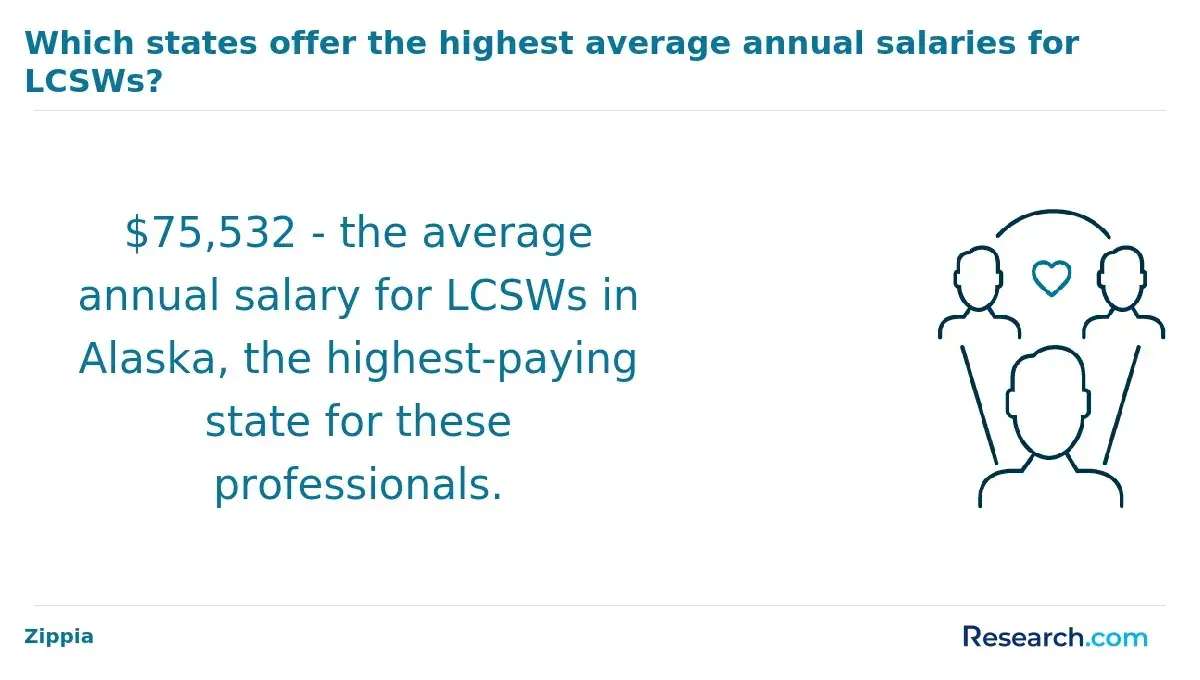
The demand for qualified social workers in government is projected to grow by 9% through 2031, which makes accreditation even more important for students who want access to legitimate public sector pathways. Students weighing program value should also review state-level compensation patterns, since social workers salary can vary widely by location, employer, specialization, and licensure level.
The safest approach is to choose a CSWE-accredited online MSW that is authorized in your state, supports local field placements, and clearly states how its curriculum aligns with licensure requirements.
What are admission requirements for online MSW programs?
Admission requirements for online MSW programs usually include a bachelor’s degree from an accredited institution, academic transcripts, recommendations, a personal statement, and a resume. Programs may accept applicants from many undergraduate majors, which makes the MSW a common pathway for career changers entering social work from education, psychology, criminal justice, healthcare, public administration, sociology, or unrelated fields.
Common application requirements
- Bachelor’s degree: Most programs require a completed undergraduate degree from an accredited institution. A BSW may qualify applicants for advanced standing, while non-BSW applicants usually enter a traditional MSW track.
- Transcripts and GPA: Many programs look for at least a 3.0 GPA, though some consider applicants below that threshold when they show strong professional experience, upward academic trends, or persuasive recommendations.
- Letters of recommendation: Applicants commonly submit two to three letters from professors, supervisors, or professionals who can evaluate their readiness for graduate social work study.
- Personal statement: This essay should explain why the applicant wants an MSW, how their background connects to social work values, and what public service goals they plan to pursue.
- Resume: Schools often request a resume showing employment, volunteer work, internships, community service, military service, or human services experience.
- Interview: Some competitive programs use interviews to assess professional maturity, communication skills, ethics, and fit.
- Prerequisites: Applicants without prior social work coursework may need classes in human behavior, statistics, social welfare policy, psychology, or related areas.
- Testing and language proficiency: Standardized tests such as the GRE are increasingly optional but may still be required by certain schools based on academic background. International students may need TOEFL or IELTS scores.
For public sector-focused applicants, the personal statement matters. Admissions committees want to see more than a general desire to help people. Strong essays identify a population, system, or policy issue the applicant understands, such as child welfare, public mental health, housing insecurity, veterans services, aging, disability services, or school-based support.
Child, family, or school social workers earn a median salary of $56,680 annually, with an 8% job growth rate in government-related roles. Because these jobs can be competitive and often involve vulnerable populations, applicants should show readiness for ethical practice, cultural humility, documentation-heavy work, and emotionally demanding service environments. Students comparing accessible admission pathways can review MSW online programs accredited while still confirming accreditation and licensure fit.
What curriculum covers online MSW for public service?
An online MSW curriculum for public service typically combines foundational social work practice with policy, research, ethics, community practice, and field education. The goal is to prepare graduates to serve clients and communities while understanding how public systems, laws, budgets, and institutions shape social outcomes.
Typical curriculum areas
- Human behavior and the social environment: Students examine development, family systems, trauma, culture, oppression, resilience, and social determinants of health.
- Social welfare policy: Courses analyze public benefits, poverty policy, healthcare access, child welfare, housing, disability services, and other systems that affect vulnerable populations.
- Practice methods: Students learn engagement, assessment, intervention, crisis response, case management, group work, and community-based practice.
- Research and evaluation: Programs teach students to read evidence, evaluate interventions, use data, and measure program outcomes.
- Ethics and diversity: Coursework addresses professional ethics, power, privilege, cultural responsiveness, anti-oppressive practice, and equitable service delivery.
- Macro practice and leadership: Public service-oriented programs may include community organizing, policy advocacy, grant writing, budgeting, supervision, and nonprofit or public agency administration.
Many programs also offer electives or concentrations connected to public service, including juvenile justice, homelessness, public health, behavioral health, child welfare, aging, school social work, disability advocacy, and policy advocacy. A student interested in direct government practice may choose child welfare or community mental health electives, while a student interested in leadership may prioritize program evaluation, budgeting, and organizational management.
Field education connects the curriculum to real public service work. Placements may take place in government agencies, public schools, hospitals, legal aid or advocacy organizations, public health settings, reentry programs, or nonprofits that receive public funding. These settings help students understand eligibility rules, agency documentation, interdisciplinary teams, and service gaps that are difficult to learn from coursework alone.
Data shows approximately 15% of Columbia School of Social Work graduates engage in mezzo and macro-level work, highlighting the importance of roles that influence organizations, communities, and systems rather than clinical practice alone. Students should compare how each program balances direct practice, policy, and administrative training before deciding which curriculum best fits their career goals.
How long do online MSW programs take and cost?
Online MSW programs generally take 18 to 36 months to complete, depending on the student’s prior education, enrollment pace, field placement schedule, and program structure. Full-time students often finish in about two years, while part-time students may take three years or longer. Some accelerated tracks can be completed in 12-15 months, but they usually require a heavier course load and may be best suited for students who can manage intensive study alongside fieldwork.
Tuition ranges widely, typically from $15,000 to $50,000, excluding additional fees, textbooks, technology costs, field placement expenses, and licensure preparation. Public universities may be less expensive for in-state students, while private universities and specialized programs may cost more. The lowest tuition is not always the best value if the program lacks field placement support, licensure alignment, or public sector advising.
Cost and time factors to compare
- Enrollment format: Full-time study may reduce time to graduation, while part-time study may make it easier to keep working.
- Advanced standing: Students with a qualifying BSW may have a shorter route than students entering a traditional MSW track.
- Field placement requirements: Practicum hours can affect scheduling, transportation, work hours, and childcare needs.
- Tuition structure: Compare total program cost, not only cost per credit.
- Fees and indirect costs: Technology fees, background checks, liability insurance, books, travel, and exam preparation can add to the real cost.
- Financial aid: Students should review federal aid, scholarships, employer tuition assistance, public service scholarships, and agency-based support.
Many government-focused MSW students also consider long-term return on investment. Public sector social work may offer stable employment, strong benefits, pension options, union protections in some settings, and potential loan forgiveness pathways, but starting salaries can be modest compared with total graduate school costs.
Over half of Columbia Social Work graduates enter the healthcare field, often in roles connected to hospitals, medical centers, or public health systems. Students interested in similar public service environments should confirm that their online MSW offers relevant placements, healthcare or public administration electives, and licensure preparation where needed.
Accreditation by the Council on Social Work Education (CSWE) remains essential for licensure planning and federal aid eligibility. Before enrolling, students should ask for a written explanation of total cost, expected time to completion, field placement process, state authorization, and how the program supports the licensure path in their intended state.
What public sector careers need an MSW degree?
Public sector careers that require or strongly prefer an MSW include roles in child welfare, behavioral health, healthcare, schools, veterans services, aging services, public housing, disability services, corrections, reentry, program administration, and policy. Requirements vary by employer and state, but an MSW is especially important for positions involving clinical assessment, supervision, program leadership, advanced case management, or licensed practice.
Common public service roles for MSW graduates
- Child welfare specialist or supervisor: Works with children and families involved in abuse, neglect, foster care, reunification, or adoption systems.
- Healthcare social worker: Supports patients and families in state hospitals, public health systems, community clinics, or medical centers.
- Mental health or behavioral health social worker: Provides assessment, crisis support, treatment planning, and care coordination in public or contracted agencies.
- School social worker: Helps students and families address attendance, trauma, disability, housing instability, behavioral concerns, and access to services.
- Veterans or military family social worker: Connects veterans and families with benefits, behavioral health support, housing, and community resources.
- Reentry or correctional social worker: Supports people leaving incarceration through rehabilitation planning, counseling, housing referrals, and employment coordination.
- Program administrator: Manages social service programs, staff, budgets, grants, compliance, and outcomes.
- Policy analyst or advocate: Uses social work knowledge to analyze programs, recommend policy changes, and represent community needs.
Not every public sector social work-adjacent job legally requires an MSW. Some case aide, eligibility, outreach, probation, or community coordinator roles may accept a bachelor’s degree or related experience. However, the MSW can be a decisive credential for advancement, clinical responsibility, supervisory roles, and specialized practice.
The nonprofit sector and international NGOs can also serve as a pipeline into government work. The Columbia School of Social Work 2024 MS Graduate Outcomes Report notes 32% of graduates begin careers in nonprofit or NGO roles, where they often build skills in grant-funded programming, public contracts, community partnerships, and direct services that transfer well to government agencies.
Public employers increasingly value graduates who can combine client advocacy with documentation, interagency collaboration, cultural competence, program evaluation, and policy awareness. Students should choose field placements and electives that match the population and system they want to serve.
What salary and job outlook for MSW public sector roles?
Salary and job outlook for MSW public sector roles depend on the employer, location, licensure level, specialization, union status, and years of experience. Government and publicly funded roles may not always offer the highest starting salaries, but they can provide stable employment, structured advancement, strong benefits, and opportunities to move into supervision, policy, or administration.
According to the U.S. Bureau of Labor Statistics, employment for social and community services managers is projected to grow by 12% from 2021 to 2031, exceeding the average for all occupations. This growth reflects demand across government agencies, nonprofits, public health organizations, and community service systems.
Typical salary ranges mentioned for public sector paths
- Entry-level roles: Case managers or community outreach coordinators typically earn between $50,000 and $60,000 annually.
- More senior roles: Social services directors or policy analysts often see salaries from $70,000 to $90,000.
- Higher-compensation settings: In federal agencies or metropolitan areas, compensation can surpass $100,000, particularly for specialized experts or supervisors.
Total compensation can be stronger than salary alone suggests. Public sector roles may include benefits such as:
- Loan forgiveness programs
- Pension plans
- Health insurance benefits
Licensure can also affect earning potential. Clinical credentials may open doors to behavioral health, healthcare, supervision, and therapy-related roles, while macro practice experience can support advancement into program management, grants administration, policy, or agency leadership.
Students should compare likely salaries against total program cost, expected debt, geographic flexibility, and licensure requirements. A lower-cost accredited MSW with strong field placements may provide better long-term value than a more expensive program that offers limited public sector support.
What licensing is required after online MSW?
Licensing after an online MSW depends on the state and the type of social work role. Common credentials include Licensed Master Social Worker (LMSW), Licensed Clinical Social Worker (LCSW), or similar state-specific titles. Government and public sector roles may require different credentials depending on whether the job involves clinical treatment, supervision, school services, child welfare authority, or administrative work.
Most licensing pathways begin with graduation from a CSWE-accredited MSW program and a national exam administered by the Association of Social Work Boards (ASWB). The exam level varies by credential, such as bachelor’s, master’s, or clinical.
Common LCSW pathway
- Graduate from a CSWE-accredited MSW program that meets state standards.
- Complete supervised clinical experience, typically 2-3 years or about 3,000 hours.
- Pass the ASWB clinical exam.
Some states allow LMSWs, provisional licenses, or associate-level credentials while graduates complete post-degree supervision. Other public sector roles, such as policy, program administration, or some child welfare positions, may accept an LMSW or may not require clinical licensure. However, clinical public service roles usually require a clear licensure plan.
Students should check their state licensing board before enrolling, not after graduation. Important questions include whether the online program is accepted in the state, whether field hours meet local requirements, whether post-degree supervision must be clinical, and whether additional coursework or exams are required.
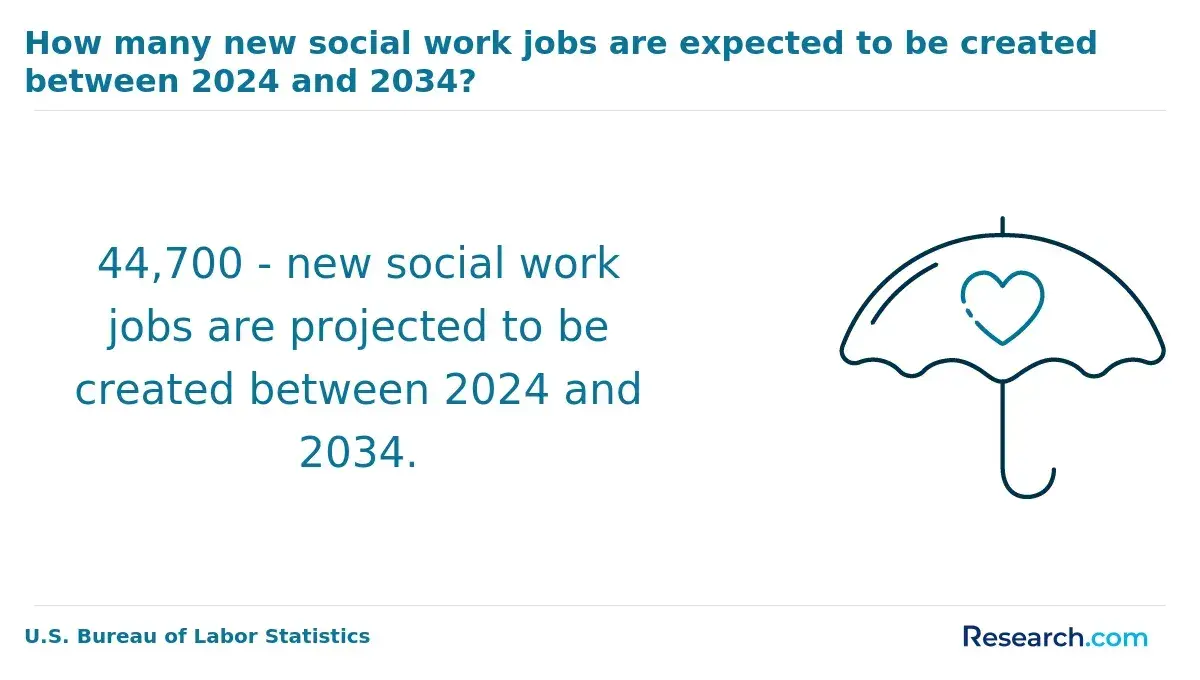
CSWE accreditation in online MSW programs supports nationwide licensure eligibility and career mobility, but it does not erase state-by-state differences. According to University of Pittsburgh MSW Careers & Licensure citing BLS data, there are an estimated 74,000 annual job openings in public services through 2034. Graduates who plan early for licensure are better positioned to compete for those opportunities in government settings and related public service organizations.
How to choose top online MSW for government careers?
To choose a strong online MSW for government careers, start with accreditation, licensure alignment, and field placement quality. A program may be convenient and well known, but it is not a good choice if it does not support the credential, state authorization, or practicum experience required for your target role.
Selection checklist
- CSWE accreditation: Confirm that the program is accredited by the Council on Social Work Education (CSWE).
- State authorization: Make sure the school can enroll students in your state and support field placements where you live.
- Licensure alignment: Ask whether the curriculum meets requirements for your intended state and credential.
- Government-relevant concentrations: Look for tracks or electives in child welfare, community mental health, public policy, school social work, public health, aging, disability services, or administration.
- Field placement support: Prioritize programs with established relationships in government agencies, public schools, hospitals, behavioral health systems, or nonprofits serving public clients.
- Faculty experience: Review whether faculty have backgrounds in government social work, public administration, policy research, community practice, or public systems.
- Format and flexibility: Compare asynchronous courses, live class requirements, part-time options, fieldwork scheduling, and support for working professionals.
- Career services: Look for advising, alumni networks, public service job connections, licensure guidance, and resume or interview support.
- Total cost: Compare full tuition, fees, financial aid, employer support, and likely debt against expected public sector earnings.
Programs offering specialized tracks or electives in public sector social work, such as child welfare, community mental health, or policy advocacy, align well with the projected 6% employment growth in public roles through 2034 (University of Pittsburgh MSW Careers & Licensure, citing BLS 2024).
Field placement quality is often the difference between a generic online MSW and one that truly supports government employment. Students should ask where recent students completed practicums, whether placements are available in public agencies, who secures the placement, and what happens if local options are limited.
Finally, compare program value honestly. Public sector social work can be meaningful and stable, but entry-level pay may be modest. The best program is not always the most expensive or the fastest; it is the accredited option that fits your state, budget, schedule, licensure goals, and target public service role.
Other Things You Should Know About Social Work
Strong communication and interpersonal skills are essential for social workers to effectively engage with clients and colleagues. Critical thinking and problem-solving abilities help social workers develop practical solutions for complex challenges. Additionally, empathy and cultural competence improve a social worker's ability to relate to diverse populations and provide inclusive care.
Yes, many social workers choose to specialize in areas such as mental health, child welfare, healthcare, or substance abuse after earning their MSW. Specializations often require additional training or certification but allow social workers to focus on particular populations or issues. This specialization can enhance career opportunities in the public sector and government agencies.
In 2027, several universities offer online MSW programs focusing on public sector and government careers. Notable programs include the University of Southern California's MSW with a Public Policy concentration, the University of Denver's program with an emphasis on public service, and Boston University's MSW with community and organizational practice tracks. These programs are designed to equip students with both essential social work skills and the specialized knowledge required for government-related roles.
Most states require licensed social workers to participate in continuing education to maintain their credentials. These requirements typically include completing a designated number of hours in areas relevant to social work practice every one to two years. Continuing education ensures that social workers remain current with best practices and regulatory standards.
References
- After Your MSW: A State-by-State Guide to Social Work Licensing https://www.onlinemastersdegrees.org/student-resources/social-work/license-requirements/
- Full-time online MSW programs https://www.onlinemswprograms.com/online-social-work-degrees/full-time-online-msw-programs/
- Best Affordable Master's Degree In Social Work https://www.psychology.org/social-work/best-affordable-masters-programs/
- Online Master's in Macro Social Work Programs (Macro MSW Programs) https://www.onlineeducation.com/social-work/macro-msw-programs
- Types of Social Workers: Exploring the Many Fields in Which They Serve https://www.umassglobal.edu/blog-news/types-of-social-workers
- Your Guide to Choosing an Online Master of Social Work Program https://onlinedegrees.keuka.edu/blog/online-msw-worth-it
- Online Master’s in Social Work Programs https://onlinecounselingprograms.com/online-counseling-degrees/cswe-accredited-online-msw-programs/
- Social Work Careers https://socialworklicensemap.com/social-work-careers/
- Online MSW Programs No GRE Required - MasterofSocialWork.com https://www.masterofsocialwork.com/faqs/gre-requirements-online-msw-programs
- MSW Salary Trends in India: Growth, Factors, and Job Prospects https://www.odljain.com/blog/msw-salary-trends-india-growth-job-prospects.html