2027 Substance Use Disorder Training in Online MSW Programs

Co-Founder and Chief Data Scientist
Choosing an online MSW program with substance use disorder training is not just a curriculum preference. It can affect your field placement options, licensure path, addiction counseling credentials, and readiness to work with clients whose needs often include trauma, mental health conditions, housing instability, criminal legal involvement, and medical complications.
This guide is for prospective MSW students who want online flexibility without sacrificing clinical preparation in addiction treatment and recovery support. It explains what SUD training looks like in MSW programs, how to evaluate accreditation and field education, what admissions committees may expect, how long programs take, what they can cost, and which career outcomes may follow. It also highlights the questions students should ask before enrolling so they can choose a program that fits their state licensing requirements, budget, schedule, and career goals.
Key Things You Should Know
- Online MSW programs in 2026 increasingly integrate substance use disorder training to meet growing demands, with over 70% of programs including specialized coursework or clinical practice in this area.
- Recent curriculum updates emphasize trauma-informed care and evidence-based interventions, reflecting the latest clinical guidelines and enhancing graduate readiness for complex case management.
- Graduates with focused SUD training report higher employment rates in behavioral health settings, aligning with the 14% projected job growth in substance abuse counseling through 2030 by the U.S. Bureau of Labor Statistics.
What is Substance Use Disorder Training in MSW Programs?
Substance use disorder training in an MSW program prepares social work students to understand, assess, and respond to addiction in clinical and community settings. Because 48.5 million people aged 12 or older are affected, SUD education is no longer a narrow elective area for many social workers. It is relevant to mental health practice, child welfare, healthcare, criminal justice, schools, housing services, and community-based case management.
In an online MSW, SUD training usually combines theory, clinical methods, ethics, and supervised practice. Students learn how substance use develops, how addiction interacts with trauma and mental health disorders, and how social conditions such as poverty, stigma, racism, unstable housing, and limited healthcare access can affect recovery. Strong programs do not treat addiction as a standalone issue; they teach students to view it within a person-in-environment framework.
What students typically learn
- Addiction theory and neurobiology: how substance use patterns develop and why recovery often requires long-term support.
- Screening and assessment: how tools such as AUDIT and DAST can help identify risk and guide referrals or treatment planning.
- Evidence-based interventions: approaches such as cognitive-behavioral therapy, motivational interviewing, relapse prevention, harm reduction, and medication-assisted therapy.
- Co-occurring disorders: how to work with clients who experience both SUD and conditions such as depression, anxiety, PTSD, or serious mental illness.
- Ethics and boundaries: confidentiality, mandated reporting, informed consent, scope of practice, and documentation in addiction treatment settings.
- Interprofessional collaboration: how social workers coordinate care with physicians, nurses, psychiatrists, peer recovery specialists, probation officers, and community agencies.
Online delivery can work well for this training when the program includes interactive clinical skill-building, faculty feedback, and field placements in relevant settings. However, students should not assume that every online MSW includes deep addiction preparation. Some programs cover SUD only briefly inside broader mental health courses, while others offer dedicated electives, certificates, or concentrations.
Prospective students should verify whether the curriculum aligns with their state’s licensure rules and any addiction counseling credential they plan to pursue. Credentialing expectations can differ by state and by certifying body, including organizations such as the Association for Addiction Professionals. Students who later want advanced clinical, academic, or leadership preparation may also compare doctorate of social work online programs.
Which Online MSW Programs Offer SUD Training?
Online MSW programs offer SUD training in several ways: as a formal concentration, a graduate certificate, a set of electives, or embedded content within clinical practice courses. The best option depends on whether the student wants general clinical social work preparation with some addiction content or a more intentional pathway toward addiction treatment roles.
Universities such as the University of Southern California, Boston University, and the University of Denver feature elective courses or concentrations focused on SUD. These programs may include training in motivational interviewing, trauma-informed care, integrated treatment models, and work with clients who have co-occurring mental health and substance use conditions. The University of Tennessee's online MSW program provides an SUD specialization with tailored coursework and clinical practicum in addiction services, while the University of New England integrates SUD training with trauma and co-occurring disorder content for multidisciplinary readiness.
Common ways online MSW programs structure SUD training
| Program format | What it usually includes | Best fit for |
| SUD concentration or specialization | Multiple addiction-focused courses and fieldwork aligned with SUD practice | Students who want to work primarily in addiction treatment or behavioral health |
| Graduate certificate in addiction studies | A defined set of courses that may support additional credentialing preparation | Students who want a visible specialization alongside the MSW |
| SUD electives | One or more optional courses in addiction, trauma, co-occurring disorders, or recovery support | Students who want flexibility within a broader clinical MSW |
| Embedded SUD content | Addiction topics included in mental health, ethics, assessment, or policy courses | Students seeking generalist or clinical preparation but not a dedicated SUD track |
Field education is the detail that often separates a strong SUD pathway from a course-only option. Students should ask whether the program can help arrange placements in outpatient treatment centers, residential programs, hospitals, community behavioral health agencies, recovery organizations, or correctional facilities. Some institutions collaborate with local treatment centers, allowing students to complete practicum hours focused on substance use clients.
Job market data also supports the value of this specialization. According to the BLS Occupational Outlook Handbook (2025 Update), employment for mental health and substance abuse social workers is expected to rise by 18% between 2023 and 2025, faster than the overall growth for social work. For cost-conscious students, comparing tuition and field placement support is essential; some may begin by reviewing the cheapest online MSW programs in California while confirming that any affordable option still offers the SUD preparation they need.
How Do Online MSW SUD Programs Get Accredited?
Online MSW programs are typically evaluated for professional social work education quality through the Council on Social Work Education (CSWE). CSWE accreditation matters because many states require graduation from a CSWE-accredited MSW program for social work licensure. For students planning to practice clinically or specialize in substance use disorder treatment, this is one of the first items to verify.
Accreditation does not usually mean that CSWE separately accredits an SUD concentration. Instead, the MSW program as a whole must meet recognized standards for curriculum, faculty qualifications, field education, assessment, ethics, and student support. SUD-focused tracks, certificates, or electives should fit within that accredited program structure and prepare students for competent, ethical practice.
What accreditation reviewers generally look for
- Qualified faculty: instructors with appropriate academic credentials, clinical experience, or research expertise.
- Competency-based curriculum: coursework that develops assessment, intervention, policy, ethics, diversity, and evaluation skills.
- Supervised field education: placements that allow students to apply social work competencies in real settings.
- Student support: advising, technology support, field placement coordination, and clear academic policies for online learners.
- Ethical and inclusive practice preparation: attention to cultural humility, social justice, and professional standards.
Licensing requirements vary among states, so students should not rely on accreditation alone. An accredited online MSW may meet educational requirements in one state but still require careful review in another, especially for clinical licensure, addiction counseling credentials, supervised post-graduate hours, or exam eligibility. Before enrolling, prospective students should compare the program’s curriculum and field hours with the rules of the state where they intend to practice.
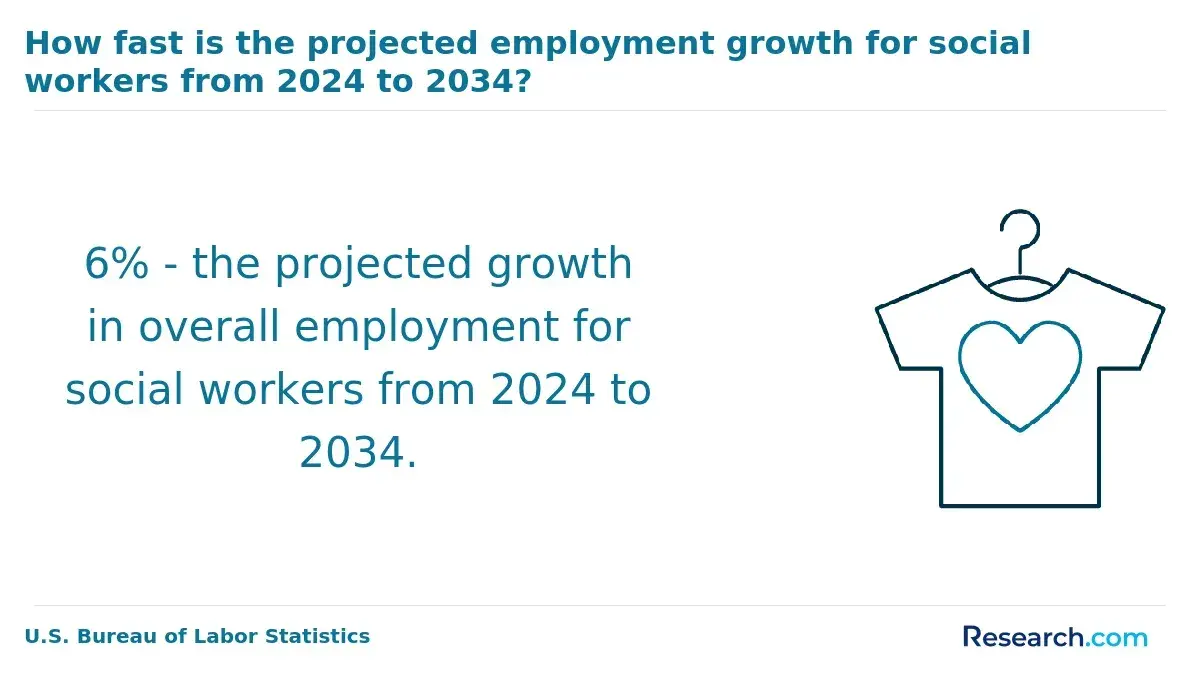
The demand for social workers focusing on mental health and substance abuse is expected to grow 11% from 2024 to 2034, reflecting increasing opportunities for properly trained graduates. Students comparing career outcomes and compensation can also review information on how much does a social worker make.
The practical takeaway is straightforward: choose a CSWE-accredited online MSW, confirm that its SUD content is substantive rather than superficial, and verify state licensure alignment before committing tuition dollars.
What Curriculum Covers SUD Training in MSW Degrees?
SUD training in an MSW degree usually appears across clinical practice, assessment, policy, ethics, and field education. A strong curriculum teaches students not only what addiction is, but how to engage clients, assess risk, reduce harm, coordinate treatment, and support recovery while respecting client autonomy and cultural context.
Core classes often examine the neurobiological, psychological, family, and social dimensions of addiction. Students may study evidence-based treatments such as cognitive-behavioral therapy and motivational interviewing, along with trauma-informed care and recovery-oriented practice. They also learn how to assess substance use patterns, recognize co-occurring mental health concerns, develop intervention plans, and document services in a professional manner.
Typical SUD curriculum areas
| Curriculum area | Why it matters in practice |
| Assessment and screening | Helps social workers identify substance use concerns, safety risks, and appropriate levels of care. |
| Clinical interventions | Builds skills in motivational interviewing, cognitive-behavioral approaches, relapse prevention, and engagement. |
| Medication-assisted treatment (MAT) | Prepares students to collaborate with medical providers and understand integrated treatment options. |
| Co-occurring disorders | Supports work with clients who experience both substance use and mental health conditions. |
| Ethics and law | Clarifies confidentiality, documentation, mandated reporting, and scope-of-practice limits. |
| Policy and advocacy | Helps graduates understand funding, access barriers, prevention strategies, and treatment systems. |
Many programs offer electives or certificate tracks on medication-assisted treatment (MAT), co-occurring mental health disorders, and community prevention strategies. Field practicum opportunities in addiction centers, hospitals, or community agencies allow students to gain supervised, hands-on experience. Some schools also emphasize interprofessional collaboration with medical and psychiatric professionals to support comprehensive care.
Curriculum depth can vary significantly. One program may offer a dedicated SUD course sequence, while another may discuss addiction within a broader mental health class. Students who want addiction treatment roles should ask for the exact course list, field placement examples, and whether coursework can support advanced clinical practice hours required for SUD counseling certifications.
Given the median annual wage of $51,750 for mental health and substance abuse social workers, with a 5.2% increase from the previous year, focused preparation can help students compete for roles that require addiction knowledge. Prospective students should verify program accreditation and licensure alignment before enrolling. For broader career planning, see what can I do with a social work degree.
What Are Admission Requirements for Online MSW SUD Programs?
Admission requirements for online MSW programs with SUD training usually resemble standard MSW admissions, with added attention to an applicant’s readiness for behavioral health, human services, or addiction-related work. Most programs require a bachelor's degree from an accredited institution. A background in social work, psychology, sociology, public health, or a related field may help, but it is not always required.
Applicants are commonly asked to submit official transcripts, letters of recommendation, a resume, and a personal statement. Many schools look for a minimum GPA of 3.0, though some may consider applicants conditionally if other materials show strong preparation. The personal statement is especially important for SUD-focused applicants because it can explain why the student wants to work in addiction treatment, how they understand social work ethics, and what populations they hope to serve.
Common application requirements
- Bachelor's degree from an accredited institution.
- Official undergraduate transcripts, often showing a minimum GPA of 3.0.
- Professional or academic recommendations.
- Personal statement describing career goals related to substance use treatment or behavioral health.
- Resume showing paid, volunteer, internship, or lived-adjacent experience in human services, healthcare, advocacy, or community work.
- Interview, when required, to assess fit and readiness for social work practice.
- Prerequisite coursework for applicants without a social work or behavioral science background, depending on the school.
Field education requirements may add additional screening steps after admission. Background checks, immunization records, agency onboarding, and sometimes drug testing may be required before a student can begin a practicum. International applicants must meet English proficiency requirements, such as TOEFL or IELTS scores.
Students should also understand how competitive SUD preparation can be within MSW education. Only about 42% of CSWE-accredited MSW programs offer dedicated SUD coursework exceeding three credit hours. At the same time, seventy-five percent of social work students encounter SUD clients during field placements, so admissions committees may value applicants who show maturity, self-awareness, and readiness for supervised clinical work.
Some schools provide accelerated or advanced standing options for MSW holders seeking specialized SUD certifications online. Applicants considering advanced standing should confirm that the shortened format still includes enough SUD coursework and field experience to support their career goals.
How Long Do Online MSW SUD Programs Take and Cost?
Online MSW programs with SUD training generally take 18 to 36 months to complete. Full-time students typically finish in about two years, while part-time students often take around three years. Accelerated tracks for students with prior relevant coursework or licensure may reduce completion time to 12-18 months.
Program length depends on enrollment status, advanced standing eligibility, required credits, field placement scheduling, and whether the student adds a certificate or specialization. Online coursework can provide flexibility, but field education still requires real hours in approved practice settings. Students who work full time should ask how many weekly practicum hours are expected and whether evening or weekend placements are realistic.
Typical time and cost factors
| Factor | What to check before enrolling |
| Program pace | Full-time, part-time, accelerated, or advanced standing options. |
| Tuition | Total program cost, not just cost per credit. |
| Fees | Application, technology, graduation, online course, and clinical supervision fees. |
| Field placement | Whether the school helps secure placements and whether SUD-focused sites are available near the student. |
| Financial aid | Scholarships, federal aid eligibility, employer tuition assistance, and loan repayment options. |
Tuition costs vary widely by institution type, location, and residency status, typically ranging from $15,000 to $45,000 for the entire program. Additional fees for applications, technology, and clinical supervision may add $2,000 to $5,000. Scholarships and employer tuition reimbursement programs can reduce out-of-pocket costs, but students should compare net cost after aid rather than advertised tuition alone.
Field practicum requirements, crucial for SUD clinical specialization, usually involve 900 to 1,200 hands-on hours embedded into the program. Online delivery may make lectures and assignments more manageable for working adults, but practicum schedules are set by agencies and supervisors. Delays in securing a placement can affect graduation timing.
Enrollment in online MSW programs surged 28% year-over-year, with SUD tracks representing 15% of new clinical specializations, according to the CSWE State of Social Work Education Report, 2025. Before committing, students should confirm that the program is accredited, that field education is available in their state, and that the curriculum supports the licensure or addiction credential they plan to pursue.
What Careers Result from SUD Training in MSW Programs?
SUD training in an MSW program can lead to direct practice, clinical, supervisory, and program administration roles. Graduates often work with individuals and families affected by addiction, relapse, trauma, mental health conditions, housing instability, and involvement with healthcare or justice systems. The exact job title depends on state licensure, post-graduate supervised hours, employer requirements, and any additional addiction counseling credential.
Common roles include clinical social worker, addiction counselor, behavioral health specialist, case manager, recovery services coordinator, and program supervisor. In many settings, an MSW with SUD preparation is valuable because social workers are trained to address both individual treatment needs and broader social barriers that affect recovery.
Common job titles for SUD-trained MSW graduates
- Licensed clinical social worker specializing in addiction treatment.
- Addiction counselor in outpatient or residential settings.
- Behavioral health specialist in integrated care or community mental health.
- Case manager focusing on recovery support and relapse prevention.
- Program supervisor within public health departments.
- Clinical coordinator in a substance abuse treatment program.
SUD-trained graduates may work in outpatient treatment centers, inpatient or residential programs, hospitals, community agencies, correctional facilities, schools, public health departments, and nonprofit recovery organizations. Some also move into policy, training, grant-funded programs, quality improvement, or administration after gaining clinical experience.
The National Association of Social Workers Workforce Study (2025) reports that those with SUD certification earned a first-year salary premium of $7,200 compared to general MSW graduates. While that does not guarantee a specific salary for every graduate, it suggests that formal SUD preparation can improve marketability, especially where employers need clinicians who can work with co-occurring disorders and complex client needs.
Credentials like the Certified Addiction Counselor (CAC) credential can strengthen employability and professional credibility. Students should check state rules early because addiction counseling titles, scope of practice, and supervision requirements differ widely.
What Salary Expectations Exist for SUD-Trained Social Workers?
Salary expectations for SUD-trained social workers depend on licensure, location, employer type, years of experience, and whether the role is clinical, supervisory, or administrative. National data show MSW graduates with SUD credentials can expect starting salaries between $50,000 and $65,000 annually. In some high-demand regions, salaries may exceed $70,000 within five years.
Specialization can matter. Employers such as addiction treatment centers, mental health clinics, and hospitals often provide salary incentives like 10-15% higher pay for licensed clinical social workers (LCSWs) certified in addiction counseling. Community-based organizations may also offer signing bonuses and student loan repayment programs to attract these professionals.
Factors that can raise earning potential
- Clinical licensure: LCSW eligibility or completion can open access to higher-responsibility clinical roles.
- Addiction certification: credentials can show specialized competence beyond general MSW training.
- Integrated care experience: hospitals and behavioral health systems may value clinicians who can work across medical, psychiatric, and recovery teams.
- Supervisory duties: program lead, clinical supervisor, or director roles often pay more than entry-level direct service positions.
- Billing and documentation knowledge: familiarity with addiction billing codes can be valuable in healthcare-based settings.
According to the SAMHSA Grantee Outcomes Report, social workers with SUD training achieve 22% higher client retention in addiction recovery programs, leading to supervisory roles that often pay above $75,000. Students should interpret this as one indicator of how specialized skills can support advancement, not as a guaranteed earnings outcome.
To make a realistic salary estimate, compare job postings in the state where you plan to work, note whether they require licensure or certification, and separate entry-level case management roles from independent clinical or supervisory positions. The strongest salary outcomes usually come from combining an MSW, SUD-specific training, supervised experience, and the right state credential.
What Job Outlook Awaits SUD-Specialized MSW Graduates?
The job outlook for SUD-specialized MSW graduates is strong because addiction treatment intersects with mental health, healthcare, public health, criminal justice, child welfare, and community services. The ongoing opioid crisis and broader recognition of addiction as a public health issue have increased demand for clinicians who can provide assessment, counseling, case management, family support, and care coordination.
Employment for social workers in healthcare and mental health settings is projected to grow by 12% through 2031, outpacing many other professions. This growth supports opportunities for MSW graduates who can work with SUD, co-occurring disorders, and complex service systems.
SUD-focused MSW graduates may find roles in outpatient treatment centers, hospitals, community behavioral health agencies, residential programs, harm reduction organizations, public health initiatives, and correctional facilities. Employers frequently prefer or require licensure eligibility, especially for clinical roles involving diagnosis, psychotherapy, treatment planning, or interdisciplinary work with medical teams.
Salary ranges vary by location and role, with median wages around $63,000 for healthcare social workers, and top earners in urban or specialized clinical positions reaching $75,000 or more. Graduates who combine SUD preparation with clinical licensure, experience in co-occurring disorders, and familiarity with evidence-based practices may be better positioned for advancement into supervision, program management, training, or policy roles.
Tuition for CSWE-accredited online MSW programs with SUD concentrations averaged $28,450 in 2025, reduced by 4% from 2024 due to greater federal aid, enhancing financial accessibility. Even so, students should evaluate return on investment carefully by comparing total cost, field placement quality, licensure alignment, and the salary range for their intended state and setting.
How to Choose the Best Online MSW SUD Program?
The best online MSW SUD program is the one that is accredited, affordable for your situation, aligned with your state’s licensing rules, and strong enough in field education to prepare you for real addiction practice. A recognizable school name is less important than whether the program can help you meet your professional requirements.
Start with CSWE accreditation. Then examine the curriculum closely. Some programs advertise behavioral health preparation but include only limited addiction coursework. Others offer dedicated SUD tracks, opioid use disorder modules, trauma-informed care, and practicum partnerships with treatment providers. This distinction matters because 65% of MSW programs plan to include opioid use disorder modules by 2026, responding to a 32% increase in fentanyl-related admissions (CSWE Opioid Workforce Expansion Survey, 2025).
Decision checklist for prospective students
- CSWE accreditation: Confirm the MSW program is accredited and recognized for licensure in the state where you plan to practice.
- State licensure fit: Ask whether the program meets educational requirements for clinical social work licensure in your state.
- SUD curriculum depth: Look for dedicated courses, certificates, or concentrations rather than only brief addiction content.
- Opioid and co-occurring disorder training: Prioritize programs that address opioid use disorder, trauma, mental health, harm reduction, and integrated care.
- Faculty expertise: Review whether instructors have clinical, research, or policy experience in substance use disorders.
- Field placement support: Ask if the school helps secure SUD-focused practicum sites and whether placements are available in your region.
- Flexible delivery: Compare asynchronous, synchronous, and hybrid formats if you are balancing work or family obligations.
- Student support: Evaluate advising, technology help, writing support, career services, and licensure guidance.
- Graduate outcomes: Request information on license exam pass rates, employment outcomes, and placements in SUD treatment settings when available.
- Total cost: Compare tuition, fees, travel requirements, practicum-related expenses, and available aid.
Avoid choosing a program based only on speed or low tuition. A cheaper or faster MSW can become costly if it does not support licensure, lacks field placement help, or provides too little SUD training for your target role. Likewise, a highly ranked program may not be the best fit if it cannot place you locally or does not align with your state’s requirements.
Before applying, contact admissions, the field education office, and, if possible, a faculty member connected to SUD coursework. Ask direct questions: How many SUD courses are offered? Where have online students completed addiction-related practicums? Does the program prepare students for any addiction counseling credential? What support is available if a placement falls through? Clear answers to these questions are often the best sign that the program can deliver the preparation it promises.
Other Things You Should Know About Social Work
Social workers focusing on substance use disorder need strong communication and empathy skills to build trust with clients. They must be proficient in assessment techniques, crisis intervention, and case management. Additionally, knowledge of evidence-based treatment models and cultural competence is vital to provide effective, personalized care.
Yes, licensure requirements differ by state and often dictate the scope of practice for social workers specializing in substance use disorder. Generally, licensed clinical social workers (LCSWs) need supervised clinical experience in substance use treatment. Some states may require additional certifications or training focused specifically on addiction to qualify for substance use counseling roles.
Cultural competency is essential because substance use disorder affects diverse populations differently. Social workers must understand clients' cultural backgrounds, beliefs, and values to tailor interventions appropriately. This approach helps reduce health disparities and enhances engagement and effectiveness in treatment programs across varied communities.
References
- What can you do with a Master’s in Social Work? https://www.messiah.edu/what-can-you-do-with-a-masters-in-social-work/
- Verification Required https://scholarsarchive.library.albany.edu/cgi/viewcontent.cgi
- Cswe https://www.cswe.org
- Practitioner Training and Resources: Substance Use Disorder | SAMHSA https://www.samhsa.gov/substance-use/treatment/resources
- Best Online Master's Programs For Social Work 2025 https://www.psychology.org/social-work/best-masters-programs/
- Master of Social Work: Top 10 Careers | Jobs with an MSW Degree https://www.pacificoaks.edu/voices/psychology/10-careers-paths-for-graduates-with-a-degree-in-social-work-sw/
- Social Work Master's Degree Program (MSW) | Nazareth University, Rochester NY https://www2.naz.edu/academics/grad/msw-social-work-degree-program
- All CSWE Accredited Online MSW Programs (2025 Update) https://www.masterofsocialwork.com/online-msw-programs
- Nasha Mukt Bharat Abhiyaan https://nmba.dosje.gov.in/toll-free
- Social Work Salaries https://www.socialworkers.org/careers/career-center/kickstart-your-job-hunt/social-work-salaries