2027 What to Know Before Starting Fieldwork in an Online MSW Program

Co-Founder and Chief Data Scientist
Starting an online MSW is not just a coursework decision. It is also a fieldwork decision. Most students must complete supervised practicum hours while managing work schedules, family responsibilities, transportation, agency availability, and state licensing rules. If you wait until the last minute to plan placement logistics, fieldwork can become the part of the degree that delays graduation.
This guide explains how fieldwork works in online MSW programs, what accreditation and licensing requirements to check, how placements are typically arranged, what online students should know about cost and timelines, and how to choose a program that supports your career goal. It is written for prospective MSW students comparing online programs, current applicants preparing for admissions, and working professionals who need a realistic plan for completing practicum requirements without leaving their local community.
Key Things You Should Know
- Online MSW fieldwork requires approximately 900 to 1,200 supervised hours, emphasizing time management to balance virtual coursework and in-person practicum settings effectively.
- State licensure prerequisites may vary; students should verify field placement sites meet specific regional regulations to ensure clinical hours qualify toward licensing.
- Technology proficiency and reliable internet are critical as telehealth and digital record-keeping increasingly integrate into online MSW fieldwork environments nationwide.
What is fieldwork in an online MSW program and how does it differ from campus-based requirements?
Fieldwork in an online MSW program is the supervised practice experience where students apply social work theory, ethics, assessment, intervention, documentation, and professional communication in real agencies. The academic delivery format may be online, but the practicum is usually completed in person at an approved site near the student.
The core requirement is not weaker for online students. Fieldwork requirements in an online MSW program vs campus-based programs remain consistent, with both requiring 900-1200 supervised hours according to the CSWE 2023-2024 Annual Survey. This consistency matters because employers and licensing boards expect graduates to meet the same professional preparation standards regardless of whether they studied online or on campus.
How online fieldwork differs from campus-based fieldwork
The main difference is not the number of hours. It is the placement process. Campus-based students often benefit from established local agency relationships, cohort-based placement calendars, and direct access to a campus field office. Online students may have more geographic flexibility, but they also need to be more proactive about finding eligible agencies, confirming supervisor qualifications, and aligning schedules across school, work, and agency expectations.
- Campus-based programs: placements are often concentrated near the university and may be coordinated through long-standing agency partnerships.
- Online programs: placements are usually completed near the student’s home or workplace, which can expand options but requires careful local planning.
- Hybrid supervision: some online MSW students may use a mix of in-person agency supervision and virtual check-ins with faculty or field instructors, depending on program and agency policies.
Field supervision in online MSW programs typically involves licensed social workers who evaluate student progress, provide feedback, and help students connect classroom learning to direct practice. Students may complete fieldwork in community agencies, hospitals, schools, behavioral health settings, child welfare organizations, veterans’ services, government programs, or nonprofit agencies, depending on local availability and career goals.
The biggest mistake online students make is assuming fieldwork will automatically fit around a full-time job. Many agencies operate during standard business hours, and evening or weekend placements can be limited. Before enrolling, ask the program how early placement planning begins, whether employment-based placements are allowed, and what happens if no approved site is available nearby. Students considering long-term advancement can also review doctorate of social work online programs to understand how MSW field experience can support later doctoral-level pathways.
What are the accreditation and licensing requirements for MSW programs in the United States?
For most students, the most important requirement is simple: choose a CSWE-accredited MSW program. Accreditation standards for online MSW programs in the United States are central because they show that the curriculum, field education, faculty qualifications, assessment process, and professional competencies meet national expectations for social work education.
The Council on Social Work Education (CSWE) is the only agency recognized by the U.S. Department of Education to accredit MSW programs. Graduating from a CSWE-accredited program is vital because state licensing boards commonly use CSWE accreditation as a baseline requirement when determining whether graduates are eligible for licensure.
Licensing requirements vary by state
Licensing requirements for MSW graduates in US fieldwork vary, but they generally include completion of a CSWE-accredited MSW program, supervised experience, and passing the appropriate Association of Social Work Boards (ASWB) exam for the intended level of practice. For example, clinical social workers typically complete the Clinical exam and 2 to 3 years of supervised post-MSW experience. Other licensing pathways, including bachelor’s level or advanced generalist licenses, have different criteria.
Students should not assume that one state’s licensing pathway automatically applies everywhere. Some states may require specific coursework, jurisprudence exams, criminal background checks, documentation of supervised hours, or limits on who can provide supervision. If you plan to move after graduation, compare requirements in every state where you may seek a license.
Why accreditation affects field placement choices
Field placement is part of the educational record that can later affect licensure preparation. Online MSW students often experience enhanced placement flexibility. Survey data shows they self-select specialized practicum settings, such as veterans’ services or rural hospitals, at twice the rate of on-campus students. This can be valuable for students who want to build experience in a specific practice area, but the site still needs to meet program and licensing expectations.
Before enrolling, ask these questions:
- Is the MSW program currently CSWE-accredited?
- Does the program meet educational requirements for licensure in your intended state?
- Who approves field placements, and what supervisor credentials are required?
- Can the program support placements in your region?
- Are clinical-track placements available if you plan to pursue clinical licensure?
Prospective students should confirm whether their program’s practicum placements align with both their career goals and the licensing needs of their intended state or states. Some students also compare tuition and aid options through resources on free online MSW programs, but accreditation should never be sacrificed for cost savings.
How long does an online MSW program take, and what is the typical cost?
Online MSW programs typically take two to three years for full-time students to complete. Part-time students may require four or more years, especially if they are balancing employment, caregiving, commuting to field sites, or limited placement availability. Accelerated pathways can shorten the timeline, sometimes finishing in as little as one year, but they usually require prior academic preparation, advanced standing eligibility, or intensive enrollment.
Students comparing faster options can review accelerated MSW online programs, but speed should be weighed against fieldwork intensity. A shorter program may reduce tuition time but create a heavier weekly workload.
Typical cost factors
The duration of online MSW programs with cost breakdown varies significantly by institution, program structure, residency, and whether the student qualifies for advanced standing. Tuition may range from $15,000 to over $60,000 for the entire degree. Public universities often provide lower tuition for in-state students, while private schools tend to charge more. Students should also budget for books, technology fees, background checks, travel to field sites, professional liability insurance if required, and possible lost work hours during practicum semesters.
- Full-time enrollment: faster completion, but less schedule flexibility during fieldwork.
- Part-time enrollment: better for working adults, but may increase the total time before licensure-track employment.
- Advanced standing: may reduce coursework for eligible students, lowering time and cost.
- Accelerated format: useful for prepared students, but difficult if field hours conflict with employment.
Many online MSW students bring significant professional experience before enrollment. According to the CSWE Online vs. In-Person Workforce Data Brief 2018, 54% of online MSW graduates had six or more years of work experience, compared to 23% of in-person graduates. That experience can help students clarify their specialization, strengthen applications, and in some cases qualify for advanced standing or course waivers, depending on program policy.
When comparing programs, calculate the total cost of attendance rather than tuition alone. Ask whether field placement requires daytime availability, whether paid placements are possible, whether employer tuition assistance applies, and whether extending to part-time study changes tuition or fees. The best-value program is the one that is accredited, licensure-aligned, affordable for your situation, and realistic to complete.
What are the admission requirements for online MSW programs?
Admission requirements for online MSW programs typically include a bachelor’s degree from an accredited institution, a minimum GPA of 3.0, official transcripts, letters of recommendation, and a statement of purpose. Many programs also ask for a resume showing paid, volunteer, internship, advocacy, or community service experience related to human services.
Prerequisite expectations vary. Some programs prefer prior coursework in psychology, sociology, statistics, human development, or social sciences. Applicants with a bachelor’s degree in social work may qualify for advanced standing if their degree meets program criteria. Applicants from other majors can still be competitive, but they may need to demonstrate academic readiness and a clear understanding of the profession.
Common application materials
- Official transcripts from all colleges attended
- Resume or CV with relevant professional, volunteer, or service experience
- Statement of purpose explaining career goals and fit with the program
- Letters of recommendation from academic, professional, or service supervisors
- Prerequisite coursework documentation, if required
- GRE scores, if the specific program still requires them
- Interview, written response, or live admissions conversation, if requested
Before field placements begin, students are generally expected to complete agency-related requirements such as background checks, immunization records, drug screening where applicable, training modules, or proof of professional conduct standards. These requirements can affect placement eligibility, so applicants with concerns should speak with admissions and field education staff early.
Licensing boards updated rules in 2024-2025 to accept virtual supervision hours and tele-behavioral health competencies, allowing remote fieldwork options during practicum phases. Because rules differ by jurisdiction, prospective students should confirm how a program documents virtual supervision, telehealth training, and remote practicum components for their intended state licensing pathway.
If you are still deciding whether the degree fits your long-term plans, resources that examine whether is MSW worth it can help you compare the investment with potential career outcomes.
How do online MSW programs structure fieldwork placements and internships?
Online MSW programs structure fieldwork through a combination of university approval, agency supervision, learning contracts, scheduled practicum hours, and faculty oversight. Students complete placements in approved settings where they can demonstrate required social work competencies under supervision.
The placement model differs by school. Some programs have a field office or placement team that helps identify agencies, verify supervisor credentials, and coordinate approvals. Others expect students to propose their own sites and handle much of the outreach. According to resources from Noodle.com, some schools provide liaison support to assist with placement verification and communication, while others expect students to handle all arrangements themselves.
Placement support models
- School-supported placement: the program helps identify or approve sites, communicates with agencies, and guides students through documentation.
- Student-led placement: the student researches agencies, contacts potential supervisors, gathers required forms, and submits the site for approval.
- Employment-based placement: some programs allow students to complete fieldwork at their current workplace if the duties, supervision, and learning goals are distinct from their regular job.
Programs offering liaison support typically help verify agency qualifications, ensure placements align with educational goals, and facilitate communication among the student, site supervisor, and faculty field instructor. Independent placement models can work well for motivated students, but they require early networking, strong documentation, and realistic scheduling.
Before accepting or proposing a placement, students should ask:
- Does the organization provide supervision by a licensed social worker?
- Are placement hours flexible enough to fit study schedules?
- What populations and services will the experience offer exposure to?
- Will the placement support your intended specialization, such as clinical practice, school social work, healthcare, child welfare, or community practice?
- Does the agency have enough work available for the required hours?
- Can the placement meet any state-specific licensure expectations?
Field placement sites may include healthcare systems, child welfare agencies, mental health clinics, schools, correctional programs, community organizations, policy agencies, and government offices. Students pursuing clinical licensure should be especially careful to confirm that the placement offers appropriate assessment, intervention, documentation, and supervision experiences. A strong internship can also become a professional reference, networking channel, or first post-graduation job lead.
What is the job outlook and salary potential for MSW graduates?
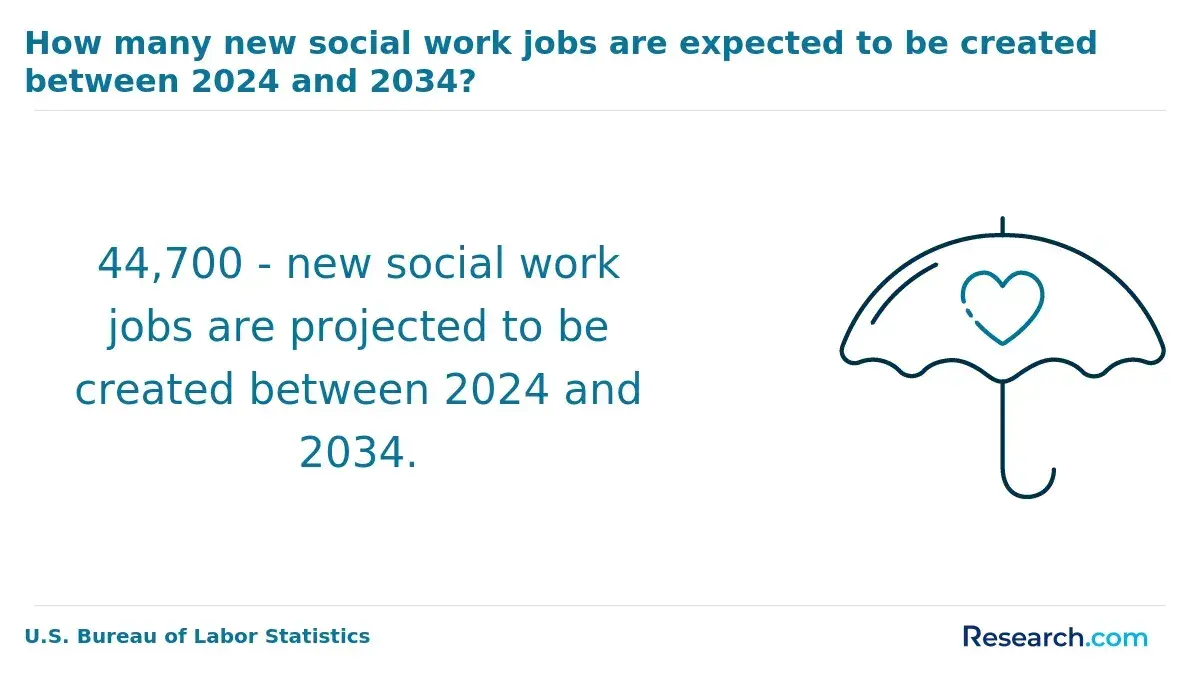
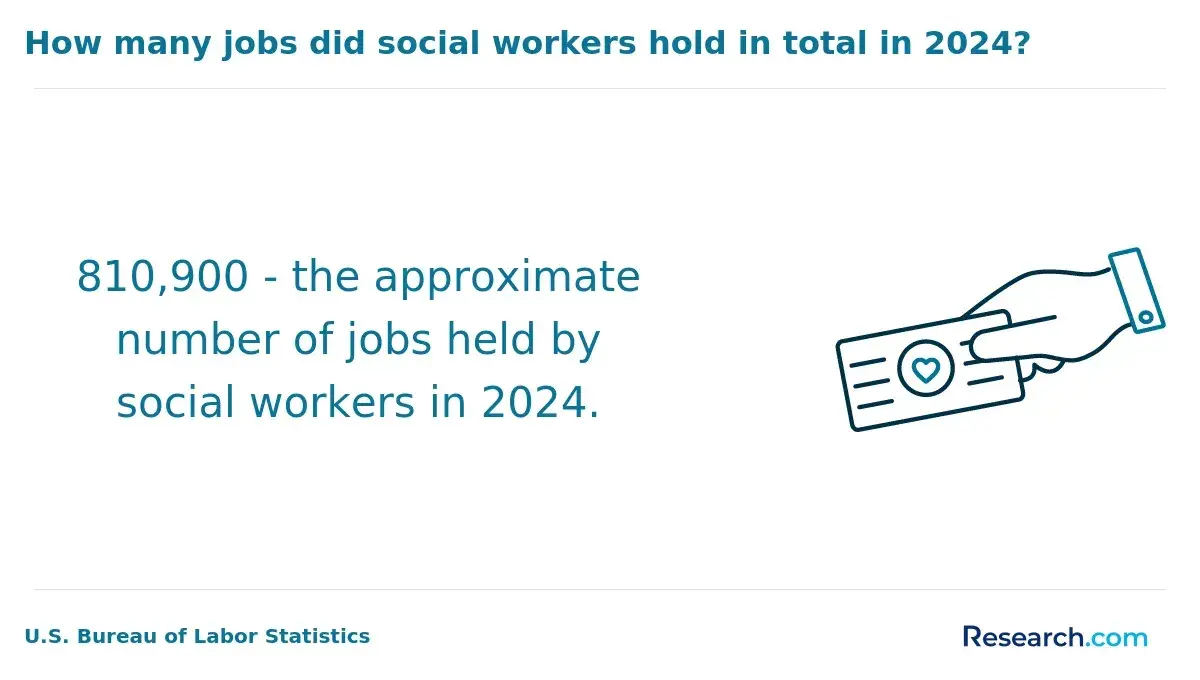
MSW graduates can pursue roles in clinical practice, healthcare, schools, community agencies, child welfare, behavioral health, case management, policy, advocacy, administration, and nonprofit leadership. Employment for social workers is expected to expand by 13% from 2022 to 2032, outpacing many other professions. Demand is often connected to healthcare needs, mental health services, aging populations, school-based support, and community-based social services.
Salary potential depends on specialization, licensure, employer type, geographic location, years of experience, and whether the role involves clinical responsibilities. Early-career clinical social workers typically earn between $55,000 and $75,000 annually, with senior or specialized roles exceeding $90,000. Social workers in schools or community-based roles usually start around $45,000 to $60,000. Earnings tend to be higher in urban areas and states with higher living costs, but higher salaries may also come with higher expenses and heavier caseloads.
How fieldwork affects career outcomes
Field placements are more than graduation requirements. They help students build references, develop practice skills, explore populations, and learn agency systems. A placement in a hospital, school, or behavioral health clinic can make a graduate more competitive for similar roles after graduation. For students pursuing clinical licensure, the practicum can also clarify whether they want to continue toward post-MSW supervised clinical practice.
Data from a 2024 Reddit r/SocialWorkStudents discussion reveals that around 90% of placements in one MSW program were paid, although this rate differs by program and region. Students should treat paid fieldwork as a helpful possibility, not a guarantee. Ask each program how common paid placements are, whether stipends are available, and whether accepting pay changes placement approval or learning requirements.
To improve job prospects, choose placements strategically, maintain strong supervision relationships, document skills gained, and prepare for licensing steps before graduation. The degree matters, but licensure readiness, specialization, field performance, and local professional networks often determine how quickly graduates move into their preferred roles.
How do online MSW programs compare to full-time campus-based programs in career outcomes?
Online MSW programs and full-time campus-based programs can lead to similar career outcomes when they are accredited, include high-quality field education, and prepare students for the licensing requirements in their intended state. Employers typically care more about CSWE accreditation, licensure eligibility, field experience, specialization, and demonstrated competence than whether classes were delivered online or in person.
Campus-based programs may offer more built-in networking with classmates, faculty, alumni, and nearby agencies. They can be especially useful for students who want to enter the local practice community around the university. Online programs, by contrast, often serve working adults and students outside the university’s immediate region. They can help students remain employed, complete local fieldwork, and build professional connections in the community where they plan to work.
Career comparison factors
- Licensure preparation: both formats can support licensure if the program is CSWE-accredited and aligned with state rules.
- Networking: campus programs may offer more face-to-face networking; online students may need to be more intentional about local professional relationships.
- Work continuity: online students may continue working while studying, which can strengthen experience but increase time-management pressure.
- Field placement quality: outcomes depend heavily on the site, supervisor, responsibilities, and fit with career goals.
- Employer perception: accredited online MSW degrees are increasingly accepted, especially when paired with relevant fieldwork and licensure progress.
The U.S. Bureau of Labor Statistics projects 7% employment growth for social workers through 2033, with around 67,300 openings annually. This demand applies to graduates of both online and campus-based programs. The stronger career advantage usually comes from choosing the right specialization, completing meaningful field placements, passing required exams, and building a professional reputation during supervised practice.
Students choosing between formats should focus on fit. A campus program may be better if you want daily in-person interaction and local university placement networks. An online program may be better if you need flexibility, want to stay in your current community, or plan to keep working while earning the degree.
What are the core curriculum and coursework areas in an MSW program?
An MSW curriculum combines social work theory, policy, ethics, research, practice methods, and supervised field education. Online MSW students typically complete the same core academic areas as campus-based students, with fieldwork serving as the bridge between classroom learning and professional practice.
Common foundation courses
- Human behavior and the social environment
- Social welfare policy and services
- Social work practice with individuals, families, groups, organizations, and communities
- Research methods and evidence-informed practice
- Social work ethics and professional identity
- Diversity, equity, oppression, and social justice in practice
Students study development across the lifespan, social systems, power and oppression, policy structures, and ethical decision-making. Research training helps students evaluate interventions, interpret evidence, and improve services. Policy coursework prepares students to understand how laws, funding, institutional practices, and public systems shape client outcomes.
Advanced coursework and specialization
Advanced classes often focus on a concentration or practice pathway. Clinical tracks may include assessment, diagnosis, treatment planning, trauma-informed care, behavioral health, family therapy, or substance use practice. Macro or community practice tracks may emphasize program evaluation, nonprofit leadership, policy advocacy, community organizing, or administration.
Essential fieldwork places students in settings such as hospitals, schools, community agencies, behavioral health organizations, and public service systems. In these placements, students practice interviewing, assessment, intervention planning, documentation, collaboration, and professional boundaries under supervision. Flexible practicum options in online MSW programs can help accommodate different locations and schedules, but students still need to meet the program’s competency and hour requirements.
Clinical tracks can prepare students for licensure pathways that may lead to higher-paying roles, particularly where licensed clinical social workers are in demand. However, students should choose a concentration based on both career fit and state licensing expectations, not salary alone.
The strongest MSW programs integrate coursework and field education rather than treating them as separate requirements. Students should be able to connect theory to practice, use supervision effectively, evaluate their own growth, and graduate with a clear plan for licensure or employment.
How do you choose an accredited online MSW program that fits your career goals?
Choosing an accredited online MSW program starts with one non-negotiable factor: CSWE accreditation. Accreditation by the Council on Social Work Education (CSWE) is crucial because it confirms that the program meets professional education standards and can support eligibility for many licensure pathways. With over 55,000 students enrolled in 225 MSW programs nationwide and more than 21,000 graduates, CSWE data highlights the steady demand for quality social work education.
After confirming accreditation, focus on career fit. Clarify whether you want clinical social work, school social work, healthcare, child welfare, community practice, policy, administration, or nonprofit leadership. Then look for programs with coursework, faculty expertise, advising, and field placements that match that direction.
Program selection checklist
- Accreditation: confirm current CSWE accreditation before applying.
- Licensure alignment: ask whether the curriculum supports the license you plan to pursue in your intended state.
- Field placement support: determine whether the school finds placements, assists with placement, or expects students to secure sites independently.
- Specialization options: compare clinical, macro, school, healthcare, child welfare, or other concentration pathways.
- Schedule format: review whether courses are asynchronous, synchronous, hybrid, full-time, part-time, or accelerated.
- Total cost: include tuition, fees, books, travel, technology, placement costs, and lost work hours.
- Student support: look for advising, career counseling, writing support, licensure exam preparation, and faculty accessibility.
- Outcomes: ask about graduation rates, job placement information, licensure exam preparation, and alumni networks.
Program format matters. Some online MSW programs are fully asynchronous, which can help working adults manage coursework. Others require live online classes, weekend intensives, campus visits, or hybrid components. Field placements are usually tied to local agencies, so verify that the program can support your location before committing.
Do not choose only on tuition or only on prestige. A lower-cost program that cannot support your placement region may create delays. A highly ranked program that does not match your licensure or specialization goal may be a poor fit. The right program is accredited, affordable enough to finish, realistic for your schedule, and connected to the kind of social work you want to practice.
What professional certifications and credentials can MSW graduates pursue after graduation?
MSW graduates can pursue licenses and professional certifications that define their scope of practice, strengthen credibility, and support advancement. The correct credential depends on the state, practice setting, supervision history, and whether the graduate wants clinical, school-based, healthcare, substance use, family, administrative, or community practice roles.
The Licensed Clinical Social Worker (LCSW) credential is the most prominent clinical credential. It typically requires a master’s degree, 2,000-3,000 supervised clinical hours after graduation, and passing a licensing exam. Other credentials include Licensed Master Social Worker (LMSW) and Licensed Independent Social Worker (LISW), which vary according to state rules and scopes of practice.
Specialized credentials MSW graduates may consider
- Certified Advanced Children, Youth and Family Social Worker (C-ACYFSW) for work with families and children.
- Certified School Social Work Specialist (C-SSWS) aimed at educational environments.
- Certified Clinical Alcohol, Tobacco, and Other Drugs Social Worker (C-CATODSW) for addressing substance use issues.
- Trauma-Focused Cognitive Behavioral Therapy (TF-CBT) certification for trauma treatment in clinical practice.
Many certifications require continuing education, supervised experience, renewal fees, or documentation of practice hours. Requirements also change by state and credentialing body, so graduates should verify current rules before investing time or money in a certification.
Hybrid and online MSW programs, which now deliver over 90% of coursework, prepare graduates for post-degree supervised experience requirements, increasing flexibility in completing fieldwork. However, coursework delivery format does not replace state licensing requirements. Graduates still need to complete the required exams, supervised hours, documentation, and renewal obligations for their jurisdiction.
For most MSW graduates, the best sequence is to first confirm state licensure requirements, then choose a post-degree supervision plan, and finally add specialized certifications that match the population or setting they intend to serve. This approach keeps credentials aligned with real career goals rather than collecting certifications that may not improve employability.
Other Things You Should Know About Social Work
Success in social work fieldwork requires strong communication and active listening skills to effectively engage with clients and colleagues. Critical thinking and problem-solving abilities are crucial for assessing situations and providing appropriate support. Additionally, empathy and cultural competence help social workers connect with diverse populations and respect client backgrounds.
In 2027, online MSW students face challenges in balancing fieldwork due to diverse time zones, virtual communication barriers, and maintaining personal and work commitments. Effective time management, prioritization, and open communication with field supervisors can mitigate these issues.
Yes, online students must adhere to the National Association of Social Workers (NASW) Code of Ethics during fieldwork, which emphasizes confidentiality, professional boundaries, and respect for client autonomy. Maintaining ethical standards can be more complex in remote settings, so students should be vigilant with digital communications and ensure privacy and security in virtual interactions.
Fieldwork placements for online MSW students commonly include hospitals, schools, community mental health centers, child welfare agencies, and non-profit organizations. These settings provide practical experience in diverse areas such as clinical social work, policy advocacy, and case management. Placement options often depend on the student's career focus and geographic location.
References
- How to Become a LCSW https://www.onlinemswprograms.com/careers/how-to-become-a-licensed-clinical-social-worker/
- Accredited Master of Social Work (MSW) Programs (2026 Update) - MasterofSocialWork.com https://www.masterofsocialwork.com/
- Social Work Master's Degree Prerequisites https://www.psychology.org/social-work/masters/
- Frequently Asked Questions About MSW Field Placement - Aurora University https://online.aurora.edu/programs/master-of-social-work/field-placement-faqs/
- Social Work (MSW) https://www.wlu.ca/programs/social-work/graduate/social-work-msw/index.html
- Master of Social Work- Non-social work degree https://socialwork.ucalgary.ca/future-students/master-social-work/msw-entry-routes/non-social-work-degree
- Online MSW Admissions Requirements | Tulane School of Social Work https://socialwork.tulane.edu/msw-programs/admissions/
- MSW Career Outlook https://www.kysu.edu/academics/college-as/school-of-social-work/careers/msw-career-outlook.php
- Full-Time Online MSW Programs - Top 10 Schools for 2026 https://www.socialworkdegrees.org/program/full-time-online-msw
- Social Work Federal Requirements https://www.socialworkers.org/Advocacy/Policy-Issues/Social-Work-Federal-Requirements