2027 Tuition Discounts and Employer Reimbursement for Online MSW Students

Co-Founder and Chief Data Scientist
Choosing an online MSW is often a financial decision before it is an academic one. Tuition, fees, field placement requirements, lost work hours, and licensing goals all affect whether a program is realistic for working adults, career changers, military students, and current social service employees.
The good news is that online MSW students may be able to lower costs through tuition discounts, residency-based rates, military benefits, scholarships, employer reimbursement, and carefully selected program formats. The challenge is that these savings are not automatic. Eligibility rules, reimbursement caps, accreditation requirements, and licensure pathways vary by school, employer, and state.
This guide explains how tuition discounts and employer reimbursement work for online MSW students, what to confirm before enrolling, how accreditation affects licensure, and how program length, admissions, salary, and job demand should factor into your decision.
Key Things You Should Know
- Many online MSW programs in 2026 offer tuition discounts averaging 15-25% for part-time and nonprofit-employed students, improving affordability during economic shifts.
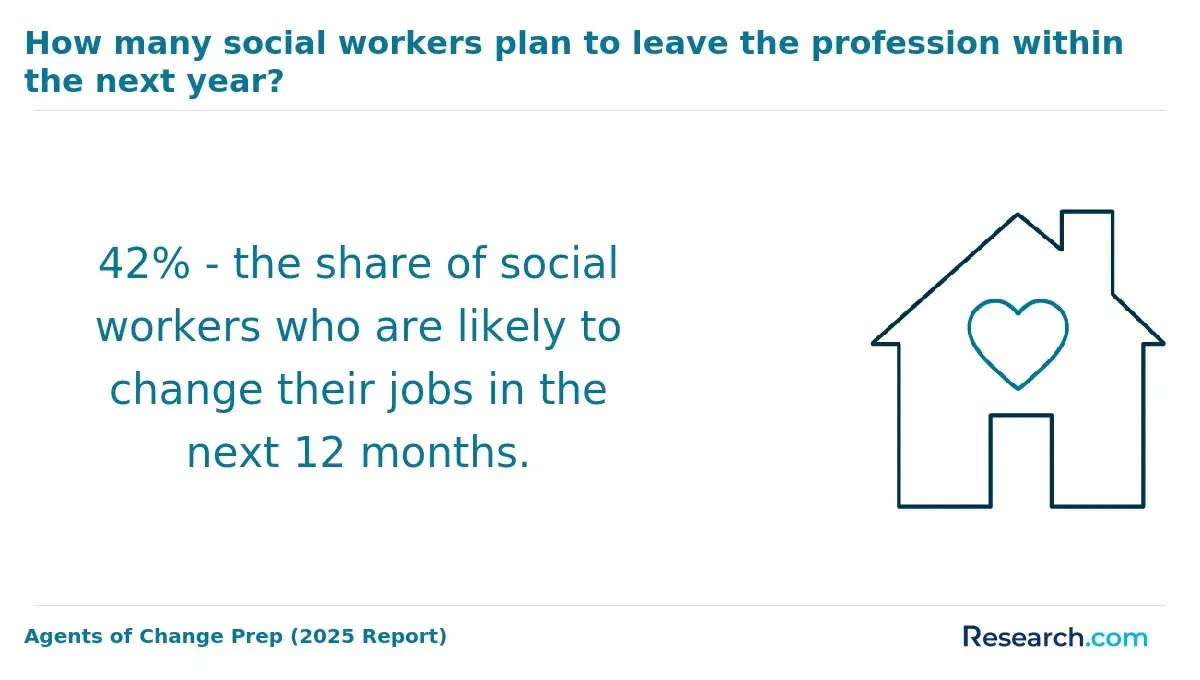
- Over 60% of employers in healthcare and nonprofit sectors provide full or partial reimbursement for online MSW degrees, reflecting workforce investment trends.
- Federal and state grants now increasingly complement employer benefits, with about 40% of online MSW students in 2025 receiving combined financial support for tuition reduction.
What are tuition discounts for online MSW students?
Tuition discounts for online MSW students are cost reductions that lower the amount a student pays per credit, per term, or for the full degree. They may come from the university, a public tuition policy, a military benefit, an employer partnership, an alumni benefit, or a scholarship program.
The most useful discounts are the ones that reduce the total cost of attendance, not just the advertised tuition rate. Before comparing schools, students should check whether mandatory fees, field placement costs, technology fees, textbooks, and residency rules affect the final price.
Common types of online MSW tuition discounts
- Flat online tuition: Some universities charge one online rate regardless of where the student lives.
- In-state or regional tuition rates: Public universities may reduce costs for residents or students in participating states.
- Military and veteran rates: Active-duty service members, veterans, and eligible dependents may qualify for reduced tuition or fee waivers.
- Employer or partner discounts: Schools sometimes offer reduced tuition to employees of healthcare systems, government agencies, nonprofits, or partner organizations.
- Scholarships and grants: Awards may be based on financial need, academic strength, service background, geography, or commitment to specific social work fields.
- Alumni discounts: Returning graduates may receive reduced tuition for a second degree or advanced credential.
For example, Western New Mexico University offers a flat tuition rate of $286 per credit hour for all online MSW students, cutting total costs to between $8,580 and $17,160 depending on credit requirements.
Students should ask whether a discount applies to all credits in the program or only to selected courses, terms, or student groups. A low per-credit price may still become expensive if the program requires more credits, charges high fees, or does not support local field placement.
Those planning to continue beyond the MSW can also compare online social work PhD programs when evaluating long-term education costs.
How does employer reimbursement work for MSW programs?
Employer reimbursement for MSW programs is a workplace benefit that pays back some or all eligible education costs after an employee enrolls, completes coursework, or meets specific performance requirements. In some cases, the employer pays the school directly. In others, the student pays upfront and submits documentation for reimbursement.
Most reimbursement policies require approval before the course begins. Students usually need to provide proof of enrollment, a tuition bill, receipts, and final grades. Some employers require a minimum grade, continued employment, or a work commitment after graduation.
Questions to ask before relying on employer reimbursement
- Is the MSW program required to be accredited?
- Does reimbursement apply to online programs?
- What annual cap or lifetime cap applies?
- Are fees, books, technology costs, and field placement expenses covered?
- Must the employee pay tuition upfront?
- Is reimbursement tied to a minimum grade?
- Is there a required service period after receiving the benefit?
- What happens if the employee changes jobs before the service period ends?
Healthcare organizations, government agencies, school systems, and large nonprofit employers are more likely to have formal tuition reimbursement policies for social work and human services employees. These policies can be especially valuable for students who plan to remain in the same field after completing the degree.
The savings can be significant when tuition varies by residency. For example, the University of South Florida charges Florida residents $384.60 per credit hour, totaling $11,538 for a 30-credit advanced standing online MSW program. Nonresidents pay $1,044.24 per credit, more than double the resident rate, so employer support can materially change the affordability of the degree.
Students should keep copies of all approvals, invoices, receipts, and grade reports. Missing a deadline or enrolling before receiving approval can lead to denied reimbursement. Combining employer support with affordable online MSW programs can reduce out-of-pocket costs even further.
Which online MSW programs offer the best tuition discounts?
The best tuition discounts are not always attached to the school with the lowest advertised tuition. A strong discount is one that applies to your specific status, covers enough credits to matter, and fits your licensure and career goals. Students should compare the final net cost after discounts, scholarships, fees, and employer reimbursement.
Military students often find some of the clearest tuition reductions. New Mexico State University, for example, provides a military tuition rate of $250 per credit hour for active-duty personnel through DoD Tuition Assistance, significantly lower than its standard $562 per credit graduate rate.
Some schools also offer discounts through employment partnerships. Healthcare system employees, nonprofit staff, or public agency workers may receive 10% to 30% off tuition, depending on the school and agreement. These arrangements are not always listed clearly on program pages, so applicants should ask admissions and financial aid offices directly.
Discounts worth checking
- Military tuition rates for active-duty service members, veterans, and eligible dependents
- Employer partnership discounts through hospitals, behavioral health providers, schools, government agencies, and nonprofits
- Scholarships for students from underrepresented groups or priority geographic areas
- Alumni discounts for returning students
- Regional tuition programs or state residency breaks
- Advanced standing options that reduce the number of required credits for eligible BSW graduates
When comparing discounts, confirm whether the school is quoting tuition only or the full estimated cost. A program with a higher per-credit rate may still cost less if it requires fewer credits. A program with a large discount may still be a poor fit if it does not meet accreditation or licensure needs.
External comparison resources such as socialworkdegree.net may help students identify programs to research, but final cost and eligibility should always be verified with the university. Students who qualify for advanced standing can also review the best MSW advanced standing programs to see whether a shorter pathway improves affordability.
What accreditation is required for online MSW degrees?
For most students, the key accreditation to look for in an online MSW is accreditation by the Council on Social Work Education (CSWE). CSWE accreditation signals that the program meets professional standards for social work education and is commonly required for social work licensure eligibility.
This matters because an MSW is often more than an academic credential. Students may need it for clinical licensure, state board approval, supervised practice, and employment in agencies that require an accredited degree. Graduating from a non-CSWE-accredited program can create serious barriers, especially for students who want to become licensed clinical social workers.
What to verify before enrolling
- The MSW program is CSWE-accredited or has the required accreditation status for your goals.
- The online format is included in the program’s accreditation status.
- The curriculum supports your state’s licensure requirements.
- The school can help arrange field education in your location.
- The program’s specialization aligns with your intended practice area.
Accreditation should be checked before cost. A low-priced program that does not support licensure can become much more expensive if the graduate has to complete additional education later.
Cost still matters, especially for out-of-state online students. Regional tuition reciprocity agreements may reduce the price for eligible students. For example, Western New Mexico University offers tuition discounts to students from 14 Western states, charging approximately $565 per credit or $5,085 per semester, making it one of the more affordable options.
Students asking, “Is social work school hard?” should also ask whether a program is properly accredited, financially realistic, and aligned with the type of social work license they plan to pursue.
Can online MSW programs lead to LCSW licensure?
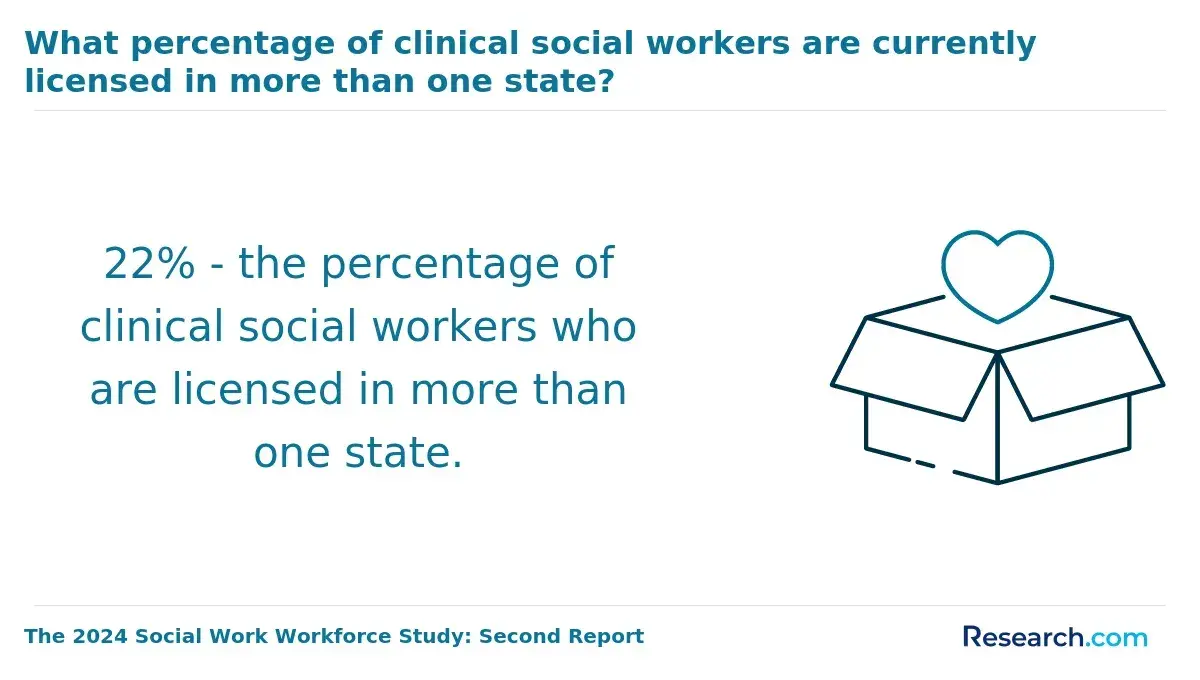
Yes, an online MSW can lead to LCSW licensure if the program meets the requirements of the student’s state licensing board. In most cases, the degree should be from a CSWE-accredited program, and the graduate must also complete supervised clinical experience and pass the required licensing exam.
The online format itself is usually not the deciding factor. What matters is accreditation, field education, clinical coursework, state approval, and post-graduate supervised practice.
Typical LCSW pathway after an online MSW
- Complete a CSWE-accredited MSW program.
- Finish required field education as part of the degree.
- Apply for the appropriate post-graduate or associate-level license, if required by the state.
- Complete between 2,000 and 4,000 supervised clinical hours, depending on state requirements.
- Pass the required clinical licensing exam.
- Meet any additional state requirements, such as ethics, jurisprudence, or reporting training.
Many online MSW programs help students coordinate field placements near where they live, but students should confirm this before enrolling. Field placement availability can affect program completion, work schedules, and licensure timing.
Students should also confirm whether the curriculum includes clinical practice, ethics, human behavior, assessment, diagnosis, and other coursework their state may expect. Requirements vary, and state boards make the final determination.
Financing remains important for students pursuing licensure because supervised practice can take time after graduation. Employer reimbursement may help reduce degree costs, but students should understand grade requirements and service obligations. For example, Liberty University offers an affordable rate of $275 per credit hour for veterans, totaling around $16,500 for a 60-credit degree.
Before applying, contact your state social work board and ask whether graduates of the specific online MSW program are eligible for the licensure path you intend to pursue.
What are admission requirements for online MSW programs?
Admission requirements for online MSW programs usually include a bachelor’s degree from an accredited institution, academic transcripts, a minimum GPA of 3.0, recommendation letters, a personal statement, and evidence that the applicant understands the social work field. Requirements vary by school and by program track.
Traditional MSW programs are designed for students with a bachelor’s degree in another field or a non-BSW background. Advanced standing programs are generally intended for applicants who already hold a qualifying BSW and may allow students to complete fewer credits.
Common application materials
- Official transcripts from all colleges attended
- Minimum GPA of 3.0, though policies vary
- Personal statement explaining career goals and fit with social work
- Two to three letters of recommendation
- Resume or CV showing employment, volunteer work, internships, or community service
- Prerequisite coursework in areas such as psychology, sociology, or human services, if required
- GRE scores, if the school still requires them
- Interview, if required by the program
- TOEFL or IELTS scores for some international applicants
Applicants changing careers should use the personal statement and resume to explain transferable experience. Work in education, healthcare, advocacy, corrections, military service, case management, ministry, human resources, or community programs may help demonstrate readiness for social work training.
Cost should not be ignored during the admissions process. For instance, Fort Hays State University charges $338.62 per credit hour for its online MSW program. Out-of-state students pay about $11,376 annually, which is below the national average, resulting in a total tuition cost near $23,019 for 66 credits.
Students should apply only to programs that match their budget, schedule, field placement needs, and licensure goals. Admission to a program is not the same as approval for licensure, so applicants should verify both before enrolling.
How long do online MSW programs typically take?
Online MSW programs generally take two to three years to complete. Full-time students often finish in about two years, while part-time students may take around three years because they carry fewer courses each term.
Some schools offer accelerated formats that can be completed in 12 to 18 months. These options can reduce time in school, but they may be demanding for students who work full time, have caregiving responsibilities, or need a slower pace for financial reasons.
Factors that affect completion time
- Program track: Advanced standing can shorten the degree for eligible students.
- Enrollment status: Full-time study is faster, while part-time study may be more manageable.
- Credit requirements: Programs vary in the number of credits required.
- Field placement schedule: Practicum hours can limit how quickly students progress.
- Course availability: Some courses may be offered only in certain terms.
- Work and family obligations: Flexible pacing may help students remain enrolled.
Advanced standing or prior graduate coursework can significantly shorten the timeline when accepted by the school. However, students should not choose a faster program unless they can realistically complete the field placement and coursework without compromising performance.
Cost and time should be evaluated together. For instance, California State University San Bernardino charges under $10,000 annually for its online MSW, with tuition rates of $2,208 for 0-6 credits. This makes it California's second most affordable MSW program.
Students who need a longer timeline should ask whether tuition rates change, whether financial aid remains available, and whether employer reimbursement applies to part-time enrollment.
What careers follow an online MSW degree?
An online MSW can prepare graduates for social work roles in clinical practice, healthcare, schools, child and family services, community organizations, government agencies, nonprofits, and administration. The degree is especially valuable for students who want roles requiring graduate-level social work training or a pathway to clinical licensure.
Career options depend on the student’s specialization, field placement experience, state licensure status, and employer requirements. Students interested in therapy or private practice typically need to pursue clinical licensure after graduation.
Common MSW career paths
- Clinical social worker: Provides assessment, counseling, treatment planning, and mental health support after meeting licensure requirements.
- Healthcare social worker: Helps patients and families navigate illness, discharge planning, care coordination, and community resources.
- Child, family, and school social worker: Supports children, families, and students dealing with abuse, neglect, disability, attendance, behavioral, or family challenges.
- Substance abuse or behavioral health social worker: Works with clients experiencing addiction, trauma, mental health conditions, or co-occurring needs.
- Community organizer or advocate: Develops programs, supports policy initiatives, and works with communities affected by inequality or service gaps.
- Program manager or director: Oversees services, staff, grants, compliance, budgets, and outcomes in social service organizations.
- Clinical supervisor: Supports staff development and quality of care, often requiring experience and licensure.
Online MSW programs can be a practical option for working professionals because they may allow students to continue earning income while completing coursework. Field education still requires scheduled hours, so students should plan early for workplace flexibility.
Public universities offer MSW programs averaging $12,394 per year, providing strong value and return on investment. Students should weigh program cost against expected licensure path, career goals, employer support, and local job opportunities.
What is the average MSW social worker salary?
The average MSW social worker salary in the United States ranges from approximately $60,000 to $70,000 annually. Actual pay depends on location, licensure, specialization, experience, employer type, and whether the role is clinical, administrative, school-based, healthcare-based, or community-focused.
Entry-level graduates might start around $50,000, while seasoned clinical social workers and managers often earn over $80,000. Salaries tend to be higher in government agencies and healthcare settings than in nonprofits.
Factors that influence MSW salary
- Licensure: Clinical licensure can expand access to therapy and private practice roles.
- Setting: Healthcare and government roles may pay differently than nonprofit positions.
- Location: Urban and high-cost areas may offer higher wages, though expenses may also be higher.
- Specialization: Clinical, school, healthcare, substance abuse, and geriatric roles may have different pay ranges.
- Experience: Supervisory and management roles often require several years of practice.
Salary should be compared with the total cost of the degree. Lower tuition, employer reimbursement, and military benefits can improve the financial return of an MSW, especially for students who plan to pursue licensure over several years.
For example, the University of West Florida's online MSW program charges $450 per credit hour, with active-duty military members outside Florida receiving a full waiver of out-of-state fees. Benefits like these can reduce borrowing and make early-career salaries more manageable.
Students should ask employers whether tuition assistance is available before enrolling. Reimbursement can reduce out-of-pocket costs during school and lower the debt burden after graduation.
Is job demand strong for MSW graduates?
Yes. Job demand for MSW graduates remains strong in areas such as healthcare, mental health, child welfare, substance abuse treatment, aging services, schools, and community-based support. The U.S. Bureau of Labor Statistics projects a 12% growth rate for social workers between 2024 and 2034, which is faster than the average for all occupations.
Demand is not identical across every location or specialty. Graduates with clinical training, supervised experience, licensure eligibility, and field placements in high-need settings may have stronger options than graduates with limited experience or unclear specialization.
Where MSW demand is often strongest
- Hospitals and integrated healthcare systems
- Mental health clinics and behavioral health organizations
- Substance abuse treatment programs
- Schools and child welfare agencies
- Government social service agencies
- Aging services and geriatric care organizations
- Community nonprofits and advocacy organizations
- Private practice settings for licensed clinical social workers
Healthcare systems increasingly rely on behavioral health specialists to support patients with mental health, trauma, chronic illness, addiction, and care coordination needs. Government and nonprofit agencies also need social workers for case management, outreach, crisis response, and program leadership.
Online MSW programs can help working adults enter or advance in these fields without leaving employment. Public universities may improve affordability by offering lower tuition structures, uniform online rates, or in-state tuition access for nonresidents. Employer tuition reimbursement can also support workforce development in healthcare and social service organizations.
Students should choose a program that aligns with local demand, licensure requirements, field placement access, and long-term career goals—not just the lowest advertised tuition.
Other Things You Should Know About Social Work
Yes, veterans can apply their GI Bill and other military education benefits toward accredited online MSW programs. Most online schools participating in these benefits require proper certification and documentation before enrolling veteran students. It's advisable for veterans to contact both the veterans' affairs office and the school's certifying official to ensure smooth processing of their education benefits.
To qualify for employer reimbursement in 2027, students typically need to provide their employer with a tuition bill, proof of enrollment in an accredited online MSW program, and a grade report. Some employers may have additional documentation requirements or conditions.
In 2027, tuition discounts for online MSW students may include scholarships based on merit or need, grants for specific focus areas like public service, and potential reductions for early registration or payment plans. Specific discounts vary by institution, so it's essential to check each school's offerings.
References
- How Long Does it Take to Complete an MSW Program? Online or Campus https://www.onlineeducation.com/social-work/faqs/how-long-is-an-msw-program
- What does a Social Worker (MSW) do? Career Overview, Roles, Jobs | NASW https://joblink.socialworkers.org/career/social-worker-msw
- LCSW vs. MSW: Comparing Social Work Credentials https://www.umassglobal.edu/blog-news/lcsw-vs-msw-comparing-social-work-credentials
- Tulane Online MSW Tuition and Financial Aid https://socialwork.tulane.edu/financial/
- MSW Program Length: 1-4 Year Timeline Guide for 2025 https://www.socialworkdegrees.org/faq/how-long-does-it-take-to-complete-a-msw-program
- Social Work Careers https://socialworklicensemap.com/social-work-careers/
- High-demand social work roles in 2026: trends and opportunities https://socialwork.pacific.edu/blog/high-demand-social-work-roles-2026-trends-and-opportunities
- How to Become a Licensed Social Worker https://onlinecounselingprograms.com/mental-health-careers/how-to-become-licensed-social-worker/