2027 Verifying Accreditation and Program Legitimacy Before You Apply

Co-Founder and Chief Data Scientist
Choosing an MSW program is not just an academic decision; it can determine whether you qualify for licensure, clinical roles, field placements, and long-term career mobility. Before you apply in 2027, the first question to answer is simple: Is the program accredited by the Council on Social Work Education?
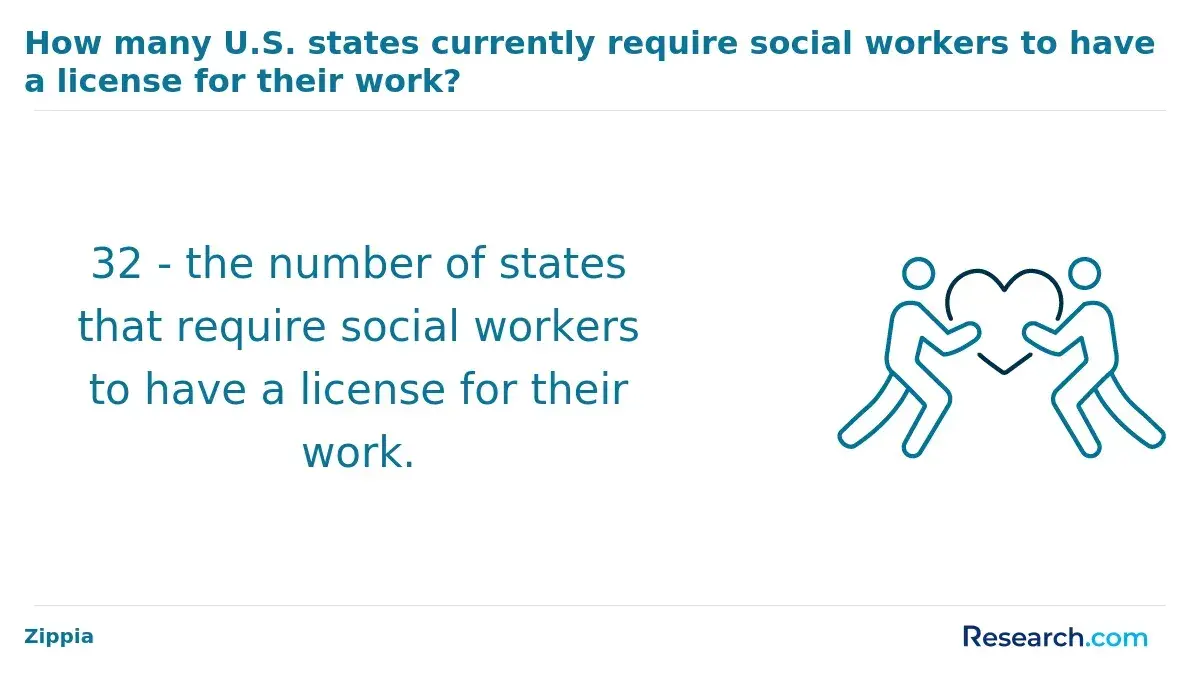
CSWE accreditation matters because social work is a regulated profession. With 32 states requiring social workers to have a license for their work, a degree that does not meet recognized educational standards can leave graduates unable to pursue the roles they intended. This guide explains what CSWE accreditation means, how to verify an MSW program, which warning signs to avoid, and how accreditation affects licensure, online study, employment, and return on investment.
Key Things You Should Know About Verifying Accreditation and Program Legitimacy
- The Council on Social Work Education (CSWE) is the sole recognized accrediting body for social work programs in the U.S.
- Most state licensing boards, including 32 states that require social workers to have a license for their work, mandate a degree from a CSWE-accredited program for licensure eligibility.
- Pursuing a non-accredited MSW program can severely limit your career opportunities and professional recognition, potentially rendering your degree professionally worthless.
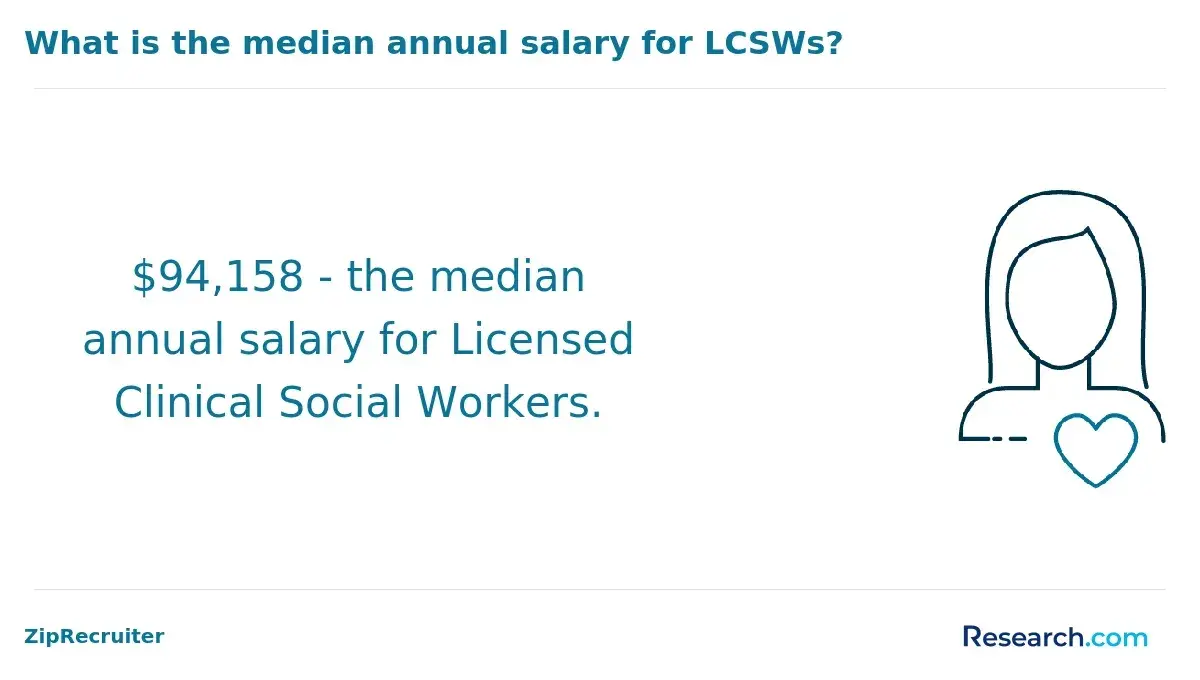
- The median annual salary for licensed clinical social workers is $94,158, highlighting the strong earning potential within the profession with a legitimate degree.
- The projected growth in overall employment for social workers from 2024 to 2034 is 6%, indicating a stable and expanding job market.
Why is CSWE accreditation essential for your MSW in 2027?
CSWE accreditation is essential because it is the recognized program-level standard for Master of Social Work education in the United States. A university may be legitimate and institutionally accredited, but that does not automatically mean its MSW program meets the professional education standards used by licensing boards and employers.
For students, this distinction is practical rather than technical. If your goal is to become licensed, pursue clinical practice, work in a public agency, or compete for higher-level social work roles, the MSW program itself must have the right accreditation. Without it, your degree may not satisfy state licensing requirements or employer screening criteria.
Accreditation also protects your investment. MSW programs require substantial time, tuition, field education, and personal commitment. Choosing a CSWE-accredited program helps ensure that the curriculum, faculty qualifications, and supervised field learning are aligned with professional expectations. In a field with approximately 810,900 jobs held by social workers in 2024, having a recognized degree is one of the clearest ways to keep future options open.
For many students, the value of the degree is tied to whether it leads to licensure, employability, and meaningful service. That is why accreditation should be one of the first items you check when comparing programs and evaluating the broader benefits of studying social work.
What exactly is CSWE accreditation for social work programs?
CSWE accreditation is a formal review process that evaluates whether a social work program meets national standards for professional preparation. It is conducted through the Council on Social Work Education and is based on the organization’s Educational Policy and Accreditation Standards, commonly known as EPAS.
The purpose is not simply to confirm that a school offers graduate courses. CSWE reviews whether the program prepares students for ethical, competent, and evidence-informed social work practice. That includes what students learn, who teaches them, how field education is structured, and how the program assesses student outcomes.
What CSWE evaluates
- Curriculum quality: Accredited programs must cover the core knowledge and competencies expected in professional social work, including human behavior, policy, research, practice methods, ethics, social justice, cultural humility, and work with diverse populations.
- Faculty qualifications: CSWE reviews whether instructors have the academic preparation and professional experience needed to teach graduate-level social work.
- Field education: MSW students must complete supervised practice experiences that connect classroom learning to real client, community, agency, or policy work.
- Assessment of student learning: Programs must show that students are developing the competencies required for professional practice.
- Commitment to social work values: Accredited programs are expected to prepare students for ethical practice grounded in service, dignity and worth of the person, integrity, competence, social justice, and respect for human relationships.
In short, CSWE accreditation tells you that the program has been reviewed against standards specific to social work, not just general higher education standards.
What are the risks of pursuing a non-accredited MSW program?
The main risk of a non-accredited MSW program is that the degree may not lead to the professional outcomes students usually expect from an MSW. You may complete courses, pay tuition, and earn a credential, yet still be unable to qualify for licensure or compete for many social work jobs.
This is especially important for students who plan to practice clinically, use protected social work titles, work in healthcare or government settings, or advance into supervisory roles. In those settings, accreditation is often treated as a baseline requirement, not a preference.
Common consequences of a non-accredited MSW
- Licensure barriers: Most states require a CSWE-accredited degree before graduates can apply for a social work licensing exam. This is especially consequential because licensure is mandatory in 32 states.
- Limited employer recognition: Agencies, hospitals, schools, behavioral health providers, and public-sector employers often screen for graduates of accredited programs.
- Credit transfer problems: If you later move to an accredited MSW program, previously completed credits may not transfer, which can add time and cost.
- Loss of advanced-standing options: Students from non-accredited BSW pathways typically cannot rely on advanced standing to shorten an MSW program.
- Reduced academic mobility: Non-accredited degrees may create complications for doctoral study, post-master’s certificates, or specialized training programs.
- Financial risk: A lower-cost or faster program can become expensive if it does not qualify you for the career path you want.
The safest approach is to verify accreditation before applying, before paying deposits, and again before enrolling if a program’s status is unclear.
How can you verify an MSW program's CSWE accreditation status?
The most reliable way to verify an MSW program’s accreditation is to use the official CSWE directory of accredited programs. Do not rely only on advertisements, third-party rankings, or a school’s general accreditation page. The key question is whether the specific MSW program is listed by CSWE with the correct accreditation status.
Verification should be part of your application process for every program you are considering, including online, hybrid, accelerated, and campus-based options. A few minutes of checking can prevent major licensing and employment problems later.
Step-by-step verification process
- Go directly to the CSWE website at cswe.org. Use the official source rather than a search-engine snippet or promotional page.
- Find the accreditation area. Look for the section that lists accredited social work programs.
- Open the accredited programs directory. This is the database used to identify programs with CSWE-recognized status.
- Search by institution name, state, or program level. Make sure you are reviewing the Master of Social Work program, not only the school or a different degree.
- Compare the listing with the school’s program page. The institution name, degree level, and campus or delivery details should align.
- Ask admissions for clarification if anything is unclear. A legitimate program should be able to explain its current accreditation status clearly and point you to the CSWE listing.
If you cannot find the program in the CSWE directory, treat that as a serious concern until the school provides verifiable documentation.
What key information should you look for on a program's accreditation page?
When checking an MSW program’s accreditation page, look beyond the presence of the CSWE name. You need to confirm the exact program, its current status, and whether the dates and review information support the school’s claims.
Accreditation language can be confusing, especially when a program is new, expanding, or seeking approval. Read carefully before assuming that a program is fully accredited.
Details to confirm before applying
- Program name: The listing should match the MSW program you plan to enter. Do not assume that accreditation for a BSW, certificate, counseling program, or another graduate program applies to the MSW.
- Institution name: Confirm that the school name in the CSWE directory matches the institution offering the degree.
- Current status: “Accredited” means the program has met CSWE standards. “Candidacy Status” means the program is working toward accreditation but is not yet fully accredited.
- Effective dates: Review the last reaffirmation date and the next scheduled review date, if listed, to understand whether the status is current.
- Delivery format: If you are considering an online or hybrid program, confirm that you are reviewing the relevant MSW offering and not a different format or campus.
- State authorization and field placement rules: Accreditation does not automatically mean the program can place students in every state. Ask how the school supports field education where you live.
If the school’s website says the program is accredited but the CSWE directory does not clearly support that claim, contact both the school and CSWE before making a commitment.
How do you spot red flags of illegitimate MSW programs?
Illegitimate or weak MSW programs often use vague accreditation claims, unrealistic promises, and pressure-based admissions tactics. A legitimate MSW program should be transparent about accreditation, curriculum, faculty, field education, tuition, outcomes, and licensing limitations.
Be especially careful with programs marketed as fast, effortless, or guaranteed pathways into social work. Social work education includes demanding coursework and supervised field experience; any program that minimizes those requirements deserves scrutiny.
Red flags to investigate
- No clear CSWE accreditation statement: Legitimate programs usually identify their accreditation status plainly and direct students to official verification.
- Program not found in the CSWE directory: If the MSW program cannot be verified through CSWE, do not rely on marketing claims alone.
- Confusing use of institutional accreditation: General university accreditation is not the same as CSWE accreditation for an MSW program.
- High-pressure enrollment: Be cautious if admissions staff push you to apply or pay quickly before you can review accreditation and licensing information.
- Unclear faculty qualifications: Reputable programs provide information about faculty education, practice background, research, and areas of expertise.
- Weak field placement support: Field education is central to MSW training. A program should explain how placements are approved, supervised, and matched to student goals.
- Suspiciously low tuition without transparency: Affordability is important, but unusually low costs should still come with clear accreditation, curriculum, and student support information.
- No recognizable institutional affiliation: Many online programs are legitimate, but an MSW offered without a clear college or university connection requires extra caution.
- Guaranteed jobs or guaranteed licensure: Programs can prepare students for licensure pathways, but they should not promise employment or licensing outcomes. While there are easy MSW programs to get into, the degree itself still requires serious academic and field preparation.
A strong rule of thumb: if a program makes accreditation hard to verify, treat that as a warning sign rather than an administrative detail.
How does accreditation affect your social work licensure eligibility?
Accreditation affects licensure because state boards commonly use a CSWE-accredited degree as the educational foundation for licensing eligibility. If your degree does not meet that requirement, you may be unable to sit for the licensing exam or apply for the license level required for your intended role.
This matters before you enroll, not after graduation. Licensure rules vary by state and by license type, but the program you choose can either support or block your path. In 32 states, social workers are required to have a license for their work, and licensing boards generally expect the degree to come from a CSWE-accredited program.
What accreditation does and does not do
- It supports educational eligibility: A CSWE-accredited MSW is commonly required before you can pursue professional licensing.
- It does not automatically grant a license: Graduates may still need exams, supervised hours, background checks, applications, and state-specific documentation.
- It affects clinical pathways: Clinical social work roles often require a licensed credential, which typically begins with an accredited MSW.
- It affects title protection: Some jurisdictions restrict who can use certain social work titles or provide certain services.
- It affects mobility: If you may move after graduation, an accredited degree is far easier to explain to another state board than a non-accredited one.
Before applying, review the licensing board requirements in the state where you plan to practice. If you are considering an online program located in another state, ask the school whether its curriculum and field placement model are designed to support licensure where you live.
Are online and hybrid MSW programs equally accredited and legitimate?
Yes. Online and hybrid MSW programs can be equally accredited and legitimate if the specific program holds CSWE accreditation. CSWE evaluates the program’s professional preparation, not whether every class meets on campus.
This is an important distinction for working adults, caregivers, rural students, and career changers. A well-designed online or hybrid MSW can provide the same recognized credential as an on-campus program, but students still need to examine field placement support, state authorization, scheduling requirements, and live class expectations.
Accredited online MSW programs can be especially useful for students balancing work and family responsibilities. With the average age of social workers with a master's degree being 34, many MSW students are not looking for a traditional full-time campus experience. They need flexibility without sacrificing licensure eligibility or employer recognition.
Questions to ask about online or hybrid programs
- Is the MSW program listed in the CSWE directory? Verify the exact program before applying.
- How are field placements arranged? Ask whether the school finds placements, whether students must locate their own, and how supervision is handled.
- Are there in-person requirements? Some online programs require campus visits, intensives, synchronous classes, or local seminars.
- Does the program serve students in your state? State authorization and field placement rules can affect eligibility to enroll.
- Does the format fit your life? Flexibility is valuable only if the workload, field hours, and class schedule are realistic for your circumstances.
The bottom line: delivery format does not determine legitimacy. Verified CSWE accreditation does.
How does accreditation influence your MSW career opportunities and job prospects?
Accreditation influences job prospects because many employers view a CSWE-accredited MSW as evidence that the graduate completed a recognized professional curriculum and field education sequence. In roles tied to licensure, clinical practice, healthcare, schools, child welfare, behavioral health, and government services, it may be required rather than optional.
Strong grades and internships help, but they usually do not replace accreditation. Employers need confidence that candidates are eligible for licensing pathways and have been prepared according to national social work standards. That matters in a labor market with approximately 810,900 jobs held by social workers in 2024 and projected overall employment growth for social workers from 2024 to 2034 of 6%.
Career advantages of an accredited MSW
- Access to licensed roles: Many social work positions require or strongly prefer candidates who can obtain state licensure.
- More employer options: Hospitals, public agencies, schools, nonprofits, mental health providers, and community organizations often expect accredited preparation.
- Clinical practice pathways: Accreditation is especially important for graduates pursuing clinical work, including roles in mental and behavioral health services.
- Specialized practice opportunities: For example, 17% of social workers are employed in individual and family services, and 74% of clinical social workers are involved in mental and behavioral health services.
- Leadership and advancement: Supervisory, administrative, policy, and program management roles often favor candidates with a recognized graduate social work degree.
- Future academic options: An accredited MSW can support later study, including doctorate of social work programs.
An accredited degree does not guarantee a specific job or salary, but it removes a major barrier that can otherwise limit career options from the start.
What should you do before applying to an accredited MSW program?
After confirming accreditation, compare programs based on fit, cost, field education, specialization options, schedule, admissions requirements, and licensure alignment. Accreditation tells you the program meets a professional standard; it does not automatically make every accredited program the right choice for your goals.
A strong application strategy begins with clarity. Decide whether you want clinical practice, macro social work, school social work, healthcare, policy, community organizing, child welfare, substance use treatment, or another path. Then look for programs with coursework, field placements, faculty expertise, and student support that match that direction.
Pre-application checklist
- Verify CSWE accreditation: Confirm the exact MSW program in the official CSWE directory.
- Review licensure alignment: Check the licensing rules in the state where you plan to practice and ask the program how it supports those requirements.
- Compare formats: Decide whether campus-based, online, hybrid, full-time, part-time, or accelerated study is realistic for your schedule.
- Evaluate field placement support: Ask how placements are secured, how far students may need to travel, and what types of agencies are available.
- Look at specializations: Consider whether the program offers tracks or electives in areas such as clinical social work, community practice, child welfare, policy, or healthcare.
- Assess total cost: Include tuition, fees, books, technology costs, travel, lost work hours, and field placement obligations.
- Explore financial aid: Review scholarships, grants, assistantships, employer benefits, and loans before deciding what you can afford.
- Check admissions requirements: Confirm prerequisite courses, GPA expectations, recommendation letters, essays, interviews, and experience requirements.
- Ask about student outcomes: Request information on graduation rates, field placement quality, exam preparation, and career support where available.
If speed matters, accelerated social work programs may be worth considering, but only if they are CSWE-accredited and the pace fits your work, family, and field placement responsibilities.
Is investing in a CSWE-accredited MSW program worth it for your future?
A CSWE-accredited MSW can be worth the investment when it aligns with your career goals, licensing plans, finances, and capacity for graduate study. It is the safer and more professionally useful choice for students who want recognized preparation for social work practice, especially in licensed or clinical roles.
The value of the degree comes from more than the diploma itself. Accreditation helps protect eligibility for licensure, improves employer recognition, and supports access to advanced practice pathways. It also gives students a structured education that combines theory, ethics, policy, research, and supervised field experience.
Reasons the investment can pay off
- Licensure pathway: A CSWE-accredited MSW is the essential educational step toward many licensed social work roles.
- Employment stability: The social work field is projected to grow 6% from 2024 to 2034.
- Broader career options: Accredited graduates can pursue roles in clinical practice, healthcare, schools, public agencies, nonprofits, community organizations, policy, and administration.
- Earning potential: The median licensed clinical social worker salary is $94,158. Healthcare social workers also see strong earnings, with a median annual pay of $68,090 as of May 2024.
- Long-term credibility: A recognized degree is easier to explain to employers, licensing boards, doctoral programs, and professional organizations.
- Professional impact: The MSW prepares graduates to work with individuals, families, groups, organizations, and communities in situations where ethical, skilled intervention matters.
The decision should still be made carefully. Compare costs, debt, program format, field placement demands, and licensing requirements before enrolling. But if your goal is a legitimate social work career, a CSWE-accredited MSW is the credential that keeps the most doors open.
Other Things You Should Know About Verifying Accreditation and Program Legitimacy
Warning signs include a lack of accreditation from recognized agencies such as the Council for Higher Education Accreditation (CHEA) or inclusion in the U.S. Department of Education's list. Additionally, unusually short program durations and lack of transparency about coursework and faculty credentials are red flags.
CSWE-accredited MSW programs typically undergo a comprehensive re-affirmation of MSW accreditation every eight years. This regular review process ensures that programs consistently meet the evolving Educational Policy and Accreditation Standards (EPAS). It demonstrates a program's ongoing commitment to quality and relevance in social work education. This cycle is designed to maintain the high standards of the profession.
To verify if a foreign MSW program is accredited, check its recognition by relevant U.S. accrediting bodies or the Council on Social Work Education (CSWE) International Social Work Degree Recognition and Evaluation Service. This ensures the program meets U.S. standards for quality education in social work.
References
References:
- Council on Social Work Education. (2025). About CSWE. Retrieved October 26, 2025, from CSWE.
- Council on Social Work Education. (2025). Directory of accredited programs. Retrieved October 26, 2025, from CSWE.
- MasterofSocialWork.com. (2025, January 2). CSWE accredited online Master of Social Work (MSW) programs. Retrieved October 26, 2025, from MasterofSocialWork.com.
- National Association of Social Workers (NASW). (2025). Careers. Retrieved October 26, 2025, from NASW.
- U.S. Bureau of Labor Statistics. (2025). Social workers. Retrieved October 26, 2025, from BLS.