2027 Career Outcomes for DSW Graduates (Administration, Policy, Academia)

Co-Founder and Chief Data Scientist
Choosing a Doctor of Social Work is usually not about becoming a first-time social worker. It is a decision for experienced practitioners who want to move into higher-level leadership, applied teaching, policy influence, program design, or systems change. A DSW can be especially relevant for professionals who want to improve how agencies, health systems, schools, nonprofits, and public programs deliver services at scale.
This guide explains what DSW graduates are prepared to do, how the degree differs from a PhD in Social Work, which competencies matter most, and where graduates commonly work in administration, policy, academia, technology-driven practice, and cross-sector leadership. It also covers salary expectations, job outlook considerations, and practical ways to keep advancing after graduation.
The strongest DSW career outcomes usually come from aligning the degree with a clear professional goal: executive leadership, clinical administration, public policy, higher education, program evaluation, or organizational consulting. The sections below are designed to help you compare those paths and decide where a DSW may offer the most value.
Key Points About Pursuing a Career in Social Work as a DSW Graduate
- Expanding leadership opportunities in healthcare, education, and community organizations, with over 50% of DSW graduates pursuing administrative or executive roles within five years of completion.
- Increased job security due to national shortages in qualified social service leaders and clinical supervisors across the U.S.
- Flexible academic routes through online and hybrid DSW programs that accommodate working professionals seeking advancement.
What does a Doctor of Social Work degree prepare DSW Graduates for?
A Doctor of Social Work prepares experienced social work professionals for advanced practice leadership rather than entry-level practice. The degree is typically designed around applied scholarship, organizational leadership, evidence-based decision-making, policy awareness, and the ability to improve systems that serve individuals, families, and communities.
DSW graduates are often prepared to move beyond direct service roles into positions where they supervise teams, evaluate programs, lead agencies, teach future practitioners, consult on complex social problems, or shape institutional strategy. The degree can support career movement in public agencies, healthcare organizations, nonprofit systems, higher education, behavioral health networks, and policy-focused organizations.
The key difference is scope. A master’s-level clinician may focus primarily on client care, supervision, or case-level outcomes. A DSW-trained leader is expected to understand how budgets, regulations, staffing models, data systems, ethics, community needs, and policy decisions affect service delivery across an organization or population.
Common areas of preparation
- Executive and administrative leadership: Managing programs, departments, budgets, compliance, and multidisciplinary teams.
- Applied research and evaluation: Using evidence to assess whether programs are effective, equitable, and sustainable.
- Policy-informed practice: Translating laws, funding requirements, and public priorities into workable service models.
- Teaching and workforce development: Preparing social work students, field instructors, and agency staff for complex practice environments.
- Systems change: Addressing barriers that limit access, quality, accountability, and equity in social services.
Prospective students should review curriculum design carefully. Some DSW programs emphasize clinical leadership, while others focus more heavily on administration, teaching, policy, or program evaluation. Students comparing accredited and flexible options can start with this overview of DSW social work online programs.
How are DSW Graduates different from PhD in Social Work graduates?
DSW and PhD in Social Work programs are both terminal doctoral pathways, but they are built for different professional goals. A DSW is generally practice-oriented and prepares graduates to apply research, lead organizations, improve programs, and solve real-world service delivery problems. A PhD is generally research-oriented and prepares graduates to produce original scholarship, build theory, conduct advanced research, and pursue tenure-track academic or research-intensive roles.
The practical distinction is not that one degree is “better.” The better choice depends on the type of work you want to do after graduation. Professionals who want to lead agencies, redesign systems, teach from a practice perspective, or influence policy implementation may find the DSW more aligned with their goals. Professionals who want to become independent researchers, publish extensively, secure research funding, or pursue traditional faculty research roles may be better served by a PhD.
DSW vs PhD in Social Work: decision guide
- Choose a DSW if your goal is applied leadership: agency administration, clinical program leadership, policy implementation, curriculum leadership, consulting, or executive practice.
- Choose a PhD if your goal is research production: theory development, advanced methodology, academic publishing, grant-funded research, or research-focused faculty roles.
- Consider the hiring context: some universities and research institutions may prefer or require a PhD for tenure-track research positions, while practice-focused programs and professional schools may value DSW graduates with strong field experience.
- Review dissertation or capstone expectations: DSW programs often use applied capstones or practice-based projects, while PhD programs usually require original research dissertations.
DSW graduates often serve as translators between scholarship and practice. They help organizations use research findings responsibly, adapt evidence-based interventions to local conditions, and measure whether programs are actually improving outcomes. PhD graduates, meanwhile, often strengthen the field by expanding the evidence base that informs those decisions.
What core competencies do DSW Graduates need to succeed in their careers?
DSW graduates need more than advanced clinical knowledge. Their success depends on the ability to lead people, interpret evidence, manage complexity, and make ethical decisions under real organizational constraints. The most competitive graduates can connect social work values with operational decisions.
- Strategic leadership: DSW graduates must be able to set priorities, align programs with community needs, manage change, and guide teams through uncertainty. This includes understanding finance, staffing, quality improvement, and organizational culture.
- Policy analysis: Leaders need to interpret regulations, legislation, funding rules, and social trends. Strong policy analysis helps graduates identify how decisions made at local, state, or national levels affect service access and client outcomes.
- Data-informed practice: DSW graduates should be comfortable using program metrics, client outcomes, service utilization data, and evaluation findings. Data should support better decisions, not replace professional judgment or community input.
- Ethical decision-making: Advanced social work roles often involve competing responsibilities: client welfare, staff capacity, limited funding, legal requirements, equity goals, and organizational risk. Ethical leadership requires clarity, documentation, transparency, and cultural humility.
- Collaborative problem-solving: Most large social problems cross institutional boundaries. DSW graduates need to work with schools, courts, hospitals, government agencies, funders, community groups, and advocacy organizations.
- Communication and influence: Senior roles require writing proposals, presenting findings, briefing executives, teaching students, engaging boards, and explaining complex issues to non-specialist audiences.
- Program design and evaluation: Graduates should know how to assess needs, design interventions, set measurable goals, monitor implementation, and revise programs when results fall short.
A common mistake is treating the DSW as only a credential. Employers are more likely to value the degree when graduates can show concrete leadership outcomes: improved services, stronger compliance, better staff development, measurable program results, or successful policy implementation.
What career opportunities are available for DSW Graduates in administration?
Administration is one of the clearest career pathways for DSW graduates. These roles involve leading programs, managing staff, improving service systems, overseeing compliance, and making decisions that affect both clients and employees. The DSW can be useful when an organization needs leaders who understand direct practice as well as systems-level management.
Common administrative roles may include director of clinical services, behavioral health administrator, nonprofit executive, program director, social services administrator, quality improvement leader, training director, or senior manager in healthcare, child welfare, aging services, education, corrections, housing, or community mental health.
What administrative DSW roles often involve
- Program oversight: setting service goals, monitoring quality, and ensuring that programs meet community and funder expectations.
- Budget and resource management: balancing service needs with staffing limits, grant requirements, reimbursement rules, and operational costs.
- Compliance and risk management: maintaining documentation standards, protecting client rights, and preparing for audits or accreditation reviews.
- Workforce leadership: supervising managers, supporting staff retention, developing training plans, and addressing burnout.
- Outcome measurement: using performance data to improve access, equity, efficiency, and client outcomes.
Administrative leadership is not the right fit for every DSW graduate. These jobs often involve difficult trade-offs, such as allocating limited resources, making staffing decisions, responding to regulatory pressure, and defending program changes to boards, funders, or public officials. Professionals who enjoy strategic planning, team leadership, and systems improvement are usually better suited to this path than those who prefer primarily individual clinical work.
Professionals who are earlier in their social work education may first need graduate-level preparation before moving toward doctoral study. A useful starting point is this guide to the most affordable online MSW options.
How can DSW Graduates influence policy development and implementation?
DSW graduates can influence policy by connecting lived practice realities with evidence, administrative feasibility, and community impact. Their value is often strongest in implementation: helping agencies and governments turn policy goals into programs that can be funded, staffed, evaluated, and improved.
Policy roles may exist in government agencies, advocacy organizations, think tanks, consulting firms, foundations, healthcare systems, school systems, and large nonprofits. DSW graduates may work as policy advisors, program evaluators, legislative analysts, implementation consultants, grant leaders, or senior administrators responsible for aligning services with policy requirements.
Ways DSW graduates contribute to policy work
- Identifying service gaps: using community data, agency experience, and stakeholder feedback to show where current systems are failing.
- Evaluating policy impact: assessing whether a policy improves access, reduces harm, strengthens equity, or creates unintended burdens.
- Designing implementation plans: translating broad policy language into staffing models, workflows, eligibility rules, reporting processes, and training plans.
- Advising decision-makers: explaining how proposed rules may affect clients, providers, agencies, and communities.
- Building coalitions: bringing together agencies, providers, advocates, funders, and community members to support sustainable change.
The most effective policy-focused DSW graduates avoid relying on advocacy alone. They combine advocacy with evidence, cost awareness, implementation planning, and measurable outcomes. This makes their recommendations more credible to administrators, lawmakers, funders, and community partners.
What positions in academia are DSW Graduates qualified to pursue?
DSW graduates can pursue academic roles, especially in practice-focused social work education. Their strongest contribution is often teaching students how theory, ethics, policy, supervision, and evidence-based practice operate in real service settings. They may also help schools strengthen field education, curriculum design, continuing education, and community partnerships.
Potential positions include social work faculty member, clinical professor, adjunct professor, field education director, program director, curriculum specialist, continuing education coordinator, department administrator, or faculty leader in practice-oriented programs. Hiring requirements vary by institution, and some research-intensive or tenure-track roles may prefer a PhD, especially when the position emphasizes original research and publication.
Academic strengths DSW graduates can bring
- Practice-based teaching: using real administrative, clinical, and policy experience to prepare students for complex professional settings.
- Field education leadership: helping students, agencies, and supervisors connect classroom learning with ethical practice.
- Curriculum development: updating courses to reflect current workforce demands, leadership competencies, data use, and interprofessional collaboration.
- Applied scholarship: producing practice briefs, evaluation reports, case-based research, training materials, and community-facing scholarship.
- Program administration: supporting accreditation preparation, student outcomes assessment, faculty development, and partnership building.
DSW graduates interested in academia should build a portfolio before applying: teaching experience, syllabi, publications or applied scholarship, conference presentations, field supervision experience, and evidence of curriculum or training leadership. Those still planning their path toward graduate social work education can also review MSW accelerated programs.
What are the salary expectations and job outlook for DSW Graduates?
Salary outcomes for DSW graduates vary widely because the degree leads to different types of roles. A graduate who becomes an executive administrator, university faculty member, policy consultant, or clinical director may have a different earnings profile from someone who remains primarily in direct practice. Employer type, region, years of experience, licensure, management scope, and funding model all matter.
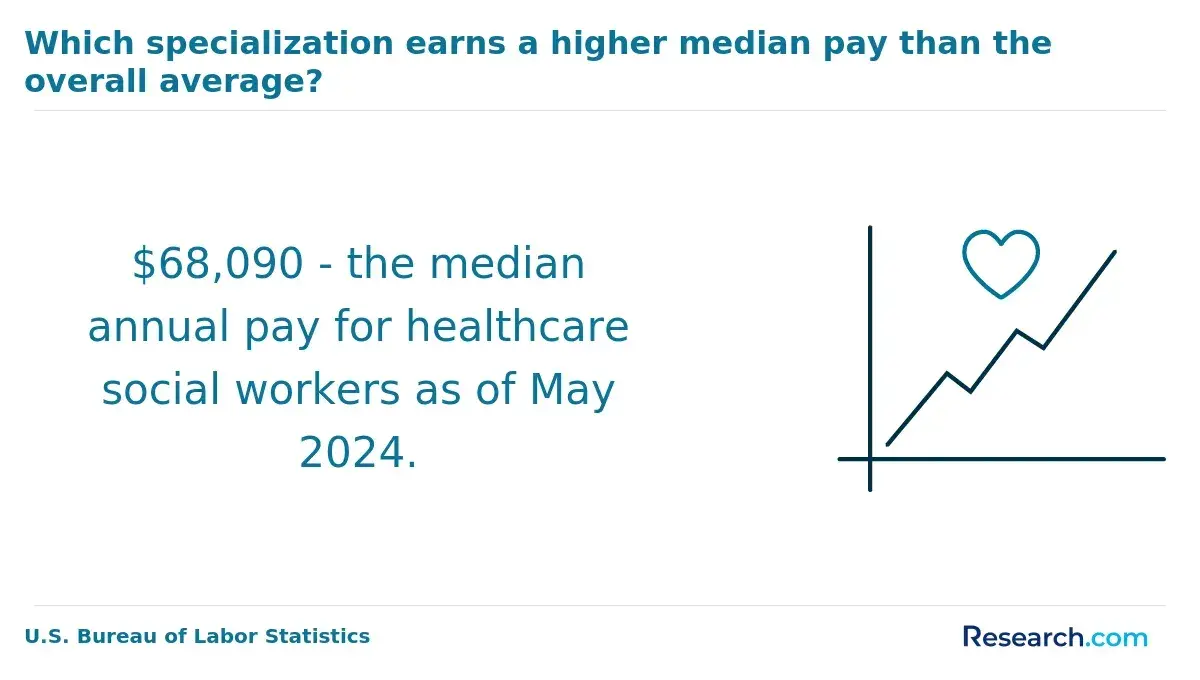
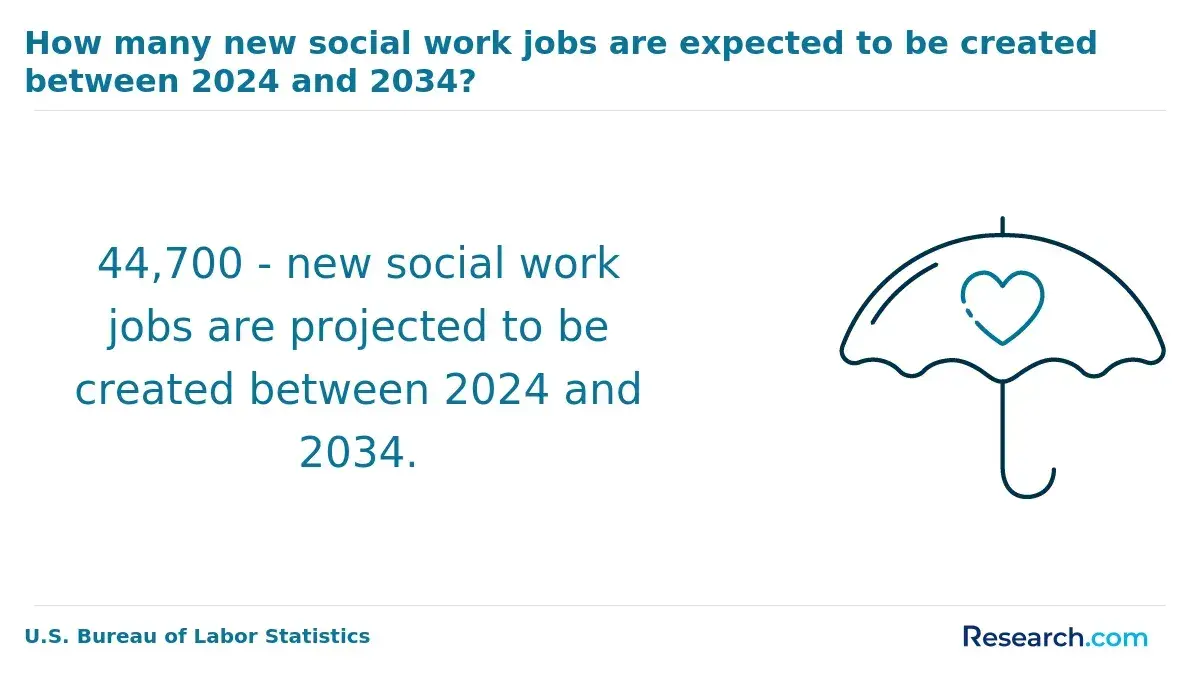
According to recent employment data cited for this guide, social work leadership roles are projected to grow faster than the national average through 2032. The median salary for DSW graduates typically ranges between $85,000 and $120,000 annually, depending on specialization and region.
Administrative directors in healthcare and academia often earn at the higher end of this spectrum. Roles that combine leadership, program evaluation, compliance, and budget responsibility may offer stronger compensation because they affect organizational performance and risk management. However, nonprofit and public-sector salaries can be constrained by funding, even when job responsibility is high.
Factors that can affect DSW earnings
- Role level: executive, director, and senior administrator positions generally pay more than individual contributor roles.
- Sector: healthcare systems, higher education administration, consulting, and large agencies may differ from smaller nonprofits or publicly funded programs.
- Location: compensation often reflects regional labor markets and cost of living.
- Licensure and specialization: clinical licensure, supervisory credentials, or expertise in behavioral health, child welfare, aging, trauma, or policy may improve competitiveness.
- Management scope: overseeing budgets, staff, compliance, grants, or multiple programs can increase earning potential.
Because salary data can differ by role and state, readers should compare doctoral outcomes with broader social work salary information. This social worker salary guide provides additional context by location and specialization.
How are DSW Graduates using technology and data to drive social change?
DSW graduates increasingly use technology and data to improve how social services are planned, delivered, monitored, and evaluated. The goal is not to make social work less human. The goal is to use better information to identify needs earlier, allocate resources more fairly, reduce administrative waste, and understand which interventions are working.
In practice, this can include electronic case management systems, client outcome dashboards, needs assessments, program evaluation tools, telehealth platforms, referral systems, and data-sharing partnerships across agencies. DSW graduates who understand both frontline practice and organizational data are well positioned to lead these efforts responsibly.
Examples of technology-driven work
- Improving access: using digital intake, telehealth, or referral platforms to reduce barriers for clients who face transportation, mobility, or scheduling challenges.
- Strengthening evaluation: tracking outcomes over time to see whether programs are reducing risk, improving stability, or meeting service goals.
- Targeting resources: identifying high-need populations or service gaps so agencies can direct staff time and funding more effectively.
- Supporting collaboration: helping agencies coordinate care across healthcare, housing, education, behavioral health, and public assistance systems.
- Improving accountability: making performance data more visible to leaders, funders, boards, and community partners.
Technology also creates risks. DSW leaders must pay attention to privacy, consent, data bias, digital exclusion, cybersecurity, and the possibility that metrics may oversimplify complex human experiences. Ethical data use requires transparency, community engagement, and regular review of whether tools are helping or harming the populations they are meant to serve.
What are the most in-demand sectors hiring DSW Graduates?
DSW graduates can work across sectors because their training combines social work expertise with leadership, evaluation, and systems thinking. The best sector depends on the graduate’s background, licensure, preferred population, tolerance for bureaucracy, and interest in administration, teaching, policy, or consulting.
Key sectors that commonly align with DSW preparation include:
- Healthcare administration: Hospitals, behavioral health systems, integrated care networks, and community health organizations may need leaders who can manage patient-centered programs, behavioral health integration, care coordination, discharge planning, and population health initiatives.
- Education and academia: Colleges and universities may hire DSW graduates for teaching, field education, curriculum leadership, continuing education, and practice-focused program administration.
- Public policy: Government agencies, advocacy organizations, and policy institutes may use DSW expertise to analyze social programs, evaluate implementation, and improve services related to poverty, housing, health inequities, child welfare, aging, and behavioral health.
- Nonprofit management: Community organizations often need leaders who can manage grants, supervise staff, assess outcomes, build partnerships, and advocate for vulnerable populations.
- Corporate social responsibility: Some private-sector roles may involve diversity, equity, and inclusion work; employee well-being; community investment; philanthropy; social impact strategy; or partnerships with nonprofits.
- Behavioral health and substance use services: DSW graduates may lead programs focused on mental health access, crisis response, recovery support, trauma-informed care, and integrated services.
- Consulting and training: Experienced DSW professionals may advise agencies on program evaluation, workforce development, supervision models, compliance, leadership training, or systems redesign.
Sector choice should be strategic. For example, healthcare administration may offer large-system leadership opportunities but may also require comfort with regulation, reimbursement, and clinical operations. Nonprofit leadership may offer mission alignment but can involve funding uncertainty. Academia can provide teaching and scholarship opportunities, but hiring standards vary widely by institution and role.
Readers still comparing earlier graduate pathways can review this guide to the easiest MSW programs to get into.
How can DSW Graduates continue advancing their careers long-term?
Long-term advancement for DSW graduates depends on turning doctoral training into visible professional impact. The degree may open doors, but continued growth usually comes from leadership results, specialized expertise, strong networks, and a clear professional identity.
DSW graduates can continue advancing by pursuing executive education, post-doctoral learning opportunities, board or specialty certifications, licensure maintenance, teaching experience, applied research projects, public speaking, consulting work, and leadership roles in professional associations. Mentorship is also important, both receiving guidance from senior leaders and mentoring emerging social workers.
Practical steps for long-term career growth
- Build a measurable leadership record: document program improvements, funding wins, staff development outcomes, evaluation results, and policy contributions.
- Stay current in regulation and practice: social work leaders need to understand changing laws, funding models, accreditation expectations, ethical standards, and service delivery trends.
- Publish and present: share applied findings through conferences, professional publications, training sessions, webinars, or agency reports.
- Develop a specialization: expertise in areas such as behavioral health, child welfare, aging, healthcare integration, trauma, housing, program evaluation, or policy implementation can strengthen marketability.
- Expand cross-sector relationships: build connections with government, healthcare, education, philanthropy, advocacy, and community organizations.
- Reassess career fit over time: a DSW graduate may move from administration to academia, from clinical leadership to policy, or from agency work to consulting as goals evolve.
For prospective students still evaluating whether the social work education pathway is worth the investment, this resource on whether a master’s in social work is worth it can help frame return on investment, career purpose, and long-term professional impact.
Other Things You Need to Know About Working as a DSW Graduate
In 2027, job prospects for DSW graduates in administration, policy, and academia have broadened. Many secure leadership positions within social service agencies and are engaged in policy advocacy work. Additionally, graduates increasingly enter academia, contributing to research and teaching at universities worldwide.
In 2027, organizations such as government agencies, non-profit entities, healthcare institutions, and educational institutions are actively hiring DSW graduates for roles in administration and policy, reflecting the skills needed in these dynamic fields.
References
- National Library of Medicine. (n.d.). https://pmc.ncbi.nlm.nih.gov/articles/PMC11389054/
- U.S. Bureau of Labor Statistics. (2023). Social workers, all other — employment by state and area, May 2023. https://www.bls.gov/oes/2023/may/oes211029.htm
- U.S. Bureau of Labor Statistics. (2024). Social workers: Occupational outlook handbook. https://www.bls.gov/ooh/community-and-social-service/social-workers.htm
- U.S. Bureau of Labor Statistics. (2023). Employment of mental health and substance abuse social workers, May 2023. https://www.bls.gov/oes/2023/may/oes211023.htm
Zippia. (2025, January 8). Social worker salary (October 2025). https://www.zippia.com/salaries/social-worker/