2027 Social Work Careers in Policy Analysis and Legislative Advocacy

Co-Founder and Chief Data Scientist
Policy and advocacy careers in social work are for professionals who want to change the rules, funding decisions, and public systems that shape people’s lives—not only provide direct services one client at a time. These roles are especially relevant for students, case managers, clinicians, community organizers, and career changers who see recurring barriers in housing, healthcare, child welfare, education, mental health, or aging services and want to address the causes at a systems level.
This guide explains what social work policy and legislative advocacy jobs involve, which degrees and licenses may be needed, how curricula and admissions work, and what to consider when comparing online and campus-based programs. It also covers job outlook, salary expectations, and accreditation so readers can choose an education pathway that supports credible, ethical, and practical policy work.
Key Things You Should Know
- Social work careers in policy analysis and legislative advocacy are growing, with employment projected to increase by 12% through 2031, reflecting heightened demand for skilled professionals influencing social policy.
- Key skills include data analysis, legislative knowledge, and stakeholder engagement, enabling social workers to shape laws and policies addressing poverty, healthcare, and social justice issues.
- Median annual wages for these roles were around $76,000 in 2024, with opportunities in government, nonprofits, and think tanks offering diverse career pathways.
What are social work careers in policy analysis and advocacy?
Social work careers in policy analysis and advocacy focus on improving laws, regulations, public programs, and institutional practices that affect vulnerable or underserved populations. Instead of working only at the individual service level, these professionals examine how systems operate, identify gaps, and recommend changes that can improve access, equity, funding, and accountability.
Common work settings include government agencies, nonprofit organizations, legislative offices, research institutes, foundations, advocacy coalitions, and community-based organizations. The policy issues may involve healthcare, housing, education, child welfare, aging services, disability rights, behavioral health, criminal justice, food security, or economic assistance.
Typical responsibilities include:
- Analyzing proposed laws, agency rules, budgets, and social welfare programs.
- Using research and community data to identify service gaps or inequitable outcomes.
- Writing policy briefs, public comments, testimony, reports, and legislative summaries.
- Meeting with legislators, agency leaders, coalition partners, and community members.
- Organizing advocacy campaigns and helping affected communities participate in policy decisions.
- Evaluating whether existing programs are reaching the populations they were designed to serve.
Job titles vary by employer. A social worker in this field may be called a policy analyst, legislative advocate, government relations specialist, community organizer, program evaluator, policy director, public affairs manager, or social policy researcher. Some roles are highly research-oriented, while others focus more on lobbying, coalition building, public education, or administrative leadership.
The Bureau of Labor Statistics projects 6% employment growth for social workers from 2024 to 2034, faster than the average for all occupations. For policy-focused social workers, demand is tied to the continued need for evidence-based responses to public health challenges, behavioral health access, housing instability, aging populations, and systemic inequities.
Most competitive roles require strong writing, research, data interpretation, communication, and political judgment. A Master of Social Work (MSW), especially one with coursework in policy practice, administration, community organizing, or macro social work, is commonly preferred for advanced policy and advocacy positions. Professionals who want doctoral-level preparation for leadership, research, or advanced practice may also compare doctor of social work programs online.
What education is required for policy analysis in social work?
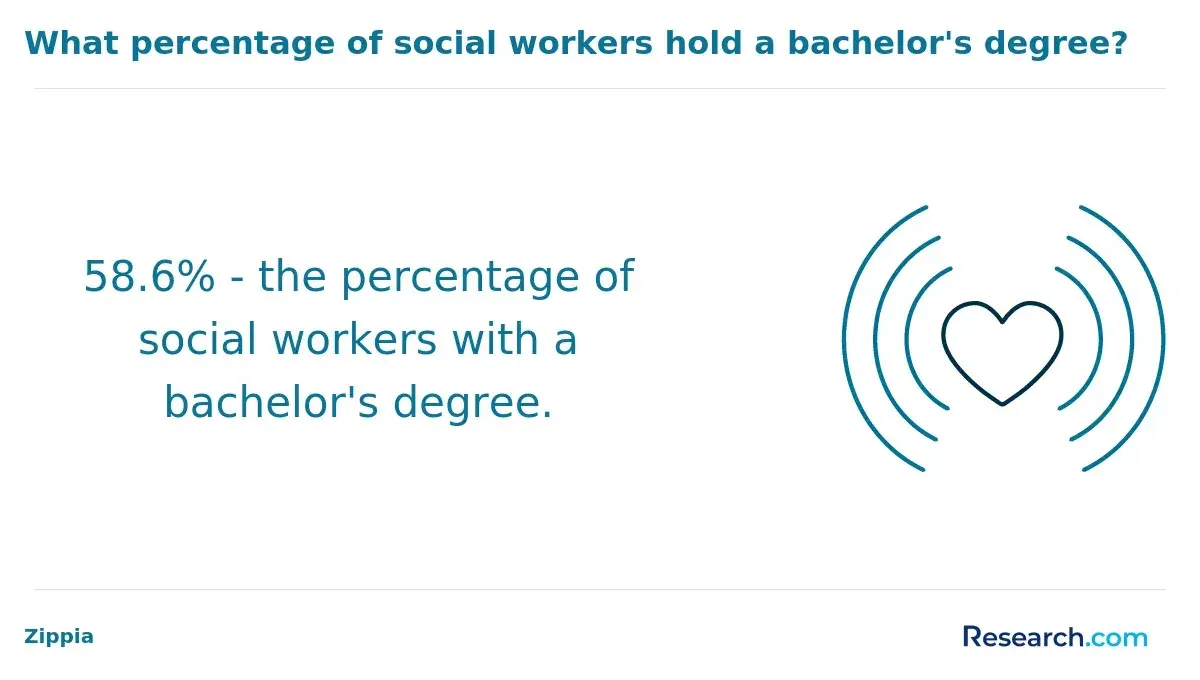
Most social work policy analysis careers require at least an MSW from a Council on Social Work Education (CSWE)-accredited program. The MSW is important because it connects policy knowledge with social work ethics, human behavior, research methods, field education, and practice with communities and organizations.
For entry-level macro practice roles, employers may consider applicants with a Bachelor of Social Work (BSW), public policy, sociology, political science, psychology, or related background. However, an MSW is often the expected credential for policy analyst, program evaluator, legislative affairs, advocacy leadership, and administrative roles.
Relevant MSW coursework usually includes:
- Social welfare policy and policy analysis
- Research methods and program evaluation
- Community organizing and coalition building
- Administrative and organizational leadership
- Legislative advocacy and public budgeting
- Ethics, equity, and social justice in public systems
Field education is just as important as classroom study. Internships or practicums in government agencies, legislative offices, advocacy nonprofits, policy research organizations, or community coalitions help students build practical skills in reading bills, analyzing regulations, drafting briefs, presenting testimony, and working with stakeholders.
Some professionals strengthen their policy expertise through dual degrees. An MSW combined with a Master of Public Policy (MPP), Master of Public Administration (MPA), Juris Doctor (JD), or public health degree can be useful for careers involving law, regulation, government budgeting, health systems, or executive leadership. These options may require more time and cost, so they are most valuable when they clearly match the student’s target role.
Doctoral degrees such as a PhD or DSW are typically pursued by professionals who want advanced research, university teaching, high-level consulting, or senior leadership roles in academic, policy, or federal settings. They are not necessary for every advocacy career, but they can support deeper expertise in research design, theory, ethics, and policy impact.
Cost is a major factor in graduate education. Students comparing affordable routes may want to review the cheapest online masters in social work while also checking CSWE accreditation, field placement quality, and whether the curriculum includes macro practice or policy-focused training.
How do you become a licensed social worker in policy roles?
The path to becoming a licensed social worker in a policy role depends on state rules and the type of work you plan to do. Many policy and advocacy jobs do not require clinical licensure, especially if the position does not involve psychotherapy, diagnosis, or clinical supervision. However, licensure can still strengthen credibility, expand employment options, and qualify professionals for roles that require the protected title of social worker.
A typical pathway includes earning a degree from a CSWE-accredited program. A BSW may support entry-level social service, community outreach, or advocacy roles. An MSW is usually preferred for advanced policy analysis, legislative advocacy, program administration, and leadership positions because it provides graduate-level preparation in research, ethics, policy practice, and systems change.
Licensing requirements vary by state, but candidates commonly need to complete several steps:
- Earn a qualifying BSW or MSW from a CSWE-accredited program.
- Complete required supervised experience, which may include 2,000 to 4,000 hours of supervised fieldwork in areas such as policy, advocacy, community practice, administration, or clinical practice, depending on the license type.
- Pass the appropriate Association of Social Work Boards (ASWB) licensing exam for the state and license level.
- Submit official transcripts, application forms, background checks, fees, and any required documentation of supervision.
Policy-focused candidates should be careful when selecting supervision and field placements. Some licenses require specific types of supervised practice, and not every policy internship will count toward every license category. Before enrolling or accepting a placement, confirm with the state licensing board whether the experience meets requirements for the license you want.
Practical experience is especially valuable for legislative advocacy careers. Internships, fellowships, or staff roles in nonprofit advocacy organizations, government agencies, legislative offices, think tanks, or community coalitions can help candidates learn how policy is drafted, negotiated, funded, implemented, and evaluated.
Some professionals pursue additional certificates in public policy, nonprofit management, program evaluation, grant writing, or legislative advocacy. These credentials do not replace state licensure, but they can demonstrate focused skills for macro practice roles. Students trying to meet educational requirements on a shorter timeline may compare the fastest social work degree options, while still confirming accreditation and licensure eligibility.
What degrees lead to legislative advocacy in social work?
The most direct degree path into legislative advocacy in social work is a BSW followed by an MSW with a concentration or coursework in policy practice, macro social work, community practice, administration, or advocacy. A BSW builds foundational knowledge of social welfare systems and practice ethics, while the MSW prepares students for more advanced policy analysis, leadership, and systems-change work.
Several degree options can lead to advocacy roles, depending on the student’s career goal:
- BSW: Useful for entry-level advocacy, community outreach, case management, and program support roles.
- MSW: Often preferred for legislative advocacy, policy analysis, program management, and macro practice leadership.
- MSW with a macro or policy concentration: Best aligned with students who want to focus on legislation, public systems, community organizing, and institutional change.
- MSW/JD: Useful for professionals interested in law, civil rights, public benefits, legal advocacy, or regulatory work.
- MSW/MPA or MSW/MPP: Helpful for government, nonprofit management, public budgeting, policy research, and administrative leadership.
- Related degrees in public policy, political science, public administration, or law: Can complement social work training, but may not provide the same preparation in social work ethics, field education, and person-in-environment practice.
For legislative advocacy, the degree alone is rarely enough. Employers often look for applicants who have direct experience with policy research, bill tracking, community engagement, coalition strategy, testimony preparation, public budgeting, or administrative rulemaking. Field placements in legislative offices, advocacy organizations, government agencies, and statewide coalitions can be decisive.
Workforce projections from the University of the Pacific Social Work estimate a 14% job growth in California through 2033, driven by mental health and aging population needs. That context matters for advocacy students because policy expertise is increasingly relevant to behavioral health access, long-term care, workforce shortages, and service delivery reform.
Students seeking flexible graduate routes can compare MSW online programs accredited, but should look beyond admission flexibility. The best fit is a program that offers policy-oriented coursework, strong field placement support, CSWE accreditation, and faculty or community partners connected to advocacy work.
What does curriculum cover in social work policy programs?
Social work policy programs teach students how to examine public problems, evaluate existing programs, and advocate for changes that improve social conditions. The curriculum usually combines social work ethics, policy analysis, research, community practice, leadership, and field education.
Core topics often include:
- Social welfare policy history and current policy debates
- Federal, state, and local government structures
- Legislative processes and administrative rulemaking
- Research methods, data interpretation, and program evaluation
- Budgeting, funding streams, and resource allocation
- Policy writing, testimony, public comments, and briefing materials
- Community organizing, coalition development, and stakeholder engagement
- Equity, ethics, human rights, and social justice frameworks
Students also learn practical advocacy skills. These may include drafting policy briefs, reading legislation, preparing testimony, meeting with elected officials, translating research for public audiences, analyzing agency data, and helping communities participate in decisions that affect them. Strong programs teach students to connect evidence with lived experience rather than relying on either one alone.
Policy courses frequently use case studies in health equity, economic policy, housing, education, behavioral health, child welfare, disability services, aging, and criminal justice. These subjects help students understand how laws and budgets shape access to care, service quality, and outcomes for different populations.
The Agents of Change 2025 State of Social Work Report notes a decline in clinician/private practice roles, from 36% in 2024 to 29% in 2025, and a rise in medical/hospital settings to 22%. For policy students, that shift highlights the importance of understanding healthcare systems, reimbursement, workforce policy, hospital-community partnerships, and cross-sector service coordination.
Field education remains central. A strong practicum or internship may place students with government offices, legislative teams, nonprofit advocacy groups, health systems, research centers, or community coalitions. The goal is to practice policy work in real settings, where students must balance ethics, evidence, political feasibility, funding constraints, and community priorities.
What are admission requirements for social work policy programs?
Admission requirements for social work policy programs depend on the school, degree level, and whether the applicant is applying to a traditional or advanced standing pathway. Most MSW programs require a bachelor’s degree from an accredited institution. Applicants with a BSW may qualify for advanced standing if they meet the school’s academic and field education standards.
Common requirements include:
- Official undergraduate transcripts.
- A minimum undergraduate GPA of 3.0 for many programs, though standards vary.
- Letters of recommendation from faculty, supervisors, or professionals who can speak to academic readiness and ethical judgment.
- A personal statement explaining the applicant’s interest in social work, policy analysis, legislative advocacy, and service to communities.
- A resume showing employment, internships, volunteer work, research, community service, or advocacy experience.
- Disclosure of prior professional, academic, criminal, or ethical concerns when required by the program.
Some programs prefer or require relevant experience, often around 500 hours in social work, human services, community organizing, public policy, nonprofit work, or related service settings. Experience in advocacy organizations, government offices, public benefits programs, shelters, schools, healthcare settings, or community coalitions can help applicants show that they understand social systems and the populations affected by policy decisions.
Standardized test requirements vary. Some programs may require the GRE, particularly for applicants without a social work background or with limited academic evidence of graduate readiness. International applicants generally need TOEFL or IELTS scores if required by the institution to demonstrate English proficiency.
Applicants from related fields such as sociology, psychology, political science, public health, public administration, education, criminal justice, or law can be competitive if they clearly connect their experience to social work values and policy goals. Some schools offer conditional admission, bridge coursework, or prerequisite courses for applicants with strong potential but limited social work preparation.
When preparing an application, avoid vague statements about wanting to “help people.” Stronger applications identify a policy area, explain the applicant’s experience with affected communities, and show readiness for graduate-level research, writing, ethics, and field education. Workforce guidance from organizations such as the CSWE, NASW, and ASWB also underscores the value of paid internships and better compensation in preparing students for sustainable social work careers.
Are there online or campus-based social work policy programs?
Yes. Students can find online, campus-based, and hybrid social work programs with coursework or concentrations in policy, macro practice, community organizing, administration, or legislative advocacy. The best format depends on the student’s schedule, location, field placement needs, learning style, and career goals.
Online programs can be a strong option for working professionals, caregivers, rural students, and those who cannot relocate. They may offer asynchronous coursework, live virtual classes, or a mix of both. However, students should ask how the school arranges field placements, whether placements can be policy-focused, and how much support is available in the student’s local area.
Campus-based programs may provide easier access to faculty, research centers, legislative internships, local coalitions, and peer networks. They can be especially useful for students near state capitals, major nonprofit hubs, public health agencies, or policy research organizations. The trade-off is less flexibility and, in some cases, higher relocation or commuting costs.
Common formats include:
- Fully online MSW programs with policy, macro practice, administration, or community practice coursework.
- Hybrid programs that combine online courses with campus intensives, weekend sessions, or in-person skills labs.
- Campus-based MSW programs with legislative placements, policy institutes, or government partnerships.
- Graduate certificate programs in social policy, nonprofit leadership, advocacy, or public administration.
- Dual-degree tracks combining social work with public policy, public administration, public health, or law.
Program content increasingly reflects current policy challenges. For example, emerging topics such as climate justice are appearing in social work policy education. The University of the Pacific Social Work program emphasizes addressing climate change’s impact on community displacement, illustrating how policy training can connect environmental change with housing, migration, public health, and community stability.
Before enrolling, confirm that the program is appropriately accredited, that policy-oriented field placements are available, and that faculty or field partners have experience in the type of advocacy you want to pursue. A flexible format is useful only if it still provides rigorous training, credible supervision, and meaningful professional connections.
What is the job outlook for social work policy analysts?
The job outlook for social work policy analysts is supported by growing attention to mental health, healthcare access, aging services, child welfare, housing, public benefits, and social justice. Employers need professionals who can interpret research, understand community needs, evaluate programs, and translate policy problems into practical recommendations.
Policy analysts and advocates may work in state and local agencies, federal offices, legislative committees, nonprofit advocacy organizations, foundations, professional associations, research centers, healthcare systems, and consulting groups. Opportunities often depend on public funding, election cycles, legislative priorities, grant availability, and the strength of advocacy networks in a region.
Common areas of opportunity include:
- Healthcare reform and behavioral health access
- Child welfare and family services
- Housing stability and homelessness policy
- Aging services and long-term care
- Disability rights and community-based services
- Criminal justice and reentry policy
- Public benefits, poverty policy, and economic security
Clinical credentials can improve prospects for certain policy roles, especially those involving mental health systems, healthcare policy, or program standards. The Licensed Clinical Social Worker (LCSW) credential involves completing 3,000 hours of supervised practice over three years. While not every policy analyst role requires an LCSW, clinical experience can help professionals understand how regulations and funding decisions affect frontline practice.
To become more competitive, candidates should build a portfolio of policy-relevant work. Useful examples include policy briefs, legislative testimony, program evaluations, community needs assessments, grant reports, data dashboards, public comments, or coalition campaign materials. Employers often want evidence that a candidate can write clearly, analyze complex systems, and work with both data and people.
Strong candidates also stay current on federal and state legislative agendas, agency regulations, budget proposals, court decisions, and public program changes. Combining social work ethics with research skills, political awareness, and community accountability can position policy analysts for durable careers across public, nonprofit, and advocacy sectors.
What salary can social workers in advocacy expect?
Social workers in advocacy and policy analysis can generally expect salaries to vary by role, employer, location, funding source, education, experience, and leadership responsibility. Median salaries for social workers involved in advocacy and policy analysis typically range from $55,000 to $85,000 annually. Entry-level positions at nonprofit organizations or government agencies often start near $50,000, while experienced advocates leading coalitions or senior policy analysts may earn over $90,000.
Sector matters. Nonprofit advocacy roles may offer strong mission alignment and direct community impact, but compensation can be constrained by grants and donations. Government roles may provide more stable pay structures and benefits, though hiring can be competitive and tied to civil service systems. Consulting, associations, foundations, and healthcare policy organizations may pay more for specialized expertise, especially in data analysis, regulatory strategy, or executive leadership.
Examples of salary variation include state coalition social workers focused on child welfare usually starting around $60,000, while federal healthcare policy advocates often earn above $80,000. Grant-funded roles may provide salary supplements or bonuses tied to policy impact, although grant funding can also create uncertainty when funding cycles end.
Several factors can raise earning potential:
- Advanced education in social work, public policy, public administration, law, nonprofit management, or program evaluation.
- Experience leading coalitions, campaigns, legislative strategy, or agency-level initiatives.
- Strong writing skills, especially for policy briefs, testimony, grant proposals, and reports.
- Data analysis and evaluation skills that help employers measure policy outcomes.
- Licensure or clinical expertise for roles involving mental health, healthcare, or service standards.
- Relationships with coalitions, public agencies, legislators, and advocacy networks.
Applicants should evaluate total compensation, not salary alone. Benefits, student loan support, remote work options, professional development funding, union coverage, retirement contributions, and job stability can make a lower base salary more competitive. Conversely, a higher salary in a grant-funded or politically appointed role may carry more uncertainty.
How to choose accredited social work policy programs?
The first step is to verify CSWE accreditation. For MSW and BSW programs, accreditation by the Council on Social Work Education is the key signal that the program meets recognized educational standards for social work preparation. It can also affect licensure eligibility, field education quality, transfer options, and access to federal financial aid.
After confirming accreditation, compare programs based on how well they support policy and advocacy goals. A generalist MSW can be valuable, but students who want legislative or policy careers should look for clear evidence of macro practice strength.
Important factors to review include:
- Policy curriculum: Look for courses in policy analysis, advocacy, administration, community organizing, public budgeting, program evaluation, and ethical governance.
- Field placements: Ask whether students can complete internships in legislative offices, government agencies, advocacy nonprofits, research centers, or coalitions.
- Faculty expertise: Prioritize programs with faculty who publish, consult, testify, lead organizations, or practice in policy settings.
- Format: Compare full-time, part-time, online, hybrid, and campus options based on work schedule, location, and field placement access.
- Licensure alignment: Confirm whether the curriculum and field education meet requirements in the state where you plan to practice.
- Career support: Review advising, alumni networks, policy fellowships, job placement help, and connections to public agencies or nonprofits.
- Cost and aid: Compare tuition, fees, travel, technology costs, lost work time, scholarships, assistantships, employer support, and federal aid eligibility.
Students should also ask direct questions about field placement compensation and supervision. The Future Outlook for 2026 Careers National Workforce Initiative by CSWE highlights the importance of addressing gaps in compensation and supervision, which can affect student success and workforce readiness.
A strong accredited program should prepare graduates to evaluate evidence, understand power and policy processes, communicate with decision-makers, and remain accountable to the communities affected by policy choices. The best choice is not simply the cheapest, fastest, or easiest program. It is the accredited program that fits your career target, financial reality, learning needs, and licensure or advancement goals.
Other Things You Should Know About Social Work
Social workers in policy analysis and legislative advocacy need strong communication and critical thinking skills to effectively influence policy decisions. They should be skilled in research and data analysis to support evidence-based recommendations. Additionally, collaboration and networking abilities are essential for building relationships with policymakers and community stakeholders.
Yes, social workers can specialize in areas such as health care, child welfare, mental health, criminal justice, or housing policy. Specializing allows social workers to develop deep expertise and tailor their advocacy efforts to specific populations or issues. This focus can increase their impact within targeted legislative and policy environments.
In 2027, social work careers in policy analysis and legislative advocacy are shaped by digital technology integration, increased emphasis on mental health policies, and a focus on sustainable community development. These trends demand adaptability and continuous learning from professionals in the field.
Social workers in policy analysis are often employed by government agencies, nonprofit organizations, advocacy groups, and think tanks. Some may work directly for elected officials or legislative bodies, while others collaborate with academic institutions or labor unions. These varied environments offer different opportunities to influence social policy and effect systemic change.
References
- Global Standards for Social Work Education and Training https://www.ifsw.org/global-standards-for-social-work-education-and-training/
- Education of Social Work | Encyclopedia MDPI https://encyclopedia.pub/entry/54419
- Social Work Degrees https://socialworklicensemap.com/social-work-degrees/
- Navigating Legislative Advocacy for Vulnerable Populations: Tips for the ASWB Exam https://agentsofchangeprep.com/blog/navigating-legislative-advocacy-for-vulnerable-populations-tips-for-the-aswb-exam/
- Best Online Master's Programs For Social Work 2025 https://www.psychology.org/social-work/best-masters-programs/
- Policy Analyst: Job Description and Salary https://claremontlincoln.edu/news-blog/policy-analyst-job-description-and-salary/
- Online Master of Social Work https://socialwork.pacific.edu/programs/online-msw-programs
- How Social Work Advocacy Impacts Policy Change https://www.tuw.edu/school-news/social-work-advocacy/
- Policy Advocacy: How Social Work Addresses Social Inequalities | Tulane University https://socialwork.tulane.edu/blog/policy-advocacy/
- Master of Social Work https://online.howard.edu/msw/