
2027 Different Types of Healthcare Administration Degrees and Their Salaries

Co-Founder and Chief Data Scientist
Healthcare administration is the management side of healthcare: the work of keeping hospitals, clinics, long-term care facilities, insurance organizations, public health agencies, and related healthcare operations staffed, compliant, financially stable, and patient-centered. For students and working professionals, the key question is not simply whether healthcare administration is a growing field, but which degree level fits the job, salary range, timeline, and cost they can realistically pursue.
This guide explains the main healthcare administration degree options, from associate and bachelor’s programs to master’s and doctoral pathways. It also compares common specializations, program lengths, online credibility, accelerated formats, costs, career outcomes, salary differences, and job-market demand so readers can choose a path that matches their goals rather than overpaying for the wrong credential.
Key Points About Different Types of Healthcare Administration Degrees and Their Salaries
- Individuals with a bachelor's degree in healthcare administration typically earn an average salary of around $70,000 per year, which opens entry-level management positions and provides a solid foundation for career advancement in the healthcare sector.
- Obtaining a master's degree in healthcare administration can increase earning potential significantly, with median salaries often exceeding $90,000 annually, and graduates frequently qualifying for senior leadership roles in hospitals, insurance companies, and government agencies.
- Associate degree holders in healthcare administration usually start in support or technician roles with average pay closer to $40,000 to $50,000 per year, but this degree offers a faster, more affordable pathway into the industry with opportunities for on-the-job growth.
What Are the Different Types of Healthcare Administration Degrees Available?
Healthcare administration degrees are offered at several academic levels, and each level is designed for a different career stage. An associate degree can help students enter administrative support roles, while bachelor’s and master’s programs are more closely tied to management and leadership positions. Doctoral programs are usually reserved for professionals aiming for executive, academic, policy, or research-focused work.
The best degree type depends on where you are starting, how quickly you want to enter the workforce, and how much responsibility you want to pursue in healthcare organizations.
- Associate Degree in Healthcare Administration: This entry-level option introduces healthcare operations, administrative procedures, medical terminology, patient records, basic health systems, and introductory healthcare law. It is most useful for students seeking support roles or a lower-cost starting point before transferring into a bachelor’s program.
- Bachelor's Degree in Healthcare Administration: A bachelor’s degree builds broader management skills in healthcare finance, human resources, ethics, law, information systems, and organizational operations. It is often the minimum degree for supervisory or coordinator roles in hospitals, clinics, physician practices, and related organizations.
- Master of Health Administration (MHA): An MHA is designed for healthcare leadership. Students study healthcare economics, strategic planning, organizational behavior, health policy, data analytics, and operational decision-making. This path is often better suited than a general business degree for students who want to manage healthcare-specific systems and teams.
- Master of Business Administration (MBA) in Healthcare Administration: An MBA with a healthcare administration concentration combines broad business training with healthcare-focused coursework. It is a strong fit for students who want flexibility across business functions such as finance, marketing, strategy, business development, and healthcare policy.
- Master of Public Health (MPH): An MPH focuses less on facility management and more on population health, epidemiology, biostatistics, health promotion, program evaluation, public health law, and public health financing. It can support administrative roles in community health, government, nonprofits, and public health agencies.
- Doctoral Degrees (PhD, DHA, DBA, DrPH): Doctoral pathways serve different goals. A PhD is typically research-focused, a DHA often emphasizes applied healthcare leadership, a DBA may focus on executive business strategy in healthcare settings, and a DrPH is commonly tied to public health leadership and policy. These programs are most appropriate for professionals pursuing high-level expertise, research, consulting, executive leadership, or academic roles.
What Specializations Are Available in Healthcare Administration Degrees?
Specializations help students turn a broad healthcare administration degree into a more focused career pathway. The right concentration can strengthen a resume for specific roles, but students should choose carefully: a narrow specialization may be valuable in one part of healthcare and less transferable in another.
Before selecting a specialization, compare the curriculum with job postings in your target region and setting. Hospitals, outpatient networks, insurance organizations, public health agencies, and long-term care facilities may value different skills.
- Management Operations and Leadership in Healthcare Administration: This specialization prepares students to oversee departments, teams, budgets, workflows, and service quality in settings such as hospitals, clinics, and nursing homes. It is a practical choice for students who want to move into supervisor, operations manager, or administrator roles.
- Health Financial Management in Healthcare Administration: This track focuses on accounting, budgeting, financial analysis, investment planning, payroll, reimbursement, and resource allocation. It is useful for students interested in revenue cycle work, finance departments, budgeting roles, or executive leadership that requires strong financial judgment.
- Health Policy Analysis in Healthcare Administration: Students in this area study how healthcare rules, regulations, and policies are developed, interpreted, and evaluated. Coursework often builds skills in policy writing, statistical analysis, compliance review, and program assessment. It fits students interested in government agencies, advocacy organizations, compliance teams, or policy-focused leadership.
- Health Information Technology in Healthcare Administration: This specialization connects healthcare management with information systems, electronic records, informatics, data security, systems analysis, and regulatory compliance. It is increasingly relevant for administrators who need to manage digital workflows, protect patient data, and use analytics to improve operations.
- Business Administration in Healthcare Administration: This option applies general business concepts to healthcare settings. Students study operations, marketing, organizational behavior, strategy, and management. It can be a flexible choice for those who want healthcare knowledge without limiting themselves to one technical function.
Students who need flexible admission options can compare program formats through resources on open enrollment colleges online, especially if they are balancing work, family obligations, or a return to school after time away.
How Long Does It Take to Complete Each Type of Healthcare Administration Degree?
Program length matters because it affects tuition, opportunity cost, work schedules, and how soon graduates can qualify for new roles. Healthcare administration degrees can take from about two years to six years or more, depending on the level, enrollment status, transfer credits, and whether the program is accelerated.
Students should look beyond the advertised completion time. A program that is “two years” may take longer for part-time students, and an accelerated program may require a workload that is difficult to sustain while working full time.
- Associate Degree in Healthcare Administration: These programs are typically completed in about two years of full-time study. They may take longer for part-time learners or students who need developmental coursework. Online and accelerated options can add flexibility, but students should confirm whether credits will transfer smoothly into a bachelor’s program.
- Bachelor's Degree in Healthcare Administration: A bachelor’s degree usually requires four years of full-time coursework. Students with an associate degree or prior college credits may shorten the timeline. Adult-focused, online, and accelerated formats can be helpful, but they often require careful planning to manage course sequencing and workload.
- Master's Degree in Healthcare Administration: A master’s program is generally completed in two years after earning a bachelor’s degree. Part-time enrollment can extend the timeline to three or more years, while accelerated options may reduce it to about one year. Online delivery is common because many students at this level are already working in healthcare or business roles.
- Doctoral Degree in Healthcare Administration: Doctoral study often takes between three to six years. Completion time depends on program structure, research expectations, dissertation progress, and whether the student is enrolled full time or part time. Working professionals should pay close attention to residency requirements, research milestones, and faculty support.
Breakdown of All Fully Online Title IV Institutions

Are There Accelerated Healthcare Administration Degree Programs?
Yes. Accelerated healthcare administration degree programs are available at many colleges and universities across the U.S. They are designed for students who want to finish faster by taking condensed courses, enrolling year-round, applying transfer credits, or receiving credit for prior learning or professional experience.
Some accelerated bachelor's programs can be completed in as little as 18 months to two years, depending on the student's background. These formats are most realistic for learners who already have college credits, an associate degree, military training, healthcare experience, or the ability to carry a heavier course load.
Online learning often supports acceleration because students may be able to take multiple courses per term or move through competency-based material at a faster pace. For example, programs like Purdue Global's ExcelTrack let students complete unlimited one-credit courses each term for a flat rate, helping reduce time to graduation.
Some universities also offer combined degree pathways. A B.S. to M.H.A. option, for example, may allow students to earn undergraduate and graduate degrees within five years instead of the usual six.
When an accelerated program makes sense
- You already have credits: Transfer credits can reduce the number of courses left to complete.
- You have a clear career target: Acceleration works best when the degree directly supports a near-term promotion, job change, or graduate-school plan.
- You can protect study time: Shorter courses often require weekly discipline and quick turnaround on assignments.
- Your program is properly accredited: Speed should not come at the expense of institutional quality or employer recognition.
Risks to consider before enrolling
The main trade-off is intensity. Condensed courses can be difficult for students balancing full-time work, caregiving, or unpredictable schedules. Eligibility may also be limited. Some programs require prior college credits, an associate degree, relevant work experience, or evidence that the student is ready for rigorous study.
Graduates from these programs often enter leadership roles in health services management, hospital administration, or healthcare consulting, earning competitive salaries ranging roughly from $73,000 to over $100,000 annually. However, salary outcomes still depend on experience, location, employer type, and the role secured after graduation.
- : "A graduate of an accelerated healthcare administration program described the pace as relentless, especially while juggling work and family. He said the online format and the option to take more courses per term gave him flexibility, but the condensed structure forced him to be disciplined and focused. His experience shows the central trade-off: accelerated programs can shorten the path to healthcare leadership, but they require sustained effort and strong time management."
Are Online Healthcare Administration Degrees as Credible as Traditional Ones?
Online healthcare administration degrees can be as credible as campus-based degrees when they are earned from properly accredited, reputable institutions with rigorous curricula. Employers usually care more about the school’s accreditation, program quality, reputation, and the graduate’s experience than whether courses were completed online or in person.
Strong online programs cover the same core areas as traditional programs, including healthcare management, policy, finance, ethics, operations, and health information systems. They may also provide virtual libraries, tutoring, discussion platforms, faculty access, and career support.
Many reputable institutions offer both online and on-campus options, with some-like Vanderbilt and Seton Hall-providing top-ranked online master's degrees alongside their traditional offerings. For working adults, online delivery can make a healthcare administration degree more realistic because it reduces commuting time and may allow students to continue gaining professional experience while studying.
How to judge credibility
- Check institutional accreditation: The college or university should be recognized by an accepted accrediting body.
- Review program-specific recognition: For graduate healthcare administration programs, accreditation such as CAHME can be an important quality signal.
- Compare the curriculum: Online and campus versions should have comparable academic expectations, faculty qualifications, and learning outcomes.
- Ask about experiential learning: Internships, capstones, applied projects, or residencies can help students connect coursework to real healthcare settings.
- Look at student support: Advising, career services, technical support, and faculty responsiveness matter more in online programs because students must manage more independently.
Recent trends show growing employer acceptance of online healthcare administration degrees, especially when the degree comes from a recognized, accredited institution. While some hiring managers may still prefer traditional degrees for certain entry-level roles, that view is becoming less common as more online graduates move into healthcare management positions.
Ultimately, delivery format is only one part of degree value. A low-quality online program can hurt a student’s return on investment, but a well-designed online program from a reputable school can prepare graduates for roles with salaries ranging from about $60,000 for entry-level roles to over $100,000 for experienced medical and health services managers.
How Much Does Each Type of Healthcare Administration Degree Typically Cost?
Healthcare administration degree costs vary widely by degree level, school type, residency status, delivery format, and financial aid. Students should compare total program cost, not just tuition per credit. Fees, books, technology costs, travel for residencies, and lost work hours can change the true price of a degree.
The ranges below provide a practical starting point for budgeting.
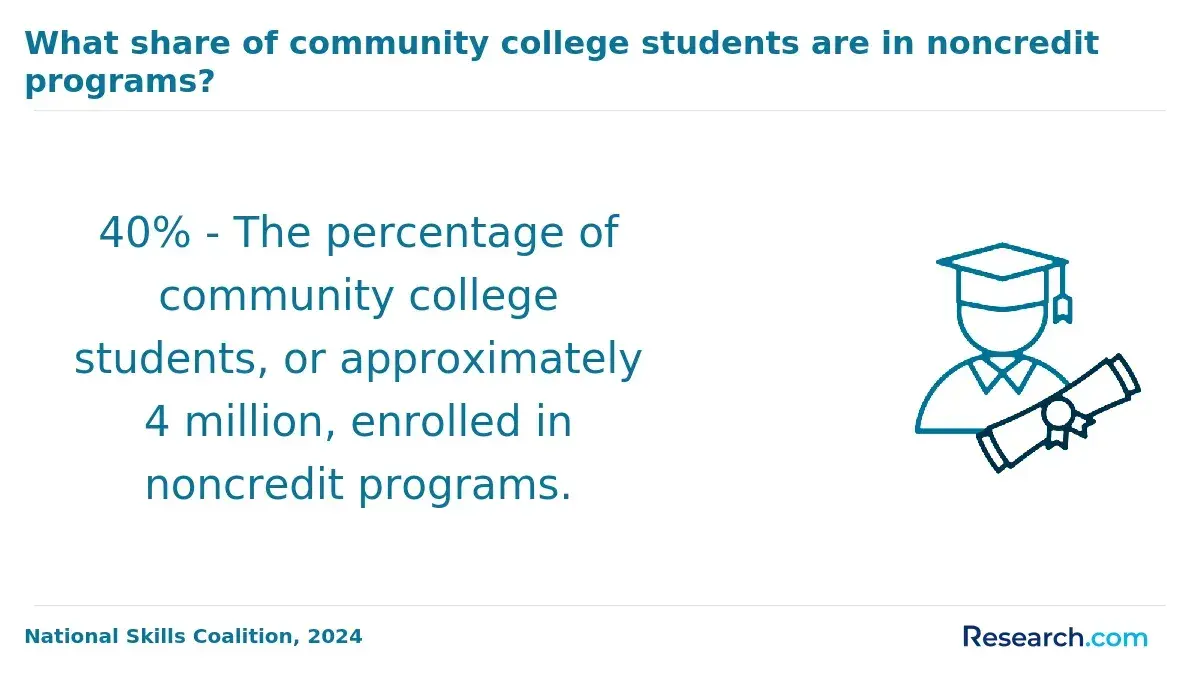
- Associate Degree in Healthcare Administration: Tuition for these two-year programs typically ranges from $5,000 to $20,000. Community colleges are often the most affordable choice, especially for in-district residents. Students planning to continue should confirm transfer agreements before enrolling.
- Bachelor's Degree in Healthcare Administration: Costs vary widely. Public in-state programs average between $30,000 and $40,000 for the full degree, while private universities can exceed $100,000 in total tuition. Transfer credits can significantly affect final cost.
- Master's in Healthcare Administration (MHA): Tuition can range from $10,000 to $75,000 depending on whether the program is public or private and whether students pay in-state or out-of-state rates. Students comparing MHA, MBA, and related programs should weigh cost against career goals and employer expectations.
- Doctorate in Healthcare Administration (DHA or PhD): Doctoral programs are generally the most expensive, averaging about $150,835 at traditional universities. Some online DHA programs offer more affordable alternatives, with tuition between $31,000 and $54,000.
Cost questions to ask before applying
- What is the total program cost? Ask for a full estimate that includes tuition, fees, books, technology charges, and required campus visits.
- Will prior credits transfer? Transfer policies can make a major difference for bachelor’s completion students.
- Is employer tuition assistance available? Healthcare employers may help pay for degrees tied to advancement.
- Are assistantships or scholarships available? Graduate assistantships, grants, and scholarships can reduce borrowing.
- Does the expected role justify the cost? A more expensive degree may make sense for leadership goals, but it should be weighed against realistic salary outcomes.
- : "A healthcare administration graduate said careful financial planning shaped her decision. She chose a hybrid master's program that combined affordable in-state tuition with online flexibility, which allowed her to work part-time while studying. She also secured a graduate assistantship that covered half her tuition. Her experience highlights a key lesson: the right program is not always the cheapest one, but students should actively look for aid, flexibility, and a clear career payoff."
What Jobs Can You Get with Each Type of Healthcare Administration Degree?
Healthcare administration jobs depend heavily on degree level, experience, employer type, and technical skills. An associate degree may qualify graduates for administrative support roles, while bachelor’s and master’s degrees are more likely to lead to management positions. Doctoral degrees are usually tied to executive leadership, consulting, research, or teaching.
Students should also remember that healthcare administration is broad. A hospital operations role, a medical practice management role, a health information position, and a policy role may all require different strengths.
- Associate Degree in Healthcare Administration: Graduates often pursue roles such as medical records technician or health information technician. These positions usually focus on maintaining patient records, supporting office workflows, and helping healthcare teams manage documentation in hospitals, clinics, or physician offices.
- Bachelor's Degree in Healthcare Administration: A bachelor’s degree can prepare students for roles such as health services manager, practice administrator, department supervisor, patient services manager, or administrative coordinator. Responsibilities may include supervising staff, managing schedules, supporting budgets, coordinating patient services, and improving department operations. Students comparing entry-level management pathways may also consider whether a health administration degree fits their budget and career timeline.
- Master's Degree in Healthcare Administration (MHA): An MHA is commonly associated with advanced roles such as hospital administrator, healthcare executive, clinical director, operations director, or healthcare consultant. Students seeking shorter graduate routes may want to compare accelerated master's programs online before choosing a format.
- Doctorate in Healthcare Administration (DHA or PhD): Doctoral graduates may pursue top executive roles such as chief executive officer (CEO) or chief operations officer (COO), as well as academic roles such as professor or researcher. The best fit depends on whether the doctoral program emphasizes applied leadership, research, business strategy, or public health policy.
How Do Salaries Differ by Healthcare Administration Degree Type?
Higher degree levels can improve salary potential because they may qualify graduates for roles with more responsibility. However, a degree alone does not guarantee a salary. Pay also depends on experience, geographic location, employer size, healthcare setting, specialization, and leadership scope.
The salary ranges below should be viewed as planning benchmarks rather than guaranteed outcomes.
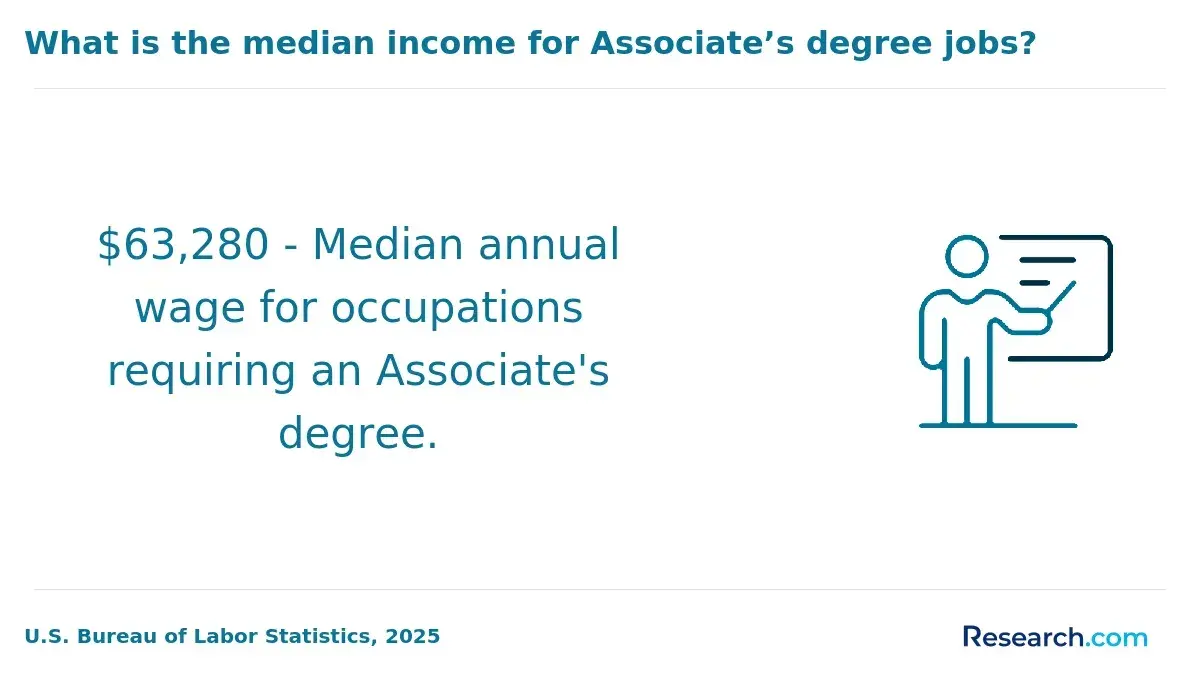
- Associate Degree in Healthcare Administration: Entry-level roles like medical secretary or medical coder typically start between $43,000 and $51,000 annually. These jobs are often support-focused, and advancement into management may require additional education or substantial experience.
- Bachelor's Degree in Healthcare Administration: Graduates with a bachelor's degree can enter mid-level management or supervisory roles, earning an average salary around $66,000 to $73,000. Pay may be higher in larger systems or specialized departments and lower in smaller offices or entry-level administrative roles.
- Master's Degree in Healthcare Administration: A master's degree can open access to senior management positions, with median salaries often ranging from $110,000 to $134,000. Specialized executive roles such as healthcare CIO or regulatory affairs director can offer salaries exceeding $150,000.
- Doctoral Degrees (PhD, DNP, etc.): Doctoral degrees are less common but can support higher earnings in academic, consulting, policy, or executive positions. Salaries in these roles vary widely but often fall between $150,000 and $200,000 or more depending on responsibilities and employer.
Students trying to limit upfront costs while comparing flexible schools may find it useful to review a list of accredited online colleges with no application fee before applying to multiple programs.
Is There High Demand for Healthcare Administration Degree Holders in the Job Market?
Yes. Demand for healthcare administration degree holders is high because healthcare organizations need professionals who can manage growth, staffing, compliance, technology, budgets, and patient-service operations. The strongest opportunities often go to candidates who combine management training with healthcare experience, data literacy, financial awareness, and communication skills.
Employment for medical and health services managers-a core area for healthcare administration graduates-is expected to grow by 23 to 29 percent from 2024 to 2034, substantially outpacing the average for all occupations.
This growth is connected to the aging population and rising rates of chronic illnesses, both of which increase demand for healthcare services. As hospitals, outpatient clinics, insurance firms, nursing homes, and government agencies expand or reorganize services, they need administrators who can coordinate operations, maintain compliance, and support patient care.
Technology is also changing the field. Electronic health records, telemedicine, artificial intelligence, and data analytics are reshaping how healthcare organizations operate. Administrators who understand both healthcare management and digital systems may be better positioned for specialized and leadership roles.
Advanced degrees can matter for upper-level positions. A Master of Healthcare Administration (MHA), for example, can prepare graduates for leadership positions with annual salaries exceeding $117,960, and top executive roles reaching $239,200 or more. Still, degree level is only one factor; employers also weigh experience, results, leadership ability, and organizational fit.
Regional demand varies. Urban medical centers and states experiencing workforce shortages may offer more opportunities for advancement and increased compensation. Entry-level positions such as healthcare administrative assistant and patient services representative can provide a starting point for bachelor's degree holders, while graduate degrees can support movement into advanced leadership roles.
Students weighing whether the field matches their personality and work style may also benefit from career-fit resources such as what is the best jobs for introverts, especially if they prefer analytical, systems-focused, or behind-the-scenes roles within healthcare.
What Factors Should You Consider When Picking a Type of Healthcare Administration Degree?
The right healthcare administration degree is the one that matches your target role, current education level, budget, schedule, and tolerance for risk. A higher degree can create more opportunities, but it also costs more and takes longer. Students should avoid choosing a program only because it sounds prestigious or fast.
Use the following factors to narrow your options.
- Career Goals and Advancement: Match the degree to the job you want. Entry-level and early supervisory roles may be accessible with a bachelor's degree, while leadership positions often require a master's degree such as an MHA or MBA. Doctoral degrees are more appropriate for executive, academic, policy, consulting, or research-oriented careers.
- Salary Potential: Higher degrees generally offer higher earning potential, but salary outcomes are not automatic. Bachelor's degree holders typically earn between $60,000 and $80,000, master's degree holders can make $90,000 to $120,000, and doctoral degree holders often command even higher salaries, especially in top-level roles.
- Time Commitment: Consider how long you can realistically study. Bachelor's degrees usually take four years, master's degrees 16-24 months, and doctorates 3-5 years or more. Part-time, online, and accelerated formats can change the timeline, but they also affect workload and pacing.
- Curriculum Focus: Review the actual courses, not just the degree title. MHA programs typically focus on healthcare systems management and leadership, while MPH programs emphasize community health and policy. MBA programs may offer broader business training with healthcare applications.
- Accreditation and Reputation: Choose programs accredited by recognized bodies, such as CAHME, when relevant to your degree level and career goals. Accreditation can signal academic quality and may affect employer confidence, graduate-school eligibility, and leadership opportunities.
- Flexibility and Delivery Format: Decide whether you need part-time, online, hybrid, or accelerated study. Flexible formats can help working adults continue earning income, but students should confirm that support services, faculty access, and experiential requirements are strong.
- Total Cost and Return on Investment: Compare tuition, fees, aid, transfer credits, employer reimbursement, and likely career outcomes. A lower-cost program may be better for early-career students, while a more expensive graduate program may be reasonable if it clearly supports advancement.
- Experience Requirements: Some advanced roles require more than a degree. Internships, healthcare work experience, capstone projects, and leadership exposure can make graduates more competitive.
What Healthcare Administration Graduates Say About Their Degree and Salary
- Emilio: "Completing my bachelor's degree in healthcare administration opened doors I never imagined possible so early in my career. The program emphasized real-world applications, and that hands-on experience gave me the confidence to step directly into a leadership role at a local hospital. I've grown professionally and personally, learning to make critical decisions that improve patient services every day. This degree truly provided stability and a clear path to advancement within a rapidly evolving industry."
- Frances: "After finishing my master's in healthcare administration, I felt equipped not only with advanced knowledge but also with a deeper understanding of how to serve underserved communities. The curriculum challenged me to think beyond business and numbers, focusing on healthcare equity and policy impact. This perspective has driven my passion for creating programs that enhance accessibility for vulnerable populations, allowing me to contribute meaningfully to public health. It's been a rewarding journey of both professional development and personal fulfillment."
- Gertrude: "Graduating with a doctorate in healthcare administration was a transformative experience that elevated my career in health system management. The rigorous research and leadership training prepared me to navigate complex organizational challenges and to innovate for improved efficiency and patient satisfaction. I appreciate the unique opportunity this degree offers to influence healthcare on a systemic level while mentoring the next generation of administrators. It's been a powerful platform for long-term impact and lifelong learning."
Other Things You Should Know About Healthcare Administration Degree Programs & Salaries
In 2027, Healthcare Administration professionals typically earn higher salaries in hospital settings compared to other healthcare facilities. This discrepancy is often due to the complex nature and larger scale of hospital operations, which demand advanced management skills and experience, thereby justifying higher compensation.
Yes, bachelor's degree holders in healthcare administration generally earn less than those with master's degrees. On average, bachelor's degree recipients make around $60,000 to $70,000, while master's graduates typically earn $85,000 to $100,000.
The advanced degree qualifies professionals for higher-level roles and greater compensation.
In 2027, healthcare administrators generally earn more in hospitals compared to clinics. The complex demands and larger scale of operations in hospitals contribute to this salary difference, as they often require more extensive skills and managerial expertise.
References
- Online Healthcare Administration Degree – Self-Paced, Affordable https://exsci.cuchicago.edu/healthcare-administration/degrees/bachelors/
- Health Care Administration Jobs: A Growing Career Path in High Demand https://www.columbiasouthern.edu/blog/blog-articles/2025/october/health-care-administration-jobs/
- How to Choose the Best Healthcare Administration Program for Your Career Goals - Northeastern University Bachelors Completion https://bachelors-completion.northeastern.edu/knowledge-hub/choosing-best-healthcare-administration-program/
- 10 careers you can pursue with a Healthcare Administration Degree - SMWC https://www.smwc.edu/10-careers-you-can-pursue-with-a-healthcare-administration-degree-blog-december-22/
- Do Online Nursing Degrees Hold the Same Weight as Traditional Degrees? https://www.herzing.edu/blog/do-online-nursing-degrees-hold-same-weight-traditional-degrees
- Healthcare Administration AAS | AAS Completion Program http://slchc.edu/academics/programs/associates/healthcare-administration/
- Health Care Administration Salary: Your 2025 Earning Guide https://www.coursera.org/articles/healthcare-administration-salary
- Healthcare Administration MHA https://gpem.luc.edu/portal/abm
- Online Specialization in Healthcare Management | Colorado State University Global https://csuglobal.edu/academic-programs/undergraduate-specializations/undergraduate-specialization-healthcare-management


