2027 Is a Health Sciences Master's Degree Worth It? ROI, Salary & Career Impact

Co-Founder and Chief Data Scientist
Many prospective students struggle to determine if a health sciences master's degree justifies its cost and effort. The Bureau of Labor Statistics reports a 13% job growth for healthcare occupations through 2032, yet median salaries vary widely by specialization. Graduates often face uncertainty about return on investment, balancing tuition debt against career advancement and earning potential.
This article analyzes salary data, enrollment trends, and employer expectations to clarify these concerns. It offers a thorough assessment of costs, financial aid, and alternatives. Readers gain a practical framework to decide whether a health sciences master's degree suits their finances, goals, and long-term career prospects.
Key Things to Know About the Value of Health Sciences Master's Degree
- Admission typically requires a bachelor's degree and relevant experience; programs often combine core coursework with practical training, offering full-time, part-time, and online options to suit diverse schedules.
- Salaries for graduates vary by role and region but often start between $60,000 and $80,000 annually, with advanced positions reaching above $100,000, reflecting strong market demand.
- Long-term ROI depends on program cost, flexibility, and reputation; graduates benefit from clear career advancement, making it essential to compare financial aid and potential salary growth before enrolling.
How Much Does a Health Sciences Master's Degree Cost?
The tuition costs for a health sciences master's degree vary widely, influencing the total investment prospective students must consider. Demand for health sciences professionals is strong, with a projected employment increase of 16% from 2021 to 2031 according to the U.S. Bureau of Labor Statistics, making it essential to understand typical program expenses. Below is a clear breakdown of average tuition fees and additional costs to help benchmark spending.
- Public In-State Tuition: These rates generally range between $8,000 and $20,000 per year, offering a more affordable option for residents. However, mandatory institutional fees and ancillary costs should also be factored into the budget.
- Public Out-of-State Tuition: Significantly higher, out-of-state tuition can cost anywhere from $15,000 to $35,000 annually, which impacts the overall expense for non-resident students.
- Private Institution Tuition: Private master's programs typically charge between $25,000 and $50,000 per year. These programs may provide specialized tracks or greater scheduling flexibility but at a premium price.
- Online Program Costs: Online options vary broadly, from about $10,000 up to $40,000 for the full program. These can reduce costs such as commuting and housing but might include technology or administrative fees.
- Ancillary Costs: Textbooks often cost $1,000 to $2,000 annually. Additional fees for technology, labs, and administration usually add several hundred dollars, while housing and living expenses fluctuate with location and can exceed $10,000 yearly.
- Program Length and Format: Programs last between 1.5 and 3 years, with accelerated or part-time online schedules affecting the timing of tuition payments and overall living costs.
- Total Investment Range: When considering all tuition, fees, and living expenses, students should expect to invest between $30,000 and $120,000 in earning a health sciences master's degree, dependent on residency status, institution type, and delivery format.
Students planning their path may also explore complementary learning opportunities such as a medical assistant training program to enhance their practical skills alongside their graduate education.
What Financial Aid and Scholarships Are Available for Health Sciences Master's Students?
Financing a master's degree in health sciences can be a significant factor in deciding whether to pursue graduate education, especially since about 56% of graduate students use some form of financial aid. Navigating the various financial aid options for health sciences master's students involves understanding the types of loans, grants, and scholarships available. Here are key categories to consider:
- Federal Graduate Loans: These include subsidized loans, where the government pays interest during study, and unsubsidized loans that start accruing interest immediately. Graduate students may borrow up to $20,500 per year, with repayment typically beginning six months after graduation or when enrollment falls below half-time.
- Institutional Grants and Fellowships: Many universities provide merit-based or need-based awards for health sciences graduate programs that can reduce tuition costs. Maintaining a required GPA is often necessary to keep these grants or fellowships.
- Professional Association Scholarships: Associations such as the American Public Health Association offer scholarships targeting health sciences students. Eligibility generally requires membership and commitment to the field.
- External Foundations and Nonprofits: Organizations like the Robert Wood Johnson Foundation award scholarships aimed at healthcare leadership and innovation. Applicants typically submit essays and demonstrate alignment with the foundation's goals.
- Searching and Applying Strategically: Using specialized scholarship databases and school financial aid offices is essential. Strong applications include early recommendation letters, clear career goals, and relevant volunteer or work experience.
For those exploring options and wondering about what is the easiest nursing school to get into, researching financial aid opportunities early can shape your educational affordability and success.
What Is the Average Salary for Health Sciences Master's Degree Holders?
For those considering advanced studies in health sciences, salary expectations play a significant role in assessing the value of a master's degree. Earnings vary notably by experience, sector, and location, influencing the overall return on investment. Key points to consider include:
- Salary by Experience Level: Entry-level professionals with a health sciences master's generally earn between $55,000 and $70,000 annually, according to Glassdoor. With five to ten years of experience, salaries tend to increase to $75,000-$95,000, while senior roles can surpass $100,000 depending on the specialization and responsibilities involved.
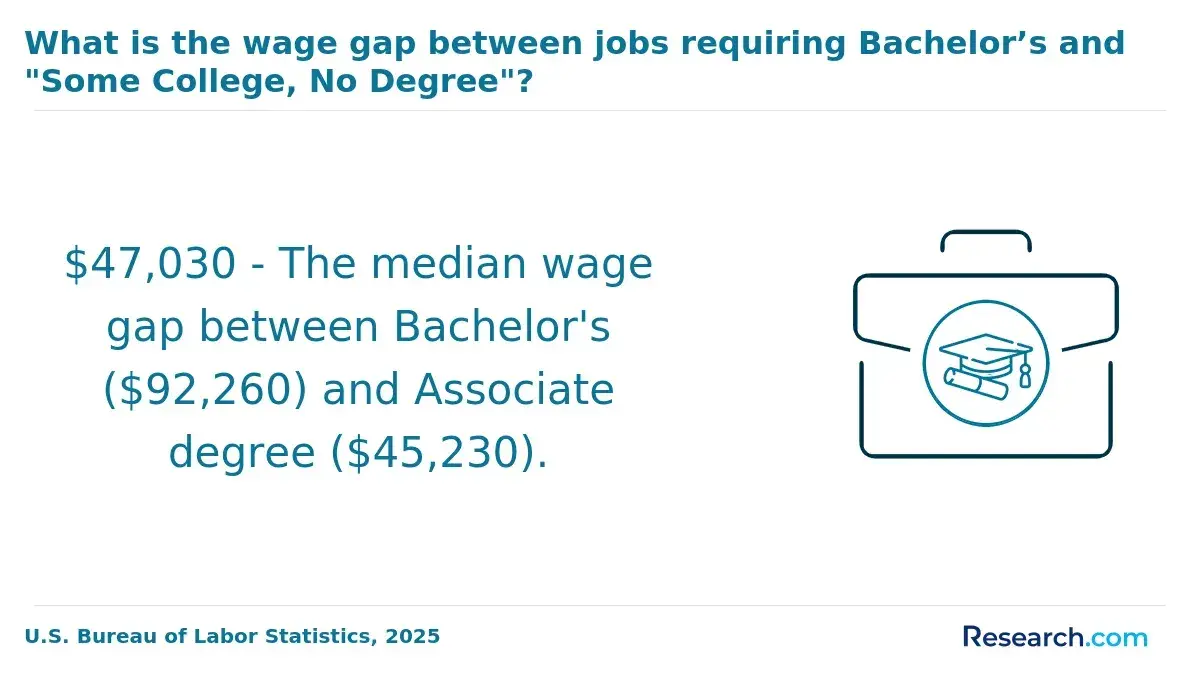
- Wage Premium Compared to Bachelor's Graduates: Data from the U.S. Bureau of Labor Statistics show a typical salary increase of 15%-25% for those holding a master's degree versus a bachelor's in similar positions, reflecting advanced skills and leadership qualifications.
- Sector Impact: Compensation is generally higher in private healthcare and pharmaceutical companies, often 10%-20% above public or nonprofit organizations, driven largely by market competition and profit motives.
- Geographic Variations: Earnings differ by region, with metropolitan areas, especially in the Northeast and West Coast, offering higher pay tied to cost of living and demand. Conversely, rural and lower-cost regions present comparatively modest salary ranges.
After discussing these points, a graduate of a health sciences master's shared that balancing work, family, and studies was challenging but rewarding. The program's flexible scheduling helped manage demands, while practical coursework directly improved job performance, opening doors to leadership roles. Reflecting on the investment, the graduate remarked, "Completing the degree felt like a turning point. It wasn't just about the salary increase but gaining confidence and credibility in my field."
How Does a Health Sciences Master's Degree Impact Long-Term Career Advancement?
For prospective students evaluating the long-term professional growth with a health sciences master's degree, it is important to consider impacts beyond the initial salary bump. This advanced credential shapes career trajectories in ways that influence promotion potential, leadership access, and industry standing. The following points outline key qualitative and quantitative benefits associated with earning this degree.
- Increased Promotion Rates: Graduates with a health sciences master's typically see higher promotion rates compared to those holding only a bachelor's degree. This is because employers often interpret the degree as proof of both expertise and commitment, positioning candidates favorably for advancement.
- Leadership and Senior Roles: Holding a health sciences master's can be a prerequisite or give a competitive edge for leadership positions in healthcare organizations, research institutes, and policy-making bodies. Master's degree holders more frequently gain roles that involve strategic decision-making and oversight.
- Enhanced Professional Credibility: The degree elevates professional standing within the healthcare community, increasing opportunities for collaboration, consulting, and participation in influential projects.
- Expanded Networking Opportunities: Graduate programs connect students with diverse professional networks including faculty, alumni, and industry partners, which often open doors to new career paths and collaborations.
- Employer Hiring Preferences: Employers commonly prefer candidates with advanced degrees, especially for specialized or critical roles in healthcare delivery, administration, and research, improving job security and marketability.
- Industry Variability: In fields like clinical research and healthcare administration, a master's degree is often essential, while in other areas it offers a competitive advantage but may not be mandatory. Understanding these distinctions is important for tailored career planning.
- Foundation for Continuing Education: The master's degree serves as a stepping stone toward doctoral studies or professional certifications, which further deepen expertise and expand career opportunities. Prospective students exploring advanced degrees might also want to review options such as the cheapest online BSN to DNP programs to continue their education.
What Is the Return on Investment (ROI) of a Health Sciences Master's Degree?
This section offers a clear view of what prospective students might expect regarding the career benefits of pursuing a health sciences master's degree. Below are key factors that shape the return on investment (ROI) for this advanced education.
- Total Program Cost: This encompasses tuition, fees, textbooks, and ancillary expenses. Costs vary widely, with private institutions often charging more than public universities.
- Lifetime Salary Premium: Graduates typically achieve higher earnings than bachelor's degree holders, with salary increases ranging from 10% to 30% depending on specialization and geography.
- Payback Period: On average, it takes between 3 and 7 years to offset the costs of the degree, factoring in the increased income earned after graduation and wages forfeited while studying.
- Best-Case Scenario: Graduates entering specialized roles such as healthcare administration or clinical research, especially from more affordable public schools, often see quicker and larger financial returns.
- Worst-Case Scenario: Students who attend costly private programs without strong job placement or those pursuing lower-paying sectors may experience extended payback periods and weaker ROI.
- Opportunity Cost Consideration: Foregone income during full-time study is a vital component. Utilizing online ROI calculators helps incorporate these indirect costs alongside direct educational expenses for a more accurate evaluation.
A graduate I spoke with described feeling uncertain about the financial commitment initially but noted the program's flexible online options and strong alumni network eased the process significantly. "Balancing studies with part-time work helped minimize income loss," they shared.
They highlighted that access to career services and real-world project experiences made securing a position after graduation smoother than expected, which ultimately enhanced their confidence in the degree's value. The blend of practical skills and networking turned what felt like a risky investment into a purposeful career step.
What Are the Admission Requirements for a Health Sciences Master's Program?
Admission to a master's program in health sciences often depends on several core criteria that demonstrate an applicant's academic ability and readiness for advanced study. Different programs weigh these factors according to their selectivity and focus, with more competitive institutions maintaining stricter standards. Below are key components that admissions committees carefully review during the evaluation process.
- Undergraduate GPA Expectations: A baseline GPA of around 3.0 on a 4.0 scale is common, while highly ranked programs typically seek applicants with GPAs above 3.5. This criterion reflects an applicant's consistent academic performance and potential for graduate-level work.
- Standardized Testing Requirements: The GRE remains a prominent part of many applications, though some programs have made it optional or eliminated it entirely in recent years. The GMAT may also be requested for candidates targeting programs with a management or administration emphasis.
- Prerequisite Coursework: Completion of foundational courses in biological sciences, statistics, or related subjects is generally required. Essential classes often include anatomy, physiology, or research methodology to ensure students possess the necessary scientific background.
- Statement of Purpose: This essay allows candidates to articulate their motivations, career ambitions, and alignment with program goals. A clearly written statement that links personal objectives with institutional strengths enhances an applicant's profile significantly.
- Letters of Recommendation: Applicants typically submit two to three references from professors or employers who can vouch for their qualifications, character, and graduate potential. Meaningful endorsements help distinguish competitive candidates in a crowded field.
- Relevant Professional or Research Experience: Demonstrated involvement in healthcare, public health, or research roles adds valuable context to an application. Such experience signals practical skills and sustained commitment, which are especially important in selective programs.
What Is the Minimum GPA Requirement for a Health Sciences Master's Program?
The minimum GPA required to enter a health sciences master's degree program generally falls between 3.0 and 3.5 on a 4.0 scale, but this varies depending on the institution's ranking and program selectivity. Competitive programs, especially those at research-focused universities or with national recognition, tend to expect grades toward the higher end of this range.
Less selective or newer programs may accept students with GPAs nearer to 2.75 or 3.0, often placing more weight on an applicant's potential beyond academic metrics.
For applicants concerned about GPA thresholds, several factors and strategies can improve chances of acceptance. Below are key considerations to help applicants with varying academic backgrounds:
- Flexibility in GPA Standards: Some programs emphasize other admissions criteria such as relevant professional healthcare experience or a persuasive personal statement. This holistic review can allow for some leniency in minimum GPA requirements.
- Boosting the Application with GRE Scores: Strong GRE results may help offset a slightly lower GPA by demonstrating academic readiness and aptitude for graduate-level work in health sciences.
- Conditional Admission and Probationary Enrollment: Certain institutions offer provisional acceptance to candidates meeting baseline standards, with the expectation that they improve academic performance during initial semesters.
- Work Experience as a Strength: Applicants with substantial healthcare, research, or administrative experience can showcase these strengths to compensate for less competitive GPA figures.
- Strategies for Applicants with Low GPAs: Additional coursework, robust letters of recommendation, and a compelling narrative in the statement of purpose are essential steps to bolster applications for students serious about admission.
For those exploring financially feasible options, reviewing online MHA programs affordable can provide valuable insight into cost-effective pathways within health sciences education.
Is an Online Health Sciences Master's Degree as Valuable as an In-Person Degree?
Prospective students in Health Sciences need to understand how perceptions of online master's degrees have shifted, especially after the COVID-19 pandemic made remote learning commonplace. This evolution affects how employers value these credentials and what students can expect from different learning formats. Below are important considerations regarding employer views, program quality, and student experience.
- Employer Perceptions Have Shifted: Accredited online degrees are now broadly accepted as comparable to in-person ones, reflecting changes in workplace norms and education models triggered by the pandemic. Employers increasingly trust reputable online programs.
- Accreditation Remains Key: The most critical factor employers assess is program accreditation, which confirms academic standards and reliability beyond delivery format. Nonaccredited degrees still face significant skepticism regardless of how they're offered.
- Rigor and Curriculum Are Equivalent: Online master's programs accredited by recognized bodies maintain rigorous curricula and assessments on par with traditional programs. Many incorporate interactive technologies to engage students fully and ensure academic depth.
- Networking Opportunities Differ: Face-to-face interactions in on-campus settings often lead to richer networking through informal activities and events. Online students must actively participate in virtual communities and professional groups to build connections.
- Career Services Vary: Both formats offer career support, though in-person students may access on-site recruiters and alumni events more easily. Some online programs have improved virtual services to provide similar job placement assistance.
- When Online Makes Sense: Flexibility for working adults, international candidates, or those with location challenges makes online degrees a practical option without sacrificing quality.
- The In-Person Advantage: Students seeking hands-on learning, lab experience, or direct faculty interaction may benefit more from campus-based programs. Certain fields still favor practical, in-person training for clinical or research careers.
What Jobs Can You Get With a Health Sciences Master's Degree?
Recognizing which careers most value a master's degree in health sciences helps prospective students target roles that either mandate this credential or where it boosts employability. These distinctions clarify how the degree fits into various sectors and the additional requirements that may influence hiring decisions. Below is a breakdown of prominent job titles, industry settings, and certifications relevant to graduates.
- Healthcare Administrator: Typically requiring a master's degree as a baseline, healthcare administrators oversee operations in hospitals and clinics. Salaries usually range from $90,000 to $120,000, with greater earnings in major metropolitan areas. Credentials like Certified Medical Manager can further enhance job prospects.
- Public Health Director: This leadership position demands a master's degree and involves managing community health initiatives and policy implementation. Compensation often exceeds $100,000, and state licensure or certifications such as Certified in Public Health (CPH) are frequently necessary.
- Biostatistician: Predominantly employed by research organizations and pharmaceutical firms, biostatisticians apply statistical analysis to health data. A master's degree is typically required. Salary ranges from $80,000 to $115,000 depending on experience and location.
- Health Informatics Specialist: Bridging information technology and health sciences, this emerging role focuses on optimizing healthcare delivery through data systems. Although a master's degree is not always mandatory, it provides a competitive edge. Pay averages around $90,000, with job growth driven by digital healthcare trends.
- Clinical Research Manager: Often requiring a master's and certifications like Certified Clinical Research Professional (CCRP), these managers coordinate clinical trials and research teams. Salaries generally fall between $95,000 and $130,000 annually.
- Occupational Health and Safety Specialist: Ensuring compliance with workplace health regulations, this role may value but not always require a master's degree. Typical earnings are between $70,000 and $95,000, and certifications such as Certified Safety Professional (CSP) can improve advancement opportunities.
How Do Employers and Industries Value a Health Sciences Master's Degree?
Employers across different sectors value a health sciences master's degree in diverse ways, impacting hiring and promotion prospects. Grasping these perceptions is key to aligning your education with industry demand for health sciences master's graduates and maximizing your career opportunities.
- Large Corporations: These organizations typically regard a master's in health sciences as a significant asset for management, research, and policy roles. Health and pharmaceutical firms often treat it as a standard qualification for mid-level or specialized positions that require interdisciplinary skills and practical knowledge.
- Government Agencies: Agencies in public health and federal roles emphasize evidence-based practice and regulatory expertise, often preferring candidates with this degree for program management and policy implementation. Advanced degrees can also be important for career advancement within these institutions.
- Startups and Small Businesses: While these employers sometimes prioritize hands-on experience over formal degrees, a health sciences master's can highlight a candidate's dedication and technical expertise, especially for roles related to regulatory compliance or product development.
- Nonprofits: Community health and advocacy groups frequently require this credential for effective program coordination and grant management, valuing graduates for their ability to address social determinants of health and funding complexities.
- Disciplinary Variation: In fields such as epidemiology or health administration, the master's degree often serves as the terminal professional qualification. However, in clinical research or healthcare consulting, employers may prefer doctoral degrees or MBAs for leadership and highly specialized roles.
- Communicating Degree Value: Applicants should emphasize practical skills, leadership, and evidence-based decision-making gained during their studies. Demonstrating how your master's translates into impactful project outcomes can strengthen your position during interviews and applications.
Prospective students can explore options to balance cost and flexibility through programs like best online self paced colleges, supporting informed investment decisions. Understanding employer perception of health sciences master's degree value alongside industry demand for health sciences master's graduates aids in evaluating the degree's professional benefits.
Is a Health Sciences Master's Degree Worth It?
For prospective students considering a master's degree in health sciences, understanding how different employers value this qualification is vital. Perceptions vary widely across sectors and specialties, influencing hiring and advancement opportunities.
- Employer Type Variation: Large corporations and government bodies commonly regard a health sciences master's as key for eligibility in mid- to senior-level roles, often linking it to promotion criteria. Conversely, startups frequently emphasize hands-on experience over formal degrees, while nonprofits typically appreciate the credential for specialized positions in program oversight and policy formulation.
- Industry Survey Findings: Employer research shows that over 60% of healthcare-related hiring managers consider a health sciences master's essential or highly beneficial for advanced roles, particularly within public health and health administration sectors.
- Disciplinary Differences: In fields like public health and health informatics, the master's is often the highest professional degree expected. However, in areas such as clinical research or healthcare management, employers may prefer candidates holding doctorates or MBAs for leadership positions.
- Communicating Degree Value: Candidates boost their appeal by emphasizing the degree's combination of research, practical application, and leadership development. Illustrating how academic work aligns with an employer's needs and highlighting relevant internships or projects can increase perceived value during hiring processes.
What Graduates Say About Their Health Sciences Master's Degree
- Jonathan: "Applying for admission to the health sciences master's program was initially daunting, but the clear guidance from the academic catalog made the entire process manageable and straightforward. As I explored career options, I found that industries valuing evidence-based practice actively sought graduates with this degree. The combination of reliable federal education resources and my dedicated faculty helped me successfully navigate program requirements and emerge confident in my professional path."
- Angeline: "Reflecting on my journey through the health sciences master's program, I realize how crucial it was to use accrediting agencies' updates to stay current with curriculum changes. Job hunting post-graduation opened doors in diverse sectors, which reassured me that the degree's versatility was a true asset. I'm grateful for the institutional support during admissions, which eased my transition from undergraduate studies to advanced academic and practical skills."
- Samantha: "My experience applying to the health sciences master's program was marked by thorough research and careful review of official academic materials, which helped me understand the stringent degree requirements. Venturing into the job market after graduation, I was pleased to see a strong demand for graduates in community health and research roles. The program's alignment with federal education standards not only ensured academic rigor but also prepared me to meet professional expectations confidently."
Other Things You Should Know About Health Sciences Degrees
In 2027, a Health Sciences master's degree is expected to offer enhanced career prospects such as leadership roles in healthcare, higher earning potential, and more job opportunities in research, healthcare administration, and education. Additionally, graduates may benefit from a growing emphasis on public health and the aging population's healthcare needs.
A health sciences master's degree provides in-depth theoretical knowledge, research skills, and leadership training that professional certifications typically do not offer. Certifications tend to be more focused on specific technical skills or regulatory knowledge and require less time and financial investment. While certifications may enhance practical competencies and licensure requirements, a master's degree usually leads to broader career opportunities and higher earning potential in health administration, policy, or research roles.
The primary challenges include the financial cost and the time commitment required to complete the degree, which may range from one to three years. Graduates might face a competitive job market in certain regions or specialties, and some programs may be less recognized by employers. Additionally, balancing clinical placements or internships with coursework can be demanding. It is important to assess program quality and post-graduation employment support to mitigate these risks.
References
- Guide to a Health Science Degree | Caduceus https://cipcourses.com/blog/guide-to-a-health-science-degree/
- Top 90 Healthcare Scholarships to Apply for in December 2025 https://bold.org/scholarships/by-major/healthcare-scholarships/
- Education https://www.ohsu.edu/education/financial-aid-and-scholarship-information
- Benefits of a Health Science Career | Earn a BS in Health Science https://www.tuw.edu/school-news/health-science-career-benefits/
- Everything You Need to Know About the Master of Health Science (MHS) Degree https://nurse.org/healthcare/master-health-science-degree/
- Biomedical Scientist Interview Questions | NHS Bands 4-8 | PathologyLabTraining https://biomedinterviewprep.co.uk/biomedical-sciences/graduate-salary
- Tuition and Fees - VIZJA University in Warsaw https://vizja.pl/en/cennik/
- How to Apply - Master of Science in Health Sciences https://cabarruscollege.edu/academic-programs/allied-health-programs/master-of-science-in-health-sciences/how-to-apply
- Financial Aid and Scholarships https://www.nuhs.edu/admissions/international-students/financial-aid-and-scholarships/
- Master of Science in Health Sciences https://www.su.edu/admissions/graduate-students/public-health-application-information/master-of-science-in-health-sciences/