
2027 Health Sciences Degree vs. Certificate: Which Should You Choose?

Co-Founder and Chief Data Scientist
Today's students and professionals face important decisions when choosing between earning a degree or a certificate in health sciences. Both paths can enhance career opportunities, yet they vary in duration, cost, and depth of study. Degrees often provide a comprehensive foundation, while certificates focus on specific skills or specialties.
In health sciences, about 70% of employers prefer candidates with degrees, though certificates can speed entry into the workforce. Choosing the right option depends on your career goals and lifestyle. This article compares key differences to help guide your decision-making process.
Key Points About Health Sciences Degree vs. Certificate Programs
- Degree programs offer comprehensive knowledge and research skills, typically leading to higher salary potential-with median annual wages around 20-30% above certificate holders in health sciences roles.
- Certificate programs focus on specific technical skills, allowing faster entry into the workforce but often with limited advancement opportunities compared to degrees.
- Degrees support long-term professional growth through broader coursework and networking prospects, while certificates suit professionals seeking targeted skill enhancement or career shifts.
What Are the Differences Between Health Sciences Degree and Certificate Programs?
Both health sciences degrees and certificate programs offer pathways to meaningful careers, but they differ across several important factors. Knowing these distinctions can help students decide which option aligns best with their professional ambitions and available time for education.
Below are key differences between health sciences degrees and certificates to consider:
- Duration and Commitment: Degree programs typically require a longer time commitment, involving comprehensive coursework over multiple years. Certificates usually focus on specific skills or knowledge areas and can be completed more quickly, appealing to those seeking faster entry or skill enhancement.
- Depth of Learning: Degrees provide a broad, in-depth understanding of health sciences concepts and theories, suited for learners aiming to build a strong foundation. Certificate programs concentrate on practical, targeted training ideal for professionals looking to upskill or specialize.
- Career Advancement: A degree may open doors to a wider range of roles and higher-level positions due to its thorough curriculum, benefiting those planning long-term career growth. Certificates can enhance credentials for specific jobs but are often supplemental rather than standalone qualifications.
- Flexibility: Certificate programs often offer more flexible scheduling options, which suits working adults or those balancing other responsibilities. Degree programs usually follow a more structured timetable requiring consistent commitment.
How Long Does It Take to Complete a Health Sciences Degree vs. a Certificate Program?
Completion time is one of the most important factors for students deciding between a health sciences degree vs. certificate program. Understanding typical durations and what influences them can help students choose the best educational path for their career goals.
- Typical Duration: Health sciences degree program duration generally spans about two years for associate degrees and four years for bachelor's degrees when attending full-time. In contrast, how long to complete a health sciences certificate is usually much shorter, with many certificate programs designed to be done in just weeks to several months.
- Flexibility: Certificate programs often offer more scheduling flexibility, including part-time and online options, to accommodate working professionals. Degree programs can be more rigid in pacing, but part-time enrollment is available, though it extends total time to completion.
- Factors Affecting Timeline: Several elements impact completion time for both options, such as whether the student studies full-time or part-time, availability of transfer credits, prior relevant experience, and the specific program structure including accelerated or hybrid formats.
- Example Certificates: Popular health sciences certificates like Certified Nursing Assistant or Home Health Aide require about 4-8 weeks, while Medical Billing and Coding certificates take 2-6 months. Medical Assistant certificates may take up to 12 months, offering targeted skills quickly compared to broader degree programs.
- Career Considerations: If quick workforce entry or adding a specialized skill is the priority, a certificate is often best. For broader career opportunities and higher earning potential, the investment in a degree may be more worthwhile. Many students explore top paying 6 month certificate programs to balance speed and career value.
Can You Complete a Health Sciences Degree or Certificate Entirely Online?
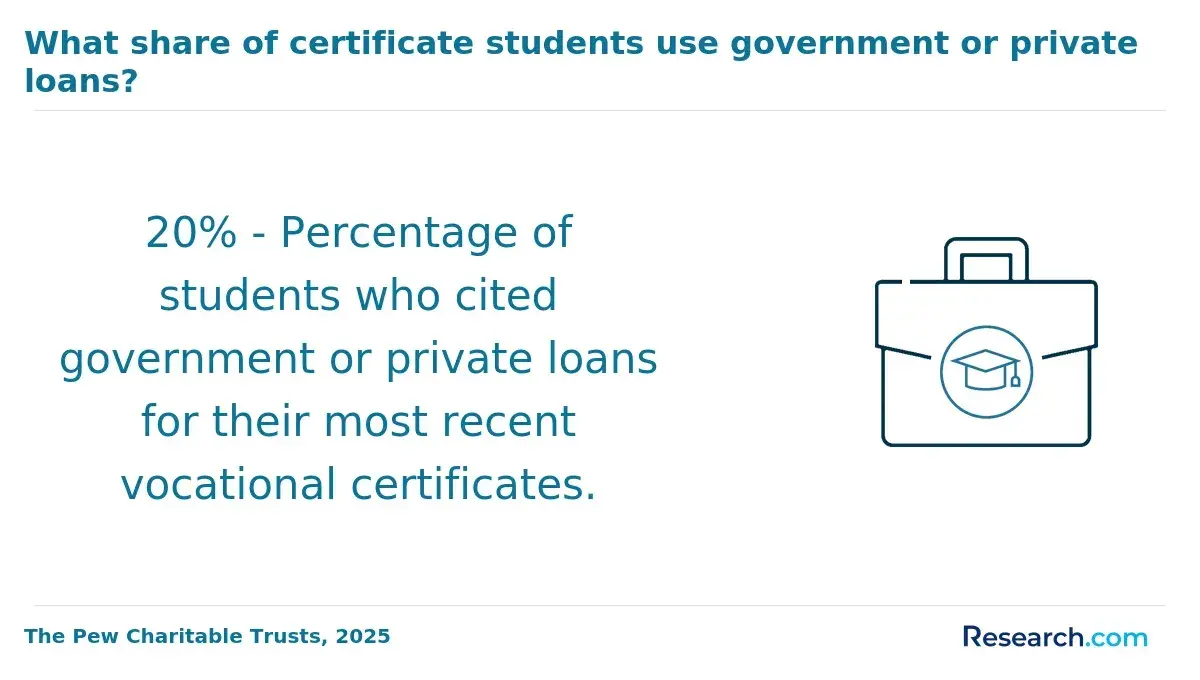
Online education in health sciences has expanded rapidly, with many universities offering both degrees and certificates fully online. Numerous accredited institutions like Northern Kentucky University, Lasell University, and Purdue Global provide online health sciences degree programs that can be completed 100% online, often requiring about 120 credit hours and accepting transfer credits from prior coursework.
Similarly, health sciences certificate online programs cater to working professionals seeking to upskill or specialize and usually take less time to complete than a full degree. For those wondering about ease of study options, what is the easiest bachelor's degree to get online offers additional insight beyond health sciences.
While academic coursework for an online health sciences degree programs or certificates can be done entirely online, many programs, especially those preparing students for clinical roles or licensure, require hands-on training, internships, or in-person assessments to meet professional standards.
Certificate programs generally emphasize theoretical and practical skills feasible via online instruction, but degree programs often include practicum experiences or capstone projects that may require on-site participation. When selecting an online format, carefully consider your career goals and whether supervised clinical hours, on-site training, or special licensure are necessary to ensure the program fits both your schedule and professional requirements.
What Are the Admission Requirements for a Health Sciences Degree vs. a Certificate Program?
Admission requirements play a key role in deciding between a health sciences degree and a certificate program because they determine your eligibility and readiness for continued education or entering the workforce. Understanding these requirements helps align your educational goals with the appropriate program type.
Below is a side-by-side comparison of common admission requirements for both health sciences degree programs and certificate programs to clarify the differences and expectations for prospective students.
Admission Requirements for Health Sciences Degree Programs
- Educational Background: Applicants must have a high school diploma or equivalent, often with completion of prerequisite courses in math and sciences.
- Minimum GPA: Most bachelor's degree programs require a cumulative GPA between 2.5 and 3.0 on a 4.0 scale.
- Transcripts: Official transcripts from all previous schools, including high school and college, must be submitted for review.
- Prerequisite Courses: Courses such as biology, chemistry, anatomy, or college-level math are usually required with a grade of C or higher.
- Standardized Tests: SAT or ACT scores may be considered, though they are increasingly optional.
- Personal Statement or Essay: An essay outlining career goals and interest in health sciences is commonly requested.
- Letters of Recommendation: Two or more letters are often required to evaluate academic readiness and personal character.
- Interview: Some selective programs include an interview as part of the admission process.
Admission Requirements for Health Sciences Certificate Programs
- Educational Background: Typically requires at least a high school diploma or GED without needing previous college courses.
- Prerequisites: May require basic prerequisite courses or proof of relevant work experience, especially for advanced certificates.
- Minimum GPA: GPA requirements are usually lower or unspecified, making the program accessible to more applicants.
- Background Check and Drug Screening: Many certificate programs mandate background checks and drug screening before clinical placements.
- Application Form: Submission of a general or program-specific application with fewer supplemental documents than degree programs is expected.
- Additional Testing or Documentation: Certain certificates require admissions tests like the TEAS or HESI or proof of relevant licenses or certifications.
Considering both health sciences degree admission requirements and health sciences certificate program prerequisites ensures you select the path that best suits your academic background and career ambitions. For those weighing options in the health field, choosing a program with the appropriate admission criteria can impact the ease of application and your preparedness for future opportunities, including some of the most lucrative majors in college.
How Many Credits Do You Need to Complete a Health Sciences Degree vs. a Certificate?
Knowing the number of credits required for health sciences programs is essential for students to map out their educational path and manage their time effectively. Understanding these requirements helps clarify the commitment needed, whether choosing a degree or a certificate.
The differences between completing a health sciences degree versus a certificate are significant in terms of credit expectations and program length.
- Health Sciences Degree: Typically involves 120 to 128 credits spread over approximately four years. This includes a mix of general education courses, core health sciences subjects, electives, and sometimes specialization tracks.
- Health Sciences Certificate: Usually requires 12 to 30 credits focused on targeted skills or knowledge areas, often completed in under a year. These programs exclude general education and concentrate on practical or career-specific training.
Students should consider how each program’s credit requirements align with their career goals, schedule, and prior experience. Understanding the distinction between a full health sciences degree and a certificate enables learners to select the path that best balances comprehensive knowledge with focused, time-efficient skill development, preparing them for diverse roles in the healthcare field.
What Is the Average Tuition for a Health Sciences Degree vs. a Certificate?
Tuition costs significantly impact decisions when choosing between a health sciences degree and a certificate, as they affect your immediate financial commitment and potential long-term benefits. Comparing the average tuition ranges for each educational option helps clarify the typical investment required and guides cost-effective choices.
Below is a detailed comparison highlighting the key factors influencing tuition for health sciences degree and certificate programs.
Average Tuition for Health Sciences Degree Programs
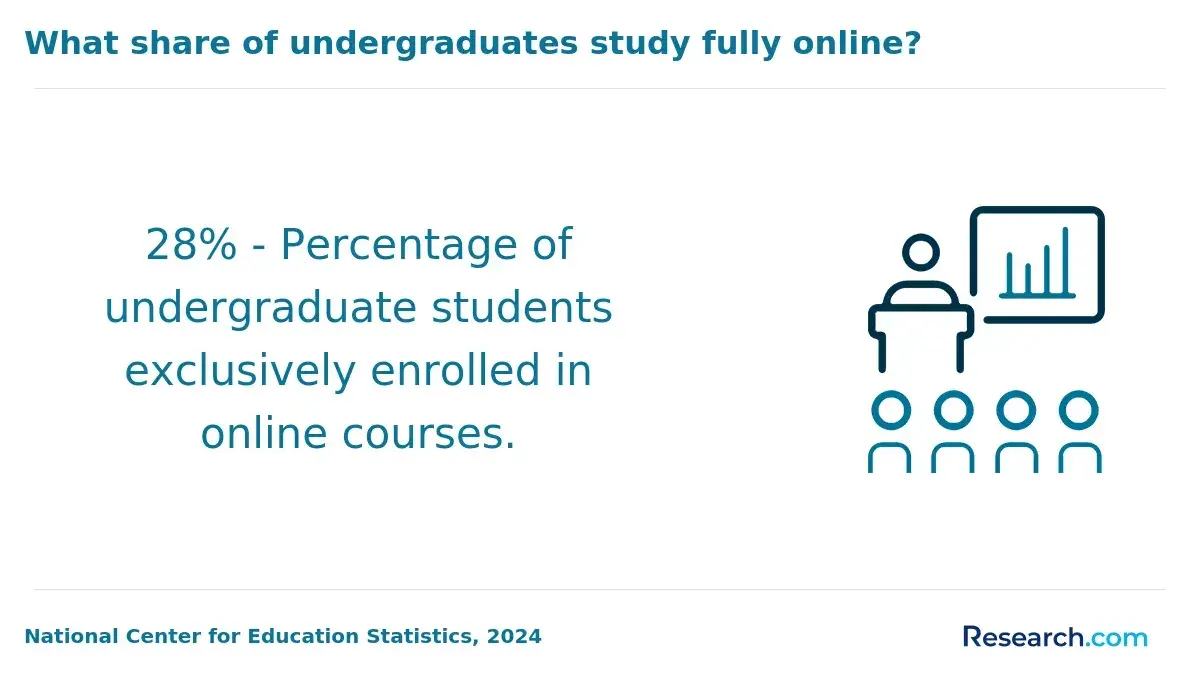
- Tuition Range: Bachelor's and master's degrees in health sciences typically range from $28,000 to over $120,000 for the full program at both public and private institutions. Doctoral and professional programs, such as medical school, often exceed $120,000 and can reach over $300,000 at some private universities.
- Public vs. Private Institutions: Public universities generally charge between $41,000 and $70,000 for in-state students, while private institutions may demand $70,000 to $120,000+ for similar programs.
- Program Length: Bachelor's programs usually last four years, with tuition billed per semester or credit hour, often ranging from $446 to $1,031 per credit hour. Graduate and professional degrees typically require two to four years, increasing overall costs.
- Online vs. On-Campus: While online options can sometimes be more affordable, most accredited health sciences degrees are delivered on-campus, showing little tuition variation between delivery modes.
- Additional Fees: Laboratory, technology, and health insurance fees can add thousands of dollars, especially in clinical or professional programs.
Average Tuition for Health Sciences Certificate Programs
- Tuition Range: Health sciences certificate program tuition comparison shows costs typically range between $2,800 and $9,000 for the entire program, depending on duration and institution.
- Program Length: Most certificates can be completed within 3 to 12 months, substantially lowering total tuition compared to degree programs.
- Cost Structure: Tuition is often charged per credit hour, with rates from $472 to $683 per credit hour. The shorter curriculum results in much lower overall expenses.
- Public vs. Private Schools: Both public and private institutions offer certificate programs at affordable rates due to their condensed length and focused content.
- Additional Fees: Typical fees may include minor technology or application charges, which are significantly less than those for degree programs.
For those looking to explore options, it is possible to apply free to accredited online colleges, potentially reducing upfront costs in the admission process while pursuing either path.
Can You Transfer Certificate Credits Toward a Health Sciences Degree Later On?
Yes, certificate credits can often be transferred toward a health sciences degree, but this depends on several key factors. Transfer eligibility typically requires that the certificate coursework comes from a regionally accredited institution and aligns closely with the content and academic level of the degree program. Policies differ by institution; some design certificates to be stackable with degrees, while others impose strict limits on transferable credits. Accreditation, course relevance, and institutional guidelines are therefore essential to confirm before planning a transfer.
Important considerations include limits on the number of credits that can transfer, which some schools cap at a percentage of the total degree requirements. Grade minimums usually apply, often expecting a "C" or better for transfer approval. Additionally, documentation such as course descriptions or syllabi might be required for evaluation. Because transfer policies vary widely, students should always verify transfer options upfront to ensure their certificate credits will maximize progress toward their degree goals.
Are Certificate Programs Accredited the Same Way as Health Sciences Degrees?
Certificate programs in health sciences are not accredited in exactly the same way as degree programs. Degrees such as associate, bachelor's, or master's are usually accredited at the institutional level by regional accrediting agencies like the Higher Learning Commission (HLC) or the Southern Association of Colleges and Schools Commission on Colleges (SACSCOC).
In contrast, certificate programs may receive institutional accreditation if offered by a regionally accredited college, or programmatic accreditation from specialized third-party organizations focused on specific healthcare skills. These program-level accreditations often come from professional bodies that ensure curriculum quality and industry relevance tailored to health sciences competencies.
Accreditation is important because it guarantees academic standards, helps with credit transferability, and enhances employment prospects. Employers frequently prefer candidates who have completed accredited programs, and federal financial aid is typically available only for accredited education.
Students should verify that both the institution and the specific program hold current accreditation from reputable agencies. When considering certificates, looking for programmatic accreditation linked to professional certification can be crucial. Always confirm accreditation status with recognized accrediting bodies before enrolling to ensure quality and value in your education.
What Jobs Can You Get with a Health Sciences Degree vs. a Certificate?
Both health sciences degrees and certificates offer pathways into healthcare careers, but they prepare graduates for different responsibilities and job types. Understanding the distinctions can help you make an informed decision about which credential aligns best with your professional goals. Below is a comparison of common careers linked to each educational route.
Jobs You Can Get with a Health Sciences Degree
- Health educator: Teaches communities about wellness and disease prevention, often working in public health settings.
- Healthcare administrator: Manages operations and staff within hospitals or clinics, ensuring effective service delivery.
- Medical laboratory technician: Conducts tests and analyzes samples to assist in diagnosing illnesses, typically in lab environments.
- Research assistant: Supports medical studies by collecting data and performing experiments, usually in academic or clinical research facilities.
- Dental hygienist: Provides preventive dental care and educates patients on oral health in dental offices.
- Physical therapy assistant: Helps patients recover mobility through therapeutic exercises under the supervision of physical therapists.
Jobs You Can Get with a Health Sciences Certificate
- Medical assistant: Performs clinical and administrative tasks to support physicians in outpatient or clinic settings.
- Phlebotomist: Specializes in drawing blood samples for testing, usually working in hospitals or labs.
- EKG technician: Operates electrocardiogram equipment to monitor heart activity, often in cardiology departments.
- Dental assistant: Assists dentists during procedures and manages patient care in dental clinics.
- Pharmacy technician: Prepares and dispenses medications under pharmacist supervision, commonly in pharmacies or hospitals.
- Patient care technician: Provides basic care and monitors patients' conditions, generally in hospitals or long-term care facilities.
What Is the Average Starting Salary for a Certificate vs. Health Sciences Degree Graduates?
Salary potential often varies significantly between health sciences certificate holders and degree graduates, reflecting differences in education level and job roles. Understanding these differences is crucial for anyone considering their career path in the health sector.
The following bullet list provides a clear side-by-side comparison of the average starting salary for Health Sciences degree holders versus certificate graduates, along with key factors influencing these figures and career outlooks.
- Typical Salary Range: Graduates with a health sciences degree usually start around $109,580 per year, or about $52.68 per hour, with salaries ranging from $108,000 to $116,500 and top earners making up to $130,000 annually.
- Health Sciences Certificate Program Salary Comparison: Those completing a certificate in health sciences tend to earn between $30,000 and $50,000 annually, depending on the certificate type and regional demand, with entry-level roles like medical assistants and phlebotomists commonly within this range.
- Influencing Factors: Level of education plays a major role, as degree holders qualify for higher-paying, specialized positions while certificate holders are more limited. Industry, location, and experience also affect salaries, with urban areas and certain healthcare sectors offering higher pay.
- Career Outlook: Both paths offer robust opportunities, but degree graduates have access to a wider array of roles and higher salary ceilings, enhancing long-term earning potential and upward mobility.
For individuals interested in advancing their education beyond a certificate or degree, exploring a dual graduate degree program can provide additional specialization and career advantages.
Here's What Graduates of Health Sciences Programs Say About Their Degree or Certificate
- Armando: "I chose the health sciences certificate program because I wanted a fast-paced learning experience that fit my busy schedule. The certificate was more affordable and gave me practical skills quickly, though I know that a degree could open more doors long-term. For me, the balance of cost and immediate career impact made the certificate the right choice. "
- Damien: "Pursuing the health sciences degree was a significant investment, both financially and in time, but it offered a deeper understanding and broader scope of knowledge compared to the certificate. The learning pace was intense but rewarding, preparing me thoroughly for diverse career opportunities. Reflecting on it, the degree's higher cost was justified by the career flexibility it provided. "
- Aiden: "After completing both the health sciences certificate and degree programs, I can see the clear differences: the certificate provided quick, focused learning ideal for immediate job entry, while the degree was more comprehensive and demanding. Cost-wise, the certificate was less expensive, but combining both gave me a competitive edge professionally. I'd recommend evaluating your career goals carefully to decide which path aligns best. "
Other Things You Should Know About Health Sciences Degrees
In 2027, a degree in health sciences generally garners higher recognition from employers compared to a certificate, which is often seen as a supplement. However, certificates can still provide valuable skills and knowledge, particularly when tailored to specific, in-demand areas in the health science field.
In 2027, health sciences degrees often provide broader career advancement opportunities, preparing graduates for roles requiring comprehensive knowledge. Certificates, while more specialized and quicker to complete, can enhance specific skills and lead to roles that capitalize on niche expertise, potentially limiting broader advancement without further education.
When deciding, consider program length, cost, and career goals. Degrees often lead to broader opportunities and higher salaries, while certificates are shorter and less expensive, suitable for quick entry into specific roles. Factor in your personal timeline and financial situation.
References
- Curious where your education can lead you? Have a dream job and unsure how to get there? https://www.educationplannerbc.ca/institutions/vancouver-community-college/6C0E98F4-97D4-44BD-AF8A-E87B8FD48418/programs/VCC-university-transfer-pathway-to-health-sciences-certificate
- University Transfer – Pathway to Health Sciences https://www.vcc.ca/programs/university-transfer--pathway-to-health-sciences/
- Liberal Arts Transfer – Health Sciences – Massasoit Community College https://massasoit.edu/academics/department/liberal-arts-transfer-health-sciences/
- Certification vs Degree Programs – What’s the Best Fit for You? https://pmi.edu/blog/certification-vs-degree-programs-whats-the-best-fit-for-you/
- What Can You Do With a Health Science Career Certificate? | OTC Blog https://blog.orangetechcollege.net/health-science-career-certificate/
- Tuition & Funding | American College of Healthcare Sciences https://achs.edu/admissions/tuition-and-funding/
- Pre-Health Sciences – Pathway to Certificates and Diplomas (Online) Program | Niagara College https://www.niagaracollege.ca/liberal/program/pre-health-pcd-online/


