
2027 What Prerequisites Do You Need for a Biotechnology Degree? Entry Requirements, Credits & Eligibility Rules

Co-Founder and Chief Data Scientist
Many prospective students find themselves confused by the varying prerequisite requirements for biotechnology degree programs. A recent survey indicated that nearly 40% of applicants felt unprepared for the specific science and math courses demanded by admissions committees. This lack of clarity can hinder timely enrollment and progression in biotechnology studies.
Understanding entry requirements, credit transfers, and eligibility rules is crucial for successful program admission. This article will clarify which courses and academic achievements are typically necessary, helping students navigate the application process and meet expectations for biotechnology degrees confidently.
Key Things to Know About the Prerequisites for a Biotechnology Degree
- Most programs require foundational courses in biology, chemistry, and mathematics, including organic chemistry and genetics, to ensure a strong scientific base.
- A minimum GPA of 3.0 is commonly expected, reflecting academic rigor and readiness for specialized biotechnology studies.
- Applicants may need 30-60 transferable credits and demonstrated laboratory skills or relevant internships, highlighting practical experience alongside theoretical knowledge.
Do Biotechnology Programs Require Specific High School Prerequisites?
Biotechnology programs often require specific high school prerequisites, though exact entry requirements vary by institution and program type. Most programs emphasize a strong foundation in science and mathematics to ensure readiness for advanced coursework. Understanding these biotechnology degree entry requirements 2026 helps prospective students prepare effectively for admission.
- Biology: Mastery of cell structure, genetics, and molecular biology is essential since biotechnology heavily involves genetic engineering and cellular processes.
- Chemistry: Knowledge of chemical reactions, organic chemistry, and lab techniques forms the foundation for biotechnological experimentation and understanding enzyme functions.
- Mathematics: Algebra and precalculus develop analytical skills important for experimental design and interpreting research data.
- Physics: A basic understanding of physics supports comprehension of biophysical instrumentation and processes, though it is less commonly required.
These prerequisites align with required credits and eligibility rules that vary across colleges but generally reflect guidance from bodies such as the American Society for Biochemistry and Molecular Biology. Surveys indicate that over 90% of accredited biotechnology degree programs require biology and chemistry courses at the high school level.
Some institutions also recommend additional coursework in computer science or statistics to address the growing demand for bioinformatics and data analysis skills within biotechnology fields.
Students interested in accelerating their education timeline might explore options like the fastest online programs for working adults, which can offer flexible pathways into biotechnology careers. Considering the high school prerequisites for biotechnology degree 2026 and related academic requirements early ensures a smoother admission process and academic success.
What College-Level Prerequisites Are Required Before Starting a Biotechnology Degree?
Meeting college-level prerequisites is essential for prospective students to achieve academic readiness and ensure smooth progression in a biotechnology degree program. These requirements provide a strong foundation in core scientific principles and skills necessary for advanced coursework. The following list outlines key prerequisites that typically support admission and success in biotechnology fields.
- Introductory biology: Covers cell structure, genetics, and molecular biology, offering fundamental knowledge critical for understanding complex biotechnological processes.
- General and organic chemistry: Essential for grasping the chemical reactions and interactions underlying biological mechanisms that biotechnology relies on.
- Mathematics (calculus and statistics): Prepares students to handle quantitative data analysis and experimental research, crucial skills in biotechnology studies.
- Scientific writing and communication: Develops the ability to effectively document and present research findings, ensuring clarity in lab reports and publications.
- Laboratory science experience: Provides hands-on skills and familiarity with experimental techniques, bridging theoretical understanding with practical application.
These required college courses for biotechnology admission reflect the growing emphasis on interdisciplinary training. Students planning their pathway might also compare these demands with other options, such as the easiest online degrees, to align their academic goals strategically. Trends highlight increasing enrollments in biotechnology, so preparing well in advance by completing the appropriate prerequisites is highly recommended.
How Many Credits Can You Transfer Into a Biotechnology Degree?
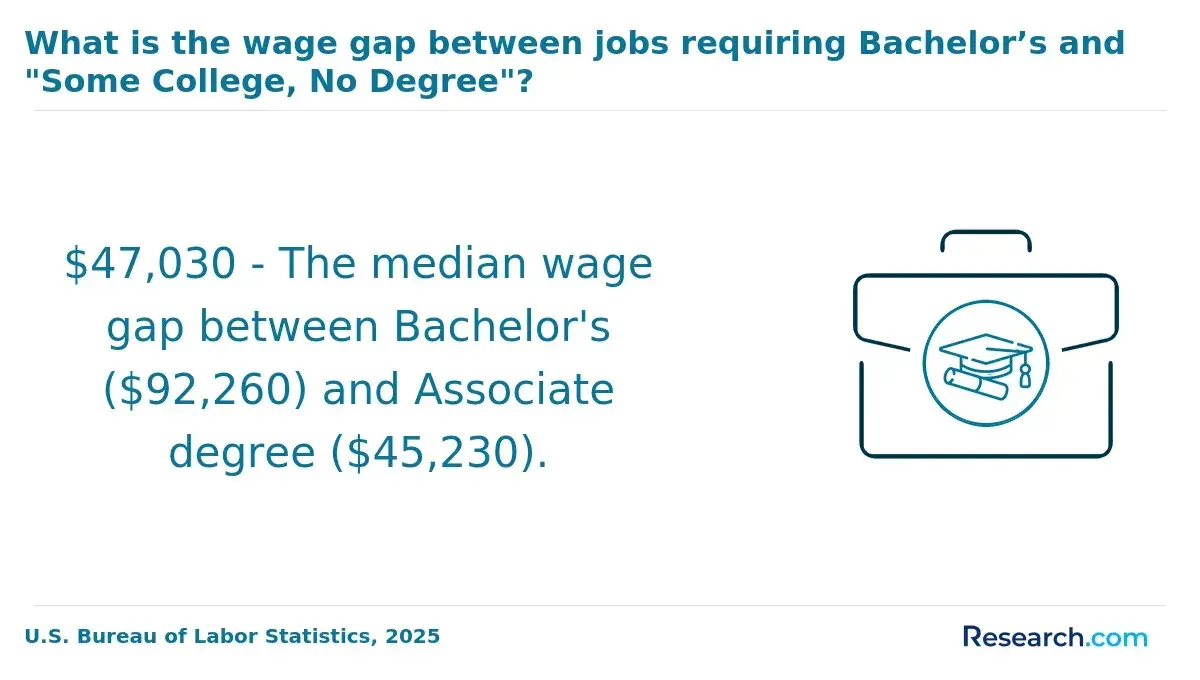
Students typically can transfer between 25% and 75% of the required credits toward a biotechnology degree, with many U.S. colleges capping transfer credits around 60 semester hours. These limits vary widely depending on the institution's accreditation, the level of the biotechnology program, and specific school policies.
Transfer acceptance often hinges on the prior coursework being at the sophomore level or above and earning a minimum grade-usually a "C" or better. Residency rules also require students to complete a set number of credits, commonly between 30 and 45, directly at the degree-granting institution to maintain program integrity. Furthermore, how well credits fit the core biotechnology curriculum versus general electives heavily influences their transferability.
Common restrictions impact credit transfer eligibility, especially for courses taken at community colleges, online programs, or non-accredited schools, which many institutions limit or exclude. Transfer of experiential learning or internship hours is typically not permitted. Students are encouraged to review articulation agreements carefully and consult academic advisors early to navigate these constraints effectively.
A student I spoke with recalled feeling overwhelmed by the detailed evaluation process but appreciated the clarity it eventually provided. She shared, "I had to submit detailed course descriptions and syllabi, which was time-consuming, but it ensured only relevant credits transferred. It was reassuring to know exactly where I stood, even though I had to retake some courses." Her experience underscores the importance of patience and thorough preparation in managing credit transfers for biotechnology programs.
Do You Need SAT or ACT Scores to Get Into a Biotechnology Degree Program?
Most biotechnology degree programs in the U.S. no longer require SAT or ACT scores for admission, reflecting the growing adoption of test-optional and test-free policies as of 2026. This change aims to lower obstacles for applicants and increase diversity.
However, some highly competitive programs, specific public university systems, and merit-based scholarships might still request these standardized test scores to distinguish applicants. The trend toward removing mandatory testing helps institutions attract a broader and more varied student population.
Without relying on standardized exams, admissions committees typically evaluate candidates using other measures such as high school GPA and completion of core science and math courses.
Personal essays, recommendation letters, and demonstrated research experience or internships also play crucial roles, especially for selective programs. Some schools may request portfolios or evidence of hands-on work in biotechnology fields to assess a student's potential. This holistic review process allows programs to consider multiple facets of an applicant's preparedness beyond traditional test scores.
What Essential Skills Do You Need Before Enrolling in a Biotechnology Degree Program?
Students preparing to enroll in a biotechnology degree program must acquire a range of essential skills that enable them to thrive academically and professionally. These abilities ensure students can grasp complex scientific concepts and navigate the multidisciplinary nature of biotechnology, which is key to success in the field.
Key competencies include the following:
- Foundational Academic Abilities: A solid grasp of biology, chemistry, and mathematics is vital since these subjects underpin biotechnology curricula and experimental work.
- Technical and Software Competencies: Hands-on familiarity with laboratory tools and basic proficiency in data analysis software support efficient research and experimentation.
- Analytical and Problem-Solving Skills: The ability to design experiments, interpret data, and resolve unexpected outcomes drives innovation and accuracy in biotechnology projects.
- Effective Communication Abilities: Clear writing and speaking skills facilitate collaboration across diverse teams and help convey complex ideas to varied audiences.
- Field-Specific Knowledge: Awareness of ethical issues and regulatory frameworks prepares students to responsibly apply biotechnology in real-world contexts.
When I spoke to a graduate from a biotechnology program, he reflected on the real challenge of starting his studies without prior lab experience. "Initially, I felt overwhelmed learning to operate lab instruments and apply software tools," he admitted, "but dedicating extra time to practice and seeking guidance helped me build confidence quickly."
He also emphasized that developing strong communication skills was crucial for working in multidisciplinary groups, saying, "Explaining complex results in straightforward terms was often harder than the experiments themselves." This hands-on transition, he noted, was a pivotal part of his journey to becoming a successful biotechnology student.
Do You Need Professional Experience to Enter a Biotechnology Degree Program?
Professional experience is not universally required to enter a biotechnology degree program, as expectations differ by institution, program level, and area of focus. Undergraduate programs usually emphasize strong academic backgrounds in biology, chemistry, and mathematics, with experience often optional.
Graduate programs, particularly specialized master's or doctoral tracks, may recommend or require relevant work or research exposure. Admissions committees often favor applicants who have one to three years in lab, research, or industry roles related to biotechnology, molecular biology, or biochemistry, as this experience can enhance applications by showcasing practical skills and dedication.
Some biotechnology programs prioritize professional experience because it reflects preparedness for advanced studies and independent research projects. Hands-on experience supplements theoretical learning, enabling students to excel in lab-intensive or project-focused environments.
In highly competitive programs, candidates with prior work or research experience may have an advantage. Nonetheless, applicants without experience can still gain admission if they demonstrate strong academics and relevant internships, summer research, or academic projects that indicate potential and fit for the program.
What Tech Prerequisites Must You Meet Before Starting an Online Biotechnology Degree?
Online biotechnology degree programs require specific technology standards to ensure students can fully engage with complex coursework, virtual labs, and interactive simulations. These tech prerequisites are vital for maintaining smooth access to data analysis tools, software platforms, and real-time collaboration features that biotechnology education demands.
Key technology prerequisites include:
- Hardware: A modern computer with at least an Intel i5 processor or equivalent, 8GB of RAM, and a 256GB SSD is typically necessary to efficiently process software simulations and handle large biotechnology datasets.
- Internet speed: Reliable broadband internet with a minimum download speed of 25 Mbps ensures uninterrupted streaming of video lectures, participation in virtual labs, and timely data transfers.
- Software and platforms: Access to learning management systems such as Blackboard or Canvas, along with statistical software like R or SPSS and virtual lab tools customized for biotechnology education, supports seamless coursework and research activities.
- Digital literacy: Proficiency in managing digital assignments, navigating collaborative platforms, and conducting online research is fundamental for success in online biotechnology programs.
These essential technology skills for online biotechnology programs 2026 reflect the growing integration of bioinformatics and genetic data analysis in the curriculum. Enrollment in online STEM programs, including biotechnology, increased by 12% in 2022 according to the National Center for Education Statistics, highlighting the rising demand for technical readiness.
Prospective students should also verify their eligibility based on online biotechnology degree technical requirements and eligibility to prepare effectively for program demands. For additional information on affordable options, exploring most affordable online associate degrees can be a useful starting point.
What Prerequisites Do International Students Need for Biotechnology Programs?
International students applying for biotechnology programs generally face additional requirements beyond those for domestic applicants. These extra prerequisites ensure that candidates meet the academic and language proficiency standards necessary for success. Below are the most common prerequisites for international students enrolling in biotechnology degrees.
- Academic Transcripts: Applicants must submit official transcripts demonstrating completion of secondary or post-secondary education equivalent to U.S. standards. Many institutions require a minimum GPA that aligns with competitive biotechnology programs.
- English Language Proficiency: Proof of proficiency through standardized tests such as TOEFL or IELTS is mandatory unless the applicant is from an English-speaking country. Scores typically must meet or exceed university-specific thresholds.
- Standardized Test Scores: Some programs request SAT, ACT, or GRE scores to assess readiness for rigorous biotechnology coursework. These may be waived depending on the applicant's prior education or country of origin.
- Letters of Recommendation: Universities often require two to three letters from academic or professional references who can attest to the applicant's aptitude for biotechnology studies and research potential.
- Statement of Purpose: A clear, concise essay explaining the student's motivation for pursuing biotechnology, related experience, and career objectives. This helps admission committees evaluate commitment and alignment with program goals.
These prerequisites align with eligibility rules that ensure international students can adapt to the demanding biotechnology curriculum. For U.S. students or those transitioning within states like Indiana, understanding similar credit transfer policies is also crucial to maintain continuous progress toward degrees.
For those interested in more advanced study options, knowing where to find reputable part-time opportunities is important, especially for working professionals balancing their careers with education. A valuable resource for exploring these options is the top accredited online schools, which highlights accessible pathways suitable for adult learners.
How Do Program-Specific Prerequisites Differ from General University Requirements?
General University Admission Requirements
- Minimum GPA Thresholds: Most universities require a minimum GPA between 2.5 and 3.0 on a 4.0 scale to qualify for enrollment, establishing a baseline academic standard.
- English Language Proficiency: International students often must submit TOEFL or IELTS scores to demonstrate adequate English skills for academic success.
- General Education Coursework: Completion of broad foundational credits across various disciplines is commonly mandated before selecting a major.
Biotechnology Degree Program Specific Prerequisites
- Required Science and Math Courses: Biotechnology programs typically demand prerequisite coursework in biology, chemistry, mathematics (including calculus or statistics), and sometimes physics to ensure essential scientific literacy.
- Demonstration of Technical Skills: Some programs ask for laboratory experience, internships, or professional work in biotech-related fields to verify practical competence.
- Portfolio or Project Submissions: Candidates may need to present research portfolios or evidence of research projects that highlight relevant technical skills and preparedness.
Implications for Eligibility and Academic Planning
- Separate Qualification Standards: Meeting general university entry requirements allows enrollment but does not guarantee acceptance into competitive biotechnology programs, which often require higher scientific mastery and GPA.
- Additional Coursework and Timelines: Students may face extended study periods to complete prerequisite science or math courses before formally starting biotechnology coursework.
- Enhanced Preparation for STEM Fields: According to the National Center for Education Statistics (NCES), emerging demand in STEM disciplines underscores the vital role of biotechnology degree program specific prerequisites 2026 in improving candidate readiness.
Prospective students seeking affordable pathways to biotechnology degrees should carefully plan their academic progression and consider options for the cheapest bachelors degree programs available online as part of their strategy for cost-effective education.
By distinguishing between general university entry requirements for biotechnology 2026 and specialized program prerequisites, applicants can better align their preparation efforts with admission expectations and improve their chances of success in this competitive field.
Do You Need to Pay for Prerequisite Courses Before Applying to a Biotechnology Program?
Yes, students generally must pay for prerequisite courses before enrolling in a biotechnology program unless they have already completed equivalent credits elsewhere. When these prerequisites are taken at the same university offering the program, standard tuition fees usually apply. Community colleges often provide a more affordable alternative, with average annual costs significantly lower than those at four-year public universities.
Additionally, accredited online platforms offer flexible options, ranging from free classes with optional certificates to comprehensive courses priced in the hundreds of dollars. Cost variations depend greatly on the institution or platform chosen for completing these prerequisites.
To help offset expenses, students frequently pursue financial aid such as federal grants, scholarships, or tuition waivers. Transferring previously earned credits can also reduce the total number of courses needed, decreasing overall costs.
Programs like the Federal Pell Grant support eligible low-income students, making prerequisite courses more accessible, especially in STEM fields like biotechnology. Exploring these options can significantly ease the financial burden associated with prerequisite coursework.
What Graduates Say About the Prerequisites for Their Biotechnology Degree
- Logan: "I approached getting into a biotechnology degree program with a professional mindset, carefully completing the prerequisites to build a solid foundation. Considering the average cost, I viewed it as a strategic investment in my future. Since graduating, the degree has been a key factor in securing advanced roles within the biotech industry, enhancing my expertise and career growth. "
- Yousef: "Reflecting on my time entering a biotechnology program, I appreciated how transparent the required prerequisites were-they gave me a clear roadmap to follow. Though the program's costs were higher than I anticipated, I found scholarships and financial aid invaluable. The degree has since transformed my career trajectory, allowing me to contribute to meaningful developments in healthcare biotechnology. "
- Reign: "Getting into a biotechnology degree program seemed daunting at first, but meeting the prerequisite courses was straightforward with proper planning. The average cost, while significant, felt like a worthwhile investment given the cutting-edge skills I acquired. Today, these skills have opened doors to innovative research roles that I'm genuinely passionate about. "
Other Things You Should Know About Biotechnology Degrees
In 2027, typical academic prerequisites for a biotechnology degree often include a solid foundation in biology, chemistry, and mathematics. Some programs may also require coursework in physics and computer science to adequately prepare students for the interdisciplinary nature of biotechnology studies.
Essential high school subjects include biology, chemistry, and mathematics. Some programs may also require physics or advanced placement courses in science. It is crucial to check specific university requirements as they can vary. Strong foundations in these subjects are vital for success in biotechnology.
International students applying for a biotechnology degree in 2027 typically need to demonstrate English language proficiency through standardized tests like TOEFL or IELTS. Minimum scores are often required, which vary by institution. Additionally, some universities might offer conditional admission if language requirements are not initially met.
References
- How to Become a Biotechnologist - Steps & Time Requirements https://www.medicaltechnologyschools.com/biotechnology/how-to-become-a-biotechnologist
- Tomorrow Bio 4.0 https://www.tomorrow.bio/post/the-skills-you-ll-need-if-biotechnology-is-your-calling-2023-06-4668274182-biotechnology
- How to get a biotech certification: steps, benefits & top programs | edX https://www.edx.org/resources/how-to-get-a-biotech-certification
- Molecular Biotechnology https://irk.uj.edu.pl/en-gb/II_C/
- Biotechnology Program https://isc.bit.edu.cn/admissionsaid/undergraduatate_20171124032216646042/lifescience1_20171124032216646042/biotechnology/index.htm
- BSc in Biotechnology https://www.studyinpoland.pl/en/programme
- Admission Requirements for Faculty of Biotechnology https://msa.edu.eg/msauniversity/admission-guide/faculty-requirements/biotechnology/
- Website navigation https://www.imperial.ac.uk/study/courses/undergraduate/2026/biotechnology/
- Major in Biotechnology and prerequisites for the Accelerated Pharmacy Program with Massachusetts College of Pharmacy and Health Sciences https://catalog.worcester.edu/undergraduate/school-education-health-natural-sciences/biotechnology/major-biotechnology-prerequisites-accelerated-pharmacy-program-massachusetts-college-pharmacy-health-science-university/
- Biotechnology Academy for High School Students | Madison College https://madisoncollege.edu/academics/college-credit-in-high-school/academies/full-time/biomedical


