
2027 Is Health Sciences a Hard Major? What Students Should Know

Co-Founder and Chief Data Scientist
The health sciences major is often perceived as demanding due to its blend of biology, chemistry, and healthcare concepts. In fact, enrollment in health sciences programs has grown by over 30% in the past decade, reflecting rising interest despite concerns about academic rigor. Many students wonder if the workload and complexity are manageable alongside other life commitments.
This article explores the true challenges of a health sciences major, including course difficulty, study volume, and critical skills like analytical thinking. Factors such as prior science background and time management significantly affect how hard students find this path, providing a balanced view for those considering this career route.
Key Benefits of Health Sciences as a Major
- Health sciences develops critical skills in research, communication, and problem-solving, essential for diverse healthcare careers and adaptable for career changers and returning students.
- This major offers flexible learning pathways and practical experiences, supporting full-time workers' schedules while enabling traditional students to specialize deeply.
- Students build confidence through progressively challenging coursework, with 75% reporting improved academic resilience and readiness for professional environments.
Where does health sciences rank among the hardest college majors?
Health sciences commonly ranks as a moderately challenging major in national difficulty assessments. These evaluations often consider factors such as workload intensity, the extent of practicum, lab, or fieldwork hours, and the level of technical or analytical skills required.
For instance, about 48% of professors in health-related disciplines are rated as difficult by students, placing the major in the mid-tier of academic rigor. While students in health sciences invest significant time in hands-on experiences and coursework, the major generally demands less advanced math and theoretical content compared to fields like chemical engineering or physics.
The difficulty of health sciences varies widely depending on the institution and a student's academic background. Programs emphasizing clinical practice or fieldwork can increase the time commitment and complexity. Compared to tough STEM majors such as biochemical sciences or chemical engineering-often ranked among the hardest-health sciences is usually somewhat less intense but more demanding than majors like education or hospitality management.
Individual preparation also shapes the experience; those with strong biology and social science foundations often find the major manageable, while others may struggle with its interdisciplinary nature. Ultimately, perceptions of difficulty depend on personal strengths and how well a student adapts to the curriculum's challenges.
What factors make health sciences a hard major?
Health sciences is recognized as a challenging major due to its combination of demanding coursework and skill-intensive requirements that test students' academic abilities and time management. These factors create a rigorous environment demanding consistent effort and focus.
- Academic rigor and coursework demands in health sciences: Students encounter upper-level science courses such as microbiology, anatomy and physiology, and chemistry, typically with lab components. These classes require a strong grasp of complex scientific concepts and continual dedication to mastering intricate material.
- Substantial time commitment: Maintaining a full course load of up to 17-18 credit hours per semester is often necessary from the outset to fulfill prerequisites and stay on track. This leaves little downtime, compelling students to balance lectures, labs, and assignments efficiently.
- Technical and analytical complexity: Beyond pure sciences, the curriculum integrates applied statistics, research methods, and health care systems analysis. This interdisciplinary approach fosters advanced analytical thinking and problem-solving skills across multiple domains.
- Upper level prerequisite courses and science GPA requirements: Field-specific demands include maintaining a competitive science GPA, engaging in research projects, and gaining hands-on experiential learning. Excelling in rigorous biomedical coursework is a key metric scrutinized by admissions committees for advanced health professions programs.
For students evaluating degree options that align with such academic challenges, exploring fast track college programs online can provide insights into alternative pathways that may accommodate diverse learning and scheduling needs.
Who is a good fit for a health sciences major?
Identifying the right personality and skills is essential to succeed in health sciences. Students with certain characteristics are better equipped to manage the academic challenges and interdisciplinary nature of this demanding field.
Here are the best personality traits for health science majors:
- Analytical Thinkers: These students excel in critical thinking and problem-solving, skills needed to succeed in health sciences coursework that spans biology, chemistry, and public health.
- Collaborative Learners: Team-oriented individuals thrive by engaging with peers and professionals, reflecting the collaborative spirit prevalent in health-related careers.
- Empathetic Communicators: A motivation to serve others, combined with strong communication and cultural sensitivity, aligns with the humanitarian focus of this major.
- Adaptive Organizers: The skills needed to succeed in health sciences include adaptability and organizational prowess to juggle extensive labs, research, and group projects effectively.
- Self-Motivated Independents: Comfort with both independent and group learning environments helps students manage the program's rigorous demands and study schedules.
Those exploring options may consider the easiest online bachelor's degree paths as one way to gauge program rigor and fit.
How can you make a health sciences major easier?
Health sciences is a demanding major due to its rigorous coursework and extensive practical requirements, often leaving students overwhelmed. However, adopting targeted strategies can significantly ease the workload and improve academic performance.
- Active learning techniques: Engaging deeply with material through problem-solving, case analyses, and hands-on labs promotes better comprehension and application of complex concepts.
- Effective time management: Breaking study time into focused intervals and using organizational tools helps manage heavy course loads and lab commitments efficiently.
- Strong foundational skills: Building proficiency in core subjects like biology, chemistry, and statistics lays the groundwork for tackling advanced courses with greater ease.
- Leveraging academic support: Utilizing tutoring, study groups, and faculty office hours enhances understanding and lowers dropout risks in challenging programs.
- Varied study methods: Adapting learning styles by employing multimedia resources or collaborative discussions can deepen knowledge and reduce the feeling of being overwhelmed.
When I spoke with a graduate who majored in health sciences, she described the major as "intense and relentless," with moments of uncertainty and self-doubt. She emphasized that early on, she struggled to keep up with the sheer volume of assignments and complex terminology. Over time, she began experimenting with study rhythms, discovering that breaking material into smaller sections and teaching concepts aloud helped retention.
She also shared how joining peer groups transformed her experience, stating, "That sense of community made the challenges feel more manageable, like I wasn't facing it alone." Reflecting back, she said, "The key was being patient with myself and staying curious about how I learn best. It wasn't easy, but those adjustments made all the difference."
Are admissions to health sciences programs competitive?
Admissions to health sciences programs are highly competitive, mainly due to the large number of applicants competing for limited seats and the strict prerequisite requirements. Acceptance rates at leading medical schools can be as low as 1.4% to 4.7%, illustrating the intense competition. Many programs have a capped capacity, making it challenging for all but the strongest candidates to gain entry.
Selectivity depends on the institution and specific health field, with most programs expecting a minimum GPA between 3.7 and 3.9. Applicants usually must have completed advanced courses in biology, chemistry, and related sciences. In addition, some schools require relevant healthcare experience, volunteer work, or research involvement. Growing interest in health careers has steadily raised admission standards and increased demand, emphasizing the importance of thorough preparation and academic excellence.
I spoke to a professional who majored in health sciences about his application journey. He recalled feeling the pressure as he navigated intense competition and demanding prerequisites. "Every biology lab and volunteer hour felt crucial," he said, emphasizing the need for persistence and resilience. His experience taught him that careful planning and dedication make a significant difference when facing such selective programs.
Is an online health sciences major harder than an on-campus program?
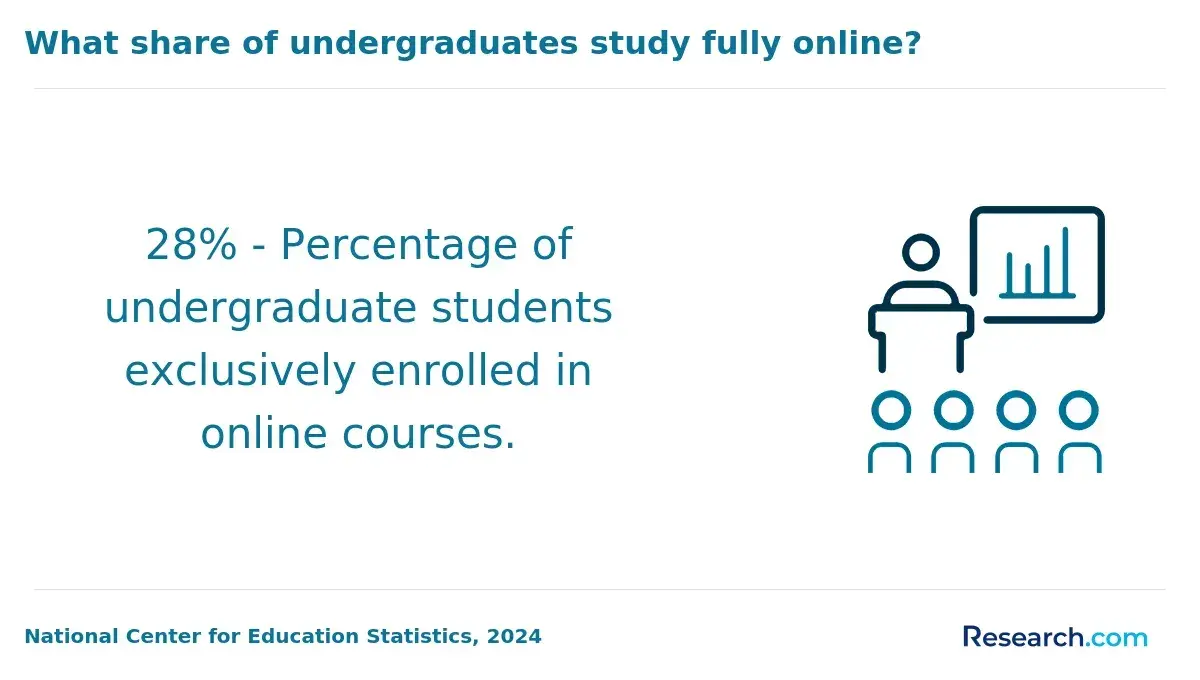
Online health sciences programs are neither inherently harder nor easier than on-campus equivalents; the level of challenge depends on several factors that influence the learning experience. Both formats require comparable academic rigor, but differences in delivery and environment affect how students engage with their studies.
Below is a comparison of online vs on-campus health sciences workload and other key factors.
- Academic expectations: Both online and on-campus students face similar coursework, assignments, and mastery requirements, with research showing comparable grades and satisfaction levels.
- Workload and pacing: The workload is similar, but online students must exercise greater self-discipline to manage deadlines and virtual discussions, while on-campus programs provide structured schedules and real-time interaction.
- Interaction and support: On-campus learners benefit from immediate access to professors, hands-on labs, and in-person study groups, whereas online students rely on digital resources and virtual communication.
- Learning environment: Online learners often study independently and may confront feelings of isolation, while on-campus students experience a more interactive, classroom-focused setting.
- Unique challenges: Online programs demand strong time management and self-motivation, while on-campus students might struggle with maintaining fixed schedules and commuting.
Ultimately, success in an online health sciences major difficulty level is shaped by an individual's learning style and adaptability. For those interested in career potential, exploring the highest paid masters degree options can provide valuable insight into advanced educational paths.
Are accelerated health sciences programs harder than traditional formats?
Accelerated health sciences programs are generally harder than traditional formats because their condensed timelines lead to a much faster pace and increased workload intensity. Students must quickly absorb dense material and maintain high performance with limited breaks, which can be challenging for many.
Below is a comparison highlighting key aspects of accelerated Health Sciences program difficulty versus traditional structures.
- Course pacing and content density: Accelerated programs condense the same curriculum into as little as 11-19 months for nursing or just over five years for combined tracks, requiring faster mastery of complex concepts.
- Workload management: Students in accelerated formats face intense, full-time demands with little flexibility, whereas traditional programs allow a slower learning pace suitable for those needing more time to process material.
- Academic expectations and skill demands: Both formats require strong academic skills, but accelerated tracks demand greater daily performance, organization, and adaptability.
- Learning retention and stress levels: The faster pace of accelerated programs can increase stress and may affect knowledge retention, while traditional formats enable deeper, methodical learning.
- Flexibility and structure: Traditional programs typically offer more structured schedules with opportunities to revisit content, compared to the packed, rigid timetables of accelerated programs.
The differences seen here reflect common themes in the traditional vs accelerated Health Sciences workload debate, where student motivation and learning preferences play a big role in success. Those seeking accelerated study paths should weigh these factors carefully. For students interested in exploring various options, including accredited online colleges free to apply for, resources like accredited online colleges free to apply for can provide helpful guidance.
Can you manage a part-time job while majoring in health sciences?
Students can realistically manage a part-time job while majoring in health sciences, but success depends on factors like course intensity, weekly workload, job flexibility, and individual study habits. Health sciences programs often involve demanding lab hours, technical tasks, and significant reading, which can vary by semester.
Jobs with adaptable schedules-such as healthcare assistant or virtual health aide roles-are typically easier to juggle alongside studies. Ultimately, balancing both commitments hinges on realistic expectations and effective planning.
Students who maintain part-time work alongside health sciences courses commonly adopt thoughtful scheduling and moderate credit loads to avoid overload. They tend to select flexible positions that accommodate lab-intensive weeks and exam periods, enabling adjustment of work hours when academic demands rise.
Strong organizational skills support managing 15-20 weekly work hours without harming academic performance, while weaker study routines may limit this capacity. Furthermore, campus tutoring and online resources provide critical support, helping students sustain their grades despite time constraints tied to challenging coursework and project deadlines in the health sciences field.
What jobs do health sciences majors get, and are they as hard as the degree itself?
Career paths for health sciences graduates vary widely in difficulty, responsibility, and required skills. While some jobs closely match the rigor of the major, others may feel less demanding or present different types of challenges in the workplace.
For those exploring careers with a health science degree, these differences often reflect whether the work environment demands similar intensity to academic training or offers a less rigorous focus.
- Medical and Health Services Manager: These professionals oversee healthcare facility operations, managing staff, budgets, and regulatory compliance. The role demands strong leadership and problem-solving under pressure, making it generally as demanding as the health sciences major.
- Clinical Research Coordinator: Coordinators plan and execute medical research, manage recruitment, and ensure research ethics are followed. Although intellectually rigorous and detail-oriented, this career is demanding in a different way and usually involves less direct patient care than the major's intensity suggests.
- Public Health Specialist: Specialists develop initiatives to improve community health and conduct data analysis to guide policy. The role can be as challenging as the degree, especially when addressing large-scale health crises and emergency responses.
- Health Educator: Educators create and deliver wellness programs, mostly focusing on communication and outreach rather than technical skills. This role tends to be less academically demanding compared to the major's scientific and clinical depth.
- Clinical Laboratory Technologist: These technologists perform diagnostic tests and analyze samples with precision. Their work requires scientific knowledge akin to the major but often feels less varied and intense day to day compared to the broad coursework of health sciences.
Survey data indicate that health sciences is moderately difficult; a 2023 GPA analysis found student averages near 3.2, reflecting a balance of scientific rigor and applied knowledge.
For those asking is working in health sciences challenging, the answer depends on the specific role and setting. Some positions demand high responsibility and sustained problem-solving, while others emphasize communication or routine precision.
For further insights on varied career tracks, review what are three careers that trade school can prepare you for?
Do health sciences graduates earn higher salaries because the major is harder?
There is no clear link between higher salaries and the difficulty of a health sciences major. Although the major is known for its challenging coursework, intense study load, and complex scientific material, higher earnings tend to result from specialized skills, graduate education, and strong demand in healthcare fields rather than from academic difficulty alone.
Advanced qualifications like master's or doctoral degrees, certifications, and clinical experience play a significant role in boosting salary potential. Employers value these credentials more than the inherent challenge of the undergraduate curriculum.
Salary levels for health sciences graduates vary considerably based on multiple factors such as job title, location, and experience. For instance, the average salary in the U.S. hovers around $109,580 annually but can range between $57,500 and over $130,000 depending on the position and region.
Roles like medical and health services managers earn a median of about $117,960, whereas public health nurses make around $75,291. Geographic hotspots like Cupertino, CA, and Nome, AK, offer salaries above $130,000, highlighting how location and relevant experience further influence earnings beyond the major's difficulty.
What Graduates Say About Health Sciences as Their Major
- Armando: "Pursuing health sciences was definitely challenging, but the learning experience was incredibly rewarding. The depth of knowledge I gained gave me confidence to enter a growing field with many opportunities. Although the average cost of attendance around $25,000 a year was tough, it felt like a worthwhile investment for my future."
- Damien: "Reflecting on my time majoring in health sciences, I'd say it requires dedication but isn't impossible. The real-world impact I've seen in patient care and public health makes every late night worth it. The financial burden was significant, but scholarships helped ease the $20,000 yearly cost, which was reassuring. "
- Aiden: "Health sciences is a demanding major that pushes you academically and personally, but it teaches essential skills that truly prepare you for a professional career. Knowing that the average attendance cost exceeds $22,000 per year, I approached it with a business mindset and it's already paying off in my clinical job. "
Other Things You Should Know About Health Sciences Degrees
In 2027, health sciences graduates can explore entry-level positions such as health technician, medical assistant, or public health educator. These roles allow graduates to gain industry experience. However, many positions in healthcare require additional education or certification for career advancement.
In 2027, health sciences majors must complete core courses like anatomy, physiology, biostatistics, and health policy. These foundational subjects are crucial for understanding health-related topics and typically require around 30 credit hours within the major.
References
- Best Part-time Jobs for Medical Students | Lecturio https://www.lecturio.com/blog/best-part-time-jobs-for-medical-students/
- When Accelerated MD Program Is Not the Right Path: The Why and How to Support Accelerated Learners in the Transition to the 4-Year Program https://pmc.ncbi.nlm.nih.gov/articles/PMC12228619/
- Online Degree vs. Traditional: Choosing the Right Path https://beal.edu/online-degree-vs-traditional/
- Top 10 Reasons to Pursue a Health Sciences Degree https://www.boisestate.edu/healthsciences/blog/2024/11/08/top-10-reasons-to-pursue-a-health-sciences-degree/
- What Can You Expect from a Health Science Major Salary? https://www.uopeople.edu/blog/what-can-you-earn-from-a-health-science-salary/
- Luzerne County Community College - Admissions https://www.luzerne.edu/admissions/healthsciences/
- 10 Easiest and Hardest College Majors in 2025 | IMA https://medicalaid.org/blog/10-easiest-and-hardest-college-majors-in-usa/
- The Highest-Paying Jobs In Health Science | NurseJournal.org https://nursejournal.org/healthcare/health-science/salary/
- Competitive Health Science Programs - Augusta Technical College https://www.augustatech.edu/admissions-and-registration/competitive-allied-health.cms
- Bachelor of Health Science career pathways https://study.uq.edu.au/stories/bachelor-health-science-career-pathways


