
2027 How to Verify Accreditation for Health Sciences Degree Programs

Co-Founder and Chief Data Scientist
Many prospective students struggle to confirm whether health sciences degree programs hold proper accreditation, risking enrollment in schools that may not meet industry standards. This uncertainty affects eligibility for federal financial aid and future job licensure.
According to the U. S. Bureau of Labor Statistics, employment in health-related professions is projected to grow 16% through 2031, emphasizing the importance of accredited education. This article explains how to verify accreditation status for health sciences degrees, helping readers make informed decisions that secure academic credibility, financial support, and career advancement opportunities.
Key Benefits of Accredited Health Sciences Degree Programs
- Accreditation ensures academic quality assurance by evaluating curriculum standards, faculty qualifications, and institutional resources, which supports student competency and educational consistency.
- Only accredited health sciences programs qualify students for federal and state financial aid, increasing access and reducing the financial burden of education in this field.
- Employers and licensing boards widely recognize accredited degrees, enhancing graduates' job prospects and eligibility for professional certification in health sciences careers.
What Does Accreditation Mean for Health Sciences Degree Programs?
Accreditation in higher education is a formal process that recognizes when a health sciences degree program meets established quality standards set by authorized bodies such as the Commission on Accreditation of Allied Health Education Programs (CAAHEP) or the Accreditation Council for Occupational Therapy Education (ACOTE).
This recognition is vital for students evaluating health sciences programs because it assures adherence to rigorous academic and professional benchmarks. According to the U.S. Department of Education, nearly 7,000 postsecondary institutions are accredited nationwide, which supports consistent educational quality across programs.
The importance of academic accreditation in health sciences education lies in its role as a quality assurance mechanism that evaluates curricula, faculty expertise, and institutional resources.
Practically, accreditation ensures that health sciences programs maintain high standards that prepare students effectively for their careers. Accredited programs undergo continuous review and upgrading, which guarantees access to qualified instructors, appropriate learning facilities, and essential educational resources.
This ongoing quality improvement helps students engage in relevant and current instruction tailored to industry demands. For those exploring options like online DNP programs, confirming the accreditation benefits for health sciences degree programs is crucial to making well-informed educational choices.
What Types of Accreditation Should a Health Sciences Degree Program Have?
Evaluating the accreditation types of health sciences degree programs is essential for confirming their academic quality and legitimacy, impacting credit transfer, financial aid, and career opportunities. Several key accreditation forms affect how students and employers view these programs.
- Institutional Accreditation: This type assesses the entire college or university, ensuring it meets broad academic and administrative standards. It directly affects students' ability to transfer credits and qualify for federal financial aid, which is crucial for education investment.
- Programmatic or Specialized Accreditation: Specifically aimed at health sciences programs, this accreditation verifies that the curriculum meets industry and professional standards. It is important for licensure preparation and gaining employer recognition in healthcare fields.
- Regional Versus National Accreditation: Regional accreditation is generally more prestigious and widely accepted, especially for credit transfers and graduate studies, compared to national accreditation. Choosing a program with regional accreditation in health sciences education can affect future academic and professional mobility.
- Licensure-Related Accreditation: Some accreditations focus on ensuring the program prepares candidates adequately for certification exams and state or professional licensure requirements. This is fundamental for students pursuing careers that require official credentialing.
It's also important to attend programs accredited by recognized accrediting agencies recognized for health sciences education. For those interested in expedited entry into the workforce, there are options like a medical assistant degree online 6 weeks that balance accelerated timelines with proper accreditation.

How Can You Verify If a Health Sciences Degree Program Is Accredited?
Confirming accreditation is vital to ensure a health sciences degree program meets quality standards, qualifies for federal financial aid, and supports your career and licensure goals. Using reliable methods can help students navigate steps to confirm accreditation status for health sciences schools effectively.
- U.S. Department of Education Database: Access the official database to verify if the institution or program holds accreditation recognized by the federal government. This widely trusted resource is updated regularly and provides an authoritative confirmation of accreditation status.
- Council for Higher Education Accreditation (CHEA): Consult CHEA's listings to confirm that the accrediting agency is recognized for ensuring high educational standards. Cross-referencing with CHEA adds an additional layer of trustworthiness to the accreditation verification process.
- Direct School Confirmation: Reach out to the school's admissions or registrar's office for exact accreditation details, including the accrediting body and any specific programmatic accreditation. This direct approach clarifies any uncertainties about the program's credentials.
- Programmatic Accreditation Check: Some health sciences programs have specialized accreditation from professional bodies in the field. Confirming this ensures the program adheres to industry standards that influence licensure and employment.
- Additional Research: When exploring options like nursing schools that are easy to get into, ensure you verify their accreditation status through these authoritative channels before committing.
What Red Flags Indicate a Health Sciences Program May Not Be Accredited?
Identifying warning signs of unaccredited health sciences programs is vital to safeguard academic credibility, qualify for federal financial aid, and secure future career and licensing opportunities. Several key indicators can help students discern legitimate programs from those that may be problematic.
- Claims of Lifetime Accreditation: Genuine accreditation involves regular review periods to maintain quality standards. Programs claiming permanent or lifetime accreditation may lack proper oversight, raising concerns about their legitimacy and academic rigor.
- Unrecognized Accrediting Body: It's important to confirm that the accrediting organization is approved by reputable authorities like the U.S. Department of Education or the Council for Higher Education Accreditation (CHEA). Without such recognition, degrees might not be accepted by employers or licensing boards.
- Suspiciously Low Tuition: Accredited health sciences programs typically incur costs associated with qualified instructors, laboratory facilities, and educational resources. Tuition fees that are significantly below average could indicate substandard training or inadequate program resources.
- Vague or Misleading Curriculum Details: Programs with unclear course descriptions or promises of degrees without sufficient coursework or clinical experience often do not meet established educational standards, which can impact students' readiness and credentials.
- Lack of Transparency on Outcomes: Reputable programs openly share graduation rates, certification exam success, and graduate employment statistics. When this information is unavailable or withheld, it may signal poor program performance or outcomes.
Are Online Health Sciences Degree Programs Accredited?
Online health sciences degree programs can indeed receive accreditation, which validates that they meet rigorous academic standards essential for quality education. Accreditation plays a crucial role in qualifying students for federal financial aid, gaining employer trust, and pursuing necessary professional licenses.
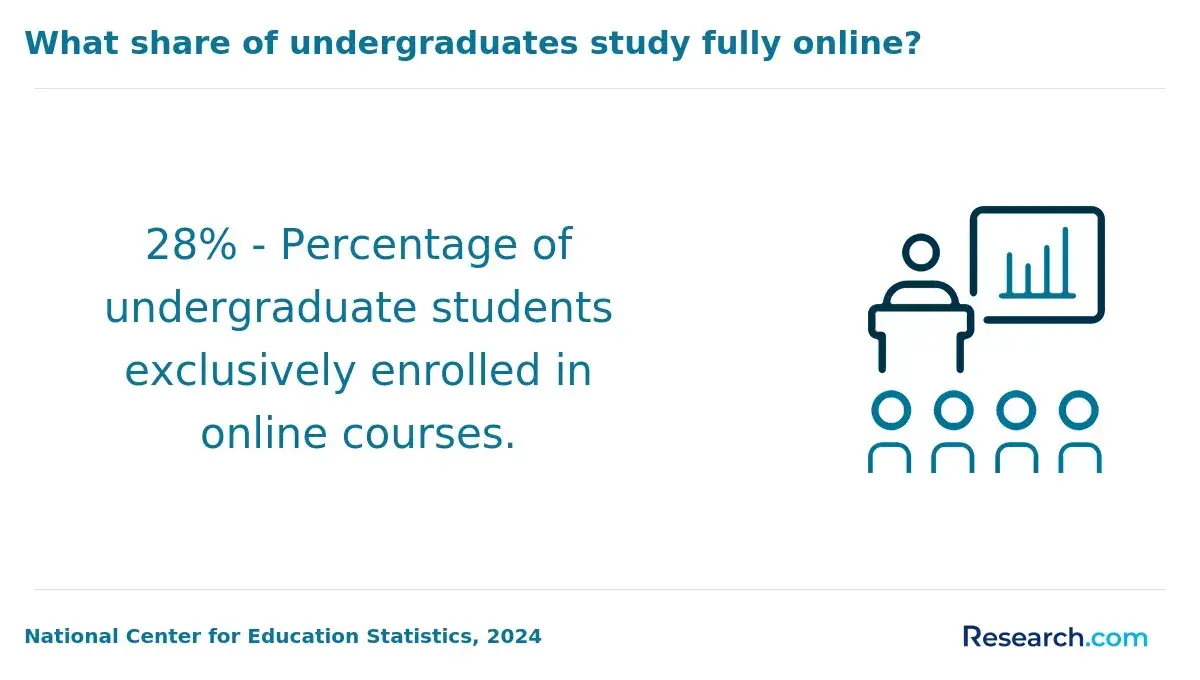
Recent data from the National Center for Education Statistics shows that nearly 37% of U.S. higher education students have taken at least one distance education course, underscoring the prevalence of accredited online options. These programs adhere to the same criteria as traditional campus degrees, ensuring comparable instructional quality, measurable student outcomes, and strong institutional oversight.
Prospective students should confirm that their chosen online program holds regional or national accreditation recognized by authoritative bodies such as the U.S. Department of Education or the Council for Higher Education Accreditation.
When I spoke with a graduate of an online health sciences degree program, he shared how confirming accreditation was a top priority before enrolling. He explained, "It was a bit overwhelming at first to sift through the different accrediting agencies and ensure my program was recognized."
Despite the initial confusion, he found reassurance knowing that his degree would be respected by employers and that he would remain eligible for licensure exams. He described the rigorous curriculum and instructor interaction as surprisingly similar to traditional classes.
Reflecting on his experience, he emphasized that verifying accreditation gave him confidence throughout his studies and beyond, alleviating concerns about the legitimacy of his online education.
Does Accreditation Affect Licensure Eligibility for Health Sciences Careers?
Accreditation is essential for students pursuing licensed or regulated health sciences professions, as it directly influences their ability to obtain professional licensure. Below are key factors explaining how accreditation impacts licensure eligibility and career prospects.
- Licensure Exam Eligibility: Graduating from an accredited program is often a prerequisite for sitting state or national licensure exams. Without proper accreditation, students may be barred from taking these essential exams needed to practice legally.
- Licensing Board Standards: Most state or regional licensing authorities accept only programs accredited by agencies recognized by the U.S. Department of Education or the Council for Higher Education Accreditation (CHEA). Completing a non-accredited program may disqualify a graduate from meeting these regulatory requirements.
- Employer and Regulatory Recognition: Employers and professional bodies typically prefer candidates who have completed accredited programs, viewing accreditation as confirmation of quality education and adherence to industry standards.
- Potential Drawbacks: Choosing a non-accredited program can lead to ineligibility for licensure exams, fewer job opportunities, and the inability to access federal financial aid, limiting both educational and career advancement.
Confirming accreditation status before enrolling safeguards students' educational investments and supports their long-term goals in health sciences careers.
Will Credits From an Accredited Health Sciences Program Transfer to Another School?
Students who may transfer schools, pursue advanced degrees, or relocate need to understand how credits from an accredited health sciences program transfer. Knowing the key factors that affect credit acceptance helps protect academic progress and financial investment.
The main considerations include the following:
- Type of Institutional Accreditation: Credits from regionally accredited institutions tend to transfer more easily because they are broadly recognized among U.S. colleges and universities. In contrast, credits from nationally accredited or specialized accreditors may face more scrutiny or limited acceptance.
- Course Equivalency and Curriculum Alignment: Receiving schools evaluate course content, credit hours, and learning outcomes to assess whether prior coursework matches their degree requirements. Closer alignment increases the likelihood that credits will be accepted.
- Receiving School Transfer Policies: Each institution has distinct rules regarding credit transfer, including minimum grade requirements and restrictions on the number or types of credits accepted. Students must review these policies carefully.
- Limits on Transfer Credits: Many schools limit the maximum transferable credits, which can affect those with substantial prior coursework. Even accredited credits may not fully apply toward a new degree if caps exist.
When asked about her experience, a graduate of a health sciences degree program shared that navigating credit transfer felt "overwhelming at first," especially with differing policies at each school. She emphasized the importance of early communication with admissions and academic advisors to clarify which credits would transfer.
Despite initial uncertainty, "knowing where my credits stood helped me avoid retaking courses unnecessarily and saved both time and money." Her story underscores that while challenges exist, proactive planning and understanding can ease the transfer process.
Does a Health Sciences Program Need Accreditation to Qualify for Financial Aid?
Accreditation plays a vital role in determining eligibility for federal, state, and institutional financial aid, with over 90% of federal student aid awarded to students enrolled in accredited programs. This status influences multiple facets of financial support for health sciences students.
Key factors to consider include:
- Federal Aid Eligibility: Accreditation is required for students to access Title IV federal aid programs such as Pell Grants and federal loans. Without it, students are typically ineligible for these essential funding sources, making affordability a challenge.
- State and Military Benefits: Many states and military education programs necessitate enrollment in accredited programs to qualify for grants, scholarships, and GI Bill benefits. This ensures funds are directed to credible institutions, safeguarding student investment.
- Institutional Scholarships: Colleges often require accreditation for students to receive institutional awards or grants. Lack of accreditation can limit or eliminate these additional funding options, increasing overall educational expenses.
- Licensure and Career Impact: Graduating from a non-accredited program can restrict eligibility for professional licensure and employment, which indirectly affects long-term financial outcomes and return on educational investment.
How Does Program Accreditation Influence Employability in Health Sciences Fields?
Accreditation is a crucial factor in determining career prospects and job market credibility for students pursuing degrees in health sciences fields. Graduates from accredited programs enjoy employment rates about 15% higher within their first year, reflecting strong employer preferences and industry trends.
This article highlights key ways accreditation influences employability.
- Employer Recognition: Accreditation serves as a benchmark for educational quality, signaling to hiring managers that graduates possess the necessary skills and knowledge. Many employers prioritize candidates from accredited programs when making hiring decisions.
- Professional Credibility: Health sciences degree programs that hold accreditation boost graduates' credentials, which is often a required proof of quality training in many healthcare settings. This credibility can ease entry into competitive workplaces.
- Certification and Licensure Eligibility: Regulatory bodies frequently mandate graduation from accredited programs as a prerequisite for sitting licensure exams or obtaining advanced certifications. Without proper accreditation, graduates may face barriers to essential career qualifications.
- Job Market Competitiveness: Completing an accredited program distinguishes graduates in a crowded job market by showing they have met rigorous academic standards. This distinction often leads to better job offers, higher starting salaries, and more advancement opportunities within health sciences careers.
For students exploring their options, ensuring accreditation status can also impact financial aid eligibility and long-term career outcomes. Prospective learners might consider accredited pathways such as those offered through a reputable online nursing school to maximize benefits.
The benefits of accredited health sciences degree programs for job placement are clear, providing a stronger foundation for success in the healthcare sector.
Do Graduates From Accredited Health Sciences Programs Earn Higher Salaries?
Accreditation can significantly influence earnings potential for health sciences graduates by ensuring recognized quality and credibility of their educational programs. On average, graduates from accredited health sciences programs in the U.S. start with salaries around $55,000, while those from non-accredited programs earn closer to $43,000.
Several factors contribute to this salary disparity.
- Employer Preference: Employers often prioritize candidates from accredited programs because accreditation guarantees a standardized curriculum and quality training, minimizing hiring risks and ensuring job readiness.
- Higher-Level Eligibility: Many advanced positions require degrees from accredited institutions, enabling graduates to qualify for roles with greater responsibility and better compensation.
- Industry Recognition: Credentials from accredited programs hold more weight in health care and allied fields, enhancing graduates' reputations and expanding their professional networks, which can impact salary outcomes.
- Long-Term Advancement: Employers are more likely to invest in career development for individuals from accredited programs, offering better promotions and salary increases over time.
For prospective students considering affordable RN to BSN online programs or other health sciences degrees, confirming accreditation status is crucial to ensure eligibility for financial aid, licensure, and improved salary outcomes. The impact of accreditation on health sciences graduate salary outcomes underscores the importance of selecting recognized programs when planning a career in this field.
What Graduates Say About Their Accredited Health Sciences Degree
- Savannah: "Completing my health sciences degree with accreditation in mind was a game-changer. I meticulously checked each program's credentials through official accreditation bodies, which gave me confidence in my education quality. This diligence has truly opened doors for me in healthcare administration roles, where credibility matters immensely. "
- Monica: "When deciding on my health sciences program, I took a step back to carefully verify its accreditation status by researching recognized accrediting agencies and speaking to alumni. This reflective process made me appreciate how accreditation ensures academic rigor and professional acceptance. Earning my degree from an accredited program has strengthened my expertise and trustworthiness as a clinical researcher. "
- Aiden: "As a health sciences graduate, I approached program accreditation very professionally, confirming that it met national standards before enrolling. This thorough verification helped me avoid common pitfalls and ensured my degree would be respected by employers. The accredited degree not only validated my skills but also accelerated my advancement in healthcare consulting. "
Other Things You Should Know About Health Sciences Degrees
Yes, a health sciences degree program can lose its accreditation if it fails to meet the required standards established by accrediting bodies. Regular reviews ensure compliance, and significant lapses can lead to the revocation of the program's accredited status.
Accredited health sciences programs are generally required to partner with approved clinical practicum sites where students gain hands-on experience. These sites must meet quality and safety standards, and the affiliations are regularly evaluated by accrediting agencies as part of program reviews.
To verify the accreditation of a health sciences degree program in 2027, visit the official website of recognized accrediting agencies like the Commission on Accreditation of Allied Health Education Programs (CAAHEP) or the Accrediting Bureau of Health Education Schools (ABHES). Ensure the program is listed as accredited, and check for any updates or historical accreditation data.
References
- International Accreditation » Accreditation agency in health and social sciences https://www.ahpgs.de/en/international-accreditation
- The Power of Accreditation in Healthcare Education https://esl.aquinasnetwork.com/blog/the-power-of-accreditation-in-healthcare-education/
- CHEA - Find Accredited Higher Education Institutions & Programs https://www.chea.org/directories
- How Can CRAs Detect Counterfeit Healthcare Diplomas? | Eagle Eye https://www.eagleeyescreening.com/strategies-for-cras-to-detect-counterfeit-healthcare-diplomas-during-screening
- What Can You Expect from a Health Science Major Salary? https://www.uopeople.edu/blog/what-can-you-earn-from-a-health-science-salary/
- Accreditation Overview - University Assessment and Accreditation https://www.unthealth.edu/uaa/accreditation-overview/index.html
- Transfer Credits https://www.schs.edu/admissions/transfer-credits
- Program-Specific Accreditation in Health Sciences: Standards and Benefits https://higheredme.com/programspecific-accreditation-health-sciences-standards-benefits-and-compliance/
- Health Education Accreditation https://accreditation.ca/assessment-programs/health-education-accreditation/
- Careers https://www.publichealthdegrees.org/careers/


