
2027 What Job Postings Reveal About Health Sciences Careers: Skills, Degrees, and Experience Employers Want

Co-Founder and Chief Data Scientist
What do employers in health sciences truly seek when scanning countless job postings? A recent survey found that over 70% of health sciences job listings require a bachelor's degree alongside practical experience, underscoring the field's competitive nature.
Beyond academic credentials, employers emphasize a blend of technical skills, critical thinking, and communication abilities that align with evolving healthcare demands. Job seekers often face uncertainty about which qualifications to prioritize, especially in roles ranging from clinical research coordinators to health policy analysts.
This article examines what job postings reveal about the essential skills, degrees, and experience employers want in health sciences careers to guide informed career planning.
Key Things to Know About Skills, Degrees, and Experience Employers Want
- Employers emphasize both technical skills like data analysis and soft skills such as communication, with 67% of postings requiring multidisciplinary competencies.
- Education requirements typically range from bachelor's degrees to specialized certifications, with 58% seeking candidates with 3-5 years of relevant experience.
- Systematic review of job postings reveals hiring standards, helping students align career preparation with employer expectations and industry demands.
What Do Job Postings Say About Health Sciences Careers?
Job postings offer a clear snapshot of what employers expect from candidates pursuing health sciences careers, highlighting a strong emphasis on formal education, relevant skills, and experience. A significant number of listings require at least a bachelor's degree in a health sciences-related field, often coupled with certifications or licenses specific to the role.
Skills such as analytical thinking, proficiency with healthcare technology, and regulatory knowledge are frequently mentioned. Notably, about 65% of postings highlight experience and education requirements as critical factors in candidate selection.
Patterns across job postings show consistent demands for foundational qualifications, but also reveal variation based on the complexity and specialization of roles. Employers tend to value a balanced combination of technical skills and interpersonal abilities, emphasizing communication and teamwork in tandem with clinical or administrative expertise.
Entry-level positions often focus on internships or practicum experiences, while advanced roles seek proven professional history. This demonstrates that while core credentials remain stable, the exact mix of competencies varies to match specific job responsibilities.
What Skills Are Most Requested in Health Sciences Job Postings?
Job postings in health sciences consistently highlight a combination of essential technical skills for health sciences careers and soft skills that employers prioritize.
Recent industry data shows that about 75% of these listings emphasize communication skills, reflecting its importance in effective patient interaction and collaborative environments.
Below are some of the key skills frequently requested in health sciences job postings:
- Communication Skills: This involves the clear and effective exchange of information with patients, colleagues, and other healthcare stakeholders. Strong communication ensures accurate understanding, which directly influences patient outcomes and organizational efficiency.
- Critical Thinking: Health sciences professionals must analyze complex information quickly, make informed decisions, and solve problems under pressure. Employers seek this skill because it supports adaptability and sound judgment in dynamic medical situations.
- Technical Proficiency: Familiarity with healthcare software, data analysis tools, and lab techniques is crucial. As medical technology evolves, the ability to use specialized equipment and software effectively becomes a core competency.
- Teamwork: Collaboration across multiple disciplines ensures comprehensive patient care and operational success. The ability to respect diverse perspectives and contribute to a collective goal is essential in health sciences careers.
- Organizational Skills: Managing competing priorities such as scheduling, documentation, and regulatory compliance is vital. Effective organizational skills facilitate smooth workflows and prevent errors in busy healthcare settings.
For those interested in developing these skills quickly, there are short medical assistant programs available that provide focused training. These programs can be an excellent starting point for individuals aiming to enter the field while building a foundation of both technical and interpersonal skills.
What Degrees Do Employers Require for Health Sciences Careers?
Job postings in health sciences careers often specify degree requirements that mirror the role's complexity and the industry's demands.
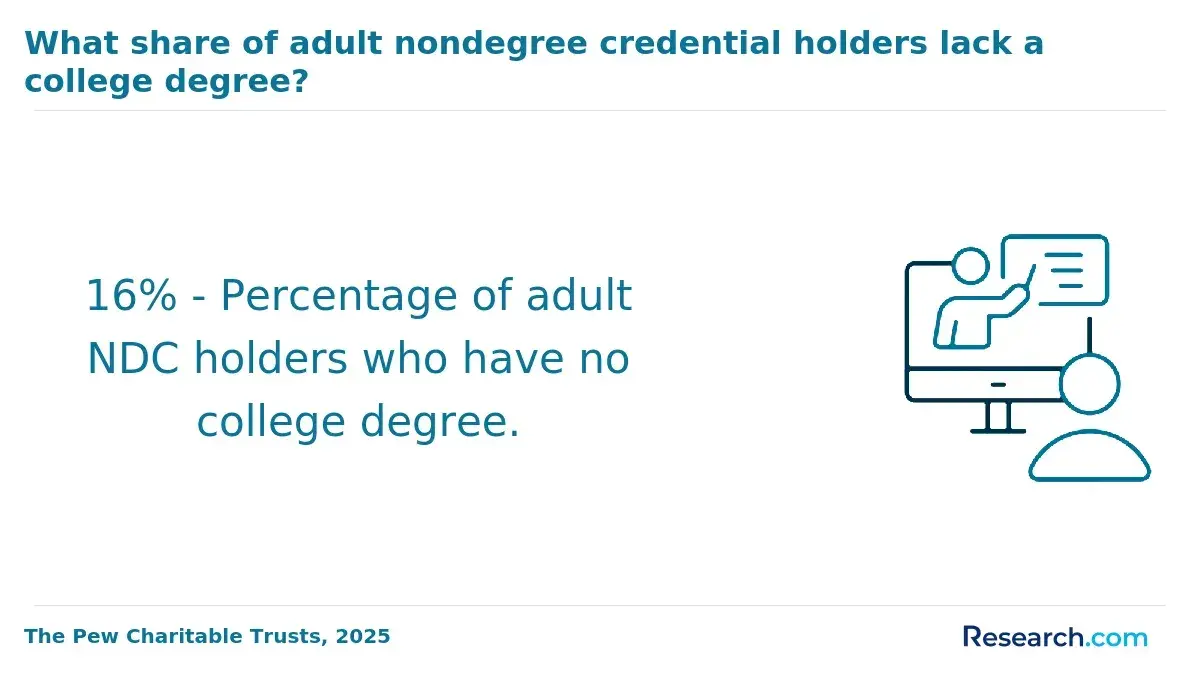
About 70% of these listings call for at least a bachelor's degree, highlighting its role as the fundamental academic credential. More advanced roles, such as those in research or specialized administration, frequently require graduate-level education.
The following points summarize common degree expectations found in job advertisements for health sciences positions:
- Bachelor's Entry Level: Most entry-level jobs expect candidates to hold a bachelor's degree in health sciences or closely related fields, establishing a baseline for employment in the sector.
- Advanced Degree Preference: Positions involving research, clinical specialization, or healthcare policy often demand a master's or doctoral degree to ensure the necessary depth of knowledge and analytical skills.
- Industry Variation: Hospitals and clinics usually prioritize degrees in nursing, public health, or health administration, whereas biotech and pharmaceutical firms prefer backgrounds in biology, biochemistry, or biomedical engineering.
- Certification Versus Degree: While certifications and licenses support clinical and regulatory roles, they typically complement rather than replace the formal degree requirements.
When discussing what degrees employers look for, a health sciences degree graduate shared that navigating job requirements often felt overwhelming. He recalled applying for various positions where each role listed different educational demands, from bachelor's degrees up to doctoral credentials.
"It was frustrating at times, trying to match my qualifications with what employers wanted," he said, noting that persistence and understanding the specific focus of each job were key to finding a good fit. This experience underscored how critical it is to carefully review degree expectations for each opportunity within health sciences fields.
How Much Experience Do Health Sciences Job Postings Require?
Job postings in health sciences often specify a range of experience levels depending on the role and area of specialization.
Employers use experience as an essential factor to filter candidates according to their readiness and expertise. This approach ensures they find qualified individuals suited to the specific demands of each position.
Below are common experience requirements typically encountered in health sciences job postings:
- Entry-Level: These roles generally demand little to no prior experience, making them ideal for recent graduates or those new to the field. Emphasis is placed on foundational knowledge and an eagerness to learn on the job, reflecting typical entry-level experience requirements in health sciences careers.
- Early-Career: Positions in this category typically require one to three years of relevant experience, focusing on developing skills and growing independence in daily responsibilities.
- Mid-Level: These roles usually call for three to five years of experience. Candidates are expected to have specialized knowledge, demonstrate problem-solving abilities, and manage tasks with minimal supervision.
- Senior-Level: Involving leadership or managerial duties, these jobs often require five or more years of experience. Professionals must show a history of success and an ability to oversee teams or strategic projects.
- Specialist Roles: Experience requirements vary widely but often demand focused expertise in niche areas.
For those considering further education to advance their careers, exploring options like the cheapest online acute care nurse practitioner programs can be a practical step toward gaining the experience employers seek.
What Industries Hire Fresh Graduates With No Experience?
Many sectors show a strong readiness to hire fresh graduates in health sciences who lack professional experience.
This openness is often evident in entry-level job advertisements that highlight a willingness to offer training and prefer academic qualifications over prior work history. In fact, research shows nearly 60% of these entry-level roles are occupied by candidates with under one year of experience.
The following industries commonly recruit recent health sciences graduates without requiring extensive professional backgrounds:
- Healthcare Services: Facilities like hospitals and clinics frequently offer roles such as medical assistants and health technicians to new graduates. These workplaces emphasize learning on the job, pairing novice employees with mentors to build practical skills.
- Pharmaceutical and Biotechnology: These companies often have openings for entry-level research assistants or quality control technicians. Academic knowledge in science is prized, and hands-on laboratory experience is gained through structured training programs.
- Public Health and Government: Agencies focused on community health or epidemiology tend to hire graduates to assist with program support and data management. Job descriptions usually stress analytical abilities and policy awareness rather than prior work experience.
- Health Insurance and Managed Care: Entry-level positions here include claims processing and case management roles. Although familiarity with healthcare regulations is important, employers provide operational training to build expertise.
When asked for her perspective, a fresh graduate with a health sciences degree shared that entering the workforce felt daunting due to limited hands-on experience. She recalled initially facing rejections but found that organizations valuing adaptability and eagerness to learn offered opportunities.
"It was encouraging to know some employers focus more on my educational background and motivation than my resume gaps," she said, highlighting the importance of persistence. Through internships and entry-level roles, she gradually gained confidence and real-world skills, confirming that several industries truly invest in training newcomers to the field.
Which Industries Require More Experience or Skills?
Certain sectors within health sciences demand more rigorous qualifications and greater experience from applicants.
Job postings in these areas often call for specialized certifications, advanced degrees, and several years of practical experience, reflecting the complexity and regulatory nature of these professions. Research indicates that about 62% of senior practitioner roles require over five years of experience or specific credentials.
Highlighted below are sectors where these elevated standards are particularly prevalent:
- Biotechnology and Biomedical Research: Employers expect candidates to possess in-depth knowledge of laboratory methodologies, data interpretation, and compliance with regulatory policies. Roles usually require three to five years of relevant experience and training in fields such as molecular biology or clinical trials.
- Pharmaceutical Development and Regulatory Affairs: This industry prioritizes advanced degrees and certifications related to drug development, quality control, and pharmacovigilance. Professionals are often tasked with managing complex projects under strict regulatory environments, necessitating demonstrated expertise and experience.
- Advanced Clinical Practice: Positions like specialized nurse practitioners or clinical leaders emphasize a blend of patient care proficiency and administrative experience. Certification and multi-year practice history are commonly mandatory to meet organizational standards.
- Medical Technology and Health Informatics: Candidates here must show proficiency in specialized technical skills alongside knowledge of healthcare regulations. Experience working with innovative technologies and data systems is highly valued, often requiring advanced training.
Which Credentials Are Most Valuable for Health Sciences Careers?
Employers in health sciences careers rely heavily on various credentials to evaluate applicants' expertise, professionalism, and readiness to meet industry standards.
Academic qualifications, licenses, and certifications each play a distinct role in demonstrating candidates' capabilities and compliance with regulatory requirements. These credentials often shape hiring decisions by signaling competence and commitment to safe, effective practice.
The following are some of the most valuable credentials commonly referenced in health sciences job postings:
- Academic Degrees: Foundational knowledge is primarily delivered through bachelor's degrees in nursing, biology, health administration, or related fields. Advanced roles frequently require master's or doctoral degrees, which emphasize specialized knowledge and research skills.
- Licenses: Licensure serves as official authorization to practice, often mandated by state regulators. Registered nurses must pass the NCLEX-RN exam, ensuring they meet standard competencies, while other professions like radiology or therapy require state-specific licenses.
- Certifications: Though often voluntary, certifications signal advanced expertise and professional development. Examples include the Certified Health Education Specialist (CHES) and Certified Clinical Research Professional (CCRP), which validate specialization and dedication to best practices.
- Regulatory Compliance: Employers value credentials that demonstrate adherence to safety and legal standards, minimizing the risk of underqualified hires in a field where high-quality care is essential.
Are Salaries Negotiable Based on Experience?
Salary levels in health sciences job postings often vary depending on a candidate's experience, education, and the complexity of the role.
Employers typically list salary ranges rather than fixed amounts to accommodate the diverse backgrounds of applicants. This flexibility allows higher compensation for those bringing advanced degrees, specialized skills, or significant expertise.
According to recent data, around 65% of health sciences employers note that salaries are negotiable based on experience and qualifications, reflecting a widespread trend toward adaptable pay structures in the field of negotiable salaries in health sciences careers.
Entry-level positions usually have narrower salary bands due to uniform responsibilities and limited experience, offering less room for negotiation. By contrast, mid- and senior-level roles feature broader salary ranges to reward demonstrated competencies, certifications, and career achievements.
Employers build these pay structures to remain competitive and reflect the added value brought by individuals with advanced qualifications, including master's or doctoral degrees and leadership experience. Individuals pursuing accelerated education paths through fast track schools may find enhanced opportunities for salary variation based on experience in health sciences jobs.
How Can You Match Your Resume to Job Descriptions?
Job postings serve as critical guides for candidates aiming to tailor their resumes effectively for careers in health sciences. They reveal the specific skills, degrees, and experience employers prioritize, helping applicants align their qualifications accordingly.
Research indicates that about 75% of resumes are filtered out by applicant tracking systems (ATS) before reaching human recruiters, emphasizing the importance of matching resume content to job description requirements.
Below are key strategies for aligning your resume with health sciences job descriptions:
- Interpreting Job Postings: Carefully analyzing the language and details in job postings helps candidates identify the clinical or technical experience employers seek. This targeted focus creates more appealing and relevant resumes.
- Highlighting Relevant Experience: Emphasizing practical accomplishments and responsibilities that directly relate to the job's expectations showcases a candidate's value and expertise in the health sciences field.
- Aligning Terminology: Using industry-specific keywords and certifications found in the posting enhances ATS compatibility and reflects familiarity with the employer's priorities.
- Prioritizing Credentials: Focusing on required educational qualifications and certifications ensures that resumes match the minimum standards employers expect, which is crucial in health sciences careers.
- Leveraging Education Resources: Candidates pursuing advanced credentials such as nursing or doctoral degrees should consider programs tailored to their needs, including the best DNP programs online that align well with clinical demands and career goals.
Matching your resume to health sciences job descriptions with precision increases your chances of success and improves your visibility during the hiring process.
What Should You Look for When Analyzing Job Ads?
Job postings reveal critical employer expectations within health sciences careers, offering valuable insights into the skills and credentials sought after.
Analyzing these ads carefully helps clarify the specific role requirements, improving understanding of industry standards. Recent data shows that over 70% of health sciences job postings highlight at least three core technical skills, illustrating the emphasis on specialized abilities.
When evaluating job ads, focus on the following essential elements:
- Responsibilities: Consider the outlined daily tasks and overall duties to grasp the position's scope and workplace demands.
- Qualifications: Look for educational prerequisites, certifications, and licenses that establish the minimum standards for employment.
- Experience Levels: Notice if the ad specifies years or types of practical experience, indicating whether the role targets entry-level, mid-career, or senior professionals.
- Required Skills: Both technical proficiencies, such as laboratory methods or data software, and soft skills like teamwork and communication are frequently emphasized.
- Employer Requirements: These specifics showcase what organizations prioritize in health sciences job ads and assist candidates in aligning their profiles accordingly.
For those seeking to expand their qualifications for advanced positions, exploring reputable RN to NP programs can be beneficial.
What Graduates Say About Skills, Degrees, and Experience Employers Want
- Arlo: "As a recent graduate, I found that job postings were invaluable in helping me identify roles that truly matched my credentials in health sciences. By carefully analyzing the required skills and certifications listed, I was able to tailor my applications to highlight my strongest attributes. This strategy gave me confidence and clarity in navigating the job market right after graduation."
- Samiel: "Over the years, I've relied heavily on job ads to steer the direction of my health sciences career. They reveal key trends and emerging specialties that help me decide when to pursue additional training or certifications. Reflecting on this, I realize how job postings are not just recruitment tools but also roadmaps for professional growth."
- Leon: "In my experience as a health sciences professional, job postings have shaped many career decisions by offering insights into industry demands and salary standards. They help me stay updated on how my expertise fits into evolving healthcare settings, which drives me to continuously improve and adapt. These postings serve as a practical guide in a competitive field."
Other Things You Should Know About Health Sciences Degrees
Many health sciences job postings highlight soft skills such as communication, teamwork, and critical thinking alongside technical qualifications. Employers emphasize these abilities because effective patient interaction and interdisciplinary collaboration are essential in healthcare settings. Clear communication and adaptability are often noted as crucial for both clinical and research positions.
Job postings frequently list specific certifications like CPR, clinical research certification, or disease-specific credentials as mandatory or preferred qualifications. These certifications demonstrate a candidate's commitment to ongoing learning and adherence to industry standards. They often supplement formal degrees by proving specialized knowledge or compliance with healthcare regulations.
In 2027, entry-level candidates in health sciences face challenges such as the need for advanced degrees and certifications, high competition, and the expectation of relevant experience. Job postings often highlight these requirements, indicating the high standards employers set for newcomers in the field.
Many health sciences job postings mention opportunities or expectations for continuing education and professional development. This reflects the constantly evolving nature of health sciences, where new technologies and protocols require staff to update their skills regularly. Employers often seek candidates who are proactive about learning to maintain compliance and best practices.
References
- Health Science occupation list | Explore Careers | CareerOneStop https://www.careeronestop.org/ExploreCareers/Learn/CareerClusters/health-science-occupation-list.aspx
- Top Healthcare Certifications Worth Pursuing For Career Advancement - MedCertify https://medcertify.com/top-healthcare-certifications-worth-pursuing-for-career-advancement/
- Five Valuable Certifications for People in Health Care Management Careers - Healthcare Management Degree Guide https://www.healthcare-management-degree.net/list-articles/five-valuable-certifications-for-people-in-health-care-management-careers/
- Specialized Skills in Demand for Healthcare Professionals https://www.aroragroup.com/2024/10/16/specialized-skills-in-demand-for-healthcare-professionals/
- Which Healthcare Certifications Pay the Most? A Guide to Higher-Earning Medical Jobs Through Certification https://www.pennfoster.edu/blog/10-medical-certifications-that-pay-well
- Top Skills and Certifications Needed to Land High-Impact Healthcare Roles | GHR Healthcare https://www.ghrhealthcare.com/blog/certifications-high-impact-healthcare-roles
- 10 Top Healthcare Skills for the Job Market (2025) https://www.tagmedstaffing.com/blog/top-skills-healthcare-professionals/


