
2027 Health Sciences Degree Programs for Career Changers

Co-Founder and Chief Data Scientist
Many adults face uncertainty when shifting careers into the health sciences field, unsure if their previous experience will translate or if they can handle rigorous academic demands. Approximately 45% of health sciences students in the U. S. are adult learners, highlighting growing interest among career changers seeking stable employment and meaningful work. This demographic often balances education with existing responsibilities, making program flexibility essential. This article examines key health sciences degree programs tailored to adult learners, offering insights into how these programs accommodate unique challenges and accelerate career transitions with practical skills and credentials.
Key Things to Know About Health Sciences Degree Programs for Career Changers
- Many health sciences degree programs offer flexible online or hybrid formats, allowing working adults to balance education with employment and personal responsibilities efficiently.
- Accelerated pacing options enable career changers to complete degrees faster, with some programs shortening typical timelines by up to 40%, enhancing workforce entry speed.
- Programs often emphasize employer-relevant skills and provide dedicated support services, such as career counseling and tutoring, to improve retention and job placement outcomes for adult learners.
What Health Sciences Programs Accept Career Changers?
Many health sciences degree programs accommodate working professionals and adult learners by offering flexible admissions criteria and curricula designed to facilitate career transitions. In fact, nearly 40% of graduate students in the United States are adult learners, many enrolling as career changers seeking programs with adaptable prerequisites and practical content.
Popular health sciences degree programs that accept career changers include:
- Master of Health Administration (MHA): This program focuses on leadership and management skills relevant across healthcare settings. It often accepts students with diverse undergraduate degrees, making it ideal for transferring skills from other industries.
- Master of Public Health (MPH): With interdisciplinary coursework, many MPH programs have flexible prerequisites, attracting working professionals pursuing new career paths in public health.
- Health Informatics: Targeting individuals with technology backgrounds, this program integrates IT and healthcare, emphasizing practical, project-based learning that helps pivot into health-related roles.
- Health Education and Promotion: Designed for community health roles, this program welcomes applicants from varied education and work experiences, highlighting communication and teaching skills.
These health sciences degree programs with flexible admissions for working professionals enable skill transfer and address the needs of nontraditional students. For those interested in expanding their healthcare education further, exploring a pharmacy degree online can be a complementary option.
What Health Sciences Specializations Are Best for Career Changers?
Selecting the right health sciences specialization is essential for career changers, as it helps align existing skills with the evolving needs of the healthcare sector. The U.S. Bureau of Labor Statistics projects a 16% growth in healthcare occupations from 2021 to 2031, signaling strong demand across various specialties. Here are four top health sciences specializations ideal for career changers:
- Health Informatics: Designed for those with technology or data backgrounds, this specialization leverages transferable analytical and IT skills. It addresses the increasing need for digital solutions in healthcare, making it accessible to professionals shifting from tech fields.
- Public Health: Well suited for individuals with communication and organizational experience, public health offers diverse roles in community health and policy. Its broad applicability makes it appealing for career changers seeking impactful, socially driven opportunities.
- Healthcare Administration: This path fits those with management or business expertise, providing a clear route into leadership and operational roles within medical settings. Career changers with prior business experience will find their skills highly transferable here.
- Rehabilitation Sciences: Ideal for professionals with backgrounds in physical education or therapy, this area focuses on patient recovery and wellness. Demand for rehabilitation experts is strong, offering career changers a meaningful way to apply their prior experience to healthcare delivery.
Adult learners seeking the best health sciences programs for nontraditional students can find flexible options designed to accommodate career transitions. Many pursue accelerated pathways, such as accelerated medical assistant programs, to enter the healthcare field swiftly and confidently.
What Are the Admission Requirements for Career Changers Applying to a Health Sciences Program?
Career changers face unique challenges when applying to a health sciences program, making it essential to understand specific admission requirements tailored for nontraditional students. Over 40% of undergraduate students in the U.S. are nontraditional learners, reflecting the increasing accessibility through flexible admissions and alternative pathways. The following are common prerequisites for career changers entering health sciences degrees.
- Application Form: Applicants must complete a detailed form that highlights their career history and reasons for shifting into health sciences, enabling programs to assess commitment and relevant experience.
- Official Transcripts: Colleges or universities previously attended require submitting official transcripts to verify academic background, which aids in determining eligibility and course placement.
- GPA Requirements: Most programs expect a minimum GPA of 2.5 to 3.0; however, some flexibility exists for professionals with strong transferable skills and work experience.
- Standardized Tests: While some programs require test scores, many waive this for experienced professionals, acknowledging prior knowledge and reducing barriers for adult learners.
- Letters of Recommendation: These often emphasize transferable skills like communication and project management from former careers, validating applicants' readiness for the health sciences field.
- Personal Statement: A well-crafted essay explaining the career shift is critical to convey motivation, goals, and alignment with the program's objectives.
- Relevant Experience: Work experience or certifications in healthcare or allied fields can sometimes substitute for coursework, particularly when combined with portfolio reviews or competency-based assessments.
Programs recognize the value of prior expertise, providing flexible admissions that accommodate career changers seeking efficient routes to earn their degree. For those exploring options, researching nursing schools that are easy to get into can offer insight into accessible programs that support career transitions.
What Is the Coursework for a Health Sciences Degree for Career Changers?
For career changers, grasping the coursework involved in a health sciences degree is vital to effectively map out how their current skills align with new academic requirements. Knowing what to expect can ease the shift into healthcare studies and practical experiences. The curriculum usually centers on these core areas:
- Core Sciences: This includes foundational subjects such as biology, anatomy, physiology, and chemistry tailored to accommodate students with diverse educational histories, ensuring a solid medical knowledge base.
- Health Systems and Policy: Courses focus on healthcare organization, ethics, administration, and public health, placing students within the broader context of healthcare delivery and governance.
- Applied Learning: Practical elements like healthcare informatics, research methodologies, and clinical internships connect classroom theory to real-world healthcare settings, allowing hands-on experience essential for career transition.
- Flexible Formats: Programs often offer evening classes, online modules, and accelerated options designed to fit the demanding schedules of working adults and support their educational engagement.
- Academic Support: Targeted resources help fill knowledge gaps, providing career changers with guidance and assistance to navigate the coursework efficiently.
Speaking with a professional who completed an online health sciences degree to facilitate a career change revealed some insider perspectives. He shared how balancing full-time work with online studies was challenging but manageable because of the flexible schedule. "Adjusting to the scientific terminology was tough at first, and I often felt overwhelmed," he admitted. However, the practical projects and virtual internships made the theory tangible, boosting his confidence. He noted that academic support was essential when confronting unfamiliar topics, saying, "Having access to tutors who understood my background really helped me stay on track." This approach led him to feel prepared for his new healthcare role, emphasizing that the coursework's design made the transition smoother than he expected.
What Health Sciences Program Formats Are Available for Career Changers?
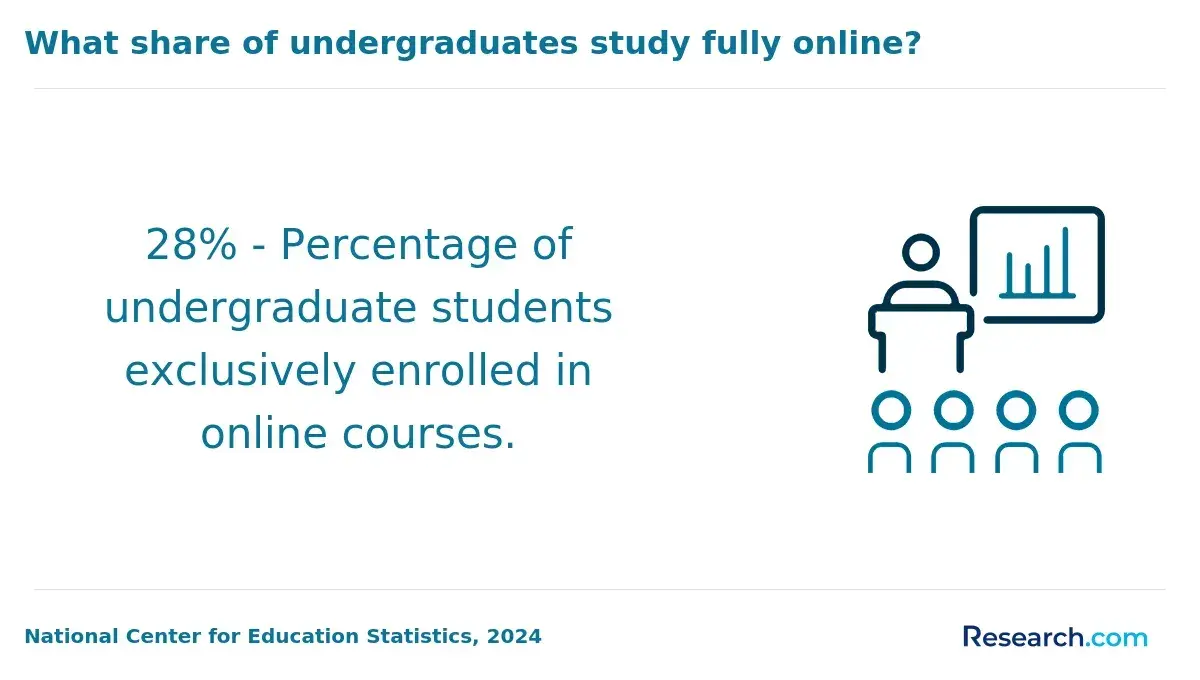
Nearly 40% of postsecondary students are adult learners balancing education with work and family, making flexible program formats essential for career changers pursuing health sciences degrees. Understanding these formats helps adult learners find options that fit their schedules and responsibilities. Here are common program styles designed for flexibility and accessibility:
- Online Programs: Fully virtual courses allow students to learn anytime and anywhere, ideal for those managing full-time jobs or family commitments without regular campus visits.
- Evening and Weekend Classes: Scheduled outside traditional business hours, these in-person options support working professionals who need to attend classes after work or on weekends.
- Hybrid Programs: Combining online coursework with occasional on-campus sessions, these formats offer the convenience of remote learning while ensuring essential hands-on experience.
- Part-Time Enrollment: Students take fewer classes each term, extending the program length but providing the flexibility to balance study with other life demands.
Selecting the appropriate format enables career changers to advance their education efficiently while maintaining their current commitments.
What Skills Do Career Changers Gain in a Health Sciences Program?
For those shifting careers into healthcare, acquiring new skills is crucial to bridge previous experiences with industry demands effectively. Research shows that 79% of employers place high importance on transferable skills when hiring adult learners and individuals undergoing workforce reskilling. Below are five essential skills typically developed through a health sciences program that aid in this process.
- Clinical Knowledge: Gaining a solid grasp of medical terminology, human anatomy, and healthcare procedures equips students to function confidently in clinical environments, laying the groundwork for practical patient care roles.
- Critical Thinking: The ability to analyze information, evaluate patient needs, and address problems systematically is vital for making sound decisions in varied healthcare settings.
- Communication Skills: Effective interaction with patients, families, and healthcare teams ensures clear information exchange and supports collaborative care delivery.
- Ethical Judgment: Understanding healthcare ethics and professionalism prepares learners to handle complex moral challenges while maintaining patient trust and integrity.
- Data Literacy: Proficiency with health informatics, including electronic health record systems and data analysis tools, aligns graduates with the growing technological aspects of modern healthcare.
Reflecting on this, a career changer who completed a health sciences degree shared how her journey involved significant emotional and professional growth. Initially overwhelmed by the technical language and clinical expectations, she emphasized how persistent study and hands-on practice built her confidence. "Learning to translate complex medical information into everyday terms was tough but rewarding," she recalled. She also highlighted how exposure to ethical case studies reshaped her perspective on patient care, fostering empathy and professionalism. This blend of hard and soft skills, she noted, made her feel prepared not just to enter healthcare but to thrive within it.
How Much Does a Health Sciences Degree Cost for Career Changers?
For career changers, accurately assessing the total cost of a health sciences degree is critical as many balance education expenses with ongoing financial commitments. Data from the National Center for Education Statistics show that average graduate education debt in the U.S. surpasses $50,000, underscoring the significance of financial planning for adult learners. Considering these factors, several cost components deserve close attention:
- Tuition: This represents the largest expense and varies widely depending on the institution and program format, typically ranging from $10,000 to $40,000 annually in public and private schools. Programs with flexible schedules or online formats can help working professionals reduce indirect costs such as lost wages or commuting.
- Fees: Additional mandatory fees often cover technology, registration, and facility usage. These may add several thousand dollars per year, so it is important to budget accordingly and verify if any fees can be waived or reduced through employer support.
- Textbooks and Materials: Costs here depend on the curriculum and required resources, which can be substantial. Some programs offer digital or rental options to lower expenses, which is beneficial for those seeking affordable health sciences degrees for working professionals.
- Clinical and Lab Expenses: Certain programs include hands-on clinical practice or lab work that requires supplies or travel. Investigating these potential costs early helps career changers avoid unexpected financial burdens.
- Financial Aid and Employer Assistance: Many adult learners should explore whether their employer offers tuition reimbursement or sponsorship. Combining such benefits with financial aid options can markedly reduce net costs. Additionally, accelerated pathways or certificate programs might offer faster, cost-effective routes into the health sector.
Career changers aiming to optimize their investment often compare program costs and formats, including investigating options like the cheapest online nurse practitioner programs. This thorough evaluation supports making informed decisions that align with both educational objectives and professional responsibilities.
How Does a Health Sciences Curriculum Support Career Transitions?
Curriculum design plays a critical role in supporting career changers by offering adaptable and practical learning experiences that enable quick competence building. A well-structured health sciences curriculum for career changers ensures foundational knowledge is combined with applied skills, making integration of new concepts efficient and relevant for adult learners. Below are key elements that contribute to successful transitions.
- Applied Learning: Curriculum incorporates applied learning to connect theory with healthcare practice, enhancing practical understanding and allowing students to relate new information to real-world contexts.
- Transferable Skills: Development of essential skills such as communication, critical thinking, leadership, teamwork, and problem-solving bridges gaps between previous careers and health sciences professions.
- Flexible Pacing: Programs offer flexible scheduling and course delivery models tailored to adult learners balancing work, family, and study commitments, which increases accessibility and retention.
- Real-World Projects: Integration of projects based on real-world scenarios builds hands-on experience and professional readiness, boosting confidence for new career roles.
- Structured Pathways: Curricula provide structured pathways that gradually build technical expertise while valuing learners' prior professional experience, smoothing the workforce transition.
These curriculum features help students acquire vital skills gained from health sciences degree for workforce transition, preparing them effectively for new roles in healthcare. For those interested in cost-effective options, exploring the cheapest RN to BSN online programs can be a strategic step toward advancing their career in health sciences.
What Careers Can Career Changers Pursue With a Health Sciences?
For those shifting careers, knowing potential job outcomes helps align current skills with new industry demands and ensures smarter education choices. The U.S. Bureau of Labor Statistics predicts healthcare roles will increase by 13% from 2021 to 2031, signaling strong demand and stability. Below are common career options for graduates holding a health sciences degree.
- Health Educator: Develops community initiatives to promote healthier lifestyles. Strong communication and organizational skills from previous roles transfer well in educating diverse populations.
- Medical and Health Services Manager: Directs daily operations of healthcare facilities, often benefiting from prior leadership or administrative experience to efficiently manage staff and resources.
- Clinical Research Coordinator: Coordinates clinical studies ensuring adherence to regulations. Analytical thinking and project management expertise support success in this detail-focused environment.
- Occupational Therapist Assistant: Assists patients in regaining daily living skills. Backgrounds in caregiving or education provide a solid foundation to support patient progress effectively.
- Public Health Analyst: Evaluates health data to inform policy decisions. Research capabilities and data analysis skills are vital for influencing impactful health strategies.
What Is the Average Salary After Earning a Health Sciences Degree as a Career Changer?
Salary expectations play a key role for professionals switching careers into health sciences, as they affect both financial security and long-term career satisfaction. Studies show that individuals reskilled for health-related jobs typically see a median salary increase of about 15% within two years of earning their new qualifications. Below are some typical compensation ranges and factors affecting pay in this field.
- Entry-Level Salaries: Graduates often start between $40,000 and $55,000 annually, with pay influenced by educational background and industry demand.
- Experienced Professionals: Those with several years in clinical or administrative roles generally earn $60,000 to $85,000, benefiting from accumulated expertise and responsibility levels.
- Specialized Fields: Positions in healthcare management or research coordination can offer salaries exceeding $90,000, reflecting advanced skills and leadership duties.
- Industry Sector: Private healthcare typically provides higher wages than public or nonprofit sectors, though benefits and job stability may vary.
- Location and Demand: Geographic regions with higher demand for health sciences professionals see increased salaries, and transferable skills from previous careers may accelerate earning potential.
What Graduates Say About Their Health Sciences Degrees for Career Changers
- Amanda: "Choosing to switch careers wasn't easy, but enrolling in a health sciences degree program made all the difference for me. The average cost was around $22,000, which was an investment I knew would pay off. Now, I'm thrilled to be working in a field where I can truly make an impact on people's well-being."
- Kenny: "Reflecting on my career change, pursuing a health sciences degree was a thoughtful decision. Though the tuition, approximately $20,500 on average, was a significant expense, it was manageable with careful planning. Completing the program provided me with the knowledge and confidence needed to transition effectively and professionally."
- Edna: "After years in a different industry, I saw the health sciences degree as a crucial step to reorient my career. While $21,000 was the typical cost, I viewed it as a strategic investment in my future. Finishing the program expanded my expertise and opened doors I hadn't imagined possible before."
Other Things You Should Know About Health Sciences Degrees
Yes, 2027 health sciences degree programs for career changers often include practical or clinical components. These are designed to provide hands-on experience, essential for understanding real-world applications in healthcare settings and preparing students effectively for new roles in the health sector.
Career changers often face challenges such as meeting prerequisite coursework, adapting to rigorous academic demands, and managing financial concerns. Additionally, adjusting to a new field and balancing studies with personal responsibilities can be demanding. Support systems and academic advising can help address these challenges in health sciences programs.
References
- Earn a Health Science Degree | Start A Career in Healthcare https://www.tuw.edu/health/health-sciences-degree-healthcare-career/
- Careers in Health Science | Academy Online Learning https://academyonlinelearning.com/careers-health-science
- Health Sciences Career Exploration and Career Development Experience Pilot https://edsystemsniu.org/project/health-sciences-career-exploration-and-career-development-experience-pilot/
- 6 Things to Look For In a Health Science Program| University of Bridgeport https://www.bridgeport.edu/news/what-to-look-for-in-a-bachelors-in-health-science-program/
- Health Science Degree Online https://www.snhu.edu/online-degrees/bachelors/bs-in-health-science
- Is a career change to medical school possible? https://www.umhs-sk.org/blog/career-change-medical-school
- What Can You Do with a Health Science Degree? https://www.herzing.edu/degree/health-science
- 8 Best Health Science Courses & Specializations in 2025 https://www.upes.ac.in/blog/health-sciences-technology/best-health-science-courses
- Career Changers https://www.aucmed.edu/admissions/career-changers
- From Business to Health Science: How to Make a Successful Career Transition https://blog.portobelloinstitute.com/from-business-to-health-science-how-to-make-a-successful-career-transition


